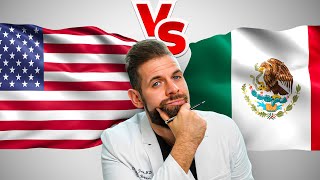
In this informational video, Dr. Charles Pereyra outlines seven key factors to consider when choosing between stem cell and exosome therapy in the United States versus Mexico. He begins by emphasizing the stricter laboratory regulations in the U.S., where FDA‑mandated Good Manufacturing Practice (GMP) inspections ensure sterility and quality—standards he notes are not consistently applied in Mexico. He then discusses the higher standard of medical training and board certification in the U.S., which requires ongoing education and rigorous practice standards. The third point covers legal protections, highlighting that U.S. patients have clearer recourse if adverse events occur, whereas Mexican clinics often lack accountability. Fourth, he stresses ethical sourcing of cells, advocating for donated umbilical cords that are rigorously tested and obtained without harming donors. Fifth, he mentions convenience, noting that proximity and travel ease can make Mexico attractive. Sixth, he underscores the importance of comprehensive follow‑up care, which is more feasible when treatment is close to the patient’s home. Finally, he points to U.S. research and innovation, where leading laboratories involved in clinical trials also supply therapeutic materials, ensuring high scientific standards. The video concludes with a call to learn more via linked resources.
Chapters
What's up y'all? In this video, I'm going to describe the main difference between the United States versus Mexico when considering stem cell and exosome therapy. So let's just jump right in. The biggest thing when deciding to go overseas to get medical treatment versus the US is the understanding on the rigors of lab maintenance, lab safety, and overall regulations in general. Now, in the United States, it's imperative to know that every lab that distributes any biologic or pharmaceutical material needs to to be regulated and have a good manufacturing practice received from the FDA. This is a rigorous standing where the FDA actually conducts multiple site visits to look at your lab to determine the sterility and the quality of the laboratory itself. This is something that we've yet to see a large regulatory body actually do in Mexico to the same standard as the US. And this leads into the number 2 reasons, which is the standard of medical care. Now, this is the way that a medical student goes through their medical training all the way to become a board-certified doctor. Now, to maintain this accreditation and board certification, there needs to be ongoing and rigorous training and education, as well as good practice standards. This is something that the United States is known to be incredibly meticulous about, and one of the reasons why physicians in the US may be preferable to going overseas at times. So number 3, legal and protection rights. Now, in the adverse event that something was to actually go wrong overseas, there's really not many repercussions for the clinics who are outside of the United States. And the reason why this is incredibly important is because you actually want to know that where you're getting care is going to be held accountable for your needs and for you as a patient and looking out for your safety first. Number 4 is ethical standards. And why this is important is because you may want to know that the stem cells or exosomes that you're getting are harvested from a source which is not only from a compliant lab, but also ethically sourced, meaning that they're from donated umbilical cords and they're rigorously tested and that there's no harming of any fetus or mother during the procedure. And number 5 is simply convenience. It's really nice to be able to just drive to the place where you're trying to get treatment from or take a quick flight in order to receive your stem cell or exosome therapy. And number 6 is comprehensive follow-up care. Now, when getting any therapy, it's important to have a follow-up visit or at least a consultation. Having a facility that that's close to your home enables you to have follow-up visits, follow-up assessments, and even follow-up consultations to see how the therapy is progressing for you. Number 7 is research and innovation. The United States has some of the highest quality laboratories and facilities which are evaluating stem cell and exosome therapy. And some of these labs which provide cells to clinical trials are the same labs which are providing materials to patients. The reason why it's important to be a part of a laboratory which is involved in rigorous research is because they are held to high standards, not only of the facility but of the scientists themselves. So I hope you found this interesting. If you'd like to learn more about stem cell and exosome therapy, you can click the video on screen now or click the link down in the description below. We'll see you soon.