Day 15 of 21 Days of Futures Fit Learning Anticipatory Planning
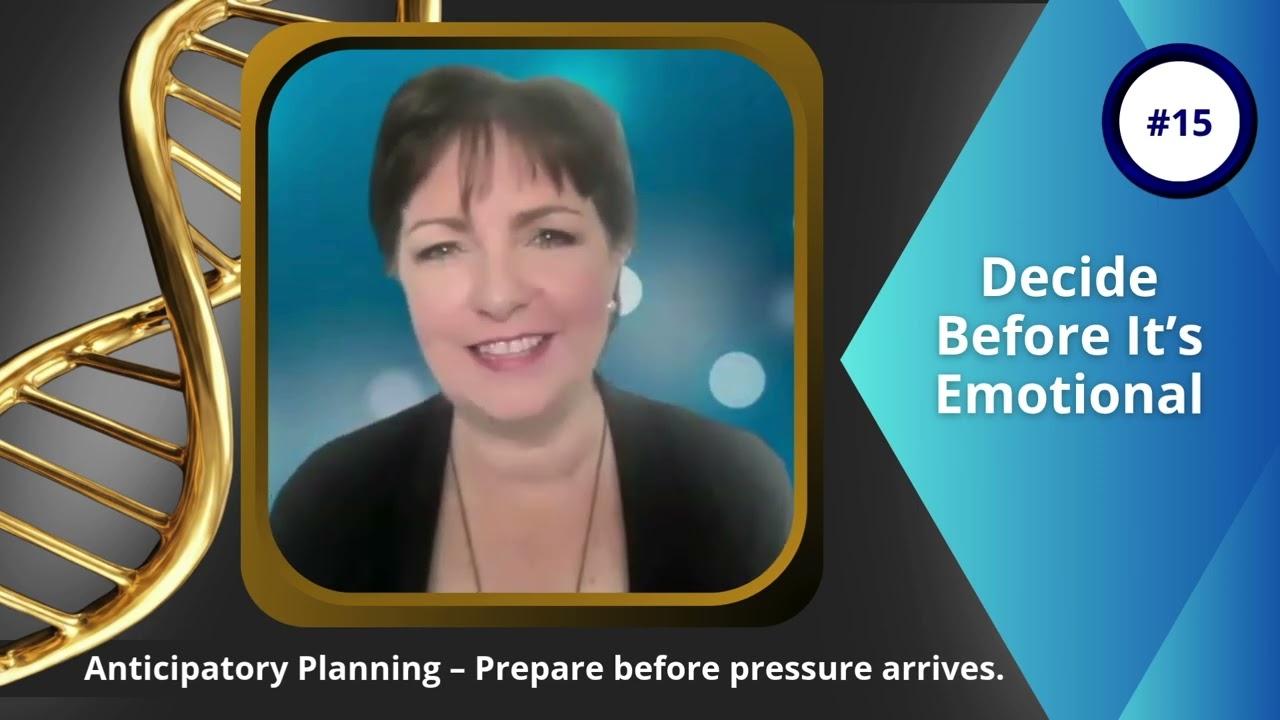
In this instructional video, Charlotte Kemp explains how worst-case scenario thinking, rooted in the Stoic practice of premeditatio malorum, triggers physiological stress responses that impair rational business decision‑making. She describes how the brain treats imagined threats like real ones, releasing cortisol and adrenaline, which can lead to emotionally driven choices. Kemp then outlines a structured anticipatory planning process: first, deliberately sit with the anxiety in a safe, calm environment; second, allow the body’s stress response to run its course; third, draft concrete response plans while the mind is clear. She emphasizes the importance of allocating dedicated, uninterrupted time—an hour in a low‑stress setting—to conduct this exercise, rather than attempting it during high‑pressure moments. By rehearsing scenarios and creating practical plans ahead of time, individuals build both mental resilience and actionable strategies to handle future disruptions effectively.









