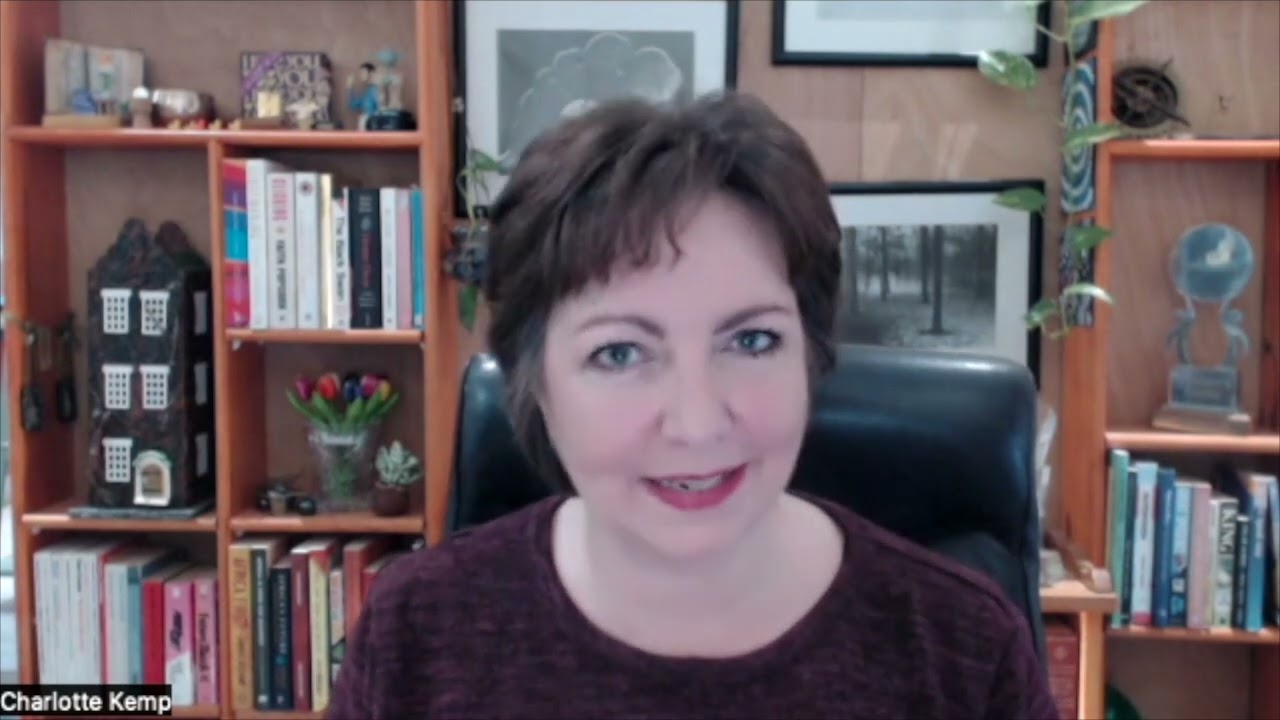
In this solo presentation, the speaker shares seven actionable strategies for maximizing the value of a professional speaking summit or conference. The advice begins with proactive pre‑event networking—identifying target delegates, joining organizer‑run WhatsApp or LinkedIn groups, and creating an intentional contact list. Next, the speaker recommends narrowing focus to a single content stream to deepen insight rather than spreading attention thin. Volunteering on‑site is suggested as a way to meet behind‑the‑scenes staff (AV, lighting, photographers) and gain practical knowledge of conference production. Bringing small, practical, culturally appropriate gifts is advised to leave a memorable impression without logistical hassles. For personal learning, a two‑column note‑taking method is described: one side records speaker content, the other captures delivery cues (pace, pauses, body language, visual style) for future emulation or avoidance. The presenter cautions listeners to critically evaluate advice from other speakers, weighing it against their own style, context, and values, and to seek contrarian perspectives for a broader view. Finally, the speaker stresses post‑event follow‑up to reinforce relationships, maintain an open, generous mindset, and enjoy the experience. Together, these tips form a comprehensive framework for turning a conference into a catalyst for professional speaking growth.
Chapters
Many of my friends and colleagues in the professional speaking world are on their way to Bali for this year's Global Speakers Summit. I'm often asked by aspiring speakers or speakers developing their careers to take advantage of international opportunities how they can really get the most out of a summit like this or a professional speaking conference. And so here are 7 pieces of advice that I find to be really helpful. The first is connect with people prior to going to the conference. So who is it that you want to connect with? Maybe someone in your own field so that you can compare notes, or someone from a country where you'd like to do more business. Try and get that list of who the delegates will be. Join a WhatsApp group or some kind of community online that the organizers might have prepared so that you can work out who's going to be there. Connect with them on LinkedIn and then make your list of people that you absolutely intentionally want to connect with while you're there. The second piece of advice is if a conference is set up this way where they have multiple streams of content, then choose a stream. You will not be able to get to all of the events. You will not be able to absorb all that information. But if you are following particular streams of content, then you'll get more value and you can find the insights will be even deeper. The third one is to volunteer if you can helpfully. Please don't interfere with anything that is being done already. But if you see something that needs to be done, raise your hand, speak to the organizer, do something on the sides of the conference so that you can be helpful, but also so that you can connect and see what is happening. Because one of the other pieces of advice is while you'll be watching the speakers, also watch and connect with the people behind the scenes, the organizers, the people doing the audiovisual, the sound, the lighting. Connect with those people, with the photographers, so that you can see what it takes to put on a conference at that level, which means that when you get to speak at an event like that in the future, you are more prepared to work with the team and that you don't get in their way. Another thing that you can do is to take something to share, a gift to give away to people that you meet. It can be something that is personal and relates to your own field, or possibly to the country that you come from. But be practical about it, not anything that was going to be confiscated at an airport security centre. So you want to make sure that your gift can actually get all the way home. A great piece of advice that I learned right at the beginning of my speaking career that I still do today is that if you're taking notes, for those of us who still take notes with a pen, then in your notepad draw a line down the centre. On one side, on one column, you're going to take notes about what the speaker is saying about their content, whether it's marketing or sales or whatever they're talking about. On the other column, you're going to enter down things that you observe about the speaker that you want to remember. It could be, are they speaking too fast, which is always my problem? Do they have an interesting way of pausing? Do they emphasize certain questions? What is their body language like? Does it add value to their talk, or is it distracting? Is their appearance, their jewelry, their hair color distracting from the content that they're sharing? The things that you're noting could be things that you would like to emulate, that you would like to learn a technique like that, or things that you might want to avoid in your own work. But by studying that, you will make sure that your own presentation in the future will be that much more powerful. And then my last piece of advice is be wary of advice, even this one. You will encounter many speakers who have successful careers or who have strong opinions, and if you engage and they give you advice, they may be very firm on it. Always do this, never do that, that is a no-no, speakers never behave this way or say something like that. Whenever you're hearing that kind of advice, know that it comes from their context, their experience, their values. It may be helpful to you, or it may not. So one of the things we always want to do when we're learning more about a field is, while we're engaging with facets of those insights, is to step back and get a meta view of this. So if you are speaking to speakers whose advice is, to really own the stage and be dramatic and make these big pauses and have high energy. You need to hear that, you need to know where they're coming from, and then look at yourself and determine whether or not you can perform that way that they are advising you to do. And if it doesn't work for you, then don't do it. Look at other ways to be on stage if that is the area of conversation. I always say to people that this particular MC is like a strong espresso coffee, and I'm going to come on as a cup of chamomile tea in comparison. So understand where that advice is coming from, see the bigger picture, learn more about it, seek out the contrarians, the people who are going to say something very different from the standard advice, and that way you'll get a bigger picture. So if you put these pieces of advice together, you will get way more out of the conference than you might have done if you just got there wide-eyed, all excited to be in a room with these people. But whether it is for this Global Speakers Summit that you're attending or any other conference in the future, go with an open, generous heart. Go to learn and connect. Know that there's going to be so much that you can do, and there are going to be things that you miss out on, and But there'll be another opportunity in the future. Follow up afterwards and make sure that you reinforce those relationships with your professional speaking colleagues. And have fun, really enjoy this time together.