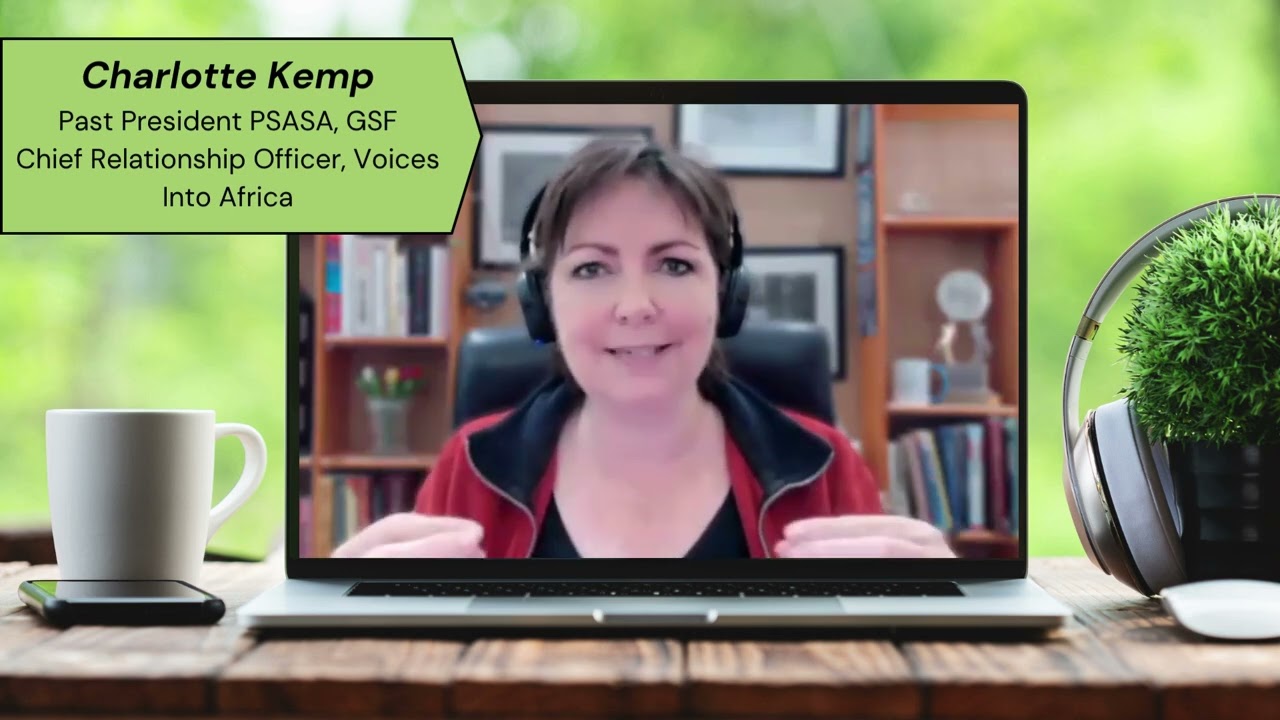
In this instructional video, speaker coach Charlotte Kemp explains why and how professional and aspiring speakers should appear as guests on other people’s podcasts. She argues that guest spots provide high‑impact exposure with far less production effort than running one’s own show. The talk outlines a step‑by‑step process: (1) locate suitable podcasts using paid platforms, LinkedIn searches, Google, or AI tools; (2) craft a pitch that frames the speaker’s topic as a solution to the host’s audience’s specific problems; (3) treat the interview like a speaking engagement—prepare, record, and then repurpose the episode across social media and a website for lasting visibility; (4) use the interview format as “Q&A on steroids” to practice dialogic delivery, negotiate content, and refine messaging; (5) leverage international podcasts to build credibility in new markets, making future contract negotiations easier. Kemp reinforces each point with personal anecdotes, such as a past HR‑focused interview that continues to generate leads years later. The overall message is that guest podcast appearances are a strategic, low‑effort way to grow reputation, practice speaking skills, and open doors to global opportunities.
Chapters
I was just explaining to a new speaker client about the value of using podcasts in their work, and I thought I needed to just kind of capture these thoughts while they were fresh in my mind. So as aspiring or professional speakers, one of the places we can promote ourselves is by being guests on other people's podcasts. Of course, we can have a podcast ourselves, but that is a lot of work, and if you want to find ways to leverage opportunities to get more exposure and less work, then being a guest on somebody else's podcast is a good idea because most podcasts have that interview format, so they are looking for guests. So here's how we use it. First of all, you need to find the podcasts. So there are platforms that will help you. You can sign up. There are platforms where you can sign up and pay a large amount of money, and they will guarantee you a couple of interviews a month. You can go and search on LinkedIn, podcast host plus topic, you know, and in the country you're looking at. You can go onto Google, ask AI to help you find some platforms. So find a couple of podcasts. Now you're pitching your topic not just to the podcast host but ultimately to the podcast host's audience. So say for example you're talking about neurodiversity or sales techniques, you're looking at the podcast host's audience and let's say it's an HR department. This is why HR departments HR experts need to know about neurodiversity, or they need to have sales skills, whatever it is. Can you articulate your topic as a value to the problems or requirements of that ultimate audience? And if you can do that, then the podcast host says, yes, I'd like you to be a guest on my show so that you can bring some value to, to my community, to my followers. Once you do that, of course, then you've got exposure to that whole audience, and your podcast is out there recorded. On various platforms. You can capture that information, put it onto your own social media, your own website. So if you treat your podcast interview like an actual speaking engagement and you do all the stuff around it that you would for a speaking engagement, then you can get maximum value out of that in terms of longevity as well, and your reputation is out there. I did a podcast interview for someone in a kind of leadership HR space in North America about 2 years ago. I still get the occasional inquiry and email from that podcast. It's out there. It's a place where I am seen and people come back to me about that. Another value of using podcasts as an aspiring or professional speaker is that it helps you to have a conversation about your topic. Because when we stand on stage and we've got our speech outlined, we're just speaking, we're talking about our topic and we're in control. But when you're talking to a podcast host and they're interviewing you because it's their show, you can't just go and give them a whole monologue. It's a dialogue. So they're going to be asking you questions. They should have negotiated those questions with you broadly beforehand so that you can prepare, but there might be a follow-up question, uh, there might be a bit of pushback. If you have that conversation, you're practicing working with your content with a different person. You're negotiating your content in terms of their framework and their lenses for their clients. It's great practice and experience. It's like Q&A on steroids because this person's not going to just accept your answer and go, well, that's nice, let's move on to the next question. They get like, they want to know because they want to be able to pass it on. So highly recommend that you find podcasts to be guests on as you are working with your material because it will help you to get greater exposure, to have your reputation tied to that person's reputation, for you to be able to practice and experience your contact with them, and to practice articulating the value of your messaging for another audience. Additional bonus: if you are in one part of the world and you'd like to do work in another part of the world, make an effort to find podcasts in those parts of the world and you know, speak with them because then your, your name and your topic is out there in that community, in that country. And then when you try and actually pitch for actual business, you'll be able to reference conversations you've already had with people in that space, which will give you a little bit more credibility when you're negotiating that overseas contract. So there you go, a whole lot of really good reasons why you should get yourself onto podcasts as a professional speaker.