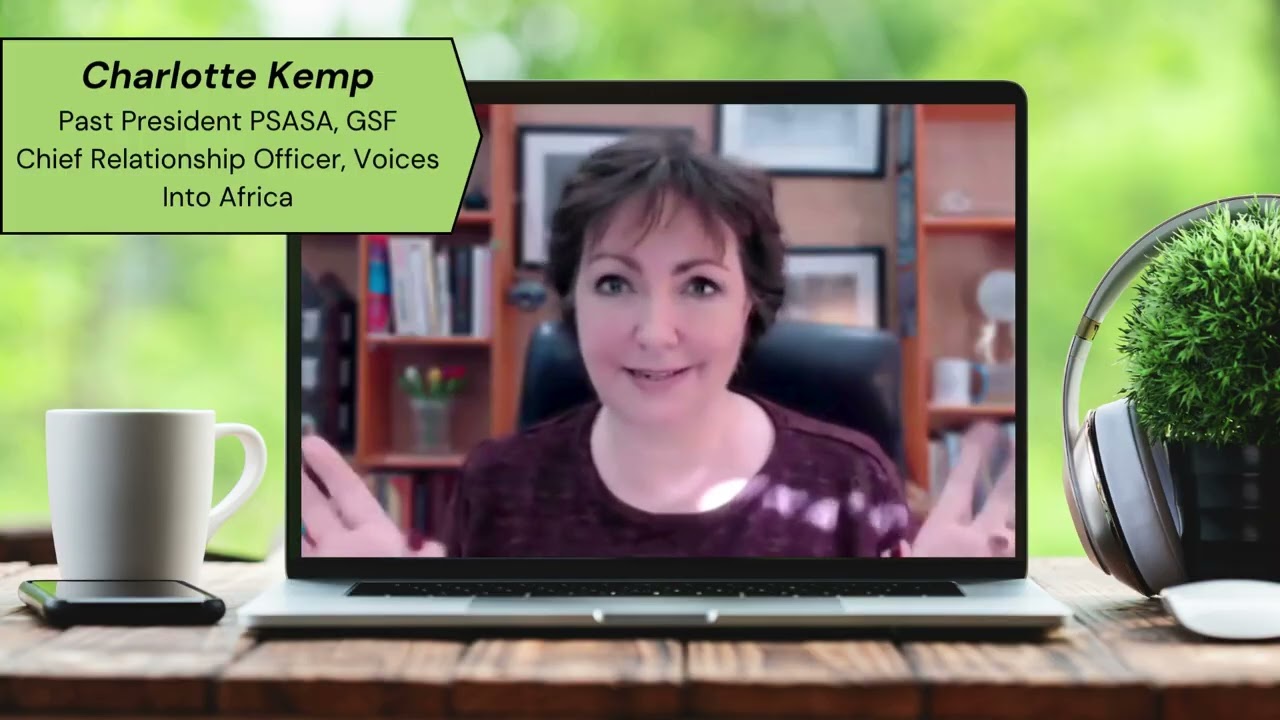
In this coaching‑style monologue, the speaker shares practical guidance for aspiring professional speakers. She warns against copying other speakers and instead urges listeners to discover their own unique speaking style by clarifying their core message, strengths, and preferred audience interaction. She distinguishes between building a dedicated speaking business and using speaking as a component of a broader career, explaining that each path requires different strategic conversations. Regardless of the chosen model, she stresses the importance of developing professional presentation, stage, and screen skills to achieve credibility and impact. By aligning speaking activities with personal preferences rather than imagined big‑stage fantasies, speakers can create a more fulfilling, satisfying, and effective speaking career or business.
Chapters
I work with a number of aspiring professional speakers, and one of the mistakes that I see us making in the speaking world, and, and I did at the beginning as well, is looking at other speakers and thinking that our careers should be like theirs. There are so many different ways to express the talent we have for speaking in public, for being a thought leader, for communicating ideas, for communicating transformational messages. There are so many ways of doing that. Do not look at another speaker and say, my business needs to look like that person, I need to model myself on how they do it, that is what success looks like and I don't have it yet. Your first job after you've worked out what your message is, is to work out what kind of a speaker are you? Where do your strengths lie? How do you like to work with audiences? And are you trying to build a speaking business, or are you using speaking as part of your career? In both cases, you need to aspire to be professional. You need to learn professional skills. You need to learn presentation skills, stage skills, screen skills. You need to develop that professionalism. But having speaking as part of your career versus having a speaking business, they're vastly different conversations. And a lot of people get stuck because they're trying to create something that they actually don't want. They just thought that they wanted it. When I first became a speaker, I thought traveling the world on airplanes and going to foreign places and speaking on big stages is what I wanted. And I've discovered that I am much better in other spaces. So don't just copy, don't just aspire for the big dreams. Work out what you really want to speak about and how you want to do that, and then get really good at that space, and you'll have a far more fulfilling and satisfying and impactful speaking career or speaking business once you've determined that. But if you're copying other people, you're never going to be satisfied because you haven't yet found your own true journey and your own true voice.