The Easiest Way to Make Money With AI Right Now

Aaron Edwards built DocSpot, an AI customer-support bot platform, to $1M ARR with a $2,000-$3,000 setup fee and $500-$1,000 monthly retainer. He started with failed AI image experiments, pivoted after ChatGPT, and now targets small businesses handling high ticket volume through cold calls, networking, and a shoulder-robot demo at conferences.
Chapters
We hit more than $1 million.
Holy cow.
This year. Good for you. Super exciting. Yeah. Around a $2,000 setup fee. It's already built. You're just selling it to them. Now it's finally become possible for normal people who aren't technical. Yeah. You can automate all of this process.
You can and you should.
And then the monthly retainer that you charge them on top of that, you're not even doing anything.
Yeah.
For that $500 a month, it's doing it for you.
What did that cost you all in?
About $50.
Wow. My guest today tried 8 different AI businesses in the span of 6 months while he still had a job. And the 9th one he tried makes over $1 million $1 million per year of profit with no office and 3 people helping. But the part that should interest you is that people with zero coding skills are charging $2,000 to $3,000 to set this up for local businesses and $500 to $1,000 a month to keep running it. And a robot writes the monthly report. And his 19-year-old son just signed a client that said his service will save him over $100 grand a year. So you make over $1 million a year.
Mm-hmm.
selling AI services to small businesses.
Yeah.
By the end of this episode, will people have enough knowledge to start to do the same thing?
Yes, definitely. Selling AI agents is the biggest business opportunity, I think, of our generation.
Yeah, I agree.
We make it easy for you, and I'll show you how easy it is to automate that full process and do it without having any technical knowledge needed at all.
Okay, well, Aaron, why don't you start by telling me who you are and what you do?
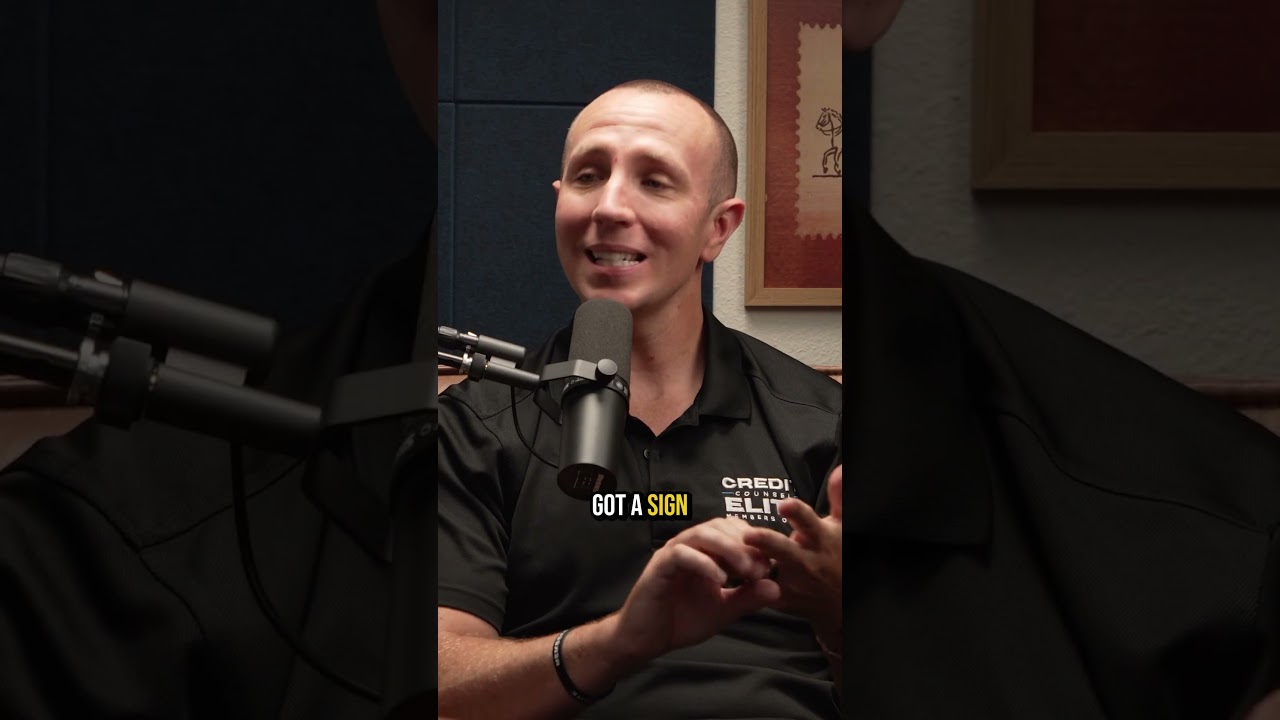
Yeah, I'm Aaron Edwards. I'm the founder of DocSpot, and we help build AI agents for businesses. So primarily they're used for customer support, That's like a huge use case for, yeah, agents for business that provides a lot of value to them.
Okay. How long have you been doing this?
Yeah, the business has been going like 3 and a half years. And before that, I spent 6 months just trying to launch any product I could because I got that entrepreneur itch listening to podcasts like yours and being like, hey, I need to be doing something for myself. So tried 8 different things in 6 months and this is the one that stuck. Like perfect timing, perfect place, figuring out the right niche and been growing since then.
Okay. What were the ones that you launched and failed?
Yeah, so the first, it was like all AI image stuff, is right when AI images started becoming like possible. And right when it became available, I was like, I need to jump on this wave, you know, this new AI wave. And images are just so visual and everything. So first I made a WordPress plugin, kind of went viral on Twitter, X. Oh,
that's cool.
But didn't get any revenue from it at all.
Everyone loved it.
Yeah, no one wanted to pay, exactly. And then we kind of pivoted. I'm like, maybe this could be like for businesses, you know, if they wanna do product photos or things like that. So tried that, couldn't figure out how to sell it to anyone. I think the technology was still very early, you know? And then we found the AI profile picture viral wave. I don't know if you remember that where—
Like on Twitter?
Yeah, like everyone's like creating that. And so we're like, all right, let's jump on this bandwagon because it already does that. And so that was kind of the first success. We made like 10 grand in like 2 months.
Wow.
Just selling AI profile pictures, you know?
Yeah, that's crazy.
Yeah, so that was fun. the fad died off, you know, of course.
So you're always kind of tinkering, but with a full-time job.
Yeah, yeah, exactly. And didn't, didn't quit anything yet, but yeah, eventually found something that worked, and that was AI agents.
What was the, like, the spark of the idea that led to you trying this?
Yeah, just, I knew that AI was kind of the new technology wave, you know, just like in the past. Like, I grew up, like, in the dot-com era, you know, with websites and the web and all this stuff, and, uh, seeing kind of that wave and how that launched a whole new wave of businesses, and then even, like, mobile, like, mobile And I was like, this time AI is going to be that next wave and I need to be on that. So I need to learn everything I can to figure out how to do it. I had no idea how to like code that stuff. It was just like try to hack something together, an MVP, and see if people would pay for it.
Yeah. So what was the very first thing you did?
Yeah. So the very first thing, well, I talked about kind of the plugin and things like that. And then after the profile pictures kind of died out, then my wife was like, hey, I've always wanted to make a children's book. What if we use that technology to do like a custom children's book for kids? So we did this one, like we called it like Imagine AI, and the kids would upload, or a parent would upload the photos.
Oh, that's awesome.
And it would like transform the children like into the pages of the, like an educational, like inspirational book for them. I'm like, this is the billion-dollar idea, right?
I mean, you're merging like, uh, virtual and physical, right?
Yeah, exactly. And parents and they want to see their kids and educate in this stuff. And so we sold like an initial wave or whatever, but we could not, I could not figure out how to do ads that would convert. You know, it was like around Christmas time. I was like, it was the perfect holiday gift. And it was just a struggle. I was like, it's, I realized how hard it is to sell to like consumers.
Yeah.
They have a limited budget and something like this that actually costs a bit. I mean, paying like $60, $40 to $60 for a book is a lot, you know, a stretch for some people. Yeah. Because they're custom printed each one. Yeah. But we did have some success with it and even someone discovered it in our like local Magazine in Southwest Dallas, and they kind of did a cover thing interviewing us. And then, uh, Dallas Morning Show, basically they saw that and the producers called us up and was like, hey, we want to feature you, you know, on Good Morning Texas.
Yeah.
And we're like, okay, that's scary, a big, uh, jump. So we showed up there, kind of did a live interview, showed off the book. It was like really fun. But the funny thing is like not a single sale from any of
them. Not one?
Not one.
Holy cow.
Yeah. Yeah. And I think it's just, I mean, if people are shopping for something like that, it's going to be like a click on a website and then make that kind of quick purchase, you know? And if they watch it on TV or whatever, yeah, they think it's cool. But yeah. So after that, like the real pivot into what business works was DocSpot and that's AI agents for customer support. So right after ChatGPT came out,
I
was thinking like, what is the perfect use case for this that a business like would find value for and pay for, like, right away. And customer support was one of those because at the company I worked for before, I saw how we had so many thousands of tickets coming in, you know, and they're answering the same questions over and over again. And we're hiring these huge teams that maybe have to man the live chat 24/7. And it's like, AI can do, like, most of that, you know, answer a good percent, you know, maybe even 70, 80% of the questions, you know.
What was the company you worked for where you saw this?
Yeah, it was called WPMU DEV.
Okay.
Yeah. And they were my first customer.
Oh, cool.
Okay.
Yeah. How were you still working for them when you got them as a customer?
Yeah, pretty much. Yeah. It was more like a proof of concept thing through them. And then I was like, hey, I'm not going to like give this to them. This is going to be my thing. Yeah. You know, so, so there definitely was a transition period, like building this up and getting more customers and things like that before I finally quit and just went full time for myself. I
mean, that's an interesting framework is if you have a full-time job, but you want to do your own thing, What problem can you solve for your employer that might make that your first-time customer, right?
Yeah, yeah.
What did you charge them, and how did you come up with what to charge them?
Yeah, starting out, I believe we had like an entry-level plan for like $20 a month, and then like $50 a month, and $100 I think was the max, something like that.
Is that like per user, or?
This was just like for the whole product, so they deploy it like in their company to like start Like basically create a chatbot. That's how it started. And you put that on your website or whatever, and then it can answer your customers' questions. And then if it gets stuck or it can't answer, then it escalates to creating a ticket or to a live chat. Yeah.
Hey, if you're liking this episode, please smash the subscribe button. It would mean a ton. Knowing what you know now, if you could go back in time, what would you have charged them? Or like how much could you have charged them back then?
Yeah.
Knowing how much value you ended up adding and—
I think I was lucky in that I had kind of like a lot of influence from like entrepreneur Twitter and things like that, like telling me, hey, charge more than you think you should. So we always had like some bigger plans, like $500 a month, and always had that thing like, contact us if you want enterprise. And that worked out really well because like even one of our early customers was Sony over in Japan. I mean, that was a huge customer. Like, what do I quote them? I have no idea, right?
Yeah.
And so I thought I shot high. Now looking back at the numbers and what I've learned about enterprise sales, it's like a tiny amount compared to the contracts that they're used to signing, you know?
Yeah.
But you learn.
Yeah, yeah.
And I spun that out and kind of shared it with people that I knew and in that kind of space, you know, and say, hey, is this something you'd be interested for your business? And I put like a waitlist signup form on there and just like sign up if that's what you want. And even had a survey like what were the core features you would need, you know? So that kind of gave me like, I got like 200 or 300 people on that waitlist that were like business owners and stuff.
Yeah.
And they told me exactly what features they needed. So I'm like, all right, this is my MVP, you know?
Yeah.
I just need to like Do these few check marks just to get something going. And I just worked, you know, 24/7 for like 2 weeks and got it out there.
Love it. How many Twitter followers did you have then?
Uh, then it was small, like a few hundred, you know? And I'm not huge now.
Yeah, I don't want people to hear this and think, oh great, he's this big tech influencer.
Right, that I had an influence, yeah.
Like anyone could get 300 followers, right? And that's not to downplay 300, but it's like, we all know 300 people. We all have 500 Facebook followers, so.
Yeah. Exactly. And actually what really kicked off the product was going viral on Twitter.
With 300 followers?
Yeah, with 300 followers. So I just posted like videos, demos of me building it and stuff like that. And some tech influencer in Japan, I have no idea how he found me. He reposted it. He like created like a bot in Japanese and he's like, this is like great AI for Japanese. And so this is like a Sunday and I wake up in the morning. And I have like 200, 300 support tickets all in Japanese. Wow. And the whole servers are—
This is at Sony, right?
Yeah, and the servers are crashed and everything like that. I'm like, what is going on? You know, and it turns out like it went viral. Like that tweet had like 3 million views or something.
Holy cow.
In Japan.
Yeah.
Yeah, and luckily with AI, like you can serve customers anywhere in the world, you know?
So you say support tickets, these are people that had signed up as users?
Yes.
And then had support tickets about their experience?
Yeah, and paid and then something went wrong or it crashed or whatever. You know, I mean, this was a— Yeah. A very rough MVP. We didn't even have like really good support for other languages yet. You know, I mean, the AI could answer questions in that, but the dashboard was still in English, all this stuff.
Yeah. You built something and then you were willing to post about that.
Exactly. Right. I wanted to share my story.
Yeah. The phrase build in public has been played out and a lot of people are like, oh, there's no benefit to building in public. I've heard that a lot recently. Like it's just, you invite competitors and I could not disagree more. I don't care if no one, if I get 3 views on this, I'm going to post it regardless because all it takes is one dude in Japan. Exactly. You never know. Yeah, you never know. And he used it and tried it and posted about it because he liked it. What a great story. Okay, so that was like month 1?
Yeah.
Okay. And so you had hundreds of users at this point, or thousands. I mean, hundreds of support tickets, so.
Yeah, probably like hundreds of customers. I think we got like 3 months, we hit like $10K MRR. And that was where I was like, this might actually be a thing.
And you still had a job.
Yeah.
Yeah,
I might actually be able to quit, you know? And so like, I talked to my boss and he was real sweet about it. He's like, hey, like, I'll— you can like do like part-time and just help like with the transition, like train up like your replacement over the next year, you know, and just act as like more of a consultant kind of role. So that was awesome. So I had the time to kind of focus on the business more and still have like a good chunk of my old salary just in case, you know? Yeah. Yeah. So,
all right. Could you have Like today, could you build the software that you have now with like a vibe coding app? Is it possible?
You definitely can to some extent. And that's—
80, 90% of the way there.
Yeah. And that's one of the hard things that we've had. Like we've had some, I was looking at my numbers of people who cancel, you know, because we're software as a service. It's a monthly subscription kind of deal. And what we're seeing like over the last year is that's increased from like 1%, like I'll build my own to like about 13% of people who cancel.
Okay.
That's the reason why. But what I've found, the people who cancel like that, they really weren't a good fit customer anyway.
Sure.
Like they're just maybe a single person. Yeah, it's not worth the cost to them.
It's an indie developer.
Exactly.
A solopreneur.
Exactly, yeah.
Those are great, those are awesome, but for your business, they weren't good customers.
Yeah, and the good customer is like some company that's big enough that they have like a support team, they have employees. People need a dashboard to log into where they can see the stats and improve it over time. All the stuff that like vibe coding doesn't like really work for. Like you could get that proof of concept or something janky out there, but you need someone that can maintain it constantly, keep it going, all that kind of stuff.
I'm smiling because it's the customers of yours that have the most resources, the most talent, the most people, the most money, and the most money to save by building it themselves are the ones that are not doing it.
Exactly.
They're just writing a check every month, which is great for you.
Yeah.
And it's the hustlers out there that you said it went from 1% of your cancellations initially said, I'm just gonna build this myself to now 13%. Yeah.
Yeah. Yeah. Interesting. Last year, yeah.
But surely that's a much, much smaller percentage of your lost revenue because they're small customers.
Yeah, exactly.
Do you have a free plan?
We do. We always put kind of a free plan just so we could say like no credit card required. And one of the things I love that I did at the first is I didn't have like a free like trial or whatever. It was just like, You pay us and show us you're serious. We'll give you a refund if it doesn't work for you.
Yeah.
But like, show us you're serious. And that, as like a single founder, that probably saved us, I can't even imagine how much time, you know?
Yeah.
And avoiding hiring people and stuff, 'cause only like serious people would actually like sign up and try it. Yeah.
What are your pricing plans today?
So we have kind of like a personal geared one for like that someone just getting started kind of thing, or a tiny business, like at $50 a month. And then our main plan, and this is kind of our average customer, is on $150 a month.
Okay.
Um, and then we have like a business self-serve that's $500 and then enterprise if they need some crazy stuff above that.
Okay. So $150 is your most common plan. What is your average monthly price?
Yeah, our ARPU, average revenue per person, per user is I think like about $130, something like that. Yeah. So it's very close to that standard plan.
And what is your churn and lifetime value?
Yeah, lifetime value, last I checked, it's a little over $2,000.
Wow.
Yeah, and then churn is like, our revenue churn is around 3%.
Wow, that's pretty good.
Churn has always been hard. We've done a lot this year to like improve that, but there's some things you just can't fix. You know, if there's the wrong customer, it's the wrong customer.
Yeah, well, if they stick around for a month or two, they're probably gonna stick around for years, right?
Yeah, that's the idea.
Okay, do you provide any services? Like, do you build custom agents for people or just you offer your software?
Yeah, so here's kind of the shift that I've seen in the last year. year is before, like, we got our customers, like, classic, like, software, like SEO, you know, word of mouth, things like that, you know. And we've seen that drop so much. And so this year we've really had to push into, like, more of, like, a service, like, actual talk to people, you know, and make it happen for them. Now we can use AI on the backend to automate 95% of that. Yeah. But, and this is the opportunity for everyone watching here, is that like building AI agents for like small businesses, like most of them, they don't have the expertise. They don't want to learn even like how to use a new software, no matter how simple I make it.
Yeah, they're installing water heaters.
Yeah, exactly. So they need that person that can take like, okay, here's the problem they have and here's how I can use AI to solve it with a solution. And that's really where the opportunity is.
Yeah. Are you doing any of that?
Yeah, for the company, we've kind of pivoted a lot to that. So right now, like most of our effort goes into like courting agencies and implementers. Instead of like going directly after customers because the customers who are kind of technically savvy enough to like sign up and set it up themselves, no matter how easy we make it, you know, that's kind of dried up and there's so many other competitors out there. So now we have kind of a service offering like where you have like a white glove setup and then like a maintenance for the first 90 days or whatever, you know, to show them that value and really get them onboarded. And then all our agency partners who are spinning up agents and showing them to small businesses for us, you know, and making a lot of money in the process.
So they white label White labeling that stuff to you?
Yeah.
Okay. So you're doing the work on the backend and they're, they're your sales arm basically, your referral partners.
Yeah. So there's different levels. Sometimes they're like white labeling it. So they're just having, signing up with their own account from us, reselling bots, you know, because our platform supports teams and multiple bots and things like that. And so they'll create like an agent, do a pilot for a business, sell it to them, upcharge like a big amount. They can have a monthly like fee on top of that for like service, maintenance, reports, All that kind of thing. So the business doesn't have to worry about anything.
Okay. What are they charging for it on average?
Yeah, so the, a good price point we found for like a good fit customer is roughly like around a $2,000 setup fee.
That's what your agencies are charging their business customers?
Yeah.
$2,000 setup fee?
Mm-hmm.
Okay.
As much as $500 a month, like, like maintenance. So, and it's gonna depend on the size of the business, obviously. You have to think about like what value you're providing them. So if you think maybe the average like support agent that a company hires, maybe their salary is like $40 grand a year. You know, that's probably like base, like $20 an hour, and only goes up from there. And if you think like each support ticket, like save, or it takes about 5 minutes of an employee's time, right, to answer, you can kind of like math that out. But most companies, I mean, with the plan we provide, you can do as much as, without paying any extra, as much as like 15,000 tickets a month. So I mean, you're talking about like $7,000, $10,000, exactly, dollars a month that they're saving.
They'd be paying an agency $500 a month and theoretically saving $7,500 a month. Yeah, exactly. 2 full-time
Exactly. Yeah.
Okay. Did you know that beef prices have never been higher? It is a great time to get in the beef business, but you need people to find you. So whether you're selling to businesses or consumers, you're gonna need people to find you, and getting the perfect domain name is a great start. So don't let your .com obsession kill your momentum. And I've been there, I get it. You think of the best name like grassfedbeef.com, check if it's available, it's not. So you're going to start adding words— grass-fed beef North Texas, or throwing in hyphens, adding fluff that will ultimately prevent you from getting more clicks. And suddenly your clean, memorable brand name turns into something that nobody can even remember or spell. Meanwhile, that exact name that you wanted, Grass-Fed Beef, it's probably available right now at .online. And here's the part that matters for getting found. The word online shows up in keywords searched over 500 million times every single month. 500 million. That's a little boost of SEO working in your favor just from your domain name. .online is the second largest new domain extension with over 3.5 million businesses using it. So stop overthinking it. My listeners can use code Koerner, K-O-E-R-N-E-R, to get their .online domain for only $0.99. Or you can just scan the QR code in the description, grab your name, launch the thing, and let's keep moving. And then for that $500 a month or whatever, what are you charging the agency? Is it just your normal software fee, like $50 or $150?
Yeah, like between like $50, if they're white labeling it, then between $50 and $20 per agent.
So what's changed with you is you're still a software company. You're just trying to better sell your software to service companies. Whereas before you were a software company selling your software to businesses directly. Is that right?
Exactly, yeah. And then there's people that are just starting from scratch. Like my son, he's only 19, fresh out of high school, and he started shilling AI agents to companies. He's got his first big contract that he's working on right now, like setting everything up for them. And he doesn't know how to code. I mean, he's vibe coding the whole thing and using DocSpot for some things and stuff like that.
What type of business?
This one is a contractor.
Okay. Just local?
Yeah, local contractor.
Family friend or corporate reach?
Yeah, someone I knew and he's like, hey, I need AI so bad. I was like, here's my son. Like, he'll help you out.
What's he going to be able to charge for this?
Gosh, I'm not sure what it's going to be, but But like the value that he mentioned to me, like this contractor, he's like, I could see this saving me like $100,000 or more a year. And I'm like—
Your son's like, I'll charge them $500 a month. And you're like, no.
Yeah, I was like, let's think about this.
Talk to me before you pitch to him.
Yeah, a good rule of thumb I've heard, and this is for software, like it may be different for other businesses, but you wanna provide 10 times the value that you charge. So if you're charging $500 a month, make sure that they're getting $5,000 of value.
And walk them through the math. Exactly. All right, so you said 5 minutes per ticket, right? Right. 2,000 tickets per month, right?
Yep.
I say conservatively, we're gonna knock out 50% of those, probably 70, but let's be conservative. We're gonna save you $7,000 a month. We're only gonna charge you $500.
Exactly.
That makes it kind of a no-brainer offer, right?
Mm-hmm.
What are your numbers today and how have those grown over time?
Yeah, so it's been 3 and a half years. We hit more than $1 million in ARR this year. Holy cow, good for you. So that's super exciting, yeah.
How much of that is— well, I was going to say how much is service versus software, but it's all software.
Exactly.
You're selling to service businesses, but you're still software.
Yep.
Okay.
Yeah.
What would you have done differently from the outset if you could go back in time?
So I kind of had that kind of bootstrapper mindset, like, you know, make the profit, like take the profit, you know, sock it away. Like I would've like, as soon as I was able to, like financially, I would've like reinvested a lot more like in ads and like faster growth and things like that. I never wanted to go down like that investment path, like the kind of VC thing. Right. Uh, even though in the beginning, like, of course they're calling me because they're like, want to get in anything AI, you know, at that point in time. Um, maybe that was a bad decision. I don't know, but I love the lifestyle and that's what's important to me.
I prefer the lifestyle business.
Yeah. Yeah. So for me now, it's like I can work as much as I want, you know, usually like 20 to 40 hours a week. But like this month I probably took like 6 weeks of vacation and this summer, you know, like interspersed between because so much is automated now with AI. And I just love that. And now we've grown. I hired like my best friend, like from high school going back, you know, best man.
That's cool.
And he's kind of joined the company. So it's great not being alone anymore, just having him like helping out. And my older son is working for us too, fresh outta college. And he's like learning marketing and sales and, and how to like get by in this world. And it's great having that opportunity. Yeah. And you can't do that maybe if you're like a VC-backed hypergrowth kind of Company,
right? What are your margins?
Yeah, so the net margin, like, is greater than 90% is our gross margin. Wow. Yeah. So
do you have employees?
Yeah, just that one partner who I've hired, my friend and my oldest son.
That's awesome. And but how long did it take you to get employees?
A long time.
Yeah, you were, you were making really good money without any employees.
Exactly. Yeah, for a long time. And I didn't necessarily have to hire them, right? It was more like a choice, like, I don't want to be alone anymore. Yeah, you know.
All right, so how much are some of these agencies making, um, doing these services for small businesses? What have you heard from your customers?
Yeah, I mean, I've heard all kinds of numbers, you know. I mean, like that mid-price point I've heard is like $2,000 to $3,000 for setup and then $500 a month, you know. But you think about that, that recurring revenue, it stacks, you know, especially like when you add that service part to it. And what works best that I've found is like usually like it's an implementer agency, or if you want to start this for yourself, like figure out what niche you want to target. And what's cool about this AI agents is it works for almost any business and even customer support. Like any business that gets any kind of like customer support, whether it's tickets, live chat, phone calls, whatever, they need this, right? And so it applies to almost anyone. But we have everything from like a good fit would be like manufacturers, like product or manufacturers. So we'll have like companies like like a lighting company or one that sells like construction, like panels or one that sells like generators, right? And they have all these product manuals, you know, that have all these crazy tables and specs in them, you know, and they have customers asking questions all the time about the specs for this or this, you know, will this work for this use case, et cetera. And that's a perfect case for AI.
Do you know how these service businesses are finding them specifically? Are they going to their family, friends, Facebook ads, like cold outreach on LinkedIn? What are they doing?
Yeah, I'll tell you some good techniques that I learned. So like an order in person, you can't beat that. You know, if you have a relationship, you meet someone at the Chamber of Commerce, at a conference, whatever, like that's like the best lead you're gonna get because they get to know you face to face. So we do a lot of that ourselves, you know, and that's what works, works for those agencies as well. Uh, next I would say is like a phone call, like pick up the phone, call a business. You know, like, do you want to save money with AI? You know, I can help you. Like, and you don't have to be like an AI expert. You just have to know a little bit more than them, right?
Yeah, yeah.
Yeah. And then text, you can do cold texting. You know, that's probably like next best and email is possible, but it's down there and that's a very hard thing to do. Yeah.
So what are you doing at conferences? What is this guy right here?
Yeah, this guy is fun. I don't know how to build things in real life. I just sent this to my AI agent, coding agent. And I said, hey, create like the 3D models for me to print. And like tell me how to plug everything together and what to buy on Amazon. And the idea was like we were going to these conferences, like in-person, making leads, connecting with agencies or whatever. And I was like, I don't wanna pay 25 grand for a booth. I mean, that's expensive. And I don't know how I could ever pay that off no matter how many leads I get, right? So how could we like grab attention on the conference floor? And so I had AI help us build these little guys, these little robots, and they just sit on your shoulder. There's actually like a magnetic—
On your shoulder, okay, that changes everything.
Yeah. 'Cause if
you have a big table and it's sitting there, You might not even notice it.
Exactly.
'Cause I mean, we're like 6 inches tall.
Yeah, yeah.
Okay, so you put it on your shoulder.
Yeah, so it mounts to our shoulder like with magnets. So we're just walking around, everyone in the whole place.
Magnet under your shirt.
Yes, exactly. Yeah, everyone in the whole place, they came up and talked to us. You know, you can't miss the 2 guys walking around with the robot on their shoulder, right? And it's a perfect kind of like conversation starter. And it also, we actually had it connect to our voice agents with DocSpot, so you can actually like talk to it And like have a conversation. It's kind of a, like a live demo of the product. Yeah.
So what does it do? Does it talk?
Yeah, it can talk.
Ask me a question, tell me a joke, or tell me about your business.
So you can just interact with it?
Yeah, you can talk to it, interact with it and things like that.
Yeah. What model?
Super cool.
What model are you using for that?
Uh, internally it's powered by DocSpot and we're using the latest like OpenAI, like voice, real-time live models, you know?
Okay. What did that cost you all in?
About $50.
Wow. I mean, a lot of time. Yeah. The first one, surely. Yeah, exactly. With the help of AI.
Yeah.
How many do you have?
I made 3 for now, but I mean, we can make more.
That could be a whole business.
I know that could be a whole business.
You could sell those for $200.
Almost everyone on the floor was like, I want one of those.
Yeah.
Maybe we're in the wrong business. We should be selling our—
Maybe you should just have a second business.
Right, exactly.
I know you're probably not exactly, but if you were to back of the napkin attribute X number of sales or monthly recurring revenue to that little guy, Yeah. What would you say it is?
Well, so far we've taken them just to one conference. Okay. We probably got like 10 to 20 leads from there. Okay. Um, at least 2 customers so far, and we're, we're still talking to all those leads, you know.
And each customer is worth $2,000?
Yeah, and a lot of these there were like agencies and stuff, so we're not necessarily selling to them, we're trying to help them sell to their customers.
Right.
Yeah.
Well, that's quite the, uh, the ROI.
Yeah.
I mean, it's Thousands of dollars from a $50 investment.
And I love that. You just have to think different. Like, that's what marketing it is. It's like being unique. It's not being like everyone else. And even in the age of AI where you can make like amazing videos, amazing content, amazing websites, whatever, you got to figure out how to stand out. So you got to do something different.
I mean, people could do that for any business. It's just a conversation starter.
Exactly.
That's it. What a great takeaway.
Yeah.
Are you or your customers building any other types of AI agents or is it still like customer support?
Yeah. So our platform is kind of flexible. Like it can be used for like sales teams collecting leads. We have voice agents too. So the same like bot that has, that can chat on your website, you can call it with a phone number, um, or connect it to your own systems or app or whatever. And, and do the full like voice thing as well, you know?
Mm-hmm.
But that's not really our target is like, like the classic like blue collar service business that needs like an AI receptionist. Like you can do that probably for cheaper, like with GoHighLevel or something like that. It's more like if you want that complex, like you got product questions, things like that that are complicated, policies and things you need to make sure that AI follows, all that kinds of stuff. We're really good at helping with that.
Okay. But like the 80/20 of it is customer support.
Yeah.
From day one until today. Yeah. To most people.
Yeah, we've really had to niche down on that 'cause before it was like, oh, you can use it for your internal team. And that is a good use case. Actually, some of our bigger customers, they don't even deploy it to their customers publicly. It's used internally, like for their team. Maybe there's an HR bot that people can ask ask benefits questions within Slack or whatever, you know, for the team or different use cases like that. So there is definitely more niche than just that customer support.
Please, I need you. I need you to send me your stories. If you or someone you know made thousands of dollars in a short period of time with a business, a side hustle, a growth hack, I don't care what it is, I want you on this podcast to give you free publicity and to help grow my podcast. So if that's you, go to tkoyeah.com. tkoyes.com, fill out the form. If it's a friend of yours, send them tkoyes.com, have them enter your name, and I'll give you $1,000 for the referral. That's tkoyes.com. What models do you recommend for customer support bots?
So it really just comes down to like a cost-benefit ratio, and they're changing all the time. So we're always like integrating the latest stuff and figuring out, okay, what's the best like balance of cost and quality for this use case? And we do all the testing internally, so you don't really have to worry about that. But I love like some of the newer OpenAI models like GPT-6 Luna and stuff. They're so cheap and efficient and super smart compared to like when we launched.
Yeah. What do you think like the killer offer is that people can give to small businesses?
Yeah. So the kind of steps that, that we do for this and that, that people who sell this is need to figure out like first make sure that like they have knowledge. So you can use an AI agent to like, you know, scrape websites, find leads or things like that. And it's going to find those businesses. Maybe they have a knowledge base, maybe they have like an old-style chatbot on their website, you know,
and
you can use like BuiltWith or things like that that actually tell you, okay, here's all the websites that are using this Help Scout widget or whatever. And there's your niche right there. You can target all of them and say, hey, Help Scout, you have customers asking questions. Help Scout just points them to the docs or whatever. We can give you an AI agent that's going to solve like 70, maybe even 80% of your tickets. So that frees up your team. You have to hire less people, but you can prove that value, you know.
Yeah. What were your sales over time? So it's been 3 years, you're at over $1 million in annual recurring revenue now. How did that grow?
Yeah, so it was kind of almost like a straight line the whole time of like 3 to 4% per month growth, which is great. It's not like a hypergrowth exponential thing, but that was great. And even like big companies like OpenAI, Anthropic, like they've hired these big agencies to implement AI and we can build the best agent or software or model or whatever, but it's still not gonna get into the hands of these small, medium-sized businesses unless someone actually goes there, talks to them, helps implement it for them. And so they're actually investing billions of dollars in that as well. They know the deal.
And
that's kind of the opportunity, is shilling AI agents to businesses.
And I think it's still going to be an opportunity in 10 years. I mean, there's 30 million businesses in America alone.
Yeah. Yeah.
So $2,000 upfront, $500 ongoing-ish, could be more, could be less. What all is included with that and how much time do people spend on that client every week or every month.
Yeah, exactly. That's, that's the thing. And with AI, it's like become more and more automated. So essentially what we do is, what we've built is we made it easy for implementers. We have like a plugin for ChatGPT, Claude, GrokBot, whatever you use. Like that's the best $20 subscription you can buy, by the way, you know, ChatGPT or Claude automate so much with that $20. But you connect it to our platform and you can just say, hey, here's this business website. Or actually you could say, go find businesses, manufacturers that are doing this and that have a knowledge base on their website, but no chatbot. It goes out, finds those clients for you.
What model would you use for this? Sorry, so Claude or OpenAI, Fable 5.1, Opus 5.5?
Yeah, I mean, the models change every day. Right now, Opus 5.5, that's amazing. And then the GPT, like 6, Luna, and Opus, those are great
Yeah.
And you get tons of usage from that for your $20 a month. Yeah.
So $20 a month, ask it to go find these customers for you. Then you're gonna ask for like point of contact, I imagine.
Yeah. So you do need to figure out like how you contact these people. So one tip that I found is I used to like pay like for Ahrefs, pay for like Apollo to get leads, you know, all these different services. There's one that I found, it's called Trigg, and it's essentially a router for all these APIs.
How do you spell that?
T-R-E-G.
Treg.
Yeah.
So it's kind of like Zapier kind of?
Yeah, or OpenRouter if you're familiar with that. So basically you just put like deposit $20 of credits in there. It already has, they're reselling API access to Apollo, to all the SEO providers.
So you're going directly to the source.
Yeah, all the things where you collect, get information about leads and stuff like that. And so you just attach that to your ChatGPT, your Claude, and then suddenly it has like 100 different tools where you don't have to pay for all these subscriptions.
That's amazing.
Yeah, and you only pay whatever, it's like 1 cent per lead that it needs to scrape or whatever, you know?
That's like an MCP.
Yeah, exactly.
Right, or a connector, right?
Yeah,
yeah. You're getting an account on Tregg, you're putting in the URL, connecting it to ChatGPT or Claude, and then you're saying like, all right, what is the position at this company? Who is the person? What is their contact info?
It'll find that for you. Another good technique is look for people who are hiring customer support agents. And that can do that too. It can scrape, you know, like LinkedIn and different job websites and find that. Because, you know, they're about to invest a bunch of money in a new agent when you could sell them instead an AI for like much, much cheaper that's going to allow them to scale infinitely without hiring more people. So they already got the budget, they're already ready, you know, they have the ticket load. They're a perfect opportunity to target.
If I were prompting this, I would go a step further and say, all right, LinkedIn is great, email's great, They're already getting blown up there, I'm sure. I want to know their Strava link. I want to know their PayPal. I want to know their Venmo. Yeah, I'm gonna send them a dollar on Venmo.
Get deep.
Yeah, absolutely, because you got to stand out. You got to be unique. If I get their home address, I'm gonna mail them a box of chocolates or something, a box of donuts. I'm gonna DoorDash them some tacos. Like, $2,000 per customer, it's worth investing a little bit because your, your close rate isn't gonna go from 0.1% To 0.2%. If you do these unique expensive things, it's gonna go from 0.1 to like 12%, right? Like, yeah, it really makes that big of a difference.
Wow.
If it's, if it's cheap outreach, then it's just that, it's cheap.
Yeah.
Cold email is free. It's cheap. DMs on LinkedIn. So it's like not effective at all anymore and getting less so.
Yeah. Yeah. And the great thing with AI is you automate that whole thing, you know, the outreach things, even creating things in real life to mail to them. You can automate all of that.
Oh yeah.
The tools and APIs and things like that. And then if you're using like DocSpot, I'm sure other providers, we have competitors too that you can use different price points, but we have like an MCB plugin as well. So you can say, hey, find those customers. Now I want you to create a bot based on their help desk or they've scraped from the website. It'll automatically create that for them, create a demo link that it can automatically send to them so they can just click and see it already working.
Yeah.
On their content, on their docs. So you don't even have to do anything, you know?
That's crazy.
And then you're just selling it. It's already built, essentially. You're just selling it to them. Now it's finally become like possible for normal people who aren't technical to use these kind of agent employees. So there's no excuse anymore.
No,
you can automate all of this process.
You can, and you should.
Yeah. And then like the monthly retainer that you charge them on top of that, like the value you're providing there is you're showing them every month like how much value you're providing, you know? So you're telling your, You just say, okay, ChatGPT or Claude, I want you every month, this is my client, I want you to go through, look at all their stats, their logs, analyze it, create a nice PDF report with my logo on it, you know, and email it to this customer. So you're not even doing anything.
Yeah.
For that $500 a month, it's doing it for you. It's identifying like, okay, here's questions it couldn't answer. So now you're gonna ask that client, say, hey, you're missing a support doc for this topic, you know, you should make that, it'll make your bot better. You know, things like that. You're providing that value, improving it every month, and you don't even have to touch it. Yeah.
Aaron, this has been amazing. Thank you for your time.
Yeah, thank you.
Where can people find you or your businesses?
Yeah, well, if you wanna follow me on X, I'm @uglyrobot, just one word, uglyrobot. And I'm always building in public, talking about what I'm building in AI. And if you're interested in like creating AI support bots and selling those to any kind of business at all, we'll help you out. We got a partner program, we can help you with everything. And that's at docsbot.ai.
All right. Thank you, Aaron.
Yeah, thank you.
If you like this content, please share with a friend, hit a like or a comment below, and we'll see you next time on the Koerner Office.