Diabetes Insipidus Signs & Symptoms Explained | NCLEX® Quick Review
30 Sept 2025 · 1 min
1:19
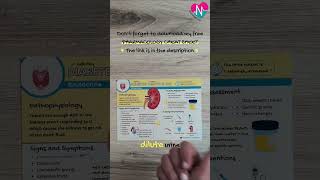
In this concise NCLEX-focused review, the presenter explains the pathophysiology and clinical presentation of diabetes insipidus (DI). DI results from insufficient antidiuretic hormone (ADH) or renal resistance to ADH, leading to excessive urination (polyuria) of dilute urine with low specific gravity. The speaker lists hallmark signs: extreme thirst (polydipsia), decreased skin turgor, dry mucous membranes, hypotension, tachycardia, fatigue, headaches, weakness, and muscle pain—all consequences of dehydration from fluid loss. The video concludes with a brief promotion of a pharmacology study system offered by Nursing SOS.










