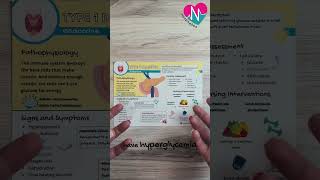
When blood glucose stays high and can't enter cells, potassium follows it outside the cells to balance electrical charge, causing hyperkalemia. Nurses should expect high potassium whenever they see high blood sugar, especially in type 1 diabetes.
Chapters
Let's talk about the relationship between glucose and potassium. This is a common fluid and electrolyte question that you will see pop up again and again in nursing school. So what happens? You can think of glucose and potassium as really being best friends. So when you have a patient with type 1 diabetes or another disorder that causes hyperglycemia, what is going to happen is that glucose is outside side of the body cells so it's just hanging out, floating around in the blood. It can't get into the cells. That's why they have hyperglycemia. And potassium loves to hang out with glucose. So potassium and glucose are BFFs. So anytime that glucose is hanging out outside the cell, potassium is going to want to go outside the cell as well to balance it out. And this causes that hyperkalemia level, that high potassium level to go up. So when you think of type 1 diabetes or diabetes, when you think of hyperglycemia, then think hyperkalemia. You can find all these med surg flashcards inside the nursing SOS shop.