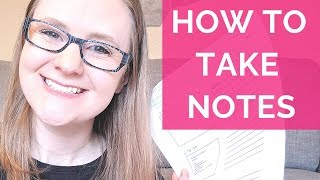
A nursing student shares the three-step system that got her straight A's: print slides two-column for lecture notes, add textbook notes in a different color at home, then convert everything into active study tools like flashcards and concept maps. When lecture and textbook conflict, trust the textbook because it's documented evidence for exams.
Chapters
In this video, I'm gonna walk you through how I studied in nursing school and actually the three steps that I took to get straight A's through nursing school. Let's do it. So there are a lot of different study methods to help you study in nursing school, but I'm gonna walk you through the three steps that I used to study in nursing school and the steps that really helped me really succeed in my classes. I actually ended up getting straight A's, so. So I hope that these three steps help you to figure out how to study in nursing school. Now, step number one on how to study in nursing school is to use the lecture outline or PowerPoint or whatever slide deck that your professors give you before class, print it out, and take notes on it during lecture. So this is one of mine from when I was in nursing school. What I recommend is perfect. Printing out your professor's slides with the slides here, and then like a little note section over here. A lot of the programs can. Can fill it in. It's just like the changing the printer settings. So just to make sure that it's a notes page. So you have room. You have your slides on one side, and then you have room to write your notes on the other side. So this is how I did this. I would print it out just like this. And then as we go through lecture, I would write the class notes here in this column. And then step number two, when I got home, I would then go through our lecture slides. I would then go through our lecture slides, everything that the professor said in class and all the notes. And I would find the places in the book in our nursing school textbook that talked about what the professor talked about in class. And you can actually kind of see here, I would find the pages and then write down the page numbers on top of those slides. So I have it here. And I would actually take notes from the textbook directly onto my lecture notes. So I would take lecture notes here. You can see all my lecture notes here in this column, right next to the slides, like I said. And then when I got home, I would take notes from the textbook in a different color. So you see this is green up top here. And I wrote in color in black, so I knew that green came from the textbook, were my notes from the textbook, and the black, my. My notes that I took in black pen were from the lecture class, everything that my professor said in class. So two different kinds of notes, one from the textbook and one from what my professors talked about in class. So this is how I took notes and the beautiful thing about this is that once you do this and do it right, once you take really good notes from the book and make sure that you take really good notes from class is that you never have to open the book again unless something goes horribly wrong. So for the most part, I took really, really good notes on the book. So when it came time for finals, I didn't have to look at the book again because all the notes were already right here. I was only looking at one resource. It's amazing. So, like I said, the key thing there is to write out in a different color the notes that you take in class and then the notes from the textbook. Now, here's the key point I do want to point out. While you're studying at home, you know, after class, when you go home and you're studying your lecture notes, you're reading the sections of the book that correspond with lecture. You might find things that are contradictory. So your professor said one thing, but the book says something else. This happens a lot. It happened to me, and I get emails from students saying that it happens to them. So here's my recommendation. My mark those places and then talk to your professor before the exam. That's ideal. If you can't, though, because sometimes you're studying, you know, the night before the test and you don't have time to talk to your professor before the test, I do recommend, recommend trying to talk to them, of course, but if you can't, if there's something conflicting from the book and what your professor said in class, when you get to your exam, if you weren't able to clarify it with your professor and ask what the right answer is, go with the book, default to what the book says. And here's why. Because if you default to what the nursing textbook says on your exam, that way you have that evidence, you have that proof, that solid proof that this is what the book says and this is where I got the answer for the exam. You see what I'm saying? It's like solid proof rather than just saying, oh, well, you said this in class and I wrote it down on my notes, like how you said it in class. Then it becomes a he said, she said type of deal. And that's just no good. So make sure that if you do find something that's conflicting, go with what the book says rather than what your professor said in class. Unless you're able to clarify it with your professor, which of course I do recommend that you're, you know, you talk to them about that contradiction first before your exam. But if you're not able to then default to what the book says that way you do have that evidence or that proof that, yes, this is what the book says and this is why I got the answer for that examination. Hope that makes sense. Now, the next step, of course, what you're going to do after you take all of your fancy notes. So up until this point, you've gone to lecture, you have taken, you know, you've printed out your slides here, slides on this column and then your notes section here. You've taken notes in lecture in one color and then taken notes from the book in a second color. And then afterwards, you're going to make flashcards and you're going to write concept maps and you're going to write it out a million times or draw pictures. You're going to study it and study it and study it until you remember it. So going through this is kind of funny because I have highlights, places where I highlighted information and all the good stuff. So go through your notes and highlight things and write it out and rewrite it. Make flashcards, do concept maps. All of the good things that you can do to help learn all the information. That's really, really where the hard work sets in on learning all the things got to know for nursing school. You know, watch YouTube videos about it if that helps. Teach someone else is so good to help you really understand it. When you teach someone else, you're actually breaking down the concepts in a way that someone else can understand. So you're thinking it critically, thinking about it. You're hearing yourself say it, you're thinking about it. It's really, really a great way to do that. Answer nclex style questions to help the concepts come together and just do all of the things to help you retain the information and ace your exam. So I hope these three study tips and study steps helped you figure out a good study method to study in nursing school. This is how I personally did it and I hope it helps you too. Now go become the nurse that God created only you to be and I'll see you in the next video.