How to Ace CARE PLANS in Nursing School
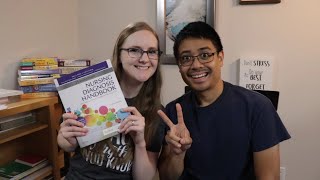
In this live, conversational episode of the Nursing School Show, nurse instructor Christina Rafano, joined by co‑host Matthew, walks viewers through every step of creating effective nursing care plans. The session begins with a discussion of how many care plans students typically write per week and why they are essential in both lecture assignments and clinical rotations. Christina emphasizes the need to use standardized NANDA diagnoses, recommending the Nursing Diagnosis Handbook by Ackley & Ludwig as a primary resource. She explains the structure of a care‑plan’s five columns: (1) NANDA diagnosis, (2) related factors (pathophysiology), (3) "as evidenced by" (signs/symptoms), (4) patient goals written as SMART objectives, (5) nursing interventions, (6) evidence‑based rationales, and (7) evaluation of outcomes. The duo covers how to prioritize diagnoses using the ABCs (airway, breathing, circulation) versus the newer CAB approach, and when to place risk diagnoses after problem diagnoses. They demonstrate how to craft patient‑specific goals, interventions, and rationales, showing examples such as ineffective airway clearance. Throughout, they field live viewer questions about format, length, subjective vs. objective data, pain scales, anxiety documentation, and resources for practice case studies. Christina repeatedly directs viewers to free templates and example care plans on nursingschoolofsuccess.com, reinforcing that practice and feedback are key to mastering care plans. The tone remains instructional, supportive, and enthusiastic, aiming to demystify care‑plan writing for nursing students.
Chapters
In 1, 2, 3. Hello. Good morning, everyone.
Good morning.
Welcome to the Nursing school show.
Ask me anything. I'm Christina.
I am Matthew and nice to meet you. Nice to meet you. Today we talk, as with every other times, Monday and Wednesdays we talk about nursing school topics and help you get.
Through nursing school and become an amazing nurse.
Become amazing nurse. The topic of today, how to get ace care plans. Care plans. That's the name. That's the word for it. How to ace care plans.
How many care plans do you have to write this week? Put a number down.
Oh, yes, just a number. Just a number. Drop a number. How many care plans? How many care plans and how much is average or normal, would you say?
Great question. I think that typically, well, at least for my nursing school, maybe two to four care plans per patient that you had at clinical. Now, there's a lot of clinicals that are online and you can also do care plans for your lecture class. So it will greatly vary, as you can imagine. So, you know, as we progressed through nursing school, toward the end of my nursing program, we had more and more patients right on the floor. So then you would have, you know, three, four patients, four care plans each. It's a lot of care plans in one day. And then you have multiple clinical days. So, you know, it can add up to a lot. But as you're just starting. Yeah, as you're just starting, it's going to be, you know, one a week maybe, as you get your feet under you and learn it.
Okay. So it can happen for both lectures and for actual clinicals as well. Okay.
Yep.
Very cool. So go ahead and shoot a number down in the comments. How many care plans are you doing a week currently?
Boom. Yep.
And is it for lecture, Is it for clinical?
Okay.
Etc. Etc. I am curious. I am not a nurse, not in nursing school, so I am curious myself.
All right, Alita, one for clinical.
Very cool.
Alicia at clinical for three. So, yeah, three. Three per clinical day or three a week? Yeah.
And you said per patient as well.
Yeah. Because care planes will be different per patient. They're very patient specific. They need to tip number one, make them patient specific. Patient specific. So you'll have a set of them for each patient that you will have.
Okay.
At clinical. Yep. Per patient. Okay. Yeah, per patient. Three per patient. That makes sense. One for each clinical per patient. I'm just assuming. Just started this week writing care plans. Did one, but it took me all day. I can totally relate to that.
There you go.
Totally.
You will get faster. I am Assuming. Yes, I am assuming you're gonna get faster.
T. Shondell, not yet. Is something that you would normally do in the first semester. Yes, care plans are something that you would normally do in fundamentals class for nursing school. Now, if you are taking like anatomy and physiology, microbiology and your prereqs, then no, you would not be doing care plans. But if you are in your core nursing school classes, fundamentals, med search those things, that is when you will really start to dig into care plans and figure out how they work and all the things. So I'm going to walk you through exactly how to write perfect care plans. And I hope that you save this video because it's going to help you so much. Now, first off, just getting started, the. The number one question we get about care plans is, Christina, how in the world do I find the list of nursing diagnoses? This is huge. Friends, if you look in your nursing school textbooks, if you're on YouTube or Facebook, you can see the textbooks behind me. A lot of them have sporadic nursing diagnoses around the textbook. You'll find them hidden at the end of the chapters or what have you. That's fine. It's not great, but it's fine. If you want to use your nursing textbooks, regular nursing textbooks, to find diagnoses, the best thing to do though is to get a care plan book. And this is the one that I recommend. This is the Nursing Diagnosis Handbook by Ackley and Ludwig. It's on Amazon. I highly recommend that you check it out because it basically writes your care plans for you. And that is not an exaggeration, my friend. I'm going to walk you through this book and how to use a care plan book like this to help you write your care plans in like 10 minutes. If you are spending. Who is it? Nora said pick me all day throughout my care plane. Yeah, that's how it is when you start in fundamentals, when you don't know know how to write it right. It can take you all day, multiple days. But friend, I'm telling you, this book writes it for you like 10 minutes. You can do it. It will help you figure it out so much better. And with this, it actually has the whole list of nursing diagnoses in the front two pages here. So this is what you need because nursing diagnoses are standardized. You can't just make them up.
Is that what we were talking about the other day with Nanda and Nanda.
I Nanda and Nanda I. Hooray Nanda. Nursing diagnosis. I learned something you know something? Nursing nanda nursing diagnoses, these are what you need to use. You can't just make them up. They're standardized. And so you have to draw. You have to use, you know, however many you need for your care plans, but they have to be from this list. And here's the list. It's in the book now, like I said, in your nursing textbooks, like the ones behind me, they will have some. Some of them in there sporadically throughout your chapters that you could find. So if you didn't want to buy this book, that's totally fine, but just, like, look in your other textbooks to find them, that's fine. It's just not going to be as easy for you, is the thing. So that's step number one. Please get the book or consider getting the book if, you know, you just want to write your care plans faster.
I would also say that you should definitely get the latest edition for this one, right?
Yes. This is one of these textbooks that you have to have the latest edition for because they do update the NANDA diagnoses periodically, not frequently. It's not like every year as of right now. Like, they didn't just update it like, last year, when was this? I think this was maybe last year it came out. And to my knowledge, there's not a new one. So it's like every few years from YouTube.
Alexis, you. You have that in your book bundle. That's great.
Perfect. That's perfect. Yeah. 2017. So this came out in 2017. Oh, copyright 2020. Okay. So, yeah, it's. It's like every three years. Oh, it is actually every three years. So every three years. Previous editions. So this is 2020. This is the 2020 edition. Hey, look at me being all on top of things. 2020. So it comes out every few years. I would definitely recommend that you get the updated one because they do change and update.
Okay.
Those diagnoses.
Before you dive in, just since we are talking about the book and about the nanda, Charlotte asks, although they are standardized, you still have to make them individual to the patient's needs, correct?
Absolutely. So we're gonna walk through that in this video. It's gonna be great. I'm gonna. I'm gonna show you exactly how to write a care plan, my friends.
And then Harlan Mosel asking, do they have to be a certain format? How long do they have to be? So Christina will walk through all of that on how to ace your care plans for nursing school. So those are all great questions. Christine will go through them. If you have any other questions about care plans as we go through this, go ahead and shoot them in the comments and if we don't answer them while Christine's talking, we'll, we'll circle back around on them. Also, if you just have any other nursing school questions, go ahead and pop those down in the comments as well.
Pop those in the chat. Yes, they do have to be a certain format and how long do they have to be? We will go over that. So perfect. Yeah, it's going to be great. Matthew's keeping a list of your questions. So post your questions and I will make sure to hit them all as we go or as many as I can as we go. So that is really the biggest thing that you're going to want to do. First step is to find a care plan book. If it's in your bundle already. Perfect. Who mentioned that? Someone mentioned Alexis mentioned that they are.
In our book bundle.
So your nursing school might already require this book. A lot of them do because it's amazing. Literally writes your care plans for you, not an exaggeration and no, friends, I'm not trying to sell this book. It's just, it's, this is what I used in nursing school and I just didn't understand why other students weren't using because it's great. So now that's the first thing that you're going to want to do. So when I say care plan, here's what I mean. I mean you go to clinical or you, let's say if you're doing a case study or something online, vsim, something, whatever you need to do a care plan on. You have a patient, whether it be a virtual patient or a real, in person, in real life patient. You are going to assess that patient and you are going to look at their history and you are going to look at how they're presenting to you and do your nursing assessment, your head to toe, most likely focus assessment, what have you and then you are going to get or complete create this care plan that has multiple columns. Can you visualize this in your mind? Who is doing this care plan right now? I'm currently doing, I'm currently doing a care plan. Now perfect is your care plan, the multiple columns because that's what I mean by care plan. You have your nursing diagnosis, nursing diagnosis. Then you have patient goals and then you have nursing interventions and then you have the rationale for those interventions and then you have evaluation. That's your care plan diagnosis, nursing diagnosis, patient goals, nursing interventions, rationale for the nursing interventions and then the Evaluation. How did it turn out?
Yes, it is perfect. Hooray.
Four column care plan. So what Matthew is going to do or what I'll have Matthew do. We have a template for you that's totally free for care plans and we're going to drop that link in the YouTube channel chat here. But if you go to nursing School of Success.com Care Plans. Nursing School of Success.com Care Plans C A R E P L a n s nursingschoolofsuccess.com care plans, we have example care plans there for you and then we also give you the template so it makes it super easy. So just example care plans for you to use as inspiration and then we have the template for you to fill out. So that's what we're going over today, the template. So Nanda Nursing Diagnosis is the first column. That's the first thing you have to do. Oftentimes it's the hardest to figure out. So that is a lot of where this book comes in. You need, like I said, the Nanda Nursing diagnosis from this textbook. They are standardized. You cannot just make them up. They're standardized. So like, was it Charlotte? I think it was Charlotte. Where did I. Oh, they're, they're individual to your patients needs, right? Yes, they are. And this is where that comes in. When you have a patient with a particular disorder or issue or something, you will go through this list and you will find a diagnosis that relates to whatever problem they're having. So for example, let's say you have a pediatric patient come in and that pediatric patient just had a allergic reaction. There is a allergy one. Let's see, risk for allergy, risk for allergy reaction. That's a risk for diagnosis. So that's what you could use. If they were anaphylactic, it could be like ineffective airway, ineffective airway clearance, something to that effect. So something respiratory. Choose a respiratory diagnosis, Choose a, choose a allergy diagnosis, you know, but you will make it specific to your patient. Now for example, that would be for an allergic situation, allergy situation. If you had a patient with like hypertension come in, would you give them a, a risk for allergy reaction diagnosis? Maybe if they were at risk for that, if they had other things that went into risk, risk for that, but not specifically for their hypertension. Does that make sense? You would make it specific to the patient. Now they could be if they have cardiac stuff, there's cardiac ones like fluid imbalance or where is it I am looking for. Hopefully they didn't take it out on Me. There's one that is. Yep, there we go. Decreased cardiac output or decreased cardiac tissue per few fusion. Decreased cardiac output, risk for decreased cardiac tissue perfusion. So those are what you would look like, look at for a patient with, you know, cardiac issues. So you need to Charlotte, exactly like you said, how you know, make it specific to the patient. You're not just going to choose random nursing diagnoses that don't relate to your patient. Right? And now here's also where this book really provides you a lot of value. When you look at this green tab section in this book. Do you guys see that green tabs here, Green tab, it lists out common disorders or issues that a patient can have and then it gives you nursing diagnoses that could relate to that, which is so fun. Right? So you actually don't even have to think about it yourself. Of course, think about it. But it gives you a good, really, really good starting point. So. So let's see. I always like cardiac stuff. Cardiac stuff is fun. Oh, clotting disorders, risk for bleeding. So if your patient has a clotting disorder, risk for bleeding. So good, let's see what else we got. Cirrhosis, liver cirrhosis, fatigue, nausea. That's great. Chronic pain, risk for bleeding, of course, risk for injury. So they give you, depending on what condition or issue your patient is experiencing, they give you possible or recommended nursing diagnoses based on that. So in this book, Nursing Diagnosis Handbook by Aklan Ludwig, in that green tab section, that's the first thing you're going to want to look for that and then the front page to look at the actual list of nursing diagnoses. So that is step number one, figure out what your nursing diagnosis is. That's step number one. Step number two, you have to decide the related two factors. So let's talk about how a nursing diagnosis is structured. We're talking about the first column of your care plan, the nursing diagnosis. You have your NANDA nursing diagnosis, which is the one that you will choose right here. So just like we talked about risk for allergy reaction. That's one. What else did I say? Mentioned decreased cardiac output. So it's just whatever phrase that is. What is the NANDA nursing diagnosis? Just from this book, like I said, you don't make them up. That's the first part of your nursing diagnosis. Now the second part is the related two factor, R T slash forward slash slash R T related to R T related to. Now this is like what is causing the problem? And when I say this, what is causing the Problem. What I want you to do and think about is what is the pathophysiology? What is the underlying cause? What is the physiology? What's the pathophysiology? Like, what is going on with this patient in their body? I'm not talking high level. I really want you to critically think and dig deep because this is the problem we want to solve.
Right?
This is the problem we want to solve. So related two factor would be the pathophysiology. So dig, dig deep. What is the actual pathophysiology? What's happening now? The third part is the as evidenced by or aeb, as evidenced by your aeb. These are just the signs and symptoms that the patient is presenting with. That's it. I know we want to make the as evidenced by section really complicated, but that's all it means. As evidenced by AEB is the signs and symptoms that the patient is presenting with. Like, what do they have? Look, as evidenced by, like, they have this problem and this is what they're showing because of that problem. Like, it's as evidenced by. Here's the evidence for, for that problem. Does that make sense?
Yeah.
Yeah, there you go.
Yeah, see, I understand this.
If I can explain it to him, then I feel like I'm explaining it well. If he understands, we're good. So there you go. The NANDA nursing diagnosis, the related two factor pathophysiology, please. And then the as evidence, fire aeb, which is the signs and symptoms that the patient is experiencing. Now let's walk through the care plan book and how you can find these things and basically write your care plan in like five minutes. So good. So when you choose your nursing diagnosis from this book, then you will flip to the white section here, which has all the nursing diagnoses itemized.
And before we go into that, Tanya is just asking, is there a cheat sheet for this? So if you go to nursing school of success, we have a template, we have some examples, we have more info there. So definitely go there if you need more information about care plans. But yeah, that, that's definitely a good place for the template and some other examples to go through in addition to the one that we're going through right now.
Absolutely. I really like ineffective airway. That's one of my favorites. So let's do that one. I'm gonna flip to this one. If you're following along in the book, it's on page 131. All right. Ineffective airway clearance. So when you're looking at the NANDA nursing diagnosis Handbook, Nursing Diagnosis Handbook by Ackley and Ludwig. This is page 131. Ineffective airway clearance. Now how this is divided up is just like your care plan. They give you the NAMDA diagnosis. They give you the related factor. Related to factor. Then they give you possible as evidenced by signs and symptoms. They call it defining characteristics. Do you see that? So here related to factor. Related factor. Then defining characteristics. So they literally give you a list, friends, it's like the best. So make sure that you're just following along. So related factors, defining characteristics. Of course you have to make sure, Charlotte, like you said, make sure that is specific to your patient. So if these don't apply to your patient, use something else. But it gives you a good starting point. So that is what you will do.
So that is part of the critical thinking is you don't just like take this out and write it verbatim, right? You definitely use this as a starting point and then apply it to your patient.
100%.
Okay?
Absolutely, absolutely. So you know, foreign body and airway retained secretions. I like it. Perfect. Excessive mucus. Great. One of my favorites that we had. Oh we had a member, right. Submit a care plan to us and she used the term impaired ciliary activity. Something akin to that. Impaired.
I don't like when my. I don't like when my ciliary is impaired. I'm just gonna say that. Do you not like when my ciliary is com. Impaired. Compared.
Compared. It was so great. I was so impressed. I was so impressed. So there you go. Excessive mucus, foreign body. Yep, there you go. So dig deep into the pathophysiology for your related two factors and then defining characteristics is just, you know, this is. It's just basically all the respiratory ones for this one. Diminished breath sounds. Right. Like labored breathing. Dyspnea, ineffective cough. Restlessness. A wide eyed look.
A wide eyed look.
Yeah, yeah, for sure. Restlessness for. Yeah, yes. If you can't breathe, that would be it. So you just follow along in the care plan book. So easy. It's. Seriously, friends, I'm not even kidding. You basically raise your care plans for you, of course, critically. Think about it now. So that is the NANDA nursing diagnosis. Questions, questions. Post questions about that chat if you have any questions.
Continue posting questions. I am grabbing them. Christine is going to continue going through the care plans and if she doesn't cover it, then we'll circle back around on some questions. Also Joe, thanks for the feedback that apparently those on Instagram versus Facebook, the sound is better on Instagram rather than Facebook. So if you want to hop over on that side.
Which makes total sense.
Which makes total sense because the one, the phone that we're using the Facebook on is a little.
It's an old phone.
It's a little old.
It's an outdated phone. My phone is what we're using for Instagram.
And so.
And it's a, it's not a new phone. I refuse to upgrade because I don't like any of the newer phones nowadays. I love my phone. I'm sticking with it.
And there's always YouTube too. So YouTube's coming straight from our computer.
So yeah, YouTube is the.
But anyway, sorry, the best sound. That is that.
Yep.
That is the feedback from Joe. Thanks, Joe. So apologize for the sound on Facebook, but thanks for joining.
Okay, I want to answer Paula's question. Is that okay?
Because the one that says hahaha.
No, that's not it.
All right, Paula. Paula's actual question. Okay.
Yes. So best way to prioritize diagnoses. So because we just talked about the nursing diagnosis, let's jam on this. I'm aware of the ABCs, but apparently there is news about CAB. CAB and of course Maslow's hierarchy would love to know your insight and clear some confusion. Thank you. Would there ever be a situation where you would prioritize a risk problem over another problem? Oh, so good. And it goes back to Charlotte's question of making it specific. Every patient's going to be different. Every care plan is going to be different because every patient is going to be different. Right. So something for this patient is going to be different than what you do for another patient, but overall a risk for diagnosis. So Paula, what if you're not super familiar with care plans? What Paul is talking about is there are some diagnoses, some nando diagnoses that are considered risk for diagnoses. So the patient doesn't have that yet, but they're at a risk for it. So one that I used was like a risk for allergy response or something. Risk for. Yes, risk for allergy reaction. So let's say your patient comes in and they are in anaphylaxis, they cannot breathe. They. You would put the ineffective airway clearance diagnosis like that would be a fit for them. Ineffective airway clearance. If their airway is closed up because, you know, they can't breathe, they're having an allergy response. Ineffective airway clearance. Now then you could put risk for allergy reaction that still fits to the patient because they are at risk for another allergy reaction, for sure. You know, if they've had one before, they're at risk for another one. But you would prioritize that ineffective airway clearance above that. Risk for allergy response reaction, risk for allergy reaction. You want to solve, you know, the airway first. You typically will solve actual nursing problems. Nursing diagnoses like problems that they have first. And then you will move on to the risk for ones that make sense. Risk for diagnosis, because they don't have. Have it yet. They're just at risk for it is not a high priority.
Yeah. So it makes sense that if their airways already closed, you probably want to solve that before the risk of another allergy or the risk that they do have an allergy. So. Yep, it's the. Yeah. The most important needs first or the highest, highest problems first.
Absolutely. Absolutely. So just make sure that you are. Yeah. ABS and it's the ABCs. Airway, breathing, circulation. You want to solve their airway first. Make sure that their area is clear, make sure they are breathing and that their blood is circulating. From my understanding, the CAB thing. CAB is for the general public out there in the world. So if you are not you, but a layperson is, you know, doing cpr. What we're teaching now is that they need to start chest compressions immediately, which is, you know, really the same thing in the hospital. But, you know, we're in. In like a clinical facility facility with all the. All the tools. Right. We focus more on the ABCs out in the world. It's cab. That's from my understanding. I could be totally wrong, but that is from my understanding.
That makes sense now. Going years back when I. I did take a CPR class. Not like in high school or something like that, but way back then back in the day, back in the day, we. We were still taught to check air airway first and then clear. Clear everything before even starting chess.
Oh yeah, I remember that like the. My. I remember that from like six grade or something or like whatever grade. When you took. Did you guys take CPR class in. In like elementary school? I remember that. Or like middle school or something. I took a. A babysitting. They had like a babysitting class. When you would like, start babysitting. Babysitting, you would take like a babysitting class that included some rudimentary cpr. And yeah, you had to do like the mouth, which is not what.
No longer what you do.
Don't do that.
Things change. If I think back to my course, I'm pretty sure. Pretty sure that approximately 5% of what we were told is probably something that you would actually want to do nowadays. So we learn. We learn more. So, so, yeah. So funny back then, ABCs for the layperson, but it's understandable for out. Out in public for a layperson. Yeah, just start compressions immediately.
Yeah, because now circulation. Yeah, now they're teaching. And I think that switched from my. From what I had heard, this was. This was actually back a few years ago, they were switching it out because people were not doing the mouth to mouth stuff. So they just want, you know, the general public should just. Just do compressions. Like, just like, just do compressions. You don't have to do the math to mouth stuff. Just do compressions.
Just.
So I thought that had started to change a few years ago.
Just increasing the probability that someone will do something.
Do something. So, yeah. So anyway, that's what that. That's where that comes in from. From my understanding, that's kind of the difference between the ABC and the cab. If I'm totally wrong, let me know.
I'll look into it.
In England, we learn it in high school. Oh, you learn CPR in high school? Oh, that's cool. So like, in your high school you learn cpr. That's neat. We were watching a movie the other day. We. Yeah, we were watching a movie and it was a choke. Choking is the word looking for. The girl was choking. But it was a story from like the 80s.
Yeah, yeah. Long time.
And like, they didn't know what to do because, like, the Heimlich didn't exist. So.
Very, very interesting.
Yeah, it was just interesting to see how, like, medicine has changed. And when I was an amp, actually my amp instructor said that medicine has a half life of like 20 years or something. You. Like, half of what we think is true now is going to actually, actually be false in 20 years from now. Like, as you just learn new things.
So talking about the Heimlich maneuver back in. When I was learning things that you should not do now, it. There was.
There was a really disclaimer, don't do these things.
There's a really funny video that we learned in health class. This was middle school. Learned in health class. And we were learning about choking and the Heimlich maneuver and how to do a Heimlich on yourself.
Oh, yeah, no, that's.
Yeah, yeah. How to do a Heimlich on yourself. And there was just this picture, this video. It's priceless video of just a picnic bench or a picnic table. And that's all you see in the frame. And some guy just running into the frame and running, like, full bore into.
No, that's totally into the table. Yeah, yeah, no, that's totally. That's totally still legit.
Yeah.
Like, he will basically, like, do anything to get whatever out of your airway that you can.
That's fine.
That's. I mean, that's like. And seriously, like, if you can't breathe, that's what you're gonna do. Yeah.
So.
Okay, there you go. Disclaimer this. Like, we're just being nostalgic here, but it's kind of interesting to see how it all changes. So ineffective airway clearance. That is kind of the difference between ABC Cab. I hope that was helpful, Paula. Okay. Paula, you said makes sense. Totally agree. Okay. I'm glad that that made sense.
And for those just joining, welcome to the Nursing School Show. We talk about mostly nursing school topics. Sometimes we go and talk about nostalgic things like high mock maneuvers and outdated CPR methods. But for the most part, right now, we're talking about how to ace your care plan. So this is Christina. She's talking about how to ace your care plan. I am, Matthew. I talk about nostalgic things. All right?
I'm a nurse.
I am not. Not clearly. So take that with a grain of salt.
I love you. You're the best. You make me so happy. All right. Ineffective airway clearance. So that's the difference between ABC cad, to my knowledge. Let me know if I'm wrong on that. All right, so that is the nursing diagnosis. And when I say nursing diagnosis, it's those three parts. Three key parts. The NANDA diagnosis that you will get from this textbook or from one of your other nursing school textbooks. They are standardized. Please don't make them up. The second one is the related two factor, which is the pathophysiology. What's the pathophysiology? What's going on? So pathophysiology number three, as evidenced by aeb, as evidenced by what are the defining. This says defining characteristics. What are the signs and symptoms that they're presenting with? Like, what is the patient you know, have that is evidenced for your nursing diagnosis, your NANDA nursing diagnosis. Does that all make sense? Can you guys please put a thumbs up?
Thumbs up. If this is making sense, this is making sense. While you guys are doing that, I do have a quick question about that. Because care plans. You're talking about aeb, as evidenced by. You said that's basically signs and symptoms. In the book. It's called defining characteristics in your care plan. Doesn't matter what you put in the column header for that. That area.
Yeah. So we're all. We're still talking about the first column.
Still talking about the first column.
Still talking about the first column. So when you do a nursing diagnosis, it's those three parts. It is ineffective airway clearance related to excessive mucus, as evidenced by labored breathing, restlessness, decrease respirations of, you know, what have you. You know, all those things. Anything that your patient is presenting with that is evidence for that nursing diagnosis. Does that make sense?
So should you put. Is that that term AEB part of the care plan or. So you have to use aeb. You can't just put signs and symptoms, even though that's kind of what it is.
Right? You would put as evidenced by. Or aeb.
Or you don't put defining characteristics, even.
Though it's in the book. No, it's. Yeah, yeah, it's aeb. And if you guys are at all confused on how this looks, please, please go to nursingschoolofsuccess.com forward/care plans. C, A, R, E, P, L, A, N, S. We have a, like, we give you example care plans that walk you through, you know, kind of examples, get your creative juices flowing. And then we also have a blank template for you to follow. And then I also have this listed out on. It's kind of like a how to. I have a how to guide on there too for you, so that'll help.
And then what's the book that we're going over right now?
This is the Nursing Diagnosis Handbook by Ackley and Ladwig. I highly recommend it. Okini on Instagram. I really, really recommend this book because it is just. It basically writes it for you. I. There's. There's no other way to say it. There's no Two Ways around. Has the full list of NANDA nursing diagnoses for you. Regular nursing textbooks oftentimes don't have that, which is kind of weird, but they don't. So you really need a book. You really need another book. Charlotte, A risk Nursing diagnosis would have. What would it have any aeb. Because it hasn't happened yet. No, it would not. Perfect question, my friend. Perfect question. So, yeah, it's a risk for diagnosis, but wouldn't have any. Well, okay, let's go to Risk for Bleeding as examples.
And Erica, I'm not sure whether the book is only available in the States. I am unsure of that.
Yeah, so this only. No, no, no. It's on Amazon. This is on Amazon.
Amazon's probably Everywhere.
Amazon's everywhere. Not everywhere, but for the most part, everywhere. Yeah. So when you look for your risk for nursing diagnoses and go through the. The books. No, you wouldn't. It doesn't have. Because there's no. There's no signs and symptoms that the patient is, you know, risk for bleeding, you know, risk for, you know, there's no signs and symptoms that they're presenting with. So that is the first column. I was going to say Amazon. This is the first column of your nursing care plan. Now, the second column. Let's go back to ineffective airway 131. If you are following along. 131. The second column is patient goals. So what are you doing? The goals that you have for this patient to overcome that nursing diagnosis. Improve, get better, all those things. We want good patient outcomes. Right. So what are the patient goals? What are the patient's goals? Now, this is going to be written. Here's where nursing students get confused. This is going to be written as the patient will. Start with that phrase. The patient will. The patient will. Da, da, da, da. So come to your care plan book or just think of these up as you go. That's fine. You don't need this care plan book if you really don't want to. That's totally fine. The nursing diagnoses will be in a lot of your textbooks. They just might not have the full list, which is kind of a bummer. But if you come in here to your care plan book, it's client outcomes is what they call it. So this. The client will. I say the patient will. So this is written as the patient will. Now, these are basically smart goals. Smart goals. Now, here's where I'm going to defer to Matthew because I always get this wrong. Specific, measurable, achievable, relevant, and time bound. That's one way. There's like.
Yeah, there's different ways. I'd say that that's probably the most common.
Yeah. Okay. Specific. Make sure it's specific to the patient. Measurable. It has to be measurable. Put like a time frame on it. Put a, you know, put a number to it. Make it quantitative. You have to be able to measure that. They got to a goal. Measurable. S M, A. Attainable. Is it attainable for that patient? Attainable is the one that I think kind of.
Yeah, the. A kind of fluctuates because it's kind of the same as measure or it's kind of the same as some of the other ones.
But. Yeah, like specific but attainable. How do you smell smart? SMA are relevant. Relevant and attainable. I don't know. Relevant and time bound. Make sure it's time bound. There's a time limit to it. So smart goals. Achievable. Perfect. Smart goals for your patient goals specific, measurable, achievable, relevant, time bound. Because I can smell spell smart. There you go. Make sure your patient goals are written in that way. So. And they have to be like the patient will. The patient will. Da, da da da. Now, if you come over to your care plan book, it's client outcomes, so specifically for ineffective airway clearance that we've been working with. Demonstrate effective coughing and clear breath sounds. Maintain a patent airway at all times. Perfect. The patient will explain methods useful to enhance secretion removal. Oh, that sounds fancy. That is fancy. I am not that fancy when I write care plans for nursing school. But, you know, make it your own. Make it your own. So those things, what will the patient do? What is going to help the patient get better with their nursing diagnosis? Like improve their condition? Does that make sense? Patient goals. That's all it is. That's all it is. It's. It sounds like when you're. When you're sitting in nursing school class, it sounds harder than it actually is. And it's not that hard, it's just that. Now the next column is nursing interventions. What are you going to do as the nurse, as the nursing student, what are you going to do about it? Now, this is written as the nurse will. The nurse will. Da da da da d. The nurse will. Or if you want to say, the nursing student will. Da da da da. Now this, these are things that you are going to do. Whereas the patient goals were things that the patient will do. Now, these are things that you will do as the nurse. What will you do as the nurse to help the patient reach that goal? What will you do as the nurse to help the patient reach that goal and get better with her, whatever's going on. Right. Ineffective airway clearance. So here we go. Suggest. So down here in the care plan, it's nursing interventions suggested. Nick. Interventions. Nursing interventions, classifications suggested interventions, airway management, airway suctioning, cough enhancement. Those things. Then you can. You don't have. Like I said, you don't have to use the things from the book. I would, you know, make it up. Some of these are so fancy. I'm not fancy. You know, just. Just, you know.
So definitely the nursing diagnosis can't make that up. But these things down the line. Yes.
Thank you for coming.
You can make it specific to your patient?
Yes. Make it, make it, you know. Yeah, applicable, relevant to your patient. That's a smart goal. Right? Make their goals patient specific. Make the nursing interventions patient specific. Like what will you do? The nurse will encourage the patient to.
Cough.
Three times a day.
So I am allergic to peanut butter. So the patient will stop eating peanut butter? Probably.
Yeah. I mean, really? Yeah.
I'm allergic to peanuts.
Yep.
And when I was younger, people would say, hey, what happens if you eat peanut butter? And I'm like, oh, let me show you. So probably not the smartest thing to do.
So, yes, the nurse will educate the patient on the importance of avoiding allergens.
Wow, that's fancy.
That did sound kind of fancy.
The patient will not go and say, hey, let me just try it out and see what happens.
Yeah, so you just really, you know, you know, it doesn't need to be fancy. Doesn't need to be fancy. But you know, just make it specific, derivation and then the next column. So what, 1, 2, 3, 4. Column number four is rationales for your nursing interventions. So why did you choose those nursing interventions? Now this is what we call evidence based. Based. Evidence based eb. Evidence based. So people get confused. Evidence based rationales. I'm going to say rationales. So yeah, this goes back to like medicine has a half life of 20 years. What is the evidence that we have now that supports your nursing interventions? So you'll go through your nursing interventions. So this is actually really one of the beautiful things about this care plan book is that they give you nursing interventions and then the rationales for them, the evidence based rationales for them. So it literally gives you the answers, my friends. Now I am not saying that you copy things from the book. No, I'm not saying like directly copy things from the book. You have to critically think about it. You have to apply it to your specific patient situation. But use this as a guide. This will really help you understand care plans better. So for example, nursing interventions auscultate breath sounds every one to four hours. And then it has. The evidence based in. This was just that in severe exasperations of chronic obstruction, obstructive pulmonary disease or copd, lung sounds may be diminished or distant with air trapping. And then it has the Bickley and Zeladi 2017. So it has the actual, like that's the evidence for you. That's the evidence. So that's what you'll write. You know, you'll, you'll kind of like paraphrase that and put the reference there. Bickley and Zelagi.
Yeah.
Am I saying that right? 2017. Yeah. So anyway, it's in the book. It's in the book for you. So it has the nursing interventions and the rationales. It just, it has to be evidence based practice, EBP rationales. That's what's required. And then the final column, number five, the fifth column of your care plan columns, right? Nursing diagnosis, patient goals, nursing interventions, rationale for your nursing interventions. And now we are on to evaluation. What happened? Did the patient meet their goals? Did they not meet their goals? Did they kind of meet their goals? That's what you will say. If they met their goal. Great. Write what they did and write what their next steps are if they didn't meet their goals. Write why and what you're going to change about the care plan. How you're, you know, what's going to change to help them meet their goal. If they kind of met their goal. Same thing, like what did they do, what did they meet, what didn't they meet? And then what will you change to help them meet their goal? And that's your care plan.
Five columns.
Five columns. There you go. If you need a call, if you need a column, if you need the care plan template, we have one for you for totally free. Nursingschoolofsuccess.com careplans C A R E P.
L A N S There are some examples in there. And the template. So you can take a look at that as well. That kind of segues. Charlotte was actually asking, is there a website that you could. Is there a website you would recommend to find case studies to practice writing care plans? That's a good idea.
That's a fantastic idea, Charlotte. I don't know off the top of my head, but if you find one, please let me know.
Yeah, that's a really great idea because.
I really, I would be very interested in that. Absolutely.
Okay, if you guys have any more questions regarding care plans, we'll go through some questions that were brought up. But any more questions that we did not answer, go ahead and write them down, pop in the comments and we'll, we'll get to them.
You know what we should do? Can we do a screenshot? Can you guys screenshot this book, please? Screenshot. Screenshot the book. Screenshot the book.
Here it goes right now.
Screenshot. Nursing Diagnosis Handbook by Akli and Ludwig.
Okay, Lita was also asking, as a nurse, I know we have to write care plans for the patient. How is that done at work, in school, we are doing plans, but Virtually making it up as we go because they don't have real patients. So how does it work?
Oh, you don't have real patients? Real world. Oh, yeah. If you're online and stuff. Yeah. So the thing that I think people get really confused on with care plans is that it's the nursing process. Did you notice? Did you notice? So what's the nursing process? Assessment, diagnosis, planning, implementation, evaluation, assessment. So you assess your patient diagnosis. The nursing diagnosis, Assessment, diagnosis, planning. Planning is the patient goals. What goals do you want your patient to achieve? What are you going to plan for those patient goals? Christina can't smell spell smart and Christina can't spell adpie in her head. Assessment, diagnosis, planning, implementation is the nursing interventions and then evaluation. It's evaluation. Thank you, Charlotte, for posting it so I can see Adopt pie. Okay. Yeah. Actually, Charlotte, you wanted the O. So Charlotte, you're in England. I didn't know that. So in England, do you use the O? Because not every nursing school here in the state, in the United States uses the O. It can be O, add, O, PI, or it could be ADD, PI. So assessment, diagnosis, planning, implementation, or evaluation. Or it could be adopted. Assessment, diagnosis, outcome identification. Planning, implementation, evaluation, outcome identification. So goals. There you go.
Go. When are you guys planning to take your nclex? Never. Not a nursing student, not a nurse. Already a nurse took it already.
Yep, already a nurse.
But everyone else in the comments, feel free to comment as well. When you guys take an nclex, how far are you guys along in nursing school?
Yep, I would love to know.
All right, Alexis is asking, is there any video that we have on concept mapping, or do you. Would you feel like a concept map is filled out the same way?
Concept mapping is totally different than the care plan. Concept mapping, like a concept map for your. Anything you're learning in class, really? Fluid, electrolytes, fundamentals, med, surge, anything like that, that's where you're gonna just take the concepts around and map them together. Connect the dots between the. Between the different disorders and signs and symptoms and all that stuff. That's a concept map. This is a care plan which walks you through the nursing process. That's what it is. It walks you through the nursing process. I'm gonna end there.
So different.
Different concepts, different concepts.
Definitely.
Different concepts, different concepts. They're two very different things. Now, if you go to nursing schoolofsuccess.com care plans, we have a care plan template for you to follow. You know, make sure that you're actually doing it right. Like I walk you through it. Makes it so easy. So please, please, please go to nursingschoolofsuccess.com forward/care plans, and that'll be sent to you guys.
Alida. Yeah. The care plan paperwork you guys have was not that clear. Yep. So that's clear.
Yeah.
Hopefully that's.
Yeah. Sometimes in school, like, they don't really explain it, the care plans. So that's what we're here for. You. I remember doing my first care plan, and it was on, get this, Constipation.
I do not like that.
That was my care plan. My first ever care plan was on constipation, and it took me weeks. And we did it with a partner.
It's a long time to be constipated.
Just saying. That was my first care plan, and it was rough. Friends, I got to tell you, like, when you start care plans in nursing school, I totally get it. Give yourself grace. It gets better. I promise you it gets better.
Keep practicing.
Keep practicing. The care plan book will help. Get it on Amazon. It's kind of the best. It's kind of the best. So. Yeah.
How do you differentiate signs and symptoms? And is this important in making nursing care plans? I'm guessing is what?
Good job.
Hooray.
Ncp nursing care plans.
I just guessed at that one. Also, since anxiety can be subjective because it's verbalized, how can it be observed objective?
Oh, such a great question. Thank you for bringing this up. Paula. Paula, right on with the questions today. Right on, Charlotte and Paula, I really like your questions. Okay, so this is a great question. If your patient verbalizes something that can be subjective, like pain. Pain is a subjective experience. Experience. Right. Your pain might be different from my pain. Different from someone else's pain. It is subjective. If the patient verbalizes, like, anxiety, like, my anxiety is different from your anxiety, which is different from your anxiety. Someone else's anxiety. You know, it's a subjective experience. So what you would do is on your nursing care plan, you would write patient reports or patient verbalizes. This patient verbalizes. Or patient states. Pain is 6 out of 10 patient states. Pain is 3 out of 10. You know, patient states, direct quotes, severely anxious or patient states, this is the most anxious I've been in my entire life. That is what you would write on your nursing diagnosis for your. As evidenced by that. Make sense? There you go. How would you differentiate signs and symptoms? And is this important to making nursing care plans? Differentiate signs and symptoms? You want to make sure that the signs and symptoms is applicable to the diagnosis. So, for example, like, we kind of used an example before. I'll use the same example. If you have a pediatric patient come in. Um, actually that was, it was, that was a different example. If you have a patient, an adult patient come in. With hypertension, you wouldn't necessarily write anything about an allergy stuff unless it was applicable to that, that nursing diagnosis. You know, if your patient has a nursing diagnosis of like decreased cardiac output, you wouldn't write like patient says I get peanut or I'm allergic to peanuts. Like, you wouldn't write that as your defining characteristic or as evidenced by if it doesn't apply to your NANDA nursing diagnosis, like they have to match. Right. Does that make sense? I hope that makes sense. Does that make sense to you? Yeah, if it makes sense to you, then I'm cool with it. I'm cool with it.
So Alexis is just giving us a little bit more background. So that's really interesting. Just to get you caught up. She says that we do do concept mapping on our patients. We do a concept map, CAS sheet, anecdotal and a diagnostic write up sheet and intervention sheet. We fill our concept map out similar to the care plan.
So we say that again.
We fill our concept map out similar to the care plan.
Yeah, I could see that. I could see them going hand in hand, which they for sure do because you would need to write like pathophysiology. Here are the signs and symptoms, the nursing assessment and the nursing interventions. Compare it to all the things. And then from that concept map you kind of fill in your care plan, but they're two different things. So that makes sense. So that's what I think you're saying, Alexis, Alexis, you are on top of it. Perfect.
Oh, and Kimberly, for my care plan I have to, I have to state both objective and subjective data. Would pain 1 out of 10 go under subjective? My instructor put it under objective. Any reason for that?
Pain is one of those things that you could, you know, it is interesting with pain. I've seen it done both ways. My guess is the reason that your instructor is putting it under objective is it is. Is because it's a scale and there's a number attached to it and a face.
Like the little.
Or a face.
Yeah, the little crying face from one to 10. It's like really happy. It's like zero and then like, like really, really cry at 10.
Yeah. If you're using the, the faces scale or if you're using the numerical scale, you know, there's. That makes it or objective. But I would put it as subjective.
Personally, I think that it is definitely.
More subjective because it is subjective in my mind. But, you know, I don't think that's anything that would like, fail you on your care plane. So your ask your nursing instructor specifically, do it how they want you to do it. And then when you get to the real world, you can do. You can put it as object, as subjective. Yeah, but, you know, usually pain, like, pain, you know, if you look at like epic charting, right. Pain is there. It's in like, you know, it's in like the vital signs, you know, so it's like there you put a number to it. So it's obj. It's more objective because there's a number to it. Does that make sense? I hope that makes sense. There you go. There you go.
And going back to another example, then anxiety. There's really no scale of anxiety. So that would definitely be more subjective.
Yeah, subjective. I mean, no scale that I am aware of. Yeah, that would be more like I said, like, this is like just the quote, like patient states, this is the most anxious I've been in my life. And you would put quotes around that, like anything that your patient says, quotes around. Yeah. Yeah. Sweet. Great.
Great. Those are really great questions. Any other questions regarding care plans? I do want to hit this one because I know that you'll. You'll like this question. It was from a little earlier, more general to nursing school in general, but I am an ESL student. But now. But I really love to work in the medical field. Please help. How should I do or how do I go about doing this? So even if you are an ESL student, that. That doesn't stop you at all. You can do it. A lot of it is something that we talk about a lot on our channel and on our videos. It's a lot about mindset.
Absolutely.
So definitely find a way to switch that mindset around. And yeah, if you want to work in the medical field, then go ahead. Do you have anything to add to that or.
Yes, I do. I always do. All right, here we go. If someone tells you you can't do something, you get to decide if that's true or not. For you. Just because someone says it doesn't make it. Doesn't make it true. Just because you say something doesn't make it true. Whoa. Play that back again. Just because someone tells you something doesn't make it true. And just because you tell yourself something doesn't make it true. So if someone tells you that you can't pass nursing school doesn't make it a fact. It doesn't make it true. Just because you tell yourself that you can't pass nursing school doesn't make it true. Doesn't make it a fact. You get to do whatever you want, friend. That's what free will is all about. You get to do whatever you want. You can do whatever you want. You can pass nursing school if you want. You can go to another nursing school if you want. You can fail nursing school if you want. And then you can go to another nursing school if you want. It's totally up to you. But if this is your dream, keep going. Don't let anybody bring you down. Don't let anybody tell you that you cannot do it. If that's not what you want to believe. That's it. There you go. Wise words. Perfect. I'm glad you found those. Wise, Paul.
Wise, wise words.
You know, I do like. I do like that just because someone says something doesn't make it true. And by extension, just because you say something doesn't make it true. So if you are telling yourself that you're a failure, you're telling yourself that you can't do it, you are telling yourself that it'll never happen. It doesn't make it true. It just means that your brain is just going doing its thing. You still get to decide what you want to do and if you want to succeed in nursing school. That's all awesome.
All right, well, we got that on a Wednesday.
Oh, wait, it's not Wednesday.
It's Monday. It's a Monday. It's Monday. All day today.
I thought it was a Wednesday. I've been thinking it's Wednesday through this whole ama.
Wow.
I was like, wow. Happy Wednesday, you guys.
Happy, happy week. Happy week. Happy day. Good day to you. Okay, we have another question from care plans from Instagram that we want to get to, because Instagram will probably cut off at the hour mark, which is coming up, so want to make sure we answer it really quickly. What is the time frame you should put to meet the goal? I've been putting by the end of my shift, and I was told that that was not specific enough. 20 seconds.
It depends. It depends on what the goal is. If the goal can be met earlier, do it earlier. I would go with whatever your instructor wants you to do, because I typically would do at end of shift. That would be cool for me. But if that's not cool with your instructor, do it however they want you to do it. So. All right, Instagram, we only got an hour with you. See you later. Yeah, that's it. You know, just do. Basically. Basically, here's what you guys got to do. You've got to write care plans, after care plans, after care plans, after care plans, get feedback from your instructor. Take that feedback, change your care plans, write more care plans, get feedback from your instructor, write more care plans, and you will get better and better and better at them. And then you also just have to make sure that you are doing it as the instructor wants you to do. They are the one grading it, after all.
Yeah. It is definitely to get yourself comfortable in doing your care plan. So as with anything in nursing school, practice, practice, practice until it becomes more second nature. Yep. Yeah. And I think that'll help. There are some gray areas that we've been talking about. What goes under objectives subjective with pain. So go with what your teacher wants. And again, it's just to kind of get the feel for it and to practice more.
So 100. Absolutely.
Does that make sense? Yeah.
Go rock your care plans, my friends.
All right, well, we will see you on Wednesday, the real Wednesday this week, not the fake Wednesday of today. Happy Monday, guys.
Happy Monday. I hope you guys have a beautiful rest of your week. If you need any more help with care plans, go to nursing schoolofsuccess.com forward/care plans. Nursing school success.com forward/care plans. C A R E N P L A N S. We have a whole care plan template for you. Example care plans for you to draw inspiration from. There's actually a template care plan that I like. I give you exactly what goes in what column and I walk you through how to do it, which is just so helpful. So please, please, please go check that out. It's just. It's going to help you a ton.
All right. And check out the book, too.
Nursing Diagnosis Handbook by Ackley and Ludwig. There you go.
And we will see you on Wednesday.
We'll see you on Wednesday, friends.
All right, Take care.
Take care. Bye.










