How to Learn Meds FASTER in Nursing School | ASK ME ANYTHING SHOW
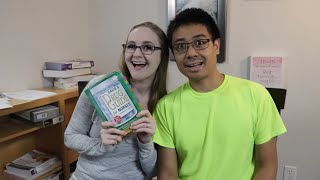
In this live AMA, hosts Matthew and Christina Rafano guide nursing students on accelerating medication study and succeeding in nursing school exams. They begin by answering member questions about HESI/ATI exam preparation, emphasizing focused reading of professor‑highlighted material, completing practice tests, and reviewing rationales. The core segment introduces a systematic approach to learning pharmacology: obtain a current drug guide (e.g., Davis’s Drug Guide 17th edition), study drug classes by mechanism of action, then drill down to individual drugs, side effects, nursing assessments, contraindications, and patient education. They demonstrate using furosemide (Lasix) to illustrate how mechanism informs side‑effects and assessment. They recommend creating med cards that capture generic name, class, mechanism, indications, side effects, assessment, contraindications, and teaching points, and suggest color‑coded tabs or steno pads for organization. Throughout, they address broader study strategies—prioritizing lecture‑aligned reading, using practice questions, focusing on pathophysiology, signs/symptoms, assessment, and interventions, and managing study time for students with families. They discuss resources in their membership community (tutoring calls, YouTube database, bonus sections), advise on choosing nursing programs (online vs. hybrid, RN vs. LPN, accreditation, cost), and stress mindset and grace when balancing school with personal life. The session ends with reminders about upcoming AMAs and how to submit questions.
Chapters
Go live. Go live. Go live.
Good morning.
Good morning, everyone. Welcome to the Nursing school show. Ask me anything.
We're going to talk about meds, medications, medications.
Learn meds faster, quicker.
I'm Christina. Nice to meet you.
Hi, Christina.
Hello.
Hi.
This is Matthew.
I am Matthew.
Good morning.
Hey, Barbara. Welcome.
Sweet.
Glad you can join us.
Barbara's in the house.
Yeah.
Okay.
Welcome everyone. On Facebook and Instagram as well. Shall we dive into.
And YouTube.
And YouTube.
Barbara's and YouTube.
Yes. Hello, friends. All right, so Mondays, Wednesdays we have AMAs and we also have topics now. So we are going to answer a couple questions that our members submitted and then we'll dive into our topic of the day, which is Learn meds quicker. Faster.
Learn meds faster.
So we will do that. Oh, are you waving to people on Instagram?
Good morning, Instagram.
Hello, Instagram.
Hello, Facebook wave feature where I like I wave to everybody.
So while we're going over this, be sure to pop in your questions in the comments below and we will try and get to as many questions after we talk about meds. The questions can be related to meds or anything nursing or otherwise related. Nursing. Christina will answer other. I can take a stab at that.
Otherwise.
Otherwise.
Otherwise.
Yes, I am the plus one here.
So let's answer our member question.
Okay, so we actually have a member question and then like someone that answered asked a question kind of related to a couple weeks back that I wanted to follow up on as well. That is related. So question from our member, please. What can I do to pass the semester HESI exams at school? Not the main HESI exams on fundamentals and pharmacology.
So this is kind of funny. Here's my. I need to make. I did not. I have not clarified this question.
So.
So if you are on and this is your question, if you could clarify for me what you mean by HESI exams at school, but not the main HESI on fundamentals in pharmacology. So which exactly like which HESI are you asking about? Here's my assumption. I think you're talking about either the entrance HESI or the exit hesi. I'm going to go with the exit HESI because we're kind of in nursing school now, so I'm assuming that it's the exit one or what have you for your term. So basically what I want to say is don't get tripped up on the names of the HUSI or the names of ATI or anything like that. Just know that the study tips go for all of them. And then general nursing school exams as well. So whatever exams you're taking in nursing school, you're going to want to do these things. You absolutely need to make sure that you are focusing on reading the sections of the book that your professors talk about in class. You do not want to waste all of your time just reading the textbook for the sake of reading the textbook. That is not going to help you. The best thing that you can do is to condense your reading, constrain your reading, and make sure that you are focusing on the most important things for you to know, which is what your professors talk about in class, what is on their PowerPoint slides, what's on their outlines. So if you have. If you're in a HESI or an ATI program, make sure that you are looking online at whatever resources they give you, whatever resources that your instructors give you. Oftentimes, like ATI and hesi, all, like, online slides and stuff to do. There will also be practice questions. Please, please, please do not leave out those practice questions. I cannot tell you how many times I have talked with nursing students who have said, oh, wow, Christina, I didn't do the practice tests. And now I just took my exam and realized I should have.
Look at all those hearts coming through. Yes.
Do the practice test. Do the practice tests. Thank you. Instagram for the love. Do the practice tests. Do the practice exams for HESI and ati. Barbara says, oh, my. Yes. They help so much. Yes, they do. So please, please, please. We got a heart. Facebook. Do not forget about those practice tests. That is really the key for you. And also make sure that you read the rationales. So when you do the practice test, don't just do them or read the rationales. You have to figure out why you're getting questions right and why you're getting questions wrong. Cool.
Cool.
All on the same page.
Yeah. So quick question. Not a nurse. So that term is kind of new to me, but I just wanted to confirm rationales. Is that. Do they give that to you, like, after you answer a question and it's like what the correct answer is and how you got to that answer correct. Okay.
Yeah.
All right. Yep. Okay.
Although I have heard from some nursing students that instructors can hide these on ATI exams. I haven't heard it for the he, but I have heard it for the ati. So if your instructors hide the rationales or something, I don't know why they would or how that works. If they hide it, then you need to talk to your instructor. And yeah, he's like, yes, they can. So make sure that you talk to your instructor. Hopefully you will be able to read the rationales after you submit your exam.
The why is important.
The why is important. You have to know why you're getting things right. Why you're getting things wrong.
Okay, sweet. All right. Is it like the practice ESAs with ATI?
Practice? Barbara is asking ESA.
I'm not sure what ESA stands for.
ESA Educational Safety Assessment. That's my guess. I don't know what's.
I can, I can throw all sorts of words. Let's start with E S and a and I'm 100 sure that they will all be wrong.
Yeah, that's good.
But that's, that's all right.
Okay. Connie, you're saying they wait until everyone has completed it and then they allow you to review before the major exam. Okay, perfect. All right. So whatever you, you know, whatever your school has, you do, just make sure that you can read the rationale.
External standard assessment.
External standard Assessment. I'm not familiar with that term.
Yeah, you took you. Barbara, tell me, your school was hesi, right?
My school is. Yeah. So we did have. So is that a hussy term? I don't know because I forget if it's a hussy term.
All right, sweet. So related question to that. Just a general question. Where can I get extra help with. For the. The question says Hesse A2 or H E S I A2.
Yes. Oh, I mean it's okay. So it's the same study tips still apply. My. I'm thinking that this question is like where can I best learn the content? So if you're on, if you ask this question, when was this like last
week this question was asked or something.
Where can you find. I'm assuming that what you're meaning is where can you find the content for the hussey? And the best places that you can look for either HESI or ATI is from either the husband or the ACI because those are like curriculums in and of themselves. So like for me in my school we had hesi and so you know, we just have like the online stuff and I would go through all the hussy online stuff and ati you have like ATI books. There you go. Barbara says quizlet. Everyone loves quizlet.
There you go. Perfect.
Sweet.
All right, before we go any further,
is my three year old watching out there in the world. Hi three year old.
Hi three year old. We are not going to say your name, but hello. We see you and are watching you as you are watching us. So, hello.
Here's the thing, you guys. Our kiddos are with his parents and Lolo and Lola.
We pulled up all those Filipinos out there.
We pulled up YouTube. We're like, hey, we'll be on at 9:00'. Clock. You. You can watch if you would like. So, hello.
Hi.
Hi, kids.
Hi, kids.
How fun. Hi, mom, too. Because my mom watches.
Yeah, yeah, if your mom is on too. Hello. Hi.
Gotta say hi to everybody. Yeah, you know, you got the thing.
All right, so we have questions trickling on in and I am capturing them all. So we will get to those as soon as we talk about meds. Meds.
Maybe if we just use the letter. Yes, YouTube will like us.
Thanks, YouTube, and sorry, YouTube, for saying meds a lot today. But we're talking about them specifically.
There you go.
Not how to make them, though. So just.
You know what, just to be clear,
not how to make them. We are not Breaking Bad. So how to learn meds faster. Ready and go.
Boom. So the first thing you're going to want to do is get a drug guide. So this is the one that I always recommend. Now here's the thing. Make sure you get the updated version, because this, this One is the 14th edition. And what is this one?
That one.
This one I just got last year. This is the 16th edition. I think there's a newer one that just came out. So, like, this is a yearly thing. Seriously, do you see the size difference, too? It's like we're just always adding. I don't know if you can see.
Always adding the drugs.
This is a lot smaller than this one. I don't know if you can tell on video, but there you go.
Yeah.
Kind of funny. So I recommend that you get this one. Well. Or this one. Or is there an updated one?
There is one. There's a 17th edition.
A 17th edition. So this is purple. What color is it? It's blue.
It's blue.
The 17th edition is blue. So get that one. Matthew just pulled it up on Amazon. Okay, so that's what you're going to want to do is because this is why I like this book so much in the front section here. And it doesn't matter which one you get, because in this edition it's the same thing. This is my old one, so I use this one. Classifications. This is the medication classes. Classes and medications. So that could be either pharmacologic class or therapeutic class. The pharmacologic class breaks medications down by chemical composition, the mechanism of action, what it does in the body. That is the Most important thing for you to focus on is the mechanism of action of the pharmacologic class. Now sometimes in here it will break it up into therapeutic class. So there are some therapeutic classes mixed in with the pharmacologic classes here. Anti infectives, therapeutic class, beta blockers, pharmacologic class. So it, you know, it just kind of depends. The therapeutic class breaks drugs up into what disorder they help with. So, so like I said, actually like anti hypertensives, beta blockers is a pharmacologic class. Let's see, lipid lowering agents, you know, so it tells you the therapeutic class is more clear with what it does. Lipid lowering agents, Any guesses on what that does?
Lowers lipids, Lipid lowering agents.
There you go.
Fat lowering.
There you go. Yes, I did it. So, yeah, sedatives, hypnotics, all the things. So there you go. So it does break it up into pharmacologic class and therapeutic class. So you can use either or. I prefer the pharmacologic class because it is more specific to those medications, like I said, chemical composition and how it acts in the body. So that is what you will want to. That's why I like this book. The red tab section here, first is medication classifications. Now all these white pages here are where it runs through individual medications. So individual drugs here have, you know, their own kind of their own section. So you can look in this front section here at the drug classes and then you will go to the individual ones here. So this is actually perfect because this is corticosteroids. And then you'll notice that in here, corticosteroids is actually a classification in the red tab section here. So you can look at both. So that is why I like this drug guide. Now here's how you use it. The first thing you want to do, come over here to the red tab section, learn the mechanism of action of the medication class, the drug class, pharmacologic or therapeutic. Now the mechanism of action is how the medication acts in the body. So you want to know exactly what it does, how does, how does the drug, how does the medication act in the body? And that is the mechanism of action. So when you come here to the classification section, it'll say here, so this is anti arrhythmics, general action and information. Now general action and information is generally how does it act in the body? And so that's that, that's the mechanism of action. So you can learn that for the medication class first. And then what you're going to want to do is group Your medications up into those drug classes. So, you know, there will be many, many medications that fall into one drug class, either pharmacologic or therapeutic. Then they will act similar in the body. So then you're going to want to come over here to each of those individual medications. Let's see. So this corticosteroids. Again, let's do systemic, if I can find it here. There we go. So systemic now, corticosteroids. Now you'll see all of these here, all the names of them, all the everything. And then it's kind of awkward because it's on a different page. And down here you will see action. The word action. That's the mechanism of action. How does it act in the body? So all those medications act this way in the body. There you go. So it's. So here's why it's so important to learn the mechanism of action of the drug class and the mechanism of action of the individual drug. I prefer drug class, but you can do it individual drug if you like. But the mechanism of action will drive this effects. It will drive the nursing assessment that you need to assess for, and then it will drive the nursing considerations. Anything that you know, any key points, you have to know things like that. And so here's what I mean by that. Like, it's the foundation, the mechanism of action is the foundation of what you need to know for pharmacology. Now, the mechanism of action, let's say, let's use a medication that most people know. So I typically use like furosemide, Lasix, you guys heard of that one? So even if you're in let's find it, even if you're in fundamentals, you most likely have heard of this medication. It's a diuretic. It's called furosemide or Lasix. It's the training. Now, furosemide, what is it going to do? Furosemide is a diuretic. Now, if I read the action for you here, let me just read it real quick. Inhibits the reabsorption of sodium and chloride from the loop of Henle and distal renal tubule. It increases renal excretion of water, sodium chloride, magnesium, potassium and calcium, all the electrolytes. So basically what ferrosamide lasix is doing is it's kicking fluid and electrolytes out of the body like nobody's business, right? It's diuretic. So it acts on the kidneys, kick out fluid and water from the body. So with that, that's the mechanism of action. That's how it Acts in the body. What would you imagine some side effects to be? Now, side effects, typically remember that the foundation of side effects is the mechanism of action. So when we know the mechanism of action first, then let's critically think through some side effects.
Boom.
Barbara, always watch for electrolyte imbalances. Yes. And why? Because furosemide is going to kick out water and fluid like nobody. Water and fluid, fluid and electrolytes like nobody's business. Right. So if we're getting rid of lots of fluid, lots of electrolytes from the patient's body, what are we going to see? Low electrolyte levels. What are we going to see? Dehydration. You're going to see signs of dehydration. You know, dry, dry mouth, dry mucous membranes. The skin turgor might be tenting. You know, skin might be tenting. Obviously, you know their lab values.
Whoop.
You know, all those electrolytes are going to be lower. So check it out. If you have a drug guide, that would be fun. If you could follow along here with me, that would be super cool. But when you come over here to side effects, this is exactly what we see, right? We see dehydration, hypocalcemia, hypochloremia, hypokalemia, hypomagnesemia, hyponatremia, hypovolemia. All the hypos. All the hypos, meaning that they're less, they're lowered, all those electrolytes. There you go. Daily weight and monitor intake and output. Yes. Daily weight checks. You want to make sure that they're not losing too much fluid. Exactly my point. So when you go to the nursing assessment. Next. Now, so that was on side effects. Now let's walk through nursing assessment. When you come over here to the nursing assessment, assessment of furosemide, what do you think you're going to see? If the mechanism of action of the medication is we're taking out fluid and electrolytes from the body. What would you want to assess for? Well, of course, they're lab values. Right. And then fluid status, daily weights, intake and output. You know, all the things we want to make sure that they are not dehydrated, they're not losing too much fluid. Bye, Barbara. Have fun in school. Cool. That's so funny. Blood pressure, Right. Monitor their blood pressure. If a patient has decreased fluid in their body, their blood pressure could drop. I love you, Barbara. You're the best. Okay, so that. Make sure that you. Your foundation for learning pharmacology is the mechanism of action that's right. There you go. We are not getting Facebook comments. I just noticed.
Yes, we are not on Facebook. Can you go ahead and comment?
I will go and see if you are on Facebook. Can you comment? Because sometimes Facebook will not show us the comments as they're coming in. And I'm not seeing any comments from Facebook. I did see some likes.
Quick tangent since. Since we took a break here. Someone was asking Ronald, how much is this? Barbara said around 50 bucks. I was just looking on. Oh, Amazon. Yeah. Guide is like 40, 40 in prime.
So there you go.
If you're a Prime member. Someone on Instagram was asking, how do you purchase that in India? And I do not know. Not sure if prime goes there, but
I'd imagine they do. I mean, I feel like you can. Isn't Amazon kind of everywhere?
I. I thought so.
Oh, how do we purchase this? Yeah, okay. Yeah. Oh, can you see this? Yes, I can see this. You guys. Hi, Tiffany. Hi. On Facebook. All right, so hopefully, hopefully you guys can get that are working.
So, yeah, 17th edition is the latest. And yeah, I saw it was like 40, $40 on Prime. So.
Yep, just got out of pharmacology class. How did it go? How did it go? Yep. So we're walking through pharmacology now. So here's how to learn medications faster, but I actually think that's kind of it. So those are the steps, friends. I tell you what, like, learn the mechanism of action, side effects, nursing assessment considerations. That's really it. We have a nurse on our team. She's a nurse practitioner. She actually. I love how she teaches this. She says to think about medication side effects as what happens if the medication works too well. So just like we were talking about with furosemide, right? Furosemide being a diuretic, it kicks out fluid and water. I keep saying fluid and water, fluid and electrolytes from the body like nobody's business, Right? So what happens if it works too well? Well, if it works too well, those are all the side effects we're going to see, right? Dehydration, low electrolyte levels all across the board. So that's that. So think to yourself as you're learning your meds, what happens if it works too well? That is what you're going to see in your side effects.
So I'm seeing from YouTube that. Yeah. So prima. Yeah. So the. That sounds like the. The intervention then is the increase of fluid because of the dehydration, because of all the hypo. Hypos. All the hypos, yeah.
You want to make sure that, you
know, because of all the hypos, you
don't want your patient to get too dehydrated. Right. When we. When we give laces, when you get furosemide, they're already full of fluid, you know, so we're trying to offload some of that fluid. So, you know, but you want to make sure that you don't drop too fast, too much. Does that make sense? Here you go. All right.
Went good. Just had an exam today. Congratulations. Well, also, I saw someone on Instagram saying thank you to you, Christina, because they got a 95%.
Whoa.
By following what you're saying, that's super fun. Not what I'm saying. So there you go. Congratulations, everyone.
Congratulations. We've had a lot of really awesome success. I know. In our membership, community, and everything, too, people. You guys are just rocking it out there in nursing school.
Rocking it, man.
Very nice. I'm gonna wave at some people on Instagram.
All right.
Hello, everyone.
Did you want to go over this guy here or.
Oh, yes, I do.
You want to go over there?
Yes.
Okay.
So talking about learning medications. Hey, Katrina, can you tell me if you did this for your pharmacology class? Med cards? Can you guys see this here? Let me.
Kind of hard to see because of the lights in here.
We see it there a little bit. Okay. Facebook, Instagram, YouTube, you can see that. So this is a med card. Now let's walk through it. This is what you will want to know for each of your medications, which is basically exactly what we just want. But this is like. It just gives you kind of a nice template. So generic name. You have to know the generic name of the medication. Make sure that you know the generic name. Because here's the thing. When you go to take your nursing school exam or the nclex, they will use the generic name always, but they won't always use the trade name. They might, but they won't always. But they will always give you the generic name. So, you know, you want to make sure you're remembering the generic name, like acetaminophen rather than Tylenol. Right. I want to make sure that you are remembering the name furosemide rather than Lasix. That makes sense. They might give you both. They might. They might say Lasix, parentheses, furosemide, or furosemide, parenthesis, Lasix on the exam, but they will always give you the generic name. They might not give you the trade name. So make sure that you know the generic name. And then the medication class. Now, like, we Talked about. Preferably it's the pharmacologic class because that is based on the chemical structure of the medication and how it acts in the body. If it's a therapeutic class, it goes by problem, disorder, issue that it's solving. Therapeutic class. So then you need the mechanism of action. So that's the first box here. And that's exactly why make sure you know the mechanism of action and what happens with the medication. Because that is, like we said, the foundation of everything else you need to know about that myth, mechanism of action. Indications. Indications just means what is it used for? What is it used for? Side effects. So like we, like we went over common and life threatening side effects, make sure that you know the side effects of the medication. And like we just said, side effects. When you think of side effects from pharmacology, think of what is, what would happen if the medication just went a little crazy and did like bananas in the body, right? What would happen if the medication just, you know, worked too well in the body? What would happen? And that is a lot of your side effects. Nursing assessment, what are you going to assess for contraindications? Contraindications means when would you not give the medication? When would it not be a good idea? Now for a lot of medications, like probably pregnancy is a contraindication, pregnancy because, you know, we don't want to hurt mama or baby breastfeeding. If a mom is feeding the baby, it might be contraindicated. Two other big contraindications are decreased renal function, kidney disease, or decreased liver function or liver disease. And that might be a little confusing, but here's why a lot of medications, that is most medications are metabolized in the liver and excreted by the kidneys. So if those two things are not functioning, if one of those two things are not functioning, then the patient is now at risk of having toxic levels of it in their body, of it rising. Right? If you give a medication and they cannot metabolize it because they have liver damage, or they cannot excrete it because they have kidney damage, then that medication is just going to stay in the body, right? And if they keep taking their doses, keep taking their doses like normal, but they can't metabolize it as well or can't excrete it as well, they are now at risk of having it too much in the body. Does that make sense? So there you go, contraindications. Now patient education. What are you going to educate your patient on? What do they need to know when they go home? All those things and then on the bottom here, we have notes.
All right, so another question, because I'm sure you were showing this, and people probably noticed what these guys are.
Oh, yeah.
All your little tabby guys. Since you use this edition, this is the actual one that you used, right?
Yeah.
So what are these tabs here for?
It's so funny because we get a lot of comments on YouTube. People are like, how do you tab your draw guide? It looks so pretty, and it's all color coded and everything. You would think that it's color coded. It's not. It's basically just Christina went to Office Max or Staples, whatever is around now, and I got these little tabby things in all the different colors, and I just chose which color I felt was cool for each med. So these are the common meds, Just the medications? Yeah. So it's, you know, it's albuterol, antifungals, corticosteroids, aspirin, metoprolol, all those things.
So just the common meds that you.
Yep, just the common meds that I gave in nursing school. This is from nursing school, so, you know, just all the common ones.
Okay. I did hear from our members in the membership community that some people did do this as well. They did go a step further and did color code it by medication class, if you'd like to do that. That is an idea as well, so that you can quickly see what the common meds are and what class they're in just by color. So I thought that was pretty cool. Also, Barbara, before she took off, mentioned, make a steno pad for your med classes. This is so much help for her. So.
Steno pad?
Yeah, well, yeah, just like a.
What's that? Like a. Like a notebook or something?
Yeah, just a book of.
All right.
My classes or whatever.
Yeah, yeah, yeah. For med classes. So basically, like pharmacology cards.
Yeah, farm cards. Yeah, so, like, those.
Perfect.
So I just wanted to mention that as well.
Perfect. All right, sweet.
Very cool. If you guys have any more questions about learning meds faster or the Davis drug guide, be sure to pop them in the comments below. To those just joining, welcome to the nursing school show.
Hello.
Ask Christina anything. We were just talking about learning meds faster.
Yep.
And now we're gonna get into some of your other questions that you guys posted before this YouTube or during this YouTube, Instagram, Facebook. So let's dive into some other questions. What do you think?
There you go. I love it. Actually, can I do this question really quick? Because, Brandi, you're a member, right? Took a quiz yesterday and got a B. Hey Brandy, do you have a section on cranial nerves?
Cranial nerves.
So yeah, we do. Inside the nursing and service membership community, if you go to click on bonuses and under tutoring calls. I did a tutoring call on cranial nerves. So there is a tutoring call there for you. If you just go, you know, click on bonuses in your dashboard under the section of tutoring calls, you can search that page. You know, do Control F or what have you. Control Command F Command.
If you're an Apple user.
Command F or Control F and then just search cranial nerves. It has to be titled cranial nerve. I can't even think of another name that it would be called. But yeah, it's in there. I did a tutoring call on it. All right, glad that helps.
Awesome. Also for the members out there, heads. Heads up. People have been asking us to post our YouTube videos inside the membership communities so that you guys can find it quicker. That has just been published. It is in the bonus section as well. It's just another section or another lecture there called YouTube database. And it's just a giant list of all of our YouTube videos and the episode numbers. There are links to our YouTube videos, but at least it's all in one area that you can look at. Go ahead. And you can again use Control F or Command F to search titles for general topics that you want to find or if you have the general idea of what the video was about, hopefully that will help. We will eventually also put them in maybe the actual sections of the membership that it applies to, but at least that is a start. Also, if you keep scrolling down past the first episode of YouTube you will find a bonus section of all the. The blogs that Christina wrote as well. There's some. Some pretty nice gems in there too. So those are links again, that goes to our. Our other site, the website that just goes to that specific blog. So hopefully that will help you those again, that is for the people in the membership community. If you are not in the membership community. It is closed right now, but go ahead and go to nursing schoolofsuccess.com join to join the wait list and you will be the first to know when it opens up again.
Marianne says. Yeah, there you go. I know this was a very common request.
Yes, this was a very common request. I put it in my planner and I got it done because I put
it in my planner. So there you go.
How do you become a member? Yeah, so it is closed right now. So go ahead, join the wait list and you will be informed when it is open again.
Perfect. So you guys are an awesome rockin couple. Woohoo. Thank you. Boom. Marriage for the win. Okay, I don't use Facebook or Instagram. Can I join the membership? Yep, absolutely. Yeah, absolutely. Because the, the membership community is not on Facebook or Instagram. Well, we have a Facebook group, but that's fine. The only thing you would miss out on is interaction with other students. But the actual membership site is it's a different website. It's not on Facebook. So it's a different website. So it's totally fine if you don't have Facebook or Instagram. If you're on YouTube right now. If you're on Facebook or Instagram, you obviously have a Facebook or Instagram or
you're using someone else's.
This question came from YouTube. So if you're on YouTube and you do not have Facebook or Instagram, it's totally fine. You can still join the membership community. You will just not have access to, to that private Facebook group. But we also do our tutoring calls like outside on a different site as well. Like we use a, we use a zoom type of thing. So we don't use Facebook for our tutoring calls. So you really won't miss out on that.
Yeah, no, definitely not. So all right, regarding that. Actually you had a question a little earlier that I did write down. So let's address that. A couple questions about med surge in general. So let's go ahead and do this. How do I prepare for med surg exams? When I go through the chapters, I want to focus on the reading that is important. How do I determine before reading the chapter what to focus on? Hold on. Next. How to read my med surg book. This is from someone else. When I read everything. When I read everything seems important. So I end up highlighting most of it. My professors get questions from the readings instead of the PowerPoint. And there are a couple other questions regarding med surg that we'll, we'll get to after this. But yeah, general how to study. And funny you should ask that because on our AMA on Monday, the whole topic was how to study.
Yep, perfect.
So definitely reference that for a more in depth look at that. That was our main topic on Monday. If you want to give the really technical 10,000, 30,000 foot view of what to do.
I can do that. Okay. All right. So want to focus on the reading. That's more important. More important before reading the chapter, what to focus on. Okay. I want to specifically talk about this question.
Okay.
When I read everything. When I read everything seems important, so I end up highlighting most of it. My professors get questions from the reading instead of the PowerPoint. Here's, here's the thing. So, yes, they might get questions from the reading instead of the PowerPoint. That's totally fine. But here, here's the thing. Here's the thing that you really want to focus on. When you think back to your exams, where do they get their test questions from? They get them from the reading, but it's on the topics that they talked about in class. So that's why we always, always say, focus on reading the sections of the book that your professors taught, talked about in class. So of course, you guys, of course know they're not going to take exam questions straight from their PowerPoints. No, your exam questions are going to be around. The topics that they talked about in their PowerPoints are also in the book. So go sit in lecture class, whether it's in class or online. Look at the PowerPoints, take notes in class, however you need to. If it's online now in class, what happens? Have you then go to your reading, go to the textbooks, focus on reading those sections of the book that were talked about in class. And in your PowerPoints, focus on those. That is going to be the bulk of your content for your exams. Now, of course, there's going to be a question on your exams that lives totally out of left field. It happens. It happens. You just got to let it go. Because here's, here's the, here's the other way you could do this, which is not the most efficient way to study. Here's the other way you could do it. You could, if you wanted to read every single thing in the book and read every single thing in all of the books that you have in nursing school. But is that going to help you? No, it's not going to help you the most. Because what will end up happening? Can you see the stack of textbooks behind me? Instantly, kind of. Kia, There you go. Like, these are all the textbooks that I had in nursing school. So if you are trying to focus on reading all of those, you will know a little bit about a lot of things, but you will not know enough for what they're going to test you on. You will not know enough about the core things that you need to know to graduate as a competent, safe nurse. Does that make sense? So, of course, even though they are not going to test you on exactly what they talked about in their PowerPoints or exactly what's in the reading, they're going to expect you to have read it, to understand it, and to be able to apply it on your exam. Right. So you're not just going to be tested on random facts. You're going to be tested on how well you critically think about it and how well you apply it.
I don't really have time to read the book with two kids. And our goal here is to get your efficiency up. What is the most efficient way to study, to learn the best things that the teacher will test you on so you can become the best nurse you can be. And just reading the book for the sake of reading or to get all the obscure facts that won't be tested, that's just not the best use of your time. So we want to let you have the ability to study with the least amount of time so that you can focus on your kids, so you can focus on other things as well. And that is really focusing on what the teacher is teaching and studying on those portions. Again, Christina said there is going to be the questions out of left field or the ones that just come out of nowhere. And yeah, will that happen? And yes, it will. And the trick is not to get that, let that bog you down or affect your mindset. Just know that you did. You studied the majority of what is important. Okay. Will those ones come and go? Yes. But be confident in what you did study and that those questions will be the majority of those things as well.
Just move on. If you get a question that you don't know the answer to, it's fine. It does not mean you're going to fail the next question. It does not mean you're going to fail the exam. Just do your best and move it right along. Yep.
Yeah, definitely don't let it affect your mindset, especially in an exam setting, things like that.
Definitely not.
Any other tips beyond that? Someone specifically asking Med Surg 3 Critical Care whenever someone asks about a specific course, because there's people from all over, everywhere that are listening in and people have different class names, class structures. Don't really know exactly what Med Surg 3 is, except for critical care.
But I think critical care is pretty clear.
Yeah, everything else kind of applies.
Critical care is that'll be where you're, you know, learning ventilators, chest tubes, deeper blood transfusion stuff, you know that stuff. You might have a clinical rotation in er, icu, something like that. So critical care, it still applies. So all of those tips, the med surg tips that we always talk about. So like Matthew said a little earlier, we talked about med surge A lot on Monday. Check out that. Ask me anything. Check out that AMA from Monday because it's so good. You definitely don't want to miss that. It was all about how to study basically in nursing school. So make sure that you're focusing on four main categories. Pathophysiology, signs and symptoms, nursing assessment and nursing interventions. You have to focus on those four main. Four main categories in critical care as well. So whether you're in med surg 1, 2, 3, fundamentals, pediatrics, OB, it does not matter. Focus on those four main things. Patho, what's happening in the body? Signs and symptoms. What are you going to see? Like what is the patient going to present with? Nursing assessment. What are you going to assess? And then nursing interventions. What are you going to do about fix it? What are you gonna do with pizza? There you go.
Awesome.
So in a nutshell, definitely go back
to Monday and get the deep dive on that. Again, a couple introduction. What should I focus on?
So just what you're Introduction to nursing course.
Anything different for focusing on the introduction to nursing course?
I'm assuming that's fundamentals. Like, what is your. Like, Define introduction to nursing for me because that would be fundamentals and anything like that would be like the nursing process and things like that. Anything that you just wrote, memorize. Anything that you just need to memorize, that is what I always recommend. Flashcards and whiteboards. Flashcards and whiteboards. Anything that you need to memorize, flashcards and whiteboards. You know, for all of the critical thinking things forming categories, what you do, that's what you do. If you are in the nursing SOS membership community, our videos inside there, it's so crazy because we basically do the critical thinking for you, which is awesome. So when we make videos, we don't just tell you, like give you a list of signs and symptoms to memorize. Like that would be so lame, right? So we give you the. We tell you exactly why it's happening in the body. So we. I walk you through the pathophysiology step by step and then we dive into the signs and symptoms, the nursing assessment and the nursing interventions. We tell you exactly why those things happen, why we need to assess for those things, why we intervene in this way and we link it all back to the pathophysiology. So we basically do that critical thinking for you. That is what you need to do in nursing school. Like we said before, nursing instructors are not going to test you on random facts from the textbook. They're going to test you on your ability to apply the information that you learned from the textbook, apply it to a patient situation, a case study, case scenario, what have you, you have to be able to critically think through those things and apply it. So that's why that is so important. You want to link everything back, connect all of the dots, link it all back to the pathophysiology. You have to know. You have to know what's going on, you know.
Cool.
Was that clear?
Yeah, that is clear. Again. Go back to Monday, take a look at that. There was a question here and there are people that are watching that are starting PN school as well. So any advice for just starting pn?
Is it.
Is it different than what you just mentioned? I just started last week and it seems like a lot. First lab is over, physical assessment, and then another related question. Is all your material beneficial for PN students as well?
Yes, so. So for practical nursing, licensed practical nursing, licensed vocational nursing, lvn, you don't hear like VN like vocational nursing, you hear PN by itself. Anyway, so it's all kind of the same thing. So LPN or LVN programs will cover a lot of what an RN program will cover. However, a lot of what we talk about is, like I said, that critical thinking may spread making nursing decisions and nursing judgment, which is not applicable to an LPN program. So if you are inside our membership community, which we have a lot of LPN students inside our membership community, that's totally fine. You just have to go in it knowing that there's more content in there than what you need to focus on. So, for example, like nursing care plans, we have a whole care plan course inside the membership community. We've got, you know, we've got a ton of videos on the nursing assessment and things like that, but a lot of that stuff will not apply to you because you're not so in an LPN role. For most states that I'm aware of, at least for where we live, an LPN role, you collect data and then you can relay that data to the rn, and then the RN will then take that data and make nursing judgments on that data, they will make those decisions. Whereas at lpn that would be outside the scope of practice. So when you get into our membership community or watch any of our YouTube videos, just be aware of that, that it might have more content than what you need. So you don't want to over study for your exam if you're in an LPM program. Does that make sense?
Okay.
I hope that helps.
Cool. Bren?
Oh, I said Brandy.
Yeah, yeah.
Brandy.
Brandy, Sorry. Is evidence based practice practice based on research, correct? Yep.
Evidence based practice means that it is research backed, that it has been studied, and this is what we found to be the, the. The have the best outcome for the patient. Does that make sense? So it's. Yeah, it's evidence based. Evidence based practice is evidence based research. He's what I'm meeting today. That's so funny. That's fine. Yeah, so it's. Yeah, it's the same. It's like evidence based research drives what we do in evidence based practice. Does that make sense?
Okay.
Hopefully that was clear.
Cool.
Yep. There you go.
I like this question, and I'm not sure this might could be a topic for an extended topic for one of our future AMAs. But just in general, how do you stay organized in nursing school? Is someone asking generally, how do you stay organized? And more specifically, we have two how do you keep organized when taking pharm and med surge at the same time? And Benji on YouTube just says, I wish my school splits patho and farm. I don't like that. It's one course. I was told that I have to pass both. If you fail one, you fail both. So that was kind of a side comment. But just in general, how do you stay organized with nursing and how do you stay organized when taking pharm and med surg at the same time? I don't know if there's anything different
from there and med surge at the same time. We actually didn't have a specific pharmacology course. It was like the entire time through the program, we went through like, we had a huge pharmacology textbook that was divided up between all the terms and we would do, you know, we would do it all throughout. And I actually preferred it that way. And here's why. Because you can connect it back to everything else you're learning. So when you're learning pharmacology standalone, if you're just in a pharmacology course, it's going to be a lot harder for you to be able to apply that knowledge to, like, med surg stuff. But if you were taking pharmacology course alongside your men's search course, that's going to be a lot easier. I know it seems, I know it seems like it's a lot, because it is a lot. However, it's going to be easier for you to kind of blend those two things together when you're taking it at the same time. Does that make sense? So I almost think that's kind of more of a mindset thing. Like, I would definitely, definitely kind of reframe that in your mind. You can change that because I honestly think it's easier. Yeah, I think it would be easier than taking a standalone pharmacology.
Well, and it's what you were talking about, too, that everything goes back to the patho. So, yeah, understanding the patho at the same time as trying to understand the medications and their side effects, what we were basically going over today, it goes back to the pathos. So by studying it at the same time, you can kind of see more clearly how they align. So, yeah, I agree with that. Definitely a mindset thing. So shift that mindset a little bit and see how it's beneficial. I just think. I'm not sure if it's accurate, but just spitballing here that, you know, what Meds, nursing school. I mean, the, the. The basis of nursing school is to get you to be the best nurses out there.
Right.
And to teach you nursing the best way that the nursing schools know how. And they've done this however many years they've been around. So it is, it is that way for a reason. I'm going to guess, and I'm going to give them benefit of the doubt and say that it's there and it's put together for a good reason. And so just shift that mindset a little bit and see. Oh, that's why they want us to do this. Kind of give them the benefit of the doubt and see what's the best way of thinking about things.
For sure. Absolutely. Yeah. Francisca said I have standalone pharmacology course and it was difficult. Yeah, I would for sure. You know, because you have to, you know, if you separate the two out, pharmacology and med surg, you have to learn both. I mean, it's just double the trouble. I would put them together. I'd put them together. If I created a nursing school.
You create a nursing school.
If I created a nursing school. Wow. That'd be something for sure. Yeah. There you go.
Okay.
I'd put them together. I think that's great.
So we did have a question from Facebook from Monday. It was right at the end of Monday, and it was a really long one that I copied and pasted here that I do want to look through. I read it before, so there's a general gist of it, and that's followed up by someone on YouTube that asked a question that I liked as well.
So there you go.
If you want questions that matter, if you want questions to be answered, ask questions. Questions That I like. That's the bottom line. So there you go. So this comment from Facebook is just asking about nursing schools and how things might have changed because of the situation we're in as a world right now. Not going to go into that. Their home situation. They have two small ones, a baby and toddler. So not really a lot of time to study or dedicate to nursing. Find it hard to be in person or to be online just trying to see juggling how to go to nursing school. They, they are ready and said that they're willing to put in the time to do it, but really can't be away in person that long from the kids. And online is a little bit more flexible but still having time, a hard time juggling that. Again, I'm paraphrasing here. Sorry that I'm kind of going through this and paraphrasing it, but it is a lot here. I need your advice. Do you recommend such schools for rn? Such schools being online versus in person. I can alt, I can do RN or lpn. But his ultimate goal is a bsn. Would you recommend going to school now with everything going on? You would recommend in person, Would you recommend online? All of that factors into just that question on which nursing school to go to. And on YouTube, the follow up question of that is does it matter what nursing school I go to?
Okay. So yeah, everything in the world now has changed. Nursing school, school, it's pretty much online now, right? Or a hybrid. I haven't heard of any schools that are fully in class. I don't know of any.
He was saying where he's at. It does seem like it is a hybrid. Clinicals in person and courses online.
Yeah, so that's really common as far as if you choose to do an RN program or an LPN program. Honestly, I think it depends on where you live. There are a lot of states that are still have very strong LPN programs. We do not live in one of those states. So if you know, I don't know where you are in the US and this I'm specifically talking about us, I don't know anything about outside.
Unfortunately we don't know too much.
Yeah, I don't really know. But if you are in the United States, check your state, check around, do job searches for RNs or LPNs. You know, make sure that there's jobs out there. Because really here where we live, there's very few LPN programs and very few LPNs. You know, it's primarily RNs in the hospital and CNAs and techs. So that's, that's how, that's how it is here. So before you go to an LPN program, I would just very much make sure that there's jobs available for you. And you know, that's, that's really it. I, to be honest, I would, I'd say from where we live, because I don't know how things are going to change around the US and how fast it's going to change, but what we are seeing is a move to rn. We are seeing like those LPN to RN bridge programs. Everyone, you know, everyone's kind of moving to rn. So it's something to consider. You absolutely can do your LPN first, but maybe just keep in the back of your mind that eventually in order to keep your job or something, you might need to do an RN program. So because that's what we're seeing a lot like with ADNs, with associate degree in nursing, a lot of. To get hired in a hospital, you need more now than an adn, at least in our area. In our area, you know, you, you really, it's very hard, very difficult to get hired in a hospital right now with an associate's degree in nursing, you need a Bachelor's of Science in nursing, you need a bsn. So we're kind of seeing that trend to, you know, rn, bsn, those things. So in California we have a lot of LPN. So if you're in California, perfect. A lot of LPNs here we do not.
So yeah, a lot of those. Bridge programs, right?
Yeah, Bridge programs. Yeah. There you go. Does it matter what nursing school I go to? That. I think that kind of answers, that
kind of depends on what kind of degree you're looking at. And again, your area, what would be most beneficial to you? Also the, I think a big part of the, the big questioning here is the time commitment with, with their personal lives as well. So you definitely want to measure that too. And I did want to call out a video that you actually did not too long ago on YouTube. The title is I was Wrong and just talking about prioritization and really what, what are your priorities? So it does sound like this. This individual has some younger kiddos and definitely wants to do nursing and was getting guidance on what, what program to do. And definitely we do support that. But we also support depending on where you are in your life, whether it really is in the car, not in the cards, but whether definitely pray about it, whether it is something to start now or to delay or whatever, just what are your priorities in life and and see what you want to do. I know that for this individual, ultimate goal is bsn. So what are the steps to. To do that in relation to your personal life as well?
For sure. I mean, in this season, like we are just this season of life right now with everything happening, like homeschooling, schooling, kids, job losses, trying to go to nursing school, you know, all these things. We are under no illusion that this is easy, like at all. You know, like a lot of our nursing SOS members are homeschooling their kids full time, working full time and going to school full time. Like I say in that video, that's a lot of full time. So if you have the opportunity to put nursing school on hold or delay it, to be honest, I probably would if it was me. If I was in nursing school right now in the season, I would consider putting it on hold. I have two small kids. I don't think I would do it, to be honest.
Yeah, and again, that's our own personal lives as well. When we went. Well, I say we, I can say we were married when we went through nursing school. Me, she went through nursing school, not a nurse.
She was a supporter.
We did not have kids. Yeah, we did at that point in time. So our life situation was different than it is now. So if it were now with two small ones like the individual mentioned, maybe our decision would have been different. We don't know. You're saying that. Probably, probably not.
I'm like 98% positive that I would not be in nurses.
So to be honest with you, again, it is up to you. And definitely you can, you can schedule your time. And again, we want to help you be as efficient as possible so you can spend as much time as possible outside of nursing school also and have a life as well. That's what we are aiming to do. But sometimes you just have to make that judgment call. And it is, it is up to you to determine what's best for you and your family.
Because here's the thing, like use our tips, like follow. We have a very systematic study process, step by step process on how to pass nursing school. That's what we do here. However, here's the thing, it still takes work, it still takes time. Even though I can help you cut your study time down. For sure. Like for me in nursing school, I took every Saturday off. I did that. So I know it's possible. We have members who are doing it. I mean, it's actually crazy. I just, I was just talking to a member yesterday on our tutoring call and she takes Saturdays and Sundays off. So there you go. I mean, it's totally possible. But here's the thing. With me right now, with two small kids, I just. I don't know if I would want to prioritize nursing school and work the other six days on nursing school. I would prefer to just spend more time with you. So you have to understand those priorities for you. And maybe, maybe, just maybe, nursing school can go on pause, you know, Give yourself grace. It's fine. What I hear from a lot of nursing students is like, oh, no, I can't. I can't. Like, why can't you? Like, if you really feel like that's what you need to do, then you can. So I just want to be really clear about that. Like, we are in no way disillusioned that, like, nursing school is easy. This life whole, you know, homeschool, working full time, going to nursing school full time, like, that's a lot to handle. So just be really, really honest with yourself. If you are following your main priorities in life.
Yeah.
And if it is nursing, great, fantastic. You know, but give yourself grace.
Yeah, I like that. Give yourself grace. We're giving you guys grace, too. If you decide that nursing is not in the cards for you right now, that's fine. That is. That is completely all right.
Nursing school will be here in a year. It's not going anywhere. Not going anywhere. So to this question, deciding if you should go or not, it's up to you.
You know, and the last thing about does it matter what nursing school I go to? Once you find what program you want to do, I'd say probably the biggest thing is accreditation. Make sure nursing school is accredited.
And. Yeah. Like it. Yes. We should actually do a whole video
on that because it is super, super important.
You would not believe how many emails we get from students saying that their program just closed down because it wasn't accredited and they had no idea.
Yeah.
Make sure that you double check. Like, the school might not tell you. The school might not tell you that they're not accredited. You actually have to look, look it up. Is your school accredited? So there you go.
Instagram, we have to bid you adieu.
There you go. We only have an hour on Instagram,
so next time, we'll be back on Monday, Nine Pacific.
So there you go. Bye. Bye.
Facebook and YouTube will stick around for a little bit just to finish up this. This convo. Since it is super, super important, make sure that whatever nursing school you're looking at is accredited.
Yes, absolutely.
It is a lot of Heartache. And there was a situation a couple of years back where a lot of people got caught up in this. And it is a lot of work to go, it seems like, to waste.
Every fall we get one of these, like every fall. I feel like a nursing school, you know, network of nursing school something. It shuts down because it's not accredited officially. So just make sure, check your accreditation. Now, Price. I also want to talk about cost of nursing programs. It doesn't matter. A higher price nursing program is no better or no worse than a lower cost nursing program. So if you go to nursing school, you pass your NCLEX. It doesn't matter if you went to a $120,000 school or a $10,000 school. Doesn't matter. There you go.
I think I want to just circle back around on something we talked about a little bit. Mindset. A lot about mindset. Nursing school is nursing school. If it's accredited, great. If you get a degree, great. The mindset there is. Oh, but this person went there and I just went to this place here. That's all in your mind. That is all in your mind. So just shift that perspective. You're blessed. You're able to go to nursing school and you got out of it with a degree and you learned a lot and you're ready to help other people and you're ready to serve other people. So just do that and be the best nurse out there.
There you go. Yeah, don't like, think that you are worse off or anything because you didn't go to a $70,000 school or a $200,000 school, whatever they have out in there in the world. There you go.
All right, guys.
Perfect.
Well, on that note, we will see you on Monday for another AMA. I don't think we have anything scheduled in YouTube yet, but we will get those up so you can always post your questions on the upcoming lives.
Now, am I going to be alone on Monday?
Oh, Monday will be a shorter one. I think we'll still be both. Both here. I think we can still both do it.
Okay.
But it will be a little abbreviated.
It'll be abbreviated. So submit your questions beforehand. So we are prepared, you know, and we can just like kind of rapid fire through questions because we have a conference actually on Monday that we're going to. Virtual. Virtual conference. So, you know, there you go. It'll just be a shorter ama. Yeah, but we will be here.
We will be here. All right, take care, guys. Have a good week. Weekend.
Have a good week. Weekend, yes. Thursday, Friday, Saturday. Sunday. See you later.
Take care. Bye.










