MUST-KNOW Signs and Symptoms of Shock for the NCLEX®
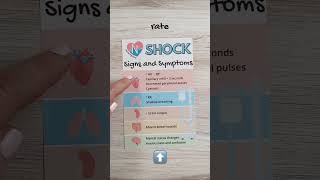
In this instructional video segment, the presenter outlines the essential clinical manifestations of shock that nursing students must master for exams and the NCLEX. Shock is defined as a failure of adequate organ perfusion and oxygenation, leading to a cascade of compensatory responses. The speaker describes how the body attempts to maintain oxygen delivery: heart rate rises while blood pressure falls, capillary refill exceeds three seconds, peripheral pulses become weak, and cyanosis may appear. Respiratory rate increases with shallow, “air‑hungry” breathing as the patient seeks more oxygen. Renal output drops (oliguria) and bowel activity diminishes, reflecting reduced perfusion to the kidneys and gastrointestinal tract. These signs collectively signal impaired tissue perfusion and are critical for rapid identification and management of shock in clinical practice.










