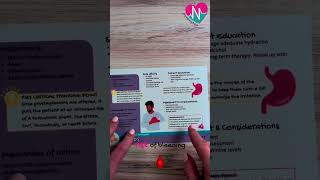
NSAIDs irritate the stomach, so take them with a full glass of water. They also increase bleeding risk and can damage kidneys, so monitor platelet counts, BUN, and creatinine in patients on long-term therapy.
Chapters
Here are some key things to know about NSAIDS for nursing school. I have two key points for you here. Nsaids can irritate the lining or the mucosa of the stomach. And so it's best to take them with a full glass of water is what we want our patients to do in order to help minimize that irritation. And then the second thing that's really important for the NCLEX is that there's this increased risk of bleeding with NSAIDs. So because of how the mechanism of actually and how NSAIDs are working, it's going to increase the patient's risk of bleeding. So if the patient is taking NSAIDs long term, we want to make sure that we're closely monitoring their lab values. We want to be watching their platelet levels and their BUN and creatinine levels, watching for any kidney injury or any kidney issues with NSAIDs. If you're struggling with pharmacology in nursing school, be sure to check out the pharmacology study system inside the nursing SOS shop.