Nursing School ASK ME ANYTHING!
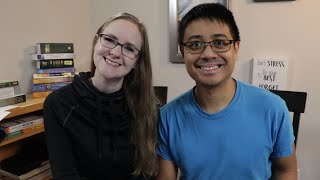
Christina Rafano and Matthew answer nursing school questions live, covering study frameworks for med-surg, ABG interpretation, dosage calculations, and NCLEX prep. They address nurse bullying and emphasize finding your deeper why when motivation fades.
Chapters
Here we go.
Good morning. Good morning. Good morning.
Good morning. Welcome Monday. Welcome to the Nursing school show. Ask me anything.
It's Monday. Hi, I am Matthew. This is Christina.
Nice to meet you.
Hello. For those just joining for the very, very first time, welcome. We answer nursing school related questions. For those that are joining on a regular basis. Hello again. Hello, friends.
Good morning.
Yes.
Hey. Kay.
Happy Monday, everyone.
Hey, Lisa.
How was your weekend? What is going on? Okay, how does this week look for everyone in nursing school? What's coming down the road?
Does Christina have a soapbox to go on this morning?
Oh, do you? I do not know.
That's the question.
I do not know.
We didn't talk about anything.
Mmm.
I'm digging. What soapbox do you want Christina to go on this morning?
Be sure to type your questions in the comments. There's two weeks or just any other comment. Any old comment.
Good morning, Gabrielle.
We are here to make things easier for you, hopefully help you out, give encouragement. All of the above.
All of the above. Good morning.
Comments, questions, all of that in the comments below. If you haven't yet, before you get on your soapbox, okay, hit subscribe, hit the bell. All of the things. If you like hearing Christina's soapboxes.
Hi, Kenzie.
About different things. All things nursing school. Yeah, Go for it. All right.
And then so really a soapbox, it's more warning.
And then after that, we do have some questions that I have and any other questions that come in. So let us start with your talk.
Yeah. Well, I mean, just really the thing that I want to say is that I think we're in a season right now with so much happening everywhere in the world at home, all these things. We've just talked to a lot of nursing students who are just tired and it's tough to just find it within yourself to keep going. But like we were talking about last week, you don't need motivation to do things. I don't want you to believe that lie that people tell you, that you need motivation in order to do stuff that is not helpful for you. Because when was the last time you felt motivated to go for a run at five in the morning or motivated to spend eight hours writing a research paper or when you get home from clinical, long clinical day and now you have four care plans or eight care plans you have to write. Do you really have motivation to do that? No. So we do it anyway, right? So I know a lot of us are tired. You're tired, you want to take a nap, you know, not be in nursing school. Right now. I totally get you. We're gonna do it anyway. We're gonna do it anyway. And we're gonna give it our all anyway. All in. Who's all in with me?
All in. Give your emoji of choice. What's your favorite emoji? Go ahead.
You know, one that I really liked.
Pop it in if you're all in on this.
Hi, Jessica.
So Christina was mentioning motivation and closer. Related to that is passion. Oh, passion. And we hear that a lot in today's culture is be passionate before you do something or be motivated before you do something. And passion is good. Motivation is good. The thing is that they can be fleeting.
Emotions are fleeting.
Passion and emotion, we can't go based on our emotions and motivation come and go. You need to have something deeper than that in order to keep going. So find your why.
All in.
Find it. Hang on to it. Even if the motivation goes away, keep going. Even if the passion goes away, keep going. Remember why you are going through nursing school. In nursing school, remember what that passion was and it will come back.
Robin.
That's about it.
All in.
All in. Very good. Very good.
Light. Light. Hello, Robin.
What emoji is that? Is that a hand on the face or the hand over? I can't tell. I can't tell from here. It almost looks like a face, but I don't know. Oh, okay.
See, because that's one of my favorites.
Okay, got it.
Face. Palm. There you go.
So, yeah, I think that that's a good topic to remember for especially a Monday.
Especially on Monday Mondays. Here we are on a Monday.
People tend to look down on Mondays. Tend to be a little negative about Mondays.
Ho hum about Monday.
Tend to say, I don't have the motivation to continue this week.
Oh, motivation Mondays is something. So here's your motivation Monday is you don't need motivation for Monday.
Counteract. That is the whole. Yeah, motivation Monday thing. Which.
That's fine. Yeah, whatever you do, work at that one. Work at it with all your heart. As working for the Lord and not men. So that's what we do here, my friends.
Very good.
All for God.
Very good.
Here we go. Week number three of January.
Yes.
Let's go. Week three.
Yes.
All right. What you got for me?
All right, since we're doing that, let's just. Let's just dive into a serious topic here. Just.
Oh, okay.
I'll go all full. More.
Just go.
Just go. All for it, guys. All right. So have you personally experienced what. Or I guess this question is personal experience. But just in General, what are your thoughts about. And I want to hear from you guys because it's interactive. What are your thoughts? Or have you personally experienced nurses eating their young during clinicals? So we're just gonna start off Monday, right?
What do I want to say about this? Tread carefully, Christina. You know, here's the thing. Like, I don't like getting. I'm. I'm very much. Here's a belief of mine. I'm very much like someone's experience can be their experience, but it doesn't have to be my experience. So you could say, I always say that I am the least offendable person. I am the least offendable person. You can say basically whatever you want to me. And I'm going to be like, yeah, that's probably. That's, like, partially true. You know, most things that people tell me, it's like, true. It's partially true. But then the part that I don't think is true, I just reject. I don't think that, you know, but if someone says something to someone else, they could take, like, serious offense to it. And I'm like, yeah, I could see that. You know, So I think that if someone says something to you might be a different experience than if someone says the same thing to someone else. So nurses eating their young, you know, like, what's something that. What's something that you could say? I even have a hard time coming up with, like, mean things to say. Like, what is something that someone would tell you that's like eating their young? I don't know. It just. It could be taken so many different ways. That's really. That's. That's really the thing about.
I'm not exactly sure what that term means to. Which is why I was asking for if anyone else experiences or what is your thoughts about this term? Because I have heard it, like, we've heard it.
Nurse bullying.
Yeah. So nurse bullying, which we talked about a little bit. We. We do these lives Monday, Wednesday, I think. Wednesday last week, we talked about bullying from classmates. Just slightly different, I think, than this one. But. Yeah, so. So it is kind of like bullying, but from instructors or from nurses or.
Like, it could be. Yeah, instructors. Yeah, instructors or nurses on the floor. I think it's primarily nurses on the floor, but we do hear a lot of stories about instructors, too.
Yeah.
So it could go either way. I think the premise of nursing nurses eating their young comes from this culture of really. I think it's. It's. I think it just comes down to pride and self righteousness. You Know that a nurse who's been on the floor for 30 years thinks that you're better, not only nursing, but as like a person, maybe as a new grad. And it just, it just reflects then in what they say. So that's kind of where I'm coming from. Is that like for example, when I was working with patients, I think it was last week or the week before, one of the nurses like gave me feedback which was fantastic. But I think that if she had said the same thing to another nurse there, it would have been taken differently. Almost like nurses eating their young. It could have. It may not have, but it could have. So I think that it all depends on, on where you, how you interpret things. Does that make sense? So like I said, I'm like, I don't find offense if someone, you know, it's like I didn't take offense to.
So what I'm gathering, it's kind of like a, a perceived. So it's, it's your own right? It's a, a perceived feeling of lack of support or encouragement or advice or help through nursing school from nursing students or to nursing students from people that are already nurses that are around you. Is that kind of.
No, it's just bullying. I think it's just bullying. Is that.
Yeah. So what comes.
Support?
Yeah, lack of perceived support.
So I think it's like verbal attacks.
Okay.
Is primarily a thing like verbal attacks, like nurses eating their young. Or you could, you could be on the floor and like a nurses wants to sabotage you. I don't know. I have not personally experienced that because.
What I'm envisioning and I could be totally off basis again, the perceived support is like you're trying to figure out the meds to give someone or you're trying to figure out this dose calc or whatever. And so you ask, oh, is this correct? Or just asking for backup. And then a nurse says, oh, you should know that.
Yeah, you should know that.
So that's what I was saying is the perceived support or whatever, it's a very non supportive environment from nurses. When you think as a nursing student that you should have more assistance, that.
Could be part of it for sure.
That's how I'm approaching it. And really there's two parts of it. It's what you said, it's what they say to you might be in their mind helpful to you, but in your mind it might feel a little abrupt or a little terse or not very helpful. So really there's two parts that I want to come at. It Here. And I think just, just from high level. The benefit of the doubt. Give them the benefit of the doubt. Actually three things. Yeah. So benefit of the doubts. So it's up to you to decide how to think about things and how to. How to accept things. So just give them benefit of the doubt. Who knows we. What their situation is, right?
What they have going on.
What they have going on. Like for example, if some, if you're driving along and then someone cuts you off while driving, you can be mad about them. But then if you find out that they're pregnant and on the way to hospital.
Right.
It changes a lot.
Here's a, Here's a good example. And something that happens is like, you know, you have a nurse or you're trying to figure something out and, and you ask a question of a nurse on your floor or a doctor, someone nurse on the floor. And then. But they, they like snap at you. Like, you should know that or, you know, you figure it out yourself or something and you kind of like freeze, you know. But what you might not know is that they just lost a patient or something or, you know, something just happened. They're trying to work through something. You, you never know. You don't know what that person's going through. You don't know their history. You don't know what they're deal, man. Especially in this season. Are you for real? Like, like there is just so much going on. I think we just have to give grace to everyone now. That's not to say, like, I like bullying. Obviously not good. So there's. There is a difference. And what I wanted to say before, there's a difference between like accepting like feedback or criticism. Like my example a couple weeks ago, I do believe that some other, you know, other people might have been offended by what, you know, what that nurse said to me. Maybe I was not offended. But it, There are times where it's like someone could like personally attack you or, you know, I don't know, name calling or, you know, like, I think bullying almost is not even. It's almost like not attacking you as a nurse, it's attacking you as a person. That makes sense. So it's like, like you don't have value or you don't have worth is almost, you know, what I would say. So if that's the case, like, that's, you know, my. We put boundaries in place for that. But you know, I think when, when we use the phrase nurses eat their young, I don't think that has to be everyone's experience. We Hear that a lot. But then at the same time, I hear so often that people love where they work. They love, you know, their clinical site. The nurses are great. They have friends. You know, I hear that more often than nurses either. Young, like I said before, I think it's like, you know, nurses who are just. They've got a lot of other things going on in life, like, you know, just lost a patient or, you know, have issues at home or things like that. And we just, like Matthew said, just have to give everybody grace through everything. You had a couple more things that you wanted?
Oh, I think, I think that covers it. I think that we've. We've discussed it.
Yeah.
Unless anyone else had. Had more comments about it, questions or questions about it.
But that's my, that's my experience, I think. Yeah. I mean, during clinicals, you will definitely see some nice things and you will see some not so nice things on the floor. And you just, you just learn, regardless of the situation that you're in, make sure that you are taking feedback and constructive criticism well. And, you know, not getting personally offended by it. Like I said, making the distinction between bullying and feedback. Right. And so, you know, just making sure that, that we're not going to, you know, just gloss over a teaching opportunity. Like, make sure that if someone says something to you that you take the teaching opportunity if there is one. Like I said, if it's like a bullying situation, boundaries. But, you know, if it's like constructive feedback or teaching opportunity, definitely take that to heart for sure. Now, we all do it. You know, we all do it. We all. You know, you just learn so much every day, even as a nurse, always. We are lifelong learners, us nurses, nursing students.
Very good. Okay. Sherry, Shari, Cherry Sherry.
I don't know.
Sherry. Okay. Yeah. Oh, ABGs help.
Yes, ABGs help. I think we've gotten a couple questions.
All right, so ABG's help and then related to that. Well, it's a fairly common question, so I think that it would help a lot of people to go over it. So APGs help. And I think I know where you're going to go with that. So wrapping up with that. Also, just med surge in general. What's a good study method?
Oh, yeah, Good. Okay, so ABGs, ABGs help. Yes, we can help with that. So we have some videos up on YouTube. If you are not a nursing SS member, I'm talking to you. If you're a nursing SOS member, hang tight. If you're not a nursing SOS member, go to YouTube type in nursing SOS ABG. We've got a couple videos there walking you through ABGs, lab values for ABGs, how to interpret them, you know, metabolic acidosis. And I don't know, we have some videos up there. I think we have metabolic acidosis and what metabol or do we have metabolic alkalosis?
We might. I don't, I don't, I don't remember.
We do have some videos up on YouTube. However, we have more videos inside the membership community. So we do have like a full ABG series inside the Nursing SOS membership community. So if you are so confused over ABGs, what to do, how to do it, don't you worry, my friend. Jump into the nursing SOS membership community. I've got a full series on it to walk you through abg, step by step. We also have practice problems which are so, so helpful. So there you go.
Okay. Yeah.
Oh, and then med surgery and then.
Yeah, let's just go. Go straight into just med surg. And what is a good study method?
Yes. So med surge, when you, when you think about studying for nursing school, there are four main categories that I want you to focus on. Pathophysiology, signs and symptoms, nursing assessment, and nursing interventions. Those four things. Patho, signs and symptoms, nursing assessment, and nursing interventions. Okay, somebody write this down. Somebody write it in the comments for everybody else, because people, I want to make sure everybody's got this, so. Or write it down for yourself. Someone write it in the comments and then write it down for yourself. Four main things you got to focus on. And this goes for fundamentals, critical care, pediatrics, ob, med surge. This goes for everything, okay? Pathophysiology, signs and symptoms, nursing assessment, and nursing interventions.
Got it?
Got it. Okay, now here's the beauty about this, is that as you're studying for nursing school, everything stems back from the pathophysiology. Pathophysiology is what is happening in the body. So what is happening in the body? Pathophysiology. Then from that pathophysiology, that's where you need to start. You need to understand that first. Then once you understand the patho, you can learn the signs and symptoms. Now, how do the signs and symptoms relate back to the pathophysiology? Super important. And then nursing assessment. How does the nursing assessment relate back to the pathophysiology and the nursing interventions? Because we want to solve the actual problem, right? Nursing interventions. How does, how do those relate back to the pathophysiology? Everything stems from the pathophysiology. There you go. Thank you, Karen. Patho, science and symptoms, nursing assessment and nursing interventions. Four main categories. Now, this goes for fundamentals topics like ABGs that we just talked about, Sherry. ABGs, what's the patho of metabolic acidosis? What are the signs and symptoms? You'll see what's the nursing assessment and the nursing interventions for that. So you have to understand those four main categories. Then, you know, other med, surg disorders, heart failure, stroke, you know, diabetes, dka, all this stuff. Bell's palsy med, surgical disorders that you'll see on the, on the floor. And then things like pediatrics, like congenital heart defects, pediatric disorders, asthma. Why said DKA? You know, pediatric disorders, you know, you know, type 1 diabetes, type 2 diabetes, all. All those things. And then OB, you know, OB complications, you know, gestational diabetes, preeclampsia, and then critical care topics like sepsis. You know, how, you know, how are. How are we going to solve sepsis? Well, you got to know the patho, you've got to know the signs and symptoms, you've got to know the nursing assessment, and you've got to know the nursing interventions. Good.
Awesome. Thanks, Will, for writing that down. Thank you for retracting that first one. The. The abbreviations. One of them YouTube didn't like. I can let you guess which one YouTube didn't like, but yeah. So pathos, signs and symptoms, nursing assessment, nursing interventions.
Yep, Absolutely.
Very good.
It's just, I think that nursing students. I did this so much. Like, you just wander through nursing school and you're like, I have no idea. I have no idea what to study. I have no idea how to do this. I don't know what I'm doing. Right. Like, you go to class online in class, and you leave just feeling more confused than when you went in. That's a problem, right? That's a problem. So four main things. Focus on the four main categories. And friends, I'm telling you, this is what they're going to test you on. Your instructors are not going to test you on random facts from the textbook. Do you see this Instagram? I know it's a little hard to see, but I have a lot of textbooks back here. A lot. YouTube, Facebook, you can see those. And you guys have all those textbooks, too. I've got, like, this is only probably a third of my collection, half of my collection right here. There's so much to read and so much to know and so much to learn in nursing school, but your instructors are not going to test you on random facts from the textbook. They're going to test you on your critical thinking skills and how well you apply the information that you're learning. Right. So those four main categories are going to give you a huge running start. Pathophysiology, science and symptoms, nursing assessment and nursing interventions. You've got to understand those things. Okay, I'm done.
Ardiana, you were asking, is there a way of searching in the membership. There's no like search box to search for things really. If you're trying to find a specific topic, specific thing. The easiest thing is ask us here or, or if you're on the Facebook group asking there to kind of direct you to it. While there's no search, there's. There are categories. So all of the courses are kind of categorized in the same step by step process that the study system is outlined in. So there's se six steps, six, seven steps that we, we have outlined to get through nursing school and all of the courses are outlined in those steps. So it's categorized that way as well. So if you're trying to look for something specific, our Facebook group is the best place to do that. If you're on there.
Working on that.
Yeah. So there you go. If you have a specific question here, you can go ahead and ask and.
Yeah, and I'm sure the ABGs though are in the fundamentals course.
Yes, yes.
So, yep, in the nursing SOS membership community we've got, you know, the different courses, you know, fundamentals, we have like med surge, all the things. Critical care, ob, my just I'm forgetting a bunch. But how to study. We've got the study system in there, we've got dose calc, we've got medication database, we've got like all the things. So it's in there for you. All right, it's in there.
We get this question, I think pretty much once every live. So I'll let you do your shout out again. Okay, I know this is off topic, but I'm applying next month and I'm working for studying for Teaspoon.
Any tips?
I'm so ready to do this, but.
My nerves are getting to me. I need to reach out to Kate. I wish we had something like that. I could tell you friends on the lives about the tease test, but I really don't know much about it. The tease, other than like you need to take it to get into nursing school. I did not have to take it. I actually never took the tease test. So who took the tease test to get into nursing school? Tell me. You say I did. I did. So I Did not take the tease test. But the tease test. The best resource that I have for you is her name is Kate and you can find her@pre nursingsmarter.com pre nursingsmarter.com Sonali, you said, well, cheese is basically like the act. Okay, KLC. Hello. Good morning, everybody. Yeah, so a lot of you, Gabrielle, you had to take the tease test. Yeah. That's so interesting. So it's like the ACT then, huh? So you have to. You have to take it to get accepted. See, I knew you had to take it to get accepted, but I don't even know what's on it. I think it is just general stuff. Like it's not nursing related, is it? Someone tell me.
What does it stand for?
Tease, Because I don't think you eat it with crumples. I think I had known this. I think I know this at one point.
Oh, Math, Science, English.
Math, science and English. General knowledge. So kind of like the GRE or. Yeah, the ACT or the sat, Something like that. Yeah.
Science, math, English.
Yeah. Okay, cool.
Interesting.
Yeah. So her name is Kate and she is at pre Nursing smarter dot com. Hey, you guys. So Sonali, Will and klc and was it Gabrielle? Gabrielle said Diana. Can you guys tell me what your tips are? What are your tips for the teas test? How did you pass? What did you do so that I can like take these and use these? So tell me in the comments if you took the teas test. What. What's your best tip? If you were to give your best tip to a nursing student who needs to take the teas test, what do you got for them? Give me the tips. Diana, you said you did use Kate. She's very helpful. Sweet. Yes, she is. I really like her. There you go. I am, I am actually really excited for that general knowledge. A lot. A lot of practice questions.
I studied like it was the ACT test.
Oh, studied like the act. The act. Act like at. Oh, act.
Act, yeah. Just throwing out different random letters and.
Calling it something are like very close, right? ACT and sat, those are like. Yes, those are kind of the same. Okay, so yeah. How do you study for an ACT test? I remember. Hey, Christina, how'd you do on your SATs? I don't think I did very good. Oh, that was a long time ago, friends.
SAT was a long time ago.
It was a long time ago.
So long ago. It was the old, old sat.
Oh, Sonali, this could be a really good tip for you friends. If you need to take the teas, take your teas just after you finish Your a and P1 and 2. I could definitely see that helping because that's like, what your science part. So if you need to take your T test, like, wait. That makes total sense to me. Sonali, thank you for that. That makes total sense. So there you go, Gabrielle.
Basic algebra, Microbiology review.
There's microbiology on the T test.
My.
I was thinking it was like basic biology. Science is heavy. Everyone's saying that science is heavy. Interesting. English is tricky. Two parts to that. My. See, I would really. I feel like I wouldn't pass right now.
Learning.
I might not pass. It probably wouldn't. That's fine. Same thing with the sat. If you put the SAT in front of me right now, they just changed the sat. Did they?
Yeah, they took away the essay questions that I never had to do because I did the old SATs, but I did the. Yeah, like, what was the max points for the sat for you?
Yeah, it was like 20 something.
I don't know.
I didn't do very perfect.
Sat back when I took. It was a 1600.
Yeah, no, that's what we. Ours were.
Oh, okay.
Yeah, that's what ours were. Yeah. So 1600.
All right.
Unfortunately, yes. Oh, funny. I start nursing school this Friday. Congratulations, Carrie. Any tips on what I could focus this week to prep my mind for my first week? Yes. Do I have tips for you? Okay, it's Monday. Here's what you need to do. You need to make sure that at, like, you just have to make sure that by Thursday you understand fully dimensional analysis and dosage calculations. So one thing you've got to focus on this week, Carrie. Number one. So here's what to do. Go to our YouTube channel or go to YouTube. Type in nursing SOS. Dose calc. Nursing SOS. Dose calc. We just posted more videos. You've got to understand dose calc. And I'm going to walk you through step by step in those videos, how to answer dose count questions correctly in the right way, get them correct every single time. Carrie, this is so, so important. And for all of you, all of you guys friends, are you starting nursing school soon? Someone else was. Gabrielle. You already started nursing school, didn't you, Will? You started already trying to find who. Who hasn't started yet. Pretty sure everyone that I see right now has already started. If you have not started nursing school yet and are starting within, like the next week or two, you have got to focus on dose calc. Will, that's what I thought you did. You did start. You've got to focus on dose calc. Because you are going to have a test within the first two weeks of your of your term and you have to get 100% on it in order to stay in the program. Some nursing schools are fine with you getting a 90, but a lot of nursing schools, you need to get a hundred percent on it. Or you can maybe take it. Maybe you can take it again or again. Like some nursing schools allow you two times, some allow three times, some don't. Actually, I guess I just assumed that some don't. But I don't know if I've ever heard about. How many times can you guys take the dose calc test? Tell me, is anyone just like a one and done? I think I have heard of that before, Carrie. Thank you. You're in the membership. Perfect. So I'm not going to send you to YouTube. I'm going to send you to the membership. We have a full dose calc, full dose calc course inside the membership community for you. Yes, Dimensional analysis, Carrie. Dimensional analysis. It's how we teach you inside that course in the dose calc course inside the membership community. So that is what you need to start. Seriously, my friend, Carrie, every single day before Thursday, please, please watch all of the videos. Do those practice questions make sure that you understand dose calc before you start nursing school. Okay? And it's totally fine. You're a nursing SOS membership member, so don't worry about it at all. I'm going to walk you through step by step how to do those things. So. So don't worry about it. You're going to be great. You're going to be great. But definitely start today. Learning it.
To recap, everyone that is just starting out or will be starting out soon. Sonali, you're starting February 1st. Melissa, I just started. So people that have just started or will start soon, really the first thing to focus on is dosage calc and make sure that you have dimensional analysis under your belt. So, yeah, that is. That is really the first thing to do.
My first COD quiz. What is cod? Should I know what that Y' all throw like acronyms at me? I feel old. I haven't been in nursing school in a few years and my.
I miss. Are you done?
Oh, yeah. Yeah.
All right. Christy had a question. Any tips on hesi? Forgot to have to take that as well. And super nervous. And then in relation to that, we've just had a couple different questions just about the standardized testing. So exit HESI study tips and then just what are the things that you use? Does studying from a Test bank help with those kind of things, especially for the NCLEX etc. So standardized testing, HESI, etc. And just all the things around that, I guess.
Yep. So good. So I really recommend that when you're in nursing school that you are doing practice questions not for specifically the content purposes and learning the content, but for more for training your brain as to how to think. Like the exam will test you, right? Like how to think. Nclex perfect world because that's how the exam is going to test you. So the more practice questions you do, the better you're going to get. And friends, I'm telling you, like the first time you answer nclex style questions out of a practice book or you know, a test bank online or something through like ATI or Hussey or whatever, it's going to be a little rough at first and that's okay. But the more you practice, the better you'll get. And you're like I said, you're not going solely based on like content and trying to learn the content. It's more like just trying to get in the mindset of how they test you on your nursing school exams and understanding, you know, what they're looking for. You know, things to, there's, there's different verbiage that they use and language that they use. And you know, you need to learn how to identify test questions and make sure you're reading the question thoroughly. There's a lot of like test taking, structure, strategy. Is that the right word? Like test taking? Yeah, strategy. I think is is a good word for it. You know that you just have to make sure that you're catching the words that they use in there. And the more practice you can get before your exam, the better off you're going to be because you're going to catch words like what's your first action? Whereas someone might not read the entire question and they might miss that. Things like that. So make sure that you are really getting in the habit of answering practice questions.
Yeah, so I think, yeah, that's really, it is just lots and lots of practice questions. So that goes back to what people are asking. Does studying from a test bank work well? So yes it does because it gets you through a lot of those questions. Just getting you used to how they ask questions is really the big thing there. Someone was asking about uworld. You never used.
I never used uworld. I've heard really good things. You could. So is this for nclex?
Yes, for the nclex.
So U world. I haven't heard really for nursing school, I've heard it more. As for the nclex. Yeah. I mean, yeah, you can, you can, you can use U World. What? I would. I need to look more into it because I, I've heard good things. But then also I'm wondering if there's better programs out there like the Hearst Review and NCLEX Mastery, or what's it called now. They changed their name. My.
My Mastery.
My Mastery. They just changed their name. So it's not NCLEX Mastery anymore, it's My Mastery. So check that out. They're an app. My Mastery. Make sure you find the one that it's either for. It's for your program, either an RN or lpn, because they split those two up. So make sure you get the right one. If you're in an LPN program, get the LPN one. If you're in an RN program, get the RN one. That goes for everything too. Yeah. I mean, you could buy uworld. I. I just am wondering if there's better things out there. I'm not super familiar with it.
So really it's just back to just. Yes. Practice, practice, practice. Lots of test questions. Practice how they. How they're asking questions and just, just getting in the mindset of this is how to take. Take those kind of tests. So.
Yep.
Yeah. Alida actually had a question here. Any recommendations to combine studying med surg with our books and ATI books, which is required for us to do our proctor exams. So from what I understand here you have your med surge that you're studying from yearbooks and there's also ATI books which is required. And do you combine the two or how do you combine those for your proctored exams?
Yeah. So if you are in an ATI program, I recommend that you use the ATI books almost totally forsaking your other textbooks because the ATI exam is going to test you on what's in those ATI books. However, you also want to focus your reading of those ATI books based on what your instructor talked about in class. Here's the thing, my friends, I thought I saw a comment about the HUSI earlier too. Like, how is the HESI different from your regular nursing exams? How is the ATI exam different from your other nursing school exams? There's a couple things. So ATI or HESI is a test bank, which means that your instructors aren't necessarily going to know what is going to be on the test. However, do not let that freak you out because like we always say, nursing content is Nursing content is nursing content. Whether or not you read the nursing content in a book, whether or not you hear us teaching you the nursing content or your instructor teaching you the nursing content, those ATI and HESI exams are going to teach you on nursing content. And regardless of where you get that nursing content, it should be consistent as long as you're listening to is, you know, knows what they're doing. So textbook, whether it's your regular textbooks or your ATI or Hussey books, Hussey doesn't really have books, but online slides for Hussey is what it would be. And then you know what you learn about in class. Nursing content is nursing content. So don't let that freak you out. As long as you are understanding the nursing content and then go into your ATI or Hussey exam, you will be prepared as long as you know the content. Now the really the best thing that I want you to make, want you to know about HESI and ATI is that they are really going to prepare you for the nclex. So if you, if you did pretty well on your HESI or your ATI exams during your program, you are going to do pretty, pretty well in your nclex. Like, don't, don't even worry, I was told. Or students don't even worry. Like, I know the NCLEX kind of freaks out, but if you did pretty well in nursing school, don't even give it two thoughts. You're going to do great on the nclex. So that's kind of where I would say ATI and Hussey kind of shine is that you are going to be really prepared for taking the nclex. There you go.
Awesome. Michelle? Yes. My mastery is the one that you that Christine has used and you used it was differently back when you used it. So. Yeah, but yeah, yeah. Let me see here a couple things. Maria is a member and.
Hi, Maria.
I made a 90 on my first pharmacology exam last week and an 88 on my first fundamentals exam. Hooray. Yay.
Congratulations, Maria. Thanks for letting us know. So you're a nursing SS member and you got a 90 on your pharmacology test.
Very cool.
Boom. Awesome.
Ariel's wondering if we're going to do a video on ventilators in the membership.
We have a video on ventilators in the membership.
Oh, well, I guess I'm assuming it's a membership. We have a video of ventilators in the membership.
Yes. And I think we also have1 on YouTube as well, for like some high level stuff. Right. So in our critical care course we have a video on ventilation and then we have a couple videos. We have like, yeah, traits we've got. I mean there's like, yeah, go to the critical care course inside the nursing associates membership community. The critical care course we've got, you know, like sepsis, we've got, you know, chest use. We got all the things in there. And then on YouTube, go to YouTube, type in nursing SOS ventilators. We have a video on ventilators up there for you on YouTube.
Oh yeah, we do, don't we? Okay, yeah, very cool.
Older one.
All right, Sonali is asking, can you please explain to me what can I expect in nursing 101? And it's kind of a. Yeah.
What is nursing 101?
It's tough because, yeah, nursing 101 can mean very different things depending on the nursing program. So I know that you're just starting out, but I don't know, nursing 101.
Is typically, I think, I mean, depending on like your school's. Nursing 101 might be just regular biology. It could be, but I'm going to, I'm going to take a gander and say that it's fundamentals. So in nursing fundamentals, you're going to learn very. The fundamental fundamentals, the foundation of what you need to know for continuing in nursing. So these will be things like fluids and electrolytes, ABGs which we talked about basic med surg disorders like stroke, hypertension, perhaps diabetes, heart failure. How do those things kind of work? You're going to learn the nursing assessment and the nursing process and basic medication administration. You'll probably learn some medications, you know, things like. I'm not going to say medication names because YouTube's gonna get mad at me, you know, so some, some common ones though you might learn in fundamentals there's just, you're gonna learn the foundation of, of what you need to know going forward. You're going to start your kind of critical thinking process, those kind of things. So that's what that was just the question, right?
Yeah, yeah. What's a nursing 101?
So that's what's, that's what you learn. And thankfully, if you are a Nursing US member, we walk you through all of that and more in the Nursing US membership community. So yeah, and the community, you're going to want to click on the fundamentals course. We have ABGs in there. We have a full fluid and electrolytes course. Course inside the membership friends, I'm telling you, fluids and electrolytes get into that course. It is gold for you.
All right. And that D, you're just asking that. That question. You're a member and you. And you were looking for more videos on ABGs. So that is in the fundamentals course.
Yep, fundamentals course.
So, yeah, you saw the fluid electrolytes course, which is all fluids and electrolytes, but if you want ABGs, a little bit more in the fundamentals course.
Good point, D. I had considered, you know, kind of pulling that out and making it its own course. But it is in the fundamentals course in the membership community. So ABG is there. Yep, yep, yep, yep.
Righty. Oh, here we go. Do you have any book suggestions for care plans and concept maps? And then Jasmine's asking, uh, we're starting nursing care plans, and I'm freaking out already. So don't freak out.
It's gonna be fine. Don't freak out, friends. It's gonna be fine.
And while Christina's getting that, if you haven't yet hit subscribe, hit the bell, hit the things, and welcome to Nursing School Show. We're answering nursing school questions, specifically care plans.
All right, screenshot. Screenshot this book. Please. Screenshot the book right now. Screenshot. Okay, this, my friends, is gold for you in nursing school. It's called the Nursing Diagnosis Handbook by Ackley and Ladwig. See that? It's down there. Nursing Diagnosis Handbook. This is going to basically write your care plans for you. So in the front here are nursing diagnoses. And no, you do not make them up yourself. You have to draw from them from this list front and back. And then you will go over here to the white section. White pages.
I have the Phelps. Have you heard of the felt?
No, I don't know what that is. No. Okay, if it's similar, then you're good.
Okay.
I guess I shouldn't say that because I don't. I've never used it, but I'm a. I'm just going to assume. They say never assume in nursing while I'm going to assume.
Well, I believe the ANA also has a list of nursing diagnoses to get you started.
Yeah, sure.
Cool.
If that's a thing. If they're the same. Okay, so then you'll come over here to, like, the white section here. Like, fatigue. This is fatigue. And then you're gonna walk through, like, the signs and symptoms which are defining characteristics, related factors. So they're related to. And then. Yeah, that's really it. And then over here, outcomes, like, what are the goals that you want your patient to achieve, client outcomes. So good. And then nursing interventions and the rationales. This book writes your care plans for you. Screenshot it.
Jasmine did.
Jasmine. Anyone else has? Don't miss it, friends. Screenshot this.
Here, let me hide my face. There you go.
Look it up on Amazon.
All right, Melissa, if you're interested in joining the membership, I just put up our shop on YouTube. Our link. So nursingschoolsuccess.com shop has all our things there. The first one there is membership. If you just want individual courses, we have a couple broken out there as well as a study system which we.
Actually haven't pulled out, but I haven't done that yet.
Yeah, we also have our study system if you'd like that, that is included in the membership. If you go that route though.
So yeah, so don't go buy it and then buy the membership because it's in the membership. Yep.
There you go.
Sad, sad time when Christina runs out of coffee.
Are we out of coffee? You're out of coffee. I'm not out of coffee. Let me see.
Oh. Oh, my friends. So good.
Here we go.
Do it.
How do I use what I know about working in med surg as a PCT and use this when going into first semester nursing and not look or sound cocky in front of others?
Oh, and not. Oh, so that question is not going where I thought it was. Yes, well, first off, when you're taking nursing school exams, you don't take your experience with you. You dump it out of your brain, check it at the door and then you walk in.
So just a quick pause right here. So we do get this, this general question about, okay, how does previous nursing experience or previous medical experience, how does that affect your experience in nursing school? Does it help? Does it hinder? So that's kind of, that's kind of what you're going into. Specifically, what this person's asking is that they're under impression that working a long time in med surg as a PCT going into first semester nursing, how do I use it and not look or sound cocky in front of others? So I like that last part.
It's a funny question.
So it is, it is. It is a good question. So, yeah, just to kind of point out, put more around it. So in general, does previous medical experience help you in nursing school? And specifically, how do you not look or sound cocky?
I mean, it can help you because you will be much more comfortable at clinicals, you're going to be more comfortable with patients. It can help you in that aspect. However, what I would very much like you to do is to check your knowledge and experience at the door.
Christy, I had trouble because I was a PCT and it hindered me. Am I at first because I was not thinking like a nurse?
Yes.
So exactly right.
This is a problem. It's a problem, my friends. So anything you. Basically any real life experience that you have, don't take it into the exam with you, because the exam is going to test you on textbook case scenarios, textbook situations. And as you know, patients out in the real world are not textbooks. Book examples. Right. So you've got to check your experience at the door, leave it outside, then go take your exam, pick it up when you come back out, take it to clinical with you. So when you go to clinical, you'll be more prepared because you, you just know how the floor goes, like how clinicals go, how you know how it runs. You'll be comfortable interacting with patients. All of those things will be very huge help for you as far as clinical goes. But on your exams, you really have to be cautious. Don't take your experience with you.
So. So at a risk of sounding flippant, you have no risk of looking cocky if you take your experience and try and use it in nursing tests because you will not do well.
Yeah, don't. Yeah.
So don't worry about sounding looking or sounding cocky, because probably those won't be the right answers if you try and lean too much on your prior experience and not on strictly what's in the book and what is picture or what. What is a book scenario.
Like, textbook scenario.
So. So yeah, in addition to that, that's up to you to tone yourself down a little bit and read the room, I guess.
Read the room.
Room.
I think that if you have a lot of experience and so this question, if you're just joining us, this question is how do I take. Basically, how do I use what I know in nursing school but not look or sound cocky in front of others? So I would say, like, if you have a lot of experience, don't go try to answer everybody's questions all the time unless they ask, like, answer them if they ask. And like, don't. Don't. Okay. I think it's a heart thing. A lot.
Yes, I was just gonna say that it really is a heart thing.
Yeah. Like, don't be, don't have judgy eyes, you know, don't have a judgy heart, you know, and that's really the thing.
To the person that asked this question, I Do appreciate you asking it. I think that it is a good question to ask because it you're aware that you have all this knowledge that could be beneficial to others and maybe you just want to make sure others are benefiting your from your information but don't like push it onto people. Don't feel or yeah, again, it's a heart. What's the heart of the matter? And then just be gentle with it. I guess so.
Yep. Yeah. I mean you can help students for sure. I tutored a lot of students in nursing school a lot in nursing school. So, you know, you can definitely help people for sure. But like not like, I don't know, I'd say just maybe don't be rude about it. That's really the thing. Yeah, but you know, use your best judgment.
Melissa. I'm studying for an exam for an exam on Thursday. I'm in year two. I'm going to just leave that out because it doesn't really matter what year you are. You're studying for exam on Thursday. How's the best way to remember what I'm learning? I think I just want to take this question and twist it a little bit. And how do you study for tests?
How do we study for tests? So what I really, really want to make sure that you were doing, especially with this, Melissa, you only have a few days now. Make sure that you are focusing your reading and studying on what the instructors talked about in class. There is not enough time to read and remember every single thing in all your textbooks. See all these books, so many of them. There's not going to be enough time for you to read just for the sake of reading. Because when you get to your exam, you are not going to be prepare for it at all. You're gonna know like general, you know things about things, but you're not gonna know enough about what they actually test you on. If you just read for the sake of reading, you're gonna know a lot about a lot of things, but you're not gonna know enough about what they're gonna test you on. And that's a big, big problem when you go into your exam. So what we always recommend is that you focus on reading the sections of the book that your professors talk about in class. What they talk about in class is what they believe are the most important things for you to know. And what they believe are the most important things for you to know is what they're going to test you on. So that's why we say that. So that is really key number one now Key number two is to make sure that you are applying the information that you're learning. You're critically thinking about it as you study. And I'm going to point out in here the nursing school study system on page 17. It's like 17 through 24 or something. We talk about critical thinking and how to apply critical thinking skills. Sorry, it's through 21. So 17 through 21 of the nursing school study system, page 17 through 21, we walk you through your studying, and then I also walk you through our DRC critical thinking model that you can use throughout nursing school to help you really learn how to critically think and think like a nurse. It's called the DRC Critical thinking model, and I walk you through it in the nursing school study system. So you can check that out. Nursingschoolofsuccess.com forward/study system is where that is. You can also go to YouTube if you would like. We have a couple videos on critical thinking on YouTube. So if you go to YouTube, type in nursing sos critical thinking, and those videos will pop up there for you.
There's another YouTube video that I did want to call out that you talk about is how to actually go through and taking notes for the test and.
Doing the whole copying and I do.
Copying and all that.
Yeah, we have a whole video on how to take notes for nursing school. So check that out. That's good. I totally forgot about that because that's.
A really, really good. Because I, I like, I like Christina's way of, of doing this because it really does help you understand where you're at in the studying. And you only have a couple days left. So. Yeah. How much of the information you've retained versus how much you still need to study. And Christina has a really good process of writing out all your notes and then highlighting things and then copying them again and then going through that process. So it's a YouTube video. I don't remember what. Do you remember what it's called or what.
It's just how to take notes. So if you go to YouTube, type in Nursing SOS how to take notes or note taking notes. That should all pop up for you. That video should pop up with all of those words. So, yeah, nursing S.O.S. note taking. Nursing S.O.S.
Taking notes. Yeah. Yeah. So I really, I do, I do really like the way that Christina talks through that. And I wish I would have done that in school, but I did not.
Because it's super helpful.
So. All right, Daryl, this is a valuable resource for us to increase our motivation thank you. I like that comment. In light of what we were just talking about when we started this, this live about motivation, you don't need motivation. I am glad that you find this helpful for you guys and that this is benefiting you and hopefully the, the tips and questions that we answered is helpful to you. Yeah, I'm glad that we also increase your motivation. Just want to touch on that again from the beginning of our lives that don't take motivation and passion as signs that you need to do something and only do something when you have those things. So keep doing what you're doing. Even if you're not motivated. The motivation will come back.
Yep.
I guess if this you find motivating, if you're not motivated, pull up one of our videos.
Get motivated and then get motivated.
But motivation is not a requirement to do what you have to do.
Absolutely. Well said. Do it anyway.
Oh.
Even when you're not motivated.
Okay. Cal, going back notes. Sorry. Is it good to write down notes in class on what the professor says and write down notes from the class book and then rewrite them on your own notebook or on a whiteboard. So I guess it goes back to how to take notes. So we do have that YouTube video. Just type in nursing SOS, note taking.
Note taking or something like that on YouTube. But yeah, I want to make sure that you are for sure. Like really you need to be writing down your notes and in class and notes from the textbook. So how we do that I will walk you through in that video. But basically how it goes is like you'll be sitting in class and you'll be taking notes on your paper of what the instructor is saying in class. And then you're going to go to the textbook and you're going to specifically read the sections of the book that you were talked about in class and you're going to take notes from the textbook on the same piece of paper that you wrote. You took your notes in class in a different color. I would use two different colors of pens and yeah, so that's basically the process. It's deeper than that. But go watch that video. It's going to help you a lot.
And will again filter that information down to just what your teacher talks about in class.
Yep. And the four main categories, pathophysiology, signs and symptoms, nursing assessment and nursing interventions. Will. That you have heard me talk about a lot because they say it all the time. Pathos, signs and symptoms, nursing assessment and.
Nursing interventions, and what your professor talks about in class.
There you go, friends. Alrighty. We will see you back on Wednesday for another live. Ask me anything. Shell.
Take care.
See you later. Have a fantastic Monday.
Yes, indeed.
Take care.
Have a good week too. Not just a Monday.
Have a good week until Wednesday.
Yes.
Bye. Bye.
Bye.










