Nursing School ASK ME ANYTHING!!
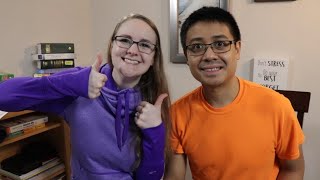
Nursing educators Christina Rafano and Matthew answer student questions about ADN vs BSN pathways, study frameworks for med-surg and pharmacology, dosage calculations, EKG interpretation, and how to handle bullying in nursing school.
Chapters
Ah, good morning.
Good morning, everyone.
Welcome.
Welcome to Monday. Hey. I was going to say that you took my joke. We are my joke.
We are the same.
Welcome to Monday, everyone. The nursing school show.
Ask me anything.
I am Matthew, not him.
I'm Christina. Nice to meet you.
We answer nursing school related questions. And yes, by ask me, I don't mean me. I mean me as in Christina, the.
Other half of Matthew. So there you go.
Yes.
Sweet deal. Friends. How was your weekend?
Oh, boy.
If you have questions for me about nursing school, post them in the chat. If you're on YouTube, Facebook, Instagram, wherever you are in the world, wherever you.
May be, go ahead and ask your nursing school related questions. We are here to help you out.
Shall we start with some questions from last week though that we didn't get to?
Sure, we can definitely start with that. Let me see.
Good morning, Diana. Hello.
Let me see here.
Let's do it.
You know what, we've had this question for a little while, but. And I think we, we've probably addressed it in the past, but just, just want to address it again. What is your opinion on ADN versus BSN programs? Is the BSN harder or faster paced? Would it be better to do ADN and start working? To do BSN while working?
Yeah, dubious. A lot of people do that.
Yeah.
Okay, let's talk all things adn, BSN in the chat. Let me know, are you in an ADM program? Are you in an LPN program or are you in a BSN program or other? Or other.
Or other, yes.
You know, you know we get emails sometimes from like veterinarian students asking for tips. I'm like, oh, I don't know.
That would be the other category.
I don't know. That would be the other category. Anna, you're an lpn.
All right.
Timmy, adn, Rachel, bsn, bsn. Well, we, there's all of them right there.
No vets. No vets yet.
So LPN or LVN program, EDN or a bsn. So I have an adn. I have a bachelor's in something else. Then I went to my adn and so I can't speak to a BSN program. What you will learn there, from what I understand is it's more like nursing leadership and research based. I've looked at curriculums for BSN programs. That looks to be mostly what it is. It's a lot more like research, heavy, evidence based practice, those things. ADN program is more like, here's what you need to know to be a nurse. Competence in nursing, taking Care of patients safely and competently is, you know, the ADN is, if you're in a BSN program that's like all four years, you will do your ADN piece in there, you know, you learn all the content, you learn the skills and everything. And then, you know, your last semester or two, you will have more nursing research, those kinds of things. So that's kind of the difference from my understanding between the two. Was there a question about lpn? No, I just asked that. Okay. Is the BSN harder or more fast paced? I don't. It depends on what program you're going into. Because there are BSN programs that are called a BSN programs, accelerated BSNs. And yeah, those are like, they condense four years of nursing school into like a year and a half or two years. So yes, that would be faster paced. So if you're, you know, in a situation in life where you want to do that, you know, you just want to do it as quickly as possible, that might be a good option for you, you know, takes a lot of organization skills for sure. As far as should you go to an ADN program or a bsn? It depends. It depends. I mean, like I said, I have an adn and to be honest, I don't really have any desire to do a bsn. I've looked, like I said, I look, I've looked at the curriculum, I've looked at, I've looked at programs. I'm not, I'm not super interested in going back. And then also I have a bachelor's already in something else. And so to be honest, if I were to go back to school, I would probably just go for my dnp. Because there's that bridge from ADN to dnp. If you already have a bachelor's in something else, like, I don't really see the point in like going and getting a bachelor's in something else. I would rather just do the dnp. So that would be me. It all depends. So if that's what you want to do, like if you want to go to a DNP program eventually and you already have a bachelor's, that's something you want to look at, like do an ADN and then the dmp, something like that. But if you, you know, want, you know, if you don't have a bachelor's degree and you want a bachelor's in nursing, great. It's also something you'll want to look at, what facilities in your area, what they're hiring for. There's something, hospitals, if you want to work In a magnet hospital, it's like a status of hospital that the vast majority of their nursing staff has to have a bachelor's in order for them to maintain that magnet status. So it's very important for those facilities to hire BSN graduates. So if that's where you want to work, most likely a bsn. If you have other facilities or hospitals in your area that hire ADNs and LPNs, great, do that. I think it's very variable. There's been a lot of research on, you know, if you're a BSN nurse, BSN prepared nurse, the patient outcomes are better. So there's a lot of research on that and that's why the magnet hospitals that status came to be. Side note, I haven't really looked at that research. I've just heard that's what it was. But I haven't like looked too deeply into that, so. But that's what I've heard. What else? I feel like I'm missing something.
No, I think that. I think those are the main things. It's interesting just seeing some comments from. From everyone else too. I wish I'd done my ADN as a non traditional student. I could work and do online bsn.
Oh yeah, that was the other thing. You can work. Absolutely. And you said, plus it's cheaper adn, when we were looking at the cost for ADN versus a BSN program in our area is insanity. Like an eighth of the cost. So an ADN program is like in our area here was like an eighth of the cost of a BSN program. Like not doing BSN program here in this area, like to go to school, like physically. This was pre Covid. So if you have an adn, exactly like what you said, you can do online ADN to bsn, you know, or rn, whatever they want to call it, RN to bsn, ADN to BSN programs for a lot cheaper. So cost is definitely.
And then Jess is even saying, I'm in an ADM program with an automatic entry into online BSN at the same school.
So.
So that's cool too.
And that's kind of how ours was too. Yeah, they had a. The college that I went to was kind of linked to a university in the area. And so if you graduated from our nursing program, you were automatically accepted into the BSN for the, the rn. RN to BSN program. Yep. Which is really nice that they do that.
Yeah. So a lot of people have a lot of different perspectives as, as well. So I think one of the things that I keep latching onto a Lot is, is it, is it harder or faster pace? And I think that really the things that you learn are different in ADN versus bsn. So like you said it, it does seem to be a little bit more research based oriented or more during research. So it might be just down to personal preference. Also on what kind of practice do you want to do after.
Yep, absolutely.
So just keep that in mind too.
Blue is I. Blue is. Sorry, I don't say that in my state, the hospital systems prefer BSN nurses. If they hire you with an adn, they require you to get your BSN a specific amount of time. We're seeing that a lot. We're seeing that a lot now. New York, what other examples are there? I know of New York that in 2010 said that in a decade, like what, 80%, 70%, something like that, 75%, three quarters, 80% of their nurses, they wanted to be BSNs. I don't know where that's at. I don't live in New York. But that's what I've, you know, that's what I've seen from that. So that is a good point. Depending on your state, your state might want you to do a BSN track rather than an ADN track and get all the hospitals hiring BSN graduates rather than adn. So you will definitely want to look into that and see what will be required of you moving forward. Sure. Because also, like, if you don't want to go into an ADN program and then know that three years down the line, you know, they're gonna say, oh, you have to get your bsn. You know, if. You might as well have done the BSN if that's what you wanted to do.
You know, Laura, what is, do you have anything more specific about what of accelerated nursing? So we.
Yeah, I kind of touched on that a little bit. Accelerated nursing is like the, the accelerated bsn. So a bsn. And so that is, that would be like a BSN program that is condensed. I think condense is probably the best word for it. Condensed. So it's like taking your, you know, three or four year Bachelor of Science program and condensing it into a year and a half or you know, two depending on the program. Like I've seen like 12 months, I've seen 18 months. I've seen I think even like a 24, four 21 month visa. So however long it does it. But it is just condensing it down into shorter time period. So you can, you know, graduate sooner, graduate quicker. Now, I will note in our Area. Those are more expensive. And so we mentioned cost a little bit. ADN programs. LPN programs are going to be less expensive than a bachelor's. It's kind of like those two tiers. I. I would say from what I've seen, it's like ADN less cost. Bsn and then ABSN accelerated. The accelerated, even though it's shorter, costs more. Or at least the one. The one in our area costs more.
Makes sense to me.
Yeah. Yeah.
Okay. Very cool.
Yep.
All right. So a couple people are asking.
Yep.
Is there anything else that you wanted to cover?
I don't think so, unless you guys had questions. I applied for a bachelor program. So if you know something or if you have something that is good to study before this test. Oh, please let me know. You applied for bachelor programs. Okay. Yeah. Okay, now we're on other questions. All right. Hey, Brandy. Good morning.
All right, so moving on, we have a couple of people. Lucky, Latoya and Rantoria. Any tips on passing a pharmacology and med surge? I kind of nervous starting the term. Latoya, tips on med surge and run run, Toria. Hey, I started med surge and I'm scared. Any tips? So let's start with med surge, Med surge and then pharmacology.
Okay, cool. Let's do med search. So the nursing school study system. Do you guys have this yet? The nursing school study system. You go to Nursing School of Success.com study system. Get it? Get it. Now, it walks you through everything you need to know how to study for nursing school. So, like, this is how to study in nursing school. Step by step, we walk you through how to study in nursing school from start to finish. Pretty amazing. So on page 34. Starting on page 34, we talk about how to study med search. So there are really four main categories that you need to know for med search. Only four. I know that your nursing instructors are going to tell you read every single thing in the textbook. They are wrong. Do not listen. Do not listen to that. Simply for the sheer fact is that it would be impossible. Impossible to read everything in your textbooks and be able to critically think about it and apply it, apply the information before your exam. You could spend all of your time reading the book for the sake of reading the book before your exam. But when was the last time your nursing examination tested you on random facts from the textbook? Like never. Right. What they're going to test you on is case scenario questions. They are going to give you a case scenario, like a patient situation scenario question, like a case study and they're going to ask you questions about it, which means that they're not testing you a random facts from the textbook. You need to know facts from the textbook, but also you need to critically think about them, because that is what they're going to test you on. They're going to test you on how well you synthesize that information in that case study. Can you apply what you've learned and critically think about it? So that's what they are going to test you on, on your exams. Which is why we say do not read every single thing in the book for the sake of reading. That is a waste of time. What I want you to do instead is focus on these four main categories that I'm going to tell you right now. Focus on these four main categories and then. And then spend the rest of the time learning how to apply those four main categories together and to other things. Okay, so let's go. Four main categories. Here they are. You ready? Write these down. Pathophysiology, signs and symptoms, nursing assessment, and nursing interventions. Those are the four main things that your tests are going to test you on. Okay. Did you get that? Can someone, like, write them in the chat so everyone can screenshot it like the chat? I think that would be helpful. Can someone write these four categories in the chat both on Instagram, Facebook and YouTube? Who wants to get it first? Are you ready for it? Someone post it first on all platforms. Hey, Instagram, Facebook, YouTube. Write it down in the chat for everyone else to see. Pathophysiology, signs and symptoms, nursing assessment and nursing interventions. Okay. Pathophysiology, science and symptoms, nursing assessment and nursing interventions. Now here's the kicker with this. Here's the kicker. Pathophysiology is the foundation for everything else you need to learn. It is so much easier to understand the signs and symptoms, the nursing assessment and the nursing interventions when you know the pathophysiology. So much easier. You have to understand what is happening in the body before you can understand the other three categories. Because the signs and symptoms are going to be reflective of that pathophysiology. Then those are the things you're going to assess for. Right? The nursing assessment is going to stem from the pathophysiology. You have to understand what is going on in this patient. What could it possibly be? Here are the things I'm going to assess for. And then interventions, of course, you know, interventions. We have to go back to the pathophysiology. What is happening? You guys are amazing.
Thank you.
Blue. I is It I blue Is this? I don't know. Randy. Thank you. You guys wrote it down. Ibrahim. Pathophysiology, nursing assessment, signs and symptoms, nursing interventions.
Esperanza. Thank you.
Pathophysiology, signs and symptoms, nursing assessment and nursing interventions. Four main categories. Okay. For studying med search. Now we do have this listed out and I walk you through how to study med surg a little more in depth in the nursing school study system. So check that out. We Also on page 17, see, I got it memorized. Now page 17 of the nursing school study system, we walk you through how to critically think. So how do you apply these things to your, you know, how do you critically think about it and apply it? So when you get to your nursing school exam, you're not like freaking out because you just memorized a bunch of facts? No, no. We walk you through how to study. How to study. Stacy, you said any helpful tips for pediatrics? Yes, this. Pathophysiology, signs and symptoms, nursing assessment and nursing interventions. Four main categories. Okay, cool. If you are a nursing SOS member, please do not go and buy the nursing school study system because it's already inside the nursing SOS membership community you for free. So if you're a nursing SOS members, there you go. Nursing school study system. Log into your dashboard, click on the nursing school study system. Download it. I'm sure you have already, but if you haven't, do it now.
So someone was just asking, what is this booklet? Is it helpful? So if you can just give an overview of what it is.
Yeah.
And then they're also asking, oh, does it get updated often? Don't want to buy it now. And then it gets updated, have to buy it again. So no those kind of questions too. So just what is it? Is it helpful?
Let's start with that basic, this is a nursing school study system. Yes, it is helpful. This is your step by step guide for how to study in nursing school. So we walk you through everything and it's clearly, clearly laid out here on where so on each of these top pages you'll see step one. Like we literally walk you through the steps of how to study through nursing school. It is. I can't even. I can't even. It's amazing. If you don't have it, please get it. If you are a nursing SOS member, don't get it because it's in the membership community already for free for you. So it walks you through step by step, how to study in nursing school. Basically what we did was we have been coming, we have been doing. I've been teaching nursing students, tutoring nursing students, coaching nursing students for about three, four years now. And over the summer we started these live videos a few times a week. So we come here and we answer your questions. And then it was right around what, September, October, where I said, you know what? I really need to put everything I know about how to study in nursing school in one condensed place. It was always in the membership community. It was always how we teach in the membership community. But I wanted to put all of our study tips in one condensed place. And so that, that's exactly what we did. So we put everything that I know in my brain about how to study in nursing school and put it inside the nursing school study system in a clear step by step process for you to follow so you do not have to get overwhelmed or confused. Confused about how to study or what to study or I don't know what to do. All of that ends here because this is your key for how to study in nursing school. It walks you through step by step, exactly what to do. It is so, so good. So that is that. Does that answer that question?
Yeah, that, that answers that question. So if you're interested in getting that, that's@nullingschoolsuccess.comstudysystem it is a PDF download. So you can either just keep it on your phone or you can get it printed out like we have here. But yeah, it is PDF download. So yep, yep, there you go.
Brianna. Yes, we, we do save. As long as Instagram lets me. We do save these lives to stories. And then our, our igtv. We save it to igtv and then on Facebook. We save them right on Facebook.
Yeah, yeah, they're. They're all on Facebook. They're also all on YouTube as well.
Oh yeah, they're all on YouTube too. Yeah, that's right. Hello, YouTube.
Yeah, we're in all places.
We're in all the places.
So.
So if you guys want to watch this back, no problem. Go to YouTube. Watch it back on our channel.
Yeah. So Randy, you were just mentioning also that just wanted to shout you out. Rock your. Rock your second attempt at Dozecalc with a 90 live to see another lecture day.
So yep, that does calc stuff. Hey, Brandy, have you checked out the dose calc course inside the community. Check it out, you'll like it.
Yeah, yeah, yeah, yep, there you go. So. And then. So Akira, how to successfully pass med surgery. So we're just talking about that right now. So there are four main.
Yep.
Categories Four main categories.
Physiology, science and symptoms, nursing assessment and nursing interventions. Pathophysiology, signs and symptoms, nursing assessment and nursing interventions. Those are the four key things that you need to focus on when you are studying med surg. And not even just med surg, pediatrics as well, mental health as well, critical care, fundamentals, if you're doing fluid and electrolytes, imbalances if you are doing abg, imbalances like metabolic acidosis, metabolic alkalosis. All those things you will also in fundamentals most likely learn about stroke, heart failure and diabetes are the three main ones. You know, kind of a high level overviews of some of the most common med surge disorders. You'll learn in fundamentals those four main categories. That's what you got to do.
Interesting. Rebecca, so easy is asking any tips on maternal newborn?
Yes.
And she's in the LPN program.
Yeah. So from my understanding in your LPN program, what you will want to focus on, again, those four main categories, the biggest thing is that the nursing assessment is going to look a little different from for you. The nursing assessment is not going to be what we like the nursing assessment. It's going to be an LPN assessment where you're mostly collecting data and then relaying that data to the nurse. Does that make sense? But everything else should stay the same. Let me know if that's not the case because I would like to learn from you and how your program does it. But Rebecca. Yes. Pathophysiology, science and symptoms, the nursing assessment for LPNs and the nursing interventions. And of course nursing interventions as well for LPNs. But you also have to know, you know, what, what the nurse, what the RN is going to be doing. You know, even in ADN or BSN programs, we have to learn what the doctor might do, you know, so you kind of got to know those things. But yep. All right, good.
Cool. And the other topic that they were asking about tips on is pharmacology.
Oh, that's right. Okay.
Yes. So again, pharmacology in the study system.
Yes, it is. It is in the nursing school study system. It is on page how to study pharmacology in nursing school, page 22. Okay. So I am going to go to my dark guide though. Oh, look, there are.
These are both the old ones. You want the newest version edition?
Yep. Make sure you get the updated Davis drug guide or the updated drug guide. I know there's a lot of other drug guides out there. I really like the Davis one. Davis's Davis does it. Well, I really like this One. I just do. So just make sure you have the updated version because actually, can you pull that back up and, like, compare them side to side? I think it's so funny. So this is from like, what, four or five years ago?
And then this is last.
Last year's. There's a new one, but look how. I don't know if you can really see that, but this one is so much thinner than this one. It's like they added a thousand meds or something.
Something happens, Something happened. Maybe. I don't know. Maybe they'll just keep getting bigger and bigger.
I think so. You know, my. It's, you know, every year things change. I know they pull, you know, they. They pull meds off the market that happened this past year, and then they add more. So make sure you get the updated. That's why it's so important to get the updated drug guide.
It's a fun, funny, funny story about that. Brandy was just mentioning that, yes, you did get in the dosage calculation course, and that's how you pass your second attempt after failing the first attempt. So cool. We're glad it helps and glad that you think it's great. We were putting that all together. It's been going on for a while. And there was one medication.
Yep.
In there. Right. They were like, okay, let's study and do this. And upon research, found out that they actually pulled that off.
So, yep. It doesn't exist.
That medication is not in the. In the calculation course.
Not in the medication. The medication. Yeah. Nope, not there anymore. So, yeah, we'll try to keep that updated and add, like, updated meds. So Matthew is referring to our medication database inside the membership community. So if you are a nursing SS member, you already have access to this. We have what, over 121?
Over. Over 120. Over 120 or 130 medications in there.
So you don't have to go to, you know, a textbook or anything to try to learn your meds. Let us do the hard work for you. We teach it to you. So you could just pull up a video and they're like quick videos where we walk you through the critical thinking for these medications that you learn in nursing school so you don't have to do it by yourself. Like, you don't have to learn nursing school alone, my friends. That's what we're here for. We're here for you. Don't worry about it. It's gonna be great.
And if you're actually gonna teach it to you interested? If you're not part of the nursing SOS membership community. We actually have this as a standalone course as well. So if you could just go to nursingschoolofsuccess.com shop. Yeah, all of our, all of our things are there. So we, we did pull that out. And you can just get the dose the. This as a standalone course if you want the medication database.
I parted my hair in a different way today, so it's doing kind of funny things. You're like, wow, Christina, your hair's gonna, I know, a little unruly this morning.
My hair is getting long.
It is getting long.
Yes. This is long, by the way.
Btws, that's awesome. Okay, let's get back to pharmacology, my friends. Davis's drug guide. Please get it. And please get the updated version, please, friends. So again, four main categories you are going to want to focus on. Okay. For this one, it's the mechanism of action. Mechanism of action for the medication side effects, then nursing assessment and the nursing considerations. Again, four main categories. Mechanism of action, how does the medication act in the body, mechanism of action, side effects, what are the side effects of it and why? Like, connect the side effects back to the mechanism of action and then the nursing assessment. What are you going to assess for before, during and after administration and the nursing considerations? You know, other things you want to learn, other things you need to learn, like the antidote, any intricacies about giving it any, you know, just things that you have to be aware for the medication. Some medications don't have a ton of things, some have a lot and like how to administer it and things like that. Like if it's an IV push medication, it's going to be a lot different than if it's like a oral PO med. So thankfully you don't have to read all of your textbooks to learn the meds yourself. So friends, I'm telling you right now, if you are not inside the nursing SOS membership community, you definitely want to join. And if you just want the med database, that's totally fine. Go to nursingschoolofsuccess.com forward/shop. You can check out that medication database course in there for you where we walk you through what you need to know for each medication. Like, I do not want you to be confused about meds at all. We walk you through the mechanism of action, what you need to know. We do the critical thinking for you and help you develop your critical thinking skills for yourself. We walk you through the side effects of the medication. Why? Why do those side effects Happen. Why do they happen? Nursing assessments. Why are we going to assess for these things? With these meds and the nursing considerations, why do we have to do it the way we do it? So those things. I gotta tell you, friends, this is everything I wish I had in nursing school because nursing school is tough and more challenging when you have to do it yourself. When you feel like you're alone and it's frustrated, it's frustrating when you, you know, are left to your own devices, you know, and you can't ask questions from your instructor, maybe they're not around, maybe they're not responding to your emails. Maybe, you know, especially with this online environment, you might not have classmates that you can talk to. This is why we created this. Let us walk you through nursing school step by step. We will teach you what you need to know so you do not have to figure it all out yourself. That's what we're here to do. We're here to walk you through it.
She's here. I'm here just to talk. Just to talk with you guys.
She's here for comedic value.
Exactly. And I think I actually misspoke because I kind of conflated two topics there because I was looking forward to our next topic.
Yay.
So the topic that we just finished talking about is pharmacology, the medication database. We have a standalone course for that in our shop.
Yep.
The other thing that we wanted to talk about was what Brandy was talking about, which is dosage calculations, which also we have a standalone course, or it's all in the membership community, if you'd like that. But Tori, in an end, was asking about IV push calculations and IV drop calculations.
Oh, yeah. So good.
So let's talk about dosage calculations a little bit.
We have a very distinct step by step process for walking you through doscalc and how to get every single, literally every single dose calc question. Right. Because, friends, as you know, when you get into nursing school, you will have a dose calc exam. Right. Like in the first two weeks, in the first two weeks of your nursing school program, you will have, or whatever term you're in, in nursing school, you will have a dose calc exam. And you have to get 100% on that test or you will need to retake it or you get booted from your program. We've all had this experience. Right. This is a thing in nursing school. Some nursing schools do allow you to get maybe one or two questions wrong, but try to get all of them right. You really should get all of them right. So that is why we have this step by step process for you. So if you are on YouTube, you're on YouTube. All of you guys have access to YouTube. You have access to YouTube, you're on the Internet, go to YouTube, type in nursing SOS, dose calc. And we actually just put together weight based. Last week we released weight based dose calc questions, feeding tube. The week after that, feeding tubes. And we have one on iv. So you were asking about IV and IV pushes. Check out the IV one. And then we also have one on po mens.
So I am actually editing one today for us to put up on YouTube tomorrow.
You know what that one is?
We put. Not off the top of my head. I do not know what that one is. I do not.
Okay.
I do not know.
I'm pretty sure it's happen, but check.
It out, I'm editing that one today. We are posting YouTube videos again every Tuesday. So we're right now doing a dose calculator series or what have you on different kinds of dosage calculations. So definitely if you're not yet hit, subscribe, hit the bell so you're notified when that goes up. It will be going up tomorrow at some point in time.
Yep, absolutely.
Yes.
Make sure you are subscribed and hit the bell on YouTube so that you do not miss out.
Exactly.
There you go.
All right. Ebony is asking about EKGs.
All right.
Hello. I'm going to my third semester. Any good way to learn how to read EKGs? And I remember going way, way back, way, way back. You have a blog post, right?
Pre YouTube, probably pre YouTube.
There's YouTube things about EKGs, but I don't know. Yeah. So any quick guidelines on that? Or do we. Do we have any YouTube?
We have a tutoring call inside the membership. Community.
Community.
Okay, so yeah, we have a. We have a tutoring call. We have a video on EKGs inside the membership community. I don't think we have anything on YouTube that I can remember. I don't know if we have anything on the blog about it. I think you might be thinking about heart sounds. Are you thinking about heart?
I don't know. Maybe. I don't know.
I don't remember.
It was a long time ago.
Okay. My best advice that I can tell you on ekgs, ecgs is to literally follow it with your finger. It sounds so simple, but follow it with your finger. Trace it. You're like P wave qrs. St, P wave qr. And then you'll notice if one of them is not there. Literally follow it with Your finger. Like, that is the best advice that I got in nursing school. That will, like, save you. That's. I mean, that's all. That's. That's really my best advice for that, for. For learning what is what. Flashcards also is something that I did for ECGs.
Oh, I think I remember seeing those flashcards.
Yeah. So I would print out strips and then, you know, write everything I needed to know about it and just do flashcards. Those are ones that I actually did go through. Oh, flashcards.
Oh, good, good.
Those are ones I actually did go through. Oh, and Ebony, also something that could be really helpful is to actually draw it out yourself. Because this is something. If you're a visual person or even like kinesthetic. Right. Draw it out yourself, you know, P Wave qrs. There you go. Draw it out. P wave qrs. St. Draw it up. Draw it out yourself. Or like print it out, you know, I don't know. Print out strips if you can, but draw it out. I think actually drawing it out is probably the best thing. The best thing to do. Okay. Yeah.
Really cool.
That is my biggest tip for EasyJe's. It sounds so simple, but nobody does it. So trace it with your finger. You will be amazed. Amazed. There you go.
All right, Esperanza, any update or any help for Ati? Te's entrance exam for 2021. So we.
Good question. I do not know very much about the TE's basically at all, other than you need to take it to get into a lot of nursing programs. So I send you over to Kate at Pre Nursing smarter dot com. Her name is Kate. Or Instagram at Pre Nursing Smarter. There you go.
Cool.
That's all I got for the tease, to be honest with you. I know, I know. But we help students with their core nursing classes and the tease is not really part of that tease is really to get into nursing school. So there you go.
Crystal, I just got the study guide. Is it a one. Is it a one time access or a downloadable PDF? So it is a downloadable PDF. So go ahead and log on in and you'll see the study system course. And you go in there and there's actually a couple different PDFs in there for you to take a look at.
We've got like printing instructions.
Yeah, printing instructions and all the goodies there.
All the goodies there.
Yes.
Yeah. There's some bonuses in there too, right?
Yes, yeah, there are.
Ooh, bonuses. Fancy.
We like the bonuses, so.
All right, Crystal, enjoy your study system and bonuses Wing. This is again, my wink. That I can't actually. Our three year old. Has he done this with you?
No. What have you doing?
He says, mommy, look at me, wink. And he goes like this. It's so cute. Oh, man, it's adorable. So that happened?
No, he has not done that with me yet.
He like covers his eye and then just closes and opens his eye. Ah, preschoolers. They're the best. Oh, man.
Jenna's asking, how can you properly study. How. Okay, I'm reading this, right. How can you properly study electrolyte imbalances?
How can you properly study electrolyte imbalances? That's the question.
That is the question.
Okay, let me think about this. Properly study electrolyte imbalances. My best advice for this is what. Basically what we always do. Pathophysiology, signs and symptoms, nursing assessment, nursing interventions. Best way to study electrolyte imbalances. Is that what you were thinking?
So like any other med surgery, like anything topic, it's back to those four main categories. So you need to know the pathophysiology first. So you need to know what's going on and what's wrong in order to do the other three signs and symptoms. Nursing assessment, nursing interventions. So, yeah, properly study is understanding. Yeah. The pathophysiology importantly so that you can move on to those, those other categories. But it's just like any other thing. It is the four main top categories of med surge.
Yep. So with electrolyte imbalances, you know, we're talking about things like hyperkalemia, you know, hypocalcemia, like those, like calcium, magnesium. Hyper hypos, all the hypo. Hypos, you know, sodium, potassium, all those things like the hypo. Hypo. But it's like weird because I do with my. Okay, hyper hypo. Yes. All of those things. You really need to know the pathophysiology. Like what is happening. What is happening during hyperkalemia. You have to understand that. And then what are these signs and symptoms that you would expect to see in a patient with hyperkalemia? And then what would you assess for? And then what are you going to do about it? What are you gonna do about it? So those are the four main categories. Really, really gotta know those things. Wink. I'm gonna wink again. I wink a lot. Like, I think that we forget that especially with fluid and electrolytes, because there's, there's like a lot of fluid and electrolyte imbalances. Right. You often learn it in fundamentals. You get to nursing fundamentals and you're freaking out because you have no idea how to study. Get the book. You have no idea how to study in nursing school, and then all of a sudden you're presented with these fluid and electrolyte disorders, and you have no idea what to do because it's very overwhelming. Four main categories. Pathophysiology, signs and symptoms, nursing assessment, and nursing interventions. It really does not get easier than that, my friends. Okay, wait, I'm gonna take it back.
Oh, okay.
It does get easier, to be honest. If you are a nursing SOS member. You knew what I was going to say, right? If you're a nursing SOS member, we have an entire fluid and electrolyte course for you inside the community. So we do those things for you. We help you critically think about all those four categories about fluid electrolytes. We literally walk you through everything you need to know about fluid and electrolytes in the fluid electrolytes course in the membership community. So I get so excited about it. There you go. I mean, it does get easier because watch a video and we'll explain it to you. So easy.
So I think the main takeaway here is to go ahead and go to nursingschoolsuccess.com shop because we do have those in the membership or as a standalone course. We actually pulled it out and made a nursing fundamentals course. And fluid electrolytes is included in there. So go ahead and take a look at that if you really want a guided tour. No, that's not right. Guided experience.
Guided tour through nursing school. It's like we're all getting on a train and we're like, let's go to nursing school together.
If you.
That would be fun.
If you want a little bit more help from Christina on nursing fundamentals and fluid electrolytes, that's where to go.
That's what you want to do.
That is what you would do.
Crystal, how do I get that book? Is that the guide you purchased? This is the Nursing School Study System, so I'm pretty sure that is what you bought. I don't know. You just said you bought it, right? You just bought. It's called the Nursing School Study System. So if it looks like this when you look at it up on your screen, it's a. It's a PDF download. If it looks like this, then yes, that's right. There you go.
And Esperanza is just asking. She wasn't able to catch Kate's info that you shared with pre nursing.
So it's pretty nursing for tease. Yeah, yeah, yeah, yeah, yeah. Caved. @pre nursingsmarter.com. okay, Kate. Kate at pre Nursing. That's not right. Okay. It's pre nursingsmarter.com I realize, really confusingly, pre nursingsmarter.com and her name is Kate. Check it out. So pre nursingsmarter.com she's also on Instagram at Pre Nursing smarter. Okay, so at pre Nursing smarter on Instagram, maybe Facebook too. I don't know. But at pre Nursing smarter or just pre nursingsmarter.com her name is Kate. And yay. Shout out to Kate. There you go. So that was for atits. For ati. That was. That question was for the T's. It's for atits. All right, anybody got any questions on ati? I have tips. Hey. Also in the nursing school study system is how to study for ATI and HESI exams. We also talk about how to ace your finals. We talk about what to do if you fail an exam. That is on page 56. What to do if you fail an exam. And then we also talk about my. I mean, everything. How many hours should you study? What to do if my professor wants me to read everything in the textbook. What to do if my professor doesn't teach. How do I pass ATI And Hessey. I already said that. How to study mental health. How to learn meds faster. Everything. Everything. My.
Okay, Lynn's question is interesting. Hi. I am about to start fourth. Fourth semester, and I want to raise my grade. What should I do at this late point?
I want to raise my grade. Okay.
Yeah, so I. And I think the. The thing that I found interesting is at this late point. So you're in fourth semester. How many semesters do you guys go through?
It depends.
But, I mean, I don't know. How many semesters are. Do you have in total? So it sounds like a late point, but I think that the first thing to understand or recognize from a mindset perspective is that it's never too late. Right? So it's great that you're asking now.
So do not give up. Never too late.
I'm not gonna repeat that. So, yes, at this late point, what are you gonna. Or what can they do to raise their grade?
Oh, I also want to ask, like, for. Okay, so you have four. So you're in your final semester. So from my understanding, or from my understanding of schools in general, your classes are taken in isolation. So, like, the grades you got from last semester are done, right? Like, they have no bearing on your grade this semester. Are you asking about raising your gpa or are you asking about raising Your grade, which I guess is kind of the same thing. Yeah.
So that is a good question, whether it's accumulated. If you're wondering about your cumulative gpa and do you need a cumulative GPA to be a certain level for something, do you plan on doing something beyond that? They have a minimum gpa or is it a particular class that you're struggling in and that you need to raise your grade in that? So I guess those are the two options there.
But I guess ultimately, like, if you raise your grade, then your GPA will go up. Right. So I don't know. What class are you taking? That's really. I have so many questions for you, Lynn. I'm sorry, what class are you taking? Because my advice is going to change depending on what class you're taking. Now, like I said, this is your step by step guide for how to study in nursing school. And it walks you through the classes. Like, what do you do? How do you study for each class you're taking in nursing school? Med surge three. That's helpful. Page 34 of the nursing School Study System where we walk you through how to study. And also you're most likely, if you're, if you're in your last term, you're probably doing critical care as well. What'd she say? I can't remember.
Okay, yeah. So basically, Lynn, what you're saying is you're. You want to just raise your grade for the nursing program. Last semester you did pass. You passed with a C. So you just want to raise your exam score so you can get better than a C this semester, is what I gather. Okay, so yes, you are in Med Surg 3.
So Lynn, I'm telling you, please, please get the nursing School Study system. Are you a nursing SOS member? I don't think so. If you are not, please, are you? Yes. Friend. Friend. Download the nursing school Study system right now. Go check it out. Go check it out. Download the Nursing School Study System. Oh, you are not a nursing assessment.
Yes, okay, sorry, sorry, a little bit delayed there.
So questions too fast. Go to nursing school success.com forward/study system. Download the Nursing School Study system because it is going to walk you through step by step, how to study in med surg. And then also, Lynn, I want to mention. So page 34 is where you're going to want to start for how to study med surg. But then Also on page 38, starting on page 38, we walk you through how to answer nursing school exam questions and nclex exam questions. That is what you are going to want to do. So start on page 34 when we talk about med surg and then quickly move on to page 38 through wherever. Wherever. 41 several pages where I walk you through how to answer nursing exam questions or nclex style questions. So, friends, if you do not have the nursing school study system, I'm telling you right now, please, please go grab it. I, I cannot, I cannot tell you this enough. This is everything I wish I had when I started nursing school. And in the middle of nursing school, when you just have no idea how to study, this is your roadmap. This is your step by step guide for how to study in nursing school. So go to nursingschoolofsuccess.com forward/study system, nursing schoolofsuccess.com forward slash study system. And check it out. If you are a nursing SOS member, it's inside of the membership community for you already. So, you know, don't go buy it if you're a member because you already have it. Yay. You should have already downloaded it if you're a nursing SS member because you get emails from me about downloading.
That's true. I think that's like the very, very first email you do when you get the membership community.
First thing you should do. Yep.
Can you post a link? So unfortunately I don't. I can only type on YouTube right now while we're, while we're live, but nursing schoolsuccess.com study system. Yep, we'll get you there.
There you go. So, yep. So yeah, it'll also walk you through in that study system how to answer nursing exam questions. Better and easier. So awesome. Pure gold. Oh, got it. Thanks. Perfect. Lynn. I'm glad. Sweet. All righty, what is next?
Let's do this. Because this isn't asked very often, but can you explain the nursing process?
Sure. Can you explain the nursing process? Well, basically, the nursing process is the process we go through.
Very good. All right.
I know. I was just thinking about this the other day. Like, you can't use the words in the definition of the word.
You're definitely not supposed to.
Like you're not supposed to use it. But I, I actually was listening to someone explain a term, but they used the word as they explained the word. And I don't. That doesn't work. Right? That doesn't. That doesn't work. So, okay, the nursing process is basically, it's a step by step sequence that we go through to help our patients. There you go. That's pretty good, right? Okay, that's Pretty good. It's a step by step sequence that we go through to help our patients in the best way possible. So the nursing process, you might hear this acronym. Add, PI or ADD O, PI A, D, P, I, E, ADD pie so assessment, diagnosis, like the nursing diagnosis. Planning, planning, patient care. P I, implementation, or an evaluation. So implementation of it. Implement, implement. Like do the things that you planned to help your patient, like do the thing and then evaluate them. So like, basically reassess them. So, so adpi A DP Assessment, diagnosis, planning, implementation, evaluation. So that is the nursing process. It's. It's not this big scary thing. As a nurse on the floor, you're going to be doing this constantly with everyone, all the time. When you're standing in line at the grocery store, you're going to be like, assessing people. It's just a thing in nursing school. Just get used to it. Adpy, assessment, diagnosis, planning, implementation and evaluation that walks through, you know, our patient care. It's a sequence of patient care and how we help our patients get better. Is that a good explanation?
Yeah, yeah, I definitely like that. And we do have a YouTube video.
Oh, we do, yeah. Good point.
So nursing.
Go to YouTube. Type in Nursing SOS ADPY or Nursing SOS Nursing Process. Okay, I should get you there.
Cool.
That should get you to the right video. Yep.
Yeah, I just like that one because.
Yeah, I don't think we've.
We've gotten that asked lately.
No, it's totally a good video. You really want to. You really want to check it out? Because I know it's kind of scary when you start nursing school and you don't know anything about anything, and your instructors are telling you to read the book, and then you come on live with me, and I'm like, no, please don't read the books. You don't know who to believe. I totally get it. I totally get it. But I'm telling you right now, don't read the book. Don't read everything in the textbook. Do the nursing process. Watch our videos. It's gonna be fine. It's gonna be fine.
All right, let's do this one because it's a happy subject. And by happy subject, I mean not a happy subject. So.
Let'S do it because it's happy. And by happy, I mean not happy.
Yes, exactly.
I mean very unhappy.
How do you deal with competitive classmates that are mean?
You don't listen to them. That's basically like how to deal with bullies. Oh, hey. Yeah, we did a whole YouTube video about this, actually.
Now that you mention it that way. Yes. We do have a YouTube video about bullies.
Yeah. Where I, like, read mean tweets, which is kind of fun.
It is. It is. It was. It's a different YouTube. It's kind of fun. Yeah. If you want to take that. Take a look at that. How to deal with bullies in nursing school. But, yeah, how do you deal with competitive classmates that are mean? And I don't know, I might just be thinking about it too lightly. But with everyone on remote learning right now, or a lot of people. I mean, so everyone that is on remote learning, can't you just mute them? Because, like, everyone's there and, like, they're there, and if they're talking mean to you, you can just, like, kind of meet them. Right.
So that's funny.
I mean, I think that that's.
Unfollow them on Instagram.
I think that's the way to do it remotely is just like. And so, like, you can. You can even kind of, like, turn off their screen probably, so you don't even have to see them. But even if you see them, you'll see them, but you can mute them, and they can be talking, and you just don't hear them. So. And that's essentially what Christina was saying. Right.
With.
With. In person, is you don't listen to what they have to say.
Yeah. So, I mean, I know that that is difficult because if you really have someone that's like. I mean, our team, they're so funny. Nicole messages me sometimes. She's like, people are really mean. I'm like, don't worry. They're not mean to you. They're mean to me. It's fine. It's fine. Just. Just whatever.
Diana. We do see them at our clinical. So, yes, maybe my answer is not a full foolproof answer there. You can't just mute them in real life, actually.
It's so funny. I will tell this story anytime we bring. So we've brought multiple people on our team for nursing sos. So we have. We have quite a few and have had quite a few, you know, kind of frontline customer service, you know, people on our team. And that's one of our. One of the questions that I ask when we're in the interview process for someone is how well do you handle it? Like, what? You know, how would you respond if someone comes at you? If someone says X, Y, and Z In a YouTube comment to you, how would you respond? You know, those things. So, yeah, so we asked this. We asked those. And it's Always kind of fun.
Yeah.
Because you gotta ask it. Because we get it all the time. We get it all the time. People really don't like me. What are you gonna do about it?
I think. I think it is interesting, kind of now that I'm just rereading the question over again, and I'll read it again. Actually, something that I didn't catch here is, oh, how do you deal with competitive classmates that are mean? So it's not just mean. It sounds like there is an underlying reason that you think that there's a reason anyway, and it's competitiveness. A competitive classmates or a competitive environment. So really, this is actually kind of two things. How do you. How do you deal with a competitive environment and probably a negative competitive environment if they are mean.
Kind of interesting, because competition in nursing school. Like, why? Like, I understand competing on a certain level to get into nursing school, but if you're already in nursing school, like, where's the competition? You know, it's really, like. It's not like they accept 200 students in a cohort, but only five of you can graduate. That's what only the.
I hope that's not only the strongest survive.
I don't think that's true for your school. So I think what happens is that we take the prerequisite mentality of. Of like, okay, I have to compete with all the other students around me because we're trying to get into nursing school, and I have to compete, and then we kind of take that to nursing school with us, and we don't, you know, move on from it.
Yeah. So this is the interactive part of this Live today. So thank you, Diana. Yeah, the interactive part. So do you feel this or have you interacted with this in the past? Do you come across mean classmates because of competition or. Or because it's something else? Have you come across this? And what. What are your experiences? So, Diana, your. Your scope is some people don't want to work as a team. So, yeah, you. You guys do have group projects and things like that. So. So is the meanness just refusing to work as a team, or they actively bring you down as a team or. I don't know. What have you. Did you experience that in your. Your teams were.
They were pretty good. I mean, our nursing school was pretty. Pretty clear. Like, we don't compete here. You know, get rid of that. Exactly what I said. Like, they were pretty good at. Like, the instructors were pretty good at saying, you know, get rid of your prerequisite mentality. This is nursing school. You're all in this together now kind of thing. Like, you're here, take care of each other. Yup. And so, you know, that's. It's. It's a change. It's a change for sure. And then you can have that conversation with your instructors and other students, like, peers, too. And also, I would say, like, if. Even if that feels like it's everybody, I don't think it's everybody. Like, find a friend in nursing school. Find somebody. Or find, you know, one or two people. If you're. If you're a nursing school, like, your Cohort is like 30 people or 20 people. It's not going to be everybody. That's super mean. You know, there's going to be people that are like you. They just are trying to ignore it. And, you know, those. So find those people. Like, seek them out. Right. Make friends, you know, like. Like Jesus said, bless those who persecute you. You know? You know, if people are mean to you, pray for them. Pray for those who persecute you. You know, so whatever. Michelle, you said I like you. Well, thank you, Esperanza.
Both they refused to work and they put you down, so.
Both they refused to work and put you down.
Yeah.
So, like. Yeah, for group projects. Yeah. Yeah. I mean, it's just you to try your best to work together, you know?
Yeah. Give people benefit of the doubt, too. Who knows what they're going through? I mean, we're all going through stuff.
Yep.
So who knows what they're going through?
But, yeah, everyone has their story. Yeah, everyone has their reasons.
But definitely persecute you. We do have that YouTube video. I totally forgot.
Oh, yeah, yeah.
Go to YouTube. Search nursing SOS bullies. Maybe.
Maybe try that bully. Can someone do that? Like, right now?
Go to YouTube. I don't know.
Type in nursing SOS bullies. See what comes up. I don't remember. So what is that called? I don't know. Sorry. Something about bullies.
Oh, yeah, I do not remember, but it's a good one. It's a good one if you do have problems with that. So I just wanted to address that because, yeah, it is something that we. We get questions on once in a while, too, so.
And also, I just think, honestly, I want to do a Christina reads memes tweets video, because this happens a lot where students come to us and they say, you know, all my peers do not like me, and I'm having such a hard time. I just want you to know that you're not alone and that your experience is the same as Everyone else's experience. Like, we all get those that it happens. It happens. Like when. Honestly, here's the thing. When you do things in the world and make something of yourself, people are going to have an opinion about that. And that's okay. I was just watching a sermon yesterday, and he mentioned why. Why does. You know, like, it's. It's persecution. Right. As Christians, as Jesus followers, we are expecting persecution because that's what Jesus says. Follow me. You will be persecuted so the world will hate you. That's totally fine. It's completely expected. It means you're doing something right if you're following, if you're following Jesus. So that's how it works. My friends, I would very much like to do a whole YouTube video about that because I want you to know that you're not alone.
Yeah, you're definitely not alone.
Yep.
With that feeling.
Yep.
And people acting the way they do.
Yeah. So what are you gonna do about it? Pray for them. That's what we do. I hope that was helpful.
All right, on that note. On that note, we will see you on Wednesday.
All right. Wednesday, Wednesday, 9:00am Pacific Standard Time, noon Eastern.
So if you haven't yet.
Yep.
Hit subscribe, hit the bell. Be sure to follow us on whatever platforms and. Yeah, we'll see you on Wednesday. Come with more questions about nursing school and we'll help you guys out.
Yes. All right, friends, see you there. You guys are amazing. Yes. Bronze. You're so nice. Love you guys. Love your energy. There you go. All right, friends, have a fantastic.
It's nursing. It's nursing. SOS Dealing with bullies. Thank you, Arietta.
Oh, nursing. SOS Dealing with bullies. Thank you, Arietta. That's the video. Nursing SOS. So go to YouTube. Dealing with bullies. Is that right? That sounds right. Okay, there you go. There you go. Everybody have a fantastic Monday and Tuesday and Wednesday morning. We'll see you Wednesday morning at 9:00am.
All right, thanks, guys.
Bye.
Bye.
Bye, bye, bye, bye.










