Nursing School - ASK ME ANYTHING
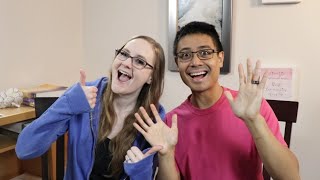
In this live AMA, host Christina Rafano and co‑host Matthew guide nursing students through effective study techniques and professional communication. They stress the importance of mastering therapeutic communication, using flashcards and whiteboard repetition for active learning, and ensuring a solid knowledge base before teaching peers—a method they describe as a double‑check for understanding. The conversation also highlights the value of teaching others to solidify one’s own grasp of material. Throughout, they promote the Nursing Outsource membership community, emphasizing the enrollment deadline, integrity policy, and the benefits of exclusive resources such as ABG cheat sheets, ECG tutoring calls, and dose‑calculation videos. Logistics for weekly live coaching sessions (Monday 9 AM PST) and instructions for submitting questions via YouTube chat are provided, along with encouragement to engage on Instagram and the community platform. The AMA blends instructional advice, motivational encouragement, and promotional information to support nursing students navigating both academic challenges and remote learning environments.
Chapters
Three going live.
Hi, guys.
Hello.
Welcome to our live.
Welcome to our ama.
Yes. Happy Friday as well. Rotate your device. What?
Oh, yeah, it's. It's. Facebook isn't letting us do landscape. That's so odd.
Oh, well, so what? It won't let us do that.
Yeah, it won't let us do it. Nope. So let's do it to say, how y' all doing today?
All right. Hi, guys. Welcome to our channel. Oh, weird. All right. Welcome to the nursing school successor. Let me kind of look over and around.
I'm gonna get Facebook set up.
Yep. Christine is getting Facebook set up. Happy Friday. So what happens on Friday?
Friday, Friday.
Okay.
Someone had to say it. Can I unplug it?
Yes, you can unplug it.
There you go.
All right, here we go.
All right, Facebook.
Someone asked us on YouTube before we went live, how do you send this to someone else to join? So we popped a link in the comments of YouTube that you can go ahead and share that will direct them straight to this live. So go ahead and share it out and we'll see them and we'll wave at them when they come in like this. Hello.
Let's get cozy. Because Facebook is like the other way.
Yeah, Facebook is the other way. So let me adjust a little bit.
And welcome, friends. We've got some really good questions to go through.
Yes, we do. This is Christina.
Hello, I am Matthew.
Welcome to the Nursing School Success show ama, where you ask Christina all of your nursing related school questions. Nursing school related questions of sorts. And we will answer them. We will get through as many as we can. We want to answer the ones that will help the most people as well.
So let's do it.
Let's do it. Question from a member. So we go through our member questions first. Members, you can go ahead and enter questions through the membership Community. Side note, Membership community is open for a few more hours. It is closing today at 4 Pacific. 4 Pacific, which is 7 Eastern. Everyone else look at Google. Do a time conversion.
4 is when it is 4 Pacific time, it closes. Please do not email me at 4:01 Pacific Standard Time asking to get in. It happens every single time. Literally every single time. And then we are. We.
We don't, don't.
Because we maintain our integrity. And that's how we do it.
We say it's gonna close, it's gonna close. So, yeah, anyway, members can go ahead and ask their questions in the membership Community.
We have a specific member form for you. So if you go to the nursing office Membership Community, if you're A member click on bonuses and right at the top you will see submit your tutoring call question, AMA question here. There's a form for you to fill out. So it's right at the top. Just click on bonuses and it's right there for you.
Okay, ma', am, let's get going. Question number one. Are there videos or study guides on the different types of arrhythmia and ABG interpretation? I have an exam over this topic in a few weeks and have some difficulty understanding this topic. Again, this is a question from a member.
You watch Christina just like spill coffee all over herself on live video. Happens all the time. ABG interpretation and arrhythmias. So we have a ecg. We have a tutoring call where I walked you through how to interpret ecg. Okay, so I don't have the link though. So this member, we're going to send it to you.
Okay?
But it's in the tutoring calls and the membership community. So if you click on go to your membership community dashboard, click on bonuses, and then you can just control app like search. Just search ECG something and it'll pop up. So there's that and then ABGs. We have all of the ABG videos. Actually, do we have that playlist?
The ABG playlist? I can go ahead and take a look.
So if you guys are at all confused about ABGs, just go to nursing. Oh, yeah, there it is. Oh, ABG cheat sheet. Yeah. Okay, well, we can post the cheat sheet. That's fine. So post the. Go to nursingschoolofsuccess.com forward/, abg. A, B, G. Just the letters A, B, G. Not a B, G, S, but a B, G.
No, that's not how the song goes.
A, B, G. We can probably make that a song. That should totally be a thing. I think that any musicians.
Musicians among us, go ahead, make a song.
There you go. ABG, easy as 1, 2, 3. It's really as easy as 1, 2, 3. So go to YouTube, type in nursing sos a b, g. Or go to nursingschoolofsuccess.com ABG. You'll get a free teachee. So boom. That's how we do it, right?
All right, sounds good. And we'll reach out to that member.
Yeah, yeah, yeah. Jennifer, Facebook.
I had my final yesterday. I took your advice. Hopefully Christina's advice and not mine. Took Christina's advice on the excitement attitude. It worked.
Yay.
Can't wait for my results.
Hooray for Jennifer. Good job, Jennifer.
So glad that you guys can Join us.
Yes. Welcome, friends.
All right, next question. Oh, yeah, I also saw here. Hello, ma' am and sir. I am a sir.
Hello.
Hi.
Hi, Alicia. Hi, Mara. Okay, can we do some member shout outs real quick? Because I'm sure there's a good.
All right, let's do a few member shout outs.
The Nursing SS membership community is open for enrollment right now until 4pm Pacific Standard Time. Today. You have to enroll before 4pm Today, Pacific, which is 7pm Eastern, or it will be closed for you. So these are just some of the. These are just the new members who have enrolled since yesterday's live show. So, like in the past 24 hours. So these are the members that have enrolled just within the past 24 hours. And I'll probably do what, half.
Yeah, do half now and a half later.
There's a lot.
So welcome to all the new members. All right, ready?
Hello. And go. Amina, welcome. Leslie. Welcome. Whitney, Brittany, Gracita, Karina, Tantra, Amber, Haley, Carlissa, Teresa, Lupita, Eureko, Kareen, Michelle, Cher, Miriam, Samantha, Aisha, Shanika, Sherry, Faika, Keith, Keisha, Kayla, Vinto, Kenya, Zeyan. Scroll down, please. We gotta scroll, we gotta scroll, we gotta scroll. Long list.
There we go.
Where did I leave. Oh, Cyan. Oh, Zan and C.N. myrna, Claire, Tamara, Peyton, Brooke, Verna, Celine, Jessica, Ivanica, Carolyn, Brianna, Janelle, Yasmin, Jasmine and Taryn. I love how when students, like, register like, so close together and the names are so similar, like, like Carly and Carl or something, you know? All right, okay. So that's the first step. So if you register within the past 24 hours, I will shout your name out.
Barbara, welcome. You're in class.
Hi, class. Hi, class.
Welcome.
Hi, Barbara. Hi, Barbara's glass.
Hi, guys. If you have any questions, go ahead and pop them in the comments or tell Barbara to pop in the comments. All right, so there we go. A couple other questions. Actually, someone asked they are a member and how do you. How do they ask a question? So you can either ask a question in the comments here or if you're a member, there is a form for you in the membership community.
It's under bonus, it's under bonuses. So if you click on bonuses, like go to your member dashboard, click on bonuses, and it's the first thing you'll see under bonuses. It is right at the top. It says submit a tutoring call question or AMA question, something like that. Submit a tutoring call question.
All right, so another question that was submitted by a member. Boom. What is the most important information I need to write down on my 8 by 5 memory cards for each Etiology. That includes manifestations, diagnosis, medical management, and nursing intervention teaching. My professor tells us that we should know everything. It seems as though I'm writing the whole darn chapter in the book. When the time comes to study before my exams, I find myself cramming because I'm wasting so much precious time.
Yep. So that's the problem. This is so. This is so good. This is like. This is the problem in nursing school. This is what it is. What is the most important information I need to write down? What is the most important information that you need to study? Study. Right. And your professors, your instructors are going to give you and tell you that you have to study the entire book. It's not true. It's not true. You don't. Please do not write. I mean, we talked about this a lot this week.
Your go to book. Where is volume one, by the way?
Okay, so there are two volumes. This is just volume two. And it's like a thousand pages. So this is just volume two. Volume one. There is a volume one. It's like as big, possibly even bigger than this. So volume. There's two volumes. Are you gonna read all of this during nursing school? I don't think so. I just don't think so. So we have to focus our study time studying the most important things. And what we always teach is whatever is most important to your instructors. What they will teach in class, know what they teach in classes, what they feel is the most important for you to know, which is most likely to show up on your exams.
So, bye, Barbara. Take care.
Oh, bye, Barbara. See you later. Have a good day in class.
Yes.
Study group. Bye. Study group. What they teach in class is what they believe is the most important thing for you to know. And that is what is most likely to show up on your exams. Makes sense, right? Yes. Very rarely will you see a test question that's like the footnote from page 973. Very rarely. I mean, will it happen? Could it happen? Of course, yes, it might happen. But it's not like if you spent all of your time trying to focus on all the footnotes and everything in the textbook, you wouldn't know anything. Whereas wouldn't you rather focus on the most important things for you to study and then miss a question here or there rather than missing all of the questions. That makes sense, right? Yeah, for sure. So that is what we do. So this is just perfect. She says I need to know all the etiology that includes manifestations diagnosis, medical management and nursing interventions and teaching. My professor says I need to know everything. So that is why we say focus on four main things. Pathophysiology, signs and symptoms, nursing assessment and nursing interventions. So can you scroll up because I want to use the exact same verbiage that she had, please. Thank you. So manifestations. Manifestations is signs and symptoms. Right. Diagnosis and medical management. Those are not as often tested on in nursing school. And here's why. Diagnosing is a nurse practitioner skill is a MDPA skill. It's not a nursing skill. We don't diagnose stuff like medically. Right. Like we have our nursing care plans and our nursing diagnosis. Sure. But we don't. Like that's outside our scope of practice. Like we don't diagnose things unless you're a nurse practitioner. Medical management, same thing. Like we're not prescribing medications. Right. We're administering medications, but we're not prescribing them. So yes, your instructor will tell you to know kind of tangentially what those things are for greater context. Will you be tested on those things? Not very often because it's outside of your scope of practice. Right. That makes sense. So you need to know like, like high level, high level know about them. And the thing that comes to mind is like for diabetes, right. So diabetes, the diagnosis, like diagnostic tests, you would want to know, you know, like we look at the A1C, we look at glucose, right. We look at their, their blood glucose level. So lab values would fall under that diagnosis category. Those are things that you need to know as a nurse. However, we're not going to go deep into like a medical diagnosis or medical management. We're focused on the nursing side. Right. So don't get stuck trying to learn all the, you know, diagnostic tests for everything, all the medical management, you know, stuff that's, that's outside of our scope of practice. Might they talk about that in class? Sure. You know, might the book talk about it a little bit?
Sure.
But it's not something that you will very commonly be tested on. So that is that. So manifestations are signs and symptoms. And then like you said, like the question says, nursing interventions and teaching. So we combine patient teaching into nursing interventions because it is kind of, kind of a nursing intervention. It's like, like education. Like it's something that you're doing, right. To help. It's something you're doing to help patient education and patient teaching. So we glum those two things together. So yes, you do need to know the Nursing intervention. So out of those 1, 2, 3, 4, 5, I just condensed it down to two of them for you. So you gave me a whole list of five things that you need to study and I'm telling you to focus on two manifestations and nursing interventions. Nursing interventions does include patient education, but they're very closely interlinked. Now here's what I want to say about this, this whole list here. Well, particular, let's focus on manifestations, which is signs and symptoms, and then the nursing interventions. So if you just go study in nursing school and try to memorize a list of those things, right? Signs and symptoms and nursing interventions. Nursing assessment points. You know, if you just try to memorize a list of nursing assessments you have to do, you are not going to get very far, right? Not very easy to just memorize, like rote memorize a whole list of stuff. What's better to do is to understand what's actually happening with the disorder. Pathophysiology. Pathophysiology. So that's why we always say there's four main things. Pathophysiology, signs and symptoms, nursing assessment, and nursing interventions. Everything stems from the patho. You're not very often tested on the patho itself. However, you need to understand it before you can understand the other three. So pathophysiology, you have to understand what is happening in the body, what is happening with the disorder before you can understand how that disorder is going to manifest in the body. We were just talking the other day about heart failure, right? Left sided heart failure. So if you have a patient with left sided heart failure and you don't understand what's happening with that, you're just trying to memorize a whole list of signs and symptoms. There's about a gazillion, you're not going to get very far. However, if you say, oh, okay, left sided heart failure, the heart is having a hard time pumping blood forward into the body. So blood is going to back up. And where is it going to back up? It's going to back up into the lungs. So what might you see in a patient with left sided heart failure? Fluid in the lungs, shortness of breath, difficulty breathing, crackles in the lungs, things like that. So, and then if the body isn't getting blood, you're gonna see things like decreased urine output, like it's gonna be, there's gonna be a lot of other manifestations because of that decreased blood flow to the body. Does that make sense? So when you're taking an exam, instead of getting like a select all that apply Question. A SATA question that says, hey, what is. What are some signs and symptoms that you might see in a patient with left sided heart failure? And they give you a whole list. If you memorize a list of signs and symptoms and some of them are not on there and they have other ones on there that you didn't memorize. Like, you are in a little bit of a pickle, my friend. Little bit of a pickle. You're in a little bit of a pickle because you just wrote, memorize the list. That's not what we do here. No, no, no. We critically think so. The best thing to do is understand the pathophysiology. And then when you get to that static question, you get to your exam, you'll be able to say, oh, wait, that does make sense. I. That that would happen because of the lack of blood flow. Right. Or that would happen because blood cannot move forward in the body. It's moving back. So. Okay, you know, I'm gonna click that one because it makes sense. Does that make sense? Are we cool with that?
Yeah, we're. Yep, I'm cool with that.
Are you guys cool with that? If Matthew understands, if I understand, then it's probably good.
Yeah. I just wanted to call out because this is not a unique question. Everyone is asking this. I was just going to circle around on this on the main questions that we've compiled for other AMAs, just to hit it home. A lot of people asking, how do you study med surg? Is med surg as difficult as people have said it is? How do you survive in med surg? How do you study cardio for med surg? Looking for the best way to be able to answer nursing questions on the test. This is all of that I also.
Want to point out. Juanita. Hello. Welcome. I don't think you've been in our world before. I'm Christina. You have a question about peds. Same thing. Pediatrics, you guys, we get this question all the time. How do you study for pediatrics? It's the same thing. Because pediatrics is a lot of like those disorders for peds, right? Asthma, dka. Man, I mean, those are huge. You're not necessarily going to see, like, heart failure in a young child, but for sure, like respiratory issues, respiratory issues, those, like endocrine disorders, things like that. Same thing. Med, surgical disorders. So focus on those four main things. Pathos, signs and symptoms, nursing assessment, and nursing interventions. It's the same thing. And it could also go for OB too, because OB has a lot of disorders two, gestational diabetes for one.
And Sally, I'll jump in here too with your question. How can I learn what is most important? I think that is the hardest part. And yeah, I do agree that is the hardest part. That is a big part of what you guys are going through is learning critical thinking, how to critically think, and which is what Christina's talking about, understanding the pathophysiology on how stuff works so that you can understand everything downstream from that for sure. Hopefully that, that helps a little bit. But yeah, definitely give yourself a little grace too. You guys are nursing students. You're in nursing school to learn nursing, nursing. So you are learning these things. But yes, critical thinking, learning how to critically think.
That's.
That's definitely.
You are not expected to know everything about everything right out the gate, right? Like, give yourself grace. It is a process. It takes time to develop these skills and to get kind of a steady process down, right? So don't expect yourself. I was going to make this analogy, like when you go to the mailbox and get your acceptance letter, right? It's like you are supposed to be all of a sudden showered with critical thinking skills and that's just not the case, right? Hi, Connie.
Welcome to Nursing School. Here's your information. And now you know everything. That's not usually how it works.
Hi, Priscilla. Wow, we got a lot of first timers on here. First timers, welcome to the Nursing School show. I am Christina. This is Matthew. We hang out with you a lot. We do usually Mondays and Wednesdays at 9am Pacific Standard Time. We're usually here for our live AMAs.
But in case you guys didn't notice, today is not neither Monday nor Wednesday. Today is Friday. This whole week we've been on every.
Day, every day since Sunday.
Hooray.
We wanted to give you as much value as possible for this week because you guys, a lot of you guys are starting school. So we really wanted to come on here, make sure you knew what to do. But also the nursing SOS Membership Community, our subscription Membership Community program is open for enrollment until today at 4pm Pacific Standard Time. So that is where I walk you through. I hold your hand through nursing school. So if you have watched any videos on our YouTube channel and have like, you like the way I teach, if you ever leave class and then come home and are like, I want to watch a YouTube video from Christina. Explain to me what the instructor just said. Like, if that is you, then you will absolutely want to join the membership community. Because it's that times a thousand. So it's like you get all the videos we have, like everything, which is pretty great. So if you ever have a question for school, like you leave class feeling totally overwhelmed and confused, no big deal. Pull up a video. I will teach it to you.
Also, just real quick, someone on Facebook has been messaging about asking questions and whatnot. We did mention to for for this AML as also members have a tutoring call every Tuesday. You can definitely go and fill out that form on a membership community site and we'll take a look at that and Christina can either answer it during an AMA or during the tutoring call. The other thing you could do is we also have a private Facebook group that you can definitely put in your question there and see what our community thinks as well. We do ask that if you do do that for anything, just make sure that you put in the effort on trying figuring it out too so that we can break down specifically where you're having difficulties at and help you better. So instead of just posting question out and expecting us to just answer it, we want you to go through the effort of kind of understanding it, seeing where you're having difficulties and call that out so that we can help you the best way we can.
Yep. I want to see where you're getting stuck. So if you are inside our nursing SOS membership community and you post inside the Facebook group, oftentimes I will ask you like, where are you getting stuck? Or like, can you answer this for me to like how? Until you get stuck? Really? Because I want to see exactly where you're getting stuck so I know how to best help you. All right, that's not what I wanted.
No, just go ahead and scroll question here on Instagram. Just joined this morning. I know you mentioned to study what your professor teaches during lecture, but how about when professors don't teach, they only read off their PowerPoints.
That's the thing. Okay, so yes, focus on the PowerPoints are not going to cover every single thing in the book. We were just talking about this. Was it yesterday or the day before on the ama? We were just talking about this, about.
Printing out the PowerPoint.
So, okay, so here's what you're going to do. Let's walk through it, friends. So if your instructor has PowerPoints, that's awesome. Even if they don't really go over them or teach it to you, that's fine because you have me. I mean, you're a nursing SS member, so you've got me. Yay. So just pull up a video and I Will teach it to you. You. But basically, what you're going to want to do when you are in. In class, which is, like, online now, right? When you're, like, sitting in front of your computer on zoom or whatever, you're going through the slides, I want you to print out the slides three to a page. So this is how we do it. 1, 2, 3. With a note section there. Anything your instructors say. Because maybe you don't feel like they're totally teaching you, but in some ways, they are. Like, they are hitting on, like, the key points. Right? Do they go. Can you clarify? Do they go over all of the slides? Do they just read off the slides word by word? Because if they do that, that's way less helpful than what I'm thinking in my mind. That's not usually typical. That is not typical for nursing school. So typically in nursing school, you'll get PowerPoints. Your instructors will teach it to a degree. They will not hit every point on the PowerPoint. They will pick and choose. And you need to know what they are picking and choosing, because what they pick and choose is what's most likely to show up in your exam. Some. We all clear on that? I know in my course, the peds professor reads the PowerPoint word by word. Yeah, they do. I have a great teacher that says, write this down. Perfect.
That's great.
All right. Yeah. So some. Some teachers do. Yeah, Like, I mean, some teachers do unfortunately do it word for word.
So I just want to throw this out, too. That. Just remember that this is.
Bye, Maura. Good luck on your quiz.
This could be a new season for a lot of people, you guys as nursing students and also your nursing teachers as well. This might be a new season. It might be not. They might have been doing online classes for forever, but a lot of people, this is new. So mindset thing. We talk about mindset a lot, but give each other grace. Teachers are there to teach you. They are not there to make your life hard. The material may be hard, but they are there to teach you the best way they know how. So with this new thing, maybe that's the best way they know what to do. So the other thing that we keep talking about, especially in this online environment, is transparency and being open and communicating. So definitely communicate with your instructors. Just like I just mentioned, when you go out and email them or message them or call them or whatever, make sure that you rephrase what they're talking about, that you talk through your problems to the point where you're having difficulty understanding. So they Know that you're trying. That you are critically thinking, learning how to critical think, and trying to work through what you're trying to learn. That way they're more apt to say, okay, you know what? They're just not wasting my time. Maybe I didn't go through this as well as I should have. Maybe I can revisit this during my next class. If. If they're having question and they're. They're getting stuck and they know specifically where you're getting stuck, that will give them a reason to say, you know what? Other. Other students are having problems. So let me revisit this. Just give everyone the benefit of the doubt. And when you reach out to them, reach out and rephrase things so that they know that you are trying and you are working at it.
Yep, for sure.
Absolutely.
Communicate with your instructors early and often. That's what we say. Early and often. Constantly. Especially in this online environment. Because everything's online now, right?
Yes, for sure.
Totally. Yep. PowerPoint, three slides to a page. Make sure that you just make note, like put a star next to things that they talk about during their lecture class. Yeah.
If.
If they read it word for word, that's really where it gets kind of sticky. If they read it word for word, same thing. Really. You just might have a little more to study because you will have to go with everything that's on the slides, which again, will not be everything in the book. Right. So it's just. But it's a little more than if your instructor like went and picked and choose what they talked about. Does that make sense? So, same process. It just might be a little bit more to study.
Again, not a unique problem to you guys. We have questions in the past, so I'll just go through other. Other ways that people have phrased this question. How has online learning affected your. Your learning or how have you needed to adjust it online? Any tips? Oh, well, we'll actually circle back around on that. How to study for numerous classes at once. And how do you retain it? What is your recommendation for studying? So all this are study tips. Study tips, how to study, especially online. Yeah, I did want to circle back around on that specific one. The second one. Tips for skills when online. How do you practice at home and learning skills just from videos.
Learning skills just from videos. So this is so funny. I think it's so funny because our school did this, but I don't think many schools did. We had at home practice for our nursing school way before all this happened.
Yeah, I remember you guys had little Practice sessions, too. We did.
Just at home.
Yeah. You. You had your cohort, whatnot.
Like our clinical group and.
Yeah. Come over to our house and you guys were practicing. Practicing on each other.
Yeah, practicing skills. Like, I mean, don't go stick a needle in someone, but, you know, if you have a teddy bear laying around there you go stick a needle in that. Sure. Oh, that's funny. You know, So I don't think it's as bad as people are thinking that it is, to be honest with you. Like, even in the skills lab, you're not practicing on real people. You're practicing on, like, mannequins.
Shouldn't be.
So.
Shouldn't be.
You're not practicing. You're practicing on mannequins. Right. Which is, yes. Better than a teddy bear. But I mean, as long as you're going through the motions, it's going to be roughly the same. So I think that's more of a mindset thing, to be honest with you. I think you can learn skills at home. Like if you get IV, like IVs and stuff. IV bags, like hang them up on a. Somewhere, you know, just find somewhere high, you know, tape it up to your wall or something. You know, I mean, it's really. It's not as bad. It's not as bad. Everyone has a teddy bear at home, right? Poor little teddy bear. Poor little guy.
Sorry, teddy bears.
Sorry. Teddy bears in the world right now.
Teddy bears were harmed during the recording.
No, teddy bears were harmed during the making.
Connie mentioned VSIM V Sim is pretty popular nowadays.
Yeah, that's the clinical stuff.
Yeah.
But also, doing assessments on people at home, for sure. Oh, no, no. So here's the thing, too. You guys like nursing assessments. You can totally practice at home on a teddy bear. Like nursing skills. Right. Just practice and practice until it's muscle memory. Especially when you're in fundamentals. Here's the difference between fundamentals and med surge. Fundamentals, you're learning what's normal. Med surg, you're learning what's abnormal. So in fundamentals, like, you don't really need, you know, you're. Yeah. You're gonna have a general idea of kind of what's wrong, but you have to know what's normal first. And that's what fundamentals is. Right. And so that's kind of the difference. I practiced on you a lot for the head to toe assessment. And so if you have someone in your life, kids, a captive audience. Yep.
It's not that like they can.
Audience held captive.
Yep. Not like they can go anywhere nowadays.
So there you go, let me assess you.
All right.
Can we do some member shout out?
Yes, we can. Welcome to those just joined.
Yep.
This is show ama Christina, Matthew. We're doing shout outs to new members that have just joined within the past 24 hours. We did a shout out earlier, we're going through the rest of us now. So welcome. Thanks for joining.
If you joined the Nursing FS membership community within the past 24 hours, I have shouted you out on this AMA. If you joined before the past 24 hours, like whatever day you joined, check the next AMA because we've been doing, remember, shout outs for new members all week long. So there you go. If you want to hear a name shouted out, watch all the AMA to find it. Where did I leave off? Where I put Taryn, Darren. Hello. Okay, welcome. Elisa, Mikia, Louie, Lua. Crazy. Did I say that right? Julianne, Kendall, Jane, Karina, Gabriella and Angelia. Angelia, Angel, Hannah, Jacqueline, Marlene, Jessica, Bailey, Cynthia, Melanie and Nina. Welcome to the Nursing SS membership community. I cannot read without like it's so far away. Alrighty, here's another question from Facebook.
Just real quick. Do you currently work as a nurse?
Do I currently work as a nurse? I work here. I am going to go volunteer at a clinic here, here in town at.
Some point in time.
I think that I'm. Yeah, yeah, you've been talking about that. I've really been talking about that a lot.
Yeah.
I feel like I'm going to do that now that I'm not pregnant anymore. Anna, hello. This is so random but I just want to say thank you for all your efforts being live and sharing advice regarding nursing. It's really, really helpful. Oh, so glad, super glad it's helpful for you.
Also someone was asking about going back to the membership. It is open. They were wondering how much tutoring is. So we don't actually do one on one tutoring but we do have the membership community. It is open now till 4 Pacific today and then it closes. So go ahead and take a look at that nursing school of success.com join. It's a subscription either monthly or yearly. If you do the yearly new save like two months or something like that.
So yep, there you go.
All right.
Brandy, Brandy, Brandy has a dose calc question. I am not going to solve it without like I'm not going to solve it in my head but there you go.
But two dimensional analysis.
Two dimensional analysis. So nursing go to YouTube nursing sos dose calculator. I walk you through the six, six step process for that works every time.
We talked about that in previous ama. Is there a time that dimensional analysis does not work? But I don't think we need to recap that.
No, I don't think we're.
More information about dimensional analysis. Nursing sos, it always works.
Nursing sos dose calc. There you go. Brandy, you're a member, right? So you've got workbooks in there too.
Yep. And again, like. Like we were saying, if you want to try and work it out, take a screenshot of your dimensional analysis, post it in the Facebook group with where you're getting stuck, and then you'll be able to.
Yeah. If you are a nursing SOS member, you have access to our private Facebook group. So, yeah, definitely do that.
Do that. All right, here we go. Yep. How has the academic level changed for new nurses versus older nurses? Many of my friends say the program for them was very hard. And many new nursing friends say that the program isn't as intense as it used to be.
How would they know? That's my first question. Like, do you go to nursing school twice? I guess I'm just wondering, like, I don't know. I think it's all.
I think that that is back to what we were talking about. It is mindset. And really all that matters is you and what you're going through right now.
Yeah. So do you mean, like, in this whole, like, 2020? Is that what you mean? Like, nursing school started nursing school, like, last year and are now, like, online? Is that what you mean?
That's not how I read it, but that. That could be it. This was from a few AMAs ago, so I'm not sure if you're on and can give more clarity if I'm on.
If I was on. Just kidding. Not really.
Yes. So, yeah, I think that it doesn't really matter. At the end of the day, nursing school is nursing school. All that matters is what you're going through and how you can best learn the material to get through it. So I think just focus on. Focus on yourself and getting through it.
Yep, for sure. Hey, Brandy, can you email us? Email us. Okay, Brandy, thanks.
Also, this next question from the same person. Does having prior medical experience play a key role in the intensity level per lpn, like CNA or C. Ccma?
So how I am understanding this question, does having prior medical experience play a key role in the intensity level for an lpn, like CNA and ccm? So a medical assistant or nursing assistant or a lpn. Does prior medical experience play a key role in the intensity level of like working or I'm gonna assume nursing school.
Yes.
Prior medical experience impact nursing school at all? Yeah. Yes, it does. It affects you negatively.
What?
How?
Like, like that.
And the world just went, wow.
I was acting. I thought that if you had previous medical experience, it would be easier for you.
How can that be? That is absolutely not the case. I have heard so, so many more stories. The opposite. It hurts you in nursing school if you have prior experience. And here's why. When you get to nursing school, exams and lecture class, you are going to answer nursing exam questions. And you know, you know this. If you have medical experience, you are going to answer nursing exam questions based on your prior experience. And that is an absolute no go in nursing school.
Juanita says, I'm tech and I take work into the classroom.
Do not take work into the classroom. No, no. Because NCLEX world is a perfect world. And when you take your outside work outside, patients who are not textbook cases, which is everyone with not textbook cases, people get them wrong. Textbook and classroom are so different. I learned real quick.
There you go.
That's exactly why if you have experience and you go to nursing school, you need to put all that experience aside and learn textbook normal and then the textbook abnormal. Right? So like, here's all the signs and symptoms you're going to see with this. And then you get a patient with that and it's like you don't see any of that stuff, you know? I think having previous experience helps a lot. I work as a CNA while in nursing school. You just have to know NCLEX world versus real world. I would just say that in my head on tests, I would pass. Perfect. So, yeah, just don't bring it into the. Don't bring it into the classroom. You just gotta leave it at the door. Check yourself at the door. Is that a thing? Check yourself before you wreck yourself.
That's a thing. That's a thing from the 90s, but still a thing.
I think that's awesome.
Okay, next set of questions. Pharmacology relating. Terrified of take. Well, there's some patho kind of floating around in there, but we talked about patho already earlier. But yep, terrified of taking farm and patho. Any tips? I have a pathophysiology book. Do I need to read most of it? No. How do you. Hello. Do you have any cheat sheets on pharmacology? And someone just asked today, when will we be releasing more med videos? They're gonna be starting pharm here shortly.
Yeah.
And that is a member that Was asking that, I believe. So we are currently releasing our medication database. We're releasing a few more today. So I will be packaging those up and we are slowly releasing those. So when we do, we post in Facebook group.
Yep.
That we release those.
So there you go. So if you're a member, keep an eye out. Hey, Brandy, email us. I don't know if you heard me say that earlier, but if you're still on Brandy, email, email me, but email us.
For everyone else not a member, just really quickly, some highlights on farm.
Okay, let's do. I just keep my handy Dandy Davis drug guide here for this exact occasion. Let's jam on pharmacology, friends. How do you learn medication faster? There are a few steps that you will want to follow. The first step being get a drug guide. I like this one for a few key reasons. Here in the front section you will see good old Davis and his drug guide. Her drug guide.
I don't know.
Good old Davis's drug guide. In the front section here you will see this red tab section. This is the medication classes, pharmacologic and therapeutic classes you will primarily want to focus on pharmacologic, but therapeutic will work as well. So drug medication classes. YouTube doesn't like it when you say certain words. Sorry, YouTube. There you go. Medication classes. What you're looking for when you get here is general action and information. You want to know the mechanism of action for the drug class. What is the mechanism of action for the medication class, you ask?
I did ask that in my head.
It's here. It's right there. So here's why this is important. Because the mechanism of action for the class classification of medications, it will be the same or similar to the mechanism of action of all the medications that are within that drug class. So instead of memorizing like the mechanism of action for 11 medications, all you have to do is remember the mechanism of action for that class that contains those 11 medications. Right? Right. So it's like 11th of the time. Okay. 1 11th of the time to be exact, if there's a lot of medications. And then what you're going to do is come over here to this white section here in the drug guide, which is all the meds. Right. And you're. Oh, look, cool. Right here it says action, Action. Can you see that action? Where is that action? Right there. Action. So that is the mechanism of action for that particular medication. So that is then what you will want to double check. And then the side effects, just like we talked about with med surg A little while ago, the side effects, the nursing assessment, and then the nursing considerations or nursing interventions. How you give it. All those things stem from the mechanism of action of the medication. You have to know what it's doing in the body first before you can understand side effects of it. What you need to assess for nursing interventions for it, all of those things. So another tip that I shared yesterday, that I will share now is when you look at side effects, side effects, think to yourself, what would happen if the medication got a little bit crazy in the body? What would happen if it works too well, if the patient got all the medication, what would happen? Right. So for this one, this is actually really good hydrocodone. YouTube's not gonna like this. Okay, so opioid agonist is hydrocodone. Opioid agonist. It's. I mean, it's a mix, but yes, we go with the stronger one, which is. Yeah, hydrocodone. Anyway, opioid agonist. So it's going to bind to CNS receptors and basically depress the central nervous system. That's what it's going to do. So what would you think would happen if it works too well? So if we take a CNS depressant like hydrocodone and it works too well in the body, what do you think is going to happen?
It will depress it too much.
It'll depress it too much. I also purchased the drug guide app. Perfect. Perfect. So here, what do you think? Like, the first thing that comes to my mind is like, you know, general slowing down of the neurological system, which is exactly what you see in the side effects. You follow me? Confusion, dizziness, and sedation. Right. It also says constipation, which is huge. And hypotension. So constipation.
The non nurse here is laughing because, yes, conservation, big deal.
I say big deal, I say it, and it's like, not a big deal. Oh, man, that's so funny. Take a nurse and a non nurse. Basically every medication can cause constipation. Pretty much like GI issues, man. Yeah. So that. Because your whole. The whole body is slowing down, Right? We just depress this. Central status, neurological status, GI function, you know, cardiac function. It's just everything's going to kind of slow down. So then we also see, See, I was right. Hypotension, bradycardia, boom. Decreased heart rate. Did I have to look at it to know that? No, because I know it's a central nervous system depressant. Does that make sense? Whoa. Okay, Anybody who was not just Paying attention to that whole segment. You need to go back and watch that segment. I'm for real. Because that was gold there. If you do what I just told you to do, like, there's just nothing stopping you in nursing school.
You can.
Just boom, mic drop, walk away. Let's go. Walk away right now. There you go. There's your farm.
So, yeah, like Connie said, mentioned drug guide app. So. So yeah, that's something too, I think. I think you still said that the book is still nice to have in addition to the app.
Oh, which is the book.
Yeah. You are not on the.
I am not on the apps. I'm not in the apps.
Benny added here. I'm not sure if this was related to what you were just talking about or something else. Benny, if you want to clarify that, I think you need to do a separate bedside assessment and focused assessment in addition to the head to toe. Everyone focuses on the head to toe, but it is not the only assessment there is.
Gotta love this question. So who also asked About Textbook World vs Real World? Textbook world is the head to toe assessment. So, Benny, do you have experience? My guess is that you have experience. That's my guess. Because you see nurses walk in and walk out of a room and they're like, oh, yeah, I assess my. Right. Focused assessments. But in nursing school, pretty much everything's a head to toe. You will learn like focused assessments maybe later on in your program. But in fundamentals, I would be hard pressed to find a fundamentals program that taught you like actually how to do a focused assessment because you learn the head to toe assessment. Does that make sense? So textbook world, nursing school world versus real world.
Interesting.
I hope that makes sense. But yeah, I mean, totally. There's a lot of actually in the membership community, I was, we were just working on a video on the nutrition assessment. So nutrition assessment would be a focused assessment for nutrition status. So there you go.
That's funny because someone just asked, what do you need to know about nutrition?
Oh, all of that that I just showed in the video. All that. Okay, so nutrition. What are some key points for nutrition? Swallowing. Make sure that you are assessing if your patient can swallow. That is huge. And when I say huge, I mean that is this big. Like you have to know that safety things on nursing school exams. Swallowing is a huge one because risk for aspiration. If you get an exam question and they say anything about impaired swallowing, you best be thinking risk for aspiration and respiratory issues, you best be thinking that it's really the biggest one. I would, you know, You. You also do have to know, like, what nutrition stuff you would get for, like, electrolyte imbalances or deficiencies, things like that. That is. Yeah. Mama nurse. For stroke patients, you must do a bedside swallow exam prior to any PO intake. Yes. And if you did not understand the words I just said, let me rephrase it for you now that I'm realizing that maybe not everyone understood it for stroke patients. So if you have a patient who had a stroke, oftentimes they will have swallowing problems. They lose the. Really. I mean, the. They can lose a lot of ability, but when you have a stroke, if you have a stroke, they can lose, like, feeling, sensation, the ability to control their muscles. Right. So stroke patients, you have to have a swallowing assessment before they can eat. Oral intake, you know, anything like that. See, you, like, because you have to make sure that they're not going to aspirate, that they're not going to. What's up? What's up? I mean, aspirates, a fancy word, but, like, basically choke or like get stuff into their lungs. Right? Like, you don't want the food to go into their lungs. Aspiration is a fancy word for that. But yeah, we don't want them to.
Go down the wrong tube.
Go down the wrong tube. That's a good one.
You don't want it to go down the wrong. Right here.
That's great. We make a good deal. Perfect. So that was the nutrition thing. If you guys have questions about it, I hope that was helpful. But, yeah, risk for aspiration. If you have a exam question that's like, you know. You know. Yeah, exactly. Exactly what moment I just said. Stroke patient is kind of the. The typical example. You know, you really. You really need to be thinking, like, if. If your exam question says that they have any difficulty swallowing or maybe are at risk for difficulty swallowing, you best be thinking. Risk for aspiration, you best be thinking.
Yeah. Member on Instagram just asked a question because I've been talking about it a lot. Apparently this AMA Facebook group, they do not have a Facebook. Do they need a Facebook to join the membership community or to get value? Yeah, get value. And no, no, definitely not. You can still be a member and not have a Facebook page if you do not like Mark.
Marky Mark.
But yeah, so we just have a private Facebook group that is available if you'd like. There's a lot of people on there that do post and ask questions and it's a very supportive community. So we just found that that platform is the best right now for getting everyone Together because a lot of people do have Facebook. But just because you do not have the books, the it doesn't mean that you cannot benefit from the nursing SOS membership community.
Yep. So we say is just like what Matthew said, the only thing you will be missing out on if you join the membership community and don't have a Facebook group, the only thing you'll be missing out on is the like peer to peer interaction. And then because you won't be able to like communicate with other students in the community. And then also I do do a lot of live videos in the community as well. Not like club content based lives which is like check in, see how everyone's doing, maybe answer some questions here and there. That's kind of what we do. So I go live in there a lot. So that's what you would miss out on. However, our tutoring calls are on. They're not on Facebook, they're on a separate platform. So if you do not have a Facebook but yet you are inside the nursing as well as membership community, you have the opportunity to still submit your questions for those tutoring calls and then you can attend the tutoring calls because they're not on Facebook. And then we also post the replay up with a study guide. So it's like you also get a new study guide every single week. Because all the questions that we answer we make a study guide for. So it's like so you guys, seriously amazing.
Heather just passed my math test. Hooray. Congrats, Heather.
Perfect.
I have my first complicated health alterations test on Monday. Fluid and electrolytes, acid base and pain and comfort.
Any tips?
Didn't we talk about acid stuff earlier today? Acid stuff again, non nurse here. Acid stuff.
Acid based stuff. Yes, we did earlier in the live. Yeah, so we have some really good videos on ABGs. If you go to YouTube, type acid stuff.
That's a technical term by the way.
That's hilarious. If you go to YouTube, go to YouTube, type in nursing SoSABG, nursing SoS. ABG. It'll pull up there for you. We also have a free ABG cheat sheet for you that will help. Nursingschoolofsuccess.com ABG. Do I have it here? ABG.
I already posted it once, but let's go ahead and do it. Someone really make a song out of that, please. That is my personal request for today. We need a song for ABGs. Okay, there is that for that.
Then you're also wondering about fluid and electrolytes. Hey. Yes, Heather, are you a member?
Because.
We Have a full fluid and electrolytes course inside the membership community and it's going to change your life. So that's that.
There you go.
But for fluid electrolytes, if you are not a member, that's fine. For fluid and electrolytes, you need to understand, it just goes back. Like watch, watch the beginning of the ama actually, Heather, physiology, you have to understand what's happening in the body first normally, and then signs and symptoms, nursing assessment and nursing interventions for all of the fluid and electrolyte disorders. That means hypocalcemia, hypercalcemia, hypophosphatemia, hyperphosphatemia, hypokalemia, hyperkalemia. Do I do that right? Hypo hyper. It's all the hyper hypos of all the things. All the things. So that is what you're going to want to focus on, the physiology and pathophysiology of what's happening with a disorder. So you have to know what's normal and then what's abnormal first, and then you can understand the signs and symptoms that you're going to see. The nursing assessment that you're going to assess for and then the nursing interventions. How are you going to fix it? But it all stems from the pathophysiology. Okay, so Heather, you're new here. Yay, you are new. So that is what we always teach. Those four main categories. Patho signs and symptoms, nursing assessment and nursing interventions. Those are the things you're going to want to focus on now if you want to join the nursing out membership community. To be honest, Heather, I highly recommend it. I don't usually say this to people on live, especially if you're brand new to our community, if you're brand new to our world here. But if you have a fluid and electrolytes.
Exactly.
Exam on Monday, I highly recommend that you join because that fluid and electrolytes course is going to change the game. It's going to change your life. It is so good. I honestly think that it's, it's one of the best courses in there because nobody teaches it like we do. Nobody teaches it. I, I don't understand why even like fluid and electrolytes can be so simple, but I feel like all the information out there in the world is so complicated, but we make it so, so simple for you to learn. Like I literally break down fluid electrolytes for you into simple steps. It's like amazing.
Currently watching the fluid electrolytes course as a member, it's a game changer.
Yes, welcome. Tomorrow, I don't know. Have you been on Facebook before? I just sent you a video yesterday.
Or see, Christina just randomly sends you guys.
I said, like our members. So I sent you guys videos all the time. I love it.
But yeah, Heather, I just. Go ahead. I just posted the link there if you want to take a look at it, go ahead. We are closing it at 4 Pacific today.
Yes.
And then we only open a couple times a year so we can focus on getting more content out there for you guys. So, yeah, yeah.
We are so highly focused on our members. So we do close enrollment. We close it. It's closed for the vast majority of the year because we are so member focused. I never want to split my time between, like, trying to get new. New members in and, you know, also have to, you know, add extreme value to our members because, I mean, that's what. That's what our focus is on. Our focus really is on our members. And then, you know, we. We have YouTube as well. So it's kind of like. It's like very member focused. And then we have YouTube.
But we are enjoying going live with you guys and doing these AMAs. If you guys have been liking this comment, like, subscribe, hit the bell, hit something. But yeah, I'm sorry, I like joining because I don't really know anything and I just get to talk with you guys. So.
Yep.
You want to answer that one?
Oh, yeah. Mental health. Okay, let's just hit on mental health.
Okay. Mental health.
Rid. Rilda, RDA. Okay. Hello, Rilda. I can't see it like. Ls and I's like, they're so close together. I'm like, Christina. Okay, so mental health. Mental health is kind of a mental health, obviously, big deal, right? Mental health is two things, primarily therapeutic communication and medications. That's really what it is. You will have disorders, mental health disorders that you will need to study primarily, though, a lot of the things that you to need, need to know for those disorders have to do with the medications. Does that make sense? So you do still need to understand the disorders on a level, but the medications is really where mental health kind of shines. Medications and therapeutic communication, those two things in tandem, you really have to get solidified. So therapeutic communication, you can practice that with anybody. Hey, babe. Yes, I'm actively listening.
We are too.
Practice your therapeutic communication skills. So. And then like we said actually a little while ago, we do have a full medication database that we are currently releasing inside the nursing SOS membership community. So if you want to join, definitely do that.
I will post A good chunk of them up today.
Yep.
So.
And then real quick, anything for mental health outside of those things. Did you just have to wrote. Memorize. Whiteboards and plaque. Flashcards. Do it, do it, do it. Whiteboards and flashcards.
Repetition.
Sorry, Instagram. We have 10 seconds left. Because you can only go live for an hour on Instagram, apparently. Come on over to YouTube. We will continue this conversation about mental health. So, bye, Instagram.
Take care.
Come on over to YouTube. All right. Goodbye, Instagram. So, mental health. So, yes, anything that you wrote, have to memorize. I always say wrote, have to memorize. Is that even a thing? Is that even a phrase? I don't even know.
Things, then. Things. Things that you need to memorize. Yeah, just need to memorize.
It's a. Yeah, it's just flashcards, whiteboards.
Teaching other people.
Teaching other people. Teaching other people will really, like, come after flashcards and whiteboards because you have to understand. You have to, like, memorize it before you teach someone else. But teaching someone else is super important because. Because when you teach someone else, not only are you. You have to be able to break things down into simple terms for someone else to understand. Especially a layperson who's not in the medical field at all. Ladies, gay, I would say you're, like, tangential in the medical field because you've been doing these for so long. You, like, kind of know in one.
Ear, out the other. I do not need to memorize this.
Therapeutic communication. In one ear, out the other, the other. That is not active listening. That's great. So when you can teach it to someone else, that means that you fully understand it enough to break it down into simple terms. And when you reach that place, then you're ready to take your exam.
Yeah, I do agree that. Yeah, definitely do the flashcards and whiteboards first and get to know the material first before you try and teach. Because the worst thing is, especially to a layperson, Layperson that doesn't know anything, and you're teaching them all the wrong stuff and you think it's the right stuff. And they're like, oh, yeah, that sounds great. That makes sense to me. And they're like, all right, great, I'm doing good. And you're just teaching them the wrong stuff. So that's probably not helpful. So, yeah, definitely do the memorization part first. Whiteboards, flashcards. Again, flashcards. Just more for the writing. If you do want to go through them, that will help, too. But really, it is the writing repetition that really gets it into your brain.
Well, I just had this experience the other day, and I had that experience a lot in nursing school. That's kind of a check for you, right? So as you're teaching it to somebody else, you're going to be like, oh, wait, that doesn't actually make sense. So then you go back and you, like, learn it yourself. You're like, oh, okay, now I get it. So I can go teach it. So, like, teaching it to someone else really is like a double check for you.
It is a double check, but you have to have that base.
Yeah, you have to have the base. For sure. Yeah, for sure. You have to have the base. Yeah, yeah. So. All right, friends, I've got a coaching call, so.
Okay, take care, guys.
We will see you on Monday at 9:00am Pacific Standard Time. Please, please, please. If you are at all thinking about joining the nursing outsource membership community, please do that now because it closes today at 4pm I do not want to get emails, which happens every single time. Do not email. Email me at 4:01pm Pacific and say, oh, no, it's closed, Christina, I can't get in. Let me in. Because we keep our integrity. It is closed. When it is closed, it is closed.
It is closed. So, yeah, definitely go take a look. Take a gander.
Take a look, take a gander.
Nursing school of success.com join.
Yep.
We will see you guys on the Mondays.
Yep. On Monday.
Have a good weekend.
9Am if you have any questions for us, you can go to our YouTube channel. I will post up the video for Monday so you'll be able to comment on the live chat before we go live. So if you have a question that you want us to answer or try to answer, because we're not able to get through every single question. I wish we were, but we just don't have enough time. Like, we're here for an hour. Over an hour. We're here for over an hour.
Instagram.
But we still don't. We still can't get to every question, but if you have a question you want us to answer, answer definitely. Go head to YouTube. I will post up the video for Monday and probably Wednesday next week so you can post in the chat what your question is and then we will try our best to answer it. So that's how we're going to do that. All right, you guys take care. Have a fantastic rest of your week. Friday weekend. Have a great weekend.
Bye, Take care.
Bye. Bye.










