Nursing School ASK ME ANYTHING!
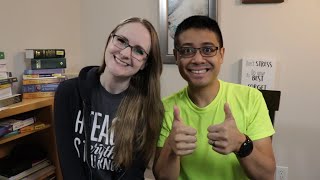
This content was created by Christina Rafano. This content was uploaded by Christina Rafano. This is a YouTube live Q&A titled "Nursing School ASK ME ANYTHING!" (created 2020-12-29) featuring Christina Rafano and Matthew hosting an AMA-style session with nursing students/viewers. They answer live questions about nursing school topics including ATI/HESI/exit exam prep, pathology/pathophysiology study tips, med-surg study framework (patho → signs/symptoms → assessment → interventions), program timelines (ADN/BSN/accelerated), dose calculations, clinical paperwork, transitioning from CNA to nursing student, remediation/retaking courses, study strategies for full-time students/workers/parents, and use of the Nursing School of Success membership/tutor form and private Facebook group for support.
Chapters
Oh, boy, oh, boy, oh, boy.
Good morning.
Hello.
It's been a second. Hello, everyone.
Been a couple weeks.
It's been a little bit.
Merry Christmas.
Merry Christmas.
Happy New Year.
And New Year.
Yes.
Merry New Year.
Wow. Hello, everybody.
Yes.
Are you just like, on your phone waiting Matthew and Christina to go live? You missed us, huh? We missed you last week.
Has it just been a week? Has it just been a week?
It's just been a week.
Wow. Yes. Well, happy.
Been a busy week.
Happy Monday as well. Welcome to another new week. The last week of 2020.
Yes.
The last week of 2020. Last week was Christmas, so we did Christmassy things.
Yeah, but what'd you guys do for Christmas?
Yeah. Yeah, Let us know. Let us know in the comments.
What'd you do for Christmas?
But we're glad to have you guys back again.
Welcome.
And we're glad to be back. We are here to do the nursing school show.
Ask me anything.
Christina, Matthew, nice to meet you. Ask us anything.
Ask me anything.
Ask Christina. Ask anything nursing school related. We are here to help you get through nursing school. I am here to smile.
So here for the comedic value, Go
ahead and write down any questions, comments, anything you have about nursing school in the comments below, and we will get to it. We will try and answer questions that will help everyone out.
So here is why this is my favorite week of the year. It's great. It's like we take Christmas and all eyes are on God, right, for Christmas. And then we pair that with a new year, which is like future possibility. And then you marry those two together, and it's like, okay, God, what can we do this year together? It's gonna be just amazing. So great. I love this week because it's like you get to plan the whole year. What are you gonna do? How exciting is it gonna be? You get to decide what is this year gonna be for you? Who is in nursing school this year? Like, all of us, right?
Yeah.
But what things do you want to do in life? How do you want this year to go?
So if you haven't gathered by now, Christina's a futurist thinker, we would like to say she likes to think in the Future and think 10 steps ahead and what's coming down the pipe. So this is her time to shine because 2020 is wrapping up. 2021 is the future.
So 2021 is the future.
She's living in there already. She's already in 2021 and she's already planning what we're going to be doing, how we're going to do it and all these things. Things how we're going to help you guys out with nursing school. So really this is, this is like really her time. This is her favorite time, friends, to think this is what's going down to put.
What is it? Pedal to the metal.
Pedal? Yes.
That's a phrase, right?
Yes.
Pedal to the metal. That's a car metaphor. Pedal to the metal. My friends, 2020, you learned a lot. And now is the time to take what you learned in 2020 and apply it to 2021 and make it happen, my friends. Don't stop. Keep going.
Motivation Monday by Christina.
Motivation Monday by Christina. You're welcome. That's what we're here for.
So yes, we are here to motivate. We're here to provide tips and, and guidance for nursing school. Go ahead and type down in the comments wherever you're at, Whether you're on YouTube, Facebook or Instagram, any questions you may have. We have some coming in. Let's just answer. Angela really quick. Do you private tutor? I do not. You would not to want to tutor from me. You would not learn anything.
We do, we do. Okay, we do kind of like pseudo. I do like I. We do these like lives here for all of you guys inside our membership community, we have what we call our tutor form, which is amazing. So if you are in a nursing SS membership community, you have access to a tutor form where you can go and submit your questions and we want a nurse on our team will respond back to you within 24 hours to your question. So if you have like, if you can't get a hold of your instructor, if you're in online classes right now and you just can't get ahold of them via email or whatever reason, we're seeing that a lot lately. If you can't get a hold of your instructor, if you're scared to talk to your instructor, if you just don't want to look dumb in class and ask a question, I highly recommend you ask questions in class. But if you're like super scared about it, no worries. Just submit a tutor form and we will answer your question to the best of our ability. So do we do one on one tutoring? It's like personalized tutoring. It's not like one on one. Like, you know, we're not in person or anything. But it is really cool. It's my answer to that. There's a. What's a nursing timetable? Oh yeah, please tell me about a proper timetable of nursing. Like timetable of when you should go
to nursing school or like how long
it takes or how long it takes.
When you say timetable, I can think of all sorts of things and probably zero are correct. So please let me know. What do you mean by what is a proper timetable for nursing?
Yeah, it depends on the program you're in. Depends on how long it will be. If you're in a program that's like four years, then it's going to take about four years or longer, depending on how you do in your classes. If you're in an accelerated bachelor's, it's anywhere from 15 months to 18 months, typically 12 months sometimes. If you really want to push it pedal to the metal, an ADN program or associate degree would be, you know, a year or two for your prereqs and then two years for the associates. That's generally your nursing school timetable.
For Lizzy, there's only one semester left. That's your timetable. So congratulations. Very excited for you as well. That's exciting.
Yeah. Yeah, that's good.
Someone's asking what are the best schools for LPN schools in New York?
I have no idea.
We don't really. We do not know. Probably the best place to look is online.
Yeah, I think there's like some good websites that I've seen. If you want to like Google, Because I love Google. I Google everything. Go to Google and just ask the Googles. Best nursing school in New York. I don't know anyone here from New York that has an LPN program you can recommend. Yeah, let us know. Anyone from New York that you recommend.
I'm sure there's a gazillion, so I'd say probably, yeah. Search or find people that have gone to those programs and reach out and see how they liked it, not liked it, and do like that. Yeah, it does take some footwork, but yeah.
Yep, yep. I Google all the things. Google all the things halfway through my BSN program. Congratulations.
Okay, let me see. I'll type down this one.
And then let's get exit exam for ati. Any tips?
Okay, you want to do that? Let's. Let's dive in on that one.
So ATI and HESI programs, if you are in, raise your hand if you're in an ATI or Hussey program. Racial. Hey, Rachel. Hey. Send up a hand emoji like a lot of us are. So ATI and HESI is a little bit different than your lecture exams in class because your instructors are not creating them. ATI and HESI programs, you will be tested using a test bank where that's where they'll get the question. So your instructors teaching you in class don't exactly know what questions you're going to get on your exam because it's. They pull questions from a test bank for that exam for ATI or husi. Now, the thing is that I want you to remember is that nursing content is nursing content. Is a nursing content. What you're learning in class, what we teach here on our channel, what you'll see on other YouTube channels and in your textbook, you know, all those things should be consistent. Nursing content is nursing content is nursing content. So even though you're reading something out of a book, or even though you're learning about it in class, or if you're learning about it in our membership community, like, it's all going to be the same information. Nursing content is nursing content. And so when you get to your ATI exam, you will be prepared because you know the content, right? You know the content. So don't get caught up that it's a test bank. Like everyone says, it's super hard and all these things. And yeah, it's going to be a challenge. And I want you to do, like, practice questions and things. But, but just know that as long as you're studying the content and you understand the content, you're going to do fine. You're going to be fine. So now with that with ATI and Hussey, I really, really recommend that you do practice questions. Do the practice problems. You will most likely have access to an online, you know, something or other, like an online dashboard, slides, practice questions and whatnot. Do those as much as you can. Like, do all the practice questions. I know we get a lot of students that say it feels like busy work. There's too many of them. I don't want to do it. All of those things, really, really, You've got to do them. You've got to do that. I'm telling you right now. I've heard from a lot of students who say that that is the best thing that you can do for ati. And Hussey, highly recommended.
All right, so kind of jumping in on that, Kate was asking about specifically pathology tips with pathology. I'm struggling. I have to retake it. And then she followed up with. Right here, let me go up. Any recommendations on ATI pathology? I don't know the best tools to study. I'm a visual learner. So kind of tacking onto your talk about ati and then specifically in her point with pathology. Pathology?
Yeah. Pathophysiology or pathology? Yeah. With ati, like I said, you have to do the practice problems. Got to do those practice problems. And what I love to do with anything, pathology pathophysiology, is to write things out step by step. Now, if you're a visual learner, trying to draw pictures will really, really help you. And even writing things out, like, write out what happens first, then what happens, then what happens, then what happens through the pathophysiology. Now, if you want patho videos, we have a bunch on our YouTube channel. So go to YouTube, type in nursing SOS pathophysiology. You'll see a lot pop up there for you. So you can see what I mean by step, by step. We break it down for you step by step. So that is how we do it. And I really, really recommend that that's how you do it if you're a visual learner. Drop, hit pictures, you know, just write things out because you see it on the page. Like anything that you can just visually
see,
you know, that's going to really help.
Andrea, I'm laughing. I look so worried. Sorry. I may look. I may look worried. I'm just trying to capture all these questions. So thank you. Thank you for looking out for me. That is amazing.
Andrea, you say he looks.
I look so worried.
Yes, Worried as you're typing.
That's just my face. Thanks.
That's awesome. We actually did have one of our friends, she texted us, and she had said, we love watching you guys on. I think it was on Facebook or Instagram. I don't know. She was like, we love your facial expressions. What do you mean? Yeah, I know, I know.
That's just how it is sometimes. You know, it happens. Let me see. Moving on, moving on, moving on. So covered that ATI into pathology, pathophysiology, writing down steps. We're probably going to overlap a little bit and go into something else. Tanya was saying, starting med surge in January.
Yay.
Suggestions regarding what I should be studying or brushing up on before it starts. So let's go over med surg.
Okay, so let's do med surgical. If you are currently in nursing school, I'm assuming you are, because you are starting med surg in January, which means you probably already did fundamentals and probably have, like, at least one term under your belt. So here's what I want you to do. If you are continuing your nursing program in January, have your next set of classes. Med surg, critical care, pediatrics, what have you. Whatever you're doing in January, here's what I want you to do. I want you to find an upperclassman, someone who's one term ahead of you, and ask them, what do you study during that term? What do you need to know? What are the expectations? What papers do you have to write? How many clinical days do you have? How long are those clinical days? What are the clinical plan placements? Is it online? Is it in person? I want you to know everything about next term. I want you to know everything you can about next term so that you can be prepared, more prepared. You know what to expect more. It just takes a lot of that guesswork out of it. You will walk into class, online or in person, whatever, on that first day, and you will feel a lot more prepared because you already kind of know what to expect. So I want you to find an upperclassman, ask them all of the questions, all of the questions, because it's really going to help you feel so much more prepared come January. When do you start classes in January? Actually, everybody, can you tell me, when do you start in January? Do you start, like next week? Like, what's. What date do you start? So Monday would be what, the 1, 2, 3, 4. The fourth. Right. Because Friday is the.
The eighth. The fourth.
Okay, so, yeah, eight. Yeah, fourth. Yeah. So fourth.
Let me pull up my handy dandy calendar here.
Hey, there's a calendar.
Yeah.
The 4th or January 11th. Yeah. So it's like all. Okay. So kind of all throughout January 20th. Okay, sweet.
Cool. And I think it probably also depends, right, whether you're on semesters or quarters when you start. I'm assuming.
So I've seen. Yeah. Okay. Liliana, you start February 22nd. I was just gonna say that because I actually know some schools that take January off. You have like a winter. A winter break for like, six weeks, and then you start in February. Huh. I. That was, you know, that was not my reality.
I think, actually there's. There's a school here in our area that kind of does that. Oh, yeah, that. Yeah. January is kind of off, and then they start at the end of February, and you can use January for, like, another accelerated semester. Like January and February if you need to catch up on something.
Oh, interesting.
I think they. You can either do that or do, like, more volunteer work. Interesting is what they want you to do.
So is that how it is?
Is that how that is with your program?
Because I. I have hear, Patricia, you said past pharmacology and pathophysiology. Because of you. That's all you friend. We're just here to support you. You rocked it.
Also Good job. Patricia Navya, thank you for letting us know about some LPN schools in New York.
Oh, sweet.
And looks like Amy. Amy Camara was able to see that already. So that's why I love our community. I love our groups, love our lives. Everyone pitches in. So this is really cool.
She gave you like a whole list of nursing schools. Sweet.
All right.
In New York.
Let me see. Backing up to a little bit of med surge. Can you just go over our four things to go go over with med surg?
Absolutely.
So the first tip was definitely talk to upperclassmen about the semester or quarter or whatever the term that you're going into to get a better idea of what you're going through. But if you're going into med surg, pretty much across the board. When you're studying med surg, we focus on four things, four main categories.
Now, these four main categories are in the nursing school study system along with every other nursing school question you have ever wanted to know the answer to for how to study. So on page doo doo doo doo doo, on page 34, starting on page 34 of the nursing school study system is how to study med Search. So there are four main categories that we always talk about. Pathophysiology, signs and symptoms, nursing assessment, and nursing interventions. Those four things, like I said, that's on page 34 of the nursing school study system. You can get this at nursingschoolofsuccess.com forward/study system.
Also, if you're in the membership community, it is in there for free already, so do not go buy it. It is in the membership community already. Just want to throw that out because it looks like we have quite a few people from the membership community on with us. So hello and welcome, friends.
Hello, my friends. So step four, how to study Med surge. So four main things. Pathophysiology, signs and symptoms, nursing assessment and nursing interventions. Now, here's the cool thing. Pathophysiology is the foundation for everything else you need to know. You have to know the pathophysiology first. The pathophysiology is what's going on in the body. It's what is wrong, right? It's what is happening in the body. And then from there, the body will present signs and symptoms because of the pathophysiology. But you have to understand the pathophysiology first. We don't just want to memorize a list of signs and symptoms. You guys know if you've been around for a while. We do not do memorization here. We do Critical thinking here and in nursing school, you are not going to be tested on how well you memorize things. You are going to be tested on how well you critically think or think like a nurse. You might hear that phrase a lot. So pathophysiology, you have to understand what's happening in the body, and then you can extrapolate from that and understand more critically. Think through the signs and symptoms. What are you going to see? The nursing assessment, what are you going to assess for? And then the nursing interventions. How are you going to fix the problem? How are you going to fix the pathophysiology? Right. So it all stems from the patho. It's much, much easier to learn med surge when you know the pathophysiology first. Now, this goes back to what we were talking about. Who was it before? I. I don't think it was Liliana. Liliana, I was talking to you about something else. Someone asked about pathophysiology earlier. Make sure you go to our YouTube channel. Type in nursing SOS pathophysiology. So go to YouTube, type in nursing SOS pathophysiology, and you will see a lot of pathophysiology videos that we have for you over there. They'll walk you through pathophysiology step by step. Now, of course, we also have a free critical thinking cheat sheet for you as well. So go to nursingschoolofsuccess.com critical thinking. And that will help give you a huge running start into med surg to know what critical thinking questions to ask yourself as you study to help you understand it better. So that's nursingschoolofsuccess.com critical thinking. Check it out.
Awesome.
You're gonna love it.
Yeah. Really good information there.
Yep.
All right. I'm full of good information for those just joining. Welcome to the nursing school show. Bye. Bye. The way Christina's answering nursing school questions, I'm looking worried typing them down. You know the thing, if this is your channel, go ahead and hit the subscribe button. Notification, all those buttons. Just find them and just start clicking away on Facebook.
Appreciate it. I don't know. Now to like, on Instagram, all of that somewhere, click all the buttons, share
it with your friends.
Share it with your friends.
Family, family.
If they're in nursing school or if you just, you know, are like, hey, this is kind of cool. Send it to random people. That's fine too.
Andrea, let's go through some of your questions, comments, everything else. Thanks so much for your free resources. So, yes, we have Lots of free resources in lists out there for you guys. Please help. We're. Please send help.
Please send help.
My program has two exams on day three, which is the day before clinical day one equals no time for clinical paperwork. Paperwork. PPW paperwork. Our clinical paperwork usually normally takes us nine to 10 hours. Talk about setting us up for or failure. So lots of things to do. Lots of things all crammed together. How to deal with that. Is that kind of what's going on, Andrea?
Yeah, Andrea. So two exams on day three and then you have clinical the next day. And clinical normally takes you nine to ten hours to do your clinical paperwork. So that's really, really what I mean by find an upperclassman and ask them. Ask them how did they do that? How did they do that? How did they prep for clinical on day four and then prep for their exams on day three? I want to know everything. I want to know what topics were covered on that exam. I want to know everything about that clinical day. What do you do? What is expected if it's your first clinical day? So this is med surg, right, Andrea? So this is your first clinical day of the term. Like what are you doing for that? Are you expected to do that paperwork on clinical day number one, which is your day number four? Right. So I want to know all of the things about that first week of school, first two weeks of school. Do you have a dose calc exam? You know, what are those two? What are those two exams? What? You know, I'm assuming one of them is going to be dose calculated, that's for sure. You can totally start preparing now. So start preparing now. Start preparing now. Ask an upperclassman. You guys have to know what is coming in January. It's like the biggest advice I could possibly have for nursing school. That and dose calc. Like dose calc. Understand how to answer med math or dose calc questions. Andrea, you said yes. One of your exams is dose calculated
and then it varies based on instructors. I have a hard one. So just remember that hard teachers are just getting you that information and want you to be the best nurses ever. So they're teaching you the best way they know how.
Absolutely.
So that's the way they're doing it.
Yep.
Liliana had a quick question. She is a member and asks how to make use of our private Facebook page. So we do have a private Facebook page group.
Yep.
For members. Hello. Hello, members. So what are ways that you can utilize that? Haven't really made use of the Facebook group so that a lot of people are on the Facebook group. Words of encouragement, prayers, questions.
Yeah, just. There's a thread. Community shoes. What shoes you should buy. You know, there's. Yeah, I'm. Everyone in there is so helpful. It's amazing. So if you have questions, of course you can submit a tutor form for one of our nurses to answer, or you can post inside the Facebook group and other students can answer it for you. We have. It's amazing, like, we have so much diverse experience in the Facebook group. So it's amazing, like, if someone has a question on. It was a couple months ago when there was this whole thread about cardiac nursing and, like, cardiac questions, and there was actually a telemetry tech inside our Facebook group. So we have someone in our membership community who is a tech on a cardiac floor. And so she was helping everybody out. Like, here, you know, here are the things. You know, it's just. It's awesome all of the support that we have inside the community. So I would definitely utilize it in that way, look for support, get answers to your questions and, you know, like, what's. What are the best. What's the best? Like, uniform to buy and shoes to buy and all the things. But primarily, you know, what we hear from our nursing associate members is just the support that you get in there and the encouragement. Like, if you are nervous about an exam, like, post in there because everyone's going to encourage you and pray for you. You know, if an exam didn't go quite your way or how you wanted, they are going to lift you up and like, tell you all of them crazy. They're going to tell you all of their experience when they didn't think they were going to pass, but then they ended up passing. And it's just. It's awesome. You're going to feel so encouraged being inside that Facebook group. Seriously, it's amazing.
Yeah, I really like it. Definitely a very uplifting group that we have and we've nurtured, really a supportive group there. So, um, yeah, if you're feeling discouraged, just pop in there and see what everyone has to say because there. There's a lot of good stuff in there.
Yep.
So
tomorrow.
Okay. With regards to membership, there's just a couple other questions another member is asking. Do we have a yearly or monthly? So we do have both. If you're on monthly. On. Want to upgrade to yearly, you can just do that at any time. Just email us and we can get that transferred over for you if you'd like that. Is enrollment open now?
It opens a few times a year. So what you're going to want to do is get on our wait list, go to nursing schoolofsuccess.com forward/waitlist.
This waitlist work? It's join.
Oh, it's join. Wait list works too. It should be join. Never mind. Nursing schoolofsuccess.com forward/join. Go there.
Go there.
Or the waitlist.
I think it both will work, but maybe.
Yeah, it should be joined. He's right.
Not open yet. But Matthew, it opens a couple times a year.
Yep.
Next question. Are we ready for next question?
Yes. Can I answer this one? Oh, I think this is kind of like a thread. People are going back and forth on Facebook. I kind of missed it because Facebook, unfortunately, Facebook, the text is so light that it's really hard to read.
Well, I think, Maria, great question. And you asked this multiple times. I think that's what happened. So Maria is just asking, were you in the medical field before you started nursing school? I start in January. Hooray.
Yay.
Currently, I'm CNA and have been CNA and medication aid for the past 11 years. So were you in the medical field before nursing school started and did it help?
You're not gonna like my answer.
So there you go.
I was. I was in the medical field. I was a cna and.
That's right, you were. I forgot.
I was. And I think that it. Yeah, I mean, different. Different states do it differently. Like here in our state, like C. Cnas can give certain medications as long as you have that certification. And so that's what I had. So I did give medications as a cna, Some of them. It depends on your scope of practice. So as a cna. Yeah. Work with patients. The thing about being a CNA or having healthcare experience before you go to nursing school, it will help you because you know how to relate to people. You know how to interact with the patient. You don't walk into a patient's room or like, I don't know how to talk to people. You know, it will help you in that way. Now, here's where it can be very detrimental in nursing school is when you bring your past experience into your nursing school exam, because nursing exams are going to test you on textbook case scenarios and textbook answers. And as you know, real life is not always textbook scenarios and textbook answers, but that's what they're going to test you on. So it's very, very important that you separate your past experience with the test question. You need to make sure that you are not bringing your. Your experience as a CNA and as A medication aid into your exam. Now you can understand the content. And Andrea, you just mentioned this. It helps you to know the patho and the meds. Yes. Like when I was in nursing school, there was a pharmacy tech in the program, in our program. And I mean, she did amazing on the pharmacology sections. Right. In the meds. Because you know it already. You know the medications, you know the content already. So that's great. But you are definitely not going to want to pull that past experience, like any patient experience you had or things like that. You nuances and apply it to your exam. That's not going to help you. It's actually going to hurt you very, very much on your exams. So when you are taking your exams, just don't think of your past experience. Just go textbook answers, textbook questions.
That's it. Awesome.
Yep.
Tea about that. Tea about that life. That's funny. The hardest thing for me about going from being a CNA to a nurse is now I'm the one who has to figure out the things I've always been report. I'm always reporting.
Yeah, yeah, you gotta. Yep. Yeah. It is a transition for sure.
Yeah.
Yeah.
But that's really good advice. So, yeah, definitely the interactions that. That would help a lot. But yeah, when you're in nursing school, just remember it's by the textbook, not based on life experiences.
Right, Absolutely.
That is really good.
Yep. Brittany, you have a really good question on Instagram. I failed fundamentals and would like to know what advice you could give me when I retake it next semester. So here's what I always tell nursing students. Always. If you have failed a term before and you are going to retake it, I know you were freaked out. I know that all of your past experience is telling you that you are not going to pass. I know your brain's telling you that, but that is not true. That is not the case. You are. If you are retaking a term, you are in such a great position to pass, you have a lot going for you. You already know how that term goes. You already know how it runs. You know a lot of the content already. Now you're just adding to it. You know the expectations, you know what clinicals are going to be like. You know all about that term. Right. You've taken a lot of the exams, you've written the papers, you've written the care plans, you've done the clinical. I know it really stinks to have to retake it and do it all again, but I want you to remember that before you Started that term a term ago, you were starting here, right. And then you got to here. You knew, you. You learned all of this content and now you need to retake it. So now your baseline is here. You already know a lot of what you already need to know. So now you just get to build off of that. It's going to be a lot easier for you this time.
So along with that, Diane also asked a little earlier, I have questions. I'm doing a remediation with my college, so kind of same idea. However, it's not guaranteed. And I think you actually added something.
Not like guaranteed acceptance back in or something.
Let me see if I can find it. But yeah, so, yeah, so what should I do? So same thing. Just no matter what, nothing's really a guarantee.
Right.
Guarantee is a myth. But definitely just think moving forward. Remember everything that you've learned in the past and build upon that. And I think that that will probably be best. Is there anything? Yeah, I'm doing remediation in college. However, it's not guaranteed. What should I do? Yeah.
Yep, of course. Yeah. You never know. Like, we never know if we're gonna pass a term. Right. All we can do is do our best and try our best. So, Brittany, thank you so much. Yes, I have those thoughts. So helpful and encouraging. I'm glad. I'm glad to help. Yeah, it's just. I know it's scary. If you have failed at something before and then your brain is going to be telling you, well, you already failed at this. What makes you think you can do it now? Right? That's going to be your brain. And tell your brain to just sh.
Do that.
Just tell your brain. Tell your brain, I've got this brain. Just tell yourself, don't worry, friends, here we go. I've got this. 20, 21, here I come. So definitely want you to do Brittany, like, literally. Can you just. Can you just repeat for me, please? Like, during an exam when your brain is like, bernie, you can't do this. I just want you to, like, just sit at your exam and go, like, I got this. You know? Oh, that would still be me.
That's.
Brittany and I are the same person.
Basically, all we can do is learn from our past experiences and keep moving forward.
Keep moving forward.
Yeah, you got this. That's fine.
Yep, There we go. Ah, these Monday and Wednesday lives are too much fun. I got a lot of hearts for that. Seriously, friends, Happy Monday to everyone.
Happy Monday.
So funny. Ah, so good.
Let's see these two questions go along together. Kind of patricia And Burak Patricia, how should a full time nursing student slash full time worker and parent study? So how to study. And really that's, that's a study that is a key part of nursing SOS and our lives and our membership and all the things we do is how can you study the most efficient way possible so you know the material and you still have time to do other things. So how to study? How should a full time nursing student, full time worker and parent study? Yes, everyone's full time, full time everything nowadays.
Yeah.
And then also Barack is saying nursing books are so thick. Do I need to learn everything in nursing books to pass the nclex?
No, you don't have to know. However, when you graduate from nursing school, you're going to know a little bit about a lot of things and the critical thinking skills to fill in the gaps because you are inevitably going to get to your lecture exam, get to the nclex and there's going to be questions. You're like, I have never. You're just gonna stare at it. Never seen this before in my life. Like, I don't even know what that word means. Is that even a real word? You know it's gonna happen. Absolutely. So you just have to be, just be ready for it. You're not going to get a hundred percent on all your exams. You might not get a hundred percent on any exams. That's fine. You can still pass nursing school, my friends. So, you know it's going to happen with the whole when to study thing.
How to study, when to study.
Yes, how to study and when to study. When you have kids at home, when you're homeschooling, when you're working full time and when you're going to nursing school full time. I think it's very important that we be sensitive and graceful, particularly in this season, because so many of us are homeschooling our kids at home, we are working full time from home and we're going to nursing school full time from home. So what I want you to do, first off, I want you to go back to our YouTube channel. We did a video back in summer last year when all this started and I did a video. It's called I was Wrong. So go to YouTube, type in nursing SOS. I was wrong. You'll pull up there. I want you to watch the whole thing. It's going to give you a lot of clarity on how to juggle or balance all of this. And even if you need to. So I want you to go back and watch that now. The Thing is, is that that's a lot of full time to have all of those things going on at once. And nor do I truly believe that it's realistic. I think you can do a lot of things. Well, I don't think you can do three things full time. Well, would you agree with.
Yeah, yeah. I'd say that you need to pick and choose your battles. I guess that's a good way of looking at it. So we all have the same amount of time in a day. That's probably pretty much the only constant that we have is we all have the same amount of time in a day. Unless you start running really, really fast everywhere. But we'll get into that.
Like the flash.
Yes. Because if you run really, really fast and time slows down. But we don't need to go into that. We all have 24 hours in a day. So you just need to know what to use that time for.
Yeah.
And decide what to use that time for. And again, what's the most efficient way to use that time? So that playlist that that video is really being okay with what you decide to do with your time, what season of life you're in, and being okay with letting things go. If you need to let things go, or if you're deciding to keep some things, know that you are making that conscious decision to do so.
Right.
So it's really that and almost giving you permission that if this isn't the season for nursing school, that's totally fine. If you look, look at your life situation and decide, you know what this, there's too much. There's too much. There's not enough time could happen, then that is completely fine. So it's just being okay with yourself and being okay with those decisions you make and being very, very certain of your decisions.
I guess here's the thing that's different in this season than ever before currently with how at least the us is in the world. I'm imagining is that we are really limited to how much help we can have with our families and with our kids. So that kind of takes that out. You know, usually a year ago I would have said, you know, make sure that you have help as much as possible. So, you know, have your parents take the kids or, you know, daycare and, you know, obviously your kids are in school. You know, things like that. None of that is true anymore. So if you're, you are a full time parent and have to be a full time parent, you have to be a full time homeschooling parent because your kids are not going to school, they are in your house. And a lot of our families are not set up for that situation. Right. So it's brand new. And then working from home full time and going to nursing school full time. Friends, I have been very clear that if I had school age kids right now and I had to work full time and I had to go to nursing school full time, like if I was in nursing school right now and that was my reality, to be honest, I would probably stop nursing school. I have been very clear about that this year and I want to make sure that if you want to, that you give yourself the permission to do that and to make that hard choice for your family. I don't want anyone right now going to nursing school beating themselves up because they can't homeschool their kids to the best of their ability, they can't work and provide for their, for their family or, you know, do all of these things. You have to decide what your priorities are. And if homeschooling your kids is a higher priority, if providing financially for your family is a higher priority, then maybe nursing school just has to take a back seat. And that's fine. That's totally fine. You know, give yourself the space to make that decision for you. Even if it's a hard decision, because it is, right? It is a hard decision. That's really the biggest thing. I mean, that is really what I would say. If you are having full, four full time jobs. That's a lot of full time. It's a lot of full time. Now we can give you strategies to manage these things, right, like we've been talking about for almost a year now, making sure that you have kind of a separate space at home so you can take your exams away from your kids or you know, study in as, you know, solace as possible. Right. Solace is not the right word, but like a distraction free environment as possible. Make sure that you can be as focused as possible when you're at home. You know, just have kind of separate spaces. You know, if you have a spouse who can help homeschool the kids or, um, you know, I don't, whoever's in your household to help. You know, maybe the dishes don't get done this week, that's fine. Maybe the laundry stays in the dryer for a month. Story of my life. You know, if those things happen, like, give yourself a break. Maybe we're eating off paper plates for, you know, three months a year, you know, so we don't have to do dishes. You know, it's those Things that you can really do to help just relieve some of the.
The pressure.
The pressure, yeah, that's a good. That's a good word for it.
It does go back into that though, is that 24 hours in a day, you only have that amount. So what's the best use of your time if you're going to be doing full time, working full time, nursing, and it's taking up all of your time, what needs to take a backseat, something will have to shift. That being the case, like we said there, there are some ways to be as efficient as possible. Find resources that will help you learn the information better, whether that's nursing, SOS, the membership or something else, other YouTube channels, et cetera. Whatever works for you. That's. That's fine. Just what are the things that will help you get the information you have quicker or more efficiently? Yeah, that's the other thing. Another thing that we're really big on is a planner. Really plan out your day, really being intentional about your time, so you can actually write down all the things that you need to do. And I think that's probably actually step one, because you're gonna take all the things that you need to do and you're gonna try and jam it in a day. And if it's not all gonna fit, then that's a part. That's the time that you have to decide, okay, what needs to go, what needs to shift around. So just, I think a planner is really a good first step to seeing really how much of your time you're utilizing and how much of the time you don't have.
Absolutely.
So, yeah, I think that that's really good. And then you really have a really first step on, okay, how much time am I using up?
Gives you a start. Really good starting point.
Really good starting point. So again, we're here to try and make it as efficient as you can. For nursing school. The membership community does have videos that basically kind of teach you everything you need to know in hopefully a more condensed form. It is supplemental. So I'm actually going to dive a little bit into another person's question here that said that there they have the membership, but they're a little unclear how to utilize the membership.
So, yeah, that's the thing. Is that you. Sorry, I cut you off. What were you going to say?
Yeah, so I'm just saying that we're. Our membership is meant to make things as efficient as possible. So with that membership, our membership is a supplemental kind of thing. Really use it for the things that you're Having a tough time with that you struggle with. If you already know everything about fundamentals or whatever, you don't need to use the fundamentals part. You don't. Just because you have the membership doesn't mean that you have to watch everything in it. It's really there to help you out because again, it's about being efficient. So if you already know about fundamentals, don't look at that, look at the things that you need to help you get through your specific part in nursing school at that moment in time. Really, that's really the intention of the nursing sos is to get you more efficient. So that will help you with your full time nursing student, full time worker as well.
Yep, absolutely. Did you have, you know, it's tough because when you're in nursing school alone, like so many nursing students are, if you're not inside the nursing house membership community, I really, really, really recommend that you join if you think it would be helpful for, for you, if you like our YouTube channel and you like the way we teach, you're gonna love the membership. Because if you are spending all of your time, you know, like we said, trying to homeschool your kids, working full time, going to nursing school full time, trying to learn everything out of all these textbooks back here. Like this is a gazillion textbooks, right, that you have for nursing school. That is not efficient, right? I don't want you to waste 10 hours studying something out of a textbook. I want you to just pull up a five minute video, ten minute video, and I will teach it to you. Ten minutes, right? Like, let me teach it to you rather than having you have to figure it out yourself. Like, that's not efficient, right? So in this season of life, when you have all of these things happening, it is going to be so much better for you to find those efficiencies. Like, what's a faster way that you can, you know, work and get things done for work if you can. What's a better, more efficient way to homeschool school your kids? What is a better, more efficient way to do nursing school? And this is it, right? The membership community, right? So instead of having to teach yourself everything, let us teach it to you.
So, and, and that just, just circling back on the other comment about nursing books are being so thick and you have to know everything in nursing books. That again, goes back to efficiency. No, you don't need to know everything. Really what Christina said earlier really ties into it is really the main part is getting into the criminal thinking. So no matter what topic in nursing you're dealing with, you can critically think about and deduce what you need to do. Yes, that, that is definitely part of it too. And the nursing SOS community helps with that as well. So yes, there's a lot of material to learn. We're not denying that there's a lot of material to learn. There's a lot of different ways to get that knowledge and we just want you to be as efficient as possible. So you do have as much time as you can to do other things as well.
Yes. Get your life back in nursing school.
So Gonzale, you were also talking about what about what about working part time over the weekend. I'll be taking 14 credits. So it's really up to you to determine your personal time schedule and how it fits in and whether you do have enough time. So I say step one, grab a planner. Get a planner, plan out your days and see how much time you have left over to see whether you're kind of squeezed for time or. A lot of times we, we see that people actually go through this activity and say, hey, we actually had a lot more time than we thought. Right. So just go through that exercise and see what, what shakes out, I guess.
Absolutely.
Yeah.
Like if you plan your, your time hour by hour like we recommend and you will find on there, you're like, wow, I didn't know I had this hour or two like this, you know, block of time here for that was free. Like I don't have anything scheduled. So you know, it's amazing what you will find when you plan your time hour by hour. Yep.
Yeah. So Ovella, you're where can I get the membership from? And then you also asking, do we do tutoring and do we do LPN things? So tutoring. We have our tutor forms within a nursing SOS membership community. It's not a one on one live tutoring, but you can submit questions and you get responses pretty much on demand within 24 hours from our, our nurses.
Yeah.
So that, that is pretty close to what you would consider tutoring. I'd say it's probably even better because you can ask it whenever and kind of get it as quickly as possible.
So yeah, it's awesome.
You don't have to schedule out time for yourself, you just ask your question. So that's pretty cool. As far as lpn, we do have a lot of the material in there is, is for LPNs as well.
Yes. The biggest difference with the membership community is we have all the videos in there for you for an RN program and an LPN program. So the biggest thing, if you're in an LPN program, you're just going to want to be aware that there's more material in there than what you will need. Like a lot of the assessment videos and the care plan videos and things like that are not going to apply to you in your program. But a lot of the videos in there are. So just make sure that whatever you're learning about in class, those are the things that you're focusing on. Watching the videos in the membership. Does that make sense? So just don't get overwhelmed when you, when you log into your membership dashboard, you're going to see a lot of things in there. Like we have a full, you know, we've got tons of videos on the nursing assessment for each, you know, disorder and things. We've got a whole course on care plans, we've got the whole fundamentals course and, you know, all the med surg courses. There's going to be a lot in there that you might not use for your LPN program. That's fine. That's totally fine. You will, though, find a ton of value in the videos that do apply to your program. So what you're learning about in class, pull up the video inside the membership community to help you learn those things so you can learn it faster. You don't have to figure it out yourself. That's what we do. We're here for you.
And yeah, so again, use a nursing SOS for only the things that you find important and you need help with at that specific point in time. Carol, where are these videos located? So our membership community is a website. When you join, you should have gotten a username, password, all those things that set up, and a link to go to the membership and join and then you'll see all the courses in there. If you're having trouble with that, you can go ahead and email us and Nicole or one of us will get you squared away. Make sure that you can get in there and see all the videos there. So.
Yep, fantastic. Lamika. Hey, you're a member. It's a lot of information that's really relevant, is still relevant for LPNs. Absolutely. Yeah. That's what we hear about all the time. We have a ton of LPN students inside the membership community, like, love it. So, nursing schoolofsuccess.com forward/join. I know some people are asking for the link. Nursingschoolofsuccess.com forward/join.
There you go. That'll get you on the waitlist and we will notify you as soon as it opens up. Connie, thanks. It's personable, specific to your questions. It's awesome. Thanks, Connie. Yeah, awesome.
We are personal specific to your question.
And by we, not me. I don't answer those questions because you would not like the answers that I give you. I'll just say that.
So good, my friend. Okay.
Elena had a really good question. Love the energy. Thank you.
You love our energy.
It's the coffee.
It's the coffee. And some people don't. Some people post on YouTube. They're like, Whoa, chill out, you guys.
So if you love the energy, we're for you. If you don't love the energy, there are other channels.
Yep. Plenty of them.
Hi. I love your energy. I'm just one semester away from being done. Yay. But I want to go for my bsn. How difficult is the BSN compared to the nursing school associate degree?
Such a great question. I don't know.
I don't know. Christina does not have one.
I do not have a bsn. I have an associate's degree in nursing.
So we don't know anyone on our live right now.
We do have one of our. Really? Actually, Nicole, our lead nurse on our team, she has done a training in the membership community on BSN and how to. Actually, it wasn't on the bsn, was it? It was transitioning to practice, I think is how she did it from the bsn. So anyway, Nicole is who you're going to want to talk to. Actually. We should have her do a whole video on bsn. The difference between. Yeah, I'm going to pop that in my brain. We're gonna get that done for you members.
Yep.
And I love you guys. I love you too.
Another one for members. Oh, one glacia. Another member. I haven't started nursing program yet. But you are soon. How should I start studying? And you are a member. So how to utilize the membership to
get started dose calc $January. I cannot tell you enough. Like, I just cannot. I am preaching it from the rooftop. Preaching it from the rooftops. You need to understand dose calc. You need to understand those calc before you start nursing school. I do not want you to get to your nursing program. And because you will have a dose calc exam within the first two weeks and you have to get 100 on it, I do not want you to get in those first two weeks and then start studying for that test. No, no, no. I want you to understand dose calc before you start your program. So go to YouTube, type in nursing sos dose calc. And we have videos up there for you. It's going to help you so much.
Yeah. And in the membership there, yeah, there's the dose workbook.
Dose calc workbooks in the membership.
Membership.
So absolutely.
Black beauty. Is there an easier way to learn and retain doses calculations without doing dimensional analysis? I can't seem to remember it. Help.
No.
Do dimensional analysis. It is worth it to learn it and really get it down.
Now I cannot tell you guys how many times we have had students that say I'm using the formula method, I'm using the formula method. How do I apply the formula to this dose count question? And you can't. It does not work. The formula will break. The formula will break and you will not be able to to use the formula for the crazy questions that your nursing school is going to throw at you on the docecock exam. I talked about this a couple weeks ago when we were on live nursing. Exam questions are different than how you will calculate dosages on the floor. On the floor. The formula method could work, but that is not how your exam questions are structured. Unfortunately your exam questions are going to have you go through multiple conversion, multiple conversion factors in order to get the final answer. The formula does not work that way. The formula is only one conversion factor. It will break. It will not work for you when you go take your exam. So please, please, please start with dimensional analysis, use dimensional analysis and pass your exams. I can't, I cannot say it enough. We have heard too many times from nursing school from, from nursing students saying that they did didn't pass their dose calc, the formula method didn't work. Now they have to relearn dimensional analysis. Just, just start with dimensional analysis. Learn it, understand it. I just can't. Just do it. Yep, just do it. Let's do it like Nike. Go to YouTube, type in nursing sos dose calc and I walk you through a simple step by step process for how to understand dimensional analysis. I will teach it to you. Don't worry friends, I got you. I've got your back.
As always backing up to RN versus BSN or the the differences there. It's Chris was just mentioned. Is it worth it to move on to graduate school and become a nurse practitioner or is it better to be a nurse since all the hospitals are currently under understaffed. Should this be something that nurses should keep in mind?
If you want to.
I think, yeah, that, that is really a kind of personal thing. It's. It is good to, to recognize. Yeah, definitely There is a understaffed right now, whether that will play into your idea of whether you should continue schooling or start practicing. I think that is an individual choice. But that is a good point that that is something to consider or that you can consider doing that.
Yeah. The scope of practice is very different between nurse, a RN on the floor, an LPN on the floor, a CNA on the floor, attack on the floor, versus a nurse practitioner. It's very different. The roles are very different. Scope of practice, very different. What you do, the settings you do it in, very different. The hours are very different. You know, so go with what personally works for you. Like the. The schooling is very different. Right. You have to keep going on with schooling. So, you know, if you are going in an ADN program or a BSN program, you just want to get done with nursing and get on the floor and start working. Great. Or maybe you have, you know, the, you know, situation, the home situation, the financial situation to keep going. And if. And you. And you want to keep going into a nurse practitioner program, that's great too. You know, there have been nurses out there that go from a nursing program to then becoming a md, Right. So you could really do anything you want or a P.A. it's, it's, you know, the nursing model versus the medical model. So that's a little more of a jump. But, you know, you can. You can do whatever you want. Chris?
Yeah. So definitely, whatever you think is important in weighing out your decision, that's definitely a part that could play into that. So.
Yep, absolutely. All right, friends, let's do this one real quick. Do it.
Stacy, would you recommend A and P as a summer course after being out of school for 10 plus years? Is this like before?
Are you in nursing?
Schooling up in the nursing school? Are you going to nursing school? Planning on going to nursing school?
Mm.
I'm guessing in preparation for nursing school, you.
You would most likely have to take your A and P classes again. Would you recommend A and P as a summer course after being at a school 10 plus years? Are you currently, like, I need more information. Currently a nurse? Are you in nursing school already? If you're in nursing school, my guess is you already took amp a couple of years ago. So we, you know, but it's. You said 10 plus years you've been out of school, so I don't know where you are. In order to get into nursing school, you. You will. I don't know of any nursing programs that don't require amp. So preparation. Preparation for nursing school, you will need to take A and P. Yeah, you will need to take AP most likely for your nursing program. Unless you find a magical nursing program out there that doesn't require that. I would highly recommend it though.
If you've taken it there. There is like a time limit too, a lot of times. So if you have taken it already but it's been over a certain AM of time, you'll have to look at whatever program you're looking at. More than likely you, you'll have to take it and.
Yep.
Retake it again and prepare for nursing school that way for sure.
Yep.
Cool.
All right, friends, we will see you on Wednesday. Wednesday, 9:00am Pacific Standard Time. Right back here.
Thanks for joining and YouTube, Facebook and Instagram welcoming us back. We've been gone a while but we will be. We are here now Mondays and Wednesdays.
Happy almost New Year.
Yes. We will meet one time, one more time before the new year.
One have in 2020. Woohoo. All right.
Take care guys.
We will see you on Wednesday.
See you.
Take care. Bye bye.
Bye bye.










