Nursing School ASK ME ANYTHING!!
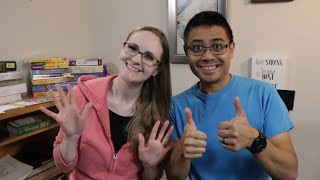
Matthew and Christina Rafano answer nursing school questions on study methods, clinical rotations, and exam strategy. They recommend a four-step framework for med-surg: pathophysiology, signs and symptoms, assessment, interventions. For critical thinking, use ABCs, Maslow's hierarchy, and the nursing process to prioritize on exams.
Chapters
Right. Good morning. Good morning.
Good morning.
It's time to rise and shine. Good morning. Good morning. More. I don't know the rest of the song. Good morning.
Oh, really? Yeah.
Oh, I like it. I need to look it up. I'll sing it to you later. Good morning, everyone. Welcome to the nursing school show. Christina. Hello, Matthew. All right. Yeah. So we, we are doing an ask me anything. We have a lot of questions that we've been receiving lately. So we are going to do a general ask me anything about nursing school. Nursing school related topics. So go ahead and shoot in the comments below any questions you may have regarding nursing school. We do have a couple questions here that we can start off with.
Let's do it.
And we can just jump right into it.
Let's go.
All right. Today sounds like a good Wednesday. If you have not yet, go ahead and hit subscribe. Hit the bell. Hit the things. Hit everything.
All the things.
All the things. All the buttons. Just hit all of the buttons. See what happens. It'll be great. All right, let me see here. Let us get started with this question. Do you guys have any tips videos on making the most out of clinicals? It's my first time at the hospital. My instructor is nice but doesn't give me much direction. I don't know what to do other than meds and vitals. So that was one person, another person. So this is all related. Clinical. Do nursing school clinicals really prepare you for your first job as a nurse? That's a nice question. And what's. What is the best way to study nursing skills? I have to take a skills test in about two weeks to reenter nursing school and I'm really nervous. So sounds like skills. How to get the most out of clinicals. And does clinical really help with being a nurse?
Lots of clinical questions. We don't often get clinical questions, so that's pretty fun. So let's talk about the first one. How to make the most out of clinicals, which kind of pairs with skills. So make sure that when you are studying your skills that you are practicing like in skills lab, as much as you can. Muscle memory is what we always say. Muscle memory. We have a fantastic tip. If you've been around for a while, you've heard us say this. Probably so. Good. So listen up. If you are taking a skills lab. I don't often hear people give this tip. You heard it here first. Make sure that when you practice your skills in nursing school, try to practice them in front of an instructor. It doesn't have to be Your skills instructor or your clinical instructor. But we really recommend that you practice your skill skills in front of any instructor in your program. Any professor, skills lab, adjunct faculty, professor, instructor, whoever. Practice your skills in front of an instructor. Now this does two things for you. This will help you obviously get practice, make it more muscle memory, get more used to it, you know, just doing the skill. But at the same time it also helps you get more confident doing the skill in front of somebody. And especially if that person is an instructor. Because what happens, friends, what happens? How do they test you on your skills? Right? Who has had a skills test so far? Raise your hand if you've had a skills test. Skills check off, schools call it skills exam, what have you. Schools may call it different things, but skills check off, this is what we're talking about, about here is where you practice your skill. You have an assigned skill, you practice it and then you have to go to your skills lab. Oftentimes or however they're doing it nowadays, often go, go to your skills lab and then your instructor will be there with a clipboard marking you off if you do things wrong or hopefully correctly so that you can pass your skills and then do it at clinical. Now oftentimes you have to pass your skills in skills lab before you can do it at clinical. Gotta check it off, right? So that's why we recommend if you, I see a lot of hands raised. We're all kind of in the same boat. If that is, you know how your school runs. Like who has had a skills checkoff? It's pretty, can be very stressful. It's kind of a challenge to do a skill in front of an instructor. So that is why we say that as you're practicing your skills and skills up, if you can just if there's a extra instructor or a instructor in your skills lab, like say, hey, can you please watch me do my skill really quick? Then it just gets you comfortable. Doing a skill in front of instructor, doing your skill, practicing your skill in front of someone else. You know, by the time you get to your skills check off, it will really help you be a lot more calm.
Yeah, I agree. I think the, the basis of that advice is really to get yourself in the same mindset as what you're going to be like when you're going to get checked off or when you're going to get tested. So you want to recreate that experience as much as possible. Because a lot of the uncertainty and stress comes from not knowing exactly what's going on and being in a Situation, that's new. So if you can get rid of all those kind of external factors that you can control. Control, then you'll just feel more comfortable when you actually do it. So being in front of anyone, really someone watching you, don't you get that, that funny feeling when just someone's watching you do something and you don't like that? That's exactly that feeling that you want to kind of get over. So yes, another instructor, your instructor, another instructor is helpful because their instructors, they might even be able to give feedback. But anyone, just anyone watching you could be even a benefit even if they don't know what you're doing. But just that act of someone, you just to get comfortable that there's someone watching what you're doing and you feel comfortable with that, that, that could help as well.
Awesome.
So.
Yeah.
Yeah.
Hey Danielle, good morning. Hey, Charlotte, Good morning.
Let's see. Oh, our instructors are amazing. They offer guidance and support because it is really, really is anxiety inducing. Yeah, I completely agree that it can be anxiety inducing, stress inducing, taking an exam, doing.
How was your, your certification, your PMP was that kind of like the nclex, you kind of sit in a. Yeah.
You, you didn't have, you went to a proctor center. So it's a proctor center and then there's just a computer in front of you and they did pat you down to make sure you weren't carrying notes or other things like that too.
I don't know if they did that for me.
Yeah, it was, it was kind of interesting. But yeah, we, we, we did go and it was just a computer that you go and sit at. But I think the most nerve wracking for, for, for me was actually getting to that, the testing center, because it was, I think I talked about this on Monday that like it was a brand new area. I've never been to that area of town. I think while I was driving down, it was January and it started snowing. So any like kind of additional thing like that just throws you off your game.
If you don't live in the Pacific Northwest, you might not know this about this area, but everything kind of shuts down if there's one snowflake outside. Yeah, it just can be bad.
So it was, it was interesting. So yeah, like we were saying Monday, like plan ahead. Yes, plan ahead and go that area. Or again, this goes a little bit beyond just having someone watch you, but just get as much in your control that what you have in control. Just kind of prepare for that. So you can prepare by getting someone to watch you. You can prepare by going to that area if you've never been there before. So I did not do that when I had to go take my certification thing. So yeah, I was driving down, had no idea where to go. If where we are there's a lot of one way streets and things like that. So all that kind of compounds. So just as much as possible you want to start at a lower level of stress. So when it does during the test it won't affect you as much. Yeah, yeah. So yeah, that is clinicals tips making most most out of clinicals.
I had another tip for this kind of goes in like will clinical prepare you for nursing? So here's the thing is that when you're in nursing school, you don't know what you don't know. Even as a nurse, you don't know what you don't know. You know, we are always learning, constantly growing. And in nursing school you just, you start, it's kind of like a blank slate, right? You don't know really anything. And so when you get to clinical, in your lecture classes, everything like make sure that you are raising your hand to do all of the things. Even if chest tubes are scary, practice with your co nurse on the floor if you are checked off on them and if you can, if that's within your scope of practice for nursing student, you know, of course know those things, what you are legally allowed to do, like know that. But here's what I'm saying is that even if something is scary or challenging or hard, do it anyway. You know, practice, step outside your comfort zone and you know, if, if a nurse needs to do an IV start for a patient, raise your hand like can I do it please? No, no. You know, hang IVs, help with hanging blood, you know, blood transfusions. All the things like do all the skills that I guess I'm just, I'm picking the ones that I think would be more scary. So you know, chest tubes, hanging blood, you know those, you know, can be really scary, right? So make sure that you are stepping outside your comfort zone and practicing. Even if you've never done it before, make sure that you are raising your hand constantly. Constantly. Just like walk around clinical with your hand raised all day long. Go to like all the nurses, be like, actually I think I had an instructor that told us that. Go to all the nurses and say hey, like at the start of the shift, hey, if you have anything, any skill that you like are doing today or that you have planned, what have you, can I please do it with you. Like, raise your hand, like, tell them, let them know that you are here for it, that you can do it. Be confident in yourself.
Yeah, I like that. So, yeah, back to the first part of that question. How to make the most out of clinicals. Make the most by raising your hand. Raising your hand, being proactive, saying, hey, I'm here, I'm here to learn. What can I do? Don't be afraid of making mistakes because that's how you get better at things. So, yeah, just put yourself out there.
Yeah, I'm going to be that one nursing student. Yes, you are, Charlotte.
My instructor is nice, but doesn't give that much. Give much direction. Yeah. So be proactive. Go out there and show that you're, you're willing to learn. Show that you're, you're willing to try it out. And yeah, just go from there. I think that, that, that's really great. Is really. The clinicals is really about just practicing getting out there and getting comfortable with what you're doing. So.
Right.
Lots and lots and lots of practice.
And that's really the thing, like wherever you're going to work as a nurse, you know, on the floor or where have you. You, you've got to start the practice in nursing school. And so the more that you do in nursing school, the more comfortable you're gonna be as a nurse on the floor if you're working with. Directly with patients. Right. So the more practice that you get, like, this was me in nursing school thinking like, okay, here's the, here's really the choice that you have as a nursing student. You absolutely. Depending on what school you go to, you probably could squeak by nursing school clinicals without doing a whole lot. If you're not raising your hand, you know, and, you know, trying to accept all the opportunities that are presented to you, you, you know, you could maybe squeak by your clinicals unless you have to get checked off on it at clinical. But you might, you know, you know, could squeak by not doing a whole lot at clinical, skills wise. Right. Like, you could just, you know, be assessing patients and doing your med passes and stuff. Now, in a lot of schools like mine, we checked off what we did at clinical. So I guess I'm half assuming that that might be how your program runs or might not be, but you could do that depending on your school. But when you get, you know, when you get on the floor working with directly with patients as a nurse,
not
gonna go really well for you. Right. It's gonna. Either you learn it in nursing school or you learn it on the floor as a nurse. You have to learn it because you got to do it as a nurse. Right. So would you rather, would you rather do it as a nursing student with clinical instructors around, nurses around to help you, your learning as a nursing student or would you rather just like feed to the fire, learn it on the floor as a nurse? You know, this is your time, friends, this is your time. So raise your hand, go around, talk to the nurse. That is. Hey, is there anything that you're doing today that I can help with? You know, hanging blood, ventilators, chest tubes, trachs, all this stuff. I'm just picking, you know, the more intense ones. NG tubes, all this stuff.
Yeah. So really that question, does nursing school clinicals really prepare you for your first job as a nurse? Short answer, depending on how much you're involved in the clinical. So like Christina said, you're either learning in your clinicals or you're learning on the job. So really use this time to become better at things to learn. So it will help as your first during a nurse, while you're a nurse.
Yeah.
So yeah, just really take it as proactively and kind of get into it.
You. Yeah. You are in charge of how much you learn in nursing school. Yeah, yeah, absolutely.
The last part of that, what's the best way to study nursing skills? This person is about to re enter nursing school and just really nervous. So again, what we've been talking about, just a lot of practice and yes, it can be nerve wracking to re enter nursing school or to do it over again, but really focus on the fact that you're improving and that it is a big deal that you're reentering and that you're willing to go through that problem, go through that because you want to be a good nurse.
So congratulations.
I think that's really the main point of that. Yeah. Is just practice, practice.
Yep, absolutely. And skills, just like we said, practice in front of an instructor. Practice, practice, practice, practice, practice, practice.
Okay.
Hey you guys, can we get a moment for my hair? I cut my hair.
Oh, nice. It looks nice.
Hey Christina, your hair looks so good. Thank you.
All right.
Okay.
More strategy based things.
Okay.
Yeah. What are your strategies in, in making a pathophysiology of a disease easier? So what, what are your strategies for learning the pathophysiology of a disease or a disorder? And then I kind of clump this up. It's not exactly correct, but any, any tips for, for physiology?
You know, anatomy and physiology is something we don't often talk about here because those aren't really, we consider those part of prereqs. Like those are your prereqs for your core nursing classes most often. But with physiology, like anatomy and physiology, the biggest things that helped me were whiteboards and flashcards, like drawing things out, writing things out, constantly. Flashcards, it's just really, really helps. Just really, really helps to put things together. Now with pathophysiology, pathophysiology means like what is wrong? So you have to know the physiology first, like what is normal? Anatomy and physiology will tell you what's normal. Pathophysiology will tell you what's wrong. And so if you are inside our nursing SOS membership community already know that we like to break down pathophysiology for you step by step. So all of our patho videos will walk you through, okay, hey, this happens, then this happens. And this, it's like a step by step process. So if you've been around for a while, you know that that's how we teach pathophysiology. I think it's the best way to learn it, to be honest. Just because you're not like reading from a textbook, one paragraph, trying to figure out, okay, like genuinely what is happening here. I just don't understand, right with this disorder, like what is going on? So I like to break it down for you step by step, like what happens, what causes it, then what happens, then what happens and what happens? So challenge yourself. I'm also going to mention where is my Merc manual? I had it. Where did my Merck manual go? Anybody know?
I do not know.
So we have the Merck manual somewhere. But I recommend that you have two kinds of textbooks for pathophysiology, Med surge, any of those things. So pathophysiology, you want a high level overview book. It's a long phrase, but high level overview book. This will help you to understand the general happenings of pathophysiology, like what is happening with these disorders. High level overview. And what I really, this is my favorite book for that is the Made Incredibly Easy series. So anything that you study in nursing school will most likely have a book on it in this series. It's a really great series. Like here we have fluid and electrolytes assessment. I don't know, I probably have some more hanging around somewhere. Patho. So this is a high level overview book. It will help you kind of understand the general what's going on with the disorder. Now the other kind of book that you want that I really Recommend is a more of a deep dive, deep dive textbook, book resource or something that walks you through what is happening on a deeper level. So that would be like chemically what's going on with, on the cellular level, with the cells, enzymes, things like that. Get down deep into the pathophysiology. This book isn't really going to hit on that a whole lot. This is just more of a high level overview. But you have to understand this first and then you can go deeper. Now if you are insider nursing as well as membership community, we do that for you. We hit both things. So we give you an overview and then we walk through the deeper patho. We give it to you step by step. So that's why we teach it that way. I think it's the best way to learn patho, to be honest with you. So challenge yourself, you know, high level overview and then look at a deeper textbook like the Merck manual. Oh, there it is. I knew I had it there. Hey Christina, you should get organized. Merc Manual, it's really this big. I recommend the online version. If you have Internet, which all of
you do, if you're watching, they're watching us, that means they have the interwebs you are watching.
So Merc Manual, they have an online version. If you go, you know, just Google Merc Manual, it'll pop up. You want the professional version, not the consumer version. So make sure that when you look at any of the articles on Merck Manual, I don't know, I don't know what the URL or their domain name is specifically, but it's like just Google Merck Manual, it'll come up. Make sure you're on the professional version and not the consumer version because that will give you more in depth info than like the, you know, layperson consumer version will. So these are the two resources that I recommend. Patho made incredibly Easy. The made incredibly easy series and then the Merck Manual for deeper. Like you guys see the difference, see the difference in how big these books are. High level overview, deep dive, very deep dive. So there you go. That is what we recommend for patho.
All right, great. So backing up. So physiology, anatomy and physiology, that's like prereqs but really rote memorization. The things that we recommend for rote memorization, just repetition, lots of repetition, teaching it to others, drawing it up on whiteboards, using flashcards, just lots of repetition. Get it from your short term memory into your long term memory. Pathophysiology. What's wrong? And then really you will want to Break it up by a kind of step by step process.
Yes.
Even though that's not official or whatever.
They're not official stuff.
You're like breaking it down.
I tell you that, but it helps. I tell you what, you know, some of them actually are official steps. Like, you know, there's. There's actually a few that do have official steps that we walk you through. But for the most part, our path of videos are just. I, I put in the steps, like I categorize it in that way that patho to make it make more sense to you and to help you learn it easier, which is exactly what it does.
Yep. So if you're in the membership community, those are outlined there for you. Yep. And since we're jamming on that, just. We'll just slide right into the Just Med surge in general and just do your overview the steps.
Let's do it.
So you were. We're starting with patho, which is what's wrong.
Yes.
And then what does that help you with after that then?
So there are four main things that you need to study in nursing school, especially while all through nursing school. But let's. The question is specifically on med surg. How to study med surg. The first one is pathophysiology. You have to understand the pathophysiology first. Got to understand what's happening in the body. Then you can move on to the other three. The other three are signs and symptoms, nursing assessment and nursing interventions. Shout out to my mom if you're watching right now, I love you. My mom called me. She's like, I love watching you on, wherever she watches on, on the thing, on the things. I love watching you guys. And she was saying, one of these days I'll remember the four things that you say. So here you go, mom. Ready? Pathophysiology, signs and symptoms, nursing assessment and nursing interventions. Those are the four main things that you have to study in nursing school. She's like, I'm not nursing anything, but I will remember those four main things. Paleo science and symptoms, nursing assessment and nursing interventions. You have to understand the pathophysiology first, then you can move on to the other three. The signs and symptoms are very difficult to learn and remember when you do not connect them back to the pathophysiology. Friends, I'm telling you, if you go onto YouTube right now and you look up any videos that walk you through the signs and symptoms of this disorder or that disorder, or the nursing assessment or the nursing interventions, I want you to watch out for this, ask yourself, are they giving you a list of things to memorize or are they telling you why they happen and why we need to assess for it, why we do those nursing interventions. I need you to watch out for this because here's the reason. It is very difficult to remember and memorize an entire list of signs and symptoms. Nursing assessments, nursing interventions that you have to do for each disorder. You can memorize a list of it. It's difficult, but just memorizing a list is fine. Then you get to your exam. Are you going to be able to critically think about it? No. Because you didn't practice, right? You didn't practice applying the information. So when you watch YouTube videos, when you read your textbook, when you, you know, get information from anywhere, I want to make sure that you are not just memorizing a list, reading, learning, a list of signs and symptoms or a list of nursing interventions or a list of nursing assessments. You have to connect them back to the pathophysiology. You have to understand why the signs and symptoms happen, why we assess for the things that we do, why we do the nursing interventions that we do to fix the problem. It all starts with the patho. And so if you are watching a YouTube video out there in the world that is not doing those things, I want you to stop, critically think about it as they're going through that video. Challenge yourself, challenge yourself. Make sure that you understand why that is the critical thinking behind it. So if you're a nursing association member, I know we got a lot of you guys on, that's why we break up the videos inside the membership community the way we do for each med surg disorder. You've got four videos there. Patho, signs and symptoms, nursing assessment and nursing interventions. You do not need to dig through a 30 minute video to get one of those four things. We break it up into four separate videos for you and we tell you exactly why those things happen and why they are important. We basically do the critical thinking for you. We help you apply the information. We help you understand why the signs and symptoms happen as it relates to the pathophysiology. We help you understand why you have to assess for the things you need to assess for with that disorder and why we do those nursing interventions. You have to understand that critical thinking behind it. If you don't, if you're just memorizing a list of signs and symptoms, just memorizing a list of nursing assessments or a list of nursing interventions, you are going to set yourself up for failure on your examination. Maybe not complete failure on your exam. You might not totally bomb it, but you were not going to be in as good of a position as you would have been if you had practiced that critical thinking and applying what you were learning.
All right, so timeout right here because we've gotten comments today that kind of touch on this in a roundabout way. So it's Maggie, OB coming up, any tips on how to prepare, how to answer these, how to and how to answer questions? This is it. This is the process that you go through for anything and that includes OB OB exams coming up is that you have to understand these four steps. You need to understand the pathophysiology so you can understand everything beyond that. Shannon, you were you mentioned earlier we are doing ABCs. ABCs, ABGs and fundamentals.
Those are two.
Yeah, I totally understand how it works, but I'm struggling with the critical thinking quizzing quizzes and because of that I'm not doing well on them. Any help there? So again, it's that critical thinking, it's really that application. How do I condense all this, just general facts from the book facts and apply it to scenarios, which is what the critical thinking aspect is all about. And really this is it again is understanding the patho and how it leads into everything else. Being able to see assignment symptoms or nursing assessment and then backtracking it and seeing the whole picture, that's really the key area for application for critical thinking. So all of this applies to your questions on your OB exam or any exams that are coming up, any kind of specialties, things like that. And really how to start critically thinking is understanding these four things and how it, how the patho kind of leads to everything else.
If this is making sense to you, can you guys hit that like button? Throw up a thumbs up on Facebook, Instagram, give me some hearts. I just want to make sure that we're all on the same page and that is making sense to you. If you have any questions about it, let me know in the chat, let me know in the comments. YouTube, hit that like button. Hey, on YouTube, subscribe. Make sure you are subscribed to the channel so that you don't miss any of our tips.
Yeah, definitely. And I'll just say that this is the nursing school show for anyone that just popped in out of nowhere and just saw us on your Next up on YouTube or where where have you.
Thank you guys so much for 50,000 YouTube subscribers.
50,000.
50,000.
So we like you guys.
Monday, when I had started nursing, sos when I was in nursing School. I started it. I was tutoring students in nursing school. They were struggling. I was struggling with some things. And I created our first cheat sheets that we have in here still to this day. I created those when I was in nursing school to solve a problem. And the problem was, I don't know how to critically think in nursing school. Neither does anybody else because no one tells you how to critically think in nursing school. So we help you. So go to nursingschoolofsuccess.com critical thinking. You can get that free T shirt. There are nine key critical thinking questions there to help direct how you study, to help you critically think and deepen your critical thinking skills. It is insanity to me that we are at 50,000 YouTube subscribers and actually just said 51.5. 51.5,000 YouTube subscribers. When I started nursing SOS, my goal was to help 1,000 nursing students through nursing school. I wanted to help 1,000 people, which is crazy because like, how many views have we had on YouTube now? Like 1.5 million. So it was like insane. So thank you guys so much for being here.
Yeah.
For supporting our channel, for, you know, loving on us, letting us love on you, give you all the best tips. We love you. Seriously. This is the best community ever. We're happy to be here.
Exactly. So if you haven't yet hit, subscribe and join for more AMAs and the like.
Share it with your friends, please.
And family. Friends and family.
Friends and family. If they're in nursing school.
Nadia was saying, once you understand the path, though every. Everything else kind of falls into place. It all makes sense.
Men to.
Exactly.
That's really the thing. Like when you are studying in nursing school. Ob, pediatrics, a med surge, critical care, anything that's like advanced med surge. What is it? Fundamentals, really. It goes for everything. You have to understand the pathophysiology first. You have to understand what's happening in the body. Because friends really, I mean, if I were to just throw you a list of signs and symptoms right now to memorize, I mean, that would be fine. And you might be able to memorize them. But here's the thing. If you get a SATA question, a select all that apply, and there they have ones on there, like signs and symptoms of a disorder that you didn't memorize that were not on your list to memorize, what do you have to do? You have to critically think. You have to understand the patho to then understand if the signs and symptoms that they're presenting you in that question make sense. Right. And if you don't understand the patho, you don't know how to apply that. Are you going to get that question right? Maybe not. Maybe. If you get, you know, maybe. But I would say most likely not. You're not going to be as prepared as you would have been if you had studied what we consider the right way, applied what you were learning, and practiced your critical thinking skills. You're gonna fare a lot better on your exams doing it that way. Love it, Nadia. Thank you.
Awesome. Related to that, I do like Brianna's question here. I'm in my last semester and I struggle with priority response or first response answers. Do you have any tips for that?
Yep.
Yep.
So this is all say, hi, Brianna. Okay. Struggling with. Struggling with priority response. So first response answers. So these are like priority nursing actions is kind of what we talk about in this way. Priority nursing actions. You want to make sure that you're following three main principles. And by the way, we have a YouTube video on each one of these. And if you are in the nursing SOS membership community, we have a whole other video for you on answering priority nursing school questions. So please watch that video. So priority nursing actions. Here we go. The first One is the ABCs airway, breathing, circulation. You have to make sure that your patient's airway is clear, that they are breathing, and that their blood is circulating. If one of those three things isn't happening, you've got big problems. So that's the first one. ABCs, Airway, Breathing, Circulation. Now, like I said on YouTube, go to YouTube, type in Nursing SOS, ABCs or type in Nursing SOS ABC Nursing SOS, Airway, Breathing, circulation. It'll come up for you. Now the second one is Maslow's hierarchy of needs, which is very similar to the ABCs Maslow's hierarchy of needs. If you've seen it, it's a pyramid. It's a pyramid with. You start with the foundational pieces first. And that first foundation is physiological needs, which, you guessed it, are the ABCs physiological needs. You have to solve those first. So make sure that your patient's airway is clear, they are breathing, their blood is circulating. Like I said, if one of those three things is not happening, it's not happening.
Right?
That is what you need to fix. That is your priority. Airway, breathing, circulation. Foundational for mouse's hierarchy of needs. Then in mouse's hierarchy of needs, we move on from physiological needs to safety needs. Safety needs would be like, you know, patients IV safety. You know, cords aren't, you know, around fall risk, things like that, like making sure that they're safe in their environment. Now this is just muscles. I'm talking about making sure the patient is safe. Then you move into like love and belonging, self esteem, self actualization. Those are more of the mental health ones. They're less of a priority for your nurses. Nursing school exams, you know, we are much less concerned. So on a nursing school exam, we are much less concerned about a patient's sense of community or fulfillment in life if they can't breathe right, we want to solve that problem first and then we can tackle the whole sense of community, life, purpose, fulfillment aspect. That mental health piece. So that's that Maslow's hierarchy and then the ABCs. Like I said, we have a whole video on YouTube on Maslow's hierarchy of needs, Nursing SOS. So go to YouTube, type in Nursing SOS Maslow's or Nursing SOS Maslow's hierarchy, all of those. And then the last one is the nursing process, which all of you are probably familiar with. ADD PI or ADD O PI, depending on what your school uses. Either is totally fine. Assessment, diagnosis, outcome identification, if that's what your school uses. Planning, implementation and evaluation. So that is adpy. However, the key thing to note about this is that you have to assess your patient first. So Brianna, if you get a nursing school exam question and they're asking you what is your priority nursing action going to be? Or what's your priority nursing intervention? And you have a list of things that you can pick and a bunch of them are giving a medication, you know, you know, doing something, all those things, you know, doing an intervention. And then one of them is assessing. You know, I would be very, very like bells, bells going off in your head, should I assess my patient? Because assessment is the first step of the nursing process. Make sure that we assess, we always assess our patients first and then you do the thing. So assessment, diagnosis, which is the nursing diagnosis. Planning, implementation. Implementation is where nursing interventions would go. Implementation and evaluation. Evaluation is basically another assessment. But you have to assess your patient first before you do the thing. Does that make sense, Brianna? So I hope that helps. So on YouTube, nursing sos add pie, nursing sos assessment. It'll probably come up nursing sos ado PI, what have you do that on YouTube. So go to YouTube, type in nursing sos Maslow's hierarchy, nursing sos ADPy or nursing sos ABC, and all those will come up for you.
So I, I want to jam on just this part because I find it hilarious and I I like this like tip or whatever. When you, when you, when you say, okay, I'm glad. My priority. Yes, my priority response or your first response if an answer is go get the doctor.
Oh, yeah, I like this.
I like this tip.
If the answer is go get the doctor, it's probably the wrong answer. Is that the difference?
Yeah, I like it because that's the one that I always choose. It's like, I don't want to do the work. I'll just go get the doctor.
That's the problem. Right, the doctor. Okay, so here's the thing. If you are taking a nursing school exam. That's so funny. You're taking a nursing school exam. And like Brianna, you were saying, it's like, what's your priority? What's your initial action? What's your priority? Nursing action?
Go back to bed.
Go back to bed. One of the answers is call the doctor. Call the doctor. Or like, you know, alert the doctor, something like that. I would be very wary about that because you have to make sure that you are doing everything that you can first. Like, your nursing exams are not testing the doctors, they're testing you. The only time you would call the doctor on a nursing school exam. This is so funny because they're talking. You're taking a nursing school exam, right? Like, this is just. This is like you're at the computer or you're taking it on paper, most likely the computer, and it says, should you call the doctor or do one of these other things, you have to make sure that you are doing everything within your scope of practice first before calling the doctor. Calling the doctor would really. We reserve that answer when there is absolutely nothing else you can do. Matthew, it is funny though. Go take a nap.
I'm on lunch break. Let's go get the doctor.
That's so funny.
So, yeah, don't do that. Like I said, again, not a nurse for obvious reasons. But like I said, I just like that tip. I think that it's a, it's a fun tip to go over sometimes.
So very good.
All right, Africa, you mentioned, can you discuss acid based balance? Was there anything specific about acid based balance that you wanted to discuss? And you also said that you're in week two of pathophysiology and first quiz is tomorrow. So. Yes, there we go.
Acid base balance. Throw it on your questions, Africa. But what I will say is we have a fantastic, fantastic video series on YouTube about all of it. I think we have six videos, six videos on acid base balance on YouTube. So type in really what you could just go to YouTube, type in Nursing SOS. ABG. Nursing SOS. ABG. That will come up for you. We talk about how to interpret ABGs, the lab values you need to know metabolic acidosis, metabolic alkalosis, respiratory acidosis and respiratory alkalosis. We cover all of them on top of how to interpret it. There you go. I hope that helps. You guys are so funny. I like read your comments. I love it. Charlotte. Yes, Assessment is first. People are lol ing a do.
That's what I'm here for. So if you guys are lolling, I am doing my job. So go ahead and put an emoji. Maybe the best laughing face you can find. I appreciate those things.
Hilarious. I think I've never been a nurse ever.
That's all that matters.
Charlotte. Thank you for reminding me. You said I feel like you are also have a cheat sheet in this too, right? And I think you're probably referring to the ADPY cheat sheet. Yes, we do. And I think if you go to nursing schoolofsuccess.com add pie someone try that. It should work. If it doesn't, you'll just get a page that says ah, fiddlesticks. And then it's a really cute page. I made it. I think it's cool. I like the wording fiddlesticks. Like who says that anymore? I do. I love that phrase. So yeah, go to nursingschoolofsuccess.com forward/addpie.
Is there a cheat sheet for ABG?
Yes, I believe there is.
Hey look.
Nursing schoolofsuccess.com forward/ABG.
So if you want to see the fiddlesticks page, what you can start doing is just writing nursingschoolsuccess.com topic and if we have a cheat sheet it will pop up. If not, you'll get off fiddlesticks. You can just try a bunch of things. You can try. What do we have? ABG checklist, nursing process, pain assessment. Just try it out. Just go to nursingschoolofsuccess.com and a topic. See what happens.
I actually Beauty Love on YouTube. I am 90 sure that we actually have a cheat sheet on sepsis.
Do I have it here? I'm not even sure if we do.
We do have it. I don't know if we have it on our list here, but give it a go. Charlotte can tell me.
Give it a go.
Nursing schoolofsuccess.com forward/sepsis. Try that, see what happens. You might get a cheat sheet or you might get a page. This is all fiddlesticks. Either one of them will be equally great because I actually love that page. I made it. I think it's so cute. Ah, fiddlesticks. So anyway, I think it's funny. Oh man, people are laughing at us.
We have a question for you.
Hopefully in a good way. Hi, Alison.
Hi. If you just join, you're joining at the greatest time ever. Welcome to the nursing school show. By the way. Most of the times we talk about nursing school questions. Right now we're just laughing at ourselves themselves. But that's all right as well.
Yep.
Diana had a question. How can I improve my therapeutic communication in a simulation type setting? We will not be doing clinicals in hospital settings and I tend to do better with real in person people.
Okay, wait, say the first part again. My phone dinged. Hey, Christina, turn off your phone. Okay.
Hey Allison. Yes, you. Do you have a sepsis pathophysiology cheat sheet?
Thank you. Allison. Do you have happen to have the URL for that you can post on YouTube for us?
I am not doing my job. I do not have that link.
So apparently, friends, we do have a sepsis pathophysiology cheat sheet that Allison just referred to and told us about. I'm pretty sure I made that. Okay. Like when I think back, how long have we been on YouTube now?
3.
This is just so fun. Two years I think maybe. I think that was one of the very first videos we put out with sepsis. So if you go to YouTube, type in nursing sos sepsis, it hopefully will pop up for you. Actually, I think it's so funny. Like, oh man, you guys, I tell you what, those old school videos, you really should go back because it's fun times. Get a good laugh.
You will get good information and probably
laughing and a good laugh out of it. Those two things are equally good. You know, good information, solid information. But then you can just laugh at Christina.
Oh, Diana. Lol. I meant in person setting. My brain is a mess. So how I write it down, Diana. And probably I wrote it down incorrectly, so maybe you can just ask it again. But how can I improve my therapeutic communication in a simulation in an in person setting?
That's probably what you meant, Diana. Improve my therapeutic communication in an in person person setting. The only thing that's coming to my mind is practice. And honestly I think that's really the only way to do it right, Nadia.
And Nadia actually has something. Ask open ended questions, explore to get more info before the info you get from your patient or the more information you get from your patient, the better. I Can read. So that's my contribution.
Not only that it's like you guys, he's not a nurse. But all the acronyms that y' all use.
Yes.
And that we use.
I take a guess. Sometimes peanut butter. Sometimes it means something else. Patient. The better understanding you have. Situations. Yeah. So ask more open ended questions. That's good.
Good one.
Lots of practice. Yes. Get as much information as you can from your patient. The more information, the better.
Yep.
When handling the situation.
So Diana, here's what I did in nursing school. And mental health is my jam. Love it. So here's what I did. You will in like one of your nursing school textbooks or somewhere you can find it. There's like a list of therapeutic communication skills. There's gotta be because I used it in nursing school. Hopefully it's still a thing. What I did was I printed out that list like exactly what Nadia was saying. Open ended questions. I'm pretty sure even explore that term. Explore. Exploring is a therapeutic communication. If I remember right. Active listening is another one. So I actually printed out a whole list of them. And then that's what I kept with me during clinical in particular when I was at my mental health, like so psych clinical. And then that way you can make sure that you are actively practicing everything on that list and that you're not forgetting anything or you know, you're not pra. You know, you're practicing listening, but you're not practicing open ended questions. You know, you want to give, you know, equal time, maybe not totally equal time, but not fully equal time. But make sure that you're just practicing each of them and that you are getting comfortable with them. So that is my biggest tip. I think. I don't think we've ever said that before. I don't think I've ever said that before. But print off a list of the therapeutic communication things. Therapeutic communications. That's not right. Therapeutic communication strategies. Therapeutics. I don't know what you want to put print off the list. Keep it in your scrub pocket, whatever, and reference that at clinical just to make sure that you're practicing them and not forgetting anything.
Nadia, I love your comments. Never disregard their feelings. Don't give false reassurances and don't be mean.
Yes.
I like it.
Nadia, you are on point, my friend. On point. Absolutely. Especially with the false reassurance.
Yes.
Yeah, that's a good one. Diana says thank you. Well, you're welcome. Thank you, Nadia.
Thank you, Nadia.
Yes. Diane and Nadia help each other out. That's very helpful. Love it.
Let me see.
All right, friends, what do we got next?
All right, I like this one. This is. We'll. We'll answer this real quick.
Do it.
I literally just took my third exam. I think I failed. I fast. My. I passed my first two. Will I be kicked out?
I don't know. I don't know. That is pretty common to, like, fail a couple exams in nursing school. When I say, like, common, I mean, like, we hear about this all the time. People email us all the time, and then you still pass, like, your final or your care plans or your papers or whatever that your school requires. So you're gonna have to look at your grazling, like, how it stacks up. How did we do this when I was in nursing school? I guess I really. I mean, I did pretty good. But do you have, like, we're all online now, so when you, like, look at your. You know, when you look at your grade online, can you see, like, what percentage, like, weight percentage, like your final gets versus your individual exams? Can you see how much, like, research papers get as far as, like, percentage of your grade versus your individual exams? And then you can kind of see it that way, you know, if you. You know what you need to get on your final or, you know, things like that. But if I remember right, in nursing school, we had, like, kind of a. A cal. Like a calculator kind of thing. Like, I would know going into my exams. Okay, I need, like, a 82 or something.
We do get that a lot in our membership community. Posting on our private Facebook group. Oh, I need this much. Pray for me. Or this much and this much.
Hey, you know what? I'm gonna ask you because I don't know, would it be possible to create, like, an Excel spreadsheet for our members of, like, a grade? Like, is that possible?
It's possible, but I think this is the other tricky thing with this question, is that your schools may differ from school to school, and I'm not sure the levels and where the cutoffs are.
Yeah.
And things like that. So I think it would be difficult. But I think in general, you should have something like that for your school. So just take a look at that.
I'd imagine that would be online, too.
Yeah, it should be online.
Maybe.
Maybe for your school specifically or. Or whatnot, depending. Yeah, Google it. Ask some of your classmates maybe if they have something like that. But I think the main thing is it sounds like they're just being discouraged and definitely don't be discouraged. Like we said, it's not uncommon that we hear of people not doing well on exams. So I think it's just take it as it is, learn from it and see what you can do better. Christina's tips about going to see your instructor and reviewing your exam with your instructor to see how you can improve or your strategies, your studying strategies, how you can prove that. But I wouldn't let this bring you down or kind of make a, make it more than it needs to be. So definitely you need to learn from it, but move on. Move on and do better and study and yeah, get with your instructor to see what you can do better or differently.
You caught onto that. I did not. I literally just took my third exam. I think I failed. So Taylor, you don't even know if you failed or not. He caught on that I did not. You're thinking that you failed, you might not have. And just like Allison just said on YouTube, if you fail, talk to your professor and see if you can review the exam and see where things went wrong. Maybe it's a certain type of question. Try not to freak out and don't give up. Allison. Friend. BFFs right here. BFFs. You know, you guys, you have to keep going. You have to keep going. Even if, even if you fail an exam, you have to keep going. You cannot give up on yourself and stop studying and stop moving forward and pushing yourself or else what's going to happen next exam if you don't study, right? If you think you're going to fail your next exam and you don't study for it, you're going to fail your next exam, right? Like we talk about it all the time. It's a self fulfilling prophecy. It's that kind of cycle of nursing school stress and overwhelm and all the things. Because when you are in that state of stress and overwhelm, you are not going to be as productive or as focused. So you need to make sure that you really calm yourself down, believe that you can there still have hope with it and then do your best to pass your next exam. And exactly like Allison said, make sure that you are meeting with your instructor. You guys, we talk about it all the time. And I don't know how many of you have done this, but I hear all the time from students that say that they don't. So I'm gonna keep preaching it from
the rooftop, something I never would have done.
So I'm gonna keep preaching it from the rooftops.
Don't be like me, be like Christina.
Single nursing student has done this. Make sure that after your exams you are talking with your instructor now. If you have the nursing school study system, I walk you through this process. So I know a lot of you have this already. If you are a member, it's in there for free. Nursingschoolofsuccess.com study system. I only bring this up now because it's literally in here. What do I do if I fail an exam? And I walk you through the step by step process for what to do if you fail an exam in nursing school. It is on page 56 of the Nursing school study system. And the. One of the biggest tips in there is to make sure that you meet with your instructor, go over your exam with them, go over your study process, see where. Where you are getting things wrong. I love what you said, Allison. Maybe it's a particular kind of question. That is fantastic, fantastic advice. So solid. Like, make sure that maybe there's just one type of question, like SATA questions like we talked about earlier or priority nursing questions like we talked about earlier. Maybe those are really tripping you up. Make sure that you're getting practice more practice with the things that you are getting stuck on. There you go.
Wow, Charlena. Yep. Our instructors set up meetings after every single exam. I sign up every time, haven't failed an exam yet. And even if I only get a couple questions wrong, I still go over them. That is perfect.
Are awesome.
And props to your instructors for doing that proactively too. That is amazing.
So awesome. I love it. I love that. So make sure that you are meeting with your instructor. Like you said, Charlena, even if you only get a couple questions wrong on your exam. That was me. Even if I got a couple questions wrong on an exam, still go in there. Still meet with them. Because here's the thing, friends. Here is the thing. It might show up again on your final if you have cumulative finals. This is so important. So important. If you didn't do well on your exams and then those. That information kind, you know, those general questions, not the exact questions, but you know, kind of around those types of questions makes you think that you're gonna do well on it on the final.
Shut off your phone, Matthew. Oops.
What makes you think that you're gonna do it as well on the final if you didn't do well on your lecture exams? You can though, if you go over your exams with your instructor. There you go. Boom. There have been a lot of really great tips in today's really great tips.
And this is why I really, really love our community, is that you guys are so Supportive and give feedback and generally help out everyone on the channels too. So we're trying to get through as many questions as we can that will help as many people as we can. So it also helps you guys being in there and commenting and helping out as well. So that is great. Annie was just asking when our membership community opens up again. It is closed right now so you can join the waitlist nursing schoolofsuccess.com waitlist
we join or join nursingschoolofsuccess.com join I
think if you want to go to
Fiddlesticks again wait list might be fiddlesticks.
So there you go.
We or in my work. I don't know to be honest with you. Who knows.
So yes, it is closed right now. We are going to be opening it sometime, I don't know to be honest. So yeah, just get on the wait list and you'll be the first to know when it does open. If you want kind of more a diy, it's something that Christina brought up. It is our study system which is the same step by step system that we use in the membership community. It's just in a PDF kind of do it yourself version if you do want the more guided experience and yeah, definitely join the wait list and hang on there and you'll be the first to know when the membership community opens up again.
If you are a nursing house member, this is already free for you inside the nursing houseless membership community. So don't go buy it because you already have it for free. Congratulations.
I do want to hit Jor's question really quickly.
Let's do it.
Hello, I'm about to start nursing school and I'm having trouble deciding between med surg nurse or an ICU nurse. Any suggestions? And my follow up question to that is do you need to decide now?
Yeah, that's what I was gonna say. I would actually recommend not deciding now if you said you're okay. The question is I am about to start nursing school and I'm having trouble deciding between med surg or ICU friend. I'm telling you right now, you're I, I would not make that decision now because you are going to have so many different and diverse clinical experiences. I honestly going into nursing school, I said oh, I want to be an ICU nurse. Like everyone else, I went into nursing school thinking, oh that sounds fun. I want to be an ICU nurse. Guess what happened. If you've been on our AMAs for a while, you know this about me. I had an ICU clinical Rotation. Not for me, not my jam, by any stretch of the imagination. So you are going to find different avenues of nursing, different what your spiritual gifting is, you know, what God is calling you to. All of those things are going to come into play when you start, you know, when you start nursing school, when you start nursing school, clinicals, when you go to work as a nurse, you are going to find where you best fit in and it's going to kind of evolve over time. What I love and always say about nursing is that you can do anything. It's crazy. Like, what other profession can you go to school for two or four years, graduate, and then like switch jobs every few years and do something totally different? Like you could go into labor and delivery. Then you could go be an ER nurse, you could go do med surge, you can go do community health work in a clinic. You can. Like what I always say, I want to help mamas feed their babies. So. So, like lactation nursing. Right. Midwifery. You can do all sorts of things. Like, I always get this wrong. Esthetician.
Yes.
Like Botox and cosmetic surgery, if you want to. I know we have nursing SOS members that want to do that. Nursing informatics, legal nursing. We have some nursing SOS members that want to do legal nursing. Like, fantastic. Forensic nursing. Do the things, friends. Like, there's so many specialties, it is amazing.
You do not need to choose now. And like Christina said, we recommend that you keep your mind open because you'll be placed in clinicals, you'll be placed in things and just be open to experiences. Try out new experiences, like we talked about clinicals. Be proactive in getting in there and practicing, whatever. Oh, who knows, you might find something that you like that you didn't even know existed.
So, like me, nurse entrepreneurship apparently is a thing and there's very few of us, apparently.
And Nadia, you can not comment. Not enough or you can't comment enough?
Is that what you're saying? We love your comments, Nadia. That's what we're saying. Keep commenting. We love you. You're the best. Yeah. You know, I had no idea going into nursing school, I didn't know where I fit in. Like, in nursing school, when I started, I was like, I kind of like this because kind of like this. I don't know. I don't know. You know, you don't know. I mean, every. Like, like I said, I wanted to be an ICU nurse when I started nursing school. It sounded fun. Then I got to my rotation. Like, I don't really don't want to be an ICU nurse. You just don't know. So be open minded, just like Matthew said. Make sure that you like for me particularly a lot of it came down to what am I called to do? And you have to listen for that. I think that's so important. Like what are you called to do? Where is God calling you? And that's where you need to go.
Awesome. Let's see. Cecilia new got new here. Hey guys, new here. Hi.
Hi.
Hi. Welcome to all the new people. By the way, we got a lot
of new friends, lots of new people.
For those just joining, we are the Nursing School Show, Christina and Matthew. We are talking about nursing school questions. We're doing an AMA about all things nursing school questions. We covered a lot, really good questions that we have.
Probably the best AMA we've ever done. A lot of giggles and a lot
of great, lots of giggles. Come for the information, Stay for the giggles.
Come for the, come for the tips, Stay for the laughs. Okay, friends, we will see you on Monday, yes, next Monday at 9.0am Pacific Standard Time, noon Eastern. We hope you have a fantastic rest of your week. Please, if you haven't yet, I know a lot of you have, but make sure that you get the nursing school study system. Nursingschoolofsuccess.com forward/study System. It is your step by step guide through nursing school. So amazing I cannot even tell you. This was years in the making because it's a condensed version, step by step of everything you need to know how to study in nursing school. This is all of your questions about how to study in nursing school answered. We answer all of them. How to study online when your classes are online. What to do if you fail an exam. What do you do if your instructor doesn't teach? How many hours did you study? How do you study med surg? How do you study pharmacology? How do you learn dose calc? It is all in here, my friends. It's all in here. Nursingschoolofsuccess.com forward/study System now if you want a free cheat sheet, we've been talking about critical thinking a lot. Go to nursingschoolofsuccess.com forward/critical thinking Nursing school of success.
One more time.
Forward slash Critical thinking. Matthew will put that in the YouTube chat nursing schoolofsuccess.com forward/critical thinking. That will get you a free cheat sheet for how to critically think in nursing school. So good. So make sure to download that and
if you haven't yet, go ahead and hit subscribe. Hit the bell so you're notified when we do pop up on Lives or any other videos that we post up. Go ahead and do that. I did capture a lot of questions that we were not able to go through. So definitely we want to answer questions that will help all of you. All y'. All. So we just had a couple come in that I captured. So go ahead and do that. Hit the subscribe so you're notified when we're live again. Again. The next one is scheduled for Monday.
Monday, Yep. Absolutely. All right, friends, we'll see you later. Have a fantastic rest of your week.
Take care.
We'll chat soon. Bye. Bye.
Bye. Facebook.










