Quick NCLEX Review of Peripheral Vascular Disease (PVD)
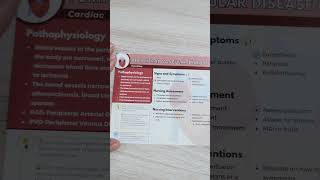
In this brief NCLEX-style lecture, the presenter explains peripheral vascular disease (PVD) by first separating it into its two main categories: peripheral arterial disease (PAD), which involves reduced arterial blood flow from the heart to the body, and peripheral venous disease (PVD), which concerns impaired venous return from the body to the heart. The speaker notes that cardiac or hematologic disorders can produce similar clinical pictures. The core of the review focuses on the consequences of inadequate tissue perfusion, enumerating the hallmark signs and symptoms that nurses must recognize: pain, diminished peripheral pulses, skin color changes, paresthesia (loss of sensation), paralysis, and poikilothermia (inability to regulate temperature). The content is intended as a quick study aid for nursing exam preparation.










