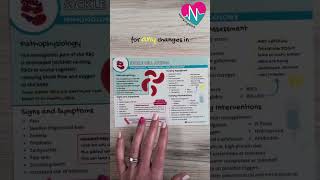
Sickle cell anemia causes red blood cells to become rigid and clump, blocking blood vessels and destroying themselves rapidly. Watch for acute chest syndrome from lung vessel blockage, high bilirubin from hemolysis, and complications like stroke and retinopathy. Respiratory monitoring is critical.
Chapters
Let's walk through some key NCLEX points for sickle cell anemia. So what's happening here is that the hemoglobin part of the red blood cell, it's misshapen. It's sickled, causing red blood cells to clump together. Now, these sickled red blood cells, they're destroyed a lot faster than healthy red blood cells, and this causes a lot of problems. So when these clump together, it blocks vessels and can cause retinopathy, hemorrhage, infarction, hypertension, stroke. And in areas of the body, you'll want to look for any changes in respiratory status, because if these sickled blood cells block blood flow to the lungs, it can lead to acute chest syndrome. Now, something that is super important for you to know for the nclex, and a key critical thinking point, is that since so many sickled red blood cells are being destroyed here, the bilirubin may increase.