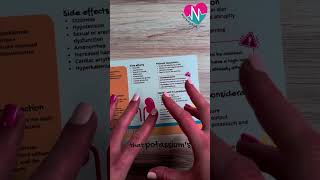
Spironolactone is a potassium-sparing diuretic, so patients taking it must avoid salt substitutes and high-potassium foods. The drug causes your body to retain potassium, and adding more can push levels dangerously high and cause hyperkalemia. This is a frequent NCLEX test point.
Chapters
Here is a key NCLEX point to know for spironolactone. Now, this is a diuretic. It is a potassium sparing diuretic. So your key NCLEX point here is that salt substitutes need to be avoided because salt substitutes typically have a high level of potassium and because when a patient's taking spironolactone, that potassium is already being retained in the body. And so if they're also using salt substitutes in their food and things, then they're going to have that increase in potassium in their body. So if the medication here is increasing that potassium level and then they're also having salt substitutes or other foods even that are high in potassium, it could elevate that potassium level too much. And we don't want that. Potassium can have hyperkalemia, can have some pretty significant effects on the body. And so we want to avoid that. So that's a really big NCLEX point that the NCLEX likes to test on. So when you think spironolactone, think no salt substance.