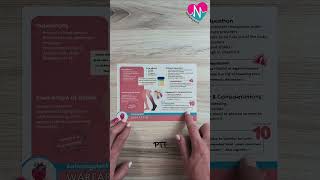
Warfarin inhibits clotting factors and requires PT and INR monitoring for bleeding risk. Vitamin K reverses warfarin overdose. Use the "rule of 10" to remember Coumadin goes with PT, heparin with PTT.
Chapters
Here are some key points to know for warfarin for your nursing school exams. Warfarin is also called Coumadin and here are some key things to watch for. You'll watch for signs of active bleeding and this is because warfarin is going to try to prevent blood clots. So it's going to inhibit those clotting factors. And so it's going to prevent blood clots from forming. And so we want to watch for signs of active bleeding. We want to watch the PT and INR lab values. Now I like the rule of 10 here, 10 to differentiate between heparin and coumadin or warfarin. So remember Coumadin PT and Heparin PTT. So they both have 10 letters when you put them together. So Coumadin PT. So you want to check the PT level for Coumadin, also known as warfarin. And then we want to watch that vitamin K. Make sure that you remember that the antidote to warfarin or coumadin is vitamin K. Vitamin K is the antidote to warfarin. That is a key NCLEX point to know. You will likely be tested on that one. If you're struggling with pharmacology in nursing school, be sure to check out the pharmacology study system inside the nursing SOS shop.