Where have we been?! What's with all the secrets?!
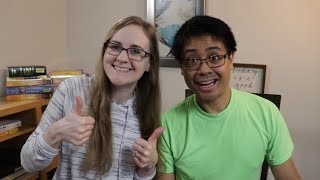
In this live YouTube AMA, hosts Christina Rafano (a nurse) and Matthew guide viewers through a wide range of nursing‑school concerns. They begin by re‑engaging their audience across YouTube, Facebook, and Instagram, then field real‑time questions about study resources, drug references, med‑surg learning, fluid‑electrolyte management, scope of practice, exam motivation, clinical‑site preparation, NCLEX prep, and professional networking. The hosts repeatedly promote their Nursing SOS membership, free cheat sheets (critical‑thinking, med‑surg checklist), and the Davis drug guide, emphasizing a four‑category framework for mastering med‑surg (pathophysiology, signs & symptoms, nursing assessment, interventions) and a parallel four‑category framework for pharmacology (mechanism of action, side effects, nursing assessment, nursing considerations). They also discuss how to handle failed exams, the importance of meeting instructors, and how to make a strong impression during clinical rotations. Throughout, they tease upcoming “secrets” and encourage viewers to follow their Instagram and subscribe for future AMAs.
Chapters
Why?
Where have we been?
What's happening? Hold on.
Slash, what's with all the secrets, Christine and Matthew?
It says you're live. It says you're live. Oh, welcome, everybody. Are we live?
Facebook.
That is a question.
Instagram.
Okay, YouTube. Let us know.
Let us know.
If you haven't noticed, it's been a hot minute. Half a minute since we've been around. Let's see here.
Let's try and turn this. YouTube, can you hear us? YouTube, can you hear us?
10, 11, 12.
Turn it up to Instagram. Can you hear us?
Turn it up to 13.
All right, Facebook, can you hear us?
YouTube, Facebook, Instagram. Give us a thumbs up or like. Or comment. Comment if you can hear things. If you just see our mouths moving but do not hear any words coming out of it, be sure to let us know. We are.
Because you can't hear it anyway.
Yes.
Hi, Diana. Good morning.
All right, let me type in.
I am glad to.
Yes to Facebook.
I'm glad to be back.
Not Facebook, YouTube. Hi, everyone.
All right, YouTube. Oh, loud and clear on Instagram.
Loud and clear.
YouTube, can you hear us? Facebook, Are we. Oh, we just lost Facebook. Reconnecting to Facebook, apparently. All right, my friends, we have had. How long has it been since we've done an am Ama?
I was just looking.
Was it like this?
Lisa.
Hi, Lisa, can you hear us?
Can you hear us? Hopefully you can hear us. Let us know.
Mic test.
Mic test.
Hi, Nicole. Good morning. Hi, Abby. Pat, Yada. Hello. Good morning.
See, it's been a while, so we're trying to make sure that we can. Oh, great. Lisa.
Yes.
Levels loud. Levels too low. Do you want me to just stop talking? That's cool, too.
The video on YouTube is going to.
Been a little while. So we've been gone out and about. Not really.
We've actually been home.
So, you know, where have we been?
We have a lot going on, my friends. We have secrets to share with you.
Secrets.
We're going to talk about the secrets, but we're going to talk about talking about the secrets because we're not going to actually tell you the secrets today.
Go ahead and write in the comments if you know what those secrets are or want to guess what those secrets are. So those just joining. By the way, welcome to the nursing school show.
Hello.
So let's see our last.
This is Matthew. I'm Christina.
Hi. I am. I am Matthew. Yes.
It's been a little while since we.
Our last one was the beginning of February.
Oh, really? That soon?
Yes. Yeah. So it really hasn't been that long, but it's been a hot minute, like I've said. So welcome all to the nursing school show.
I knew someone was going to say it.
Matthew, thank you. We are here to answer all nursing school related questions and also answer the question of where have we been and what is happening.
Abby says free stuff. We always have free stuff for you. Hey, by the way, we have a fantastic cheat sheet on critical thinking and nursing school. So go to nursing school of success.com forward slash, critical thinking. That is up for you, Abby. Critical thinking in nursing school is so important. I was just writing just last week. I think I wrote an email last week. Or was it just earlier this week? See, time is a blur right now about critical thinking. So it's fresh on my mind. There you go. Nursingschoolofsuccess.com critical thinking. Go get that free critical thinking cheat sheet.
All right, so more. More guesses while we get through this. And also, so two things that I want you to write in the comments. Obviously your guesses on what's coming up in the near future. And the other thing is. Yes, nursing school related questions. Questions for us, not us, for Christina. I'll just read them to you. You do not want to hear my answers.
Or we do. You just don't want to take his advice. I am a nurse, by the way. If you don't know who we are. Matthew is here for the comedic value.
I am not a nurse.
All of this.
What was the website for, Brandy?
It's nursing schoolofsuccess.com forward/critical thinking. Matthew can probably put it in the.
I can put it in YouTube. Not in.
Oh, look, not in Instagram, unfortunately, because Instagram's on my phone.
Let's see, which one was it?
I can't type from here. Critical thinking. Nursing schoolofsuccess.com forward/critical thinking. It's a free cheat sheet up there. So you just put in your name and your email and it'll send it right to you. You have an exam next Tuesday. Brand. Is it Brandy? Am I reading xo? Xo. Yes. I can't really read from here. Any tips? What is your exam on? All right, tell me what your exam is on.
Okay, let's just jump into this with a. With a question real fast and then we'll give a little more updates. But Samantha is asking, what's the best drug guide book you recommend? I'm gonna sneak over here and it's over here.
Where's the drug guide?
The old one's over here. The New one's upstairs.
Okay. They're everywhere. Davis's drug Guide. I said it right? Davis's drug guide.
The guy was named Davis, I'm guessing, and he made the drug guide. That's why it's Davis's drug guide.
This is the one I recommend. Okay? So I work with patients. Where I work with patients. We have students a lot. And so I was talking to one of the nursing students that I. And I had her bring in her drug guide. So I'm like, I want to see her drug guide. It was one before. It was like. I don't know, it was something else, like a lip and cot or a. Am I saying that right? Like a springer. It was like just kind of a regular drug guide. And I'm like, looking through this thing like, this does not have the information that you need. You gotta get this one. Literally telling her this. This is my favorite, my friends. Seriously, Davis's drug Guide. It's very easy to navigate. And the best thing about it is that in the front here, it has classifications for your medications. You can group them by classifications, which is always how we teach. So when you're learning medications, group them by drug class, not by individual drug. Because the medications that belong in the same pharmacologic class and even sometimes the same therapeutic class will act the same way in the body. And so instead of learning each individual medication, you can just group them by drug class, then learn them all together. So much easier. I'm telling you right now. It's so much easier. So what I love about the Davis drug guide is that they kind of do that for you in the front. They group things by medication class. They walk through here, what each classification does, the mechanism of action, the things you need to consider for each class. It's fabulous. So there you go. It is a mix of therapeutic and pharmacologic medication classes. So be advised. I do recommend that you try to stick with the pharmacologic class. But therapeutic could might work too.
All right, so that was for Samantha on YouTube. So, yes, Davis's drug guide. It's. There was a question on how much. I don't remember how much it was. Go ahead.
And 50 bucks, maybe on Amazon. Yeah, I think probably that sounds right.
Probably around there. Get the newest version. I think the newest version is like this tealish color.
I think it's even different than that because the one. I don't think we even have the updated one here. They release it every year, and I can hardly keep track.
And do you remember our page for all the stuff like that, I don't remember.
No, we have links on our website somewhere. Does anybody know where our links are? I have no idea.
Let me check.
I do not remember.
But just go to Amazon, search for Davis's drug.
I also want to mention how I tab this medication guide. Get a lot of questions on this. So I don't tab like tab it any particular super special way. It's actually just by the medications themselves. I don't know if you can see this. Hopefully YouTube, you can see that. Instagram you can see like I've got furosemide and all these like ACs, gabapentin I've got. They're just all individual medications. The colors don't mean anything. It's not like group by class or anything. It's just I tabbed the medications that I use the most, you know, on the floor. So that is how I tab this. Super helpful for me because, you know, if I'm doing for Monadine and I want to check out for Modidine, it's right there. Or you know, Tylenol. I think I have Tylenol in here somewhere. Yep, right there. There you go. So I just tab. Just tab it like that. That is the most helpful for me. If you want to get fancy and color code based on class, that's awesome too. I just didn't because that sounds like a lot more work. But.
All right, so Samantha, while we're on the while we're on the books kick, she's also asking about pathophysiology books. I know that you had one, I think down there too. Also in the meantime, Brando, you were asking just generally about hematology and diabetes. Is there anything specific that you want to know about hematology and diabetes?
Studying for hematology and diabetes. Let me walk through that with you with the pharmacology books. Okay. So I always recommend that when you're studying med surg like hematology and what was the other one? Diabetes and diabetes. Any med surge disorder. What I really recommend that you have is two kinds of resources. A high level overview book. So this one is the one I read. Physiology made incredibly easy. This breaks it down for you really simply step. You know, actually this is not step by step. Our stuff is step by step. This is not step by step breaks it down really simply and easily. Easy to understand terms for you so that you can get kind of a high level overview of all the disorders that you're learning about. So that just helps you to kind of more conceptualize. Okay, what is actually happening that and there's, you know, nice pictures around. There's nice pictures. So that's cool. Can you hold this, please?
Okay, so this is the. That one and then you want this, the detailed one.
Where is the mark manual? Yes, please. This one. It's heavy. All right, the Merck manual. I recommend having so two resources. A high level overview textbook, then a deep dive textbook. Now this would be something like the Merck manual. It doesn't have to be the Merck manual. If you find a different one, that's totally fine. But what you're looking for in what I call a deep dive textbook, like the Merck manual, is that it needs to go on the chemical and cellular enzymatic level. You need to have a deeper dive into what is happening with the med Surg disorders. And so that's what the Merck manual does. So pairing these two together is really helpful for you when you're in nursing school. High level overview, deep dive. Now, good news. If you're a nursing SOS member, we do this for you. You don't need to get, you know, these two textbooks. All you have to do is watch a video and I will explain it to you. Both the high level overview and the deep dive, step by step. So like I said, like books like this, they don't walk things, they don't walk you through the disorder step by step. They don't tell you. Okay, how's the pathophysiology go with this disorder? In our videos for nursing sos, we walk you through literally step by step, what happens with this disorder and why does it matter? So we do a lot of the critical thinking for you. We hold your hand through the critical thinking process with med surg fundamentals, all this stuff so you don't have to read a textbook. Try to figure it out yourself. You can just watch a video and it'll teach it to you. So there's that.
All right, pause there. Carrie Ann's also asking. Oh, you have your third exam on Wednesday. Good luck. So tips and trick on fluid electrolytes and elimination. So fluid electrolytes and elimination. Are those in here too? I think yes. Incredibly easy has one specially for fluid and electric. Oh, there it is.
Go get it. So go get it. So made incredibly easy Again. This series is just so great for a high level overview. There's. They've got tons too, like dose calc and what else do they have? Fundamentals.
Assessment.
Assessment.
It's right over there.
We have assessment back there. This series just has a lot. You've probably seen it before. I mean, I'm probably not the first one to show you. But this is a very nice series to have in nursing school because it does walk you through very high level, how things go in the body. Now, fluid and electrolytes. Again, my friends, if you are inside the nursing SOS membership community, we have a whole F and E course, fluid and electrolytes course for you. Walks you through step by step, what goes on with, you know, hyperkalemia, hyponatremia, hyper magnesemia, all this stuff. So it's in there for you. We walk you through it step by step so you do not have to worry.
Elimination.
Elimination, you know. Well, in our nursing SOS membership community, yes, we do do elimination. But like a textbook for elimination would be if you were doing a high level overview, it'd be like this series, the Made Incredibly Easy series. That's for fundamentals. I'm sure they have a fundamentals one or even the assessment one. I'm actually pretty confident that it's in here too. It would be in here under like renal or something.
And do we just have, do we just have any. Just general tips and tricks on fony and elimination just to show right now.
You know, the thing is, and I wanted to touch on this too with med surge. Anything Med surge you guys know. Thank you.
I will take these.
You're awesome.
So this goes to fluid electrolytes elimination specifically. Also, Sarah, you're asking about, you're starting med surg clinical. So we'll probably talk about med surg a little bit and then dive into clinical. But right now, med surg. Learning Med surg. All right, Georgia, you're asking me, my sister are both moving forward for a second term lpn. Any tips on med surge and pharm? So why don't we dive a little bit into med surg generally and F and E elimination, maybe specifically. A little bit, yes. There you go.
So when you are taught, when, when you are learning med surge in nursing school, fundamentals in nursing school, learning any disorder, really what you need to be studying is really only four main categories. You have to focus on these four main categories. You ready? Write this down. Write it down. You can write it down. Actually, I also have a free cheat sheet about it too. But write these down. Pathophysiology, signs and symptoms, nursing assessment and nursing interventions. So four main things, four main categories. Pathophysiology, signs and symptoms, nursing assessment and nursing interventions. Those are really the only four main categories that you are going to need to learn about. That you are going to be tested on that you need to know as a nurse and as a nursing student in nursing school. Now here's where it really gets fun and fancy. When you understand the pathophysiology first, pathophysiology first, then you can understand the more the next three categories. So patho, right? Then signs and symptoms, the nursing assessment and the nursing interventions. Because all of it ties back to the pathophysiology, signs and symptoms, what is going on with the disorder inside the body? What signs and symptoms might you see in a patient? And those are going to stem from the pathophysiology. You have to understand what is going on with the disorder first and then you can understand the signs and symptoms. Got it? Then the nurse happening with the disorder or what you think might be going on with the patient. Then you more know what to assess for. You know what to what your focused assessment should focus on. They don't kind of direct how you assess and what you patient when you know, okay, what could be going on with them and what does the physiology of that. Now nursing interventions. With nursing interventions. And we want to make sure we are fixing the underlying problem, right? We don't want to just slap a band aid over the signs and symptoms. We want to try to fix the underlying problem as much as possible, right? But in order to do that, you have to understand the pathophysiology. You have to actually understand what is going on, right? You have to understand what is going on with the patient's body, with the patho. So that is why it's so important to understand the pathophysiology first before you move on to the other three categories. So again, write this down and actually I will tell you where to get that cheat sheet too in a minute, but write these down. Pathophysiology, signs and symptoms, nursing assessment and nursing interventions. Those are the four main categories that you have to focus on. Okay? In nursing school when you study. Now the these are listed out in a free study checklist that we have for you. So if you go to nursing schoolofsuccess.com forward/checklist.
Hey, I'm right.
It's this one, it's that one. Nursing schoolofsuccess.com forward/checklist, C, H, E, C, K, L, I, S, D because I can spell on a Wednesday morning. So that is that. Check that out because it's going to walk you through how to study those four main categories, right? Patho, signs and symptoms, nursing assessment and nursing interventions. But remember friends, it all stems back to that patho. You have to understand that patho first. What happens if you don't? I mean, what happens if you just skip the path and go right to signs and symptoms, the nursing assessment and the nursing interventions? Well, you could do that, but the thing is, is that you're just going to be memorizing a list of stuff. You're just going to be memorizing a list of signs and symptoms. You're just going to be memorizing a list of nursing interventions that is not helpful for you. When was the last time you were tested on rote memorization on your nursing school exam? Never. Right? Like never. They test you on your critical thinking skills, how you think like a nurse, how you can apply the information that you're learning. That's what they're going to test you on in both your nursing school exams and on the NCLEX for your boards. So that is why it's so important to focus on the pathophysiology first, because you can connect all the dots, understand how, how the signs and symptoms, the nursing assessment and the nursing interventions relate to the pathophysiology, because that is going to help you critically think. Okay, cool.
Awesome. Great. Let me see here. So yeah, that's med surg in general. So with fluid electrolytes, a lot of the things that we go over, like, right, it starts with hyper or hypo. So it's already something that's too much or too little of something.
Yeah.
And it's the same as that. So focus on what the body's supposed to have and then you can judge differences from that.
Exactly. And the thing with fluid and electrolytes, and really with anything, you also have to know what's normal. Right. That's why we take A and P before we go into nursing school. You have to know what's normal and then you can understand the pathophysiology with it. So with fluid and electrolytes, right, you have to know, you know, what is normal and then what happens during hyperkalemia, hypokalemia, what's the pathophysiology of that, what causes it, what's actually going on. Then you can dive into, you know, assessment, interventions, signs and symptoms, all of that.
Awesome. Terry. Hello. Glad to see you too.
Good morning, everybody.
Hello, everyone else as well. Welcome to all the members joining and everyone. It's good to see everyone. This is great.
It really is. Where's my Charlotte?
All right, let's see. So Terry was asking go over scope of practice for nurses yes.
So this kind of depends on what role, like scope of practice for nurses. It depends on what role we're talking about. When you think of like nursing and healthcare in general, everyone has a different scope of practice. An RN nurse would have a different scope of practice than an LPN or a CNA or a med tech or you know what, there's a, there's a tab, you know, like a dietitian, obviously, a doctor, the pharmacist. Everyone has different scope of practice, specifically for nursing. We mostly talk about the three main ones. RN versus LPN versus a cna. Now, I want to mention that when we inside the nursing ESSENCE membership community, if you are inside the community, we do have a whole fantastic video for you on scope of practice that itemizes really for you, what the different. What's the word? What you can do for each of the different, you know, degrees, fields. Oh, yes, yeah, yeah, that rn. Lb.
Depending on what you're studying. Depending on what you're studying. We have a breakdown of kind of the scope of scope practice for each of those and kind of the differences. And I think it helps a lot before you're even going into or deciding on what path to take. Right. Well, do you want to do lpn? Do you want to do rn? Do you want to become a doctor?
Np. Yeah, I forgot. Nurse practitioner, too. On the nursing. From the nursing model. So when we, when we talk about scope of practice, Primarily it's those three RN, LPN, CNA. So the, the, the biggest thing, two, two things that I want you to remember always. Okay? Two big things that I want you to remember Always. RNs. The RN scope of practice encompasses two things more than the LPN. So RNs can assess a patient. Okay. And assess a patient and make judgments based on that assessment. An LPN cannot do that now check with the state. But by and large, the RN can assess a patient and make clinical judgments based on that assessment. An RN can decide, okay, here's, you know, here was my assessment. Now we're going to do these things like X, Y and Z. This is the plan of care. This is what we're going to do based on my assessment. Now, this is different than an lpn. An LPN can collect information. That's called the LPN assessment. It's collecting information, and then they can collect that information and give it to the RN to then make decisions. But the LPN cannot make plan of care decisions. You know, that would be outside the scope of practice, by and large. Now, of course, you have to check with you Know, individual states have different, you know, scopes of practice for an RN versus an LPN versus the cna. Like, when I was a cna, I was allowed to give particular medications. I had to have a. I had a certification on top of my cna. What do they call it? It's like a medication, an add on, an add on, a medication administration, something. So I did have that. I was able to give some medications as a cna, but other states might not do that. So that's more of an LPN role, perhaps. And there were some things, like as a cna, if I remember right, I could not give injections that. Like insulin and things that would have been the lpn. So there's just different scopes of practice for each specialty. Let's just call it a specialty. Sure. So the RN can make clinical judgments based on their assessment. The LPN can collect data and relay that data to the RN to then make clinical judgments. Does that make sense? So that first one of the two is assessment in clinical judgments. Now, the second one is patient education. The RN scope of practice is patient education. The LPN cannot educate a patient. Okay. They. They depending on your state. But for. By and large, it is the RN's job to do patient education, make sure that the patient understands what's going on. They understand the plan of care and all of that. So that kind of makes sense. Right. The LPN is collecting data. They're relaying that data to the rn. The RN then makes clinical judgments, you know, makes other focused assessments based on that data, makes the clinical judgments, and then they educate the patient based on what's going on. Because the RN is creating that plan of care. Does that make sense?
Awesome.
Cool. All right, now, again, we actually do have a whole video about that inside the nursing house membership community.
Yes.
If you have more questions.
All right, a couple quick shout outs, and then, Lisa, I do see your comments, and a couple other people have been asking about Farm, so we're gonna dive into Farm here in a little bit. But let's see. Ali, has your OB final tomorrow.
Yeah.
Please pray for me.
Okay.
Going out for sure. Going up, up and out. Yes. See what else I think that was. Yeah, yeah. So I think the next topic is pharmacology. So Lisa's asking more specifically, do we have a list of common drugs that are being used? Wine is asking that as well. It's very difficult to remember all the drugs. Do you have any tips for that? Yeah, so kind of the same thing. And then just in general, people are asking about Pharm and what to do to succeed in pharmacology.
Yeah, it's a lot to try to remember. Memorize all of the medications that you have to remember. Right. So I have the drug guide here. This is the one like I mentioned before earlier on in this life. And this is the one that I always recommend, Davis's drug guide. This is 14, 15, 16. Are we on 16 maybe? Oh, no, no, no. 17. 17 or 18, I don't know. Make sure you get the updated version.
Okay, so this is the 14th.
This is 14.
Okay, so Lisa, you. You mentioned a little bit earlier, is that the 14th? So the one we have here is the 14th, but it's an old one. So make sure that when you go to Amazon and look it up, look up the Latest one.
Copyright 2015. So now it's 2021. So that would be, you know, that would be quite a ways. Screenshot this friends. Screenshot. Screenshot. Screenshot this book. So you have it for later.
All right.
So you have it for later. Okay, so you can look it up. It's Davis's drug guide. I think if you just type in Davis's drug guide, it'll come up on Amazon. So this is the one we recommend now with pharmacology, like we said at the beginning of the video, I really. It's really important that you break down medications by class, by drug class, pharmacologic or therapeutic. So therapeutic can work, but not always. Just be advised about that. But pharmacologic class will tell you how the medication acts in the body. And all the medications within one pharmacologic class will act the same way in the body. They have the same mechanism of action. That's what we call it. Mechanism of action simply means how does this drug act in the body? Mechanism of action. That's all it means. How does this medication act in the body? Okay, so what I really like about the Davis drug guide is that it has the classifications here in the front. Really nice. Now, Lisa, your question. Is there a list of common drugs that are used it. Okay, so yes and no. It depends on what floor you are working on. So where I am at, we have, you know, a different set of medications that we deal with, you know, for our patients than another nurse in a different specialty would have. Like an OB nurse has a different, you know, they give different medications than a nurse on a med surg floor or a nurse in, you know, on a cancer unit. For sure. You know, depending on what specialty, what floor, what clinical site you are at will depend that Will, you know, drive what medications you often see. Now, with that, the NCLEX and your nursing school exams will throw anything at you. The ncsbn. Ncsbn. I know that's a lot of letters. The ncsbn. Those are the people that put out the nclex. They create the nclex, the ncsbn. So they do not publish a list of medications that they will test you on. They say, here you go. Here's all the medications in existence. We consider all of them fair game. That's what they say. So really, in reality, they can throw anything at you in practice, do they do that? Maybe you. Honestly, we hear it all the time that students go take their nursing exams and their boards and they get a question with a medication that they have never heard of before, ever in their life. That's fine. Try your best, Move along. Not a big deal. Just keep going on that exam like anything, right? Like you're gonna get questions thrown at you that you just don't like. They're out of left field. They're the footnote on page 1320 of your textbook. You know, you're gonna get questions like that. Do your best, move along. So no, Lisa, they do not publish a list of medications that they will test you on. Anything is fair game. Now, how many medications are in the world? I don't even know.
A lot. So, that being said, also, that's why going back to what you're saying and what Wayne is saying is just difficult to remember all the drugs. And there's a lot of drugs out there. That's why we do like to recommend, when possible, to start studying at the pharmacological class. Because all the drugs under that pharmacological class kind of act similarly.
Yes.
So by doing that, that's a way, good way of grouping up how you study. So you're. You're not having to study hundreds and hundreds of each being specifically unique, you can actually group them in ways that are helpful to you. So that's why we recommend doing that.
Absolutely.
And then what Christina is saying, too, yeah, you can do your best. You can study as much as possible, learn as many of the drugs as you can. They'll. They'll probably come up with some curveballs that you've never even heard of. If you. If you can. If they give the pharmacologic class, and then you can kind of suss it out that way, that would be helpful. If not, then sometimes you're just going to have to say, okay, I really don't know that one and read the question. Well, try and try and make your best guess that way.
Yep, they will throw curveballs at you for sure. Just be, just know that going in. It's not a big deal. It happens to all of us, so don't even worry. So with that, like Matthew said, make sure that you are learning the mechanism of action of the medication. Make sure you are grouping them by pharmacologic class wherever possible and you are understanding the mechanism of action. Now, I know the same thing with the four key factors of med search, patho, signs and symptoms, nursing assessment and nursing interventions. Those are the four things that you need to know for med surg. If you are just joining us now, we have a lot of people coming on. I talked about med surg maybe pretty early on like nine, we started so like 20 minutes ago. Go back. So go back after the live Q and A, go back and watch the video part of the video on Med Surg where I talked about how to study med surg and those four main categories. So pathos, signs and symptoms, nursing assessment and nursing interventions. Now here's the beautiful thing about this, is that with pharmacology, the same advice still stands. It's just slightly tweaked. So for pharmacology, what you're going to learn and focus on are four main categories. You've got the mechanism of action, how does the drug act in the body, the mechanism of action. So instead of patho for med surg, it's mechanism of action for pharmacology. Does that make sense? Mechanism of action, side effects, what are the side effects of the medication? Nursing assessment, what are you going to do? Nursing considerations, how do you give it? What's the antidote? What are things that you need to consider when administering it, what are contraindications? Like, should this patient even have it? All of those things. Nursing considerations. So that's like kind of the interventions part and then the assessment, of course, is assessment part. So mechanism of action. Okay, mechanism of action, side effects, nursing assessment. How do you assess the patient before, during and after the medication and the nursing considerations? You know, how do you give it, should you give it all the judgment calls that go with that, so make sense? Are you all following along? Can I get a thumbs up? If you are on YouTube, can you please hit that like button if this is making sense? And also YouTube if you want us to do this more, hit that like button because I want to know, tell.
Us times, days which you would like to have AMAs or us to come on and talk with you guys, and hang out. We are, like we said, we've been kind of out of it for a little bit, but we want to dive back in and see what time works best for everyone. So go ahead and hit a comp or hit a comment.
Hit a comment.
I don't think. I don't think you hit comments.
What days work best for you? For us to go live for these AMAs? Tell us what days work best. Yeah, we like, we. Well, okay, so what was it? July of last year, I think we started and we did twice a week, July through February. So that's what, seven months? So fun. And then we needed to stop because like we said at the beginning of this video, we have some super secret things going on that we will tell you about in the coming weeks. So.
And I'm just gonna give a quick, quick tease there. A lot of the things that we've been talking about in this AMA has to do with those secrets that we've been talking about. So if that's coming, what's your appetite and you haven't yet? Be sure to subscribe. Hit all the bells.
Hit all the bells.
There you go.
YouTube. Hit the bell. Subscribe and hit the bell. Instagram, please follow me on Instagram. I'm pretty sure so instagram @nicingsos Instagram is more like real time for me. I just kind of, you know, like, do the stories and stuff. So follow along with our stories. I will update you. Instagram probably first. So Instagram will probably be the first to know about what is going on. Actually, I shouldn't say that because our members are going to know first. So if you're a nursing SOS member, you are going to know first, but then Instagram is going to know after that. So there you go.
And super timeline of that is really soon, really soon.
So make sure that you start watching my stories every single day. Start watching our Instagram stories every single day. And I am so excited. Can I just. Can I.
Really excited.
Burst. I could just burst. I am so. I can't even. I cannot even.
Okay, where can I find the Med Surge template you guys were talking about? Do we have a yes?
Yes. The Med Search cheat sheet. If you go to. To nursing schoolofsuccess.com forward/checklist. That is the Med search cheat sheet for you. Literally walks you through, step by step, how to study Med Surge. It's a checklist that you follow, which is so cool. So nursing schoolofsuccess.com forward/checklist. Okay. Forward slash. Being the little Slash thing.
All right.
Yes.
Do you want to talk a little bit more? So hopefully that answered questions for now about pharmacology. Lisa, if that answer your questions, go ahead. Thumbs up. Or if you have more questions, go ahead and list it out. The last thing I want to say about that. Yes, they don't give you a common list. In our membership, we do have a medication database that has upwards to 130, I think, exactly, actually.
Yeah, ish around there.
So over 100 medications. So we, we did go through and think through what are the common.
Yeah, the most common meds that you are going to give pretty much regardless of where you're. You're at. We do have, you know, OB meds, we have mental health, we have, you know, med surge, chronic, you know, chronic care medications. So in that medication database inside the nursing SOS membership community, we have actually, Lisa, already pared it down for you. So those are really the ones that you will want to focus on are the ones inside the membership community. Now I'm so glad you brought that up because that medication database, my friends, is everything I wish I had in nursing school. It is taking the information from medication and breaking it down to only the important information that you have to know. So you don't have to read a book on it if you don't want to. You know, you don't have to try to figure everything out yourself. You don't have to try to do it all yourself. It's not helpful, right? It's not helpful when you don't have a guide to follow in nursing school. It's not helpful when you have to do everything yourself in nursing school. That's not fun, right? So that's why we created that medication database. It's inside the nursing SOS membership community for you. So you can just pull up a video and we will teach you what you need to know for the medication, why it's important how things connect. We do the critical thinking for you, for you and with you. I cannot even, I cannot even tell you enough how amazing. I am excited about a lot of things today, Diana. Yes. I'm so, so glad that that is helpful for you. The med database, I love it. It is. It is amazing. Yeah.
So I just wanted to shout out wan again. I'm currently in my last semester of nursing, but I keep forgetting what I learned before. So it's quite tough for me to remember everything. So pro. You're in your last semester, so you're almost there. You're just there. So I think that that counts. For a lot. So just keep plugging through and keep getting through it. I think also just constant practice and we get this question quite a few times. Like people that even graduated nursing school. I still feel like I don't know everything or know anything. I don't know anything. I feel like I'm not prepared to enter the workforce force or what have you. So I think that that's a normal feeling. Don't, don't worry too much about it. The more you practice and the more you get into it, then it'll just start clicking for you. And even if you look back, you'll realize that, oh, I actually do know a lot more than I did. It's just hard to tell while you're deep in it. So just take a step back and just realize, hey, wait, I do know this stuff.
I do know something.
So, yeah, you're in your last semester, so congratulations on that.
If you're in your last semester, that means that actually do know something. I know it doesn't feel like it, but it's true. It's. It really is that, you know, you get to a point in nursing school where nothing makes sense. You really do. I mean, it's much when you hit med surg or like the, the middle of med surge, where you're like, of all these pieces of information, I don't know what to do with them. You know, kind of things, but you don't know how to connect the dots. You don't know what you know. You don't, you know a lot, but you, you don't know how to connect it all together. You're like, I don't know what to do with all this. Right? Like, you know things, you just don't know what to do with it. Now the more you do clinicals, the more you work on the floor, the more practice that you get, the more it's going to click, right? So I'm going to shout out the critical thinking cheat sheet again because that is also key to help you critically think in nursing school. So go to nursingschoolofsuccess.com forward/critical thinking. And that's really going to help you. It's a free critical thinking tissue. It's totally free, so just go download it right now. Nursing schoolofsuccess.com forward/critical thinking. It's a free cheat sheet for you that walks you through how to critically think in nursing school. Where is it so gonna help you? I don't see it. I think we did. We put it there. It is critical thinking gc.
All right, so I'll just copy and put it in YouTube as well.
Yeah, the link will be in YouTube. I can't post links on Instagram. I'm sorry. Because in the chat, I can't like type in the chat as I'm sitting here and I don't even know if it would actually end up being a link. I'm not sure.
And on that note, also want to shout out ara rss. Hopefully I'm saying your name right. I'm not. Not that great with with names. So names for Instagram handles studying for med Surg tests. So we, we've been talking a lot about med surge. Those are the four things, the four things to study and keep track of with med surg. If you missed it, it's earlier in the live. Just go ahead and re watch this live when we're done. So studying for med surg, those four things, I'm always so overwhelmed. So cutting it down into those categories really help with that?
Yes.
So unmotivated since I bombed the FARM test earlier. Just logging through. So we do hear, we do hear that a lot. Really, that it really hits the motivation when you don't do as expected. And that, that's fine. That happens. And you want to talk a little bit about that?
Yes, I do. And I was just talking to our members about this as well. So when you fail a test, even if you fail out of nursing school, here's the thing, my friend, is that you cannot let it stop you. I know it's a backtrack. I know it sounds, it feels like a backslide. It feels like you're never going to make it. You know, if you, you said Aristotelis, if you bombed your exam for Farm, right now it feels like you can never pass another test again. It's just simply not the case. Here's what we see most often with nursing students is that if a nursing student fails out of nursing school, you come back swinging the second time, right? You already know half the information. Now you just have to build off of it, right? So if you, if you also in the same way, if you failed an exam, you know, two weeks ago, you come back swinging, come back stronger. Now here's the thing you're going to want to avoid is self sabotaging yourself. Do not self sabotage your own success. That is not what we do here. Keep going. Stay motivated. You can do it. Keep going. All right. Do not self sabotage yourself. And here's what I mean by self sabotage. I mean by you go. You take an Exam and you don't do as well as you want. Or else, right? Like you fail your exam, bomb it, right? Then you just want to go sit on the couch and walk. Watch Netflix for two weeks.
Disney plus.
Never Disney plus. That's the new thing, right? Never ever leave your bed again. Just hide under the covers all day every day. That is not helpful for you if you do that. If you self sabotage your own success and don't study for the next exam, what's going to happen the next time around? You're going to bomb the next exam, right? That is not helpful. So what you have to do, pick yourself back up. You can do it. Study for the next exam. And watch, Watch, my friend, you will pass. Study. Study more efficiently. Study better. You know, stay, keep your head in the game. Nursing school is like this whole mental game, right? Keep your head in the game and study for the next exam. Even if you know you bombed one before. Now here's the key thing too. Meet with your instructor after you fail an exam. Or even if you didn't do as well as you wanted to, or even like me in nursing school, even if I did really well on an exam, I would go meet with my instructor and I would go through the exam with her item by item. Okay? So after your exams, meet with your instructor and go through your exams with them. Make sure that you understand why you got the questions right and why you got the questions wrong. Now this does really quite a few things for you. This will help you study better for the next lecture exam, but it will also help, you know, things more for the final.
Yes, I have an appointment with an instructor. Awesome.
Yes.
Yep. That's an open line of communication. Let them know that you're learning and you want to learn and you want to become the best nurse ever.
Yeah.
And that will go a really long way in them seeing how motivated you are. And it will. That will also just help you get out of your rut, if you are in a rut. So, yeah, definitely. That is awesome that you have an appointment with your instructor. That is, that is great. Also, Christina just mentioned something that it is really a mental, like nursing school. It's. It's a lot of it is mental. And I can say this now probably right. Yeah. I'm just gonna say definitely. If you haven't yet, make sure you're following nursing SOS on Instagram. We're posting quite a bit there. And if you need motivation, if you just need a community and you need to know that you're not alone. Yes, Just go ahead and make sure that you're. You're following us on instagram @nicingsos. Nursingsos on Instagram. And whenever you're feeling down, you can just go there because there's a lot of good, good stuff there when you're.
Feeling blue and you don't know what to do. Thank you, children's book. Yes. Instagram at nursingsos. Now, here's the thing about that is I do a lot of stories and I really like doing stories on things that students message me about or, or, you know, have issues with things like that. And one we just talked about, I think last week was what do I do if I fail an exam? What do I do if I drop out of nursing school? What do I do if I fail out of nursing school? You know, it's all these things. So I just want you to know that you're not alone. And I think it's just really helpful. Just like you said, it's a mental game. You've got to know you're not alone. And also, that's really such a key thing for our membership community too, because, I mean, how many posts do students post a day in our Facebook group? Like, we're constantly in there. Our members posting. We have a private Facebook group for our members. And so we're, me and our team. We are constantly in there every single day. Encouraging. And everyone is so encouraging from, from, for each other. I mean, it's just incredible. And what you're going through is something that someone else is going through. And actually, if you're going through it in nursing school, probably 12 other people in our membership community are going through it too. So everyone's so good at just saying, hey, you're not alone. Like, let's pray for each other. Here are the tips that I did. Like, here's what I did. Maybe this would be helpful for you. Here's the resources I use. So good. So good.
So I just saw on Instagram a little bit ago, nurse, someone. Nurse, I don't know, you just signed up. So, yes, we'll see you in there and hopefully see you in Facebook group if you have Facebook. So, yeah, definitely, it's a, it's a great community. Also, two other comments. One, Ashley saying I start nursing school May 12th. Yes. Our June set the meet with instructor. Always if, if you fail, even if you pass, that's fine too. But yes, always keep that line of communication over open. If you can go through your tests on the other side. Selma, what if it's an ATI proctored exam. Many teachers say they can't meet with you. I'm currently in an LVN program, so that's okay. You. You want to make that initiative to at least ask them and try.
And then the thing with. Okay, so ATI and hesi, there's, There's a difference between ATI and HESI and your typical lecture exams with ATI and hesi, that is what we call a test bank. So your exam might be different than the person's next to you or, you know, your exam that you get for nursing school. For an ATI or Hussey program, your instructor doesn't know what questions that are going to be asked. However, with that said, don't let it freak you out, Selma. Don't let it freak you out. If you are in an ATI or a HUSI program, raise your hand. This is for you. Raise your hand if you are in an ATI Hussey program. Throw apart. Throw up a like on YouTube. Hit that like button on YouTube. If you are in an ATR HESI program, actually throw up a like. If you want us to do this more, if you want us to get back into these AMAs like we did last year, let us know. Okay, so let's jam on this ATI or hesi. If you're in an ATI or HESI program, you. You have. Okay, key thing, you have to make sure that you are doing the practice questions beforehand. So do the practice questions online that ATI and HESI give you online. Do those now, after your ATR Hussey exam, meet with your instructor, still meet with your instructor, even though you're not going to be able to go over your questions item by item from your exam, even though that's fine, still meet with them and go over the concepts. Don't have to go over these specific questions, but you can say, hey, there was a question on this concept and I didn't really understand it. I think I have, you know, this isn't quite making sense. So make sure that you are, you know, remembering what concepts are tripping you up before your exam. Meet with your instructors, constantly meet with your instructor friends, constantly meet with your instructor and make sure that you understand it. Even if you can't go through your specific exam questions with them. Go over the concepts, go over the topics. Does that make sense? Diana? Ati. Liz. Yeah. J.R. payne. Hey, Ati. Who is in Hessie? Anybody in Hessie?
I know, I actually haven't seen this one. I haven't seen too many from Hessie.
But yeah, who's in Hessie. Anybody? Instagram, Facebook, YouTube? Anyone in a Hussie program? ATI seems to be more popular. My program did Hessie. They're very similar. They both prepare you for the nclex well. So there you go.
The critical. Our critical cheat sheet again. What is the website again? Someone's asking on Facebook. Nursing SchoolOfSuccess.com Critical Thinking.
Critical Thinking. NurseSchoolOfSickness.com Critical Thinking. Hey, there we go.
Kelly. Yes, Hessie.
Oh, yes, Hessie. I just signed up for the cheat sheets. I don't know where to find them now. I will email it to you. You'll get a link in your email. So just click the link it should send. If you have any trouble with the cheat sheets, just email us. Hello@nursingsos.com that's our email. Hello@nursingsos dot com Me, Marilyn, Nicole. We will get those cheat sheets right to you if for some reason they do not end up in your email. So there's that.
Okay, just real quick, George is asking, can you guys make a video on about. Okay, let me start over. Can you guys make a video about how taking the NCLEX test for lpn, we are using ati, so taking NCLEX for lpn, we do have. We do have a little bit about that. And what's the resource that we say for NCLEX prep?
Well, it's. Yeah, it's the Saunders book. I don't know if I have it here, though. I don't think it's over there. No, the Saunders Comprehensive Review Guide for the NCLEX RN Examination or the LPN examination. So make sure you get the right one. If you're in an LPN program, get the Saunders Comprehensive Review Guide to the LPN Examination I think is the full title. But if you just type in Saunders nclex, it should pop up. So you will want the RN program if you're in an RN program or the LPN if you're in an LPN one. Okay, so good. All right, sweet.
Let's jam on clinical just real quick. Yep.
Okay.
Yeah, let's jam on clinical.
All right.
So we, we get a lot of questions about clinical. Specifically, Ashley just mentioned how do you make best impression how do you make the best impression when doing clinicals for possible job opportunities? And then Sarah, a little earlier just said, I'm starting med surg clinical next month. What are some tips to succeed in clinical?
Yay. Know where things are.
That's a good idea.
That's a good idea. So go the night before you start a clinical site, if you've never been there before, go the night before or a week before. Make sure you know where to park, where to go, what's going on. Like, if you've never worked at a hospital before or never been in a hospital before, there are so many tunnels, there are so many hallways, there's so many elevators. Just make sure you know where to go so you don't get lost in that wing over there and need to be in this wing over here. And it's like an airport. It's like an airport. A huge airport.
I definitely remember that when I was in. In school, I never, never went beforehand. And so, like, the first day of class, I, like, missed the half. Half first.
You're like, I don't know.
I was just kind of wandering around the hall. So if you want to make the best impression, that's probably. Probably not the way to do it. So make sure that you know where you're going and kind of scope out the area beforehand if you can it.
Out, you know, you know, get their own time. Yeah, obviously. Water. Always pack your lunch. You know, plan the night before. So those are my clinical tips. What was the other question? I forgot?
Yeah, just some tips to succeed and.
Making a good impression.
Making good impression. So raise your hand a lot.
Raise your hand.
Be the first in line to just try out anything.
Know people's names. Know the names of the nurses on the floor. Know the names of the nurse manager. Talk to the nurse manager. Know people. Get to know people. While you're there. Talk to people. Talk to people on different. You know, just really talk to people. Because we do that still in real life. Talk to people in real life.
Practice. Practice that. We are kind of out of practice. We might be a little out of practice.
We're talking to people in real life because, you know.
But yeah. Yeah, definitely practice the talking.
That is funny. Okay. Friends.
All right. Oh, just one more thing. Just real quick, Alex. I've been lucky enough to land a job interview as a PCA at ltc. Just throwing random letters out there. Do you have any advice on how to nail it? So, again, just be super interested. Do some background research on where you're going and find things that you find interesting or that you really like about the facility or that you like about their core values. Jam on that a little bit. Be prepared when you go to your interviews.
Yeah. Know about where you want to work. Like, know about them. Know about them and. And communicate how you can add value to them.
Yes, yes. That's the key thing, how can you add value? How can you help? How do you think that you're the best fit there?
Yeah, absolutely. Absolutely. That goes a long way. All right, my friends, like we said before, follow me on Instagram at nursingsos.
There are secrets that won't be secret for very long.
Oh, that's good. There are secrets that won't be secret for very long.
So be sure to follow us on the things.
Yes, YouTube. Can you please hit that like button if you want us to do this more? The Ask me Anything show. We did it last year for like seven months, twice a week and then we took a break and now we're thinking about coming back because we've gotten a lot of emails about it. People are asking, hey, where are you? And so we're thinking about coming back for season two. So if you want us to do this more, hit that like button. Comment below Instagram please. Like comment let us know. Facebook, same thing. Comment you like on Facebook. Yeah, like, Facebook's a like place. Instagram's the hearts. I got it. So, all right friends, we will see you when we'll see you.
We'll see you next time.
So I will see you on Instagram. Okay.
Let us know the best times, places, things, yes. Topics, etc that you want to talk about and hang out with us. Like we said, we really love our community and want to hang out with you guys and certain let us know.
When most that we can. So yeah, Instagram really is the best place. So if you're on YouTube and Facebook, please head over to you to Instagram. Follow us at Nursing SOS because we do stories, you know, I will be releasing like Matthew said, the secrets. We have lots of secrets to share and Instagram will probably know first because I do a lot of like behind the scenes stuff on Instagram and real time stuff. So Instagram will probably be the first to know. So come on over to Instagram and also you can DM us anytime. We'll get back to you with cheat sheets or tips or stuff like that.
And for those that have been hanging out with us for 59 minutes and 19 seconds, little tease about the secrets. It does have a lot to do with the topics that we the main topics that we keep talking about here on the ama. So yeah, you can can take your guesses, make your guess.
We are going to. You are going to be stoked. I am bursting with excitement. You have no idea. You have no idea. I have been.
So if we do not stop now, she's gonna spill the beans.
So. All right, I'll talk to you guys later.
We will talk to you guys later.
We'll see ya. Bye. Bye. Have a great week.
Bye.
Bam. Bam. Bye, Facebook.










