In this talk Dr. C. J. Meadows outlines how artificial intelligence and emerging health technologies are already reshaping care worldwide—from oncology bots in Dubai to tele‑medicine in China—and argues that the greatest impact lies in bringing these tools to underserved rural populations. She describes the Tiger Center’s model of mobile health camps in central India, emphasizing a dignity‑centered, offline‑first system where trusted community health workers use portable diagnostics (blood pressure, pulse oximeter, glucose, hemoglobin, urine dipstick, handheld ECG, ultrasound) augmented by AI decision‑support to diagnose, triage, and refer patients. Each encounter creates a digital longitudinal health record that can be accessed remotely by specialists, enabling early detection of high‑risk pregnancies, hypertension, diabetes, and other conditions. Meadows stresses the importance of robust supply‑chain and cold‑chain logistics, ethical governance, and sustainable business models, citing concrete innovations such as Vaxxas’s shelf‑stable vaccine patches, Drop Access’s solar‑powered vaccine refrigerator, and the Cardiopad for remote cardiac monitoring. Personal anecdotes about her daughter’s delayed NHS care and costly mental‑health services in Singapore illustrate the inequities that technology can alleviate. She concludes with a call to action: start with people, map the patient journey, build ecosystem partnerships, invest in foundational capabilities, and design for wellness rather than illness, ensuring that technology amplifies human care.
Chapters
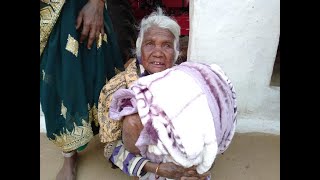
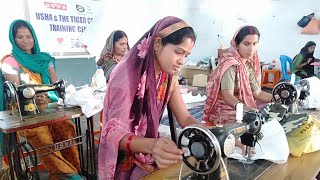
AI is already transforming healthcare. We see oncology bots in Dubai, mental health platforms everywhere, and telemedicine in China reaching hundreds of millions. A robotics store in Singapore could be developed into a pharmacy with face and fingerprint verification. Pair that with fingerprint-based breast cancer screening and a trip for a prescription, could also save your life with early cancer detection. There's a lot happening in consumer-facing health help. And in emerging economies, the real opportunity and the real challenge is getting the right tools into the right hands in the right way. I chair a not-for-profit called the Tiger Center in central India. We run medical camps for communities with no healthcare for 60 kilometers, 37 miles. My vision is this: not to build a cheaper hospital in a village. It's to extend our camps to an always accessible rural health system, one that uses technology to bring expertise to people where possible. Instead of requiring people to travel to expertise. Imagine a mother brings her child with a fever. A local trusted healthcare worker checks them with portable diagnostics: blood pressure, pulse oximeter, thermometer, glucose, hemoglobin, urine dipstick, a portable ECG, maybe a handheld ultrasound. AI supports supports the worker with possible diagnoses, questions they may have missed, danger signs, and guidance on whether the patient can be treated here or needs referral. The doctor is not replaced. The worker is amplified. This only works if the system is designed for dignity, as ours is. Not charity. Clean, private space. Respect. Clear explanations. Consent. Female healthcare workers when needed. And every patient should leave knowing 3 things: what's wrong, what we'll do about it, and what happens next. The new camps would become a doorway into continuing care. Each patient gets a digital longitudinal health record. Difficult cases connect remotely to specialists. High-risk pregnancies are caught before they become emergencies. Hypertension and diabetes are found before they cause strokes. Technology must also be offline first. Rural India does not always have connectivity or solid, high-throughput connectivity. The system has to work without it, then sync when good connectivity returns. And we must not ignore the behind-the-scenes stuff: reliable medicines, cold chain logistics, supply chain governance, ethics, regulation, and business models. Vaxxas is making shelf-stable vaccine patches that could, in some cases, remove refrigeration entirely. Drop Access in Kenya built a solar-powered vaccine refrigerator now serving over a million people. In Cameroon, Arthur Zhang created the Cardiopad so heart patients in remote villages can be monitored from hospitals miles away. These are not just technologies. They are fusions of technology, Design, local insight, and business innovation. This is also— this is also personal. My daughter waited 4 months to see a doctor in the UK's National Health Service for a potentially fatal condition. We finally used telemedicine and were seen in 20 minutes. In Singapore, our family paid hundreds of dollars per hour For mental healthcare, which is not usually insurable. We were fortunate to be able to do it. Others aren't. No one should have to forego lifesaving care. So my invitation is this: start with people, not technology. Understand the patient journey. Build or join the ecosystem. Invest in foundational capabilities before scaling. And never design for illness alone. Design for life and promotion of wellness. At the TIGER Center, we know the next steps we'd like to take. Training local smartphone users to ask good health questions. Use AI responsibly and escalate when needed. We'll review our camps and potentially useful technologies that might make them even better. Technology creates opportunity, but the real magic happens when people and technology work together. Let's work together.