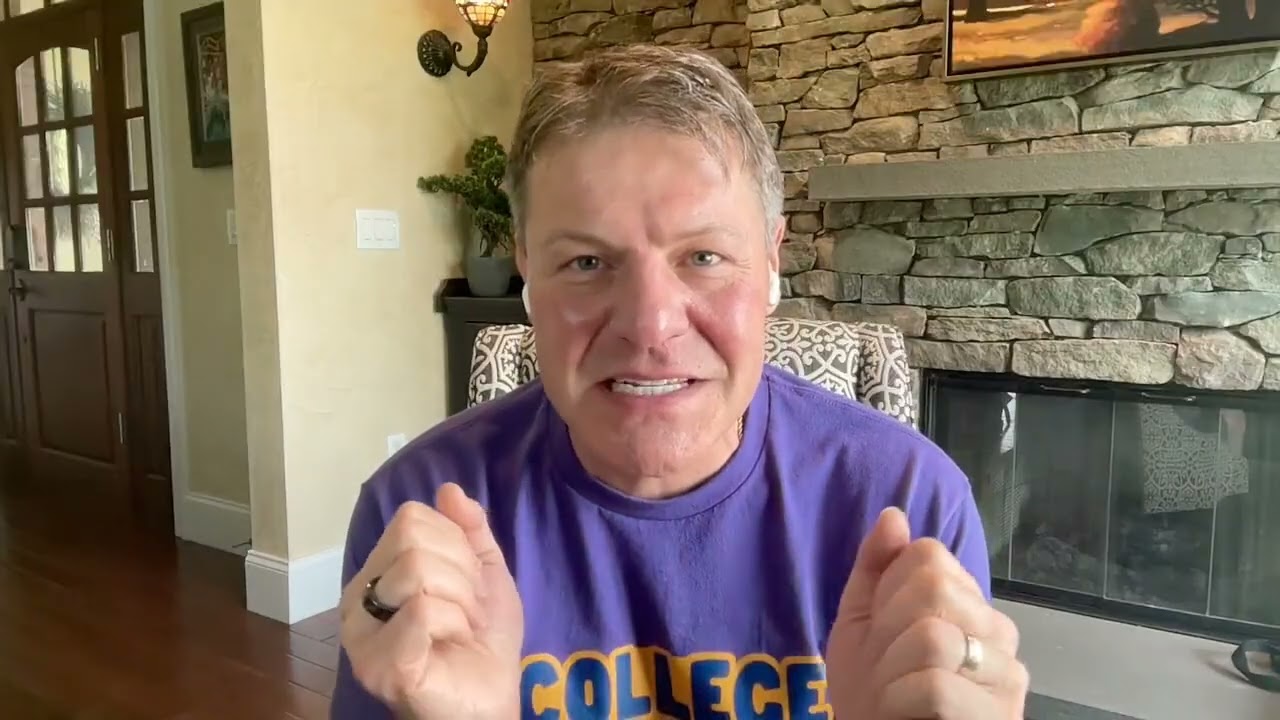
In this 2026 YouTube presentation, Jeb White, founder of CollegeAdmissions.com and author of Breaking into College, uses Charlie Munger’s inversion mental model to expose ten common ways students sabotage their Common Application personal statement and offers the opposite, actionable strategy for each. The sabotages include writing for an imagined admissions officer, turning the essay into a resume, overusing thesaurus‑level language, choosing overused “safe” topics, avoiding vulnerability, centering the essay on someone else, trying to tell an entire life story in 650 words, procrastinating and skipping revision, letting too many adults rewrite the draft, and announcing the lesson instead of showing it. For each, White provides a concrete inversion: write authentically for yourself, focus on a single vivid moment, use your natural voice, embrace ordinary details, reveal honest flaws, keep the student as the focal point, follow one thread, treat drafting as discovery and revise deliberately, seek feedback on ideas not voice, and demonstrate growth through narrative. The talk concludes with a promotional pitch for a paid three‑session “Get It Written College Essay Challenge” that promises step‑by‑step guidance, lifetime access, and a free digital/audio copy of his bestselling book.
Chapters
All right, today I want to talk to you about how to sabotage your college essay and what to do instead. Hey everyone, I'm Jeb White, founder of CollegeAdmissions.com and the author of the best-selling book Breaking into College: The Underground Playbook for College Admissions. And I want to start with something that has absolutely nothing to do with college admissions. On the surface, but I promise you it has everything to do with it underneath. So, Charlie Munger, he was Warren Buffett's longtime business partner, one of the greatest investors who ever lived, had a mental model he used constantly. He called it inversion. Instead of asking, how do I build a great business? He'd ask, how do I destroy this business? He'd make a list of every single way to sabotage it. And then he'd flip that list. Whatever showed up as the fastest way to ruin something almost always pointed straight at the thing you needed to do to make it thrive. Charlie Munger's reasoning was simple. We are wired to spot problems more easily than we're wired to spot opportunities. Ask someone, how do I write a brilliant essay? And they freeze. Ask that same person, how would you write the worst, most forgettable essay a college could receive? And the list practically writes itself. So that's what we're going to do today. I'm going to give you 10 guaranteed ways to sabotage your Common Application personal statement. The 10 things I see over and over that quietly kills a student's chances. And for every single one, I'm going to hand you the inverse. What to do instead. By the time we're done, you're going to have a working blueprint for a standout essay, and you're going to see your current draft or your blank page completely different. All right, let's get into it. Sabotage number 1, move— here we go— write what you think the admissions officer wants to hear. This is the single most common way students torch their own essay, and they don't even realize they're doing it. They imagine some faceless committee member sitting behind a desk, and then they try to guess what that person wants— resilience, leadership, global citizenship, whatever buzzword is trending— and they write towards that imagined checklist instead of writing toward the truth. of who they are. So here's the problem. Admissions officers read thousands of these essays a season. They can smell a performance from a mile away. The essay stops being about the student and starts being an audition for an audience that doesn't actually exist the way the student imagines. So here's the inverse. Write for yourself first, not for them. In my book, I talk about this constantly. The essay isn't a job interview where you're selling a product. It's closer to a conversation with a curious friend. The question isn't, what do they want to hear? The question is, what's true and what's mine? When a student writes from that place, the authenticity comes through on the page whether or not they ever consciously try to create it. That's the whole trick. You cannot fake specificity. You can only find it. All right, sabotage Number 2, turn the essay into a resume in paragraph form. I see this all the time. A student lists their club presidency, then their varsity letter, then their volunteer hours, then their internship, and calls it an essay because it's in sentences instead of bullet points. But the admissions committee already has that information. It's on the activities list. It's in the transcript. Restating it in prose adds zero, zilch, nothing new information, and worse, tells the reader nothing about who this person actually is. So here's the inverse: go small and go deep. The best essays I've read take on one narrow moment, sometimes 5 minutes of a person's life, and mine it for everything it's worth. Not, I volunteered at a shelter, but specific Tuesday afternoon when a dog nobody wanted finally let the student get close enough to put on a leash, and what that then taught them about patience. Depth brings breadth every time. Your activities list already covers breadth. Your essay's only job is depth. Sabotage number 3: reach for the thesaurus. Students think sophistication equals big words, so they'll write, I was cognizant of the ramifications, instead of I knew what would happen. They'll swap out every plain verb for something that sounds impressive, and the essay ends up reading like it was written by a robot trying to pass a vocab test. So here's the inverse: write in your actual voice. Read your essay out loud. If it doesn't sound like something you'd say to a friend explaining what happened to you, it's not ready. Admissions readers aren't grading your SAT vocab. They have your test scores for that. They're trying to hear an actual 17-year-old human being. The most memorable essays I've read sounded like someone talking to me, not someone performing. Simple, clear sentences beat ornate ones almost every single time. All right, sabotage number 4: pick the safe Expected topic: the mission trip, the sports injury comeback, the COVID reflection, the moving to a new school taught me to be brave essay. None of these topics are forbidden, but when a student picks the topic because it feels like the topic you're supposed to write, the essay usually ends up sounding like every other essay in the pile because 1,000 other students had a version of the same experience and reached for the same conclusions. So here's the inversion: mind the ordinary, not the dramatic. Some of the strongest essays I've worked with had nothing to do with a crisis or an achievement. One student wrote about the specific way she organizes her spice rack. Another wrote about losing repeatedly at chess to his little sister. The topic itself was never the point. The point was what the topic revealed about this specific person and how they see the world. A small, ordinary moment examined honestly will beat a big topic handled generally every single time. All right. Sabotage number 5: play it safe and avoid real vulnerability. Students are terrified of looking bad, so they write only about their strengths, their victories, their growth. Polished and tidy with the rough edges sanded off. What's left is often flat because there's no real stakes and no real risk in it. So here's the inversion. Let the reader see something true, even if it's uncomfortable. This doesn't mean trauma dumping or manufacturing a crisis you didn't have. It means being honest about a real flaw, a real mistake, a real moment of doubt, and trusting the reader to handle it like an adult. The essays that stick with admissions readers are the ones where the student was willing to be a little exposed on the page. Vulnerability, used carefully, is the fastest way to build trust with a stranger reading about your life for the first time. All right, sabotage number 6: Make the essay about someone else. This one sneaks up on students. They set out to write about their grandmother or their coach or their little brother with special needs, and 3 paragraphs in, that other person has become the main character. The reader finishes the essay knowing a lot about Grandma and almost nothing about the student who supposedly wrote it. So here is the inverse: use other people as a minor role Not the subject. It's completely fine, often powerful, to write about someone who shaped you, but every single paragraph has to circle back to you— what you noticed, what you did, how you changed. The other person is the lens. You are what's in focus. If you can delete your own name from the essay and it would read the same, the essay is not finished yet. All right, sabotage number 7: try to tell your whole life story in 650 words. Some students panic and try to cram their entire bio into 650 words— childhood, family history, every major turning point— because they're afraid of leaving anything important out. The result reads like a highlight reel with no time To actually breathe or go deep on anything. So here's the inverse. Trust one thread all the way through. The personal statement is not your autobiography. It's a narrow window into how you think. Pick one thread, one relationship, one obsession, one recurring habit, one specific tension in your life, and follow it all the way to the end. A reader remembers one vivid, fully developed idea far longer than they remember 6 rushed ones. All right, sabotage number 8: wait until the deadline and skip the revision. Yikes! I understand why this happens. The essay feels overwhelming, so students avoid it until there's no time left, bang out a draft at 11 PM the night before it's due, and submit the very first version They wrote. First drafts are almost never the real essay. They're the student clearing their throat before they actually start talking. So here's the inverse: treat the first draft as a discovery draft, not a final. In my book, I walk through this process in detail. The real essay usually shows up in draft 3 or 4, after the student has written their way past the obvious, the expected, version and found the more specific, the more honest one underneath. Revision isn't fixing what's broken. It's where the essay actually gets written. Build in time for that. Okay. All right. Sabotage number 9. Let too many adults rewrite it. A parent edits a line. A well-meaning English teacher tightens up a paragraph. A counselor suggests a stronger opening. Each small change is small and reasonable on its own, but string enough of them together and the essay slowly starts sounding like an adult wrote it instead of a 17-year-old. Admissions readers have seen millions of these essays. They notice immediately when the voice doesn't match the age of the writer. So here's the inversion: get feedback on the idea, not a rewrite of the sentences. Ask the adults in your life Good questions. Does this sound like me? Is this the most interesting way to tell this story? Where did you get bored in my essay? But keep your own hands on the keyboard for the actual writing, and certainly don't hand this off to AI. The essay should have exactly one author. Feedback should sharpen your voice, never replace it. All right, sabotage number 10. Announce the lesson instead of showing it. This is by far the most common essay-ending mistake I see. A student tells a specific, interesting story for 5 paragraphs, and then the final paragraph turns into a summary. This experience taught me the importance of perseverance and taught me to always believe in myself. The moment the essay starts explaining its own moral, It stops trusting the reader and it stops being interesting. So here's the inverse: show the change, don't announce it. Let the reader watch you think differently by the end than you did at the beginning through a new detail, a new action, a shift in how you describe something. If the growth is real on the page, you never have to say the word growth. At all. The best endings land the insight without underlining it with a red pen. So there it is, 10 ways to sabotage your personal statement and 10 inverses that if you actually apply them will put your essay ahead of the overwhelming majority of what admissions officers read this year. Here's the thing about inversion though, knowing the list is not the same as knowing which of these 10 things is quietly wrecking your own draft right now, or knowing how to find your actual story when you're staring at a blank page with a deadline coming. That's exactly why we built the Get It Written College Essay Challenge. It's a 3-session program that walks you step by step through exactly how to write your Common Application personal statement, from finding your real story to building a strong first draft to revising into something that sounds like you at your best. It's $47. And when you join, you also get a free digital copy and audio copy of my bestselling book, Breaking into College: The Underground College Admissions Playbook, yours to keep for life. And you get lifetime access to this program. You've got more than one student in the house, that's especially valuable because you'll have it for every one of them, not just this application cycle. You get immediate access the moment you sign up. So where do you need to go for this? You go over to collegeadmissions.com/essay, collegeadmissions.com/essay to join and get immediate access to the 3-session program. Claim your free copies of the Breaking in the College Book. Take the 10 Savage Points, flip them, and go write something true and powerful that will resonate with admissions committees. And I'll see you in the sessions for the Get It Written College Essay Challenge. I can't wait to see the stories that you tell and the colleges where you go to. JebWhiteCollegeMissions.com. Until tomorrow, go out there every single day and seize your legacy.