
“Breaking Free from Narcissistic Abuse: Mia Hanks Journey from Trauma to Triumph” | CJ Moneyway Show
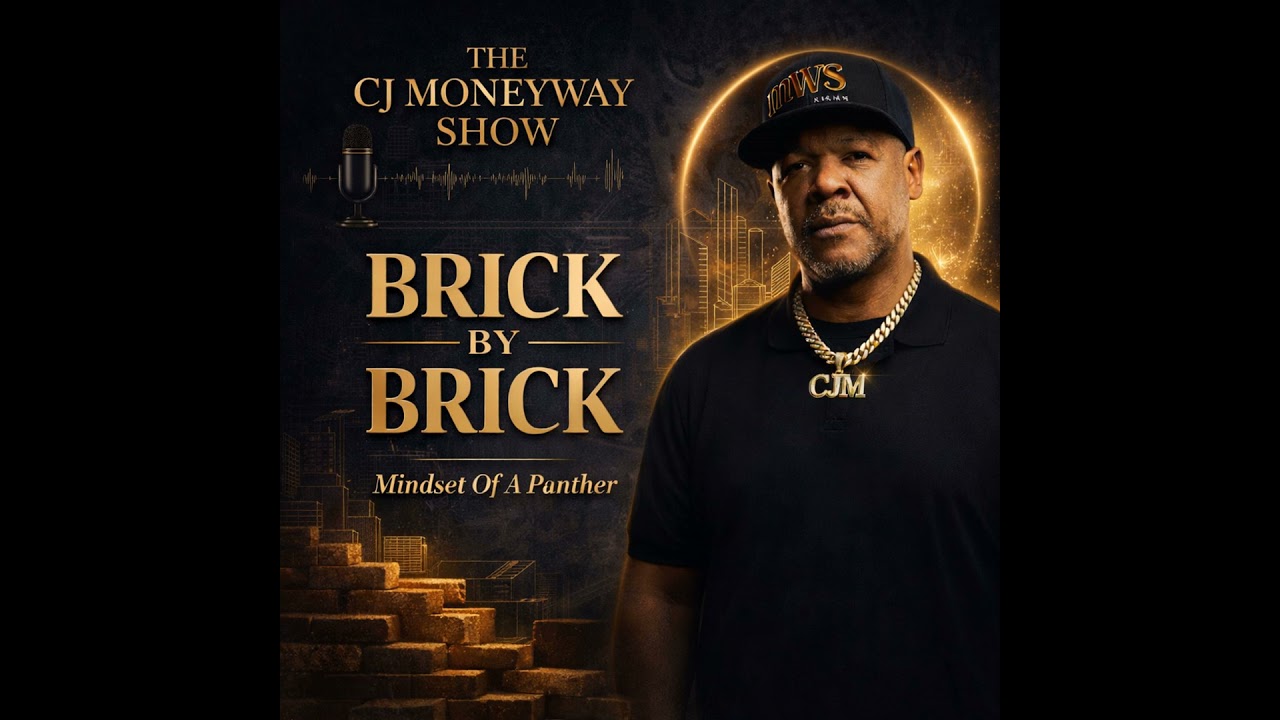
In this CJ Moneyway Show episode, host CJ Moneyway interviews survivor Maya Hanks, who recounts her 29‑year marriage to a covert narcissist and her eventual escape. Maya explains covert narcissism as a hidden form of abuse where the perpetrator appears kind and empathetic publicly but manipulates, controls, and gaslights behind closed doors. She discusses gender prevalence, early warning signs such as lack of empathy and love‑bombing, and why covert abuse is hard to detect. The conversation delves into the psychological, emotional, and financial control tactics used to trap victims, the resulting trust issues, and the toll on physical health. Maya shares practical, safety‑focused steps for leaving an abusive partner, emphasizing financial preparation, support networks, and therapy. She promotes her memoir "Bridesmaid," which documents her experience and aims to validate other survivors; the book has earned a Literary Titan Award. Throughout, Maya offers advice to survivors, stresses the importance of speaking out, and provides resources and encouragement. The episode also includes sponsor reads and promotional content.
Chapters
RingCentral's AI Receptionist uses voice AI to answer on the first ring, so you'll never miss a call again. In just a few minutes, you can personalize your own AI Receptionist to answer questions, route calls, schedule appointments, and even send texts in multiple languages. Plus, it's easy to scale. Create unlimited AI Receptionists across any phone system. It's all powered by one reliable platform for effortless AI communications. See for yourself at ringcentral.com. RingCentral, voice of your business.
Welcome to CJ Moneyway Media, a storytelling platform built brick by brick where conversations become lessons and experiences become perspective. This is the mindset of a panther, panther, moving with patience, discipline, and purpose. From podcasts to books to media storytelling, CJ Moneyway brings voices, journeys, and real conversations to the forefront. You're now listening to the CJ Moneyway Show.
What's up, my good people? Welcome to the CJ Moneyway Show, powered by GI, the state's capital, where we inspire, empower, and uplift one conversation at a time. Today's guest has an incredible story of survival, courage, and transformation. Please welcome Maya Hope to the show. Hey, how you doing, Maya?
Good, how are you?
I'm all right, I'm all right. So Maya, let's jump into this. Got a pretty interesting story.
Yes.
Understanding what being a narcissist is, a narcissist abuse. What is narcissism versus covert narcissism?
So covert narcissism, it's just a form of narcissism. I think there are about 4 different types of narcissists. Covert narcissist is interesting because they tend to, out in public, appear to be anything but a narcissist. So they are kind, they're humble, they are very empathetic, you know, very caring and very generous, but that's all a mask that they're wearing. They like to play the victim when they can. And then behind closed doors, they are controlling, manipulating, abusive. And so it's considered one of the more dangerous types of narcissism because the victim oftentimes isn't believed by the outside.
So let me ask you a question. You know, evidently it's possible that maybe you experienced something like this before. So what is the ratio of women and men? Who's more so likely to be in that category?
I'm not sure what the actual statistics are, but in the research I've done, definitely narcissism is more prevalent amongst the male population. But that's not to say that there aren't plenty of female narcissists out there as well. It's just, I think, more prevalent among males.
Yeah, because I asked the question because probably about 4 or 5 months ago I had a friend and he was going through a relationship like that, and she was calling him that, and he was calling her that. It was just crazy. But, you know, just from the outside looking in, it seemed like she was more so, you know, saying the control, you know.
Yes, yes.
Who is me? You know what I'm saying? And everything is everybody else's fault. Like you say, you throw stones and then you hide, you know, right? And so that's what it seemed like to me. So let me ask you Why is covert abuse often harder to spot?
You know, I think for one thing, as a victim, you tend to get wrapped up in this to the point that you're not sure if you're being abused or not. You know, I mean, you're so— you're in such a brain fog. You endure so much gaslighting, and it's hard to find validation on the outside because everybody that knows your partner you know, mutual friends and whatnot, these people think, for in my case, the outside world, our friends thought my husband was fantastic, you know, he's so nice, he's so charming. And so it sort of makes it hard for the victim to get that validation that they need that, yes, something is wrong. And you tend to start internalizing it and saying, well, I think there's something wrong with me. And so that's what I did for many, many years. I was in this relationship, in this marriage for 29 years. So it is really hard to break out of that mindset and realize that you are not the problem.
So let me ask you, 29 years. So I know, you know, coming out of something like that is trust issues and things of that nature. So how long did it take you, or are you still in that process of trusting, you know, saying someone else, not to be in that type of relationship again?
I think trust is, you know, yeah, that's something that I think anyone coming out of an abusive relationship, trust issues are huge. You know, you tend to think that everybody has an angle, everybody has a motive. And so it's hard. It's hard to trust people for sure. I found that my social circle is much, much smaller today than it's ever been. And, you know, I'm okay with that, really. I'm a lot more selective about who I give my time to. So yeah, I think it definitely creates trust issues. And whether or not I ever trust to the level I used to trust again, I don't know. It remains to be seen.
Let me ask you a question, Maya. So how long did it take for this type of abuse to form in your relationship? And I guess the question is, why did you stick around so long?
Well, you know, it starts kind of slow. All narcissists kind of use the same playbook and they will begin a relationship with something called love bombing. So basically they identify a target, they go after people with similar characteristics, they like people who don't have a lot of boundaries, people who are easily guilted, people who are willing to take the blame all the time, people pleasers, They identify their victim and then they begin this love bombing process where they're just over-the-top attention and gifts and all these wonderful things and they're so in love and these are fast-moving relationships usually and so in the beginning it seems great, right? And it's a snowball effect. I was seeing signs before I got married, but I didn't know what narcissism was, so I didn't know what to look out for, but slowly over time, you know, it just builds and builds. It's like the more they get away with, the more bolder they become. And why I stayed for so long, I mean, I think so many reasons. I felt like the problem was me. And so I was willing to take on all of the blame. And I just felt like if I could be better, if I could do better, this relationship could work. So I really did want this marriage to work. And then, you know, you introduce children. And at that point, you know, I had many moments where I wanted to leave, but I could not wrap my head around the idea of sharing custody with my kids, you know, and I felt like I was doing the right thing by keeping my family together. Hindsight is 20/20, and looking back, that was not the right decision. I should have left. But, you know, I think we just get wrapped up in what our normal is, and this type of mental abuse, to me, it was my normal during that marriage. And of course, there's financial abuse as well. He had control of all of the money, and it takes money to leave. So lots and lots of reasons why I stayed. And I'm just, you know, I'm glad, even though it was way too long in the marriage, I'm glad that I found my way out.
So you made me think of something when you said that, uh, they turn it around and make you seem like it's your fault, and so you start playing the guilt game. And so you being from Houston, I was thinking about a group that's from Houston when they say, "My mind is playing tricks on me." You know, I guess it makes, you know what I'm saying, you on the other side You the wrong person. So let me ask you, recognizing the red flags, because you said that before you got married, you kind of sensed it, but you didn't know what this was. So what are the early warning signs of this type of behavior?
The first sign that I think really stuck with me was his general lack of empathy. You know, he just didn't have a genuine concern for other people, primarily me. I saw this very early on. I noticed like For example, if I was sick, he would not be sympathetic. He would not, you know, say, "Oh, I'm sorry you're not feeling well. What can I do for you?" His reaction instead would be to be angry with me because it was an inconvenience for him. I noticed that anything that inconvenienced him or disrupted his plan was like the end of the world to him, and I thought, "How strange," you know. It was just a complete catastrophe if his day got interrupted. And, you know, I saw him as being somebody who was really selfish. But again, I didn't know what narcissism was. Certainly, I had never heard of narcissistic personality disorder. So I didn't know what to look out for. But yeah, I would say, you know, for people out there, pay attention to how your partner makes you feel about yourself. I mean, that's a question to ask yourself.
Mm, so it make you feel like you got low self-esteem.
Definitely.
Things of that nature. You said that you didn't know in the beginning, and I don't, you know, blame you because I just found out about it. Like I say, I never heard of it until a few months ago when, like I was telling you, a friend of mine was going through a situation like that. I had never heard of this type of behavior, but then after I heard it, then you hear it more and more and more. So let me ask you, Maya, because you brought this up, you said the financial control. How does financial, emotional, and psychological control trap victims?
Well, I think with the, you know, the psychological control, it's about making you feel like it's your fault. And so, you know, you don't feel justified in leaving this relationship. I mean, I felt like I would be the one breaking my family apart, and I didn't want that on me. So definitely that would be the psychological factor of it. The financial factor is a pretty big one, and a lot of people don't talk about it. The fact of the matter is it takes money to leave. You have to have money to leave. You've got to have somewhere to go. You've got to be able to support yourself during that time of when you are waiting for this divorce. And also, it's worth mentioning, you've got to have money to hire an attorney. To even get divorce proceedings rolling. So I think for a lot of people, it's just, you know, it's the lesser of evils to just stay in these relationships trapped, but at least be financially secure. And, you know, I understand that, but there are resources out there, I think, for, you know, people that are needy.
RingCentral's AI receptionist uses voice AI to answer on the first ring, so you'll never miss a call again. In just a few minutes, you can personalize your own AI receptionist to answer questions, route calls, schedule appointments, and even send texts in multiple languages. Plus, it's easy to scale. Create unlimited AI receptionists across any phone system. It's all powered by one reliable platform for effortless AI communications. See for yourself at ringcentral.com. RingCentral, voice of your business.
To get out of these relationships, but financial abuse. I would assume that a lot of people end up staying for their entire marriage in these types of relationships because of finances.
This episode is brought to you by CJ Moneyway Media, where podcast ideas become platforms. Through the Moneyway Lab Masterclass, CJ shares real lessons from the lab for creating creators building their voices brick by brick. From powerful guest conversations, storytelling that inspires growth, CJ Moneyway Media is about one thing: building legacy through stories. Learn more at CJMoneyway.com.
Music style, music style.
Mm. So let me ask you, Maya, because you said, you know, you was in it for 29 years, so the escaping the abuse, what finally made you decide to leave after almost 30 years?
You know, it was a lot to do with my physical health. Just my body was falling apart under the stress that I was living under. Our bodies are just not made to live in that fight or flight state all the time. And I was suffering from chronic pain, anxiety attacks, headaches, stomachaches, absolutely no sleep. And I just, you know, at some point I just decided this isn't sustainable. I cannot survive this anymore. I did wait until both of my kids were grown, out of high school, to leave because I didn't want to deal with that whole custody issue and family court and whatnot. Again, if I had it to do over again, I would not have waited that long. But yeah, I really waited until I was physically falling apart before I finally said, something has to change.
So let me ask you, what type of steps would you recommend for those preparing to leave that's in these type of situations safely?
Yeah, safely is the key word. You know, the biggest thing I think you have to keep in mind when you're leaving a narcissist is that you aren't leaving a neurotypical person. And these are people that, you know, they are not going to react well to being discarded. It's just, it's not on their agenda. So you have to realize that, and I think it requires a lot of careful planning. You can't, I don't think, abruptly leave and be safe. You really have to think things through. And the first step I would tell people is start setting aside money. It's not as difficult as you think. For example, when you go out and buy groceries, get cash back. It's hard to track. Another thing you can do is purchase gift cards. And these little things will add up over time and you can amass a little bit of money to leave with, but you really do need to, you know, you need to have a support system. It doesn't have to be a big one, just 1 or 2 people is sufficient. A therapist is so helpful if you can find a therapist, specifically one that knows about narcissism, but really just carefully planning your move and what you're going to do and You know, knowing ahead of time where you're going and how you're going to support yourself before you leave.
Mm. You know, you made me think. I'm watching this TV show on Netflix, and I was watching it yesterday, and you know, the guy, he's a major drug dealer and things of that nature, and he beats on his wife. And in this one scene, she was trying to leave. She told him that she was leaving him. And like you say, he controlled the money, he controlled this and that. And he physically beat her up. And so, you know, is that part of this equation? Is it the physical and mental abuse?
I mean, in my case, it was only the psychological mental abuse. And I don't know what the statistics are on narcissists and how many of them, what percentage, resort to physical abuse. But, you know, really, I mean, any of them, if pushed far enough, I suppose they could, you know. I would not have put that past my ex-husband there at the end, you know, especially when I was leaving. I mean, you just don't know what they might resort to, and you have to be prepared.
Mm. So raising awareness, and we'll get to your book, why is it critical to speak out and share survivor stories?
Well, I think it helps other people out there in similar situations realize that they aren't the only ones that are in these situations. Toward the end of my marriage, when I came to realize that I had been dealing with a narcissist, obviously there were other people out there in that situation, but I just couldn't fathom that, you know, I felt like I was the only one. So I think it really helps give validation to victims if they know that they're not the only one, they're not alone, and there is support out there. So, and then just spreading awareness, you know, like I say, I didn't know what narcissism was. I had never heard of narcissistic abuse. It is such a prevalent thing right now. And again, these victims, you know, unless they know that there's something wrong, it's hard to find that validation to walk away from these relationships.
So let me ask you, Maya, is the big thing— and I know that's why you came on the show, that's why I had you on— let's talk about your book Bridesmaid.
Yes.
And how is changing lives worldwide. Tell us a little bit about your book.
Yeah, so when I was going through all of this and, you know, I was doing a lot of research about narcissism and just wanted to learn as much as I could, everything I found out there seemed to be written by a therapist or a psychologist. Great information, but it was all very academic, and I was seeking out something that was more of a firsthand account. I really wanted to hear another survivor's story, and I just couldn't find that out there, so You know, I decided after I had gone through about a year of therapy and my divorce was final, I thought maybe a memoir might be helpful to other people out there to put my story out there. You know, it's hard to be vulnerable and it's hard to admit that I lived this way for so long. But, you know, I felt like it might be something that would be valuable information to someone else who was living through this very thing.
Mm. So how's the book doing?
You know, I think it's doing pretty well. I just, you know, I'm hoping that it gets into the right hands of people who need to read it. And, you know, I'm just trying to promote it as best I can on podcasts. And I just really want to, like I say, get it out there to people who need to read it and need that validation in their own lives.
Mm. So, Maya, you know, I thank you for coming on and sharing your story with us. One more thing. I have a quickfire round.
Okay.
And I will ask you 5 questions and you just tell me the first thing that comes to your mind.
Okay.
But before we go there, where can we find your book and where can we find Maya Hanksett?
So I have a website and also my book is going to be anywhere online that books are sold. So Amazon, Barnes Noble, Walmart, Target. But yeah, Amazon, it's available in ebook format and paperback. So please check it out. And if you read it, do me a huge favor and leave a review. I would appreciate that so much.
Yeah, reviews are big. Check out Maya's— Hank's book, Bridesmaid. That's changing lives. You're not the only one going through this. So Maya, are you ready for this quickfire round?
I think so.
I don't be nervous. I'm not gonna ask you anything Outlandish, nothing outlandish. First thing I'm actually— since this is what we've been on— most rewarding moment since publishing Bridesmaid?
I think my book won an award, um, a Literary Titan Award, and so that was kind of cool. I was really pleased to get that recognition.
Wow, congratulations, congratulations. Okay, one word to describe your journey so far?
Interesting. Let's see. Not boring. Yeah, not boring. Adventurous. Adventurous.
One book you would recommend besides Bride Maid?
Oh, that's hard. A book. Okay, let me think. Give me a second. So anything at all?
Anything.
Anything at all. I like suspense and I really like this author. Named Jodi Picoult. So I would say anything by Jodi Picoult.
Anything by Jodi Picoult. See, quick fire round, it's not hard, but I leave some people stuck sometimes. That's why it's a fan favorite.
Yeah.
So let me ask you, Maya, one red flag you can now spot instantly?
Lack of empathy.
Yeah, for sure. For sure.
So one last question, and then I'm gonna let you go on about your day. And I, cause I know you gotta do a lot of promoting. We be on, we do a lot of digital stuff, we online all the time, checking numbers and all this type of stuff. So let me ask you, if you could give your younger self advice in one sentence, what would it be?
You don't need to please everybody.
Like that. Yeah, I like that one.
People— I'm like, you don't need to be a people pleaser.
I like that because I'm like Maya, because I'm like you in a sense too. My circle is very small.
Yeah.
And just like you said, I'm cool with that. Yeah, I'm okay with being a lot of times by myself, you know, with my wife and son, but You know, I spend a lot of time by myself.
So yeah, it's quality over quantity.
Mm. I like that. I like that. So, Maya, one final advice for survivors who are feeling trapped today.
My advice would be don't stay in an abusive relationship because you feel like you're stuck or because it feels too daunting to leave. You absolutely can get out. You are never stuck. And there are resources and help available.
Mm. So Maya, I thank you for coming on the show today. Your story is incredible, and I hope a lot of people are walking away from this episode feeling inspired and knowing that they're not alone. So, and for you all that you already know, if this episode hit home, share it with someone who needs to hear it. Subscribe to the CJ Moneyway Show, and like Maya said, When you go grab the book Bridesmaid, leave a review please. It goes a long way. And keep tuning in for more powerful, game-changing conversations. Until next time, keep pushing forward, keep planting seeds, and stay inspired. Catch you all on the next episode of the CJ Moneyway Show. It's your boy CJ Moneyway with Maya Hanks. We out of here. Peace.
You've been listening to the CJ Moneyway Show with real stories, real real lessons, yeah, and real perspective come together.
Remember, move with patience, move with purpose.
That is the mindset of a Panther. Until next time, keep building your legacy brick by brick by brick by brick. Music style.
If you like the show, please take a moment to rate, review, and subscribe. It really does help the show to grow. Thank you for listening.
What separates dreamers from industry leaders? Your Brand Amplified uncovers the answer. I'm your host, Annika Jackson, and I have authentic, in-depth conversations with proven entrepreneurs and business experts, some sharing the exact strategies that grew their brands, others revealing the personal stories behind their success. From digital marketing tactics to mindset shifts that change everything, they're real conversations that bridge aspiration and achievement. Find Your Brand Amplified on Apple Podcasts, Spotify, or wherever you listen to podcasts.
More from Corwin


Pressure-Proof Leadership: Claire Hayek on Neuroscience, Resilience & Leading Under Pressure

Healing With Fire: Zulma Williams on Trauma, Cancer, Depression & Finding Your Voice

The Economy of the Heart: How Love and Leadership Build Profitable Cultures | Hanna Bauer

The Doorman Nobody Valued: Wes on Storytelling, Corporate Blind Spots, and Building Brotherhood o...

Art for Your Sanity: How Creativity Helps You Survive Chaos — with Susan Hensley

Becoming Better: Ryan Gottfredson on Why Success Requires More Than Doing More

Mission Control OS™ Demo | Governance-First AI Executive Operating System | OpenAI Build Week

From Frustration to Confidence: The Dyslexia Professor’s Blueprint for Struggling Readers

Built in the Pit: Chris Duffin on Resilience, Accountability, and the Discipline to Rise

Cyber Thrillers, AI & the Future of Technology with Charles V. Breakfield & Rox Burkey