
Life By The Numbers: Utah Burgess on Music, Grit & Building Community Brick by Brick
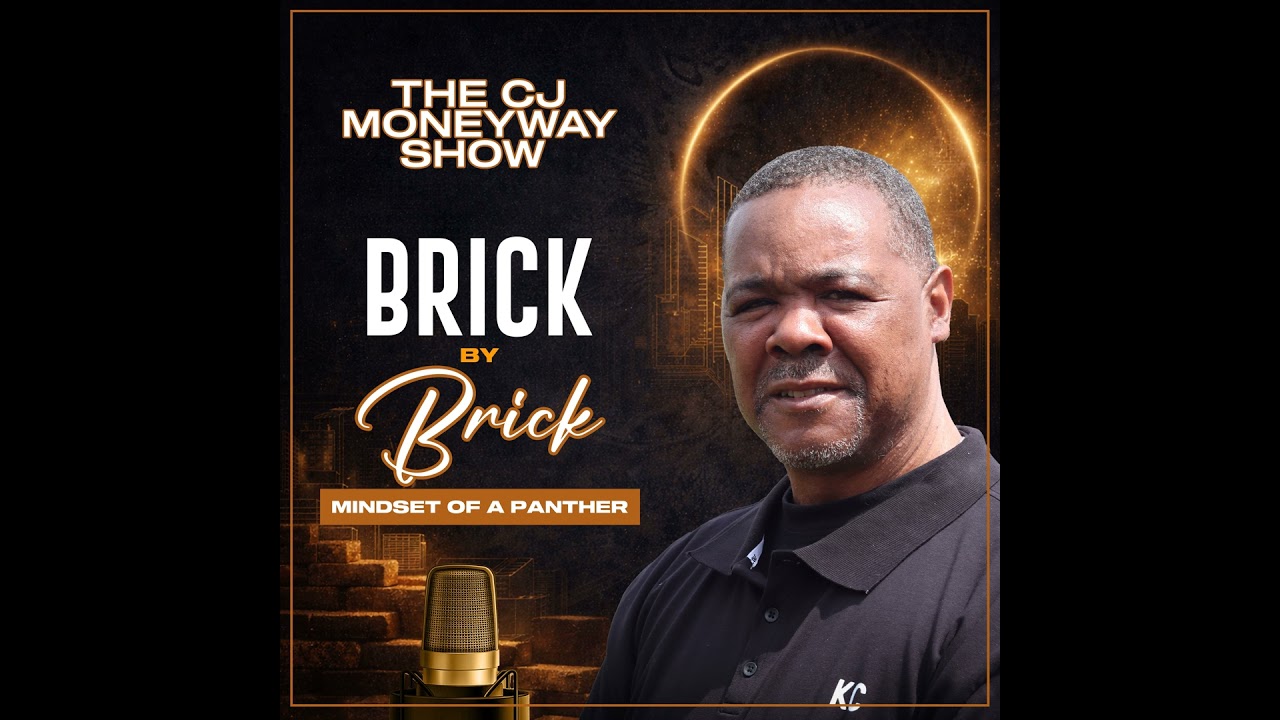
In this episode of the CJ Moneyway Show, host CJ Moneyway interviews Utah Burgess, frontman of the Americana rock band Noble Hops, founder of Shady Lady Studio Productions, and co‑host of the Grassroots Show on WLER FM. Utah recounts how moving to Western Pennsylvania sparked his immersion in a tight‑knit music scene, leading to a 20‑year business anniversary. He describes Noble Hops’ blend of straight‑up rock with alt‑country/Americana influences and emphasizes storytelling rooted in the hardworking, community‑oriented culture of Western Pennsylvania. Utah explains his production philosophy—no strict formula, relying on collaboration with talented musicians, engineers, and guest artists like Pittsburgh’s “Lady of the Blues” Mrs. Freddie. He details the Grassroots Show and the annual Band Jam Festival (started 2013) as platforms that spotlight local talent across multiple states, reinforcing his belief that genuine, grassroots music deserves a wider audience. Throughout the conversation, Utah shares entrepreneurial insights: surrounding himself with good people, maintaining professionalism, listening to others, and staying genuine. He offers advice to emerging artists—be professional, respectful, and self‑reliant—while reflecting on the toughest lessons (the need to drive your own wheel). The interview closes with Utah’s legacy message: fostering community, encouraging listeners to support local music, and reminding everyone that every star starts small.
Chapters
Welcome to CJ Moneyway Media, a storytelling platform built brick by brick where conversations become lessons and experiences become perspective. This is the mindset of a panther, moving with patience, discipline, and purpose. From podcasts to books to media storytelling, CJ Moneyway brings voices, journeys, and real conversations to the forefront. You're now listening to the CJ Moneyway Show.
What's up, my good people? Welcome to the CJ Moneyway Show, in association with Believe Network, the podcast that brings you stories behind the success, brick by brick. Today's guest is Utah Burgess. Frontman of the Americana rock band Noble Hopes, founder of Shady Lady Studio Productions, and co-host of the Grassroots Show on WLER FM. Utah's music career is built on being authentic, entrepreneurship, and love for his community. From producing chart-worthy singles like Live by the Numbers to creating platforms for local talent like the annual band jam Grassroots Music Festival, with no longer due. Welcome my man, the front runner, Noble Hope Utah, to the show. How you doing, Utah?
Doing all right. And it's Noble Hops, hops like what you put in beer.
Yes, my— thank you, thank you, man. Noble Hops. Hey, still a successful group even though I chopped the name all the way up. Hey man, B-Man, I appreciate you coming on the show today, man. So let me ask you, Utah, man, your story and your roots. Your journey blends music, entrepreneurship, and community. How did it all start for you, man?
I mean, it just kind of started when I relocated to Western Pennsylvania outside of Pittsburgh, PA, and they call the AK Valley area, and just discovered a music scene that just floored me. The talent and the musicians that were in that area, I mean, you're just like, wow, this is Amazing. I've never seen anything like this. And a lot of them just were, they're just embedded in the community, always doing something for the community, whether benefits, you know, raising money for this, that, whatever. And so, you know, it was easy to just kind of dive into that, immerse myself in it. And I helped out with some various organizations that raised money for causes and kind of was like, you know, I can do this as well and I can probably do it as a business. And so I dove into that. And I've always just kind of flirted with being a musician, you know. I'm just— I'm a hack, really, of a musician. But, you know, so the business side of that along with the musician side of it really went hand in hand. And it lends itself to be able to— my being able to talk to a business owner on one hand but also talk to an artist on the other hand, because business people are business people. They got one way of seeing things. And artists, man, they're crazy.
Yeah, yeah, you know what I mean?
So, you know, being able to kind of bridge that gap has been key to my longevity, but it's also been— and I say longevity because yesterday was our 20th anniversary of being in business.
So, oh man, congratulations.
You know, we've been around a bit, but it, you know, I also owe it to just surrounding myself with just good people. That's important to do that. There's no doubt about that. I've just met and stayed in contact with and made friends with a lot of great people that have helped the journey. There's no doubt about it.
That's cool, man. Again, congratulations on that 20 years, man. That's a long time. That's a long time. So let me ask you, uh, Utah, man, so how long you been in the Pennsylvania area, man?
26 years now.
Okay. And so when you stumbled upon that, you said it was a whole different scene, huh? That— and you fit right into it and And like the man that you are, you say, you know what, I'm going to be the front runner. I'm going to be the front man of this thing, man. So let's keep it moving. And so you talk about— let me ask you, man, how did your Pennsylvania roots shape your approach to rock and roll and storytelling?
Oh, it's— everybody out in Western Penn, they're hardworking people. They're very grounded in their communities and in themselves. So there's kind of a realness and a lot of genuineness to the people. In the area that I'm from. And so, you know, and they've all endured hardships like everybody else has in life. I mean, they've endured life. That's what life is. Life is hardships, it's pain, it's fun, it's good times, it's all kinds of stuff. So I think just the experiences of everything around me and the people that I've met throughout my life have shaped a lot of the stories that I try to convey through my music. You know, we're straight-up American rock and roll band, but The songs that we write about are pretty relatable, I think, to people, because anybody who's lived a genuine life anyway.
You know, I did an interview with a guy, he's from Pennsylvania as well. He wrote some books. He wrote one book about how the Steelers saved Pittsburgh. I know, you know, it's the blue-collar city where you got the steel mills and everything, just like here in Gary, Indiana. So I know what you mean by hard work. You got to get out there, do what you got to do. But his book, man, the way that he broke it down, man, it was intriguing on how the '70s Steelers, you know what I'm saying, how you said how United and everything had built that city, man, and brought them together. You know, it was really intriguing on what he said and just listening to you on how you, you know, commanding the people there, man. So now I'm really believing that. And matter of fact, my pastor, my pastor and them is from Pittsburgh, you know. They came down here in 1980, '82. So my pastor's them— I can't pronounce it. I chop it up like I did y'all group. I can't announce the name of Apalupa, something like that. But they from that area.
Alaquipa.
That's what it is.
That's what it is.
Yeah. So man, glad to be a part of that. Enjoy that with you right now. So let me ask you, Utah, man, who inspired your drive to create Platinums like Shady Ladies Studio and the Grassroots podcast that you have?
The people around me. I mean, again, it's just the local musicians in the scene where I live right now. And I say it all the time on our radio show is the talent in our area is as good as anything anywhere else in the world on the national level or anywhere. Everybody that's famous is not the only good people that's out there in the world, whether it be an athlete or a musician or whatever. You know, they caught their break however they did it, either through hard work or luck or whatever. But yeah, the songs and the music that's coming out of the area I'm in, I'll put it up against anything in the world. I stand by that every Sunday night on my radio show.
I like it, man. I like it. He said we'll stand up against anybody toe to toe, blow for blow. Pittsburgh, New York, LA, whoever. Hey, Utah said they bout that life right there, man. I like it. I love it, man. So let me ask you, man, let's talk about Noble Hops. How would you describe your band's signature sound?
Yeah, I mean, just straight up rock and roll with some— I like— we usually say alt-country leanings, but we've been lumped into the country basket and the Americana basket with some of our music. But we can be pretty broad. I mean, we can be pretty hard and aggressive to, you know, just, yeah, some feel-good music to some— something will make you kind of kick back and think a little bit.
So I like that. So let me ask you, Utah, man, what was it like collaborating with Mrs. Freddie?
Yep.
On the gospel-infused bridge, man.
Yeah, I mean, well, she's, you know, Pittsburgh's Lady of the Blues, uh, she— and, uh, I've known her for a long time. I mean, through my production company, I've, you know, worked with her in the past, and I've gone out to see her perform in the past. And just the song, I just felt needed something in that bridge part because that's kind of where it just sends it home, so to speak. I'm like, you know, I'm trying to preach, but in a way I kind of am. I mean, you know, this is trying to give you some what I think is sound advice here. And so I just needed somebody to lay that gospel down for me. And I just thought of her and it was really neat because, you know, she agreed to do it, which that was cool all on its own. But, you know, she came in on to the studio on Mother's Day after working a full shift at the hospital and then belted that out for us. So, I mean, And she's as genuine as it gets to. If you get a chance to talk to her, talk to her too, man. She's cool.
Oh man, I love it, man. See if you can set that up, man, or set us up for something early part next year sometime. That'd be nice. Hey, so let me ask you, Utah, man, what's your process for producing music that feels authentic and community-driven?
Boy, you know, that's, you know, that's a question we often ask people on our show too, but I don't really have a I don't know that I really have a formula or any kind of a regimen to it. It's sometimes it just comes out and sometimes I have to put it aside for a little while and then come back to it. But sometimes, you know, when it— I mean, I wouldn't say sometimes when it's there, it's there.
Yeah.
And when it's finally there, it just— you put it together, you know, and I'm fortunate that I play with 3 incredible musicians who take the ideas and just make them even bigger and better than what I ever thought they would be. And that's, you know, that's key. That's so important. And then, you know, we work with a great, uh, worked with a couple great recording engineers and got a great producer and, you know, brought Miss Freddie in. And so again, it's just the people you surround yourself with is just, it's everything.
This episode is brought to you by CJ Moneyway Media, where podcast ideas become platforms. Through the Moneyway Lab Masterclass, CJ shares real lessons from the lab for creators building their voices brick by brick. From powerful guest conversations, storytelling that inspires growth, CJ Moneyway Media is about one thing: building legacy through stories. Learn more at cjmoneyway.com. Music style, music store.
I know that's the truth, man, but you tried to fool me early on, Utah, man. You told me that you was a hack. Can't be a hack, man, if you got great ideas like that. You know what you do, son? You bring Miss Freddie in and now you make this our anthem, man. Come on, Utah, man. You trying to mess with me in the first place, man.
I'm a hack. That's why I have to surround myself with such good people, okay?
Hey, hey, even hacks have good ideas every now and then, huh? And so I love it, man. So let me ask you, man, how has your entrepreneur spirit helped Nobel Hop grow beyond a band into a movement?
Yeah, I mean, that's a, that's a tough one. I just, I'm a driven person, there's no doubt about that. And you know, I have spent, and this is no knock on anyone, I'm not looking for a Nobel Prize over this, Nobel and Noble, but no, yeah, yeah. But you know, I've spent the bulk of my time in the music industry just doing for others. And I kind of, my stuff was always on the back burner, you know, and stuff just laying around because there's only so much time. We were talking about that earlier as well. There's only so much time. And, you know, then the passing of a good friend of mine, a singer-songwriter who writes great music, his stuff was recorded and it was available. And now that he's gone, his music isn't, it's still there. And so I was like, hey, I got to make a move here. I got to reset the sails in a different direction if I'm ever going to accomplish what, you know, I personally want to accomplish. So, you know, there's some drive there for sure.
I like it, man. You got to keep on striving no matter how high you reach the top, man. You still got some levels to go, man. So I like the grounded mentality that you have, man. So let me ask you, Utah, man, the Grassroots Show is a lifeline for local artists. Why is champion homegrown talent so important to you?
Well, again, I, cause it deserves the spotlight that, you know, we're, I mean, we're just a small station. We're not, you know, one of the powerhouses in downtown Pittsburgh, but you know, we do stream, we stream all over the world. We know that because people contact us from all over the world on top of just, you know, our little FM signal that reaches our area of Western Pennsylvania, but you know, they deserve a spotlight and. I've been able to find a way through a radio station that has management that supports it and a co-host that absolutely loves the music as much as I do, Mr. Bob Cupp. And so, hey, we're going to do our part to put a spotlight on it best we can.
Man, that's cool, man. Like you say, giving back to the community. And the thing I like about what people like yourself do, like, you made it, you know, you got you frontman of a band, you got 20-year anniversary, things of that nature. But although you've made it to a certain pinnacle in life, how you will help others to get and reach their goals and, and reach their dreams, you know, and how their dreams come true, man. And I commend guys like you and people like you, man, not just being selfish, man, but want to give back and help others along the way too. Because a lot of times God-given gifts that we have is not just for us. It's for others too to bring along, and sometimes we miss that in life.
I like that. I like what you just said, man. You're just spot on.
Yeah, I appreciate you, man. So I only got a couple more questions for you, Utah, man, but I do have a Moneyway round, the Moneyway Five. I'm gonna ask you a question, man. Tell me the first thing come to your mind.
Oh boy, there's 8 tracks going on in my head all the time, man. I don't know which one's gonna come out.
Hey, I tell you what, Utah, man, right now ain't the time to be a hack, man. Right now is not that time, but Before I go there, man, let me ask you this, man. Speaking about helping other people out and things of that nature, tell us about the Band Jam Festival. How does this event bring your mission full circle?
Well, yeah, that's really, I guess, our live festival showcase of our Grassroots Show that we do, our radio show. So we basically once a year do a 3-day music festival, and it lets us take musicians that we have featured and talked about and played all year around and put them on a stage and let them showcase their talents in front of a decent audience. I mean, we draw from a few states in the area. I think we had people there from 5 different states this year. Our highest ever has been 8 different states. So it's not the largest festival in the area by any means, but it's the people that come to that music festival are there to listen to the music. So, and as any artist, that's really what any artist really wants. They They want to be heard. They want somebody to sit there and, you know, hey, I wrote this song and wow, there's people actually listening to it and responding to it. So it's a chance to do that.
That's cool. So is it like, how long you guys been doing it annually?
We started it in 2013, missed a year because of COVID So we've been doing the radio show since 2012. And then in 2013, we had the first festival.
Okay. Longevity. So my man Utah said, we ain't no fly-by-night. Radio station or band, man. We here for the longevity, man. I like it. I like it. You inspire me, my man. You inspire me. So Utah, man, my final question for you: what advice do you have for artists trying to strive while staying true to their grassroots?
Yeah, I would say try and be as professional as you can. I mean, you know, be as professional as you can and respectful as you can. 'Cause you never know who might be actually trying to help you out or lend you a hand or open a door for you, or there was some advice buried in maybe what was said there that might serve you well. So yeah, I think that's— Yeah.
I get it. Always got to be open, man. I remember a story that a pastor used to tell us back in the day. He say, the man came, she was looking for Jesus, and he came 3 times, and each time she turned him away. Because she was looking for him in a way that she thought that he was gonna come. And so, you know, it made me think about that when you said that be careful how you treat people, be genuine, be nice to people, because you don't know why somebody's there, why he placed somebody there to give you a hand. And you could have just slapped the hand that was placed to, you know, saying to help you out, man. So it's always nice to be courteous and be mindful of your surroundings, man. Say too Birds. I know what he said a little bit. Be careful how you entertain strangers, man, because they have made entertained angels unaware, man. We gotta watch how we walk in life, man. But I like the way you walking with that longevity. So let's get to this Money Fire Utah, man. Mind shift. What's a belief or mindset shift that shaped your career the most?
Yeah, it's just been listening to people. I mean, it really has been. I Listen to people, and like I said, there's sometimes things in what's being said that are important lessons.
Yeah, they call it little nuggets, you know, the small nuggets, you know. You never know because nuggets can just be thrown out there and you might miss it. But I'm grabbing these that you throwing out here today, man. Be mindful and careful how you treat people, man. That's a good one. Hey, Brick by Brick Lesson, what's the toughest lesson music or entrepreneurship has taught you?
Oh, well, unfortunately, you can't always depend on everybody. You know, one thing I did learn very young in life is that at the end of the day, the best helping hand is at the end of your own arm. And sometimes you can't forget that too. So you're the one driving your own wheel, so you better keep your hands on the wheel.
Exactly. And we better quit cheating ourselves too, you know what I'm saying? Sometimes we cheating ourselves from obtaining the goals that we trying to get, but we don't I understand that either, but I was just thinking about that earlier that you brought something that made me think about. So let me ask you, Utah, man, faith or core value? What principle anchors your vision as an artist and leader?
Try genuineness.
Genuineness. One more. Legacy insight. When people hear your music or attend your events, what do you hope they take away from it?
Sense of, I guess, community. I mean, I think that's, you know, one of the things I'm really proud of over the last 20 years is I think I've been instrumental in bringing a lot of musicians who otherwise would have never met each other together and introducing them through, you know, the show and through music festivals and things like that. I think, you know, that's been big. Our scene is bigger now because of it, I think. And people have crossed rivers and left, you know, went over the hill that separates their communities. And a lot of collaboration anymore going on, and it's cool to see.
So Utah, man, before we get out of here, man, I just gotta ask you one last thing. Give us one last thing, man, something that's on your heart, man, that you would like to share with the audience before we get out of here.
Give that music a chance, you know. Uh, even the big names all started out small somewhere. I mean, local music, in my opinion, is the best value for your entertainment dollar, and You can drop $400 on a ticket in a stadium and pay for parking and pay $15 for a beer. You can walk into a local venue practically for nothing, free sometimes, and, and hear incredible, incredible music, real music, people pouring their hearts out to you.
I like it, man. And I like the analogy that you gave before that. A star wasn't a star before they became a star. You know, that's just the bottom line. Everybody started from somewhere and everybody needed support along their journey to get to where they are now. So man, start going to your local bars, man. Hit my man up. Where you at right now, where's man, where you at right now?
I live in Pittsburgh. I'm actually talking to you right now from Mid-Ohio though. So I'm, I'm in Mansfield where they filmed the movie Shawshank Redemption from. Ohio State Reformatory is here. It's a pretty cool place to check out.
Oh, that's a classic right there, man. That's that. I love that movie. And you know, that's a movie that no matter how old it is, just like The Christmas Story, no matter how old it is or how many times you see it, if you sitting down and then come across the TV screen, you gonna find yourself watching it, man. Because Andy and, uh, I can't remember Morgan Freeman name in that, but they were some characters, man. That was a good movie. So So Utah, man, thank you for sharing your story, man, and reminding us that building a legacy isn't about shortcuts. It's about showing up for your community, creating from the heart, and lifting others as you climb. Hey, you have been listening to the CJ Moneyway Show with your boy CJ Moneyway and my man Utah Brooks. Until the next time, we outta here. Peace.
You've been listening to the CJ Moneyway Show. Woo! With real stories, Real lessons, yeah, and real perspective come together. Remember, move with patience, move with purpose. That is the mindset of a Panther. Until next time, keep building your legacy brick by brick by brick by brick. Music style.
If you like the show, please take a moment to rate, review, and subscribe. It really does help the show to grow.
Thank you for listening.
More from Corwin


Pressure-Proof Leadership: Claire Hayek on Neuroscience, Resilience & Leading Under Pressure

Healing With Fire: Zulma Williams on Trauma, Cancer, Depression & Finding Your Voice

The Economy of the Heart: How Love and Leadership Build Profitable Cultures | Hanna Bauer

The Doorman Nobody Valued: Wes on Storytelling, Corporate Blind Spots, and Building Brotherhood o...

Art for Your Sanity: How Creativity Helps You Survive Chaos — with Susan Hensley

Becoming Better: Ryan Gottfredson on Why Success Requires More Than Doing More

Mission Control OS™ Demo | Governance-First AI Executive Operating System | OpenAI Build Week

From Frustration to Confidence: The Dyslexia Professor’s Blueprint for Struggling Readers

Built in the Pit: Chris Duffin on Resilience, Accountability, and the Discipline to Rise

Cyber Thrillers, AI & the Future of Technology with Charles V. Breakfield & Rox Burkey