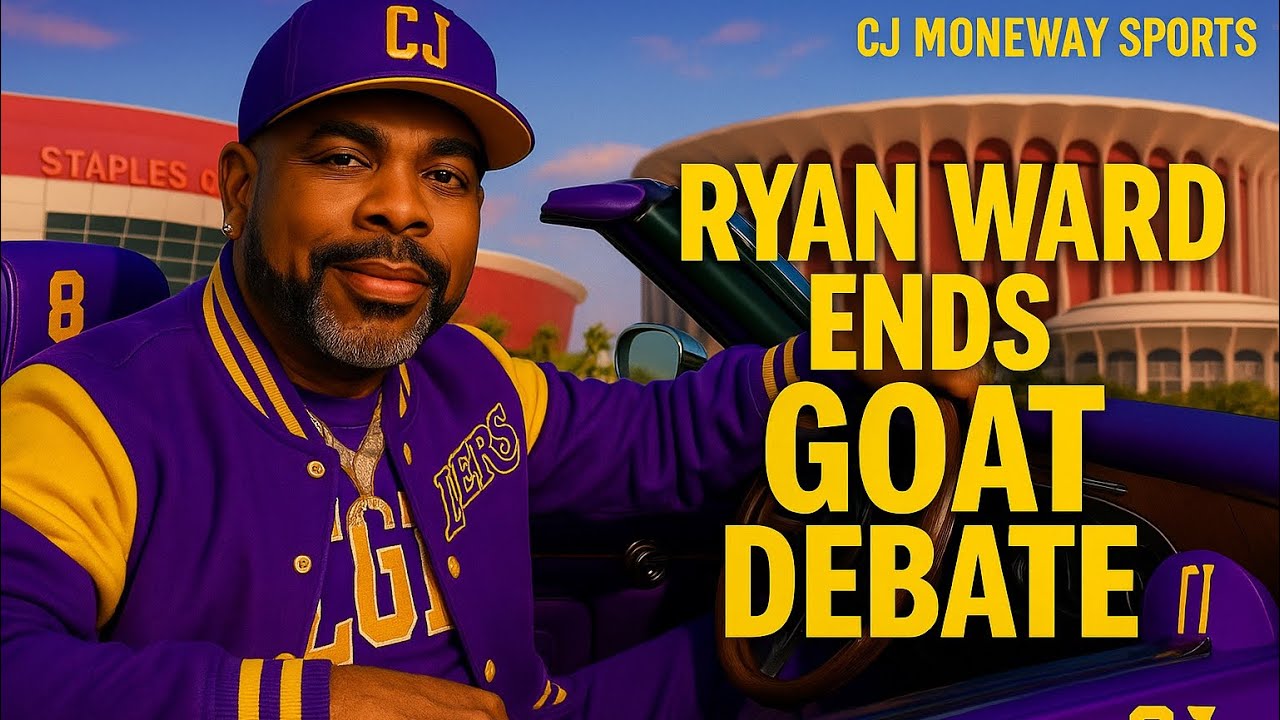
In this brief interview segment, Speaker B, a sports reporter, discusses the unique challenges of covering the Los Angeles Lakers. He explains that the Lakers generate a disproportionate amount of media attention, both positive and negative, due to manufactured drama, rumors, and off‑court storylines. This constant spotlight means the team dominates front‑page coverage even when performing poorly, unlike teams such as the Denver Nuggets. Speaker B contrasts this with his experience covering games in Denver, noting the stark difference in media intensity and the value of stepping away from the Lakers beat for a year to gain perspective. Speaker A acknowledges the difficulty, prompting a brief exchange.
What makes this roster unique or challenging to cover? Don't, don't, don't come get through out there, man. You know what I'm saying? Cool, man. I ain't trying to get you in trouble.
No, no, I'm fine. I, I'm at the point where I'm just— I'll say whatever the hell comes on top of my head, whether that's good for me or not. But it's, it's tough because there is so much manufactured drama around the team, right? I'm not saying the team does that to itself, but it's, they're always going for the big names, right? They're always in rumors. There was always off-court drama of some sort. There's, they got so much attention on them, whether they're bad or good. It's like this. Well, it's not the same amount of attention, but it's even when they're really bad, they get more attention than say, the Denver Nuggets, right? Like, they're still, you know, on front page. Yeah, yeah. It's just, it's just, and that I've always said that I've always liked to see, I like to cover another team just for a year just to see the difference. And I think it would be a drastic difference because like I'm in Denver right now, right, with, with family. And so I go to Denver games when they play the Lakers, right? I get credentials and I go and I get, I see the difference. Isn't— it's a huge difference.
I bet it is.
It's just the way you did— they deal with the, the media in the back. They're just— they just really take care of you here. But in LA, it's like there's just so much going on all at the same time that it's— I don't feel like they can control it in a sense. So they do kind of have this kind of— I, I don't know how to— you kind of have to experience it to really know what I'm talking about. Yeah, but it's like I I felt that drastic difference. But it's, it's, it's incredible. I wouldn't give it up for anything, you know what I mean? Like, I just, I'd do it for free. I mean, I honestly would because I just love the team and I love the just being able to say I cover the NBA, you know, and then all the experience, all the experiences I've had, you know, Kobe's 60-point game. It's mostly like, you know, covering Kobe and just going through that whole because it was such an interesting time in his career. Good and bad, right? Like bad because, you know, the— after the Achilles, just, you know, kind of a slow decline and his body just kind of failed him, right? And then, you know, the 60-point incredible performance that was just— I've never covered anything like that before. I don't think I ever will again. Um, but it— seeing that, you know, and then going through, you know, his tragic death, which was awful, and, and seeing, you know, how that affected the entire community and, and, and more so the world. I mean, it just— it was a huge loss for so many people. And you saw how important it was. But I— it's a crazy thing, man. It's a crazy experience. I mean, that's why I say, like, you don't know what the hell is going to happen this summer because crazy stuff happens all the time.