Metrobyte - Silicon Alley Job w/The Globe guys

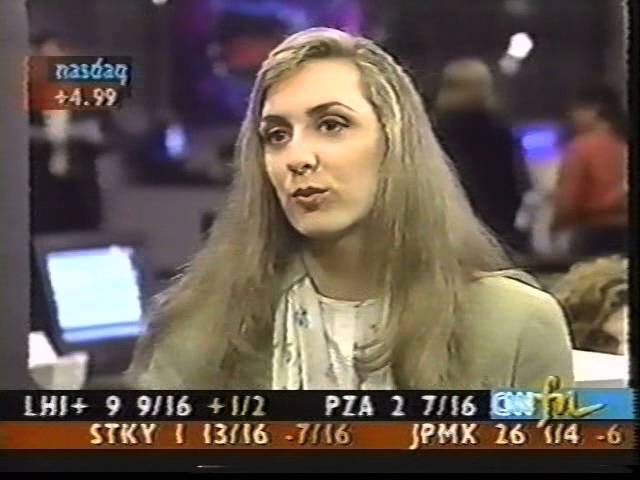
In this MetroNet interview, host Bobby Rivers talks with New York cyber columnist Courtney Pulitzer and TheGlobe.com founders Todd Kreiselmann and Stephan Paternot about the rise of New York’s “Silicon Alley,” the origins and vision of TheGlobe.com, and the broader cultural shift in the mid‑1990s internet ecosystem. The founders describe TheGlobe.com as the MTV‑style, socially‑focused online community that grew to 1.5 million members, funded initially with $15 K from Cornell, and aimed to become the “home online” for millions. They discuss how Silicon Alley transitioned from a loose collection of hobbyists in the early ’90s to a recognized content capital by 1995‑96, contrasting it with Silicon Valley’s hardware focus. The conversation also touches on the strong presence of women artists and programmers in the scene, the need for networking and events, and practical advice for recent graduates launching startups—researching markets, building business plans, and leveraging online resources and community events. The segment ends with the founders’ five‑year growth aspirations and a call for more female superstars in tech.
Chapters
I'm bonding with internet superstars. Welcome back to the MSG Metro Learning Center. Now tonight on MetroNet, we are learning about Silicon Alley. Joining us right now, the lovely eyes and the lovely ears of the Silicon Alley, cyber columnist for @NewYork, Courtney Pulitzer. How you doing, Courtney?
Fine, how are you?
Pretty well, thank you. Also with us are Todd Kreiselmann and Stephan Paternot, the founding members of TheGlobe.com. They have created one of the hottest and hippest online communities on the internet today. Okay, now let me start with the gentlemen. Are you the two who said that your company is more like MTV than VH1?
Guilty.
Yes.
Uh, we have.
Okay, now I used to be a VH1 VJ. Why?
Uh-oh.
Well, basically, we felt that The Globe is to the internet in terms of communities what MTV is to the rest of television. Very cool, very on the edge.
I feel so old now. Courtney, what is @NewYork and what do you cover?
@NewYork is an online newsletter, and it's delivered via email, and there's a website. It covers all of New York internet industry angles. Business, government, education, and I cover the cyber scene, so I cover the social aspects of it.
Okay, there we've got a shot of that on the TV right now. So Courtney, would you be covering Todd and Stephan?
Yes, I have covered some of their parties that they've had and different events that I've seen them at.
Now, I don't want to ask them this to put them on the spot, but are they— at how old are you?
24.
Are they millionaires at 24?
I think so. Well, that's what the buzz is. At least their company is doing.
Okay, they're looking down. There's a little bit of a blush going on there, so I think you might be right. Okay, fellas, tell us, what is theglobe.com?
The Globe is an online community of about 1.5 million members. Focuses on the social side of things. So instead of being a place where you'd go and just go search for something, it's the destination resort of choice online.
How did you develop this idea?
Well, basically, about 3.5 years ago, we got together, raised some small seed capital starting with about $15,000. At Cornell? At Cornell while we were taking classes still. And this was right at the beginning of the web, so we were very on the edge there and got our money, started building the website, hired a few people.
We constantly thought about how we could build something that would be better than AOL, something that would be much more social, a place you'd want to hang out.
Yeah.
I mean, essentially something where you'd be proud to wear a t-shirt of it.
Looking cool in black, like you said.
Absolutely.
Before we go to the phone, are you two going to be advertising on the last episode of Seinfeld?
Yes.
We are. Oh my lord. You rock. You are the man. All right, is this Mike from Smithtown?
Yes, it is.
Wouldn't you like to be able to advertise on the last episode of Seinfeld?
Yeah, sure would.
Okay, Mike, what is your question for our trio here?
My question is, when do you think the Alley became a legitimate entity?
Good question. Okay, let's start. Courtney, why don't you take that first?
Sure.
Um, I think that it always was legitimate. Um, it just depends on who was thinking of it as such. I think that the business and more people out in, let's say, the rest of the country really started noticing it and paying attention to it in like '95 and definitely '96.
Todd?
I think over the last 2 years it's become very important. Now that there are thousands of new media companies out there and you have a lot of people who are creating the content for the web, New York City specifically and Silicon Alley is the content capital of the world. Whereas in the past it used to be Silicon Valley as far as just producing technology. Now New York City with Silicon Alley is very important.
Okay, now I've heard that for Silicon Valley, they like— there's like this big pipe which the stuff could flow through it. The Silicon Alley here in New York City provides what goes through the pipe.
Yeah, essentially it's all the content and the media. It's the thing that you go onto the internet for.
Okay. All right, Mike, does that help you out?
Yes, it does. Thank you very much.
Okay. Courtney, how has the alley changed over a few short years?
Well, it's— again, it's just grown incredibly. Before, it was lots of small groups of people getting together and trying to figure out what is this, what is the internet, how can we do business with this, how can we create on it. And since businesses have grown and everything's just bumped up in terms of the recognition. Now there's much more of a business sense, and it's gotten a little more sophisticated. People are still getting together and meeting and talking about what they can do and exploring all that, but there's much more of a business sense to it.
We've got one more phone call. Is this— hey, Tony, is this Carol? Yes. Okay, Carol.
Hi.
Carol, hi, how are you?
Okay, how are you?
Pretty well, thank you. Are you calling from Danbury, CT?
Danbury, Connecticut.
We love Danbury. Okay, what's your question?
Are there many women artists in Silicon Alley?
Good question. Let me start with, uh, with Stephan. Why don't you take that first?
Yeah, there's essentially a huge talent pool in New York City, uh, in terms of artists and editors and all types of talent for the internet. So, uh, as far as women artists, I think there's plenty of them. We have a lot of women artists in our company as well.
Courtney?
Yes, there's, um, that's one of the great things about this industry is that there's so many women who are creating on all aspects, and there's women programmers. So it's, it's definitely an area where you can bond with other women, and there's lots of great networking going on in that area also.
Now, we've been talking about the internet, Silicon Valley, Silicon Alley, and you see, like, the superstars, right, guys from Bill Gates on down to you two guys. It's predominantly male. Now, when are we going to see a female superstar?
You're looking at her.
All right, we got her there. All right, Carol, does that help you out?
Yes, it did. Thanks so much.
Well, thank you for watching and for calling in. Where would you like to see theglobe.com go in 5 years?
Well, I think we want to see the company grow where we have millions of members, where we get to the point where we say we have, you know—
We're looking at some of your work on screen right now.
—tens of millions of people who are using the community. Right now, we're finally getting to a point where the internet itself is mainstream, and we view ourselves as that place as your home online. So as that market becomes larger, we hope to capture a great share of it.
Okay. Now, Tony, did you say we got a fax? We got a fax. Ooh. God, I love technology on TV today. All right. Our fax is from Diane. Diane's in Westport, Connecticut, and she says, or writes, "What kind of advice can you give a young entrepreneur graduating college?" a young entrepreneur graduating from college, what kind of advice can you give?
I think that one of the first things you need to do is to research the marketplace environment that you're in and then go and create a business plan.
Where do you go to do that research?
Uh, to do the research, you can find a lot of information on the net, in fact. Or just speaking to a lot of other people who are already in the industry you're looking at. Often they'll be the first ones who can give you a lot of different ideas and put some structure to your thoughts. Okay.
Um, actually, I would, um, follow with that in saying I would encourage, um, that person to start going out to the different events and meeting people. There's seminars galore that are going on, and that's where you can really start meeting people and finding out how to go about what you're doing.
I want to thank all of our guests for joining us tonight. Courtney, Todd, Stephen Pulitzer, Kreiselmann, Paternoff. Okay, so I don't leave out the last names. Now here's Barbara Alvarez to tell us what's coming up on Mind and Body here at the MSG Learning Center. I'm bonding with internet superstars. Welcome back to the MSG Metro Learning Center. Now tonight on MetroNet, we are learning about Silicon Alley. Joining us right now, the lovely eyes and the lovely ears of the Silicon Alley, cyber columnist for @NewYork, Courtney Pulitzer. How you doing, Courtney? Fine, how are you? Pretty well, thank you. Also with us are Todd Kreiselmann and Stephan Paternot, the founding members of TheGlobe.com. They have created one of the hottest and hippest online communities on the internet today. Okay, now let me start with the gentlemen. Are you the two who said that your company is more like MTV than VH1? Guilty. We have. Okay, now I used to be a VH1 VJ. Why? Uh-oh.
Well, basically we felt that the Globe is to the internet in terms of communities what MTV is to the rest of television. Very cool, very on the edge.
I feel so old now.
Courtney, what is @NewYork and what do you cover? @NewYork is an online newsletter and it's delivered via email —and there's a website. It covers all of New York internet industry angles: business, government, education. And I cover the cyber scene, so I cover the social aspects of it.
Okay, there we've got a shot of that on the TV right now. So Courtney, would you be covering Todd and Stefan?
Yes, I have covered some of their parties that they've had and different events that I've seen them at.
Now, I don't want to ask them this to put them on the spot, but are they— how old are you? 24. Are they millionaires at 24?
I think so. Well, that's what the buzz is.
At least their company is. They're looking down. There's a little bit of a blush going on there, so I think you might be right. Okay, fellas, tell us, what is theglobe.com?
The Globe is an online community of about 1.5 million members. Focuses on the social side of things. So instead of being a place where you'd go and just go search for something, It's the destination resort of choice online. How did you develop this idea?
Well, basically about 3.5 years ago, we got together, raised some small seed capital starting with about $15,000. At Cornell? At Cornell, while we were taking classes still. And this was right at the beginning of the web, so we were very on the edge there and got our money, started building the website, hired a few people.
We constantly, constantly thought about how we could build something that would be better than AOL, something that would be much more social, a place you'd want to hang out. Yeah.
I mean, essentially something where you'd be proud to wear a t-shirt of it.
Looking cool in black, like you said. Absolutely. Before we go to the phone, are you two going to be advertising on the last episode of Seinfeld? Yes, we are. Oh my Lord, you rock! You are the man. All right, is this Mike from Smithtown? Yes, it is. Wouldn't you like to be able to advertise on the last episode of Seinfeld? Yeah, sure would. Okay, Mike, what is your question for our trio here?
My question is, when do you think the Alley became a legitimate entity? Good question.
OK, let's start. Courtney, you— why don't you take that first?
Sure. I think that it always was legitimate. It just depends on who was thinking of it as such. I think that the business and more people out in, let's say, the rest of the country really started noticing it and paying attention to it in, like, '95 and definitely '96.
Todd?
I think over the last 2 years it's become very important. Now that there are thousands of new media companies out there and you have a lot of people who are creating the content content for the web. New York City specifically and Silicon Alley is the content capital of the world, whereas in the past it used to be Silicon Valley as far as just producing technology. Now New York City with Silicon Alley is very important.
Okay, now I've heard that for Silicon Valley, they like— there's like this big pipe which the stuff could flow through it. The Silicon Alley here in New York City provides what goes through the pipe.
Yeah, essentially it's all the content and the media. It's the thing that you go onto the internet for. Okay.
All right, Mike, does that help you out?
Yes, it does.
Thank you very much. Okay. Courtney, how has the alley changed over a few short years?
Well, it's— again, it's just grown incredibly. Before, it was lots of small groups of people getting together and trying to figure out what is this, what is the internet, how can we do business with this, how can we create on it. And since businesses have grown and everything's just bumped up in terms of the recognition, now there's much more of a business sense, and it's gotten a little more sophisticated. People are still getting together and meeting and talking about what they can do and exploring all that, but there's much more of a business sense to it. We've got one more phone call.
Is this— hey, Tony, is this Carol? Yes. Okay, Carol.
Carol, hi, how are you? Okay, how are you?
Pretty well, thank you. Are you calling from Danbury, CT? Uh, Danbury, Connecticut. We love Danbury. Okay, what's your question?
Are there many women artists in Silicon Alley? Good question.
Let me start with, uh, with Stephan. Why don't you take that first?
Yeah, there's essentially a huge talent pool in New York City in terms of artists and editors and all types of talent for the internet. So as far as women artists, I think there's plenty of them. We have a lot of women artists in our company as well.
Courtney Pulitzer. Yes, there's— that's one of the great things about this industry is that there's so many women who are creating on all aspects, and there's women programmers. So it's definitely an area where you can bond with other women, and there's lots of great networking going on in that area also.
Now, we've been talking about the internet, Silicon Valley, Silicon Alley, and you see like the superstars, guys from Bill Gates on down to to you two guys is predominantly male. Now, when are we gonna see a female superstar? You're looking at her. All right, we got her there. All right, Carol, does that help you out? Yes, it did.
Thanks so much.
Well, thank you for watching and for calling in. Where would you like to see theglobe.com go in 5 years?
Well, I think we want to see the company grow where we have millions of members, where we get to the point where we say we have We're looking at some of your work on screen right now. Tens of millions of people who are using the community. Right now we're finally getting to a point where the internet itself is mainstream, and we view ourselves as that place, as your home online. So as that market becomes larger, we hope to capture a great share of it.
Okay, now Tony, did you say we got a fax here? We got a fax. Ooh, god, I love technology on TV today. All right, our fax is from Diane. Diane's in Westport, Connecticut. And she says, or writes, "What kind of advice can you give a young entrepreneur graduating college?" A young entrepreneur graduating from college, what kind of advice can you give?
I think that one of the first things you need to do is to research the marketplace environment that you're in and then go and create a business plan.
Where do you go to do that research?
To do the research, you can find a lot of information on the net, in fact, or just speaking to a lot of other people who are already in the industry you're looking at. Often they'll be the first ones who can give you a lot of different ideas and put some structure to your thoughts.
Okay. Um, actually, I would, um, follow with that in saying I would encourage, um, that person to start going out to the different events and meeting people. There's seminars galore that are going on, and that's where you can really start meeting people and finding out how to go about what you're doing.
I want to thank all of our guests for joining us tonight. I'm Bobby Rivers. Stay tuned for Metro Body and Mind.