Ep 32 - How to Create Generational Wealth Part 1
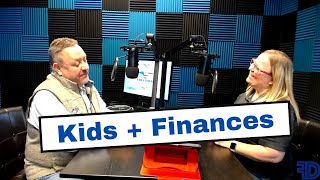
Flip and Danny break down generational wealth as assets and freedom passed to your kids, then walk through four ways to build it: start money conversations early, teach needs versus wants, encourage earning and saving 15-20% of income, and show them investing and giving.
Hey, everybody. Flip and Danny here, founders of the Freedom Real Estate Group family of companies. And welcome to another episode of our.
Podcast called Freedom through Passive Income.
That's right. And today's episode is entitled Generational Wealth.
And this is part one.
Part one. This one was too long to put into one podcast, so this is part one.
Okay, so we're going to start with what is generational wealth? Generational wealth is assets or intangibles that are passed down to future generations. So the first thing that we're going to define is assets. What type of assets are we talking about? We're talking about property. We're talking about investments. We're talking about money. What about the intangibles? What are we talking about there? We're talking about financial education. We're talking about your values. We're talking about your habits.
Those are all things that are the most overlooked.
Yeah. Yes, exactly right. Those are all things that can be passed down as you're raising your kids. So generational wealth is really created by keeping more of your money. Flip and I always talk about two skills and money. You make it, and then you got.
To keep it, and then you get to spend it. You always forget the third.
That's why the number two skill is so hard. So we know that, you know, there's lots of stories that we've all heard about people inheriting wealth. Right. And they don't value it as much because it's just been given to them on a silver spoon.
Free money.
Yes. And so it ends up going away, and it ends up going away really, really fast. So that's what. Really what we're talking about here. And the second question is, why is it important?
It gives you and your future generations to come.
Yes.
More freedom and more choices in life. You know, you might have. Or your parents might have grown up on a shoestring budget, you know, and working 60 hours a week, you know, for 50 years or whatever. But they built up this. This. The. The. The wealth. So that way you don't have to.
That's right.
You know, and then you don't have to work 60 hours a week or whatever. You might, you know, or whatever. But anyway, so it's. It's generations building and generations down in the future.
Absolutely.
All right, everybody, if you're watching on LinkedIn or Facebook or YouTube, this is your chance right now. I see the like button right here, and you see the heart button right there. This is your chance in the video to smash these buttons. Make sure you hit that heart button. Make sure, you hit that like button if you like what you're seeing and if you, if you enjoy what you're watching. But this is your chance for doing osmos.
And just remember, this is how we show social media algorithms that you like what we're sharing. So for adding any kind of value over this 365 day series, we hope you'll help us out by sharing the love.
Yeah. So again.
And then the how. So these two tie together with the why and the how. Because we talk about many times that you can change the game generationally if you just change a few things that you did from the time that your parents. I'm so thankful for our parents and what they taught us. Right. If we make a few tweaks, then we pass down different lessons and different values and different habits to that. And if we continue to do that, every generation gets a little bit wiser, a little bit smarter financially. So the how that we're going to talk about today is investing in your kids financial education because that is something we're not taught. It took Flip and I quite a bit of time to get to the point we were learning about finances and management and how to make it and how to keep it. The right vehicles, the right vehicles in which to invest in and why. That was a big deal. And if we didn't, if we could have learned that early on, we would have gotten off faster than we are right now. Now I'm very, very thankful for what we were taught as we were growing up because it enabled us to have the aspirations to be able to do what we're doing right now. But we can now change the game for other people and that's what you want to do. So you want to start investing in your kids financial education, you're going to do that this in four ways and that's what we're going to talk about here. First way is to start having more open conversations about money. I know it's a taboo topic. Don't let it be a taboo topic in your home. Talk about it all the time. You're also going to talk about needs versus wants. You're also going to talk about earning and saving money and you're going to lastly talk about investing and giving back. And so those are the four things that we're going to hit on here real quick because we like to keep them short and sweet. So I'll pass it off to you, Flipper.
We got some going so money conversations. Make it a game, make it fun.
That's right.
Because you don't want to be son. Let's sit down and talk about cash. In fact, there's a game, Cash flow for kids.
That's right.
You know, and Rich dad is that.
Rich dad, Poor dad. Robert Kiyosaki. Yep. He's the one that created it.
Right. That's why. Just making sure.
Yeah.
I didn't want to misquote, but you know, so, so like I said, make it fun, you know, have a good time with it. You know, make it a game. Make it something that they want to talk about. And start as early as you can. You know, we've got some friends, they've got one guy, he does flips and he's got his son, you know, I don't even know how old he is. 12, 13 years old or whatever. At the closing table, signing documents.
That's right.
There's another friend of ours that they've got, I don't know how many units that they own, thousands of units. But some of the buildings are in their kids names, you know, and so it's just. And then you just heard yesterday someone who just had a baby.
Yes.
And they said that they're going to buy 60 units for her this year.
Yes.
Not even one years old and they already have more units than I did at 1 years old.
That's how you do it.
That's exactly right. So. But I don't think you can start any earlier than that. That's pretty, that's pretty impressive. But you know, but have a great time with it. You know, take them to the rehabs, take them to the, you know, when you're looking at properties. Yeah, exactly. So. But start them young.
Yes.
Then there's needs versus wants. This is, this is huge. Talk about the depreciation things. We always talk about cars. Yeah, right. I talk about.
You talk.
You don't talk about. You listen about cars. I do, I talk about cars. But even new cars versus you car, used cars, new car, you drive it off a lot. It depreciates the second you drive it off the lot. And then used cars. I mean just two years ago I bought a sports car.
Yes.
Loved it. Absolutely loved it. Found out that the car was two years old, had 7,000 miles on it and I got it for half price. That's impressive considering that. Considering the sticker price was $96,000. So that's, I think that's, I think that's why you let me get. I think that's why you let me get the car. But anyway, so you know, making sure that, you know what they can do with that extra money, instead of spending the $96,000 on a brand new car, buy a used car. Then they got. You got almost $50,000. What? Guess. Private money lending? Guess CBA.
You know, look at that. Exactly.
Right. There's lots of things that they can do with it. And then the hardest thing, and you know, we grew up with it with peer pressure. It's, it's a different game today with social media, but you know, make sure that they're confident enough that, you know, their friends say, oh man, come on, let's spend this money, let's do this. And whatever, make sure they're confident enough to say, you know what? No, I'm not going to do that. You know, I'm going to actually use my money this way because I'm going to spend it this way and make this money this way. You know, so make sure they have that confidence and then they're able to stand up to the, you know, the peer pressure. And, you know, people always think about it. I mean, I've been to a couple class reunions. You know, when you go back to those class reunions, you're going to see the difference. You're going to see the people that are still working the dead end job, still working in that same little city that they, you know, or whatever town that their high school was in. They have never, they've never left.
Yeah.
You know, so you're going to see the difference. And so it's starting them young so that way it doesn't affect them later on in life.
That's right. And the sooner you get savvy about this, whether you're a kid or an adult, then the better off that you are. So you're not stuck in this dead end job. And that's why the Social Security administration did that study, man, that's 92%. It's just ridiculous. Let's change the game. Okay. Flip didn't leave much time, so I'm gonna go super fast. The number three that we want to talk about is earning. You know, you can do things like creating a business together. I know kids that are out there with lemon lemonade stands and they're just changing up. They're doing really cool things that we didn't even think about as kids. So create something together or allow them to pursue. We see kids on, what's that show Shark Tank, you know, that have created something. So just do something fun with them. That's how you teach them because you made it fun. Which applies to number one, so teach them to pay themselves first 15 to 20% of what they make. Make sure that they're setting that aside, that money can get divided up how you guys see fit. Allow them obviously the ownership of their choices. But how much should be used for giving back, how much should be used for investments, how much should be used for savings, but pay themself, then whatever's left is going to be covering all the bills and whatever is left after paying the bills is going to be used for fun. Teach them about good debt versus bad debt. And then if there's no money after paying all the bills and you've paid, they paid themselves first, they paid the bills and there's nothing left. Well then teach them about, okay, how can we make more money?
Right?
Or how do we decrease our expenses? So we went through that in other episodes so I won't keep on going. The last one is investing. Teach them what you're learning here. You know, get them on those Robert Kiyosaki books for kids and the game and just do it with them. I think that's what it's just so fulfilling for the parents to be able to give the time and to be able to know that they're making a difference in their kids life. Join groups, read books, et cetera and then giving back. Help teach them the oxygen mask principle.
That's right.
That you put it on you first because you have to be making money in order to give it back. That's right. So the more you make, the more you can give back. And I that's an important principle a lot of people don't think about.
That's right. And so I know we'd like to keep these short and sweet. This one went a little long and this is just part one.
Yes.
So again, make sure you join our groups, facebook.com forward/groups forward/freedom through passive income and then our group on LinkedIn as well. Just go to the LinkedIn little search tab and type in Freedom through Passive Income to find our group. We also have our website right down here which is freedom capital investments.com and we also have our YouTube channel. Make sure you stop by any of our channels or our groups or whatever like Love Heart. Comment, Join, subscribe to our channel. Do whatever you need you need to do, but let us know how we're doing. And again, we always like to end with invest smart, live happy. Bye everybody. Nothing on the show should be considered specific personal or professional advice. Please consult an appropriate task legal, real estate, financial or business professional for individualized advice. Opinions and information on the show are not guaranteed. All investment strategies have the potential for profit or loss.
More from Dani











Physicians and High Earners — What Real Estate Can and Can't Do for Your Taxes