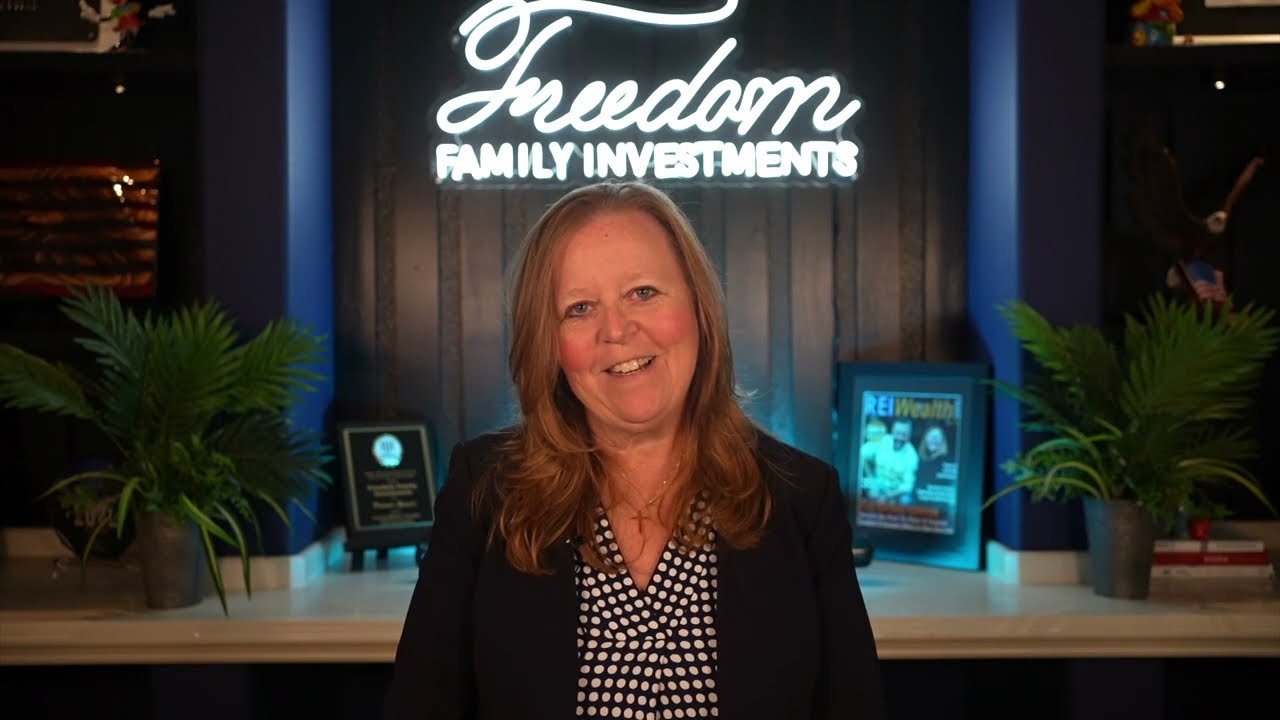
Dani Lynn Robison replaces the vague question "Is it safe?" with five concrete ones: ask about the operator's worst deal, how they're paid, who handles investor communications, what current investors say, and what specifically backs the investment. Her fund takes no management fees and only earns when investors do.
Chapters
Is it safe? Is the wrong first question. Not because safety doesn't matter, it does, but because it's so broad that almost anything can be framed as safe in the right hands. What you actually need are 5 specific questions that no one teaching you to invest has ever given you. And I understand why. You've worked hard for your capital. You're not trying to lose it. Of course, safety matters. But here's why that question is actually the wrong first question to ask. It's so broad, it leads nowhere useful. The word by itself tells you nothing actionable. What you need are specific, answerable questions, the kind that actually reveal something about who you're dealing with. The investors I watch make the best decisions over the years don't ask, is it safe? First, they ask better questions. Let me give you the ones that matter the most. Ask the operator to tell you about their worst deal. Not the best one. The worst. The one that didn't go the way it was supposed to. The deal where something went sideways. Here's what that question reveals. If they can answer it without hesitation, with specifics, with honesty, not spinning it into something it wasn't, that's someone who has nothing to hide. Someone who learned from hard moments and isn't pretending they didn't happen. And if they can't answer it, or if every deal in their history was smooth and perfect, that's your answer. We've had hard moments. A contractor submitted fraudulent invoices and progress reports while doing almost none of the actual work. When we discovered it, Flip and I absorbed that loss ourselves. We paid for the real renovation out of pocket. Our investors never saw an interruption to their returns. That's the track record I I want you to see, not a list of wins, a decision made under pressure that shows you who people are. Next, ask how the operator gets paid. This matters more than most people realize. The structure of how an operator earns money tells you everything about whose interests they're protecting day to day. Most fund operators earn a management fee, whether you make money or not. That can create an incentive problem Even when nobody intends it to. Flip and I don't take management fees on investor capital. Our fund documents allow it. That's disclosed, but we've never taken them. We earn when our investors earn. Our capital is in the same pool as yours. That's what alignment of interest actually looks like, built into how the company operates, not just said in a pitch. Also, ask who you talk to after you invest. When you have a question, a concern, or when something changes in your life and you need to make a decision about your investment, who picks up the phone? Every Freedom Investor has two dedicated contacts: an Investor Relations contact who knows them by name, and an Investor Concierge. Non-urgent questions are answered within 24 business hours, and urgent situations are handled the same day. That shouldn't be a premium feature. It's what you deserve from anyone you trust with your capital. And if an operator can't answer this question with specifics, pay attention to that. Ask if you can speak with current investors. Any operator worth working with will say yes without hesitation. We actively encourage it. We connect prospective investors with people who've been with us for years. Investors who've seen up markets and down markets alongside us, who've renewed multiple times and will give you an unfiltered view of what it's actually like to work with our team. That transparency is not something we worry about. It's something we lead with. Also ask specifically what backs your investment and what happens if something goes wrong. Not a general answer, a specific one. What real assets are behind this? What is the loan-to-value ratio? What is the capital stack structure? How are investor returns prioritized relative to other obligations? With FreedomNotes, your capital is secured by real estate assets, physical properties we own and operate. Workforce housing, senior housing, self-storage. Assets that people need regardless of what the market is doing. Conservative loan-to-value ratios. Our operating companies also stand behind the notes. That's a specific answer. Hold any investment you consider to that same standard. Fear asks, what if I lose everything? Due diligence asks specific, answerable questions that give you a real basis to decide. There's a question I've used in every uncertain moment of my life, in markets, in chaos, in decisions that felt impossible. I pause and ask, is that actually true? Because most of the time, the fear story your mind is telling you is not actually true. And the way to find out is to ask better questions. In one of our next videos, I'm gonna talk about the specific asset classes we invest in and why demand for them holds up regardless of what the economy does. Because understanding what's behind your investment is the most important thing you can do. If you're ready to ask those questions directly, go to chatwithfreedom.com. We welcome every one of them. I hope this was helpful, and I hope we have the opportunity to work together.