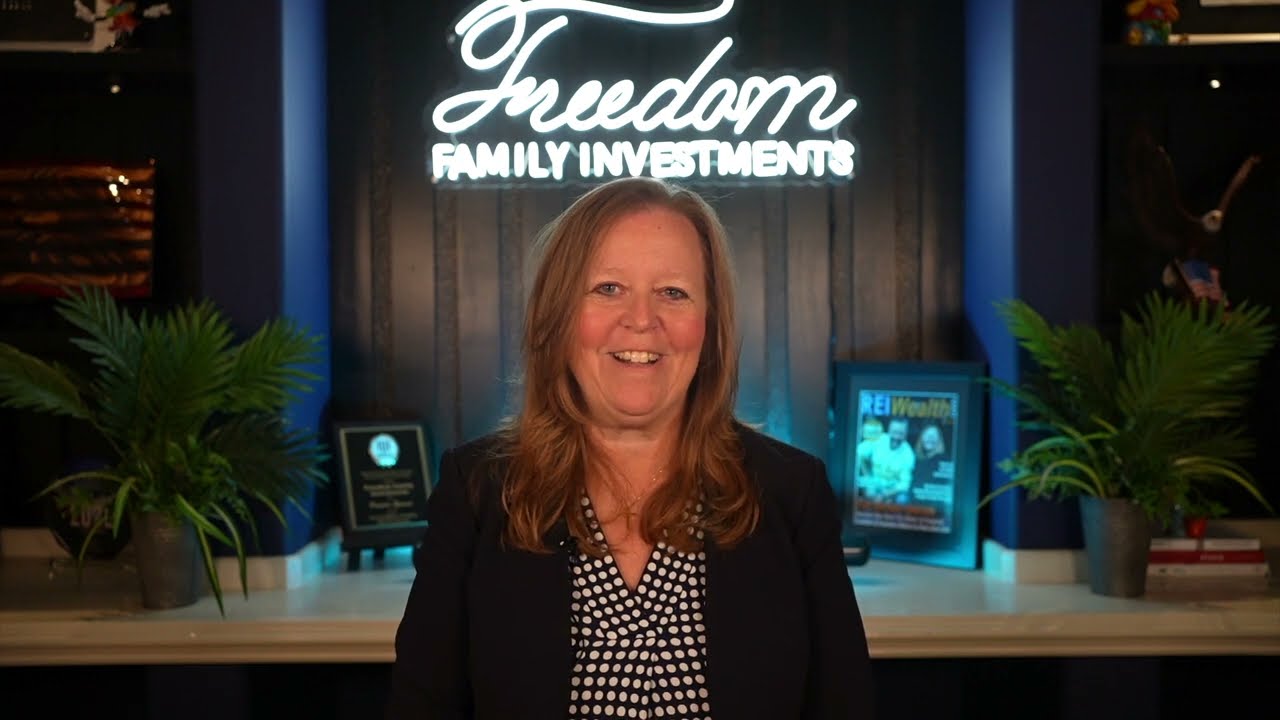
Dani Lynn Robison argues that most high earners aren't actually diversified: their portfolios are concentrated in tech stocks, which made up over 50% of S&P 500 gains in 2024. Real diversification means owning assets that move independently of markets, like workforce housing and real-estate debt, which generate stable income regardless of market sentiment.
Chapters
Most high-earning professionals think they're diversified. Then I ask them to actually describe where their money is. Technology-heavy brokerage account. Index fund retirement account where 7 stocks drove half the gains last year. Maybe a rental property that requires their time. Cash losing ground to inflation. That's not diversification. That's the same concentrated bet with different logos on it. The instinct to go for home runs is understandable. You hear about the person who invested early in the right company and made 10 times their money. You hear about the fund that returned 40% in a single year, and you think, that's what I should be doing. But here's what you don't hear about: the strikes, the concentration risk that wiped people out when the exact stocks that drove their portfolio up became the source of everything. Coming back down. According to major financial institutions, the top 7 technology stocks accounted for more than 50% of S&P 500 gains in 2024. 50% of all gains concentrated in 7 companies. That's not a diversified market. That's a market riding on a handful of bets. And in early 2026, some of these same companies became the market's biggest source of volatility. Going for home runs is how people build portfolios that look impressive until they don't. Predictability and stability, the things that feel less exciting, are how people actually keep what they build. True diversification is not just owning more of the same thing in different wrappers. It's owning assets that respond differently to the same conditions. When the stock market drops because of fear and sentiment, Needs-based real estate doesn't move the same way. Rents don't drop because NVIDIA did. Occupancy in senior housing is not driven by the Fed fund rate. Self-storage demand increases during economic transitions, not despite them. And adding private real estate debt to a portfolio introduces something most portfolios don't have: an asset that is uncorrelated to market sentiment, backed by real physical property generating a fixed return that doesn't fluctuate with a ticker symbol. That's not a replacement for everything else. It's a complement to it. It's the part of your portfolio designed to stay calm while everything else reacts. I wanna say something about stability that I think gets lost in the investment conversation. Stability is not a lack of ambition. Stability is architecture. The investors I've watched build the most lasting wealth, the ones who've been with us for years, who keep compounding, keep renewing, keep building, are not the ones who swung for the biggest return every time. They're the ones who built a base of predictable, consistent income and then made every other decision from a position of strength instead of necessity. A paycheck is a leash. A distribution is a key. When part of your income is coming from an investment that pays you whether you work that day or not, your decisions change. Your relationship with your work changes. Your relationship with risk changes. You're not desperate. You have options. You have time. That's what building a stable income base through diversification actually produces, not just a number on a statement. It's a different way of living. At Freedom Family Investments, we build portfolios designed to perform across cycles, not just in favorable conditions. We target assets that people need whether the market is up or down. Workforce housing, senior care, storage, and single-family communities. And we structure investor returns with a margin of safety. A gap between what the project earns and what we owe investors, because we want the answer to be yes, even when things don't go exactly to plan. That's a conservative, deliberate, income-first approach to building wealth. It's not the most exciting pitch you'll ever hear, but it is the one that holds up across market cycles, economic disruptions, and the kind of headlines that make other investors panic. In future videos, we're gonna go deeper on each specific asset class we invest in. The data behind senior housing, workforce housing, and self-storage, and why each of them is positioned the way it is right now. Those are the videos that will give you the full picture of what's behind your investment. If you're ready to talk through how FreedomNotes fits into your current financial picture, go to chatwithfreedom.com. We'd love to have that conversation. I hope this was helpful, and I hope we have the opportunity to work together.