Your Financial Struggles Will Get Better the Moment You Watch This
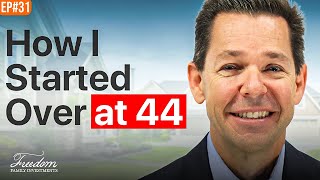
Greg Slaughter went bankrupt at 44, then rebuilt his finances using a systems-driven approach focused on passive income. He shares the six-step THRIVE process he teaches, his "no sacrifice, no regrets" philosophy, and how he repaired family relationships while building wealth.
Questions this video answers
2010
44 years old
Over a million dollars lost to a business partner who stole it in 2016.
19 years
"Fantasy Friday" (no phone/no work from 12pm Friday onward); he started this around 2011.
Over 27 years, I was so driven and so focused to get the financial freedom to get money, success, and get the someday life. And then you obviously heard the story from my wife Kim. Then when we had to file for bankruptcy and had to start over in 2010, that literally shook me all the way to my core because it wasn't just about money. It was about I had to look back and realize that for 27 years. At that time, I was 44 years old when this happened. For 27 years, I'd focused my entire life to create this someday vision and this dream. And I was going to be a wonderful dad and a wonderful husband and multi millionaire and travel the world and. And here I was sitting in my office, dead broke, about to ready to file for bankruptcy. And if I was honest with myself, and I was that day, is that I was not a good husband. I didn't have a lot of friends. I had no relationship with my parents. I was so worried about just trying to achieve success and so worried about what everybody else thought in order to achieve that success and what I had to do to look good in their eyes. I guess woke up that day as like, I can't live my life like this. And I'm not afraid to tell people I filed for bankruptcy. I've had multiple people scam of money. We lost over a million dollars from a business partner that stole it from us in 2016. I mean, that's just part of my story. I'm not going to hide that. We live in the United States, which is the greatest country in the world because of the freedoms we have. But yet every day people are walking around and they're not free. They're enslaved to their phones or enslaved to what everybody else thinks about them. They're being driven by anything and everything but themselves. So freedom to me is about letting go and just being who you are. If you're worried about what other people think, you, you're not free.
You're tuned into the Freedom Show. We are in the studio having a conversation. We're really excited to share with you. Today's guest is Greg Slaughter. The crowd goes crazy.
Flip loves doing that. Thank you, everybody, and thank you, Greg, for being a part of the show. We're super excited to have you here. And before we get into the mix of things, Flip is going to tell all of our listeners a little bit about you.
All right, I have my Ben Franklin's on.
Yes, there we go.
Greg Slaughter is a high energy, passionate speaker, published author, mentor to entrepreneurs, and is known as The Systems Guy for his unique ability to systematize anything and get results. He has spoken on numerous stages across the country and has been recognized and interviewed on tv, radio and podcast, as well as featured on the COVID of Think Realty magazine. After spending 19 years with McDonald's Corporation, he left and took that experience, combined with his unique style of vision, and turned that into multiple successful businesses and over 1500 real estate transactions. Greg earned the nickname of the Systems Guy because he has the unique ability to take something that seems complicated and make it super easy and simple to achieve results. He looks at things much differently than most and can then systematize it to get the desired outcome much easier, which is what led to his tremendous success. Rather than retire, Greg now dedicates his time to creating a legacy in honor and memory of his two lost daughters by sharing his successful systems and challenging his audiences to think differently so they may live the life they desire and deserve. When not helping entrepreneurs implement systems that achieve results, Greg is traveling, we know that for sure, and experiences. Experience the world with his wife Kim, or attending a live sporting event, which I think they're at an Arizona game every day anyway, always joking around and laughing. He believes life is short and we must live and enjoy every moment and brings that approach into everything that he does.
Love it. Welcome to the show, Greg.
Oh, thank you so much for having me on the show and allowing me to be part of it and hopefully make an impact on someone's life today.
Yes, we are so excited. One of the things that we talk about all the time about this show is it's the very first podcast that we've ever had guests on. And we really wanted to dedicate this season to introducing our audience to people that we know like, love and trust. And you are one of those people. And so we recently had your wife Kim on the show as well, and it was a fantastic episode. We're super excited to get the counterpart here.
I got something to live up to now. Or.
It'S just, you know, that each side of the story, we're like, okay, well, ask Greg. We're really.
I'm just telling you right now, my side is the right true side. Okay. I'm just saying that right now.
But you guys are great friends of ours. You. You've been in our network for a long time. Flip shared the story about meeting you in Arizona at the RIA there. And, you know, we're in masterminds together and we're just. We want.
Did they tell you how embarrassing that was for me?
No.
I might.
I think I might have left that part out.
Yeah, yeah, yeah, yeah.
You don't remember that?
Go ahead. No, no, please, no.
So. So when you guys introduce yourself and you said your name was Flip, I thought that. I thought you were joking. I thought that was a nickname. So I asked you, is that your real name? What's your real name? And when he told me it really was Flip, I was really embarrassed. So that was actually our first introduction. I can't believe you got that. So I probably shouldn't have reminded you because now I think I get that. I was like, yeah, I could have gotten away with that.
I think I get that from everyone. So I'm just kind of used to it.
That's so funny. But we're just excited to share our network with you and you with our network. We think you're pretty amazing, and we're excited to have you on the show. So we want to start things off with freedom. That's what we talk about. It's what we're passionate about. And so we would love to hear what freedom means to you and tell us a little bit about your story and your freedom journey.
Okay, well, I'm going to probably have a little different answer than you're used to, because I'm guessing everybody says freedom is financial freedom or freedom of their time. I'm going to go in a little different direction, because I think freedom is basically allowing you to be yourself. That's freedom. When you can actually be true to who you really are, and then that allows you to share your story, allows you to impact others. And I think too many people in this world. I mean, we live in the United States, which is the greatest country in the world because of the freedoms we have. But yet every day, people are walking around and they're not free. They're enslaved to their phones or enslaved to what everybody else thinks about them. They're being driven by anything and everything but themselves. So freedom, to me, is about letting go and just being who you are. If you're worried about what other people think, you're not free.
That is good. That is probably the best answer that we've had so far. Thank you.
Good night. All right, can I just drop the mic and leave?
We'll see you next Wednesday. Bye, everybody.
That's going to be a good sound bite that we're going to be, like, flashing everywhere. No, I really love that, because let's just stay on the subject for a little bit before you go into your freedom journey. This is a problem for America today. This is that cell phone problem especially. And we talk about this a lot, how we are very addicted to the phones. We're very addicted to what is going on in other people's lives in social media. We're addicted to the virtual connection instead of actual physical connection. There's so many things in today's day and age that we've just lost something about trying to find who we are. So how did you get to the point where you are, where you're kind of that like you just got on a pedestal and, and said, hey guys, this is what's up and this is what's important. And a lot of people are scared to get to that level. So before you go into your freedom journey, share that with us.
Well, they kind of intermix actually, because for 27 years, and I share this part of my story when I speak. For 27 years I started when I was 17 years old. And for 27 years I was so driven and so focused to get the financial freedom to get money, success and get the someday life. And then you obviously heard the story from my wife Kim. Then when we had to file for bankruptcy and had to start over in 2010, that literally shook me all the way to my core because it wasn't just about money. It was about I had to look back and realize that for 27 years. At that point in time, I was 44 years old when this happened. For 27 years I'd focused my entire life to create this someday vision and this dream and, and I was going to be, you know, a wonderful dad and a wonderful husband and you know, a multimillionaire and travel the world and, and here I was sitting in my office, dead broke, we're about to ready to file for bankruptcy. And if I was honest with myself when I was that day is that I was not a good husband. I didn't have a lot of friends, I had no relationship with my parents. I had, I was so worried about, you know, just trying to achieve success and so worried about what everybody else thought in order to achieve that success and what I had to do to, to look good in their eyes. And I just, I just, I guess woke up that day as like, I can't live my life like this. This isn't what life is supposed to be about. And I so lucky and blessed that that happened to me. It was a life changing event. And literally from that point forward, it's just like, I don't, I mean, I think you guys know me well enough. I honestly just don't Care. I mean, I care. I guess that's not the right word, but I don't allow it to affect me what other people think or whatever. I am me. And either you like me or you don't. I mean, that's just the way it is. I don't want to change for anybody.
Yeah, we do know that about you. And I respect the heck out of that. I remember we were at a mastermind I. And we always, whenever we see you, we come up and we give you and Kim a big hug and just check in, see how you're doing. If we haven't talked in a while, and one of the days you had asked me kind of, you know, I don't know how you put it, but you're like, you know, how's. How's business going? And I was just like, it's crap right now, man. It sucks. We just lost somebody, you know? Like, I think we were just in a dip of. We lost, like, maybe a key employee. And it wasn't that business, like, was horrible and it was crashing. It was just really a crappy season right then. And you were like, man, it's really nice to hear that because, man, when people come up and say, oh, everything's great, everything's running well, I'm like, that's just a bunch of bs And I just could not stop laughing because you're right. You're so right. And I, And I love the conversations that we can have because you do have this no BS feel about you. Like, if we're going to ask Greg his opinion, he's just going to give it to us, so be okay with that.
And I did that for you for that 27 years. You try to hide everything, right? Isn't that what we're trained to do? You got to look good. You got to look your absolute best in everybody's eyes. So you try to hide everything. And you only show. Show the good side of things. And what you learn is that when you. It's like wizard of Oz, you open up the curtain, it's a whole nother story. Once you open up that curtain, you put all these people on pedestals and you think they're doing so great, but once you actually dive in, you know what? It's not. It's not great. So I just decided I'm just gonna open up the curtain. And it just. I tell it like it is, man. I'm not afraid to tell people I file for bankruptcy. We've had people, I've had multiple people scam us out of Money. We lost over a million dollars from a business partner that stole it from us in 2016. I mean, that's just part of my story. I'm not going to hide that. It happened and it is what it is.
Yeah. You know what that does is it brings realness to the world that we don't get to see very often. It brings authenticity. It brings the person listening a little bit of confidence, like, oh, geez, you know, everybody's not perfect. Like, maybe if I was doubting myself and if I wasn't sure if I was as good as somebody else. Greg just told me that he just went through this, and I haven't experienced that yet. I hope never to experience it. But look, he made it, and look where he is today. And suddenly you've got this, oh, my gosh, I might be able to do this too, right?
Absolutely. I think that's part of the freedom experience, is that when you can let go and you just be you at the same time, you can see other people who they really are, and you can call out people's BS pretty quickly. Just like that day. It's like when people tell me everything's roses and everything's awes, awesome, and everything in life's great. Yeah, sure it is, buddy. It's like. And then move on to the next person because I know I can't have a real conversation with this person.
Well, what's funny though, is that I remember that. I remember standing where we were in the hallway and. And I remember the look on your face because you were just like, you know, you're like, yeah. Oh, my God. Thankfully, somebody finally gave me the right answer. And you said, you're so tired of that, of people saying everything's great. And then you said. And I'll say the PG version. I said, because those people either are full of crap or don't know crap.
You.
I mean, it was like 8 o' clock in the morning and I was.
On the floor laughing. That was hilarious.
I love it. So. So speaking of your freedom journey, this really, you're right, what you just said, because of the. Your definition of freedom, this really was the moment of freedom for you, right? When you just said, I'm going to let it go and I'm just going to be me. So talk to us about the difference between what is the before and after. Like, what was life like when you and Kim started getting into real estate? She. She explained that you guys were doing active real estate in order to get the income to do the buy and hold and be A passive investors. She walked us through that story, and then she said, after the bankruptcy, then you guys started all over and you did it again. That bankruptcy point was your freedom trigger. Right. So tell us about the difference between before and after.
Well, when I had to look in that mirror and literally look at my life and be honest with myself and where I and what I had achieved, or I should say lack of achievement or what I didn't achieve for 27 years, I was like, I got to do something differently. This is not acceptable. And that's when I set out on the journey. And I didn't know how to do it at the time, but I set out on the journey is I. I still want financial freedom. I mean, obviously that's still a goal. Everybody wants financial freedom. However, I'm not willing to sacrifice. And it was at that day in that office, I created this motto. I said, no sacrifice, no regrets. No sacrifice, no regrets. I literally said that to myself hundreds of times every day for years. And I don't know if you guys. Do you know that song by Tim McGraw live like you're dying?
Yes.
That became my theme song. I literally played that song every single morning probably for four years. And there was many days where I play that song three or four times a day just because I had to reprogram my. My own mind. Because for so long I was so concerned about what everybody else is thinking, what I need to do for success. And I just, like, I just need to live life and be me. And found is afterwards, success came so much easier because I took that approach. People were more willing to work with me. People are more willing to do business with me because I was real. And that just kind of fueled the fire and just. Just kept that, you know, made it even stronger. And then when we're starting to get success in other areas of our life and, you know, I fixed our marriage. I fixed. I fixed my relationship with my parents. And thank God I did that, by the way, because my dad just recently passed away and. And he passed away as I was giving him cpr. So I literally watched him pass away right before eyes. And I remember thinking that the very. The moment he passed, the very first thought that went through my mind was, thank God. Thank God that I had changed my way, because otherwise I would. It's still a little fresh, so I'm sorry if I get a little emotional, but it was just like 90 days ago this happened. So. But I just remember thinking, thank God this actually happened that I had the opportunity to change my life and and develop these relationships and everything. And I was so grateful and thankful. I know that sounds weird that that's what I was thinking at the moment. My dad. But that was literally where my mind was like, oh, my God. I'm so thankful that I went through that journey and was able to do this.
Oh, man. So thank you for making me cry.
Yeah, yeah. Both slaughters made us cry. Okay. Check that off your bingo board.
But I think that was just an important story because so many people have so many regrets in life, Especially when somebody they love dies and they didn't overcome, like, an anger or a fight or a word said wrong. Right. And that there's just so many stories. So many stories. And to hear somebody say what you. The story that you just told, like, that's a game changer. Right? And you get to hear that story. And why probably we. We got teary is because you suddenly put yourself into your shoes. Right? What if that was me? You know, Do I have any regrets right now? Do I need to go talk to somebody right now? I just think that is so freaking incredible. Flip, I'm gonna let you talk so I can just stop crying for a second.
Okay. Yeah, I don't know how I can top that.
Insert joke here.
Yeah, yeah. So, well, I will go into the other thing that I just wanted to speak to that point first. The other thing that I wanted to say, and I want to say this out loud because you hit on another key point, is that Flip and I are very adamant also of just being transparent and real. Like, it's not all rainbows and sunshine all the time. And it's okay to share that with your clients, too, because your clients appreciate authenticity. They appreciate the real thing. They appreciate somebody that's going to tell them the truth, even if the truth sucks. And there. There was a mastermind that I was in, and I will never, ever forget this, and I was on a panel, and they were asking me questions, and they said, you know what? Tell us a story about why you have such a high success rate on being able to raise capital. And I said just that. I was just like, I'm just the real deal. Like, if you ask me questions and things are crappy, I'm going to tell you things are crappy. But I'm also going to tell you that we have a solution and we're working on it. We are going to fix it. And so they just appreciate that so much. And the jaws dropped. They were like, what? You tell them when things are bad.
You say the truth.
Like, what I had the same exact experience. And I think that reaction is because it's so rare. Rare. Every. Everybody just wants to hide it, or when things go wrong, they just turn around and, you know, with their tail behind between their legs and run the other direction and, you know, try to fix it behind the scenes. I mean, I told you that we lost a million dollars in 2016. What? I didn't tell you that three quarters of that money was someone else's money. It was private money that I'd raised that we got scammed out of. And so that was a tough day. But I wasn't going to hide it, and I had to go share with. With our private money lender that, hey, you know, this nimwad just stole our money. But your money is safe because I will never allow any of my investors to lose money. And he got paid every single penny back. We worked it out. He got paid interest on that money as well, because it wasn't his fault that this idiot stole the money. It was my responsibility. So I took full responsibility. Obviously, he didn't get paid as quickly as he wanted to, but that's why I paid him interest. So he made out in the long run, but I think he respected that. He actually referred other people to me, and it all worked out in the end.
Yes, we tell the exact same story. This is the first time you've told us that story. So for those of you listening, this is why we share our network. Because these are the type of people that we surround ourselves with. The people that we go, we would do business with this person. We would put our money into this person. We would follow and take their advice. We'd call them up when something's going wrong. So I love that you shared that part of it. So, Flip, do you want to ask this question? I was going to let you ask this question. Yeah, I want to hear the whole story.
Well, yeah, so it's in your bio a couple times. And I'm curious because we've known you for a while, but I never have known you as the systems guy. So how did you. How did this come about? Where did you get this nickname?
Okay. Actually, it's a kind of a funny story. And so obviously my background was I was with the McDonald's corporation for 19 years, and I started there when I was 17. So everything I do in my life is a system. Drives my wife crazy. I'm sure she probably mentioned that at some point or something. She always does. But everything in my life is a system. Every business. And that's that's partly why I've been able to be successful in every business, because I run it like a McDonald's restaurant. And I run my personal life like that as well. Well, I was running an investment group in Phoenix, and I'm going to say around 2013 or 14, right around there, we started this group. And every single month, the first Tuesday a month, I teach on a topic on how to invest in real estate. However, it was always a system. So literally, it was about four, five, six months into this. This lady, and I wish I could remember her name because I give her credit, but I don't remember her name. She said, yeah, you're the systems guy. And then for whatever reason, kind of stuck, right? So for the next three or four years, everybody was like, he's a systems guy. He's a systems guy. Now, I'm going to be honest with you, I wasn't that proud of it at first because it sounds so boring. I mean, literally, it's like, you know, somebody. I didn't want somebody to introduce me as a systems guy. He's like, oh, my God, this guy's gonna be boring. And they're gonna head for the doors, right? You know that I don't want to hear from this guy. So I kind of ran away from it. Which is why you probably never heard. Actually heard that because you're, you know, we're here in Phoenix, going to my meeting stuff. But in Phoenix, I'm pretty well known as a systems guy. Outside of Phoenix, I'm not known that because I was hiding it. It was only in the past, I'm gonna say, four to six months, where I said, you know, screw it. If I want to be free, I gotta be who I am. That's who I am. I'm the systems guy, right? I need to follow my own advice. You know, I'm free and everything else. So it's like I just took it. I just live with it now. So it's just. It's who I am. It's part of my life. It's given me all the success that we have, and, you know, I'm not gonna run from it. So people may think it's boring, but, you know, it's given us one heck.
Of, you know, how many masterminds that we have been in. And you guys are a part of many masterminds, too, because I see you guys traveling all the time, and sometimes it's for fun, but sometimes it's for masterminds, right? And you are speaking at some of them. And you're attending some of them. It's just a mix. When I see people raising their hands for how can we help you? Right. When you're having that kind of roundtable in masterminds, processes and systems operations, it's one of the biggest things that people ask for help. Right. So. So you're like a hero to many people that you actually have this natural talent that many people just don't have. So I love that you're actually kind of putting on the cape and saying, I'm the systems guy, because I think there's so many people that are looking for the systems guy because that's where maybe they have this special gift, but they're not able to bring it to the world because they lack expertise and confidence in this area. Right. And this is where you're going to be able to help them. And I'm really excited to be able to dive into some of this stuff. But before we do, remember, we had a podcast with Kim, and we got to hear the goop about Greg and Kim and working together and living together and the marriage stuff. So we're gonna go to a quick commercial break. But after this commercial break, you're being put on the spot, Greg, and we're gonna ask you some questions. We won't embarrass you too much.
Oh, I'm sure Kim already did, so don't worry about it.
All right, everybody, you are with the Freedom show right now with our guest, Greg Slaughter. We are just going to cut over to a short commercial break and we'll be right back.
Add new income streams to your financial statement. Freedom Family Investments can help own property and get paid rent. Join funds and get paid interest. Wealth is well being. Own your own future. Freedom Family Investments get more time to focus on what matters. Learn which investing path is for you, where to start, and who to trust. Visit freedomfamilyinvestments.com and welcome back.
Thank you so much, Greg and Flip. I just want to say thank you real quick because during the commercial break during Kim's, they were like little schoolgirls talking. And I was like, hey, guys, guys, we got to start the podcast.
I was not a schoolgirl and I'm.
Definitely not a schoolgirl, so that's not our cool. I am so I can't be that.
Okay, so we're going to talk about marriage. We get asked a lot about how do you guys work together without killing each other. So let's start with the working together. Kim told us a story about how you working. Were working at McDonald's. And then you left McDonald's. And let me just kind of paraphrase what she said. He wanted to get into real estate full time, and he wanted to leave his job. And I was like. Like, ah, that's scary to me. And I did not support him.
That is true.
So I can't imagine, like, leaving this security and going on this road. And you guys were. There was some friction there. And I imagine a lot of married couples, or even if they're not. You're not married yet, I bet you're having similar conversations, because I hear women say, my husband's not on board. I hear men say, my wife is not on board. So please tell us how you got through that phase of your life.
Oh, wow. Yeah, because that was a struggle. I mean, that was a real struggle. I'm not gonna lie. This is part of. Part of being honest. Right. So unfortunately, and I'll be the first one to admit, and she may have. May not have said this, but I probably didn't go about it the right way, first of all. So I'll be the first one to admit that. And the reason I say that is because at that point in time, I'd been with McDonald's Corporation for 19 years, and I already knew I wanted to get in real estate. I knew I wanted to get in real estate when I was 17. So this was always in the back of my mind. And when I got our first rental property a few years prior, once I got a taste of that, I knew, this is what I want to do full time. I already knew I was leaving McDonald's Corporation and do real estate full time. And I was not willing to go back. I was not. I was done with corporate America. I was just done. So when I left, I was willing to sacrifice everything, including the marriage. I know that sounds bad, but I'm going to be honest with you. That's exactly where my thought process was. Because when she wasn't supportive, and she can confirm this, I literally told her, either you get on board or I'm going without you, because that's the only way this bus is going. Now, I don't recommend that to people, so I'm not telling anybody to do that, But I'm just telling you that's how it started. So it was. I was just as much to blame as she was. I mean, I could sit here and joke, she wasn't supportive, but I really wasn't supportive of her either and her thoughts. Because at that point in time, I was just ready. I was just I'm done. I can't live my life in corporate America anymore, and I'm done. So. Well, probably the next few years wasn't the best years of our marriage. Okay? So I'm just going to tell you that the way we worked it out is because I was able actually to systemize it or process it again. I'm the systems guy, right? So I hate to keep going back to that, but I really did. So I sat there and thought about, well, how are we going to be able to work together? And what I realized that this is no different than any other business. And I've already run multiple businesses in corporate America and I'd run, run multiple businesses and consulted on multiple businesses. So I already knew how to do the business. And I was like, okay, if we're going to work together, we can't work together as a husband and wife. So that was the first conversation we had is like, we have, we have the husband and wife at home, and then we have the business. And the husband and wife does not carry over into the business. And in a business, there's only one CEO. There's only one person in charge. So we have to figure out who's in charge. We can discuss things all we want, but ultimately it comes down to one person has that final decision, and we have to decide who that person is right now. So there's no other discussions ever again on this topic. Obviously, because of my background and what I had done, it was a natural for me to take on that role. So my role was that I have full 100% responsibility for all final decisions. So that was, was the first thing that we had to do. And I had, I get asked this question a lot. We've been interviewed a lot on this. And I tell everybody the same thing. If you're a couple and you're going to work together, you have to decide up front who's ultimately going to be making the final decision. You can still discuss things, but when it comes down to it, you can't argue it. You have to agree up front, either he does or she does has the final decision and the other one just goes with it. So that was the first thing we did. And then you have to also understand what your strengths are and what their strengths are, are, and you have to play out those strengths. So, for example, I'm more of, as we've discussed, I'm more of the systems routine guy. And I'm like, it's either done or it's not done. I'm really black and white. And she is the exact opposite. Just like most couples are. She's the exact opposite. She's more of the relationship. She's more of the get to know your family and your pets and all that kind of stuff. I'm not like that when it comes to business. I'm not. I'm just like, do your job. You need to get paid. I mean, that's it, right? So knowing those strengths and weaknesses, we're able to patch those together. So, for example, in real estate, when we're flipping a lot of houses, I can make sure we hit budget. I can make sure that we get contractors, and I can ride the contractors hard to get the work done. But she would follow right behind me, and she'd be the relationship part of it. We would joke all the time. So I come in there and ride them hard, you know, or they might get pissed or upset or whatever, because it's like you have deadlines. You have to meet these deadlines, and, you know, and I'll ride them hard on that. But then she'll come around, say, oh, how's the family? How's the pets? How's the dog? Or whatever. So she was able to come in behind me, and actually, I won't say repair the relationship, but, you know, make it better. And so there's more of that family atmosphere. But we understood our role, so she wouldn't play in my role, and I won't play in her role. I mean, I think we could do each other, but not nearly as well as the other person can. So understand your strengths and. And allow the business to show off your strengths. And I think that was one of the reasons we were so successful, is because we're able to. To. To. To jump into both of our strengths. And it really came into play in our businesses.
Wow, that is incredible. I love the way that you put it. And I. And for us, it's the exact opposite. Right. So this is Kim over here, and I'm Greg. So. And yeah, I think that's super, super powerful. The way we always described it is, was really just stay in your lane. That's how we said it. Like, if he was doing acquisitions, I was raising private money. So when I needed more deals, I'd go, hey, Flip, you need to go get more deals. And when he needed more money, hey, Danny, I need more money. So we didn't do it the exact same way. So I think it's a different language. But they both worked, and you ended up being successful. So I love that part. So let's fast Track a little bit to the personal side of this because you are husband and wife. So you gave an example of that. We're husband and wife at home. This is a business. Right. So how did you reconcile what that looks like, look like?
Okay, so that was one of the things that I wasn't very good at until we filed for bankruptcy. When I look back and I, I decided that I was not a good husband. I was a typical entrepreneur. I was a typical high achiever. So I treated her like she was a goal head already accomplished. I'll be the first one to admit that, you know, I was on to, to more goals and other goals and achieving this someday utopia life. Since I had already achieved her, she was already my wife, wife. I basically took her for granted. Right. So that's basically what happened up until we filed for bankruptcy. Afterwards, when I took a look back and I said, you know what? She deserves better than that. I can be a better husband. Then what we did is to help separate the work because everything was work to me. I mean, that's just the way it was at that point. Our relationship blossomed when I was able to separate and the way we did this is one we started. It was back in 2011. I started what's known now today as Fantasy Friday. You guys have heard this. Back then it was sneaker, sneaker, sneaker. Yeah. So it's like I made a promise that every Friday from 12 noon on, I would turn. No phone, no work, no email, no Nothing. It was 100% complete shutdown and it was 100% focus on her. And I made the same agreement the other six nights of the week that I shut it down at 6pm so that's why I don't take any, any appointments or anything after 6pm because from 6pm to when she goes to bed, usually between 8, 9 o', clock, she's, she's an early bird and I'm the late bird. So between six and eight to nine, nine, I don't work, I don't do anything. There's rare exceptions if we're on the road or something, but 95% of the time it's dedicated 100 to the marriage and to our relationship. So every night from 6 to 9, let's say I can go back to work afterwards because I still like to work and I enjoy what I do. So I go back to like this past two weeks, I put in a ton of hours and many of those hours are after she goes to bed and it's just me. So I can, I can get stuff done. But we have those set time periods where we don't discuss business, we don't talk about anything other than. Than ourselves getting to know each other. And it's. We literally treat it like it's a date, as if we're still courting each other. And. And to help with that process is we alternate who's in charge. So, like, one Friday I'm in charge, the next Friday she's in charge. So that way we each get the opportunity to try to take the other person on a date. And here's a trick. When you first start off, and I've recommend this to many couples, and they've gone through the same, same process, is that when they first start off, off, it's always about, oh, it's about what I want to do, what I want to do. You know, the relationship is healthy. When those Fridays turn into what would they like to do? And suddenly the Fridays become. Now I'm trying to make a special day for the other person, right? There's usually a transition. It may take 6 months, 12 months. But when that transition happens, that's when you know you have a really good, healthy relationship because you're trying to make the other person happy.
Oh, that is so sweet, Isn't it? I love, love, love, love this story. Okay, we could talk about this for, like, I was starting to think of, you know, you remember our couch? We had this couch, deep couch, where every. Was it every night? It was every night we would switch places. Like, it's like, you know those chase couches where you get to put your legs out and everything? Every. Every night we'd switch. We call it the corner. And if you were in the corner, you got spoiled. And so the other person had to go get drinks or food or whatever it was. And you needed a blanket, whatever. I mean. I mean, you had to get up and go to the bathroom. That was the only thing you were responsible for. But it was just kind of a neat, different type of play on what you just said. So that is so cool. I love the ideas of gamifying things like this to make them really fun and enjoyable. And I just really love the dedication of getting to know each other as if it's a date. Because I think that's hard to do too, because you know each other so well, you've lived each other for so long, but making the effort to go, hey, let me get to know this person a little bit more. And how would I go about doing that?
You're not the same person. You got Married. I'm not the same person I was when we got married, you know, 27 years ago. She's not the same person. We're different people. And I see so many couples, they get divorced because they've grown apart. Well, the way you prevent yourself from growing apart is you continue to learn about each other and you discover each other and you appreciate and respect each other for who you are. And you're going through that long life, you know, the growth of life together. And there will be periods of time where you may not be in sync, but you. If you can openly discuss that and share that and respect them for who they are as they go through their journey, then you can get through those periods much easier.
Wow. That's super powerful. Thank you for sharing that personal side of your life, Greg. I know it's going to help a lot of people. So I want to dive into what I feel like is the most important part of this podcast today with you. And that is. That is you did achieve freedom in two different ways, in my opinion, and maybe many, many different ways. But a lot of people do view financial freedom as one of the number one goals because the finances allow them to do things that they love, that they are passionate about. And I know that's what we're going to dive into now is your passion project of where you're at in life right now and your freedom point of bankruptcy and of just being you and letting everything go. So. So can you share a little bit about the financial freedom piece? We talked through the story of active investors to passive investors. There came a point in time where you felt, I have the financial piece in place, that I can now pursue my passion project. Talk about that journey and then your passion project, if you wouldn't mind.
Okay, well, actually, they kind of mix because my passion project is about teaching people how you can achieve financial success while simultaneously, at the same time, time, still do what you love to do and still have the life that you want. Because that's literally what my passion is, teaching people how to do, that you can achieve your financial success and your someday life without sacrificing today. And I think that was one of my biggest mistakes that I learned prior to the bankruptcy is I was sacrificing today for tomorrow. See, we all have this belief that we have to achieve financial freedom first, and then you can pursue your passion projects or you can have the life you desire. I don't agree with that anymore. I don't buy into that fossa anymore. I believe you can do them simultaneously. And that's kind of what my passion project is. But to answer your question directly, as far as that, what that transition with financial freedom was, and I get this question a lot is like, how are you able to go from bankruptcy to financial freedom as quickly as you did? Well, first of all, I don't think it was that quick. But to everybody else that thinks it's quick, I think I could literally do it in half the time if I, if I had to start over again. But I, I'll give you the same answer. And it's much easier and simpler than people think it is. Because what I found is that it's just a matter of focus. See, the one thing I did differently prior after the bankruptcy, prior to the bankruptcy, is that prior to bankruptcy, I did what everybody did. I wanted financial freedom. But all my time was spent on trying to do anything and everything else I was looking for financial success and all my goals was on financial success. And there is a difference between financial success and financial freedom. So let me explain the difference. So most people are setting goals and about, they want to do more deals and they want to make more money and all this, but they're not setting goals. As far as our passive income, what we did differently after the bankruptcy is that was the only goal I set was financial passive income, period. We just stayed focused on that. I had so many opportunities to make more money, open more businesses, I turned them all down. I would always ask myself one question and one question only. How does it directly or indirectly increase my passive income? Peer review, period. That was my question. That's as simple as it got. Every time I went to go do something before I did it, I'd ask myself, does this improve my passive income? Yes or no. Directly or indirectly. And the answer is no, I didn't do it. I know that sounds so simple, but that was literally the answer and how we were able to achieve it so quickly. Everything we did involved passive income, period. And what you focus on is what you get. So I stopped focusing on all this other crap and wholesaling and flipping and all this other stuff that everybody wants to do and you get sucked into it. It you into that for three, four, five years and you look back and you've done nothing for passive income.
That's right. Yes, I, I was listening to the story, thinking of all my, all of our businesses. As you said that story. I was just like wholesaling fix and flipping funds and syndications. But the passive income piece was always the, the core focus for our personal lives. And then Being able to help others do it. So I, I like how they can all tie together, but look at how quickly you achieved what you did. And even though it doesn't seem quickly, and we talked about this with Kim a little bit, what people say is overnight success, you know, takes years, right? It takes years to get to where you want to be. But being able to have that pure focus and knowing what you want, I think that's part of the problem is we see so many things happening and we just don't know what we want. We haven't defined it. So where it was that bankruptcy moment, right, that really kind of lasered you into this. Is that how you define what you wanted?
Yes. Well, I. Well, I knew when I was 17 years old, I wanted financial freedom. And there's, there's a whole story with 17. When I was 17, my parents didn't give me something I wanted, and I was a spoiled little brat. And, and I got upset and I basically said, you know, I'm going to become a millionaire. I set a goal to become a millionaire because I never wanted to deal with money again. So that's how the process started. So I knew in my mind I wanted financial freedom, but I set the wrong goal. I set a goal to become a millionaire. Millionaire. And when I was in. And that was my entire focus for 27 years, I'm going to become a millionaire. Because to me, becoming a millionaire was the solution. But what I really wanted was financial freedom. And there is a difference. I didn't understand the difference, but after the bankruptcy, I understood. The difference is like, I don't care about my money. I don't care about my net worth. I don't care about any of this. The only thing I care about is my freedom. That's the only thing I care about is my financial freedom. If it's not getting me financial freedom, then why am I doing this? Yes, that was the wakeup call. Because when we were bankrupt and I saw how much money we made, I mean, we made so much money and then we had nothing to show for it. Literally nothing. We're starting over. I'm like, I'm not doing this again. So I'm not wasting my time on something that I won't be able to keep permanently. That was, I guess, the, the aha, light bulb, wake up moment when I had to go through that. And that's why we were so laser focused, because I didn't want to go through that again.
Yeah, that makes complete sense. And I love this story so much. Just it applies so much to what we talk about all the time. And it's a totally different take. And it gives everybody, like we said before, just the confidence that, look, Greg and Kim did it and they didn't give up and they had the perseverance and they learned a lot of freedoms along the way and they had joy in the process of not really focusing on. On a goal line that kept on moving. Right. So tell us about your passion project. Tell us how you are helping others live the way you really kind of lived post bankruptcy.
Right? So. So that day when I, when I set all those goals to be financial free while I fixed my marriage and fixed my parents and. And also that day right before we filed bankruptcy, said, and I'm going to do this while we travel the world. So we set a goal to Travel through all seven continents. Continents and do a road trip through all 50 states. Now, at that point in time, I had no clue how in the world I was going to do all this. So my first thought was that I'm going to find somebody else I can emulate, right? If I can just copy someone else. And now I'm a systems guy and a process guy. So I was like, I'm going to go find somebody else who's already done this and I'm just going to find out what process or system they used. Now I'm just going to copy it. That was my initial thought. So I started down that path and unfortunately, I wasn't able to find anybody. I know that sounds sad, but every time somebody would point somebody out or I'd look at somebody, you know, this is somebody. Oh, this, this person looks like they have it all to. To what we discussed earlier. It was the wizard of Oz. You open up the curtain, it's like, oh, my God, they have a terrible marriage or they have no relationship with their children, or they've already been divorced twice, they have no life, they don't do any travel. All they do is work seven days a week, 24 7. It's like I literally could not find anybody I could emulate. The only people I could find that had all that, that was somebody that was in much later stages of their life. So they were already in their, you know, 70s and 80s because. So they had ruined their life for 50 years. They finally got. They got money, but there are. And now they have a good, healthy marriage, but it's because it's their fourth one, right? So. So because they ruined the first three or now they're great grandparents because they're a crappy parents, right? So now they're making up for it being great grandparents. Like, I don't want to, I mean, I love my wife. I don't, I don't want three divorces before I get the person I get to have fun with. Right? So I, so I need to find a way to do this. And being the systems and process guy, I was like, you know what, I'm just going to figure this out. So that's literally what I did is I just started testing things and how can I do this? How can I put this together? How could I fix my time management? How could I fix my focus? How could. And within about three or four or five years, it was around 20, 15 and 16, I was able to look back and say, hey, you know what? I have, I'm, we're getting some pretty good success here. But, but how could I speed this process up? So I started looking with my, my, with my process mindset. It's like, what did I do? What did we do that worked? And what I discover is that there were six things that we consistently did. When I did these six things in, in a very specific order that it brought success. So I was like, hm, I wonder if I just focus on those six things and those six things only and treat it like a process, like a business and I just do these six things over and over again and just apply to every area of our life if what would happen well, within a very short amount of time, time, it was incredible happen. That's when we actually achieved, you know, quickly our financial freedom. We renewed our vows, you know, we've been traveling the whole time. But that's when we really stepped our travel and it was just phenomenal. So my passion project now is, is that I like to share what those, what that six step process is so that I'm, I'm on this mission to share with that with as many people as I possibly can. Because I don't want them end up after spending 27 years of their life life. And maybe it's not in bankruptcy, maybe it's just when, you know, they're told they only have a few months to live and I don't want them to look back and say, oh my God, I just wasted my entire life. So that's literally a passion of mine and I'm enjoying this so much that, you know, I open up an entire academy. So that's where the Strive to Thrive Academy came from. Because the acronym, the six steps is actually an acronym of the word thrive. So Strive to Thrive is Actually, it sounds, you know, we want to thrive, but at the same time it's the acronym, what those six steps are. And so that's what my mission is, to share that with as many people as I possibly can and teach them and mentor them and help them through this process. Because you don't have to sacrifice today for your success tomorrow. You can have it all. I know that sounds too good to be true, but I'm telling you, you absolutely can. And I'm proving it.
I love it.
I love it.
Oh, so tell me about who I know this is for entrepreneurs. Is this for. We have a lot of, so a lot of people that follow us and listen to these podcasts are both active investors and passive investors. So for our. I know this is for active investors. Those are the entrepreneurs that are out there getting their hands dirty. Right. So this is absolutely for them. What about our passive investors who might be doctors, attorneys, high net worth tech employees? Is this something they can apply to their lives as, as well?
They would be able to apply a large percentage of it, but not all of it. Because when we get to the, to the time management piece, you got to be able to control your schedule. Now part of it is as an entrepreneur is you own a business. So to me, like if you're a doctor or a dentist or something, you have your business, so you can't control your business. So if you have the ability to control your business, then yes, it absolutely can. Can you can absolutely use these six steps because part of the process, as we teach individuals, I, I help individuals take control of their business. Business. Because most of the time entrepreneurs are run by their business. So either you're serving the business or the business is serving you. And unfortunately it's usually the wrong way. Right. If you want to make a massive difference or change in your life, you got to take control of your business. The business is there to serve you.
Yes, absolutely. And I, we do know a lot of physicians, especially Dennis, who own their own offices. Right. And it is backwards for them. So depending on, on who you are, where you're listening to this, I really wanted to ask that avatar question because some people may have, have thought this isn't for me, but I wanted to share. Hey, I think that this might be for you because I love the life that you and Kim are living. Everything that you said here is true. It isn't a bucket, bucket of bs, right? If you have have heard Greg on this show, he just doesn't deal out buckets of BS like he's the real Deal. So if you need help in this life, I think this is just going to be so incredible, incredibly powerful. We've struggled with this ourselves as we've continued, and we are so fortunate because such of a team, we didn't even have the chance to learn from Greg this particular thing. We just ended up hiring enough people that we got our freedom back. So we did it a little bit differently, but we certainly could have gotten there faster if we would have been a part of what Greg is teaching here. So I'm super excited. How do people get in touch with you? How do they find you, Greg?
Okay, so, well, they can always find me on social media, so I'm on both Facebook and Instagram at Greg Slaughterlegacy. They want to learn more about the Academy. They can go to StriveToThriveAcademy.com and that's with the number two. So strive to strive to thrive Academy.com and you can also just go to my website, GregSlaughter.com and learn all kinds of things about me. And that'll give you access into the Academy as well, and all kinds of freebie stuff that I give away and that kind of stuff. Stuff.
Yeah. So I'm super excited. We're going to put this in the show notes. So anybody who doesn't know how to spell all that, just go to our show notes. You're going to be able to click on the. The information. But is there something that you're actually giving away for the Academy? And can you share that information with everybody?
Yes. What I'll do for those that want to know what those six steps are, I actually just did. I just recorded a masterclass on it where I go through all six steps. It's literally about an hour long. And I go through all of the six steps in detail, in pretty detail. How they're created, why they're created, and most importantly, how you can implement them in your life. So if you'd like a copy of that masterclass, you can just go to gregslaughter.com forward/thrive. So that's gregslaughter.com thrive. And then you can go there and you have the opportunity to watch that masterclass and get to know what the six steps are and how you can implement them.
I love it.
That's awesome.
That is so incredible. Well, thank you so much, Greg. Can you leave us with one thing before you go? Just one piece of advice for our listeners on just anything. If they're listening to this, they're still looking for freedom so if they're just going to take one thing away, what's it going to be?
You don't have to sacrifice today for your freedom tomorrow.
That's so good.
And mic drop.
I love it. Thank you for being with us today. Greg, everybody. If you want to get in touch with Greg, we highly encourage you to do so. We're lucky enough be able to see him and his wife Kim at every mastermind. So if you don't have that benefit then reach out to Greg, go to his website, find him on social media. Greg, it was just a pleasure to have you here. Everybody else, we're going to see you next Wednesday and thank you everybody. Have a great week.
Bye.
Nothing on this show should be considered specific personal or professional advice. Please consult an appropriate appropriate tax, legal, real estate, financial or business professional for individualized advice. Opinions and information on the show are not guaranteed. All investment strategies have the potential for profit or loss.
More from Dani











Physicians and High Earners — What Real Estate Can and Can't Do for Your Taxes