Dark Pools Explained in 60 seconds. #Shorts
17 Aug 2026 · 1 min
1:01
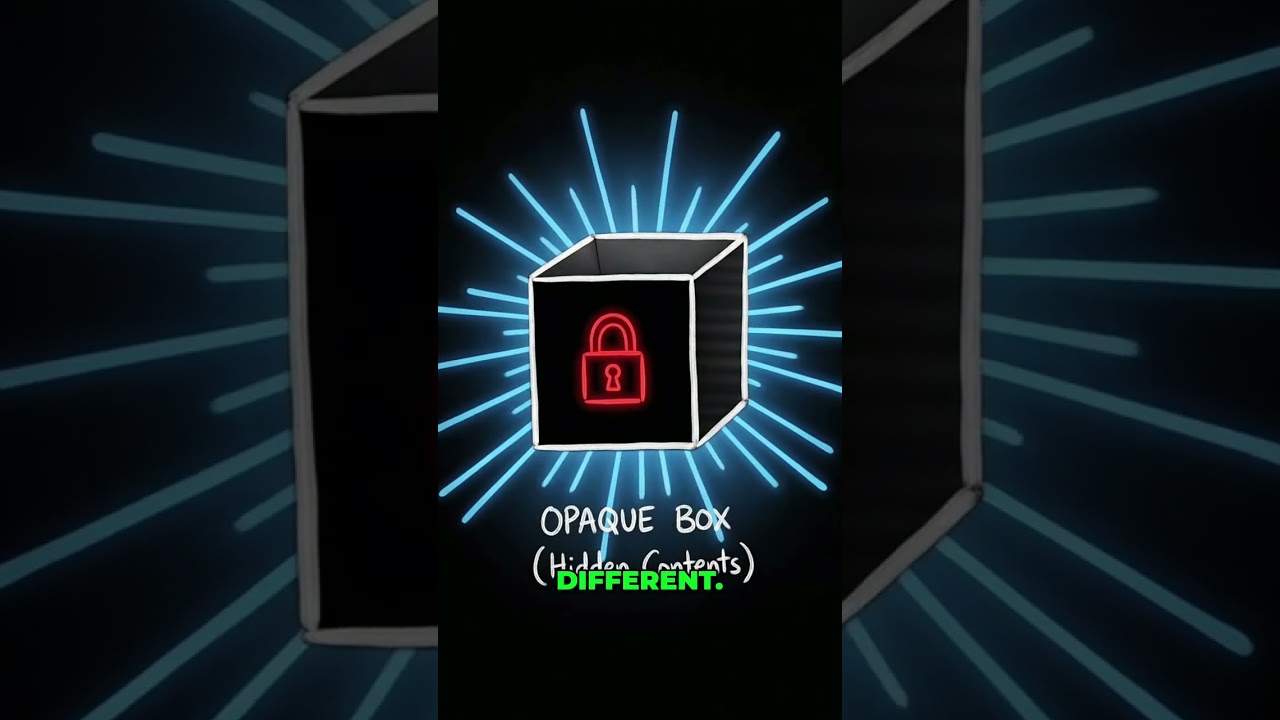
Large institutional investors use dark pools, private trading venues, to hide massive orders from public exchanges so they don't move the market price against them. Trades are reported after execution, leaving a hidden footprint that observant traders can spot before the broader market reacts.
Chapters
More from Dave


youtube.com
ServiceNow $SNOW & Hewlett Packard $HPE earnings trade setups following Institutional Positions
1mo ago

youtube.com
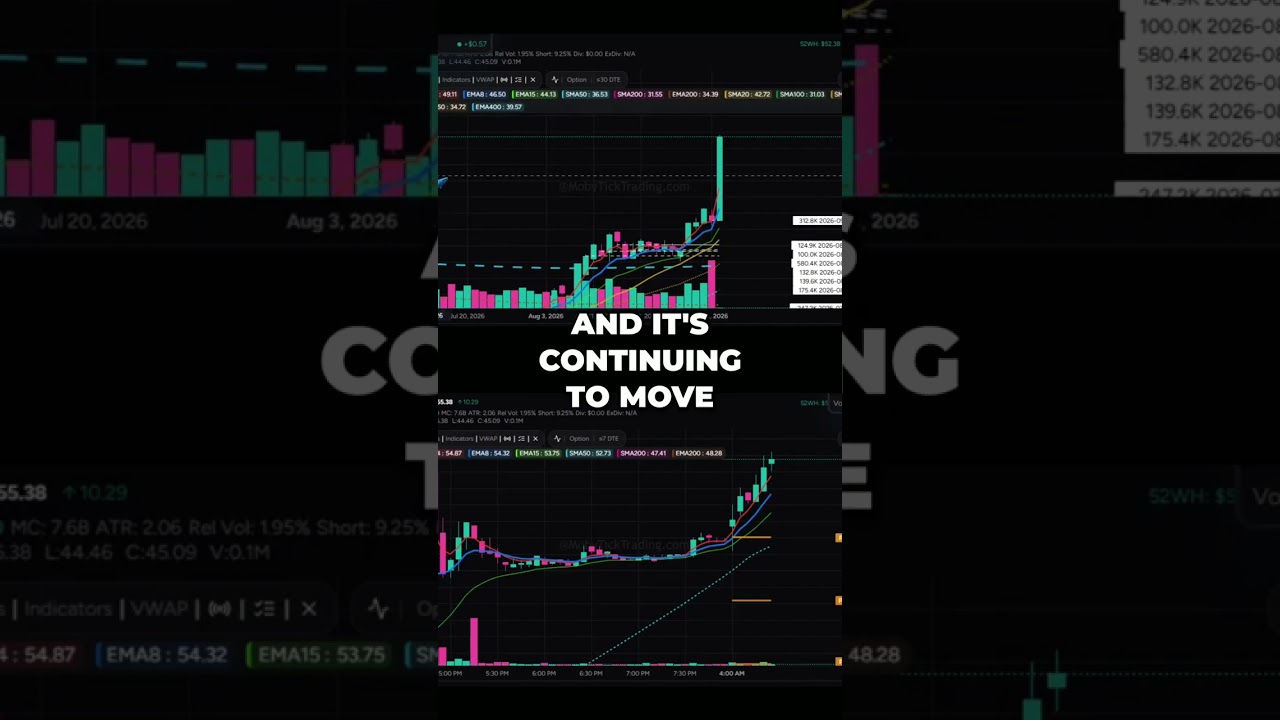
GTLB GitLab Explodes +$10.31 Breakout! vs CRDO Credo Technology Major Dark Pool Flush
1mo ago


youtube.com
Massive Dark Pool Prints on Nasdaq $QQQ and Gold $GLD! Smart Money Positions revealed
1mo ago
See all content
