Institutional traders can report massive block trades up to 24 hours late, inflating volume and distorting price metrics. Large late prints often appear two to three months before market crashes, suggesting they may signal a coming downturn. Dark pools and anonymous APIs let big players hide their activity from the market.
Chapters
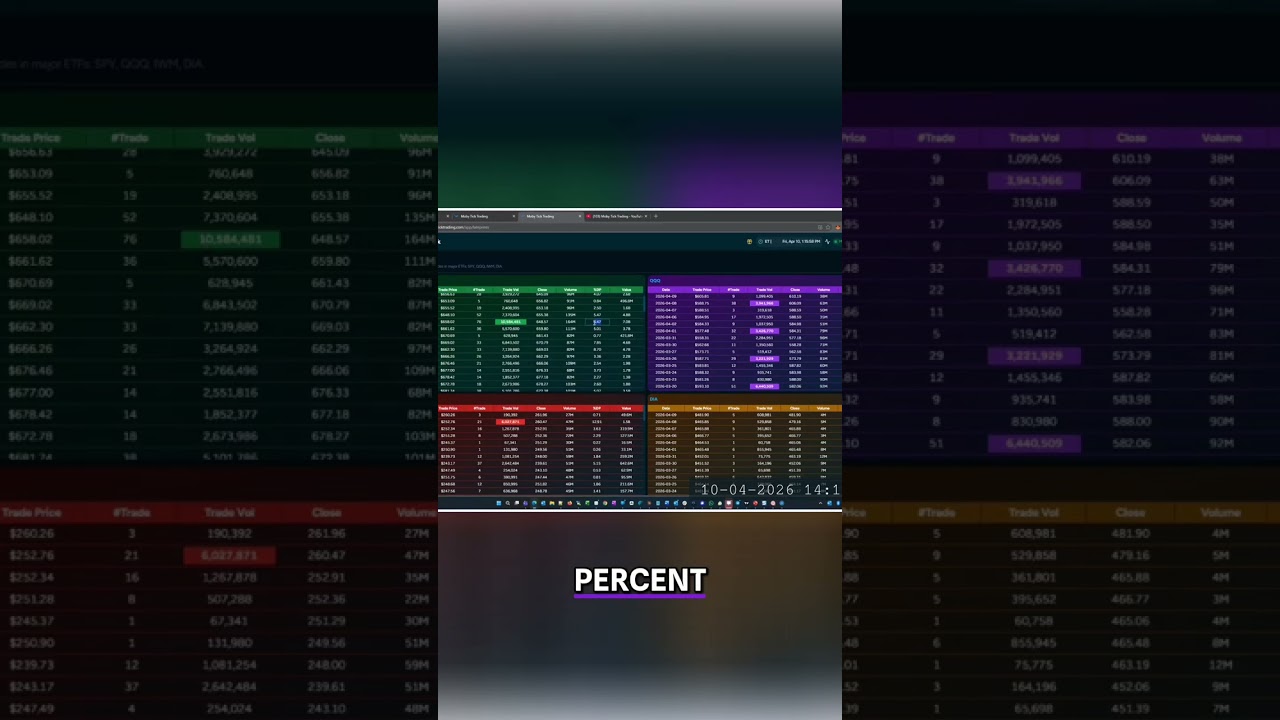
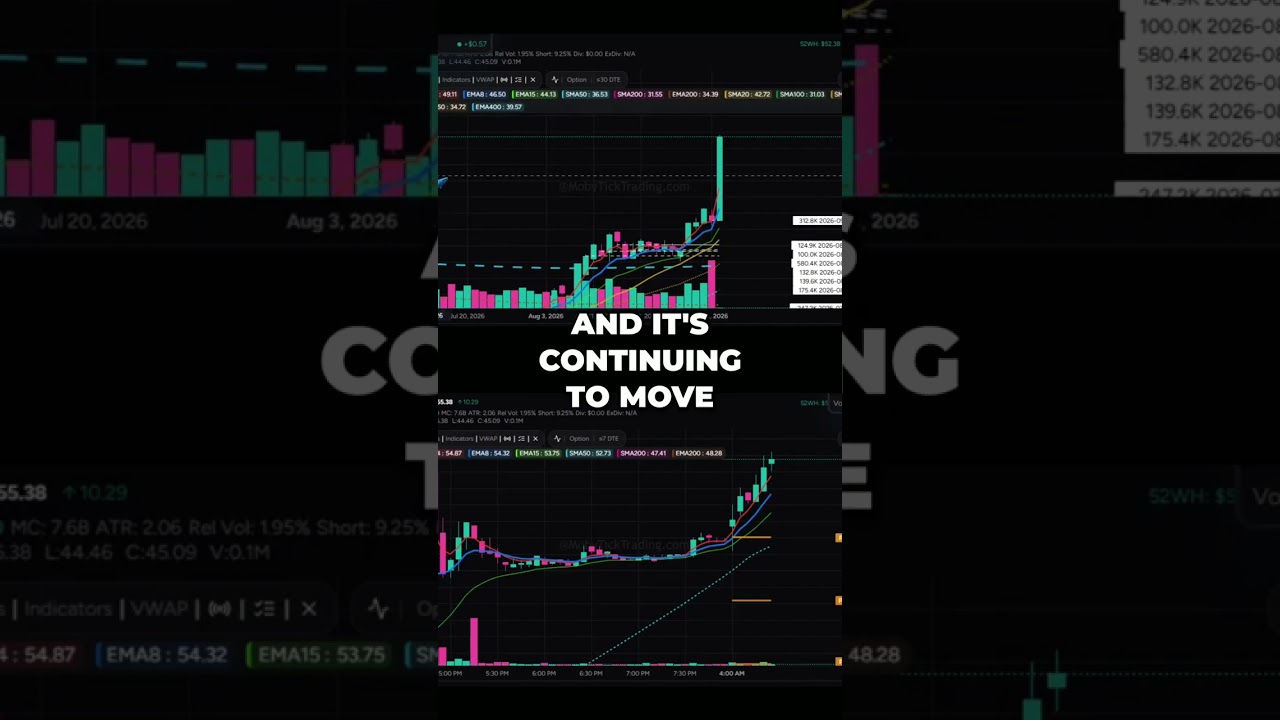
Do institutions pick a certain time of day to publish? Well, maximum is 3 hours from the time that the trade has occurred to the time it has to be reported to the exchange. There is one instance, whereas if they cross the order desk, say from London to New York, that's in Stephanie's book, that they can report it up to 24 hours late. You can see here these ones are reported 24 hours late. You see this 7.5 million March 31st? This trade was reported $5 below the low of the day. This one here, the volume belonged in the previous candle, but it was reported 24 hours late. So we track the late prints on the indices, and they're very, very important because if I go to the late prints We have a whole special tab. This one, March 20th, was 10 million, 10 million shares. It was $7 billion, made up 6% of all volume traded on the SPY. Every single trade together, this one trade was 6% of the volume, $7 billion. And so this is how they hide their— not only can they hide them in the dark pools, There's loopholes where they can report it 24 hours late, and they broke this same trade up into 76 individual trades at 6:58:02 that was dumped into the next day. So it screws up your volume weighted average price, it screws up all sorts of metrics and things like that, but they can do it. So, um, yeah, if you look at the late prints, one of the things that's really interesting is go look at 2 to 3 months before each crash, like, like COVID or whatever. You can see them selling massively into those timeframes and then see how it behaves. What actually happens in the block— so any of you that are familiar with any sorts of computer programming or something, they use something that's called an API. And so what that does is that allows different computers to talk to each other. It's it's kind of like passing a username and a password to something, and then they can they can exchange details and things like that. When that information is passed to a dark pool exchange, they have no idea who the who's taking the other side of the trade, and the other people in there don't know who they're selling to. It's actually dark. If you put out and say I want a million shares, like look at here X L K. The technology ETF, right? There's $200 million right there. They— the only person that knows if it's a buy or a sale are the parties that bought it or sold it, but they don't know each other. That's the whole idea of being anonymous.