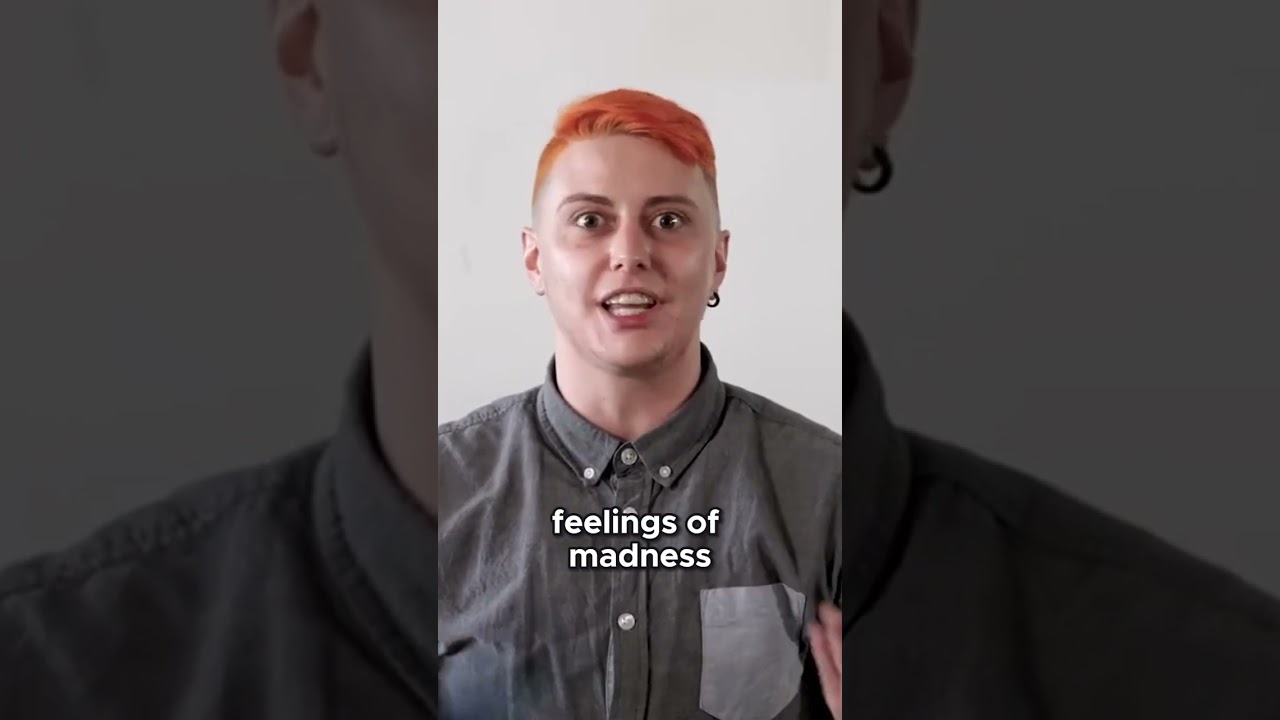
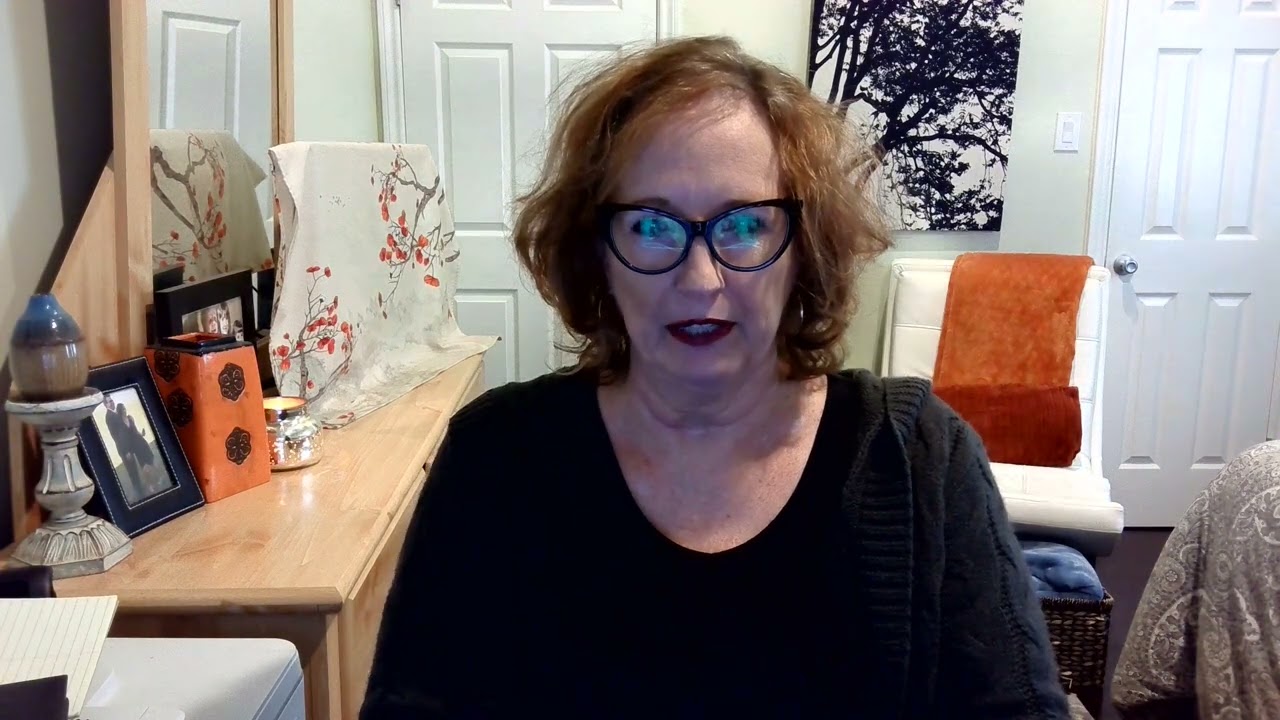
Jamie Campos, an LPC associate at Conversations Therapy, distinguishes madness from psychosis: madness is a psychosocial and sociopolitical interpretation of psychotic episodes, rooted in alienation and shaped by society, not just clinical symptoms or behavior.
Chapters
I'm super excited to bring on an LPC associate. Their name is Jamie Campos, and you are getting ready to meet them. They are taking advocacy that I've been working on so hard for so long to the next level, and they are part of what I consider the next generation of change and how people think of mental health as simply healthcare and changing the way the entire world thinks about it.
My name is Jamie Campos. I use they/them/theirs pronouns, and I'm an LPC associate at Conversations Therapy. So madness, um, more clinically associated with psychotic disorders and experiences of psychosis. But madness is sort of the psychosocial interpretation of what we might experience in an episode of psychosis or with the psychotic disorder. So it's sort of these sociopolitical elements that contribute to feelings of madness and this experience of feeling mad or alienated in some way.
So it has to do with like internal feeling more so than like external behavior, or it's a kind of—
So madness is kind of like a process, right? So an individual might feel mad if they have maybe ideas that go outside of social norms, or if they have beliefs or perceptions that are non-consensus. Then a lot of times they may be pathologized or labeled as psychosis, in which a lot of times people can experience as madness because there is sort of this power political dynamic at play in the medical model of diagnosing psychosis. So a big part of the work I do is kind of dismantling that power dynamic and operating from a peer perspective of things. So a big part of what my role is, is sort of providing a reframe. So up, you know, generations before us have conceptualized this experience as being a pathological disease or dysfunction, But I like to empower my clients to use whatever language fits their narrative. So for some, that may be, you know, a neuropsychological ability that may have the potential to become dangerous.