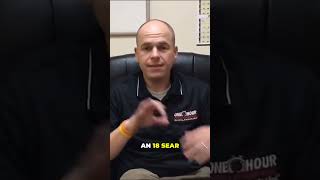
Derek Cole explains why upgrading to a high-efficiency HVAC system doesn't always cut your electric bill. The rebound effect kicks in: you lower the thermostat or run it more because the equipment is rated higher, offsetting savings. Sealing old ductwork leaks and hiring a state-licensed installer matter more than the equipment rating alone.
Questions this video answers
They should be licensed in the state that they're working in.
Chapters
I think there's even tests on it. The more energy efficient you think you are, the more energy you actually use. That's kind of backwards, but if you think about it, it makes a lot of sense. So if I think I'm really efficient, maybe I'm going to bump my thermostat down to 73 instead of 75. Hey, I just bought this brand new unit, it's a blah blah blah Seer, I can— no problem. You see, you start using more power because you're you're more efficient. So that could be one issue too. Make sure your habits aren't really changing. But yeah, your duct system needs to be checked, the new unit needs to be checked. The problem we have run into on previous installs is that maybe the duct system has been there 30 years and now you're installing an 18 SEER, 2-speed, mama jama unit. And it really starts to expose the oldness of the duct system with air leaks like we just talked about. So check all that, get your duct checked out, seal it if possible. Also, when you go to LinkedIn to look at the insulate air leaks article, there's also one there on duct sealing, so you might want to check that out as well.
What type of licensing should I make sure someone has before letting them install a new unit into my home?
So they should be licensed in the state that they're working in.