13 Tips to Increase Health Literacy in Your Clients
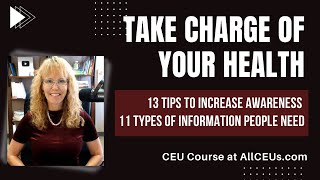
Dr. Dawn-Elise Snipes explains health literacy and why it matters in clinical settings and Recovery Oriented Systems of Care. The episode covers teach-back techniques, culturally tailored materials, and how to help clients find credible health information and navigate services.
Chapters
Welcome to Case Management Toolbox Podcast, sponsored in part by All CEU's Continuing Education. I'm your host, Dr. Donnelly Snipes. Case management CEUs are available for these podcasts@allce.com slide that's allceus.com casemanagement. Hi everybody and welcome to today's episode of Case Management Toolbox Podcast. Today we're going to be talking about improving health literacy. We're going to define health literacy, explain why it's important, explore health literacy in a recovery oriented system of care and identify at least three five ways to improve health literacy. Actually, we're going to identify a whole lot more. So let's start out. In the previous presentations I've talked a lot about recovery oriented systems of care or roscs. So let's briefly go over what those are. For those of you who aren't familiar, a ROSC is a coordinated network of community based resources that is person centered and builds on the structure and resilience of individuals, families and communities to achieve improved health, wellness and quality of life. So basically it's like that network, that safety net that we have out there that helps our clients connect with all the resources in our community in order to meet their biopsychosocial needs. It's really not that earth shattering of a new concept. It's just a formalized way where stakeholders from each organization get together and they all put out their information and agree on certain policies, procedures, referrals and everything so it goes smoothly. So instead of going well, there's this place over here that I'm pretty sure provides that service. The clinicians and the case managers and the physicians and everybody are aware of the resources, are aware of how to make the referrals, are aware of what an appropriate referral is, etc. So it goes easy peasy. Another aspect of a recovery oriented system of care is by getting all of the resources in the community that are willing to participate together you're able to identify any gaps in that safety net. So maybe you have great resources in your suburban town, but the people who are living outside of that suburban town, in the rural parts of the county, the have transportation to get there. So that would be a gap in your safety net that the recovery oriented system of care would look at ways to ways to address in order to make sure that everybody within the county is able to benefit from the services that are available. In order to access and benefit from the services available from a recovery oriented system of care, people have to have a high level of health literacy if they're not aware of why this service could be beneficial or that this service even exists, then they're not probably going to use it. So health literacy really starts helping people understand not only what they need, because they may not know what can help them feel better, but also learn how to figure out what's available and how to access it. Case managers and clinicians can work together in communities to identify needs and resources to prevent health and mental health issues. Once we see people, they generally are already struggling with some sort of an issue. Depending on your setting, they could be having a kidney transplant, they could be struggling with mental health needs. You know, there's a variety of places that clinicians and case managers may be working, but we want to look at these areas and figure out what could people learn, what could people have known ahead of time that might have helped them prevent this problem? And we can work together to identify needs and resources to recover from the health or mental health issues that the person is dealing with now. So for example, knowing coping skills and how to get proper nutrition and the importance of exercise and all that general health and wellness behavior stuff is great to prevent problems in their health literacy. And so only 12% of adults actually have the skills needed to manage their health or prevent disease. Wow. So let's just round that down 12%. We'll round it down to 10%. So again, one out of every 10 people has the information they need to stay healthy and happy, or at least as healthy and happy as they can be. Next time you're at church or in the grocery store or wherever where there's a lot of people, you know, just start counting. 1, 2, 3, 4, 5, 6, 7. Okay, that person number 10 can manage his health. And then count again and you're going to notice that that's a lot of freaking people that really need good quality information. And we know that not everything on the Internet is quality information. And I will tell you, I've talked to many a physician that has said don't go online to, you know, any old website or even to websites like WebMD to Self Diagnose, because a lot of times you're gonna freak yourself out. It's really important that clients understand that, you know, a lot of times what's online is a worst case scenario. You know, it could be the flu or it could be cancer or anything in between. For just about anything you look up on certain websites, which is why it's important for people to understand the value of going to their physician so they can get answers about their health condition. Not in general, what might be going on. So again, health literacy is what a person needs to know and how to help them understand and use that information. I can know stuff until doomsday, but if I don't know what to do with it, then it's not going to change my behavior. I can know that it's important to get enough sleep. Well, that's true, but if I don't know how to improve my sleep hygiene, as we call it, in order to get better sleep so I can get sufficient sleep, then I'm not going to be able to act on it. So we need to make sure that not only do people get information, but they get specific, actionable information that they can use as they see fit. Not everybody's going to want to improve their sleep, and that's okay. That's a personal choice, and we need to be respectful of that culturally. Not everybody's going to want to take medicine, for example, and we need to be able to respect that. In most cases, we do want to pay attention to our communication skills. We need to make sure that both lay people in our clinics and that we work with and professionals, case managed, licensed case managers, certified case managers, clinicians, whatever, that we are able to communicate effectively. But the clients also need to have the skills to communicate back to us and feel like it's okay to communicate back to us, not have that white coat syndrome where they're like, okay, yeah, Doc, whatever you say, they're able to step up and go, you know what? This isn't working for me. Or, you know, I hear you saying that you want to prescribe this medication. I'm wondering why you're choosing that medication over this one, this one or this one. So laypeople, or clients or patients or whatever you want to call them, individuals need to advocate for themselves and take charge of their own health. We don't want to rely on just passively going to any professional because we've lived in our own skin for way longer than they've known us. We need to make sure that everybody, not only the professionals, quote unquote, but also the clients, have knowledge of health topics. That way, clients, again, can advocate for themselves. I remember when my son was young, an infant, he had gastric reflux, and I mean, he would trajectory vomit right over my shoulder, like three feet in the air. It was sad, and he was so uncomfortable. And the first time we took him to the pediatrician, the pediatrician was like, oh, that's colic. You know, it'll go away. And I was like, okay, So I let it go, but I went home and I did some research. Since my son was a preemie, he had been fed through a tube that went down from his nose into his stomach and that had weakened the sphincter that kept the food down in there, leading to something called gastric esophageal reflux disease, or gerd. We went back to the doctor because his problem wasn't improving and he wasn't sleeping and he was in obvious distress. And we said, you know, I think this is what it is. And the doctor said, huh, you're right, I think you've got a point there. Prescribe some medications. And lo and behold, my son slept that night for like the first time since he'd been home from the hospital. And it was brilliant. But it was up to me, unfortunately, because it wasn't one of those routine run of the mill diagnoses. It was up to me to self advocate for, for my son, which is why it's important. I'm not saying physicians try to do wrong, but I'm saying if it's not one of those things they see every day, you may need to say, do you think that it might be this, this and this? And this is why? And we need to make sure that people understand what they need to know, etc. Based on the situation and the context. You know, health literacy can get overwhelming. If you tell somebody that they've got kidney cancer, for example, you know, all of a sudden they hear that and they may go into crisis. They may not hear much more after that. So what you tell them at that point is going to be very different than what you may tell them tomorrow or in a week when they come back for their follow up visit. They're not going to process a whole lot that you tell them right after you give them a diagnosis of cancer? Most likely. So the health literacy is also dependent on the situation. We want to provide people what they can handle cognitively at that point in time in a way that they can take it in and process it. Another thing that you can do if you're telling somebody, you know, you need to have a kidney transplant, okay, wow, that's a big thing. Tell them the information, give them handouts about the information, provide them information about websites where however you want them to get the information. So when they get home and they've caught their breath again because they feel like they've been kicked in the gut, when they get home and they've caught their breath again and they're back in their wise Mind, as we say, they can do research and they'll be better and they can potentially get support people to help them go through the information and process it. If it's all still too overwhelming, they can say, I need you to read this and just hit the highlights for me. Health literacy affects people's ability to find information and services. If you don't know what a credible website is, you know, you go online and you're like, I don't know, this is the first one that Google told me to look at, so must be good, then you're going to be in a whole lot of trouble. So where do people find reliable, credible information and how do they access services? United Way Information and Referral is a great place for people to find local services that can meet their needs. If they need diapers, if they need assistance with electricity payments, if they need low cost counseling, free dental work, whatever it is, that's one place that they can go and it's sort of a one stop shop. But where can they go to get information about depression, for example? They can go to, for example, the National Institute of Mental Health, but that may be overwhelming for a lot of people trying to navigate that website to get to the place where there are the brochures and all that stuff. It's much easier if whoever is providing them information about this issue or diagnosis has the handouts available. If the library has the handouts available. Most of the places that we're going to talk about in terms of finding good resources have free resources available that you can order. So you can have, you know, a row of pamphlets on different issues and conditions at the local library, at the local pharmacy. And we're going to talk about more places to disseminate information later, but we want to make sure that we're going the distance to make that credible information easily accessible. Health literacy affects people's ability to communicate their needs and preferences and respond to information and services. If people don't feel empowered to communicate their needs, if they don't know where to get the information to go in and make an educated, have an educated discussion with their doctor, then they may not be able to effectively advocate for themselves. If they go in and they've got depression and the doctor says, I'm going to write you a script for this medication, they may just say, okay, because they don't know any different. If they've already done research on the different antidepressants that are available and they want to be on an antidepressant, then they may say, based on my research I'm thinking that this other medication might be a better fit for me. What do you think? Obviously, the professional, the doctor is going to have an opinion one way or another. Sometimes the opinion is whatever you want. Other times, the doctor may think a different medication is better for a particular reason, but the doctor needs to be able to articulate that. So to summarize it, people need to be able to go into their professional's office, forearmed with information about, okay, this is what I think my problem is, and this is what I think might be the best treatment for me. What do you think? Because again, we, the client, we've been living in our own body for a lot longer. We know what we're sensitive to. We, we know what helps us. We know what our stressors are. Health literacy affects people's ability to process the meaning and usefulness of the information and the services. If you don't understand what depression is or what Alzheimer's is, if somebody starts talking to you about Alzheimer's, you have a kind of an idea that it has something to do with memory loss, but you're not really sure. And somebody starts talking about Alzheimer's, you've got early onset Alzheimer's disease and you need to start planning and yada, you may be sitting there going, I have no idea what you're talking about. With cognitive dysfunction and all this other stuff, we want to make sure that people, when we're talking to them about what's important to them, whether it's preventing diabetes or dealing with Alzheimer's disease, we want to make sure that they can understand the information and it's useful to them. We don't want to be telling them stuff that's not going to help them or they don't understand. Health literacy affects people's ability to understand the choices and consequences of the information and services. If we are telling people about pornography, for example, and the impact of the early use of pornography on the adolescent brain, you know, that can get really technical and lots of garbledygook and data and numbers and stuff. Most people don't want all that information. They want you to hit the highlights. And if they want to dig into it deeper, give them some references. But they need to be able to understand, if I do this, if I make this choice, what are the possible and probable consequences? Same thing for treatment. You know, present the information. If you go to residential, if you go to outpatient, if you just take medication, these are your options. These are the potential consequences of each. And this is the likelihood, you know, going Back to informed consent. This is the likelihood of symptom, remission, etc. With all this, if they understand the information and they can use the information, then they have good health literacy, which means they can decide what information to take, what information to leave, and what steps they want to take next in order to live the kind of life they want. Anyone who provides health information and services needs health literacy skills to help people find information and services that they can use. If I tell my clients, just go to PubMed and you know, you can Google, you can search within PubMed and find all kinds of articles on various treatments of depression, well, that's where I go because that information is useful and meaningful to me. That information is very, very often not very useful or meaningful to the average person because it's all research studies. And if you don't know how to read a research study and interpret statistics and data, then a lot of it's going to be useless. So I want to point my clients in the direction of something like the National Institute of Mental Health or the CDC or preferably just provide them handouts or a handout that has web addresses for good places to go to get reliable health information about X condition. You know, if you're, if you've got a child that was recently diagnosed with autism, there are lots of resources out there. It's too much to go over in one sitting or even two or three sittings. If you hand somebody a list of resources and you say, you know, as you have time, go through these websites one by one and they'll provide you information and resources and places you can get help and ask questions, that's more helpful to somebody than trying to spout off a bunch of stuff. Or worse yet, taking that expert role and going, just ask me. People want to be able to feel empowered to take charge of their health care. We need as clinicians to be able to effectively communicate information about health promotion and the conditions that people may have to people of varying ages. You're not going to tell the same thing if, say, we're talking about diabetes here, you're not going to tell the same thing to an 8 year old with diabetes as you are to a 28 year old. If you're working with someone who is geriatric and starting to experience cognitive decline, you're also going to tailor that message for them. Likewise, somebody who is older, elderly, over the age of 65, however you want to put it at this point won't be the same. True in 10 years, but at this point they may not Be very comfortable with computers. If you start giving them a bunch of computer based resources, they may never get looked at because a lot of people who are my mother's age and older really are very computer phobic and they want a brochure, they want a book, they want something they can hold. We need to be respectful of that culturally, when we're talking about providing information, we need to be sensitive to culture, not just ethnicity, but also people's age. Millennials, for example, and zoomers are going to prefer to have something online as opposed to having all this paper floating around most of the time. But we want to ask people, what is your preference for how you get information? Do you want me to Xerox it? Do you want me to give you a web address? What do you want? When we're trying to communicate information, it's most helpful to ensure people understand what we've told them by having them teach it back to us. So we may set, you know, give them our spiel about, you know, what they need to do for their treatment. Or, you know, maybe somebody goes into the doctor's office for a annual exam and their blood pressure is high and the doctor says, okay, to address this, we're going to do these steps, three or six things, blah, blah, blah, blah, blah. And ideally they have that written down and that's handed back to the person so the person has a hard copy because we can only remember so much. But also the doctor says, okay, so I know that you understand exactly what the plan is. Tell me what you're going to be doing between now and next session. That's called teach back. And that helps us. And it takes a little bit to get used to doing this technique and asking the client to teach back. Without sounding condescending, you don't want to say, okay, now what did I just say? You know, that's something I would say to my 4 year old when, when I asked him to do something, I would say, okay, eyes on me. And then I say, now tell me what did mommy just say? That's condescending if you're going to say it to somebody who's older. We want to make sure that we phrase it in a way that is respectful, but we also want to make sure that they understand. And one of the reasons that I like Teach Back is because I found, interestingly enough when I started teaching that you really have no clue about the things you don't know until you try to teach somebody how to do it. Then all of a sudden those gaps in your knowledge Come glaring out and you're like, oh, yeah, that's a question. Not sure about that either. So Teach Back is really helpful to make sure that we've communicated effectively to the client what they need to do. And sometimes that's the best way to put it to the client. You can say, all right, I've just gone through a lot of stuff now just to make sure that I covered everything. And in a way that was clear, can you recite for me or recap for me what it is that you're going to do? So we can take on the onus saying, to make sure that I did my job correctly so the client doesn't feel like we're being condescending. Anyhow, that's Teach Back. We need to be able to understand what people are explicitly and implicitly asking for. Now, in some cases, clients may be explicitly saying they've got pain and they want pain relief, and implicitly they're wanting drugs because they're addicted to opiates. That is the worst case scenario. Many times people are going to come in and they're going to say, you know, I am depressed or I've got pain and, you know, whatever, and tell me what's wrong with me. Well, tell me what's wrong with me is not really what they want to know. I mean, they want to know what's wrong with them. But what they're implicitly saying is, I'm in pain and my quality of life sucks right now, and I really want you to help me figure out how to make it better. So the explicit is, what's my diagnosis? The implicit is help me feel better. And we need to be able to help people decide which information and services work best for different situations. Sometimes it'll be a matter of sitting down with clients and saying, okay, here are these three options. Let's weigh the options together. Because doing it on their own is too overwhelming, or maybe they have to make a decision right then. But that can help people start becoming more health literate and learning how to make these decisions. A health literate case manager or clinician integrates health literacy into planning, evaluation measures, patient safety, and quality improvement. We have a high level of health literacy ourselves. We're able to advocate for our own health, and we're also able to communicate information to other people about a variety of topics related to health and wellness. Based on what your field is. I mean, if you are in kidney transplant or dialysis, you're going to have a whole different scope of information than I do over in mental health. But I can communicate information. We work with clients in the design, implementation and evaluation of the service plan. We want to make sure that we're including them and saying what do you think is the best step for, for you? And encouraging them to advocate for themselves and talk about the different options so they can make educated, informed decisions. We use health literacy strategies in communication and we confirm understanding through things like teach back. We provide easy access to health information and services. If you are running a substance abuse clinic, for example, then on your website you may have short videos and links and PDF handouts, PDF downloads on topics related to addiction recovery, addiction prevention, the family impact of addiction. You know, the list can go on for quite a while. That way patients can go there and they say, okay, this is where I can find, this is where I can start. And those downloads may just be a list of resources that people can go to to learn more information. Or they may be articles that have information from, you know, peer reviewed journals and stuff that clients aren't really going to want to read through. We design, distribute, print, audio, visual and social media content that is easy to understand and act on. So again, putting out this thing on Instagram that says sleep is so important for your health and mental health for these three reasons, well, that's great, but that's not actionable because people are going okie dokie, what do I do with that? You want to put the information out there, identify why it's important to somebody and 1, 2, 3 things, steps they can take to start achieving that goal. We want to regularly address health literacy in high risk situations, including care transitions. If somebody is discharging after you have a baby, for example, you quit going to your obstetrician and you start going to the pediatrician and then when you transfer over to the the gynecologist, if you are seeing just an OB and when do you need to go back to your healthcare practitioner? These are all health literacy questions that the OB GYN ideally is answering so that transition goes smoothly and the new parents know what they need to do, when they need to do it and when they need to get started. Medication changes is another time when health literacy is really important. We're changing your medication or you're starting on this medication. These are the potential side effects. These are the side effects that you may experience for the first three days of starting it, but they'll generally go away. These are the things, if you start seeing them at all, you should call me and yes, I know we get that printout from the pharmacist. That printout just lists everything in the kitchen sink as far as side effects. So it's really hard to know. And it doesn't give you any duration. Health literacy says if you start taking this antidepressant, then, you know, you may feel kind of flu, like for the first three days while your body gets used to this medication being in your system. But then those symptoms should go away. And if they don't, call me. Because what if people are experiencing what one doctor I had called unacceptable side effects? I loved that term. Then they're not going to stay medication compliant. And we want them to be medication compliant if that's going to help them get better. So people need to have assistance knowing what the next step is and what they should expect from the professionals. We're the ones who've been trained in the side effects and how long it should take and all that other stuff. There are other resources that they can look at as well. We'll talk about that in a minute. But we do want to make sure that they have connections. New parents, health literacy. You know, baby's born okay, they're getting discharged from the hospital. This is a healthcare transition. What information do they need? What phone numbers might they need? You know, lactation consultants, childcare, pediatrician, you know, you name it, you can just kind of go through the list. So they are leaving the hospital with confidence. And a health literate case manager or clinician communicates clearly what services are available, both free and for fee. We want to make sure people have options. Preferably, we don't ever give just one resource. You need to go see this doctor or this physical therapist. We say, okay, I think maybe physical therapy is something that would be beneficial to you. So here are some local physical therapists. You know, decide which one you might want to go to. Give our office back a call, and my nurse will schedule that appointment. That's health literacy. We're empowering clients to take charge of their own health care. The health literate case manager or clinician evaluates client understanding of the condition, treatment options, and services available. Admission. We want to make sure that we are integrating health literacy into planning, evaluation measures, patient safety, and quality improvement. So to do this, we got to figure out where are they starting at, how much do they understand about what's going on with them right now, what the treatment options are, and what services are available to them that might be beneficial. We also need to evaluate their understanding of general health and wellness behaviors. We've shown time and time again. And we often need to educate patients to this, that a poorly functioning body, you know, if things are going wrong in somebody's body system is going to impact their mood, their concentration as well as their energy levels, their libido, you know, the list goes on. If they're, if something's going on in their mind, for example, they've got ptsd, then that might also be impacting their body. We need to help them understand the connection between the mind and the body and see what they know about. How much sleep do you really need as a 26 year old? How much sleep does your child who's 4, really need? What does it mean to eat a healthy diet? Just ask simple questions like that. Tell me what your typical diet looks like and what do you, if you had to design a healthy diet, what would that look like? We want to assess the client's ability to seek out, obtain and use health related information. So we might ask them, when you have a question about something that's going wrong, you start having an ache or a pain, how do you find out what it might be? Or if there's a problem? And if they say, I call my doctor. Okay, well, that's one answer. If they say I go online to X and so website. Okay, that's an answer. We want to understand how they seek out information and whether they go to a single source or whether they look around at different places. We want to ensure clients understand what our evaluations are asking of them. If you're administering tools to them, we need to make sure that they're answering in a way that the tool expects them to answer, especially these pen and paper tools. So if you are administering something like that, especially a Likert scale. Likert scales can really throw clients. If it's just 1, 2, 3, 4, 5, they're just looking at it like, huh? Or never, rarely, sometimes, frequently or often. I don't know what that means. I don't know the difference between rarely and sometimes, you know, so help them by giving them strong anchor points. You know, rarely would be less than once a week, sometimes would be two to three times a week, frequently would be three or four times a week. You know, give them something tangible that they can say, okay, yeah, it happens about that often. And identify obstacles to the client's health, literacy and set goals for improvement, such as if there are unclear videos, ask clients after they've watched informational video. Did you understand everything in there or was there something that I could clarify for you? If you have handouts, check them to make sure that the people that you're giving them to can actually read them if they're not in the client's language, if they're written too technically, or if you're giving them to people who have visual impairment, you know, you may need to adjust your handouts or if the information that you're giving them lacks a clear way to transition knowledge to practice. And I've used this example already, but I'll use it again when we tell people it's important to get enough sleep or it's important to exercise. Okey dokey. How much do I need? How do I do it? What's the first step? You know, we have to help them answer those questions. We don't want to just say it's important to do this because that doesn't give anybody, doesn't give people parameters, you know, how many minutes, how many hours per day. We want to promote changes in the health care system that improve health information communication, informed decision making and access to health care services. So we again want to make sure we're educating patients about their options and we're involving them in the treatment planning process and saying, here are our options for treatment. What do you think is going to work best? And let's talk about that for a minute. Yes, it takes a little more time, but it's worth it because then patients can start feeling empowered and taking charge of their health, which theoretically means they're going to be lower service utilizers later on. We want to support and expand local efforts to provide adult education, especially in English and math, so people can do all the things that we've already talked about and culturally and linguistically appropriate health information services in the community. We talked earlier about culturally appropriate services. The information, the way you prevent presented and the types of services that are going to be embraced by someone who is 20 something is likely going to be a fair amount different than the way you present information and the services embraced by somebody who is 60 something. Additionally, if English is not somebody's primary language, then providing information in their first language is going to be so important. And I know some pharmacies have actually gone to gone the extra step to providing labels for medications that are in various languages and having pharmacists who speak the languages that are prominent in that particular area. So if you know Spanish is prominent in a particular area, then they have pharmacists on staff that are bilingual that can explain things in people's native language. We want to build partnerships, develop guidance and change policies. For example, right now, in a lot of schools, health classes, health class curriculum doesn't cover Hardly anything in terms of actual health literacy. It just barely skims the surface. And it's important and it provides information in a way that is often informational, but it doesn't take it that next step and say, okay, this is how you turn it into action and this is why it's important. We want to build partnerships with schools to start changing that curriculum. We want to build partnerships with daycares and churches and places where people go where they have a little bit more flexibility in their curriculum and to figure out, can we disseminate information here, can we hold wellness fairs, can we hold workshop days? We want to increase basic research and the development, implementation and evaluation of practices and interventions to improve health literacy. So we want to see if we start doing this, maybe a literacy minute, if you will, a little spot on the evening news for six months. And we assess people's. The people in that broadcasting area assess their health literacy at the beginning and assess their health literacy at the end, assuming that at least some of them are watching that show. Or we just target people who have watched that broadcast and we see whether their health literacy has improved and then we can look at the cost benefits of that. So good resources. I keep talking about them. What do they look like? They use plain language instead of technical terminology or confusing statistics. We want to make sure that we say things like 1 in 10. And ideally, if it's on a visual, we want to have one little person and then nine little people over here so you can, somebody can visually see the difference. You want to use like terms like one in a thousand when we're talking about birth defects or whatever. Instead of saying something like 1/10 of a percent, 1/10 of a percent just doesn't really have much meaning to me. One in a thousand has some meaning to me. Organize information so that the most important points come first because people will start drifting off really quickly. Break complex information into understandable chunks. If you're talking about, for example, kidney transplant, you may have the surgery and then you may have the recovery period, the immediate recovery period, and then you may have long term maintenance. Those are three separate things that all have a bunch of stuff involved in them. So you want to break the complex information down and, and you may need to break it down even further than that. So you're breaking this information into, you know, what you need to do today, or your medication versus your lifestyle factors. We want to advocate to increase accuracy of health information in all media programming. So that means if you see something that's inaccurate on a television show, that you're watching or even in a movie, you know, consider trying to find out who the producer was, reach out and go, that wasn't accurate. You know, let me point you to some accurate resources. That's something that I do sometimes just because, you know, I get a bug under my saddle when inaccurate information is put out there about mental health or addictive disorders. Use multiple modes of communication, not just text documents, because not everybody learns by reading, use videos, use pictures, or experiential learning. So, for example, in videos, you could do a video about the importance of nutrition in prevention and recovery from a particular disease or just maximizing health. You could have a handout that has pictures that shows the food pyramid. So people, most of us have seen that before, and it gives us something to reference. And we remember that at the bottom, well, the old one at the bottom, there's grains and then there comes fruits and vegetables. We can visually see it in our mind, which helps us remember, which helps us make better food choices as we're looking at the refrigerator. Experiential. Some people do better learning by doing so. If you're talking about measuring food, you know, what is 3 ounces of meat? What does that look like? Well, some people say it looks like a deck of cards, but maybe that's not meaningful either. So having people actually measure out food so they can see on a scale what 3 ounces looks like. Focus on translating information from increased awareness to specific steps for action and behavioral change. One of the things I've heard a lot lately is that sitting is the new smoking and we need to be more active. Well, that's great. What does that mean? And they say you need at least an hour of moderate to vigorous activity every single day. And again, I say, well, that's nice information, but what does that mean? What qualifies as moderate activity? If you don't give me parameters here, I don't know whether I'm meeting this goal or not. I'm very goal driven. So for me to be motivated to do something, I need something that says, you need to be exercising between 75 and 95% of your target heart rate zone for an hour a day. Okay, that I can do that. I can check the block and say, yes, I did it or no, I didn't. We need to provide that very specific information. For sleep, we need to tell people, you know, at your age, you need nine hours of quality sleep each night. And, and you should target shoot for 35 minutes to an hour of deep sleep each night that people can say either, yes, I did it or no, I didn't. Versus you need to try to get nine hours of sleep a night. And then when we talk about how to get that sleep, they may be going, well, I go to sleep every night and I wake up and it is what it is. We need to help them figure out, how do you get that core quality sleep if what you're getting now is not quality? We want to respect cultural preferences and practices when targeting and tailoring information and interventions. Not everybody's going to be down with different things. We need to make sure that we ask them, what do you think would help you with this? Or what are you willing to do? We want to involve members of the target population in planning, developing, implementing, disseminating and evaluating the effectiveness of information. So if you're creating a whole set of handouts for teenagers, for example, you don't want a whole bunch of 40 somethings designing it and going, yeah, yeah, they'll love this. And not actually have a teenager look at it and go, yeah, that's pretty good. Or you've got to be kidding me. And I will tell you, there's some information. There are some handouts from some government based organizations that are very non specific and very lacking, that are targeted towards teens and teens are going, yeah, this is common sense. Why did you even give this to me? If they would have involved a teenager in the process, then they would have realized, oh, most teens already know this. What would be more engaging and more helpful for them? So how do we disseminate this information? Well, you can start with school curricula and there should be health literacy training, if you will, from daycare through college and then even after college, which is we'll talk about. So in daycare, kids can start learning about how to go to sleep and the importance of hand washing and the importance of a balanced meal. Because most kids eat at least lunch at daycare so they can start learning about vegetables and grains and stuff like that. YouTube is a great place to put videos so people can easily access them and listen to them. Social media can be very helpful and not necessarily just, you know, going on Facebook or something, but there are a lot of places where there are forums or closed groups where people with certain diagnoses or issues can get together and support one another. There is one site that I'm aware of and there could be more, but the site I'm aware of is called Patients Like Me. And that's where patients with different disorders get together and they talk about, you know, they may say, I have generalized Anxiety disorder. This is the first treatment I was on and it's how it worked for me, which was not good. So we tried this other treatment and it's been working wonderfully. They're not prescribing, they're not saying this is what you have to do. They're saying this is what worked for me. These were the side effects that I experienced and these were the benefits that I experienced. So you're getting really candid information. Podcasts are another great tool for getting information out. Handouts that come from the doctors, the pharmacists, case managers, counselors, teachers, etc. You can find handouts for free and they're really pretty printed out from the cdc, the National Institute of Mental Health, Substance Abuse and Mental Health Services Administration, the National Area for aging, it's abbreviated N4A I think it's N4A.org and the National Institute of Drug Abuse, among others. Those are just a few that I really regularly go to some, so I know that they exist. You can try to work with your local news station to create a. What's the word? I'm looking for a time once a week, for example, where you do a health minute and it's, you know, three minute segment or something that gives one health tip that says this is something you need to be doing, this is why you need to be doing it, and this is how to start doing it. You can do the same thing by trying to write for local magazine columns. I know we get a lot of local magazines in our mail that we don't even subscribe to that end up being, for lack of a better word, bathroom reading or sometimes coffee table reading. But they're local magazines, local interest articles. If you have a column in there that provides health literacy information, likely a lot of people are going to read it because they probably get those magazines and it something they read while they're bored and some other movies on the television or while they're in the bathroom. Mobile apps that can get a little pricey to create. But mobile apps is another way to disseminate information. And there are a ton of mental health and health related apps that already exist. Evaluate what's out there. You don't have to reinvent the wheel. There are some really awesome ones. Go to health fairs. Work with larger organizations, larger companies in your area to host health fairs. Hold health fairs if you can get permission at the local schools. Provide health literacy tips in church circulars. You know, you don't have to have a big area of information, but a lot of people are looking at that circular during the sermon, I can guarantee you. Libraries, where I came from, they used to have a corner set up that was dedicated to the topic of the month and it would change every month, but the librarians would pull relevant, useful, translatable research books and put them in this area. So it was really easy for someone who was dealing with this issue to find good resources. T shirts is another one that's kind of an interesting one. If you print information on the back of T shirts. I don't know about you, but I read people's T shirts. I'm just nosy that way. But anything that you can, any way you can get somebody to get that information in their brain, even if it's reading somebody else's back, is going to be helpful. So you can put health literacy tips on the back of T shirts and sell those as a fundraiser and then you've got that message going out. Peer facilitated education is something else that's super effective that we're just now starting to use more. But peer facilitated education can be really helpful because the person who's communicating the information has been in the patient chair and they know the questions that came to them. So they can be a little bit more forearmed when they're working with somebody who is just now in getting that diagnosis. Other ways to disseminate information depend on your population. You just need to ask yourself, where does your population frequent and how could you get them to read or listen to the information? One tip is to keep it short, you know, no more than three to five minutes. You don't want to have this big long thing, chunk it that way. They get a little bit every day or every week in schools. They can have a health literacy announcement with the morning announcements. You know, you're only limited by your creativity. What do people need to know? Well, they need to know basic health promotion behaviors and how to implement them. What do I do to stay healthy and prevent disease? They need to know basic health needs by developmental stage. And this is obviously more true for parents than it is for children. But you know, when my children were growing up, I used to say, you know, at your age you need this amount of sleep, or at your age, you need to eat more protein or whatever it is in order to highlight for them that developmentally this is what they need. And this is why people need parenting and what I call self parenting skills. Parenting skills obviously are for parents, but for people who didn't have wonderful parents or caregivers when they were growing up, they may have to Learn how to re parent themselves, learn how to self soothe, learn how to set limits on what they eat or how late they stay up or whatever. People need basic coping and distress tolerance skills and you can start teaching these when people, when children are just old enough to walk. You know, people can start learning them from a very young age. But we need to make sure people have these skills, basic math and reading skills so they can manage nutrition, medication and all that other stuff that we talked about. Time management skills. Because people aren't going to be able to change their behavior if they don't have time to learn about it and start implementing this new habit. Habit and communication and assertiveness skills, including self advocacy. Too many people walk into a doctor's office and they just say, okay doc, fix me or I don't know what's wrong, you're the boss. Instead of going well this is what I think. Or if the doctor prescribes something and they try it and it's not working, instead of advocating for themselves and saying, you know what the side effects are, this are really killing me, they just sit there and suffer in silence or become non compliant with treatment. I don't want that. So we need to encourage people to look at their providers as humans. They're not, you know, deities of any sort. They are humans that happen to have a fair amount of education about a certain topic, but you are the expert on you. People need to know how to identify and mitigate risk factors and how to enhance protective factors for the development of mood disorders, addictive behaviors and stress related health conditions. We want to help people realize what can they do to maximize their quality of life and health and you know, what risk factors do they have in their self and in their environment. We all have risk factors. What can they do to mitigate those? Provide them information so they can, you know, make themselves as healthy as possible. When I'm planting a garden, I go out and I look and I have risk and protective factors, you know, some risk factors. And part of my garden, every time it rains, it turns into a mud bog. And it stays that way for, you know, days, sometimes weeks. And that's not good for some plants. So how do I mitigate that risk factor? I'm not going to put something there that is really sensitive to moisture. It's just about being aware of the type of plant and what the plant's needs are and the environment and what the environment's needs are and making a good fit. The same thing is true with people. People need to know what their personal Needs are what their environment holds, what risk factors might be there, and how to make the best situation for them. People need to know how to access accurate, understandable health related information so they can identify wellness behaviors as well as symptoms of mental health, addictive or physical health problems. Where do they go on the Internet to learn about nutrition or health or. You know, I have certain websites that I really like and I find one key that I tell a lot of the people that I work with. When you go onto a website, if they are explaining something to you, telling you about a disorder or a condition or a treatment, if they have within that explanation references to journal articles, peer reviewed articles that are from research studies, that's an indication that that's probably a reputable site. Now, it may be only presenting half of the evidence, but at least it's presenting some valid empirical evidence. We want to help people learn how to identify community based resources. And I said, as I said earlier, a great place to start is United Way information and referral. Because they often have a really comprehensive database, but also going to their local churches. You know, churches are often plugged in and in places that have a recovery oriented system of care, often they have a main hub, if you will, where there is a caseworker or three that is helping to coordinate all of the different agencies. And so people can go to that recovery oriented system of care hub and say, this is my situation, this is what I need, where do I start? And people need to know the risks and effects of things like the use of pornography, gambling, Internet games and substances on their health. You know, what is the risk to this same thing for the risks and effects of using alcohol and marijuana and nicotine. You know, what are the risks to me if I start to use this? People are going to make their own decisions and we need to empower them, but they need to have the information to make an informed decision. Health literacy is imperative to empower people to take charge of their health and well being. As clinicians and case managers, we need to ensure clients understand their current condition, the causes and treatment options, are able to use that information to make an informed choice about what to do next in order to achieve their idea of the highest quality of life. In the spirit of beneficence. Remember that's one of those ethical principles. We can and in my opinion should also advocate for preventative steps to enhance health literacy from birth. So we should be going out and go and talking to the pediatricians, bringing them handouts from the National Institute of Health or the March of Dimes so they can hand them out to their to their patients. Not every physician is going to be printing stuff out, but that is one way that we can start helping to get this information out to the general public so they can be empowered to take charge of their own health. All right, thank you for being with me. Thank you for listening to Case Management Toolbox podcast. Go to allce.com casemanagement to access the CEU course for this episode. You can also subscribe to Case Management Toolbox Podcast to be notified when new episodes are released.










