157 Preventing PTSD in First Responders and LEO
A continuing-education webinar by Dr. Dawn-Elise Snipes explaining what PTSD is (single-incident, cumulative, and secondary exposure), why first responders are at risk, and practical prevention strategies. The talk covers symptom clusters, burnout progression, neurobiological mechanisms (HPA axis), identifiable risk/protective factors (including a time-sensitive social-support window), and concrete individual and supervisor-level interventions to mitigate PTSD and cumulative stress.
Chapters
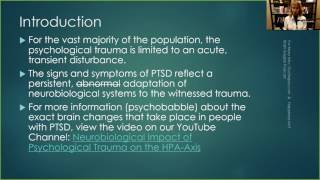
This episode was pre recorded as part of a live continuing education webinar on demand. CEUs are still available for this presentation through all CEUs. Register@Allce.com Counselortoolbox you I'd like to welcome everybody to today's presentation on PTSD prevention. We're going to talk real briefly about what PTSD is and what cumulative PTSD is. Because when we're working with clients, when we're working with law enforcement first responders and trying to help them prevent ptsd, first they have to understand what it is. And one of the mistakes that I find or I have found over the past couple of decades working with his population is a lot of times they start to experience symptoms of PTSD or burnout or whatever you want to call it before it meets the threshold for ptsd. And they don't really recognize it, they ignore it, they minimize it, they push it down and things start to spiral. So we want them to understand that when you experience these symptoms, it may be a sign that your body's telling you you need to pay attention and do something a little differently. Then we're going to move on to the whys and whens of prevention. Go really quickly through the HPA access or the threat response system so people can understand why their body does what it does. And then we'll move into how do we help people prevent ptsd. We don't even know who's going to develop it versus who's not going to develop it. That's true. But we do know that there are certain risk and protective factors that we can mitigate and enhance in order to give people the best shot of going through a traumatic stressor or multiple traumatic stressors and not developing ptsd. And we'll end with some specific interventions that can help people address particular characteristics of burnout and, you know, potentially symptoms of preclinical ptsd. So PTSD comes from exposure to a traumatic event that involved actual or the potential for death or serious injury in which there was a sense of helplessness or horror. You all know this. This is pretty rudimentary. Typically we think of single exposure and that's, you know, the Twin Towers. It's a major car accident, it's a rape. It's something that is extraordinarily traumatic. There's also PTSD that develops from chronic exposure or cumulative exposure. And that can be seen in people who are in first responders, people who are in the military, and people who are survivors of domestic violence, where every single day was potentially filled with a sense of Helplessness and, or horror. The other one that we don't talk about a lot is secondary exposure. You don't have to necessarily be there in order to experience the trauma, in order to feel helplessness and horror. I remember when the Twin Towers were hit back on 9, 11, I just stood there frozen, watching as that plane flew into the Twin Towers. Now you know, that wasn't enough to develop ptsd. But think about the spouses of the people who were working in the Twin Towers that day. Were they there? Were they on scene when that happened? No. But did they develop PTSD afterwards? Potentially, yeah. Not everybody did. But we want to make sure that we minimize the impact of something that happens to someone else. Spouses of first responders, if, especially back in the day when we used to have the radios where we could hear what was going on, on the law enforcement radios, some spouses had those and they would listen and they would get stressed out every time their spouse went to a call. And they felt a sense of helplessness if something went bad, if there was a fight, if there were shots fired and they were just sitting there in their safe home and they couldn't help their spouse who was the first responder, which could cause some symptoms of ptsd. The other people that we don't often think about is children. Children are traumatized. Not only, you know, maybe the children who are children of law enforcement officers, first responders, soldiers, they feel a sense of helplessness and horror. But children also derive a certain amount of trauma if they see traumatic events on television. And this was, again, you can go back. A lot of studies were done after 9, 11 and after Hurricane Katrina about the impact of the media replaying this stuff over and over and over again. In a kid's mind, it's happening over and over and over again. They can't quite separate the fact that it was a one time event and the media just has to feel. So we do want to pay attention to all of the different things that can go into creating an environment that could spawn PTSD symptoms. For the vast majority of the population, the psychological trauma is limited to an acute transient disturbance. You know, it sucks and it could suck for a few weeks. We have acute stress disorder. But a lot of people move on from acute stress to, to living very functional, happy lives without any other symptoms. The signs and symptoms of PTSD reflect a persistent, and I crossed out abnormal adaptation to neurobiological systems to the witnessed trauma. So basically PTSD is your body trying to adjust and it's like, okay, that was really Bad mojo. That wasn't supposed to happen. I need to protect you now. I crossed out abnormal because it's your body's way of trying to protect itself. Is it helpful? No. You know, which is why a lot of people come to treatment for ptsd. But is it your body's best response given what it has at the time? Sure. So there's a lot more information that you can look at on how your body responds to trauma. In my video on the neurobiology. Neurobiological impact of psychological trauma on the HPA axis. Y' all don't have time or interest in going into that here and right now, but that is on our YouTube channel. So the symptoms. Remember we just talked about how it's not an abnormal adaptation. It's the body's way of trying to protect itself re experiencing flashbacks and nightmares. The brain is trying to fit it into the schema that were there, and it's trying to protect you and learn from it so you don't experience that again. The same thing is true for avoiding triggers. Sight, smell, sounds, taste, touch, place, time, objects. There's a lot of different triggers out there. And remember I said earlier that a lot of times people minimize. They see what they're doing, or they may not even notice what they're doing when they're avoiding things, or they may not give a lot of credence to the flashbacks or the nightmares. Those typically get a little bit more attention. But slowly somebody can start distancing themselves from anything and everything that triggers a memory of whatever that traumatic event was. So we want people to pay attention. How has your life changed? How has have your day to day activities changed or altered since this experience? And if it has, then it's important to help them understand that again, that's your body trying to protect you. It's not, and I don't like to use the word abnormal because it makes people think of. Think they're crazy. And that's not it. It's unhelpful. You know, if you're withdrawing from all of these and starting to avoid this place and that place, that's reducing your quality of life. So let's take a look at that early, before it generalizes as much as possible. Arousal or reactivity, hypervigilance and easy startle. Now, a lot of cops that, you know, I've come from a long line of cops and first responders, but. And a lot of them that I've worked with, this is just sort of taken for granted, this easy startle, but it's Important for the. For us to help them understand, you know, what was it like before you were a cop, before you were a firefighter, before you were a soldier? And what is it like now? Have you always been easily startled or is this new? Is it getting worse? Are there things. Do you always feel on edge or have difficulty sleeping? These arousal and reactivity symptoms are the ones that often cause them more problems on the job and in their relationships. So again, these are the ones that may start bringing people into treatment even before they meet clinical definitions of PTSD and cognition and mood. Trouble remembering key features of the traumatic event. Now, the video I talked about earlier helps explain why sometimes your brain just won't let you remember it. Because during that trauma, the chemical makeup of the stuff that was going on prevented the consolidation of memories. So that could be one thing. The other aspect or explanation is that it's just too traumatic right now, and it's not something that your brain's willing to give you access to negative thoughts about oneself and the world. With a lot of first responders, it becomes an us, them and soldiers as well, where we're the good guys and they're the bad guys. Whoever them is. Unfortunately, each time you go to a call or respond to an incident or see a patient, if you want to talk about us, them becomes more and more like us. So it's not just this particular cohort of people. It becomes pretty much everybody else out there, and you start feeling less and less safe because the people that you thought were safe that you could look at and go, oh, you know, that person's not a pedophile, that person's not a this, that person's not that. All of a sudden you're looking at them going, you know, I don't know. Distorted feelings of guilt or blame about what happened and loss of interest in enjoyable activities. Now, remember, right after an event, these are all very normal symptoms and experiences, and they can go away. But what we want to help people pay attention to is does it continue, you know, in the first couple of weeks after a significant trauma? I would expect some of these. So we want to look at how does it impact your quality of life and is it worsening? The other thing with cumulative PTSD is you don't have one particular incident. You can say, okay, when that happens. So we're going to start counting off four weeks from this incident. First responders are seeing people on the worst days of their life, and that's what they do day in and day out. You know, they see some pretty awful Things and they've got to be able to figure out how to deal with it. So it may not come on suddenly. There may not be one precipitating event. It could be just over and over and over. And you see this. Well, you see it in road or patrol officers, but you also see it in homicide detectives and detectives who work sex crimes and things that are really intense. The road deputies, they have, the patrol deputies, they have other things that happen. The detectives often see really intense stuff every single day. So we do want to pay attention to what is the, what are the parameters of your work and is there joy in it or are you always seeing just the worst parts of society? So burnout. And you know, this is not meeting the definition of ptsd, but they have done a lot of research on burnout syndromes or the development of cumulative PTSD in law enforcement and first responders, and they find that it's a pretty consistent flow. They start out as a rookie, they go in, they're going to change the world. And then they start to become physically, mentally and emotionally exhausted. They've realized that there's just too many of them. They can't change the entire world. They feel like nothing I do makes a difference. So the, there's a sense of frustration, guilt, and loss of a sense of purpose. And later in the presentation, we're going to talk about what supervisors can do and what employees or first responders can do for themselves in order to address this frustration, guilt, and loss of a sense of purpose. And I'll give you a hint, one of them is to focus on as much as possible the things that they do that do help people. You know, they may have 10 things that don't help people, but what was the one person they touched in a positive way? And they also may start developing self consciousness about their sense of vulnerability and their emotional reactions. They thought they were 10 foot tall and bulletproof. They were going to go in and rock the world, and now they're feeling weak. And that's not something that most people who are first responders are wanting or comfortable feeling at all. So then they kind of move in almost as a protective way into cynicism and callousness. In response to prolonged feelings of helplessness. Some people put on this heavy armor and they're just look out for, number one, cover your butt. Or my favorite that I hear from them, you know what, I'm not a social worker. I'm not dealing with that. And I've done presentations for, on suicide intervention and all kinds of things. At different law enforcement agencies. And when I start hearing this from the majority of the workforce out there, you know, I'm going to go do my job. But I'm not a social worker. They just need to suck it up and deal. You know, this is where I think or I feel like they're at because they've moved past wanting to change the world and it's just a paycheck at this point. But they're still experiencing all the negativity. They're still experiencing all of the awful things that they've got to see on a day to day basis. And they're not getting any positive. Then they move down to failure, helplessness and crisis. They're just like, I can't do it anymore. I can't take people anymore. I can't take one more call out to this guy's house. I can't take one more domestic violence call. And we call this a road deputy or retired on duty because they're there in body, but they're just kind of going through the motions. And a lot of times paperwork starts to suffer, et cetera at this point. So we want to encourage supervisors and first responders to be aware of where people are at on this spectrum. And a lot of times people will, you know, they may start to get exhausted and then ramp it back up and get control of it. They may move down to cynicism and callousness and then take a vacation, have some time off or switch duties. A lot of times you'll see people go from patrol or detective to school resource or somewhere else where they think they might make a difference. So there are a lot of things they can do. But we want people to be aware of what their outlook is toward their job and what impact it's having on them. So what are the risk factors? I said there were risk and protective factors that we know of that we can help intervene. The response of an individual to trauma depends not only on stressor characteristics but also on factors specific to the individual. So two officers can go to a drowning and one may develop PTSD symptoms and the other one may not. Part of it depends on the characteristics of the person. What are those characteristics? Perception of the stressor in terms of how close was it to a safe zone. My husband used to work Internet crimes against children. And I remember one time, and I knew from the research and everything else there is no typical pedophile. But there was one person that he ended up serving a search warrant on who was the neighbor of our sheriff, you know, hoity toity neighborhood, gated neighborhood and everything. And it was one of those people that you wouldn't expect to have droves and droves of kiddie porn. So it's important to understand kind of what's going on in terms of how close was this to the officer's safe zone. Did it disrupt their sense of safety? How similar are they to the victim? I talked about that drowning call. If you have one officer who goes out, never had kids, and the other officer who goes out who has a child about the same age, the child who drowned, do you think they're going to react differently? There's a possibility. There's a good possibility. Because that officer that has a similarly aged child may be. May over empathize, if you will, with the parents and may be able to see himself in that situation and the degree of helplessness. We know that typically first responders tend to like to have control. So if they feel powerless in a certain situation, it can throw them for a loop. So other things that impact them in terms of making it more. More likely they'll develop PTSD or not deal well with the stress which results in PTSD symptoms. Prior traumatic experiences, cumulative. You know, the first one you can kind of deal with, rectify. The second one, it's a little bit harder. The third one, you're starting to go, what happened to a just world? What happened to what I thought I was going to do? What happened to hope? So one plus one starts to equal five. The trauma experienced or perceived by the first responder can grow exponentially with additional traumas. The amount of stress the person had in the preceding months, including family, personal and organizational. I found when I did my dissertation that actually most officers felt that the greatest source of stress in their job was not seeing people on the worst day of their lives, but it was the organizational stress. So from a prevention standpoint, we need to help agencies, you know, look at what are they doing to provide support and minimize organizational stress, current mental health or addiction issues. Obviously, if they're already struggling to feel happy and to cope with life on life's terms, you throw this into the mix, they're going to have more problems and the availability of social support. 424 and you're like, what? Not 24, 7, 4, 24. They have done research and found that social support is most helpful after a trauma if it's provided within the first four hours. Within the first 24 hours, there's still a significant benefit to it. After that first 24 hours, the person has started to compartmentalize or assimilate or accommodate it. So it is less effective with some first responders, some agencies, after a call, and it doesn't necessarily have to be this huge traumatic call, but they'll get together and they'll sort of debrief what happened, talk about it, the social support we're talking about, if the officers are able to support one another and go, you know, what didn't work out as well as you thought it was going to, or you hoped it would, but you did the best you could given what was going on in that situation. If they get some validation from other people, if they feel like they did the best they could, it greatly reduces the risk of this becoming something that may prompt PTSD symptoms. So that four hour window is really crucial after a critical incident. A lot of times first responders can't talk to anybody about what happened and they're told to shut up and wait for their attorney, which makes it even more difficult. And this is one of those things that kind of gets me a little bit irritable. But if the supervisor, if the shift, other people on shift can at least provide social support and go, you know what, you're a good guy, you're a good officer, you follow the procedures, we can't talk about the specifics. And they provide that camaraderie and emotional support that still goes a long way. You do find that a lot in firehouses because after fire calls, they go back to the fire station and a lot of times they do their own kind of mini debrief. And it doesn't have to be formal, it doesn't have to be, let's sit down and talk about what just happened. It's just people being sort of emotionally aware and supportive of one another. So why do we prevent? Well, it's easier and cheaper to intervene early. One of the activities that I'll have people do is to identify someone who's developed burnout. You know, not necessarily clinical ptsd, but those symptoms of burnout we talked about. And what are the impacts? Because most people who are first responders know somebody who has been retired on duty. So we go through when we talk about what were the impacts as they got more and more unhappy in their job and with their life and generally with people out there, civilians, emotionally, anger, anxiety, moodiness, being withdrawn, mentally, how did it affect their outlook and their concentration physically, did they develop illnesses, increased drinking, weight gain, exhaustion, and socially, and this is another one that, you know, you kind of want to help them pay attention to. How did it impact their relationships with Family, friends, the ability to get along with their team. A lot of times when people start getting burnt out, they'll start drawing more complaints because of those anger outbursts or, or, and, or they will start taking in, and I call them lost puppies. They will find people that they interact with on the job that they over identify with or they want to rescue. And they end up crossing a lot of boundaries trying to rescue these lost puppies, moving them in with them, giving them money, doing things that are, you know, would be in our profession considered extreme boundary violations. There it's usually considered unprofessional conduct or conduct unbecoming. But it's still, they're trying to regain that feeling that they're actually making a positive difference. And they're doing it usually in a not healthy, not helpful way. So we want to help people start prevention now before they even get out of the academy, if we can, before they take the job, we can prevent, you know, as clinicians, we want to do the same thing before we even start seeing patients or take our first job. We want to make sure that our body, our mind, our emotional fortress, whatever you want to call it, is well fortified. We want to have the energy to deal with it because people are going to come to us. And you know, we all know that it's exhausting and emotionally draining to, to be truly empathetic. Prevention mitigates vulnerabilities and strengthens the force or the team. So we want to help people figure out what vulnerabilities are on the team. If you've got somebody who can't sleep or is drinking too much, you know that's going to make the team more vulnerable. A vulnerable first responder is more likely to draw a complaint, make a mistake, get hurt, or develop stress related illnesses and mood issues. So pointing this out to supervisors usually kind of gets their attention. They're like, oh yeah, that's a lot of paperwork for me. Don't want to go there. So how does this all happen? And in order to get people to really kind of understand the physical and psychological interaction, we talk about the hypothetical thalamic pituitary adrenal axis, which controls reactions and regulates the body processes, including not only your fight or flight, but also digestion, immunity, mood and emotions, sexuality, energy storage and expenditure. So if all of these go offline because your guys are too stressed or your people are too stressed, what's that going to do to your team? What's that going to do to your workforce? What, what's that going to do to you? As an individual and your interactions with your family and working towards things that are important to you. So basically I show this little picture and I said the brain tells the body to release cortisol and adrenaline. This releases glucose so you can fight or flee. It suppresses sex hormones. Now's not the time. And it suppresses serotonin because serotonin is one of our anti anxiety neurochemicals because we want to have that fight or fleet. We need anxiety or anger to fight or flee. Unfortunately, when serotonin is suppressed, it reduces melatonin, which impairs quality sleep, which tells the body there's a stressor, tells the body you're vulnerable and it releases more cortisol. Lack of serotonin or inadequate serotonin can also cause increases in anxiety and anger, which can cause stressful cognitions. You know, if you're feeling stressed, then you may think stressful thoughts, which again comes back and tells the body to release more cortisol. So they get stuck in this unhelpful stress loop. We want to help them break that. Dysfunction in the HPA axis will result in abnormal immune system activation. So people are getting sick more. I don't know about you, but I'm not real pleasant to be around when I'm sick. And that also means more sick days and work product and everything else goes down. Increased inflammation and allergic reaction. So people are in more pain. You may go to work if you're in pain, but how is your work product? How much fun are you to be around if you're in pain? Irritable bowel symptoms such as constipation and diarrhea. Reduced tolerance to physical and mental stresses, including pain. So not only are you feeling more pain, but your pain tolerance has gone down, so you're feeling more pain. Altered levels of sex hormones cause low libido, which can have psychological effects as well, and increased anxiety and or depression. So there's a lot of stuff that goes on if you get stuck in that stress loop that cause more things. I mean, if you're having these symptoms, you're probably going to feel pretty frustrated. And frustration is an anger feeling which sends out more cortisol. So what triggers the HPA axis? How do we know we can't stop it unless we know what triggers it. Well, anything your brain thinks makes you feel vulnerable to injury or attack. So basically the rule that I typically give people, if it makes your heart rate go up, you're likely stimulating the HP PA axis. For first responders, going to calls, getting reprimanded Pain or discomfort. If you've worn a bulletproof vest and a taser and a gun and a baton and other things and tried to sit in a vehicle for eight hours, you'll start to get an understanding of what pain and discomfort looks like. Lack of quality sleep shift work really messes with a lot of first responders, circadian rhythms. And even if they're working firefighters where they work 24 or 48 on that doesn't mean they're going to get quality sleep while they're there. They may have call outs in the middle of the night. So we need to pay attention to how much quality sleep they're getting over training if they work out can also trigger the HPA axis because you're creating little micro tears in your muscles. And even watching the news and I know with people who have been in law enforcement and or firefighters, people are always armchair quarterbacking what should have happened, what the officer should have done, what the firefighter should have done, what should have happened. And there's a lot of criticism and scrutiny that the person is not able to respond to. They're watching it, going, I did the best I could and they're just getting lambasted on the news. So sometimes watching the news is one of those things that kind of needs to be nixed for a little while. Encourage people to pay attention to what triggers their anger, stress and worry. Because a dozen little things add up. It doesn't have to be one big thing that makes them go, oh, I want to rip somebody a new one. It can be a lot of little irritants and stressors, which again is why first responders often identify organizational stress as the much greater source of stress and weariness than the actual traumas that they walk into on a semi regular basis. So have a destination in mind, encouraging people to know why are they doing this? Adding that purpose back. You are here. So who and what is important to you and what five characteristics do you want to be remembered for this? You know, going back to acceptance and commitment therapy, having people identify why is it that I'm doing this? And in the big scheme of things, yes, I want to help people. Why else am I doing it? To put food on my table, to do whatever. So in this particular situation, what are your response options that help you move towards those people and things that are important to you. So if, you know, things get shaken up at work and you get transferred involuntarily to school resource, it may really tick somebody off. So in that situation, what are their options that are going to get them close to who and what is important. If putting food on the table and that is more important, then they can figure out how they're going to deal with the transfer. If for some reason being on the road or in their old position was more important than other things, then they need to figure out what are the best options to help me keep moving forward towards those things that are most important. First responders a lot of times have to deal with curve balls and they have to stop and think for a second, what is the best thing I can do for me to keep me moving forward? Mindfulness, you know, I'm a big fan of mindfulness. Encourage people to get their head in the game. Encourage them to do anchored mindfulness on a, you know, multiple times a day basis. I always say, every time you eat a meal, stop and think, how am I feeling? What am I needing? What can I do to improve the next moment? It helps them become aware of what they're feeling and needing in the present to help them work towards their goals. Because a lot of times first responders are trained to compartmentalize what they need and what they feel and shove it down because they've got to get free from this call and move on to the next call. So they have all these little boxes that they accumulate that are just shoved down and shoved down and shoved down and they never get opened and dealt with. So they start feeling numb. Mindfulness helps people become aware of and work with their vulnerabilities as well. My husband gets hypoglycemic, and you could always look back anytime he drew a complaint. You could look back six hours prior to that and see that he probably hadn't eaten because he's a really level guy until his blood sugar gets low and then he kind of turns green and turns into the hulk. But so encouraging people to be aware and work with their vulnerabilities, sometimes you can't prevent them. He started carrying little sugar tablets with him in the car. He also started making sure he had snacks with him so his blood sugar wouldn't get low. But it's important for people to do this kind of on a daily basis throughout the shift to identify what they need in order to be as quick close to their A game as they can get. Make sure that they're getting good quality sleep. Lack of sleep slows reaction time, impairs judgment, triggers the threat response system. None of these are good in a first responder. We want them to be, you know, Johnny on the spot with good judgment. So helping organizations understand how important it is to not switch them from day shift to night shift every two weeks. And if somebody's on night shift, helping them understand how important it is to keep that schedule even on their days off is going to go a long way. To help them deal with the sleep issue, Shades sleep routine. Have them do the same roughly three things before bed each night. The 30 minutes or an hour before bed. Make sure they stay hydrated, but reduce how much they drink about three hours before bed so they're not having to get up and pee. They should have a blood alcohol of 0.00 at bedtime. That's not saying you can't drink. That's a personal decision. But alcohol does impair sleep quality. Encourage them to decompress using guided imagery, progressive muscle relaxation or stretching. Remember I said the taser, the gun, the handcuffs, all that. Most law enforcement officers have low back pain and some sciatica and some other stuff. So if they can work with their doctor, get approval to stretch, you know, whatever, in order to balance everything out and reduce their pain, it will help them sleep more. E stands for ergonomics and environment. Within an hour of bed, at least put blue light filters on all of the electronic devices, including the TV and the phone. Encourage people to use earplugs and blackout curtains if they work during the night and sleep during the day. Encourage them to make sure that their pillow is comfortable and all that kind of stuff. And avoid stimulants. Three hours or so before bed, so when you go to sleep you have the best chance of getting as much quality sleep as possible. Encourage them to get good nutrition because their body repairs using proteins, but the vitamins are the spark plugs of the system. So if you don't have the vitamins, the proteins just kind of sit there like big old lumps. It's like having two by fours sitting in your driveway, but you have no equipment to put them together. Hydration allows for the chemical reactions and even 1 to 2% of dehydration causes anxiety, moodiness, difficulty concentrating and a decline in short term memory. Again, not something I want in a first responder, but not something we want in general. So encourage them to pay attention to staying hydrated. They need to eat decently and obviously they need to clear this with their physician. Generally three colors at each meal. Keep a water bottle with them. Encourage them to keep a food log for a week to get a baseline of their nutrient intake. Eliminate or moderate caffeine and nicotine. Keep healthy snacks in their car. First responders never know if it's going to be two hours or 20 hours before they can eat again. So it's important that they stay prepared, Eliminate or moderate simple sugars and high fructose corn syrup and eat mindfully for hunger. Not self soothing. Especially when the brain gets out of whack because they're not getting enough sleep and they start getting stressed. The hunger hormones can also get out of whack. So just kind of a visual. Remember, serotonin is one of our common chemicals. It's made from tryptophan, but it requires iron, magnesium, calcium, vitamin B6 and folic acid to break down tryptophan. And then it requires vitamin C, B6, zinc and magnesium to further break 5 HTP down into serotonin. And without serotonin you have a whole host of problems. So again, it's important to help people understand that nutrition isn't just about taking a vitamin. It's about getting a good balanced diet and working with their care team to make that happen. Losses need to be grieved. Think of life as a book and you're the author. How do you incorporate this plot twist? So when something happens, maybe it's a critical incident or maybe they lose the idealism that they had when they first started on the job. They need to figure out how to integrate that. Otherwise they're just stuck with this feeling of loss and helplessness. They can have a loss of idealism and sense of purpose. So some things that I suggest are to have people start each day with a focus or a quote. What is my purpose for today? Have them identify one good thing that they did that day and or if something bad happens or when it does, how can they make meaning from it? You know, it's life's handed you lemons. How can you make some meaning? How did this strengthen you or change your perception? And in a positive way. And sometimes that takes a little while to get to. They can have a loss of sense of personal control. So reminding people to focus on all right, you can't control what your supervisors necessarily are doing. What do you have control over? Lack of cognitive flexibility, rigid problem solving and conceptualization. They start getting very focused on its us versus them and dichotomous thinking styles. So I encourage you to give them the challenging questions worksheet. So they're looking at are they using feelings or facts and what is the evidence that supports their thinking? Cognitive distortions. A lot of times mind reading, we counter that, well, if that's the case, what's, what's the proof that you have? What's the evidence. If they personalize or internalize to the extreme something negative that happened, we want to encourage them. And again, this is in that challenging questions worksheet. Look at the broader view of it. What part did others play in this? So part of it may be partly your fault, but part of it is probably attributed to other factors. And people blaming is the opposite of personalization. So again, we want to encourage them to look at what was your part and what can you learn from it. If you blame other people, then it gives them all the power. If you look at your part and figure out what you can learn so you're not in that position again, then it generally helps people come to terms with it a little bit better. All or nothing. Encourage them to find the exceptions. So every time I go to a domestic violence call, this happens? Well, let's find the exceptions. Let's look at the times that you went and there was a successful outcome and walking the middle path, encouraging them to look at the good and the bad. Okay, maybe so and so didn't keep the restraining order, but what positive could have come out of that? Or. Or what can you get out of it in order to feel okay with it? Sometimes the availability heuristic jumps in there and it's like something that happened that's really prominent sticks out. And I think, well, this is always going to happen. But when we look at the evidence, it happens a lot. And that one bad incident was just an anomaly for the example of the child drowning in a backyard pool. Millions of houses have backyard pools. So it's not that having a pool in your backyard is going to have devastating consequences. That one just sticks out because it was devastating. And magnification and an exaggeration encourage people to ask themselves, how likely is it that this is going to happen in a month? How much will this matter that you got reprimanded for X, Y or Z? And compared to other things, how big of a deal is this? And a lot of law enforcement officers have to kind of ask themselves this pretty frequently because people are often will call in complaints on them. They will call in and want to talk to supervisors. Does it mean they always did the wrong thing or always did the right thing? No, but it's important for the officer to be able to look back or the first responder to look back and go, what did I do? What could I have done better? And be okay with it themselves and ideally feel like their superiors will support them. Distress tolerance helps people get through the unpleasant feelings and urges which they can't immediately control. It helps them let go of some of the unpleasant things that just are out of their control and kind of push it away. And it can help people avoid acting impulsively on urges. If they practice the pause and use their distress tolerance skills, then they may not act out in a unhelpful way. Now obviously this doesn't work when they're on duty. You know, they're not going to say, okay, just step back a second, let me breathe. This is more for after the situation has happened, when they're contemplating quitting their job or going and drinking or doing something else destructive. So going back to the DBT acronyms, we're just going to go through those really quick. Just distract with the wise mind accepts. Encourage them to keep a list of pleasant activities that they can and will do. Not just can, but will do on their off time. Encourage them to contribute if they want to volunteer. Now, a lot of times first responders, that's the last thing they want to do. So this might not go so well, but put it out there. Encourage them to look at comparisons. Look at somebody else who's gone through a similar situation and come out ideally victorious. Have them practice the opposite emotions. If they're feeling grumpy, have them do something that makes them laugh. Do something that helps them feel happy. Help them learn how to push away some of those unpleasant thoughts that they're having about, you know, what's the what the result of this internal affairs investigation is going to be or whatever because those drag on forever. Think about something totally different. And two techniques that I like because they're easy to remember. Four things you see, three things you hear, two things you smell, and one thing you can feel. Or just ask them. When you were on long car trips, what did you used to do? You know, remember how you used to look for billboards and try to find the letters of the Alphabet or look for red VW bugs or whatever it was you used to do, but that occupied your mind. And if they're not thinking about the stressor then that'll help them get out of that adrenaline bath, if you will, and get into their wise mind. Self soothing. Encourage them to do a body scan. Just figure out where the stress is and try to let it go. Meditation, Something that helps some people and use the five senses for self soothing. What things do you see that make you happy? I mean, how can you not be happy looking at a hamster in a sweater? It's just one of my things I'll look at. It makes me Smile. What things can you smell that make you feel calm or happy? What do you like to hear? Now, I put the bird chirping, but for me, I put on metal and I turn it up as loud as I can. That makes me happy. Whatever works for them. So encourage them to find things they can do to help them calm and get regrounded. Help them refocus, improve the moment using imagery such as a safe place or imagine themselves successfully dealing with this. They can also imagine feelings and thoughts or clouds in the sky that they don't have to grab onto. They can just watch them float in and float out. They don't have to engage. Encourage them to identify the meaning in the situation and change how you think about yourself and your situation. So instead of seeing themselves as victims or powerless, how can they see themselves as empowered and doing what's important to them? And it may be just letting go of that situation and going, you know what, what's important to me is, doesn't have much to do with this. So I'm going to let that go because that's not all that meaningful in the big scheme of my life right now. Encourage them to make lemonade or find the silver lining. Prayer, relaxation, activities, focusing on one thing in the moment, what they're doing right now, whether they're driving or weeding or whatever, driving is good, especially if they're patrol officers. Have them focus on what are they seeing as they're driving. Take a mental vacation and be their own best friend. You know, a lot of times they're wanting somebody else to tell them something, to encourage them. If they can encourage themselves, they're not going to have to wait for somebody else to do it. So what is it that you can tell yourself that can help you feel better about this situation? So specific interventions, when somebody's idealism is shattered, and we've all dealt with this as clinicians. You know, when we went through, I remember the first time I had a client that came in to treatment and he went through treatment. He got out. Three weeks later, he was back in detox, went back into treatment, went through treatment, got out. A little while later, he was back into detox. You see where this is going? And I just was befuddled, and I felt a loss of a sense of control. You know, I was like, what are we doing wrong? Why aren't we helping this person get. Get better? Does treatment even work? You know, started questioning everything. And, you know, my supervisor at the time was really good about stepping back and going, you know what? Let's understand this. He came in and he was in pre contemplation. He wasn't ready to change. All we have, all we can do is help him move forward a little bit at a time. He's been doing this for 40 years. He's not going to change in 30 days. So his perspective was, instead of focusing on, okay, it didn't go exactly as I had planned, he wanted me to focus on, what small steps did we make forward? What small positive things were you able to do? Loss of a sense of personal control. Again, encouraging people to focus on what is it in your job as a firefighter, as a police officer, as a soldier, as a clinician that you do have control over. And you know, we can only do the best we can with the tools we have. So what can you do? Loss of a sense of purpose. Encouraging people to reflect each day on what their purpose is. Is it to make the streets safer? Is it to save a kitten? What is their purpose for the day? And encourage them to really focus on that each day. And then at the end of the day reflect and go, how did I fulfill my purpose? Because too often if you don't do that, you can kind of go sideways and then start getting involved in a bunch of things that are not getting you towards those goals and ideals that are most important to you. If someone starts becoming obsessed with regaining control in either at work or in their personal life, we want to encourage them to, you know, again, step back and say, what is it that you have control over and what is it that you're trying to control futilely right now because you don't have control over it? And what can we do about that? How can you come to an acceptance or a serenity that there are some things in life you can't control? We can help them focus on getting quality sleep and maintaining positive social relationships when they have a sense of hopelessness. You know, supervisors can help a little bit by remembering to commend the positive. It doesn't have to be something that is necessary, commendation worthy, but giving people atta boys or atta girls periodically. When I used to be a supervisor, I would try to make sure that I gave somebody kudos or gave each person kudos at least a couple times in a month. You know, you did a great job with that client or because clients would come up and talk to me or I reviewed your chart and your notes are just spectacular. That gives people a sense of personal power and it also helps kind of remind them that they are making a difference. Counseling by the Time people get to depersonalization and apathy. Counseling and intervention is generally appropriate, but people can also try to help themselves, and supervisors can help. When I hear people referring to clients who come back through treatment as retreads, you know, I stop that. That's not an okay word to use. Yes, it's somebody who's been back through. That is the clinician's way of kind of protecting themselves from saying, I'm not able to help this person when I got into this job to help them. When you're dealing with first responders, they may have other names for the people that they're working with or dead bodies or whatever else that depersonalizes it makes it easier to deal with, which in some cases is okay. We don't want to confuse it with compartmentalization. Sometimes you've got to get some distance in the moment in order to do your job. But if it becomes habitual, where you're always referring to people as, you know, in terms of pejorative terms, then we need to have an attitude adjustment and encourage people to look at the personal aspects of it. How are they like you, and what is it that you can do to help them when they have apathy? All right, I hear you don't want to be here. What is it that you do care about, and in what way does this job or this situation help get you there? And what options do you have in this situation to get you closer to those people and things that are important in your life? If they start to question the goodness of humanity, you see a lot of stuff. Encourage them to find and highlight the exceptions, the things that went well, the times they did make a difference, an alienation and isolation from peers and family. A lot of times you'll see the withdrawal as people get so overwhelmed they just can't take any more input. And it's just like, you know, no, I can't deal with it. I can't even figure out who's safe and who's not safe to be around. I'm just going to withdraw from everybody. That's one thing. Introversion is when people just. They need some time each day to kind of decompress and get regrounded. That's fine. It's when there's a change in a pattern of behavior over time. And I can't highlight that enough that introverts typically need some downtime and some quiet time each day, but they are willing to engage with others when once they've had that time, lack of a sense of accomplishment again. Make a determined Effort to praise. If you see the beginning of addictions, eating problems, ulcers, habitual calling, calling in sick, want to start paying attention and go okay, Jim Bob, what's going on here? Your health has really taken a nosedive and I'm wondering how we can support you. Numbing and blind rage encourage people to learn combat breathing, which most first responders get that in the academy, and distress tolerance skills because they can take that. They may compartmentalize it during the situation, but then they get home and they've got it all bottled up and it starts to come out. So we need to help them figure out how to deal with that. Vomiting of negative emotions if it starts to happen and a lack of belongingness. Well, first we need to understand what makes them feel like they don't belong. Remember I said a lot of times that us them thing starts to get over generalized so everybody seems unsafe and then ask them how they might fix or address it. That one gets into more therapeutic stuff than people can generally do on their own. Law enforcement and first responders often see people on the worst day of their lives acting in the worst way of their lives. Extreme scrutiny also contributes to a lot of stress and ptsd. They feel like they're damned if they do and they're damned if they don't, and it takes away their personal power and motivation to make a difference. Prevention of vulnerabilities begins by developing a physically healthy workforce, ensuring awareness of signs of burnout and distress so you can intervene early and ensure the team, whatever that team may be, is cohesive, feels supported, can find meaning in their jobs, can integrate incidents into their narrative. You know, make sense of it now that you know there's this plot twist and they have a destination in mind so they can always go back to that one question. How is this helping me get closer to what's important to me? After critical or significant incidents, it's important to provide early intervention, make sure people are aware of the signs that they may have that are completely normal and how important it is to take care of their physical health and get social support, help the person find meaning and avoid cognitive traps like the shoulda, coulda, wouldas, and the us versus Them. Late in the PTSD process, if you start seeing somebody who's extremely symptomatic, people may need counseling, referrals, time off, or to work with the treatment team in order to reintegrate into their work team, if you will. If you enjoy this podcast, please like and subscribe either in your podcast player or on YouTube. You can attend and participate in our live webinars with Dr. Snipes by subscribing at allceus.com counselortoolbox this episode has been brought to you in part by allce.com, providing 24? 7 multimedia continuing education and pre certification training to counselors, therapists and nurses since 2006. Use coupon code counselortoolbox to get a 20% discount off your order this month.










