461 Internal Family Systems Theory
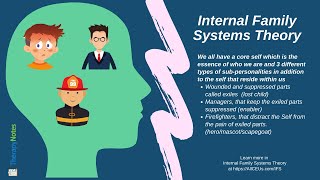
Dr. Dawn-Elise Snipes introduces Internal Family Systems theory, developed by Richard Schwartz in the 1990s. IFS treats psychological problems as protective parts: exiles hold pain, managers prevent it, firefighters distract from it. Therapy restores Self leadership through direct access, imagery, and unburdening work.
Chapters
This episode was pre recorded as part of a live continuing education webinar on demand. CEUs are still available for this presentation through all CEUs. Register@Allce.com Counselortoolbox you I'd like to welcome everybody to today's presentation on Internal Family Systems Theory. I AM your host, Dr. Donnelly Snipes. Today we're going to define internal Family Systems Theory, identify when it is used and explore in general guiding principles. Now there is a lot to internal Family Systems Theory. Obviously we are just going to scratch the top of the surface today to give you an idea about whether it's something you want to explore further. For more information and training programs in internal Family Systems theory, you can go to selfleadership.org and that's where you can get your deep in depth training. Internal Family Systems theory was developed in the 1990s by family therapist Richard Schwartz. It's based on the concept that a core self is the essence of who you are and identifies three different types of subpersonalities or families that reside within each person in addition to the self. Now, each one of these sub personalities can have multiple players, if you will. There's the wounded and suppressed parts that are called exiles. In addictions we often call this the lost child. But basically any traumatic experiences, memories, hurts that we have can become exiles. Managers are the personalities or subpersonalities we have that keep the exiled part suppressed. Often they are the ones that are trying to control the situation. In addictions, this can kind of equate to the enabler. Firefighters distract the self from the pain of exiled parts. And in the addicted family, this could be the hero, the mascot, the scapegoat. Basically what you want to envision is the exile is the wounded child part, for lack of a better term. And the manager is sort of like the nanny that's trying to keep the exile from causing too much problem, trying to keep control of the situation to keep everything flowing smoothly. The firefighter is kind of like the doctor that the child goes to when the child's in pain. And the doctor can theoretically take the take away the pain. And the self is the. Are the parents, if you want to think of it that way, the over the synthesis of all of those parts and what the world generally sees. The mind is subdivided into an indeterminate number of subpersonalities or parts. Like I said, you can have multiple exiles, you can have multiple managers, multiple firefighters. Everyone has a self which can lead the individual's internal system. Our self is our overriding our CEO. If you want to think of it that way, the non extreme intention of each part is something positive for the individual. There are no bad parts. The exile wants to tell his story and wants to get safety and reassurance. The firefighter wants to keep us from feeling pain. The manager wants to help us feel in control. Those are all good things, but when it becomes extreme, it becomes a problem. The goal of therapy is not to eliminate parts, but instead help them find their non extreme roles. As we develop, our parts develop and form complex systems of interactions among themselves. We see this in actual families all the time. The complex interaction between siblings and parents and grandparents and people that they interact with. And those interactions differ, but they also shape how the person is, who the person is, how the person reacts when the system is reorganized. The internal family system parts can change rapidly. When the firefighter, for example, doesn't feel like he has to be on guard all the time to protect from pain, when he's not hyper vigilant, then a lot of other things start to happen. Generally he stops being hyper vigilant. When the manager feels more calm and in control and the exile feels less pain and feeling like he's getting his needs met, being able to tell his story. We need to figure out, you know, in this system, where do we need to start in order to help the person better integrate and keep those subpersonalities from approaching their extreme limits. Changes in the internal system will affect changes in the external system and vice versa. When the internal system is doing better. When the person doesn't feel the need to be in control of everything all the time, means the manager probably doesn't feel the need to be in control of everything all the time. When the person is not engaging in harmful behaviors like addiction or non suicidal self injury. That means that inside the firefighter probably feels that he is not having to sound the alarm bells all of the time. What's going on inside our head often is paralleled in our behavioral actions on the outside world. Subpersonalities are aspects of our personality that interact internally in sequences and styles that are similar to ways in which we interact with others. The exile may interact with the manager. You know, the exile is this hurting child who, who wants to have a story told, who's feeling very afraid right now, may be interacting with the manager in order to try to get that attention, you know, maybe demanding, throwing a temper, tantrum, whatever. And we may see that the person interacts that way on the, on the outside. You know, when they start feeling anxious, they may seek out reassurance from a manager type person in Real life parts may be experienced in any number of ways through thoughts, feelings, sensations, images, and more. All parts want something positive for the individual and will use a variety of strategies to gain influence within the internal system. We're going to look at each part individually in just a minute. Parts that become extreme are carrying burdens, as the theory or this philosophy calls them. And these burdens are energies that are not helpful, such as extreme beliefs, emotions, or fantasies. Parts can be helped to unburden or recognize their role and return to their natural balance. For example, a firefighter who is in an extreme role may trigger the urge to drink to protect against pain at all costs. The firefighter is just like, you need to keep drinking because if you sober up, it's really going to hur and you really can't do that. And the firefighter is stressed out. Once the firefighter gets to the point where he recognizes that feeling a little pain is not going to destroy the self, that it's possible to work through this, that the manager can help, and if we all work together, the exile can tell his story, then that urge or need to use may subside. Some parts that have lost trust in the leadership of the self may blend with or take over the self. The firefighter, you know, we see this in addictions when, if the firefighter believes that the self doesn't have control and can't protect from the pain, the firefighter might blend with the self. So the person is acting in that addictive behavior all the time. Parts that have experienced trauma and become isolated or suppressed in an effort to protect the individual from feeling pain, terror, fear, and so on. These are your exiles. They are the wounded parts of ourselves. Exiles are often young parts. Doesn't mean that we can't develop exiles later in life. But a lot of our exiles start out when we are younger and we had traumatic experiences of some sort. And these extreme feelings and beliefs become isolated from the rest of the system. The person, the exile, starts to think, I'm worthless. I must be successful to be lovable. I'm a failure. Remember, children tend to think dichotomously, all or nothing. They think I am wonderful or I suck. They think I am lovable or I am not. And they also tend to personalize a lot of things. Children can develop exiles when they experience unpleasant events because of their cognitive structure. And we need to help them unburden. We need to let that exile tell its story and in the present, evaluate it with less dichotomous, less extreme, less distorted thinking, and help that exile come to A different understanding, maybe of what happened. Exiles become increasingly extreme and desperate as they look for opportunities to emerge and tell their stories. They want to be cared for and loved and constantly seek someone to rescue and redeem them. They want love. That. That's what they want. That. Think of them as the little children, the little hurt parts of ourselves. They just want somebody to give them a hug and tell them it's going to be okay, and I believe you, and I'm going to listen. When the exile is prominent, it can leave the individual feeling fragile and vulnerable, which is where the firefighter and the manager usually step in to protect us, to protect the self from feeling fragile and vulnerable. A lot of times it's really scary to tap into those exiles. Managers are proactive and try to avoid interactions or situations that might activate an exile's attempt to break out or leak feelings, sensations, memories, or anything like that into consciousness. Now think about that. Leaking feelings. I like that phrase. Managers are there to keep the exile under control. Think again. Think of it like a nanny who's there to keep, you know, little Johnny from being disruptive, from creating havoc while at the family dinner or wherever, when they're at the grocery store. The manager is trying to, you know, keep everything under wraps. Different managers adopt different strategies, such as controlling perfectionism or even codependency, in order to keep that exile under control. The primary function of all managers is to keep the exiles exiled. We don't have time for that right now. You need to put on your happy face and behave like you're supposed to, and that will make me happy. That's sort of the manager's approach to things. Common managerial behaviors include controlling perfectionism, high criticism, narcissism, people pleasing, avoiding risks, being pessimistic, and constantly trying to achieve. Basically, the managers are constantly asking what is going to trigger the exile to come out. I don't want that to happen, and how can I prevent that exile from being awakened? We don't want to wake the sleepy baby. You know, it's. The exile is asleep. We want to keep it that way. We don't want to have to deal with whatever the story is that they have to say right now that's too overwhelming to what might be going on. So we need to just keep it under wraps. Common managerial symptoms. Emotional detachment. You know, they box up that exile and put it over there and everything is good, or, you know, it kind of looks that way. That's that emotional detachment. Panic attacks. When you're constantly worried, you know, the. The exile is there Banging on the closet door going, let me out. I have something to say. That can be a problem. So the manager might start freaking out, developing panic attacks because they're afraid that exile is going to get loose and be uncontrollable. Somatic complaints. Well, when we're stressed, we can develop somatic complaints, depressive episodes and hypervigilance. All of those make sense if you're thinking about these are reactions to trying to keep that exile at bay. Firefighters, that third sub personality, they have the same goal as managers, to keep exiles under control and handle the pain, but different strategies. Managers want you to look good and be approved of. So they're the ones that are going to try to keep it under control, keep it under wraps, you know, know, put on the smiley face, don't talk, don't trust, don't feel, you know, all that wonderful stuff. Firefighters, they don't care. They only care about distracting from the pains. The managers and firefighters are often in conflict. And this is where your shoulds can come up. The manager may say, well, you should really just not think about that right now. Stop those thoughts. Or you should really go to the gym and try to exercise, because that would help you feel better. And the firefighters like, I don't care what I should do. I want to go have a drink, because that's going to make me feel better right now. The firefighter says, the heck with the shoulds. I'm going to do what's going to make the pain go away now. Firefighters tend to be reactive. So they're not. They wait. As soon as the pain starts to come, the firefighters are, you know, jumping up and going, okay, let's figure out how to handle this. They're reactive and automatically activated. When an exiled part is activated, when the exile gets loose, the firefighter jumps into action. When the exile part, when the person starts feeling feelings like rejection, isolation, failure, traumatic memories, anything that makes them feel pain, the firefighter jumps into action. Their function is to eliminate those dysphoric feelings, thoughts, sensations and memories without regard for the consequences. You might think about this like being on autopilot. When, when we feel pain, the autopilot reaction, that's that firefighter jumping into action going, okay, you can't feel this right now. It can be thought of as reacting in the emotional mind. When people experience pain or distress, they have an urge, a behavioral. A thought and then a behavioral urge to do whatever's going to make the pain stop. Right now, it may not be the best choice, but. But they're acting in their Emotional mind. There may be other choices out there, but they can't see them right now because the firefighter is jumping up and down going, you need to do this because it'll make you feel better. The firefighter can help people eliminate pain in any number of ways, including substance use, non suicidal, self injury, binge eating, compulsive sexuality, the list goes on. What is it for that person that enables them to numb their feelings and escape from noticing that? Exile, the self is the moderator that the parts are all talking to. The self likes or dislikes, listens to or shuts out various parts. So our self, we may know that that exile is back there in the back of our head wanting to be heard and, you know, jumping up and down and saying, we got to do something about this. But the self may be going, I don't hear you, la la la la la la la la la. Which, you know, isn't super helpful for family harmony if you want to look at it that way. When differentiated, the self is competent, secure, self assured, relaxed, and able to listen and respond to feedback. When not differentiated, that's not true. So most of our clients that are presenting with behavioral health symptoms are probably not differentiated at the moment. And we need to figure out why the self can and should lead the internal system. The self is the one that's the CEO. You wouldn't. In an organization, you wouldn't want your vice presidents running the organization and your CEO just going, yeah, well, whatever, it's all good. The CEO is supposed to be talking to each of the vice presidents and saying, what's going on here? The head of the family is supposed to be communicating with the nanny and the physician if the child is sick or having problems in order to decide, all right, what's the best course of action. The self is the one that is able to make the overarching decisions. The manager may say, or the. The nanny, whatever you want to call them, may say, this is what we need to do to keep control. And the firefighter may say, this is what we need to do to avoid the pain. And the exile may say, I don't care what we need to do. I need to be heard. And the self, or the CEO, the head of household, is going to say, okay, I hear each one of you now. Let's figure out how to solve this problem. You know, let's figure out how to let the exile be heard but still maintain control and not experience too much pain. We don't have to be in complete control all the time, and we don't have to be completely pain free. Once those sub personalities start to learn that that it's safe to not be in 100% control all the time and that it is safe to feel a little bit of pain sometimes and that's okay. You know, we all experience pain in life at times. Once those parts start to realize that and start to feel safe in that situation, then the self has more control. When they have confidence that the self is not going to let things get out of control, then they can relax a little bit. Various levels of experience of the self when completely differentiated, all parts describe a feeling of being centered. The person, their hurts and that lost child. That exile feels centered, feels grounded, they feel safe. It doesn't mean that they don't have some hurts, but they feel safe. They feel they're in a place that they can express it and be heard. The manager feels centered, feels safe that they have suggestions they can put forth and those suggestions may be accepted, may not be accepted. However, whatever the self decides is okay because they're safe and the firefighters the same way. When the individual is in self or when the self is in the lead while interacting with the others, like in day to day experiences, the self is experienced along with the non extreme aspects of of the parts. We're aware of how different things that we experience day to day affect that exile or those exiles. We're aware of how our experiences day to day are affecting the manager. What are the manager's thoughts about what's going on? What are the firefighters thoughts about what's going on? The self doesn't have to jump at everything the firefighter says or everything the manager says or run to rescue the exile all the time. The self can interact with all of the parts. The empowering aspect of the model is that everyone has a self. Everyone has a head of household. The goals of internal family systems theory are to free the parts from their extreme roles so each part can add their input. Managers provide guidance on how to prevent problems. Firefighters are there to help people learn how to use healthier coping mechanisms to deal with distress once they reach that point of understanding that a little pain is okay. Exiles recognize the influence of the past and the reality of the present. And they start differentiating between memories and hurts from the past and what's going on right now and the self. The CEO, the head of household, integrates advice from the manager experiences and feelings of the exile and makes executive decisions. The goal is to restore trust in the self, restore trust in that CEO and coordinate and harmonize the self and the other parts so they can work together as a team with the self in charge. When you're beginning to use the model, assess clients parts and sequences around the problem. What happens when you're triggered to. We'll just use substance abuse because that's the easiest example. When you're triggered to use what's going on, that's the problem you're triggered to use. That firefighter is jumping into action. Well, what triggered the firefighter? Pain. An exile escaping or an exile in pain triggered the firefighter. So what was the trigger? What memory, what hurt was triggered? And where's the manager in all this? You know, the exile and the firefighter we know is going on. Where's the manager? Where's the self? What sequence is going on there? Check for individual awareness of parts. Ask your clients how they experience each part. When the manager is in control, when that, you know, controlling part. When the nanny manager, however you want to conceptualize it to your client, when that person's in control, what are their thoughts, feelings, sensations and images? Sometimes they will say they feel very calm because it's orderly and they feel grounded. You know, it just depends on the person. What are their thoughts, feelings, sensations, etc. When the firefighter is desperately trying to suppress the pain and what are their thoughts, feelings, sensations and images? When the exile is hurting and starting to emerge. You can do a lot of great art therapy exercises around this. When they talk about, if they're talking about a past trauma, you know, what is the manager wanting to do right now? What does the firefighter see when, when you feel the firefighter, you know, what images do you have in your mind of what's going on to help protect you? Look for polarizations when you're doing your assessment. Anorexia, for example, would be an example of an extreme manager. They are trying to control everything that goes on, including what goes on in your goes in your mouth and your weight and those sorts of things. That may be the last thing they can control, but they are going to hold on to that come hell or hide water. Substance abuse would be an extreme firefighter. That's the firefighter jumping up going, we have to numb it and we got to numb it now, people. And clinical depression or anxiety or PTSD could be an extreme exile. When that exile is just hurting so much that the pain is palpable. That's the exile going, hey, somebody listen, somebody help me. Manager helped me get it under control. Firefighter helped me numb it out. Somebody needs to help me because I can't do it. Relationships, the way you relate to your own parts often parallels the way you relate to parts of others. This is really interesting to start thinking about, and we're not going to go through each interaction because there's like a bazillion different iterations. But think about how does your exile, the wounded parts of yourself, interact with the wounded parts of other people? Is it accepting? Is it rejecting? Does it, you know, how does it interact? How does your manager interact with the exile of others? Your manager may try to control when other people are in pain. They may try to start controlling things. They may try to fix it and keep it under wraps when other people are in pain. Your firefighter, when you're interacting with the exile of others, your firefighter might try to help them numb that pain out and in some way, shape or form. Think about how your exile interacts with the manager of others. If your exile and your and your manager don't have a good relationship, your exile doesn't trust your manager to control things, then your exile might not trust other people's managers, which means that it's going to be hard to form therapeutic relationship because you essentially are a great big old manager. How does your exile interact with the firefighter of others? You know, your exile may gravitate towards other people's firefighters or gravitate towards other people's managers seeking out some sort of help or relief. The individual's internal system affects and is affected by the external system of which he or she is a part of. How we deal with life is impacted by who we're interacting with. Internal and external systems often parallel each other. If your manager, for example, is controlling and dismissive of your exile, then it will likely act in the same way when other people's exiles are present. If you have people who are constantly trying to fix others and trying to help them control it, that may be their manager coming out. When working with internal families, check for the family's awareness of parts in self and others. When working with actual families, you know, check for the family's awareness of those parts in each other. So if you're working with a actual family, you might ask the mom, are you aware of what the firefighter looks like in Junior? Are you aware of what the firefighter looks like in your spouse? Are you aware of what the firefighter looks like in you and how do those parts all interact? That way they can start having discussions. If they're having conflict, you know, they may realize that mom's firefighter is clashing with junior's manager, and we can Start talking about those different aspects. Make a decision about how to begin using the model using language. They may choose to use different terms than firefighter, manager, exile, direct access, imagery and so on. The first step with everybody, whether you're working with a family or just an individual for whoever you're working with, assess the fears of the managers in everybody's internal family. Make sure that the managers know that their role is valued and explain how therapy can work without the manager's feared outcomes happening. Specifically losing control. How is this going to work? How can we help you feel safe and in control of the situation without having to control everything? And talk about slow pacing and the fact that the client is in control, the self is in control, and we're going to help re establish the relationship between the manager and the self. Inventory dangerous firefighter behaviors such as addiction or non suicidal self injury and work with the manager's fears about triggering firefighters as therapy begins to explore issues. As you launch into therapy, it's opening that door for the exiles to come out and start telling their story, which can bring pain. The manager to date has been trying to control that and keep that under wraps so the firefighter wasn't triggered. Once we get into therapy, that's not going to happen. You know, that exile is going to have to come out and be allowed to tell his story. So we need to talk with the manager about what their fears are about triggering the firefighters. To put it another way, going back to addiction, what are your fears when you start exploring your past? What are your fears that might occur? What are you afraid might occur that might trigger you to relapse into addiction? Put in family systems when we start exploring this issue, what do you fear might trigger that firefighter to trigger you to do unhealthy behaviors? We want to make sure to assess the client's external context and constraints to doing this type of work. That is, do they have supports and resources externally? Because there's going to be a little chaos in that internal family system for a little while until everybody starts feeling safe with this process. It's also important to assess protective parts, the manager and the firefighter, and work with them to create safety. Develop a direct relationship with each part. And you can look sort of at Gestalt therapy for this. Give each part a voice. What is your addiction saying? What is your manager saying? The controlling part of yourself saying, you know, and when a problem comes up, when the person has a bad day at work, maybe they get into a fight with their office mate and they feel devastated and overwhelmed, okay, you know, let's talk about what did the manager have to say about that and what did the firefighter have to say? What did the firefighter want to do? And you know, what ultimately did the self decide? You may need to negotiate a pace of work and give each part an opportunity to talk about concerns. Again, giving this sort of a gestaltish voice. The manager may be resistant to making too many changes because he has control. He's got things, you know, a good flow going right now and knows what to expect. It may not be perfect, but knows what to expect. The firefighter may have concerns about addiction or relapse. If the firefighter may have concerns about experiencing too much pain, and if I do, then it's going to trigger addictive behaviors. And you know, that's not where we want to go either. So have the firefighter talk about what do we do when we start experiencing too much distress? How can we re regulate? How can we protect ourselves from becoming overwhelmed and having the firefighter have to take control? Work out a system for each part to let you know when things are moving too fast. Have the person check in with their manager. Do they feel that things are. Do they feel grounded? Do they feel like things are under control? Have them check in with their firefighter. Are they having cravings and urges? And if one of the manager or the firefighter is feeling uncomfortable for some reason, then we need to assess why and maybe slow pace down a little bit, eventually identify the exiles. That's the second part. We want to create safety first and start helping them tell their story and become empowered and integrated. Non imaging techniques are things that you can use assessing internal dialogue. Have them figure out what they're telling themselves. Have them locate what they're feeling in different parts of their bodies in order to figure out the relationship among those different. Different parts, different parts of their personality. When working with individuals, you can also assess internal dialogue. Have them journal what is the exile saying or want to do about this situation? What's the manager saying or wanting to do, and what's the firefighter saying or want to do? One of the things you can do is just create a worksheet that has three columns. Exile, manager and firefighter. And have the person write out the dialogue. You can also have them storyboard online or print out storyboards in order to make something more like a graphic novel. And each sub personality is given an image and they can have their little thought bubbles that come out Direct access techniques. The therapist can talk to the parts. Let me talk to your Manager for a minute, let's talk about this controlling stuff, the thought, you know, that highly rational mind. What's the manager saying? The self can also talk to the parts. What are the parts saying? And what is the self's reaction? You know, if the self talks to the manager and the firefighter in the exile, you know, what's the information they got from that family meeting and what's their reaction to it? You know, is everybody getting along? Not if you want to go back to the other analogy of the. The nanny and the doctor. Maybe the exile is having some behavioral issues at school and the nanny is supposed to try to help, you know, keep that under control because mom and dad don't want to get called to the school and the doctor is there to help, you know, medicate the pain, if you will. Not that that's necessarily the best option, but the self are the parental units, and they're the ones that are going to talk to the nanny and say, all right, what's our strategy for handling this? They're going to talk to the doctor and go, okay, what's our drop back in punt if other things don't work and junior starts acting out? And then talk to junior about how Junior feels about the plan that has been created? Conversations can happen between parts. Managers may say, you better not do that because you know there's no way you can succeed. Why would a manager do that? Well, a manager does that to protect the person. Protect from bringing out an exile who has failed before and is still wounded from that failure as trying to protect the person from experiencing any more pain. The exile may say, I will never get dad's approval because I always fail at everything I do. Well, I hear a bunch of cognitive distortions in there, which means that this exile was probably formed earlier in life when the child was thinking very dichotomously and egocentrically. The firefighter may just say, you know what, y', all, I need a drink. Well, how do we handle that? The self hears all this and says, okay, manager, thank you for the warning that we might not succeed. I know it's a risk. Can you help exile think of times that she has succeeded, because it's important for me to try this. So instead of the manager shutting the exile down, the manager is going to step in there and go, okay, let's look at your strengths. Instead of looking at all the things that have gone wrong, let's look at times you've succeeded when you've tried something new. And firefighter, you don't know that bad Things are going to happen. Thank you for being on the ready. I'm glad you're there. What else can I do if this doesn't go how I want, besides drop back into firefighting behaviors? So encouraging the firefighter to create a safety plan that is healthier and more functional, recognizing that the firefighter is there to protect the person. And, you know, in addictions, this would be the relapse prevention plan. This is what you need to do when you start hurting. Instead of going back out and using. Another conversation that may happen, the manager may say, I'm in control. Everything has to go as planned. We all know a few people that are like that. Complete control obsessed. The exile may say, I remember when I was little and I couldn't fix it. Mom would get really depressed. It was my fault that she was so sad all the time. So this exile feels responsible for mom being sad all the time and not being able to control it. So now, as an adult, the manager is saying, you know what? We're never going to feel that again. Okay? We're going to be in control and everything's going to go as planned. The firefighter may be saying, you know what? They aren't listening. You better start yelling and showing them who's boss, or you're going to feel even more out of control. So the firefighter says, you know, let's prevent this pain by creating some chaos. Why not just stir the mix a little bit? The self may say, manager, thank you for trying to take such good care of me and help me feel empowered. Exile, it did hurt to see mom struggle so much, but it wasn't your fault that she was so sad. Or remember, the exile is a wounded part from the past, often a younger, younger version of the self. So we're now educating the exile and helping them. Just like you would help a person grieve, you're helping that exile grieve and integrate into the internal family. When mom was sick, you were too little to do anything. What's the worst that will likely happen in this situation if I'm not in control? And that's when the manager and the exile can start talking. They can open a dialogue. Firefighter yelling is one way to get my point across, but that's not how I want to interact with others. How else could I approach this situation? We do have thoughts, urges, feelings that are automatic, and some are very natural. We accept them, we acknowledge them, but we don't have to necessarily act on them. We take them as information, and then we say, all right, where's it coming from? Hello, exile, what could we do about it? Hello, manager. And how can we cope with it so we don't feel the hurt quite so bad? Hello, firefighter. When you're working with individuals, go back in time with a part and help them unburden. When, you know, take the example of the child that grew up with a parent who had major depressive disorder and, you know, they just saw their mom struggling so much and maybe suicide attempts or whatever, and they felt guilty and they felt responsible for not being able to fix it. Exile, what do you wish would have happened? And you know, the exile may say, I wish I would have been able to make it better. And we want to start talking about the facts of that and whether that could have happened and, you know, what else might have been able to help her feel better? Manager, what do you think should have happened in order to protect the self? What do you think should have happened in that situation? What would have helped you feel more in control? Maybe if the parents or whoever was involved in the person's treatment was more openly communicative or paid more attention to the exile's feelings. Okay, so we're back there. We're talking with the exile about how they felt back then. Now, let's jump up to the present. What's different about you now? And what do you know now that can help you unburden your guilt or deal with your feelings of frustration and loss or fear? All those things that came up when you watched your mother struggling and didn't know what was causing it and didn't know how to fix it. How can you unburden yourself of those feelings now then? Future imaging Exile, what do you want to happen? You know, you can't change the past, and so you're in the present now. What do you want to happen? Do you want to be able to forgive yourself? Do you want to be able to understand what was going on back then? What do you want to have happen? What would help you feel more get closure on that situation? And manager, how can you deal more effectively with situations like that in the future? A little kid may not know to ask questions about what's going on and what are the treatments? And they're six. A lot of that stuff isn't going to even mean anything to them anyway. In the present, the manager is more able to do research, to ask questions, to be more involved in what's going on. Strengths of the model. Well, it focuses on strengths, the undamaged core of the self and the ability of parts to shift into positive roles. What's the positive stuff? The manager is able to shift from having to control everything to being a really awesome advisor that is there to say, all right, you know, if it were me, these are the things that I would do. I suggest or I strongly suggest doing these things. These are my ideas. I'm your brainstorming. I'm going to be your chief operating officer. I'm going to try to keep things going. The exile brings positive roles because as the exile unburdens from those dysphoric emotions, they are going to get stronger. Once they come to an acceptance of what happened in the past, Once they deal with their traumas, they are going to be stronger and they're going to bring those strengths forward into future problems and future situations. The exile gives us an opportunity to learn about ourselves and an opportunity to learn about our strengths. And the firefighter is also a positive role. There is a time and a place for firefighters. Sometimes we just need a break. And the firefighter may say, okay, we need to numb that pain right now. You need to take a break. It doesn't mean we have to go take a drink. The firefighter can activate healthy coping skills that can help people emotionally reregulate. Internal family systems theory. Language provides a way to look at oneself and others differently. Instead of seeing someone as being self destructive, we may see their firefighter being triggered and trying to protect from this exile that is feeling out of control and that is in excruciating pain. They're trying to protect the self from that pain. There's no such thing as a bad part, just parts that have become extreme. With everything in life, it's a matter of degrees. People can have a bad day and feel blue. That doesn't mean they're clinically depressed. They are clinically depressed when it goes on for at least two weeks and they meet all the DSM criteria symptoms. You know, it's a matter of extremes. When we are, you know, when we look at weight, you know, there is a range of what they call, quote, healthy weight. And then there are extremes where people are too thin or too obese. It is all about moderation. Life is about moderation. And we want people to see that pain. Acceptance and commitment therapy asserts that, you know, pain is inevitable in life. Well, the firefighter doesn't want to hear that. The firefighter is like, no, no, no, no, no, no, no, we don't feel pain. Once the firefighter starts accepting that, okay, we can feel a little pain. It's not pleasant, but I don't have to jump to the ready because a little pain will not destroy the self. A lot of pain, you know, I might be triggered, but I can allow the self to experience a little discomfort because that's how we grow. Language encourages self disclosure and taking responsibility for behavior. Looking at what parts of your brain were doing things and becoming more aware of the fact that a lot of the stuff that we do, pretty much everything that we do is probably probably triggered by internal dialogue and tapping into that internal dialogue and figuring out, okay, why am I feeling, thinking or reacting this way? The model provides an ecological understanding of the entire therapy system, including the therapist. The therapist is an external, but it allows the therapist to help the person conceptualize all the different parts that are going into things. There's the responsible part, there's their, you know, protective part, and then there's their hurt part. And it gives respect for individuals experience of the problem. Clients provide the material. The therapist doesn't have to have all the ideas. We ask, what is your manager saying? What is your firefighter saying? And you know, what triggered that exile? And the therapist can look at the client's self as co therapist and trust in the wisdom of the internal system. This allows the client to do a lot of self directed, hence the word self. Self directed recovery activities. Every person has within them a self and then multiple, probably exiles, firefighters and managers. Each of these parts has a survival function. Our goal in therapy is helping parts communicate and not overwhelm each other. We don't want one being a great big old bully and to the expense of the others, or worse yet, being a bully and fusing with the self. So they kind of take over the self and they are the ones that are in control. They perform a coup, if you will. Another goal is helping the self get back into a position in which it can listen and discern feedback from the parts to determine the best course of action. It's not only able to hear one part, it's able to hear all of the parts without reacting immediately take in that information, get into that wise mind and then make a decision. Internal family systems theory can get a little complicated and convoluted without a whiteboard to really start thinking about it. But it does give us a different way of approaching people's internal experiences and may make sense to some of your clients. And yes, Carl, I agree. The internal family systems theory allows for stepping back and viewing our parts, our thoughts, our actions more objectively and create more stimulus between it. Instead of saying I did this, I can say my manager was telling me this, my firefighter wanted me to do this, my exile wanted me to do this. And I can look more objectively or, or I don't even have to say my I can say the manager, the firefighter, and the exile. It also allows for a lot of different creative narrative therapy activities where or art therapy, for example, let the exile, you know, draw out what they want to say or what happened. With narrative activities, you can have somebody write a story with each sub part of the personality, the exile, the manager, or the firefighter being a character in this story and the self as well. And that could help highlight, you know, why highlight for a person why they react the way they do to the things that they do. Between writing notes, filing insurance claims, and scheduling with clients, it can be hard to stay organized. That's why I recommend TherapyNotes. Their easy to use platform lets you manage your practice securely and efficiently. Visit therapynotes.com to get two free months of therapy notes by just using the promo code CEU or when you sign up for a free trial@theapynotes.com. If this podcast helps you help your clients or yourself, please support us by purchasing your ceus@allceus.com or getting your agency to sponsor an episode. A direct link to the on demand CEUs for this podcast is@allce.com all podcastce that's allce.com podcastce. To sponsor an episode of Counselor Toolbox and reach over 50,000 clinicians per week, go to Allce. Com sponsor. Thank you.










