Acceptance Tools for Recovery | Cognitive Behavioral Therapy Tools
Dr. Dawn-Elise Snipes teaches acceptance as a CBT/DBT tool to help clients stop fighting unchangeable realities. She covers four fear domains: failure, rejection, loss of control, and grief. Practical techniques include reframes, identifying what you can and cannot control, and using anger or fear energy toward meaningful action.
Chapters
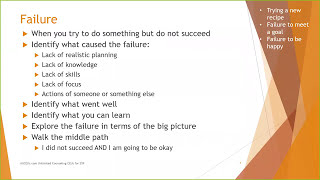
This episode was pre recorded as part of a live continuing education webinar on demand. CEUs are still available for this presentation through all CEUs register@allceus.com counselortoolbox you. I'd like to welcome everybody to today's presentation on acceptance. Tools One of the things that I found over the many years that I've worked with clients is they get stuck holding on to things, wishing it would be different, should be different, could be different. And they get stuck in that struggle with something that is somewhat unchangeable. So what we're going to talk about today is different ways, our different ways to help clients approach the concept of acceptance. And we'll also look at some of the reasons why clients may resist acceptance. And I'll give you a hint, it's kind of the reason they resist the word forgiveness too. So we're going to go over, after a brief introduction, accepting failure, isolation and rejection, loss of control and death. Why did I pick these? Well, these are our basic fears. So if we don't accept them, then we're going to have that fight or flight reaction going on. And even if we do accept them, we may briefly have that fight or flight reaction going on, but then we can take that energy and harness it and figure out how to improve the next moment. So one of the things that I like to do for clients when I'm doing a group or even an individual is just to start with a warm up and start with something easy. The weather, the news, or you wake up sick. You know, you wake up and it's a rainy, nasty day outside and you've got to wait for the bus or walk half a mile to work. You wake up in the morning or whenever you're reading the news, you read something and it upsets you or, you know, you wake up sick. So those are three things that people encounter on a regular, regular basis that can cause them some frustration because these are things they can't control. They can control their access to them, but they can't control, you know, what's going on in Russia or North Korea or whether it's going to rain today or not. So I encourage them to pick one of these. You know, each person will have their pet thing that irritates them on a regular basis and ask themselves, when you wake up and encounter this and it causes you distress, look at the situation, what are the positives in this situation? And we'll stick with the weather for this one. You know, it's gloomy, it's rainy, it's Just mucky outside and you are even having a good hair day. So I'll interject that there. So you know your hair is going to go flat the minute you walk out the door. So you can get this little attitude of, oh my gosh, I am so frustrated. It's, you know, raining all the time. But I encourage people to take a breath and look at what are the positives in this situation. You know, it's replenishing the water supply, it's watering the plants, it's allowing the grass to grow. That could be a negative. If you mow your own grass and try to find some of the things. Another good thing, when I lived in Florida, we used to look forward to those afternoon showers because it would cool things off a little bit. So trying to find some positives in it. If you think to dialectics, encouraging patients to balance the positives and negatives. Yeah, there are some negatives to it. You know, another thing I like when it rains is I don't have to wash my car. It washes all the pollen right off of it for me. I have to buff it a little bit. But, you know, I try to find the positives even in something that I'm not thrilled about. I'm accepting the fact that it's raining. I can't do anything about it. So I might as well look at what I can get out of it. You can also look at the situations, what is within your control. You know, in the case of the weather, that's not in your control, you can't do anything about that. But I can either get grumpy about it and irritable and slosh around, slosh into the office and just be a grumpy Gus all day long, or I can choose to just accept that that's the way it's going to be and hopefully tomorrow it'll be sunny. If you wake up sick, the same kind of thing goes, what are the positives to waking up sick? Well, you woke up, that was a good thing. It could hopefully be worse. You woke up and you've got a runny nose. Maybe you can catch it early. You know, maybe you can look at it as bonus, I get to take a day off from work. If you're able to do that and try to focus on anything positive that you can get out of the situation because you're sick and you can't change that. You've just got to accept the fact that that's the way it is. So we do this warm up practice and sometimes it can get kind of funny. Sometimes, you know, it just goes. And it's not as amusing, but it gives people the perspective or the beginning of the perspective of what acceptance is. It's just saying it is what it is. What can I do now to improve the next moment? Acceptance can feel like surrender to a lot of our clients. It can feel like giving someone else or something else power. And a lot of our clients have control issues. They've been victimized in the past, they've been hurt in the past. Maybe they feel out of control of whatever their mental health condition is that's going on and they don't want to give up any more power. I encourage them to kind of turn it around and think of acceptance as choosing to use their energy and power to get closer to the people and things that make their life meaningful. So going back to the news or the weather, you know, those things you could choose to let upset you and you could go off on a tangent. I know my husband does. Every once in a while he'll start reading the news and oh my gosh, you know, it's just probably a two hour tirade. And I'm like, okay, dear, you're gonna get your pressure up, gotta slow down. But looking at how you're choosing to use your energy is actually very empowering to a lot of people. Letting them know that, you know, some of these things are out of your control and you don't have to get upset over them. After all, how much is getting upset really gonna help? Acceptance doesn't mean that they like or agree with what's going on. And you know, we talk about this some with forgive when we talk about forgiveness too. Acceptance of something doesn't mean you have to like it. You don't have to like what's going on in the world today. You don't have to like the fact that it's raining or that you're sick. You're just acknowledging that it is what it is in the present moment and then stepping back and going, all right, what now? What's the next step? Many of us, you know, our clients included, have been taught to control all of our feelings. Unfortunately, feelings are natural or fortunately. I don't know how you want to look at that, but we are going to have an automatic, you know, anger or fear or sadness, happiness, reaction. It's whether we hold on to that and tell ourselves whether it should or shouldn't be happening that leads to this distress. So we've talked about this concept a lot of not fighting with our emotions, just accepting that, okay, I feel angry right now. What can I do to address the situation or how I'm reacting? I found this quote or passage when I was doing the research for this presentation that I'm going to read to you. I don't usually just read to you from slides, but Tara Brock has written a bunch of books on radical acceptance. And I can't say that I've own any of her books, but I came across her stuff doing this presentation. And what I have read so far has been very engaging. Anyway, she says, I became increasingly aware of how creating an enemy, which was kind of anger and hate in my mind, was yet another form of violence. So I decided to start a newspaper meditation based on radical acceptance. I'd look at the headlines, read a bit, and then stop. In that pause, I would witness my thoughts and allow myself to acknowledge my growing outrage. Then I'd investigate, letting the feelings express themselves fully. Almost every day, as I'd open to anger and feel its full force, it would unfold into fear for our world. As I stayed in direct contact with the fear, it would unfold into grief for all the suffering and loss. And the grief would unfold into caring about those beings who were bound to suffer. And the pain of that was heartbreaking. Sitting with the feelings that arose in my newspaper meditation left me raw and tender. It reminded me that under my anger and fear was caring about life. And it motivated me to act not from an anger focused on my enemy, but from a caring. So, you know, you may want to think about that. And this is what we're talking about with acceptance. Acceptance takes us from being anger driven and rage driven to being compassionate, caring about ourselves, caring about what we need, and caring about other people, which tends to motivate in a slightly different way. Does it use energy? Certainly. But it can be a more productive use of energy sometimes. So radical acceptance means recognizing and accepting reality for what it is. Right now, your reality is in. You're in the CEU presentation and it is what it is. What can you do to improve the next moment? I don't know about you. I really don't like lectures. I'm not an auditory learner, so sitting through an hour lecture, I'd probably like be twiddling my thumbs or, you know, I usually find something to do like crochet while I'm listening to something if I have to participate in a lecture. But anyway, that goes past recognizing you're recognizing it is what it is right now and you have to do it or you have to be present in the moment. The next thing, which gets a little tricky is that everything has a cause. They say that should not is the opposite of should. So everything that happens sometimes we'll say, well, this shouldn't be. Well, when we look at it in reality, if you take all of the facts in, not just the cherry picked facts that you may have, if you take all of the facts in, you can see how this situation came to be. Think about a project you worked on at work and you know you turned it in, or you know it went to your boss and it didn't go well, and you say, well, we should have done better on that project. Well, when you look back at the reality of what happened, how much time people devoted to it and how much energy was put into it, and the skill set that was devoted to that project, maybe you didn't even have the right people on the team. You can see that, you know, in reality, given all the facts or how much effort we put into it, this is what should have happened. When your kid comes home and they failed a test, you know, you're thinking to yourself, well, you shouldn't have done, you shouldn't have failed that test. But when you look at the totality of how much he or she studied, maybe that's not true now. Maybe the test was just unreasonably hard. There are always other things to look at. But if the test was unreasonably hard, that again is reality. It's not that your child didn't study, it's that the test was harder than your child anticipated. So in reality, yeah, it makes sense that your child failed the test. So accepting that things are as they are without trying to argue what should have happened or shouldn't have happened, sometimes the causes are hidden because of lack of awareness or knowledge. So just understanding that it is what it is, and it's not usually oftentimes necessary to go into what were all the facts that created this reality right now. What you want to accept is the fact that this is the reality right now. What can I do to improve the next moment? We can't go back and change the past. So it is what it is. We want to recognize and embrace the reasons that life is worth living. Okay, this thing didn't go as planned. This area right over here right now may suck totally. You know, if you're working with a client who's got severe generalized anxiety disorder or major depression, you know, that part of their life, it is what it is right now. And if they tell themselves they shouldn't be depressed, it's going to leave them feeling powerless and guilty and angry and resentful and hopeless often, because those conditions don't just turn on a dime. So we want to work with them and say, okay, this part over here is really unpleasant right now. Let's look at all of the reasons that you want to get better and embrace the reasons that life is worth living. So let's keep hope, because that'll help keep the person motivated to keep improving the next moment. And then we'll look at whatever this depression or anxiety, the causes for that. What's going on right now that's in this situation, in this context, what is causing your depression, and what can you do to improve the next moment? So if you're sitting with a client right now and your client is, you know, really depressed and sitting in your office, you know, asking them, what. What is your reality right now? Where is your depression? On a scale of 1 to 5, and anchor the scale for them and then say, okay, what can we do? Or what can you do right now to move half a step up? Not even from a two to a three, from a two to a two and a half. And sometimes that is using skills like laughter, because you can't change your mood on a dime, necessarily, but you can engage in opposite behaviors that may take the edge off. You know, think about a time when you've been grieving or you've been really depressed and you found something that's made you laugh or made you smile. It may not have lasted long, but there was that brief moment in there where you got a reprieve. So we want to encourage people to recognize and embrace the reasons that life is worth living, turn their mind towards acceptance. We have been taught, again, to control our feelings, so our natural reaction is to fight it, to tell ourselves what should be happening or how we should or should not feel. That's not acceptance. That's arguing. That's wrestling. Turn it towards acceptance and go, okay, I'm depressed. What am I going to do about it? And become willing to participate in the world as it is. And that's challenging because we all want, you know, I could be happy if all of these things were different. Well, all of these things aren't different right now. So how can you be happy in the moment right now? And again, it may not be enduring happiness for years on end. It may be happiness for five minutes, but that's five more minutes than you had. One metaphor or example they give is finding ways to address the cause or your reaction to what's going on. Is if you wake up and maybe you go outside and somebody has graffitied all across your house, you know, they've taken spray paint and just graffiti the heck out of it. Now you've got two options. Well, several options. But the two options we're going to talk about is the one person who gets upset and irritable and just freaking out and calls the cops, and they're going to get even, and they spend the next 3, 4, 5, 8 hours just all in a tizzy trying to get justice. And then you have the other person who looks at it and says, well, that's really unpleasant. And yes, they're going to call the cops and file a police report. But then they make the call, cops come out, they file the report, they go down to the hardware store and they find some paint to cover it up. Before the end of the day, that person's house doesn't have graffiti on it. They took that upset, they took that anger, and they said, I'm really angry right now, probably not that calmly. And they said, what can I do with that energy that helps me get towards what's meaningful to me? How can I. I need to accept the fact that my house is graffiti. There's. There's no ifs, ands, or buts about that. So what do I do next? So I said we were going to move on to applying these concepts and talking about some of our basic fears, how we help people accept some of their basic fears, and failure is one of them. You know, a lot of us really don't like to fail. And because we've taught that success is so important, what we haven't been taught, again, is how important failure is. Failure is one of those things that kind of shapes our learning. We step out of our comfort zone, we're likely going to fail a little bit. Think about trying a new recipe. You know, this is another one of those that you can start off with that's not really super personally charged for anybody. You try a new recipe and you don't succeed. You know, I'm one of those people who. I'm not a measurer. I'm a pinch and a dash type of person. So my recipes don't always succeed right away, but I learn every time I do one, I'm like, okay, yeah, not going to put so much basil in next time. Is it the most efficient way? Not necessarily. But when you fail, instead of looking at it as a failure, encourage people to figure out, what can I learn from this? Identify what caused the failure. You know, if you're trying a new recipe, you know, there might not have been realistic planning ahead of time. Maybe it was something that called for simmering a sauce for eight hours and you start this 45 minutes before your company gets there and oops, you forgot some of the things at the grocery store, so you're trying to find substitutions in the refrigerator. I think most of us have done that one time or another. So lack of realistic planning could have caused the failure. Even if you would have, you know, done your best, given the situation, given the reality of the situation, to follow the recipe, it's not going to turn out exactly as it was supposed to. Lack of knowledge, you know, sometimes you may not know the difference between dicing and grating or something. You may not have the knowledge of how to carry out the task, even if you have the knowledge, and this is really important for a lot of our clients. Knowledge versus skills. You can know a bunch of stuff. You can read psychology books, for example, until doomsday, and you can know a bunch of concepts. But knowing it, having it in your brain, and the ability to implement it in a useful way in life, those are skills. So do you have the knowledge? Okay, if you do, do you have the skills? Do you actually have the ability? You may know what it means to saute, but can you do it in the way that needs to be done in order to adequately brown the onions until they're, you know, candied? A lack of focus can also cause failure. If you're trying to do too many different things at once and actions of someone or something else, it's not always your fault. Sometimes you're working in a group or, you know, sometimes whoever wrote the recipe made a mistake. There's a lot of different things that could come into it. But we want to look at what are the facts when a failure happens so we can learn from it. We can learn that, okay, next time I need to allow, you know, eight hours so I can let the sauce simmer or this is the knowledge I need. So the next time this happens, I can not fall into the same trap. The same is true when we fail to meet a goal. You know, you may try to. I'll give you an example. When I was. From the time I was knee high to a grasshopper, I always thought I was going to go to medical school. Always did. And you know, I got to college and lo and behold, calculus and I just aren't friends. Once they started putting a bunch of letters in there, it didn't. And the Greek letters especially, you know, my Brain just kind of turned to jelly. So you know what caused the failure? Well, you know, calculus for one, and organic chemistry for two. But lack of knowledge. I mean, I had planned. I had my course plan out, but I did not have the knowledge or the ability to gain that knowledge at that point in time with the resources I had. Now, had I had a different tutor that might have been different. I didn't. So looking at what caused the failure, and there were a lot of other factors that went into it, but I didn't meet that goal. So do I continue to feel guilty about that and beat myself up and be regretful over it? Well, I could, but is that going to do any good? I'm almost 50 years old. It's too late for me to go back to medical school in any meaningful sort of way, even if I wanted to. So that's one of those things I've got to choose to decide in the big picture. This isn't worth my time and identifying what went well. You know, I went to college, I got a good education, I'm doing something similar. And in reality, I think I'm doing something I like a whole lot more than I would have being a family physician. But that's, you know, my perspective now. I found something that I was good at. What can you learn from the mistakes? You know, part of what I learned from that failure to meet that goal was that there are other options and other opportunities that are out there. So encourage people when they don't meet a goal, say, okay, what can you learn from it? If you want to achieve a goal in the future, what things do you need to do differently? So try to get as much out of it, whatever the failure is, as you can instead of looking at it as, you know, burnt toast. And I say burnt toast because when you burn toast, there's not much you can get out of it. You just have to start over again. But, well, you learn not to set the toaster quite so high the next time. But burnt toast is pretty much useless once it comes out. You can't even use it as croutons. It's just nasty. You don't want to have your life be like that. You want to look at every failure as a learning opportunity and. Or encourage people to walk the middle path, acknowledging the fact that, you know what? I failed, I didn't succeed. However, I am going to be okay. And looking at it in terms of remembering, embracing those reasons that life is worth living, encouraging people to acknowledge the fact that you can fail at something, you can fail At a lot of things, but there are also a lot of good things in your life and encourage that attitude of gratitude. Failure to be happy is an interesting one. A lot of our clients, this is their main goal. They came to treatment because they want to be happy. They don't want to be anxious, they don't want to be depressed anymore. And they may try. They may try to go on antidepressants, and the first type of antidepressant doesn't work. They may try cognitive behavioral, and that doesn't work for them. They may try emdr and that doesn't work for them. And they fail each time they try to go to treatment, or maybe they're trying different counselors and they start to get frustrated. So the key here, when I have clients who come to me and they failed at recovery, if you will, is I try to turn it around and I say, this is a learning opportunity. And the same thing for my clients who've gone through residential treatment and come back through because they relapsed. I'm like, all right, instead of looking at this as a failure, let's look at what did you learn about yourself from trying these things? Well, you learned what doesn't work, so we don't have to do that again. What else did you learn? And generally, every interaction, people do learn things about themselves and about whatever this issue is that they can build upon. And encouraging people when they're, you know, failing to be happy, if you will, to identify things that they can be happy about that they used to be happy about, that they hope to be happy about again, and ways they can infuse contentment. Sometimes happiness is too much to ask for contentment into their lives. So failure, acceptance of failure is accepting that I'm not perfect. And that's hard for a lot of people, especially if they've got low self esteem, especially if they're already feeling disempowered, hopeless and helpless. Encouraging them to look at acceptance of the failure as a learning opportunity and the ability to use that energy instead of beating themselves up. Use that energy to gain the knowledge, skills, planning, whatever that they need in order to not fail the next time. Ask clients what failure means to them. For some clients, it's a huge deal from the way they were raised. If you fail at something, it means you as a person are useless or worthless. It's very global, internal, stable, and negative in terms of attributions. Encourage them to separate what they do from who they are. You know, are you a failure or did you fail at this Task. Remind them though. You know, on the last page we talked about accepting it and finding the good in it. But some clients have to go through the loss process because failure is a loss. In. In what ways does clients failure caused you to feel angry? You know, denial, anger, bargaining, depression and acceptance. They move through denial. They get to anger. Who are you angry at? Are you angry at the world? Are you angry at the injustice? Are you angry at yourself? Let's get all this out there, because then you can figure out when you ask the what next, you can figure out what you want to address or what you need to address. Does it make you feel hopeless and helpless if you fail at something? You know, like I said, a lot of our clients come in and they want to feel happy. And all we're telling them is, well, we'll try something else, because these other three things didn't work. They may feel like they're failing in treatment when in reality they're not failing at all. They're just going through a process that's not as cut and dried as we would hope. And how can you integrate this loss or failure into your life narrative? You know, this is one of those game changers, if you will. You're closing. This particular storyline may not even be closing a chapter yet. It may just be part of a storyline that you're closing off. All right, so what does that mean for your character, for the rest of your lifebook, if you will? Isolation and rejection? Well, we know we all need to feel loved. If you look at Maslow's hierarchy, you know, you have the basic biological needs, and then right up, right up there after safety, you have love and belonging. We need to feel loved. We're not meant to be hermits, but we need to love ourselves as well as other people. So encouraging people when they feel rejected to look at who is rejecting you. A lot of times, you know, you. You may get a little bit of rejection of something you did from someone else. You know, my. My old boss wasn't always happy with every single thing I did. And so he would counsel me on it. And, you know, that's fine. It's all a learning process when you're. Especially when you work for someone for many, many years, there are going to be things that you don't always agree on and they don't like. So I could look at it as a rejection of me, or I could look at it as a rejection of a behavior I did or didn't do. So who is rejecting you? Is it other people that are in Your present saying that you're awful, you're useless, you're good for nothing. Are you rejecting yourself? Sometimes people interpret nonverbals or constructive criticism as rejection because they're rejecting themselves inside their own head. They're telling themselves, I'm so worthless, I am such a screw up. So I need people to think about what are the voices, if you will, that are telling you that you are, you are not worthy of love, that you're being rejected. And the third voice some people hear is someone from their past. If they had a critical parent, if they had a critical teacher or coach that was, got kind of stuck in their head, if you will, they may still be trying to live up to that person's expectations and feeling like they're failing. Every time they fail, they're replaying failures from their past. So I want to know who's rejecting you so we can accept what's going on in the present based on the present. This isn't when you failed to make the cheerleading squad or the football team. This isn't when you failed to come home for curfew or whatever it was. This isn't anything in the past. We're dealing with what's going on in the present. So we need people to get focused and accept what's going on in the present. Are they they being rejected or is it a behavior? And where's that rejection coming from? Are other people really rejecting them or their behavior or is it something that they're telling themselves or someone from their past? Those internal critics that need to be silenced to combat isolation and rejection, I want people to, you know, the whole what next step. I want people to define what it looks like to not feel isolated and rejection rejected and make a plan. A lot of our clients, if you look at it or you know, back over some of your clients who have issues with rejection and low self esteem, a lot of times they have these huge lead lined, four foot thick walls that won't allow anybody else in. And then they feel lonely and rejected and don't know why. And we want to take a look at that and go, okay, who have you, who have you let in and what does that look like? Find common ground with people. A lot of times I found that clients, if they don't agree on everything and their friend or significant other or their boss has different opinions on certain things, then they feel isolated. And I encourage them to walk the middle path and look at the things that they do agree on. What common ground do they have? Yeah, you're probably not going to agree on every single thing. But that doesn't mean that you're isolated. That doesn't mean you're the only one. If there's something that's important to you, maybe you have a particular philosophy or something that is really important to you that your significant other doesn't necessarily agree with you on. And you can go out and find people who share similar interests. We encourage people who have addictions, you know, this is the most obvious example, to go out into recovery communities and find people who are going through a similar thing. We encourage people who are survivors of suicide to go out and go to support groups to combat this isolation. Because there aren't a ton of people. I mean, there's a lot more people than you would think, but there's not a ton of people that you're going to walk up to at the water cooler at work and be like, hey, I'm a survivor of suicide, and start finding common ground. So sometimes there are issues that our clients are dealing with that they're going to have to develop a place, plan to find common ground. They're accepting that right now they feel isolated. But the what next is how can I change that? How can I address this situation and synergize recognizing that you may have certain skills and your friend may have certain skills, and you know, they may be very, very different skills, but together you can do some really awesome things. So instead of looking at differences as dividers, look at differences as opportunities to synergize. So instead of pushing people away who are different, bring them in. See what you can learn and what you can build from that. You can combat rejection by encouraging clients to build their self esteem and know their worth. Separate the rejection of ideas or behaviors from rejection of themselves as a person. So, you know, somebody may not like what you did, but it doesn't necessarily mean they don't like you. And if you do something they don't like and they hate you as a person for whatever that was, is that person crucial to your support system? Because it sounds like there's more stuff going on with them. And a lot of times in isolation and rejection, when people perceive or feel like they're being rejected or isolated, the negativity or animosity that they're perceiving from the other person often has a lot more to do with the other person's stuff. And I'll spend time with my clients if we get stuck there talking about, okay, let's look at what's going on with Jane. You feel like she's always Criticizing you and rejecting you. What else may be going on with her that may be causing this? Is it a rejection of you? Maybe she can't handle anybody else right now. What else is going on? And get, again, a bigger picture of the reality of the situation. When people feel rejected or isolated, encourage them to accept the feeling. Once you accept it, you can deal with it. Once, you know, when you wake up in the morning and you're sick, the first thing you do is go, okay, well, what are my symptoms? Well, when you have a unpleasant feeling, the first thing you do is go, okay, what am I feeling now? What can I do about it? Observe the facts in the reality of the present situation. You know, we're not acting out something from our past. What's going on in the present with this particular person? Appreciate differences as much as you can. And remember that many times if there's an issue between you and someone else, it may have to do with the other person's stuff. So you can't necessarily own every perception of rejection. You know, they may just be having a really bad day and be kind of cranky. So encouraging people to be more realistic. Loss of control. You can't control everything, nor would you want to. And we'll spend some time talking about this. When I do groups on it, I'm like, imagine you were in total control of everything. What would you could control? The weather. You could. You were in control of everything. And we break it down to, if you're in control of everything, then in a sense, you may also be responsible for everything. And imagine what it must be like to try to control everything. For most of us, trying to control everything in our little microcosm of the world is overwhelming. So accepting the fact that there's just some things that we can't control. Again, it doesn't mean you like it. You just recognize that, you know what? This one's, I'm powerless over this. When you have a problem, you have four options. You can change the situation. So if you're in a bad relationship, you can change the situation. Get out of the relationship, go to counseling. You can change your response to the situation. You can accept that this person has different ideas and preferences than you do, and the two of you aren't on the same page. But for whatever reason, you're just not going to get upset about it anymore. And I'm not necessarily recommending that. I'm just giving you a hypothetical here. You can accept and tolerate the problem. You're in a bad situation, and you're going to Keep fighting and you're going to keep going at each other's throats, but you're not going to change the situation. You're just. That's the way it's going to be. But you're going to tolerate it. Instead of feeling like you want to run all the time, or you can just stay miserable, you can feel like you're trapped and argue and fight all the time. None of those sound really appealing, except for maybe changing the situation when you have, you know, think about it. When somebody's depressed, we want to say, what's making you depressed right now? What is contributing to this depression? We want to look at vulnerabilities. We want to look at cognitions. We want to, you know, all the stuff that we're trained to assess for. And we can help people figure out what parts of the situation are within their control. And then they can decide how to change things. And there may be some situations that they need to change their response to in order to save enough energy to start feeling happy and not run down and exhausted. Make a list of all the things that aggravate you because you can't control them. This is, you know, this can be a homework activity, and then I have them bring it back the next day because people can spend a long time writing down the things that aggravate them. But this is also a good activity for individual counseling. Have people make this list. Circle each thing that results because of someone else's thoughts or actions. And this can get. This is where sometimes we process in group or in session. Because a lot of times people don't know where to assign control to. I don't want to say blame. I want to say control traffic. How is traffic due to somebody else's thoughts or actions? Well, traffic is due to the fact that everybody gets up and thinks they need to be out the door by 8:15. And whoever set the traffic lights didn't time them well enough. So you have to stop at every traffic light. So bad traffic, heavy traffic, often results from a lot of people sort of thinking the same thing at the same time. Now can you change that situation? No. You know, you're not going to get people to start staggering when they leave. But. But you can change what you do in that situation. That is take back roads or leave 15 minutes earlier. Poor group performance. You know, obviously that one's easier to say, well, other people had a part in this. Rude people. You know, rude people can irritate you if it's a rude cashier or you're a cashier and somebody's rude to you. I've seen, oh my gosh, I've seen people treat cashiers so rudely. Now, the cashier could let that get to them and really just wear them down over time, or they could recognize that that person was probably lashing out for some other reason. Was it fair? No. But acceptance is not about saying what's fair. It's saying what is. This person was rude. Now what am I going to do about it? Am I going to let it ruin my day? So we circle those things to show how many things that irritate people are the result of somebody else's thoughts or actions. Then we highlight anything else that is what I call an act of God. The weather, tragedies, hurricanes, things like that, time passing. And that's kind of a weird one. But getting older is an act of God. We can't control that. I can't control that and go back and be 18 again. I can't control, control the fact that my son is getting ready to start college next year. Oh my gosh. Those are things that just are going to happen whether we want them to or not. Holidays are kind of in there. You know, you can decide where to put these. But with the passage of time comes our annual holidays. And for some people, these are unpleasant situations that they don't want to have to deal with. Well, a holiday is going to come. Thanksgiving is going to come whether you want it or not. It's how you decide to deal with it. So encouraging them to focus on what part of this can you deal can you address and have them identify how they can radically accept or mitigate these things? We can't necessarily make them go away, but we can mitigate their impact or encourage clients to mitigate their impact on the client. It doesn't have to devastate you. How can you either change the situation or change your reaction to the situation. With each loss comes some element of denial, anger, depression and acceptance. And yes, I left out bargaining because people generally jump right through that one. So it's important for people to understand that when they lose something, whether it's loss of control or loss of self esteem, loss of face because they failed at something, there is probably going to be some element of grief that they need to deal with. All of these emotions are normal to feel, acknowledge and let go. You know, hanging on to that anger isn't going to do any good. Harness that energy and use it for something that helps you achieve your goals. Losses come in all forms. You can have a loss of Childhood. A lot of our clients, you know, report that they had an unhappy childhood and they are really angry that they didn't have, you know, sort of Warden June Cleaver for their, for their parents. Well, we can't change that. What can we do about it now? Staying angry about it in the present is an option, certainly. Is that helping you achieve your goals and, and empowering you? Loss of optimism or hope? Now there's one of those really vague ones, but encouraging people to look at when something happens, you know, if it kind of bursts their bubble and they lose optimism. All right, so let's grieve this loss. You know, you had hope that something was going to change and get better, but it didn't. What are you going to do about it? Loss of possessions, you know, you lose your car, your house burns down, something that's going to be grievable, a loss of or change in friendships. And this includes, like, even after a move, you don't have to have somebody just like, cut you off. Even with the Internet, when you move and change jobs. I had a friend of mine who was in our homeschool co op and she moved 40 miles away. We're still Facebook friends, but we don't get together twice a week like we used to. And that was a loss, that was a change. And, you know, I miss seeing her. So there's, there are certain things that I need to do in order to deal with that and, you know, accept and make the best out of it. And obviously, deaths are losses that we grieve. Some losses are voluntary, like moving or changing jobs, but it doesn't mean that they're not going to cause an element of grief. You know, it may even be a positive thing. You're moving for a promotion or you're moving to retire. That's awesome. But it's also meaning leaving some things behind that you loved. Some losses are involuntary, like death, graduation, divorce, or layoffs. You know, sometimes, like in the case of divorce, you'll get served papers and you don't have a choice. It's, you know, whether or not to sign them or whether or not the marriage is going to end. So figuring out how to deal with those, I encourage clients to think of losses as end of season cliffhangers when an actor leaves. For any of you who've watched ncis, we've gone through several iterations of the female lead. And, you know, I got really attached to Kate when she was there. She was the first female. And then, you know, they took her out and replaced her with Ziva. And, you know, I got. Eventually I warmed up to Ziva. It took me a while. I wasn't ready to let go of that and accept that there was a new Kate. And then they added the new girl. I can't remember what her name is. Obviously, I haven't attached to her as much. But my point being, sometimes things are going to happen. Like in your favorite show, an actor leaves, and you may not like how the next season starts with this new person. It's an adjustment period. However, you have to accept that it is or quit watching the show. So think to yourself, how is the next season going to play out? You know, the loss has happened. You've replaced. Replaced it with the new actor. So how are you going to integrate this new actor into your next season? Addressing loss Deal with anger. Anger is a response to a perceived threat. It makes sense. When you lose something you care about, you want to fight to keep it or protect it. Identify what parts of the loss you're threatened by. And instead of going into something that's really, you know, obtuse, I just encourage them to write down the sentence kind of like Bart Simpson does on the. On the chalkboard, on a piece of paper as many times as they need to. I am angry because. Blah. I am angry because. And just get it all out and not to stop before they complete the sentence. I am terrified that. So sometimes things are going to happen. A lot of times things happen that involve both anger and fear and encouraging people to identify what those things are so they can figure out what to do about them, what parts they can change, and how they can change their reaction for the things they can't change, how they can change their reaction in a meaningful way to help them let go of the anger or fear or use that energy to fuel positive change in their life. When I've worked with crime victims before, and we used to have a quilt for survivors of crime that everybody would get together once a year and each person would add a patch to the quilt. And it was really meaningful for people to be able to kind of tell their story in that little patch and then it would be displayed at the. At the courthouse during Victim Awareness Week. But it was important for them to be able to make a statement, be able to own that and not feel like they had to hide from it anymore. So I encourage people to figure out, what can you do to use this energy that was stirred up by the anger or fear in order to help you feel empowered and move towards your goal of happiness? To address depression, most Losses involve some aspect which people are helpless to change. You know, and you can nitpick and try to think of sometime this wouldn't be true, which is why I said most losses. But most of the time there's something that some part of it that can't be changed. If nothing else, you can't go back and redo it and get it back. Most of the time it's gone. So what do you do about that? Well, how did it benefit your life before you lost it? My grandmother recently passed. And so, I mean, she's not an it, she's a she. But I can't bring her back. My daughter never got to know her. So helping my kids know who their grandma was through pictures, through stories about my grandmother could help me enhance and maintain the benefits. And I remember the things that she taught me. So she is ever present. So looking at how I can kind of keep her alive in my memories and what is meaningful to keep working toward despite the loss? So, yeah, she's gone now, but what is important for me to keep working toward? What would she want me to keep working toward despite the loss? So taking the loss and going, okay, I can't get it back, but what can I glean from it? How did it improve my life or enhance it? If it's something you wanted but never had or did, what do you have? So cultivating that attitude of gratitude, Maybe you didn't have the ideal childhood. All right, that is unfair. But unfortunately we can't go in a time machine and put us back there. What do you have now that you can hold onto? How is your life awesome now? And maybe even compare yourself to other people who did have an ideal childhood as it seems, who aren't having the best life now. So I try to stay away from making negative comparisons, but sometimes it helps people to really realize what they have. Maybe they wanted to achieve a career goal and they never did. Well, alright, they didn't, but what did they achieve instead? We've got clients and friends who want to have that perfect marriage. Who wants which, I'm not exactly sure how you define that, but if they don't have it, then let's look at that marriage that they've got and say, what's good about that? You know, maybe they're in a marriage that's decent, but it's not perfect. It's not, you know, television worthy. Well, but what is good about it? And how many people really actually have a quote, perfect marriage and what in your life now brings you pride and joy? So Encouraging people to look around and it's not going to make the depression go away, but encouraging people to look at the loss as an aspect of their life instead of their whole life being gone can help them kind of put things in perspective. Anti acceptance. Have clients keep a log for a week of everything that makes them anxious or angry. Review the log and cross off the things that they accepted and or took meaningful action with. So if something happened and they're like, you know what? I just let it go, Cool. Cross that off for the things that they held onto and argued. The shoulds in their own mind identify what kept them from accepting the situation and what the benefit to the struggle was. Acceptance. Remember we said earlier that turning your mind is like the fourth step because we're taught to struggle with things. We're taught that things should be a certain way, and when they're not, we get angry and we fight with it. So we want to encourage clients to look at what is the benefit of the struggle in not accepting this. What would happen if you accepted it, and what could you do with that energy? What could you do to move towards what's meaningful to you? Often people struggle with unpleasant feelings, which causes unnecessary stress and drains precious energy. Acceptance skills help people identify the feeling, explore what's causing it in the current moment, and decide what the best course of action is to improve the next moment. At its most basic, acceptance means saying it is what it is. All right, what next? Not struggling with the things that they cannot or choose not to change. And that's critical. Sometimes there are things that we cannot control, and sometimes there are things that we choose not to control. And that is a very valid choice. But encouraging people, if you choose not to change it, then stop struggling with it and either change how you react to it or, you know, well, that's your only other option, or stay miserable. So acceptance is one of those tools that we can help people when they're going through their story, when they're identifying all the things for us. And I use this a lot at the beginning of counseling, when they're identifying all the things for us that are wrong in their lives. And I'm not going to take that away and say, well, let's look at the bright side, but I am going to encourage them to look at it and accept it is what it is. It's kind of like when you go in to buy a new house or, well, a new house for you, somebody else has lived in it. You're going to walk around and you're going to notice the dings and the nicks and the leak in the roof and whatever else. And then you're going to. If you decide to buy that house, you're going to say, okay, it is what it is. What next? So you'll have this whole list. If you've ever bought a house, you know, there's always a list of stuff that needs to be taken care of when you buy a new house, things that need to be fixed or things that you want to change. Acceptance is just looking at that house and going by its very bones. In reality, in this moment, this is the best house for me, despite its little, you know, bumps and bruises. Okay, are there any questions? If you enjoy this podcast, please like and subscribe either in your podcast player or on YouTube. You can attend and participate in our live webinars with Dr. Snipes by subscribing at allceus.com counselortoolbox this episode has been brought to you in part by allce.com providing 24.7 multimedia continuing education and pre certification training to counselors, therapists and nurses since 2006. Use coupon code counselortoolbox to get a 20% discount off your order this month.










