Addictions Overview 2
Dr. Dawn-Elise Snipes explains how addiction progresses across substance, behavioral, and interpersonal types, covering the psychological and physiological impacts and what recovery actually requires.
Chapters
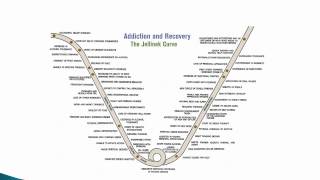
Welcome to the Addictions overview brought to you by allce.com where you can get unlimited CEUs for 12 months for $74.99. Addiction means any person, activity, or substance which continues to be used to escape from negative emotions, situations, or pain despite causing problems in one or more areas of life. So it needs to continue to be used in order to escape from negative painful ickiness despite causing problems. So there's three parts to that definition. The pattern of addiction varies a little bit from person to person, but generally starts out with recreational use or experimentation. It doesn't always progress right into abuse. People may experiment when they're teenagers and then later in life when they're 30. Something have a crisis in their life that overwhelms their coping skills and they go back to using. But we start out with kind of trying something. When you find something that works and makes the pain go away, then it has the propensity to be abused. Substance abuse is defined as failure or to fulfill major obligations at work, at school, at home, or with your health. Using when physically hazardous, such as before you're going to drive a machine, before you're going to go and do something that would require you to have all of your wits about you. Recurrent legal problems as a result of your use or behaviors that result from your use. For example, if you tend to be an agitated drunk, you may not be getting in legal trouble because of your drinking. You get in legal trouble because of the bar fights you get in when you're drinking. And recurrent social or interpersonal problems. These are things like the family has asked you not to use and you continue to use. Some of your friends or your family have decided to sort of back off from you for right now until you can get your act together. Now, abuse is the beginning. Dependence moves on. To somebody experiencing tolerance, that means needing more of the same substance to get the same high, or needing more substances to get the same high, such as using cocaine and amphetamines. Withdrawal is the physical or psychological or both. Experience of coming off of the substance. Generally, physical withdrawals we all know pretty well. You sometimes get the shakes, you don't feel well. You can have diarrhea, sweats. There's a whole conglomeration of different side effects that you will experience during physical withdrawal. During psychological withdrawal, you tend to get a little bit more agitated. Snippy things may bother you more depressed. Any of those things that when you're using, you're trying to escape from the depression, the anxiety, the anger, the stress. It's also probably very difficult to concentrate during withdrawal. Dependence is also characterized by using large amounts over a long period of time. So you're increasing your amounts that you're using over a long period of time. You display unsuccessful efforts to cut down the time spent in getting the substance. Recovering from the substance or thinking about how to get the substance or using it takes up so much of your time that you start neglecting social work or recreational activities. And you continue to use independence. You continue to use despite adverse consequences. So if you're getting in jail, if you're losing your job, if you're losing your wife, you're losing your house, you're in ill health, your liver is shutting down, whatever, but you continue to use. Kind of a sign of a problem because a person in their rational mind is not going to keep basically beating their head into a wall. You can be addicted to just about anything if it allows you to escape from that pain or negativity or fear. All those nastiness. Illicit drugs, cocaine, heroin, marijuana, alcohol, prescription drugs. Yes, even if a doctor prescribes it, you can misuse it and you can become addicted to prescription drugs. Behavioral addictions include gambling, sex or binging, purging, starving, food addiction, shopping, and just generally creating chaos. Some people escape from their own misery by creating so much cha else around them that they can focus on everybody else's stuff and not have to focus on their own. Interpersonal addictions can be addictions to relationships. A lot of times this is when someone fears being on their own, whether they started the relationship that way or not. Now they may become isolated. They may fear having to make decisions on their own. They may question their own judgment and their own ability. This is often the result of a domestically violent relationship in which the partner has gradually eroded the person's self esteem. Just because you only use on weekends doesn't mean you're not an addict. Use can be continuous, day in, day out, morning, noon and night. But it can also be binges. You can be clean for two weeks and then you can binge for four days. Or it can be a binge in response to overwhelming events or anniversaries of traumas in the past. Again, the criteria is not whether you're using continuously, but it's whether you're continuing to use despite negative consequences in one or more areas of life. People also show an increasing response intolerance. This has long been referred to as using gateway drugs. People start out with alcohol or marijuana, and then as that loses its effectiveness, they progress to harder drugs like cocaine and heroin and substitute addictions. Just because you're not drinking alcohol or just because you're not using cocaine doesn't necessarily mean that you're sober. That means you're clean of that one drug. You can substitute addictions. Many, many people, when they're in treatment, they can't have their drugs, but they put on a lot of weight. Because when they get upset, what do they do? They eat comfort foods, they start jonesing for the donuts and the other foods that they can get, they want to eat. Because when they're eating, they can focus on the food and not on their pain. Other people will substitute addictions. They may not use, but they may, when they get upset, go out shopping and spend hundreds of dollars. They may get into a one night stand or maybe at best, a relationship that's unhealthy in order to focus on that instead of focus on what really needs to be taken care of. It's important in recovery that we remind our consumers to be aware of any behavior or substance they are using. When they start to get stressed out, they start craving to do X. We really need to make sure that they're willing to take a look at whether, for example, food they're eating because they're hungry or they're eating as a means of escape. You can make a list a mile long of the different reasons I've heard for use. The most common ones are a sense of belonging my friends use or everybody's drinking at the tailgate, whatever. Boredom, nothing else to do around here. Out of habit. Some people for years have come home, put down their bag, gotten changed out of their work clothes and started drinking. And they drink until the night's over. They wake up, stagger into the shower, get showered, go to work, come back and do it again. Now, theoretically, if it's not causing them any problems and they're not foregoing their recreational activities in their family relationships, this might not be an addiction. But generally when somebody starts drinking from the minute they get home until the minute they pass out at night, they're neglecting areas of their life. People used to numb emotional or physical pain, trauma, either physical or psychological. Some people use to medicate for psychiatric conditions if they're, for example, bipolar. A lot of people will use drugs in order to sort of mediate the mania just a little bit, just take the edge off and definitely to help pull themselves up out of the depression. A lot of people with schizophrenia have reported using in order to quiet the voices, make them go away. And people used to relax if alcohol or drugs or whatever your addiction is is the only way you can relax. That should be a clue that there might be more going on or that you need to develop some healthier coping skills. This is called the Gyllenic curve and it describes the progression from occasional relief drinking all the way down to your bottom and back up into recovery. I encourage you to spend some time looking at this. Not each characteristic is applicable to each one of our consumers, but a lot of it will ring true with them. Not everybody has blackouts, for example, but a lot of people do. Not everybody neglects their food and their eating, but some people do. So use this. I have a poster of it in my office that people can look at while they're waiting for me to do some of my mundane paperwork. And it helps give them an idea of, oh, hey, maybe there is something to what I'm going through. Maybe other people have been here before. Maslow's hierarchy of needs Maslow is a psychologist who a long time ago said that we need first and foremost to have a safe place to be. Secondly, we need to have our biological needs met. Before you can focus on self esteem and all of those meta concepts, you have to have food, water and shelter. That's just where it comes down to. If you take a sick hungry person and try to put them in therapy to help them feel better about themselves, they ain't gonna care. They just, that's not where their mind's at right now. Because our minds, our brains are programmed to help us survive. So the first thing we need to do is attend to those wrap around services, make sure that our consumer is in a safe place, make sure that our consumers, children are in a safe place. Because mama bears don't focus on much if they're worried about their baby bears, make sure that they have food, water and shelter. If they're not getting enough to eat, not getting enough healthy food, we need to make a referral to a food pantry. We need to see what we can do to help them get their bellies full. It will help children learn. It will help your consumers, the grownups, hear what you have to say and apply it and recover. Once all those basics are taken care of, then we look at medical needs. If this person has a psychiatric disorder, they need to see a psychiatrist and they're probably going to need to be on medicine. So we need to help them figure out how they're going to pay for that. There are a lot of voucher programs out there. Rxassist.com or you can just google Prescription voucher programs, or you can find out the name of the medicine the person needs to take, figure out what pharmaceutical company makes it, and go to that pharmaceutical company's website. Most pharmaceutical companies on their website have a form that the physician can fill out in order to help the person get their meds for free or for like four or five dollars in order to make sure that they can be healthy, etc. This is true for psychotropic medications as well as physical medications. After you've gotten them assessed and medicated and everything, you're going to want to look at the medical assessment to rule out any other biological things that might be causing their symptoms. For example, depression causes a disturbance in appetite, causes constipation, causes a feeling of fatigue. But you know what else causes that? Hypothyroid. So make sure you go back and look over this with the person to identify any other causes or differentially diagnose whether their symptoms are caused by a psychiatric issue or by a physical issue. People with addictions have some common characteristics because that addiction becomes their primary focus. Their best friend, all they care about. So physiologically, nutrition usually gets just kind of thrown to the wayside. Immunity goes down because they're not sleeping, they're not taking care of themselves because they're worried about where they're going to get their next fix from. They're not resting and a lot of times they're in physical pain. Physical pain can come from just the general aches and pains of not taking care of yourself to physical pain from traumatic injury. Many addicts also have issues with safety. They may be homeless or may be living in an unsafe environment and or engaging in high risk behaviors. Not all addicts are homeless. There are some very wealthy addicts. So just because somebody has a house doesn't mean that they're not an addict. But that's one of the characteristics that you can look for because eventually there's a good chance that the addiction will start to spiral out of control and they will start to lose some of their material possessions, Love and belonging in the addict's world. Most of their sober social supports have long written them off. So their one and only friend, their best friend, is their addiction. Most of the relationships that they do have are based on what can you do for me? What drugs can you get me, what favors can you get me? What can you do for me? They're isolated from caring support because the caring people have said, you know, that addiction, that behavior that's bad for you, it's hurting you, and I can't support you doing it. So the addict has pushed them away and they need external validation. Why? Because they don't feel like they're worth the air they breathe. They realize they've screwed up. They feel guilty, they feel ashamed. They need you to tell them that they're okay. Part of the recovery process is helping people realize their own self worth and want to recover and want to realize that they do have something to contribute to society. Many addicts have lost their motivation, they've lost their hope. They don't see how they can be that person that they think they should be. And a lot of addicts that come into residential have been using for so long that they've forgotten who they are. You ask them, what is it that you enjoy doing? I don't remember. Okay, when was the last time you did something fun where you weren't using? Can't remember that either. Or maybe they remember back into junior high school. So we need to help people remember the exceptions to use. Remember back to some of the good times in your life when you weren't using. What was different? What were you doing? We want to increase those exceptions things that they were doing when they weren't using, get them to start doing some of those things again. Addicts have pretty common thinking patterns. They tend to be overly pessimistic. Why? Well, because they pretty much set up self fulfilling prophecies. They've done things in their past, in their recent past, and they've alienated friends, they've failed at things, they have set themselves up for failure. So now what do they expect? They expect to be rejected and they expect to fail. That's a pretty logical expectation. If they're still using, they need to control everything. If they don't control everything, then somebody may come in and take that addiction away from them. If they don't control everything, somebody may come in and hurt them again. And they're using to try to forget that hurt. They blame other people for their feelings or for their situations. Psychobabble term for it is projection. They take all those feelings that they have about themselves and they project it onto somebody else. You're lazy, you're worthless, you're this, you're that. Addicts want immediate gratification. That's the wonderful thing about drugs. It makes pain go away almost immediately, makes you forget almost immediately. Real coping skills, real life. Very few things happen almost immediately. So we have to help people learn how to withstand the discomfort. We have to help people learn that they have the ability and they have the strength to get through, through the brief discomfort while the healthy tools work and people with addictions have a feeling of entitlement. I get what I want when I want it, because I want it. Well, no, that's not how it works in society. But having that sense of entitlement, then when somebody tells you no, that gives you an excuse to go use. Having that sense of entitlement gives you a sense that you're in control all the time. And then when somebody says no, they're taking away your control. And that's not tolerable. So it gives you an excuse to go use in recovery. We want people to look at hope, look at their strengths, look at where they've come from, how far they've come and what they have to contribute. We don't want to focus on all the negative all the time. That just brings people down. Let's focus on what we can do instead of the inappropriate behaviors. Motivations. Motivations for recovery keep coming back. It works if you work it. Not everybody gets it the first time or the second or the third, keep coming back. But just like anything else, you can know how to do something perfectly. But if you don't actually do it, you just sit there and read the instruction manual. Nothing's going to change. You have to work it. Sit down, shut up and listen. That goes back to that addict thinking. Addicts don't want to hear that they're wrong. They don't want to think that anybody has anything to offer because that means they're not in total control. So they talk and they yes, but constantly. Yes, but I could do that. But yes, I hear what you're saying, but no, sit down, shut up and listen. Some of it'll apply, some of it won't, but you need to hear it. First things first. Don't put the cart in front of the horse. Don't worry about getting a $75,000 a year job right out of recovery. What you need to do first is get 30 days clean and sober so you can clear all the fog out. Then we can start talking about a job and then we can start looking towards your career. Keep it simple. Stupid is pretty self explanatory. It's always easier to take somebody else's inventory. Now good orderly direction. God is an acronym for good orderly direction. It means the big picture. And this is useful for working with consumers who are having a hard time with their higher power. They need to think about things before they do them and figure out if this behavior, whatever they want to do, is taking them down the path. Where they want to go, good, orderly direction. Are they following their roadmap or is this just going to take them off on a wild tangent somewhere? Hungry, angry, lonely and tired. These are all excuses for use. These are all things that you can prevent. Eat well, let it go, find a friend, get some sleep. You have to give it away in order to keep it. If you're not talking about it, if you're not sharing about it, it's too easy to get caught up in day to day life and forget the principles of recovery and fake it till you make it. I was talking with a staff member today and we were talking about a client who says all the right things, but we just don't know if she really means it or if she's just saying it. And my point was if she's saying it, she knows it. And if she knows it, then she has the ability to do it, to work in. So right now she's trying to put her best foot forward. Even if she doesn't sincerely mean it, let's let her fake it because before long it's probably going to actually become a natural behavior. Fear means false expectations appearing real. Ego edges God out. You need to go to meetings when you want to and go to meetings when you don't want to. We have to remember that addicts have a living problem, not a drinking problem. And happiness is not getting what you want, it's wanting what you have. In summary, addiction can happen to anyone. It develops over time. It erodes your health and happiness in most areas of your life. It can be chemical, behavioral, or interpersonal. The addiction becomes the addict's best friend. It's the one thing they can count on to be there and they can count on to take away their pain. But recovery means not just getting clean, it's changing thoughts and behaviors to become sober.










