Addressing Substance-Induced Brain Disorders Including Dementia
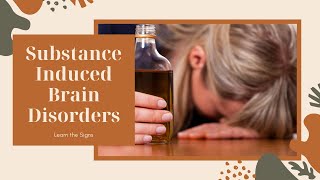
Dr. Dawn-Elise Snipes covers substance-induced brain disorders from alcohol, hallucinogens, and other drugs. Alcohol causes Wernicke encephalopathy and Korsakoff syndrome through thiamine deficiency, a medical emergency. Many cases improve with abstinence and treatment, though safe drinking limits are 14 drinks per week maximum.
Questions this video answers
August 16, 2018
Maximum of 14 drinks per week with a maximum of two per day.
About 17% reported binge drinking and 6% reported heavy drinking.
About 1 in every 200 (0.5%).
About one in three (≈33%).
Chapters
This episode was pre recorded as part of a live continuing education webinar on demand. CEUs are still available for this presentation through all ceus register@allceus.com counselortoolbox okay everybody, welcome to today's presentation. This is the final entry in the treatment of persons with co occurring disorders. And this is part nine. Today we're going to be talking about some topics near and dear to my heart that are substance induced brain injury or substance induced brain disorders. So we're going to talk about what substance induced disorders are and then we're going to look at look at some very specific substance induced disorders. Now substance induced persisting amnesiac disorder means the person has difficulty learning new things and an inability to recall previously learned information. So they've got some obviously amnesia that persists indefinitely and it can be mild, it can be pretty severe. Substance induced psychotic disorder is obviously when somebody starts displaying psychotic symptoms as the result of using or detoxing from substances. Same thing with substance induced mood disorder, sexual dysfunction and sleep disorder. All of these are caused the psychotic symptoms. The mood disorder symptoms, sexual dysfunction or sleep disorder symptoms are caused by either the using or detoxing from substances. So that is the short version for the simple ones, if you will. Now there are some others that are a little bit unique that I wanted to go through. Hallucinogen persisting perception disorder includes flashbacks and echo phenomena and other psychotic manifestations typically that occur after drug free periods and may persist for years. Now this is most commonly seen in people who use LSD as opposed to other hallucinogens, but it's not unheard of with other hallucinogens. So these flashbacks and echo phenomena can happen many many years later. Such experiences may take the form of various geometric shapes or objects in the peripheral visual fields, flashes of different colors, enhanced color intensity, trailing and stroboscopic perception. You know, just like you're in a nightclub and you have the strobe lights going, so it gives you difficulty with depth perception or just perception of reality. Pharmacotherapy for this very distressing condition is extremely limited, partly because they're not sure why it happens even still. So you know, just being aware that if you've got a client who has ever used hallucinogen, especially lsd, they are not unlikely they are likely to have flashbacks years later. And if their trip, if you will, when they used was a particularly particularly distressing one, that means future experiences could also be particularly distressing. So they may have to in treatment plan for handling those experiences when they happen. Delirium Delirium is defined as a sudden onset of a disturbance in attention, awareness and orientation. So somebody who suddenly can't figure out where they are or can't pay attention or, you know, they start kind of nodding off and, you know, they just don't seem like they are cognitively all there. And they have a disturbance in cognition, memory and or perception. So when delirium sets in, they may not be able to remember people's names or remember where they were going, or remember how to get home if they're out on a walk. And they can have disturbances in their perception of things, whether it's real or not. So we do want to be aware of signs of delirium. Delirium can result from the use or withdrawal of a variety of drugs, including cannabis. And I would put spice and K2 on there as well. Alcohol, amphetamines, opioids and narcotics, hallucinogens and sedatives like benzodiazepines and barbiturates. So pretty much everything out there except for, well, no, you've got amphetamines on there, so you got your stimulants in there too. So it is not unheard of for somebody, especially at high levels of intoxication or during extreme periods of withdrawal, to develop delirium symptoms. These symptoms definitely warrant a medical evaluation. You know, you want to make sure that they're oriented to time and place. And if they start showing symptoms of delirium, it's very, very important, which you'll learn more about later. But it's very, very important to get a medical eval ASAP to ensure that it's not something more than just detox symptoms and that whatever's going on will remit alcohol. Mood lability and lowered impulse control can lead to increased rates of violence towards others and self. Symptoms of alcohol withdrawal include agitation, anxiety, tremor, malaise, hyperreflexia, which is an exaggeration of the reflexes, rapid heartbeat, increased blood pressure, sweating, insomnia, nausea or vomiting, hallucinogenic hallucinations, delusions, and often seizures. Okay, so often seizures. Alcohol is not one of those drugs that is an easy withdrawal and it can be life threatening. So we need to be aware of this. When blood pressure goes up, when heart rate goes up, people start getting in the area where they can risk stroke or seizures. When they have strokes or seizures, they can potentially cut off the blood supply and the oxygen supply to their brain, which can cause brain injury. So we do need to be aware of alcohol symptoms. Protracted withdrawal for alcohol includes continued Mood instability, fatigue, insomnia, reduced sexual interest and hostility that can persist for weeks. So it's important to be aware of what's going on because when somebody's drinking or, or using in any way, they are causing at least temporary brain changes, even if you don't want to call it brain damage, temporary brain changes to the functioning of their neurotransmitters and sometimes even the structure of their brain. It's important to differentiate protracted withdrawal, those mood symptoms and post acute withdrawal syndrome from a major depression or anxiety disorder. And this is often really difficult. So, you know, what we used to do and what I've always been trained and I firmly believe is when symptoms present, we treat them. We don't worry about whether this is a major depressive episode or this is major depressive symptoms that are a result of detox. Either way, the person is majorly depressed and we need to help them find some sort of relief. And then, you know, we'll figure out what to do as time goes by. Alcohol related brain damage. Now, alcohol is a bugger and a half to the brain, not only of the person who's drinking, but also if it's a woman who's pregnant, to the brain of the fetus. So let's talk about arbd. Damage directly caused to the person by exposure to alcohol or other drugs is grouped into this category called alcohol related brain damage. And it includes alcohol related dementia or Wernicke Korsakoff syndrome syndrome. We'll talk about it. Vascular dementia, which is dementia that is prompted by, or the onset is caused by lack of oxygen to the brain, and fetal alcohol spectrum disorders, which is brain damage caused to the fetus from the mother drinking. According to the cdc, most excessive drinkers don't meet the criteria for dependence, meaning they may present in mental health clinics for treatment of a mood disorder. A lot of people out there. Well, there's a lot of people out there who are, quote, functioning alcoholics. They meet the criteria for dependence, but they're still functioning and going to a job 40 hours a week. Then there's a whole other huge group out there which, you know, CDC just recently issued some white papers indicating that our levels of cirrhosis of the liver and other alcohol related problems are just kind of skyrocketing. But I digress. Anyway, so you have the people who are functioning alcoholics, then you have the people who are excessive drinkers. They drink more than the recommended amount for health and safety. That's a huge group out there. So it's important to recognize that the people who may be susceptible to alcohol related brain damage are not just alcoholics. They are people who drink in excess of what is safe and healthy. About 17% of the adult population reported binge drinking and 6% reported heavy drinking. And that's self report. So you know, what we've found when we've gone back and done other studies is that people actually drink a lot more than is recommended. Alcohol related brain damage is caused by regularly drinking too much alcohol over several years. It covers several different conditions that are similar but not actually dementia. And that's the Wernicke Korsakoff syndrome and alcohol dementia. In contrast to quote true dementia or things like Alzheimer's disease, most people, and I want you to hear this, most people with alcohol related brain damage who receive good support and remain alcohol free make a full or partial recovery and will not experience a worsening of their condition. So the outlook is really good if somebody stops drinking. ARBD is greatly under diagnosed post mortem findings. And this is why I said, you know, 6% say said that they were heavy drinkers. I think it's a lot higher than that because post mortem findings indicate that about 1 in every 200 of the general adult population, so that's 2% of people have alcohol related brain damage. So you know, of those heavy drinkers, you know, there's a portion of them that actually develop alcohol related brain damage. Among those with alcoholism that actually qualify as alcohol dependent, the figure rises up to one in three. One third of people who are alcoholic or have been alcoholics have some level of alcohol related brain damage or, but remember, it's not progressive unless they go back to drinking. So when they stop drinking, the likelihood is that their symptoms are going to improve at least some, if not a whole lot and that it won't get worse. So it's important for families and clients to recognize that even if their loved one is demonstrating symptoms of alcohol related dementia, it's not necessarily, you know, they're not necessarily looking at something like Alzheimer's that's going to be progressive. People with arbd, remember alcohol related brain disorders tend to be in their 40s or 50s. So my age, you know, we're not talking about people who are 80, but we're talking about people who have been drinking, you know, most of their adult life. So they've been drinking for 20 years or so. Alcohol related brain damage is thought to cause more than 10% of dementia people under 65. So if we have an awareness of what's causing this dementia and since we know the outlook is good, if they stop drinking, then we might be able to reverse, at least to some degree, some of the dementia in people under 65. And I do want to clarify that most of the time people with ARBD who are in their 40s and 50s have been drinking for 20 years. It is possible to develop alcohol related brain damage after a very short period of heavy, intense drinking, especially, and we're going to get to this in a second, especially if they have become dependent and then they detox on their own without medical supervision and develop Wernicke Korsakoff syndrome. So ARBD drinking more than the recommended limit for alcohol increases a person's risk of developing common types of dementia such as Alzheimer's and vascular dementia. So it does increase your risk of Alzheimer's. Just because somebody develops alcohol related dementia doesn't mean it's going to progress to Alzheimer's, but it increases your risk. And vascular dementia is increased because you're increasing the likelihood that the person could have a stroke. Recommended limits and this is where I say a lot of people don't realize they're heavy drinkers when they really are. It's a maximum of 14 drinks each week with a maximum of two per day. And that's not drinks that are, you know, I call this a cup of coffee. And that's not really a cup of coffee. It's 24 ounces, that's like four cups of coffee. But I digress. And you know, some people will say this is a beer and they're holding, you know, a 60 ounce bottle. So it's important to recognize that two drinks a day is two average servings, three ounces of wine, eight ounces of beer, you know, nothing too heavy or one shot, one one ounce shot repeated. So if people are drinking more than that, even if they're staying under the 14 drinks each week, if they're frequently drinking more than two drinks per day, like they're polishing off a bottle of wine by themselves in the evening or even with somebody else in the evening, that's way more than recommended limits. Repeated binge drinking and heavy drinking in one session is particularly harmful. So, you know, again, just because you're usually pretty good, if you have repeated episodes where you're binge drinking and drinking 6, 8, 12 drinks in a setting in a sitting, it can be extremely damaging to the brain tissue. There's an increased risk of dementia at higher levels of alcohol consumption. You don't need to be an alcoholic or to get drunk often to be at increased risk of developing dementia. And regularly drinking even a little above recommended levels increases your risk. So if you're regularly drinking three drinks a day instead of two, you're still increasing your risk. Alcohol related brain damage causes a range of conditions. It's defined as a long term decline in memory or thinking caused by excessive alcohol use. And a lot of times Wernicke Korsakoff syndrome is related to a lack of vitamin B1, which is thiamine. Regular heavy drinking, more than 14 drinks a week or more than two per day can cause damage to nerve cells. Because alcohol interrupts the nerve cell transmission, it causes chemical changes in the brain, it shrinks brain tissue. They found that on postmortem that people who were heavy drinkers tended to have smaller brains on average than people who were not drinkers. It produces intestinal damage, which leads to poor nutrient absorption, which can also in and of itself cause a thiamine deficiency. It causes damaged blood vessels because of the increased blood pressure when people start to sober up, high blood pressure and increased of risk of heart attacks and strokes. So if you're working with a client, and even if you're in a mental health setting, it is totally common to be working with somebody in a mental health setting who drinks, you know, three or four glasses of wine a night. Well, you know, they are at high risk for, for alcohol related brain damage at that level of drinking. And if they decide to detox on their own, they could increase their risk of vitamin B1 deficiency. And they can also increase their risk of hypertension and stroke, which leads to vascular dementia. So be aware of that. If you have a client who says, you know what, I think I'm going to stop drinking, I've been drinking too much, I'm putting on some weight, or whatever they want to, whatever reason they want to stop, well, that's wonderful, but let's do it safely and make sure that they're aware that it's important to ideally be medically monitored and that there are risks associated with it that they need to be alert for. So if they're not being medically monitored, they present at the emergency room if their blood pressure starts getting too high, if they start having panic attacks, if their heart starts racing, really important to get to the er. Okay. Symptoms largely reflect the areas in the person's brain that are damaged. So alcohol related dementia can vary between people. You may see poor planning and organizational skills and problems with decision making, judgment and risk assessment. So you see that when they're drinking, but you also see that when they are not drinking. If they have basically made that state semi permanent in their brain. They may have problems with impulsivity, such as making rash financial decisions and difficulty controlling emotions, especially irritable outbursts. Think how you feel if you've ever been drunk and then sobering up, you don't feel too good and you can be a little bit cranky. And remember, alcohol itself is a disinhibitor, so it tends to take off or inhibit that impulse control problems with attention and slower reasoning because alcohol is a depressant. You know, you have that if you have that buzz going on, but even if you don't, it's more difficult to pay attention and everything works a little bit slower. People may experience lack of sensitivity to the feelings of other people behavior which is socially inappropriate. But unlike Korsakoff syndrome, not everyone with alcoholic dementia has loss of day to day memory. So Korsakoff syndrome people often have loss of day to day memory, but in ard not so much. So they can remember what they did yesterday and what they're doing tomorrow and what they're doing right now. I worked with a client who had Korsakoff syndrome and he really struggled because he would literally be in the kitchen pouring his coffee. Forget he was pouring his coffee and, you know, spill coffee everywhere. And then we'd have to clean up and, you know, he would start to get dressed and then he would forget what he was doing. So for alcohol related dementia diagnoses, the person must have stopped drinking alcohol for several weeks to enable the symptoms of alcohol intoxication and withdrawal to resolve. Now remember, most people who drink heavily and detox are going to have symptoms of post acute withdrawal syndrome. It's not what we're talking about here. What we're talking about is those cognitive symptoms of dementia that are exceedingly problematic. Full physical examination will help rule out anything else. A detailed history from the person and someone who knows them well if possible, because they're not great historians. If they have symptoms of dementia, we want to know how their symptoms started and how are they affecting the person's life? You know, what is the degree of impairment we're talking about? When did they start? You know, did they start 15 years ago or did they start, you know, when the person started drinking heavily or when they tried to detox? You know, let's get an idea of what the trigger was. The assessment will also test the person's mental abilities by administering some mental status exam, basically, you know, the counting and the memory and all that stuff. And they will administer tests for Depression. Because sometimes people with severe major depressive disorder can have symptoms like dementia. They have difficulty concentrating, they may have difficulty thinking, processing is a lot slower, they may have problems with memory. You know, there's a lot of things that may look dementia like, and if they're experiencing psychotic features in their major depressive episode, it may look even more like dementia. So we need to differentially diagnose major depressive disorder with psychotic features from alcohol related dementia. A brain scan may be required to rule out other possible causes of symptoms, such as a stroke, a brain bleed or a tumor. A brain scan will show changes such as shrinkage of the cerebellum. Remember I said that, you know, alcohol causes you to lose brain tissue? Well, the cerebellum shrinks and that supports a diagnosis of alcohol related brain damage rather than some other type of dementia like Alzheimer's disease. So I hate to say you kind of want to see shrinking in the cerebellum, but since the prognosis is much better for ARBD than for Alzheimer's, that's not the worst thing in the world to see. The cool thing about our brains is even when we're older, they are relatively flexible. When we're much younger, when we're developing, they're extremely flexible and can do a lot of workarounds. But even when we're older, people who have strokes or have traumatic brain injuries, their brains often find workarounds to get around that damaged portion. So, you know, there is a lot of hope. ARBD should be diagnosed if the person has impaired memory, thinking or reasoning, which is bad enough to affect daily life and a recent history of several years of alcohol misuse. So, you know, these are the things that we're gonna see, you know, the memory, the thinking, the reasoning, and the history. We can't do a brain scan, so that's going to be something that we're referring to our neurologist for. But if we see these key factors, you know, we're definitely going to want to refer to a neurologist. And again, if they're drinking heavily now, or if they recently started trying to self detox and they suddenly start showing symptoms of dementia, get them to a doctor like the emergency room. It's not a, you can go to an appointment in two or three days, it's a medical emergency. Other physiological causes also need to be ruled out, including stroke, brain bleed, chronic fatigue, lupus, hypothyroid, and medication side effects, especially benzodiazepines. In the elderly. Older adults have difficulty clearing medications from their system as quickly. So the buildup of benzos or barbiturates in the liver of elderly patients can prompt symptoms that look like dementia. A good geriatric physician will be able to or geriatric specialist will be able to rule that out. Okay, so I've talked a little bit about Korsakoff Syndrome. What is it? It's a form of ARBD caused by a lack of thiamine. It is much less common than other forms of arbd, such as alcoholic dementia, but you need to be aware of it. It's diagnosed in about one in every people with alcoholism. So if you're working in a treatment center and you have 80 people in there, I'm going to try to do my math here. Then 10 of those people may have Korsakoff syndrome. You know, so if you're working in a substance abuse treatment center, the likelihood is pretty much everybody there drinks or drank. So one in eight of those people will, you know, 10 out of 80 people will have Korsakoff syndrome. So this is something that we are going to see. It's not a maybe, it's a you will. Korsakoff syndrome develops as part of a condition known as Weirnicki Korsakoffs and consists of two separate but related stages, Wernicke encephalopathy, followed by Korsakoff syndrome. Wernicke's encephalopathy affects the brain itself and, you know, The tissues of the brain. And then Korsakoff syndrome is what we talk about when we start seeing the symptoms of delirium and dementia. There are no specific lab tests or brain scan procedures to confirm this diagnosis. So you're really going off of, you know, historical use and what's gone on with their alcohol. But they can do a blood test for thiamine levels. Weirnicke's encephalopathy usually has a sudden, often abrupt, usually develops suddenly, often after abrupt and untreated withdrawal from alcohol. Which is why I've said like four times already. If somebody decides to self detox, that's great if they want to stop drinking, but it can be life threatening. It also can be brain threatening. Symptoms of Wernicke's encephalopathy include disorientation, confusion or mild memory loss, malnutrition, involuntary jerky eye movements, or paralysis of the muscles that move the eyes. And one client I worked with that came in one day and her eyes, she was looking up and she could not move her eyes down or side to side. She was just looking up. She was totally Freaked out. Don't blame her at all. So we had to get her an immediate medical evaluation. But that's, I only saw that once in the 20 years I worked. I have seen the involuntary jerky eye movements or nystigmus. So if you see their eye movements are kind of jerking around, you need to be aware because that is a symptom of substance, something depending on the drug, it may be intoxication, it may be withdrawal, but it is a symptom of substance impairment. And they may have poor balance or unsteadiness, staggering or stumbling, and lack of coordination. So if all of a sudden this person has been in treatment and they're in a group and they get up for break and they start acting like they're drunk, even though you know they haven't had anything to drink, be worried about this. If they show up to treatment and you're, you're not a drug treatment center, but you happen to have a Breathalyzer, recommend that everybody has a Breathalyzer, but whatever. And the person shows up to treatment and they're acting disoriented, unsteady, kind of like they're drunk, breathalyze them. If their Breathalyzer is zero or very close to zero, that is a huge warning sign that something else neurological is going on and they need a medical evaluation asap. If Wernicke's encephalopathy is suspected, immediate medical treatment is necessary to prevent it from leading to permanent brain damage. So even if you suspect it, get them to the hospital. The doctor can take a look. Whether he does a blood test to assess for levels of thiamine or just gives him a shot of thiamine, you know, that's up to the doctor. I'm not sure what your doctors are going to do, but that is the treatment. And generally when people's thiamine levels stabilize, the Wernicke's encephalopathy dissipates. When Wernicke's encephalopathy is not untreated or is not treated soon enough, Korsakoff syndrome gradually develops. So you may, if you've got clients that are on wait lists for treatment or you just didn't really realize what was going on with your client, or maybe they no showed for two weeks in a row because they decided to self detox and they're coming in for a mental health appointment and they suddenly have loss of short term memory or day to day memory problems, learning new information, inability to remember recent events. So if you're like, you know, you missed your last two appointments. I wonder what's been going on in the past two weeks. And they're like, I don't know. That's a huge warning sign. And if they have gaps in their long term memory. So as mental health counselors, even if you're not working in a co occurring clinic or a substance abuse facility, you very well may see these symptoms and it's really important to address them immediately. Memory problems may be severe, while other thinking and social skills are relatively unaffected. So don't be confused or tricked if somebody can carry on a coherent conversation with you, please. But moments later, not able to recall the conversation ever took place or who they spoke to. Sometimes you'll see that when people are coming into treatment from detox because they're kind of overwhelmed and they're still in a fog, that's one thing. But if somebody hasn't just recently detoxed, and even if they do, you do want to watch for sudden changes in memory. Like they can't remember what they did five minutes ago. Like I said with my client, who he'd be actively pouring coffee and then he wouldn't remember what he did or he'd put on his sock and forget to put on his shoe. So those are things that you want to look for. Those with Korsakoff syndrome may confabulate or make up information they can't remember. Now this is not lying because they may actually believe their invented explanations. If you ask the client, where have you been for the last two weeks because you didn't make your appointments? They may not be able to remember and they may just come up with some story. And it's not because they're actively trying to be deceptive and trick you. They may be remembering something they saw on TV and they think that's what they were doing. So confabulation is not uncommon. And that tends to go away as the Korsakoff syndrome resolves. But it's important to be aware of so there is a good chance of stabilization or improvement if the person is given high doses of thiamine and remains free from alcohol and adopts a healthy diet with vitamin supplements as recommended by their doctor. Brain scans show that with abstinence, some of the damage caused by excessive drinking can be reversed. Vascular dementia is another issue that is caused by substance use. And it's not just alcohol. Vascular dementia is caused when blood supply to the brain is interrupted, either through stroke or through something called bradycardia. And that's when your heart rate drops really low and too low to supply Enough blood and oxygen to the brain. So during the second stage of alcohol withdrawal, that's 24 to 72 hours after their last drink, People experience high blood pressure when they're detoxing. The alcohol, which is depressant, leaves their system faster than the brain can put in gaba, which is the calming chemical. So there's an imbalance between the excitatory neurochemicals and the calming neurochemicals. So people develop high blood pressure, increased body temperature, unusual heart rate, and confusion. So they're really at high risk for stroke at this point. They may have vein collapse from IV drug use that can lead to a stroke, depending on where the veins are and, you know, whether it impedes the blood flow to the brain. They may also have excessive stimulant use. When you take too many stimulants, it raises your blood pressure itself, so that can cause a stroke and high blood pressure, which leads to a stroke. So whether it's alcohol or IV drug use or stimulants, people can cause themselves strokes and vascular dementia through the use of substances. Bradycardia can be caused, can cause vascular dementia. That's the low heart rate. Remember, severe hypothyroid. Now, that's not because of substance use. That's just something that can cause your heart rate to go really, really low and not get enough oxygen to your brain. But opiate overdose, any of your sedatives that you take, whether it's, you know, a normal amount of opiates plus alcohol or a normal amount of opiates plus sedative antihistamines, you know, any of anything that slows you down when you combine them, it tends to have exponential effects. So anything that some sort of a sedative overdose can cause a level of bradycardia that either causes your heart to stop or go so low that it's not getting oxygen to your brain. Heavy alcohol use can cause arrhythmias and hypertension. It doesn't necessarily always cause rapid heart rate. It can cause really slow heart rate. And alcohol poisoning can cause bradycardia. Alcohol is a system depressant. You drink too much, just like opiates are a system depressant. You drink too much or you use too much and you're going to slow your respiration, you're going to slow your heart rate, maybe so low that your brain starts starving. The most common cognitive symptoms of vascular dementia are problems with planning and organizing, making decisions or solving problems. Difficulty following a series of steps, like cooking a meal or brushing your teeth, Slower speed of Thought problems concentrating, including short periods of sudden confusion. A person in the early stages of vascular dementia may also have difficulties with memory, language and visual spatial skills, like perceiving objects in three dimensions. Now, these dementia symptoms can be caused by something like Alzheimer's. So we do need to be aware that dementia symptoms are similar. We're just looking at what causes it here. So when you're working with somebody who has symptoms of dementia, there are techniques that you can use, and I cover those in other videos on our YouTube channel, allce.com YouTube There are other tips for communicating with the cognitively impaired, and those are really important in order to work with somebody who has symptoms of dementia or delirium. Many patients who use substances even recreationally may experience strokes or mini strokes while under the influence and not even realize they had one. So this is why vascular dementia can develop and the client may not even be aware of it. High blood pressure plus alcohol or stimulant use increases the chances of a stroke. So we do need to be aware of symptoms of dementia, differentiate it from intoxication so they're not just, you know, drunk and they'll, when they sober up, it'll go away. We need to encourage clients to seek immediate medical assistance and be additionally attentive. If a patient reports self detoxing from alcohol, and generally if my clients report that they're trying to self detox, I give them a handout that we go over about the dangers of that and they have them sign it. So I demonstrate that they have full informed consent. And, you know, if they decide to not follow my recommendations to go to the hospital, a lot of times there's not anything I can do because it doesn't rise to the level of involuntary commitment. So fetal alcohol spectrum disorders, we've talked about what alcohol and stimulants and opiates and stuff can do to your brain. Let's talk about what it can do to a fetus's brain. Fetal alcohol spectrum disorders, or fasd, is caused by fetal exposure to alcohol and it occurs along a guess what spectrum. Facial features are not always present in fasd, and even if they are present when the child is young, tend to disappear with age. So if you go online and you look for the facial features of fasda, fasd, which included an extra long upper lip and that little crease under your nose that's usually not there. There are certain facial features that can happen, but they are not always present. About 30% of the time, there are no facial features. And even of the people who have them, they disappear with age or they get much less prominent with age. So we do need to be cognizant of this and not just rule out FASD if the person doesn't have facial features. Additionally with fasd, their intellect may not be impaired. Okay, they used to kind of put FASD in there with autism spectrum disorders. And it's not in there, you know, in the dsm. It's actually in the back in the DSM in the areas for further investigation. But it is important to recognize that just because somebody is exposed to alcohol and is going to have some significant cognitive issues or could, it doesn't necessarily mean it impairs their intellect. People with FASD may have many neurobehavioral problems which interrelate to produce profound problems with accurately processing information and relating to the world around them. So they may be really smart or not, they can be average or whatever. You know, intellect is, you know, kind of not even in the equation. But their ability to interact with the world and impulse control and learn from experiences and anticipate consequences really impaired. So just to give you an idea, when you're working with somebody with FASD, why it can be so confounding to a lot of us if a chronological age of the person, they come in and they're 18 years old, you know, they are actually born 18 years ago. Physically, they have the body of an 18 year old. So you're like, okay, I'm working with an 18 year old. Developmentally, they may be functioning at the level of a nine year old. You know, they can dress themselves, but you know, nine years old is like third grade. So that's about the level of they may be functioning developmentally. Daily living skills, you know, ability to shower and brush their teeth and you know, feed themselves. 11. So we're talking middle school now. Here's one of the interesting things. Expressive language, their ability to talk a good talk. They may talk at the level of a 23 year old. They may be able to speak very eloquently. Remember, they're chronologically 18. So you're like, wow, that person's really smart. Their receptive language, their ability to take in information and interpret it, on the other hand is the level of a seven year old, which is second grade. So they can speak it, but getting it back and processing and understanding, there's a breakdown. Their artistic ability or any other strengths may be that of a 29 or 30 year old. They may have prodigy type factors. Their ability to read and decode information is at about 16 you know, it's not necessarily too far behind reading comprehension, though. I mean, they can read something and read the read to you from a book and read the words with no problem. That's decoding. But their ability to comprehend what they just read, that's at the level of a first grader. And money and time concepts are back up there at about second grade. So, you know, you see where this person is kind of all over the map with how they present depending on what skill or characteristic that you're looking at. And this is a example of an actual client that somebody had. So, you know, this is one way it can present, you know, this. All of these little sliders can go up and down depending on the level of alcohol exposure and brain damage for that person, for that fetus. And a lot of it depends on when the fetus is exposed to alcohol. If it's exposed to alcohol early on when its brain is developing, as opposed to in the third trimester, the damage tends to be much more severe. So diagnostic features. Poor coordination, poor muscle control. So even as a baby, they have difficulty getting their binky to their mouth or doing whatever when it's age appropriate. Cognitive deficits, including specific learning disabilities, dyslexia, I think it's called graph Lexia. When you have problems with math, executive functioning, deficits in their activities of daily living, attention problems or hyperactivity. Because there's a lot of problems with people with fasd, with impulse control, poor social skills and difficulty interpreting people's nonverbal behavior. They have difficulty with physical boundaries and also understanding what people are communicating with their nonverbals, which causes a lot of people with FASDs to get involved with the criminal justice system. They are very gullible, they are very easily manipulated, and they don't learn from their experiences. One thing, if you're looking at a client's history and they've got a rap sheet, if you will, if they appear to have been arrested for the same thing like 15 times, they never progress, they never escalate, but they keep making the same mistake and like getting arrested for shoplifting over and over and over and over again, you might want to suspect fetal alcohol may be involved in there. Now think about this. If they have difficulty learning from experiences, difficulty predicting consequences, if they have FASD and they grow up and they get married or not, and they are a female and have a baby, what are the chances that they are going to drink while they're pregnant because they can't forecast the consequences of what they're going to do. So we do see a lot of intergenerational FASD issues for clients with fasd. Problems with cause and effect, relationships, and impulse control. So if you take Jimmy's ball, what's going to happen? And the client with FASD might have no idea. Even if he's taken Jimmy's ball five other times that week and Jimmy is beating the tar out of him, he may still not get it. He may not be able to predict that consequence and impulse control. And again, we'll stick with Jimmy's ball. Right now, if the client wants Jimmy's ball, you know, he's going to go take it. He's not going to think, yeah, you know, maybe that's. Maybe Jimmy should have it. You know, he's not thinking it through. It's just. I want. I'll get. They have problems with time management, problems with the ability to generalize information from one setting to another, problems with understanding concepts and abstract thoughts. Well, remember, that doesn't happen in most people until they start hitting high school. So if cognitively and their ability to comprehend information is down at the elementary school level, then yeah, they're not going to have formal operational thought. Problems with preserv. I always have a hard time with this word. Problems with repetitive behavior. Perseveration is commonly described and thought of as some form of repetitive behavior, such as tapping their toes, drumming their fingers, knocking, pacing, doing something like that. Clients with FASD may do that a lot. They may tap their fingers or bounce their leg or something. Now, sometimes that's just a sign of somebody being anxious, but it's important to be aware of that. Perseverative behavior can also manifest as a particularly rigid way of looking at things. Refusal to let go of an idea with a rigid tenacity that can border on fanaticism. So it's their way or the highway. And if you don't get it, you are so stupid and they are going to get irate and just insist that you change your mind. They also may refuse to consider any other explanation for things. People with FASD have problems in all areas of processing information, particularly auditory information. So it's more helpful with a lot of clients with FASD if you write things down or present it in pictures, depending on their level of ability to understand the written word. Remember I said that was usually pretty low? Well, you want to think, how would you communicate with the first or second grader? A lot of times there are pictures and pictographs, so communicating visually with this person is going to be much more helpful. They may have problems with short term memory. So don't expect them to remember things, don't give them a laundry list of stuff to do and expect them to come back with it. If you have four tasks you want them to complete before they return, put it on a list again, ideally with pictures. If they have difficulty with reading comprehension, they have difficulty anticipating consequences, have great expression of thoughts and ideas, but poor comprehension when it comes back. They're good at reading, may not be good at comprehending, but they're good at deciphering and reading words. But they have very poor writing skills. People with FASD will likely not benefit from standard treatments that require conformance, motivation and follow through on multiple tasks. So depending on the client, if they're to the level they can do this, you may have them write out their own weekly goals. So it's not a standard treatment. We're focusing on what is the one thing you're going to do this week. They cannot accurately anticipate consequences and repeatedly make the same mistake. It often seems like they're self sabotaging or shooting themselves in the foot. They may be unable to demonstrate remorse and get incorrectly labeled as antisocial. They just don't have that ability to understand necessarily other people and read their nonverbals. If somebody is communicating non verbally that they are hurt or they're sad or you know, that was offensive, they may not get it. So it's not that they're trying to be mean, it's just they don't, they don't get it. It's like that person, when you're speaking nonverbally, you might as well be speaking German. They have a right to specialized treatment and accommodations and may not have any alcohol or drug use issues. So we don't want to assume that they do. But be aware that they do have a tendency for impulse control problems. They see themselves each time as making a single mistake, unable to conceptualize the past. And we've all done things where we've made a mistake and then we've repeated it, like bad relationships. And we look back and go, wow, I just never learned. But we do kind of see the pattern and we're like, okay, I need to do something different. A person with FASD does not see this pattern. So you know, they may run a red light and get pulled over and then the next day they're running late and they run a red light again and they get pulled over and they just see it as an isolated incident. They're not like, oh well, maybe running a red light's a bad idea. They're easily manipulated and often take the fall for People who tend to be more antisocial may have gaps in their personal history account, including important facts about what happened in their life. They tend to be quite impulsive and can be comedic. They also don't interpret sarcasm. They take things very, very literally. So if you're sarcastic with them, remember because their reception, their ability to receive information and understand it is so limited. If you're sarcastic, it's going to go right over their head and they'll just believe you. They may not follow through with appointments due to inability, not lack of interest or motivation. If they've got poor short term memory, difficulty organizing things, can't forecast consequences, you can see how they may not be able to attend an appointment that's a week from today without having significant prompts along the way. So mental health clinicians are likely to see clients who present with depression or anxiety who are misusing or excessively using substances. Alcohol related brain damage can be caused by the use of substances that increase blood pressure, cause a stroke, slow the heart, or collapse the veins. Heavy use is defined as more than 14 drinks per week or two drinks per day. Many people with alcohol related brain damage are not alcoholics, they are just heavy drinkers. FASD is brain damage caused by fetal exposure to alcohol and those with FASD experience deficits in interpersonal and executive executive functioning, which makes it difficult for them to comply with traditional treatment. You know, that's just way too advanced for them. You've got to think more down. You know, what would you expect an elementary age person to do? Even though they may talk at the level of a 23 year old, their activities of daily living and their reading comprehension and oral comprehension is probably closer to the level of an elementary school person. Special approaches are required for persons with FASD in treatment as well as in the criminal justice system. Alrighty everybody. Thank you for being with me for this series and we will be starting another series next week on tobacco cessation. So I'll see you then. Counselor Toolbox Podcast is sponsored by BetterHelp, the world's largest E counseling platform providing accessible and affordable counseling services via messaging, live chat, phone or video. To apply to be a counselor at BetterHelp with no overhead, fees or cost, go to betterhelp.comtoolbox. you can also find a counselor by going to betterhelp.comtoolbox and clicking on Get Started in the upper right corner.










