AllCEUs Live Webinar
Dr. Dawn-Elise Snipes explains how opioids work in the brain, why tolerance and withdrawal happen, and why clients relapse. She covers fentanyl contamination, self-medication for depression and anxiety, and what actually works in treatment and relapse prevention.
Chapters
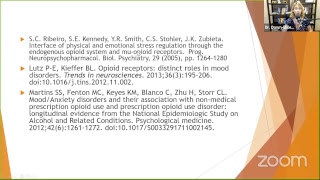
So I'd like to welcome everybody to today's presentation, Treating Opiate why so Many Clients Relapse. I was trying to come up with a little bit more catchy of a title than just treating Opiate addiction because that sounds kind of blah. Today we're going to be talking about generally what are opiates, what are endogenous opiates, how they work, the effects and side effects of opiates, tolerance, withdrawal, why so many people are overdosing, and understanding the wide range of needs of people recovering from opiate addiction. Now, the reason I'm doing this presentation, even if you're not an addiction counselor, if you are a counselor, you are likely working with people who are on opiates at some point. Not everybody, obviously, but you will be working with some people. Now, some people may be using them as prescribed, but it's still important to understand the side effects and potential for addictive tendencies to develop. And then other people may be working with clients who have a opiate addiction they haven't revealed to you yet, or they have revealed and they may be seeing somebody else for, or you're doing co occurring. So anyway, my point is this comes up a whole lot more than you might want to think. And we are seeing so many people dying from opiate overdoses right now that I think it's really important to bring this particular topic to the forefront. And yes, you know, I've said before, addiction's. Addiction's addiction. We're dealing with a lot of the same issues when we're talking about the underpinnings and relapse prevention. But when we're talking about the actual mechanism of action and some other stuff that you'll learn about. Opiates are a little bit different than cocaine and which is a little bit different than methamphetamine. So we're going to explore some of that. Opioids play a central role in pain processing and regulate many other aspects of our physiology and how we just interact. Not just physiology, but psychology, including stress responses, depression and social behavior. Who knew? Well, if you've worked with someone who has been addicted to opiates, you probably had an inkling that there was some sort of mood component to what they were doing. Respiration. Now that's one of the biggies. When you're talking about depressants. If you take too much, it'll slow your respiration down. Gastrointestinal transit. Again, if you've known anybody who's had cancer or been on opiates for a while for chronic pain you know that there are some problems in the GI tract with consistent chronic use, endocrine functioning and immune function functions. So opiates play a huge role in a lot of stuff. Now, some of it we don't really understand yet, and some of it we only understand from rats and lab mice. Some we understand from client case reports and, you know, interacting with them and looking and doing regression analyses and trying to predict, we don't know, causation. But we're going to talk about some of the things that we need to be aware of as clinicians. If we've got somebody either on opiates for pain and taking it as prescribed, and on opiates maybe not for pain and they're taking it not as prescribed, or maybe they're on methadone or Suboxone or something else trying to deal with that addiction, or they're on one of those for pain. So we're going to look at some varying issues of why you might be interacting with people who are on opiates and or at risk for opiate addiction. So we're going to start out talking about endogenous opioids. These are good things. If you've ever been a marathon runner, these are the ones that kick in. That's your runner's high that you can kind of really develop an affinity for. It's the body's natural pain management system. There are three natural opioids, and it's not important to worry about this. In terms of the quiz, just so you know, you have what used to be called Mu, Kappa and Delta. They're now mor, Kor and dor. Why they renamed them, again, not important. But MOR is your, is your MU receptor, and that's the one we're really going to be talking more about. Opioids reduce pain, which may be part of a broader function to counter stress. Your body, when it senses pain, if you remember from some of the other presentations, kicks off that HPA axis. It says you are the weak link in the herd. You're the one that's going to be taken out if some hungry lion comes along. So the body wants to make that pain go away because it doesn't want you to be under stress and it doesn't want you to be vulnerable. When you, when you're in pain, especially physical pain, it may make it harder for you to escape a threat, especially hungry lions. So this is your body's way of trying to help you survive. Pain is a stressor because it signals a physical threat. So just kind of factor that in There when you're thinking about the HPA axis and you know, libido goes down and estrogen and testosterone, all of your sex hormones go down. So your serotonin goes down, which can indicate that. And serotonin is also involved in pain perception. So if serotonin goes down because there's the perception of a stressor, then there's also going to be a tendency for depression. An anti stress activity of the endogenous opioids may be specifically mediated by the Mu receptor. But there is also some other evidence that indicates that this isn't the case. And we're going to look at the confusing stuff there in a minute. Medications can be made from natural or synthetic substances which bind to the opiate receptors and block the perception of pain. So we can mimic these endogenous opioids, but they do not activate the brain cells in the same way. So instead of turning the, turning the faucet on a little bit, it just turns it wide open. There's no real degree here. So they lead to abnormal messages being transmitted through the network. Most of the opioids of addiction target the Mu receptor in the brain's reward system, which floods the circuit with dopamine. Now why do we care? Well, dopamine is your pleasure chemical. So on one hand the reaction is euphoria. So you may not care about the other stuff, which is why people have less anxiety. But the interesting thing, other thing is that dopamine is also a norepinephrine precursor. So norepinephrine, if you remember, is your get up and go chemical. So when your body's flooded with dopamine, then it can make more norepinephrine so you have more energy. So you may feel more enthusiastic, you may feel like you can conquer the world. Which is why a lot of people that I've worked with report when they're on opiates, they feel kind of like their uber selves. Then you have some other people who take the opiates and they say it's sort of like their screw it drug. They take it, they just don't care. They're just like whatever, it's all good. So depending on the reaction, depending on your client's baseline psychological state, there may be a slightly different reaction. So how do people get addicted? And I refer to it as the chicken and egg dilemma. Precipitation. So if somebody has no pre existing mental health issues and they start taking drugs of some sort and it doesn't matter, you know. But in this case we're talking about opioids it's going to alter the neurotransmitter balance the brain. One of the things it does is turn down when there's a lot of dopamine. Well actually it turns down gaba, which causes dopamine to be released. So gaba, you know, is your antianxiety chemical. So if you're turning down gaba, so more dopamine can be released and when the dopamine is gone, there's less gaba, so there's more anxiety. So someone may return to the opiate in order to self medicate that anxiety. And we've also got a lot of other stuff going on with the serotonin systems. So people can throw their mood chemicals, their neurochemicals out of whack by using. And then when they sober up or get clean or start to detox, whatever you want to call it, they start to feel really bad again. So they go back to using because they're like, well when I was under the influence, I felt a whole lot better. Self medication is the other one and this is the one that is pretty obvious. Somebody is depressed or anxious and they take a drug or they drink some alcohol and they're like, oh, I feel better now. They don't again feel better as soon as the drug wears off, but while they're using they feel better. So again then when the drug starts to wear off, they start to feel dysphoric again and may return to the drug in order to not hurt as much. And when I say hurt, I mean physically as well as psychologically. Shared vulnerability means people who are born into families where there's a history of psychiatric issues and or substance abuse issues. We've shown in research that there is a genetic component, so they may have a vulnerability to developing mental health issues. But if they're also in an environment that is open to improving life through pharmacology, that lacks coping skills, that has a bunch of other risk factors, then they may be at risk for developing addiction. And with these people it's kind of potato, potaho, chicken or the egg. We're not sure whether the substance abuse came first or the mood disorder came first. But in any of these, honestly folks, it doesn't really matter when they get to treatment. I have never met a person who's come into treatment who is detoxing, who has had some mental health stuff going on. Depression, anxiety, yes, it could be situationally caused, but the fact is they feel like crap. So it's splitting hairs to really try to figure out which came first. In early recovery. Now, when you're talking about long term, two years, four years down the road, should this person be on psychotropic meds, then it's more important to kind of look at the development of the disorder through time to see what preexisted. But it's not necessarily always helpful to do that because sometimes factors have changed. So we just need to listen to the clients and pay attention to what's going on and treat them as whole beings instead of just treating the addiction or just treating the depression. Opiates reduce pain. We know this, and which is why a lot of people take them to begin with. They're prescribed after surgeries, they're prescribed for a variety of different kinds of pain. This is where a lot of people are introduced to them because they're relatively readily available. They also have the effect of some people of reducing stress, anxiety, and depression. In the resources at the end of this presentation, there are three really awesome articles that talk about why they're actually looking at using buprenorphine and in treating somebody who has intractable depression, because they have found that there is a significant antidepressant impact with certain opiates. So there can be upsides to it, which is why a lot of our clients may return. Because if they're getting clean and they are still just in emotional agony, they may just be trying to survive. So we need to not ignore what's going on and say, well, just grit your teeth and bear it and you'll get through it. That might not be possible. Slowed breathing, slowed heart rate, and constipation. Opiates are depressants. They're going to slow everything down. The problem is when they slow it down so much, you stop breathing, your heart stops beating. So we need to make sure our clients are really aware of how quickly and how easily this can happen. The brain wants to maintain homeostasis, balance, and it adjusts to increased levels of opiates over time. So if you are putting in 10 times more opiates than your body makes in endogenous opiates, your body's going to say, well, I don't need that much. And it's going to start shutting off some of the opiate pathways, if you will, for simplicity. But it also, and this is important, it also stops making those endogenous opioids because you're putting in more than it could possibly ever need or use. So it says, you know what, I gotta shut this off too. More opiates are required over time to achieve the same euphoria Relaxation and pain management, which is even when people are taking opiates as prescribed, if they're taking it over a long period of time, their dosage will go up. So it's important to understand that they do become physically addicted to the opiates in some ways. When my father was taking opiates, when he was undergoing chemotherapy, he, at some point, and I don't remember why, was getting off the opiates, but they had to taper him really, really slowly because the body wasn't building up or the body wasn't producing endogenous opioids anymore. And your body quits doing that. And it's not like taking an aspirin where four hours later you start feeling better when your body quits producing a certain neurochemical or reins it back in quite a bit. It takes a while for it, like days for it to catch up and go, oh, so I need to make those again. All right, so we need to let people know ahead of time if they stop taking opiates, their pain may increase little bit. Anxiety may also increase. Like I said earlier, when the body is flooded with opiates, and I say flooded because the level of stimulation from endogenous opioids, even if you're taking prescription pain medications as prescribed, it's still more intense than what your body would normally do, which is why you're taking them, because your body's not getting the job done. So when you stop taking them, then you still have that. The GABA receptors are basically blocked, so they're not, you know, secreting the amount of GABA you need. So anxiety may increase, which will lead to difficulty sleeping, as will pain. Because remember, pain is a stressor. So it kicks off that HPA axis. The cortisol kicks in and keeps you awake, so you're not getting good quality sleep. So it's all kind of interrelated. So you can see how frustrating it would be for somebody who's trying to get off opiates when they start tapering or go, go cold turkey. And that is hard, but people do it and, you know, sometimes they think it's best way to, way to go. That depends on the client. But they expect to start feeling better after those first few days of, you know, flu like symptoms. And they're still feeling really depressed and anxious and, you know, yada, yada, yada. This is what we fail to address. This is not just detox. This is not just, you know, you'll get over it, give it a few days. Their anxiety is higher than it would Normally be. So we need to give them tools to deal with this. Spontaneous withdrawal begins 6 to 12 hours after the last dose, peaks in intensity in 72 hours and lasts approximately 5 days. This is something else important for them to know. Even if they have been taking it as prescribed, if they have developed any sort of physical dependence on it, they may go through some level of spontaneous withdrawal. Now, it seems to be dose dependent in the research. So if they're taking it as prescribed, the symptoms really shouldn't be that bad. If they were taking double, triple, then it's going to be worse. Precipitated withdrawal occurs when somebody is physically dependent and is administered an opioid antagonist or partial agonist. So if someone is taking opiates and they're physically dependent, and then they decide, you know, I'm also drinking alcohol and I want to stop drinking alcohol, so I'm going to get the Vivitrol shot. Well, Vivitrol is naloxone and that is an opiate antagonist. And that is going to throw them into immediate withdrawal. Important to be aware of, not a deal breaker. But they do need to know that they need to address both. And side note, we'll get to it in a few minutes. But alcohol and opiates are a deadly combination anyway. For people who've become physically dependent, a lot of times they'll gradually reduce the dose under medical supervision to allow time for the changing of the guard. So there's not the flu like symptoms, so there's not the aches and pains and the increased pain and the increased anxiety. This is the more humane, as a lot of people have put it, way to go. This also can be achieved with medication assisted therapy, such as methadone. So they switch over from heroin to methadone, find a level of methadone where they're not having withdrawals, then they will slowly taper from there. The same thing can be achieved with Suboxone. So medication assisted therapy is not necessarily a forever and always thing. It may be to help someone taper off in a kinder, gentler fashion to reduce the risk of relapse, to reduce the agony of the initial withdrawals. And it can take 18 months to two years. It's a slow taper. But people generally do show really good results with medication assisted therapy. So let's talk about overdoses real quick. Tolerance decreases quickly. It increases quickly like in days, but it also decreases quickly like in days. So if you've got a client who has been using and they get clean and they're clean in Detox for a week and then they're clean for another week. So they're, they got 14 days under their belt, and then they relapse and go back to using whatever they were using the day they went into detox. They're probably going to overdose. Tolerance decreases that quickly. So it's vital for clients to understand this. Synthetic opiates are not standardized. So if they're buying them off the streets, they don't know what level they're getting. And a lot of times lately heroin is cut or diluted with fentanyl because fentanyl can be manufactured pretty much in a bathtub. I mean, it's a little simplistic, but fentanyl is far, far, far, far cheaper. So they could get good quality heroin. Put 10% heroin and 90% fentanyl, which is 30 times stronger than heroin. The person uses their normal heroin dose, so they basically increase their dose 30 times and surprise not they overdose. So it is so crucial to be aware of what you're taking, which is why heroin is such a problem right now. And even fentanyl is not standardized. So one batch may be far stronger than another batch, even from the same dealer. Combining opiates with other depressants like alcohol or benzos is like one plus one equals five. And no, my math isn't that bad. It has a enhancement effect. I can't think of the word I'm looking for right now. But if you can take a certain amount of anti anxiety medication, Xanax, Valium, whatever, and feel okay, feel good, and you can take a certain amount of opiates and feel good, if you put the two of them together, that could be enough to suppress your respiration. So you've got to remember not to combine any kind of depressant. And that includes over the counter herbs like valerian and dramamine and antihistamines and over the counter sleep aids. There's a lot of stuff that has an additive effect with opiates. The final thing that people are kind of getting bitten in the butt by is changing methods of administration can lead to overdosing due to faster and more direct action. So if you've got somebody who wants to keep using a certain drug, but they don't want to spend as much money or they don't have access to as much, they may choose, or they want relief a lot faster for some reason than they would get maybe from orally. If they snort it or inject it, it's going to go into the system a whole lot faster and stronger. It's kind of like a bull through a china shop. And it could lead to respiratory arrest and death. So it is so easy, which is why it's important. And little public service announcement. Many pharmacies, CVS and Walgreens in most states now you can buy over the naloxone, which is your opiate recovery thing. And it's a nasal spray, so it's not an injection. So you can buy that without a prescription. Be aware of that. If you've got a clinic where you may have people on opiates coming in, that may be something to add to your risk management plan. Addiction is the physical and psychological issue. So for those of you who aren't addictions counselors, addictive behavior. Now, you can use opiates normally, you can use them as prescribed. Addictive behavior is when you're using a substance or activity to provide pleasure, when you don't have it otherwise, or escape from some sort of emotional or physical pain. And, and this is the crucial part. And you continue to use it despite negative consequences in one or more areas of life. So that person who goes out on Friday after they've had a really crappy week and has a couple of beers at the bar, are they drinking to escape from emotional stress and pain? Yeah, but they're stopping and they're not continuing to use despite negative consequences. Now, if they continue to do that after they've had two DUIs and they've lost their job, you know, obviously there's something else going on there. We already talked about spontaneous withdrawal. Methadone, when people take it, lessens the painful symptoms of opiate withdrawal and blocks the euphoric effects of opiate drugs. So if somebody takes methadone, then if they go out and they shoot heroin, they're not going to get an effect from it. Those lock and keys that activate your neuroreceptors, they're already filled. There is no room for more of it. So it has a benefit if it's used as prescribed. And methadone clinics really tightly control the dispensation of methadone. People have to go there every single morning for dosing. And they are drug tested really regularly. Full agonist, which means methadone goes in and fully opens that synapse there. So it's not giving you a partial high. If you take enough of it, it's going to give you a high high, which is another reason why it needs to be controlled and not diverted. Because we don't want people getting high. We want them being able to tolerate life and then stepping down. Methadone is also used for some people for chronic pain. So do be aware that if somebody says they're on methadone, it doesn't necessarily mean they were addicted to painkillers. It may be a choice that they made because they have got some sort of intractable chronic pain. Buprenorphine or suboxone basically is partial agonist, meaning it activates the opioid receptors, but only part of the way. It's a ceiling effect. So you'll get so much of a high off of it, and then at a certain point, no matter how much more you take, you're not going to get any more of a euphoric feeling from it. They created Suboxone because they wanted to be able to allow people to not have to show up every day for, like, methadone dosing. Suboxone combines buprenorphine with naloxone. Naloxone isn't activated unless the person tries to inject it. So when somebody takes it orally like they're supposed to, no problem. They will get the mild euphoria that they're looking for. Now there's a lot of controversy about whether you should take or whether one should take medication assisted therapy. And that is going to be a decision between the client and the clinician and the doctor about what this client needs in order to best prevent relapse. And like I said, a lot of people are on medication assisted therapy maybe for two years, but then they are detoxed off of that. They are in it long enough to get a handle on their new coping skills, to get their life in order to get stuff together so they're not at risk of relapse or as much of a risk of relapse. Addiction, again, is about escape from intractable pain or a life devoid of pleasure. So think about waking up every morning and just being clinically depressed or in physical agony or just whatever, you know, I don't care. And I think we've all. And the old term was dysthymia, I still haven't gotten with the new DSM 5 term. I think it's repeated depressive disorder or something. But it's not a way people want to live for the rest of their lives. Stopping the substance generally doesn't change whatever that pain is or that lack of pleasure is that the person is dealing with. So that's where we need to go in and say, what is the underlying issue, you know, when somebody gets sick? The wound analogy doesn't really apply here. When somebody gets sick we need to figure out what's the underlying pathological cause of what's going on. Is it a bacteria or is it a virus? That's the first thing that we need to look at and then kind of move on from there. So we need to help people figure out why were you using, what were you hoping to accomplish or what can we do to help you so you don't feel the need. Opiates cause the brain to dump dopamine, producing pleasure and blocking physical pain. So if there's this little Eden out there that you can see that you're like, if it could only stop for four hours or two hours, sometimes that's enough for people to be enticed to it because the feeling is so bad at first and then it progresses to the feeling out there is so good that it's hard not to want to go there again. Opiates provide relief from pain, depression and sometimes anxiety and activate dopamine system. Pre existing mental health issues may lead to self medication and opiates alter the brain chemistry so the person feels worse than they wear off and they crave that dopamine rush. It's a slippery slope when people start taking opiate medications, especially if they've got pre existing depression or anxiety and they take it, even if they're taking it like after oral surgery or something, they may feel a feeling they've never felt before and be really attracted to it. So it's important to educate your clients about what's going on and have them be open with you if they don't have a problem with opiates, but then they start taking taking them for some reason and they start to feel this desire to have them more. We can intervene early but want to open those channels of communication so comprehensive care addresses their mental health issues almost above substance abuse issues. We need to make sure we address the depression and anxiety and physical health issues that are precipitating and maintaining that brain neurochemistry imbalance. They need to get good sleep, they need to get good nutrition so their body can and brain can repair itself and we need to figure out why Is the system wonky. And I use wonky for pretty much anything in the dsm. We need to figure out what's going on and help them address it in some way other than using opiates. Employment and finances can be a big issue, especially if people are on medication assisted therapy. There may be some caveats to them being able to get a job because they're on methadone. Housing. People need good housing now not all people who are using opiates or even who are addicted to opiates end up homeless. But it's important that the housing that they're in, the environment that they're in is safe. They're not living in a apartment where three of their roommates are on various opiates or something where they can access it really easily. Examine the need for social skills and support training, especially in terms of interpersonal effectiveness skills. Identifying what you need, effective communicating, asking for it, setting boundaries and getting your needs met. A lot of times people that we're working with in who have anxiety, depression, addiction issues have some self esteem issues. So their relationship with themselves and they also may have often have relationship issues with other people trying to get external validation and approval. Fear of abandonment, you know, lots of stuff that you normally see. A lot of people with addictions are not really that much different than the quote, run of the mill mental health client that comes into the mental health clinic. Except for they have found one way that they can survive their pain. Unfortunately that way tends to make other things worse. But and parenting skills. Most of us could benefit from a little bit of a manual on how to raise youngins, but a lot of us also need to look back at how we were parented and reparent ourself being less critical and more accepting and all that self esteem stuff. We want to educate people on the fundamentals of addiction, even if they don't have it. I think it's important that people be aware of these are the signs that a behavior or a substance may be becoming a problem. Because you'll find that people, even when they are in recovery from one addiction, may start evidencing signs and symptoms of other addictions. So they may switch over to more of a behavioral addiction. The next thing we need to teach them is how to communicate, how to talk with other people about what's going on, how to assert, be assertive and not aggressive or passive for that matter. And that goes back to interpersonal effectiveness. We need to help them learn coping skills. How do you tolerate distress? How do you regulate your emotions? How do you problem solve? We need to help them focus on relapse prevention. And again, this is not just for people with addiction. People with depression, anxiety, anger management issues, bipolar, schizophrenia, they all can relapse. So we need to help them figure out what are your relapse warning signs? How do you know when you're going down that slippery slope towards a depressive episode and what can you do to prevent it? Some people will need employment and interview skills. If people are able to provide for themselves, you know, work and put food on the table and not have to worry about if they're going to keep their lights on, there's going to be a lot less stress. Less stress means a happier person, means less chance of relapse, depression and anxiety. And we want to address cognitive distortions and irrational thoughts. And that kind of goes along with all the rest of this stuff. But a lot of times people, especially people with addictions, seem to go down this path the deeper they get into their addiction, where it's a me versus the world and an all or nothing sort of conceptualization of everything that happens. Medications to be Considered now, we don't have to just consider what we typically call medication assisted therapy, which is methadone, Suboxone, Vivitrol, Antabuse, those sorts of things that are targeted specifically at alcohol or opiate recovery. We also want to consider mental health medications. If someone is using because of their anxiety, we may want to look at having them talk with their doctor about SSRIs or something that is preferably not a benzo that can help them feel less anxious, less compulsive. And there are a variety of medications out there. We need to educate them, though, that there are a bunch of different antidepressant medications for a reason, because there's a bunch of different ways depression can be caused and that we may not hit the right medication the first time. So they need to really communicate with their doctor about what their depression looks like or their anxiety looks like and any side effects they're having while they're on the medication. Also, if you go to drugs.com you can learn some of it if you haven't already talked to clients and learned it in clinical practice. But please educate your clients about the side effects, the initial side effects of any medication they're starting to take. You know, they can read that whole pamphlet that comes from the, from the pharmacist that pretty much makes it sound like it's better not to take the medication. But there are some pretty common side effects. Like with Zoloft, when people first start taking it, they may almost feel like they have the flu. They may have some dizzy episodes, and that goes away in two or three days. When clients are told this, my experience has been they are much more med compliant and they get through that induction phase. We also want to help them look for ways to deal with their pain. And there are other medications to address pain, including SSRIs and gabapentin. That can help. Now it may not be as good as the opiates, but it can help in some cases. So they need to see a pain specialist if they are dealing with physical pain. All of our clients, depression, anxiety, opiate addiction, otherwise need to address downtime. Now this is really important for people with opiate in recovery from opiate addiction because it is so dangerous if they relapse. So want to make sure that they don't have time to. They need to address their downtime. What are they going to do? I don't want them sitting home every single night watching a Netflix marathon unless they've got some roommates that are really cool that they can do it with. But if they're home alone, isolating for hours at a time, days on end, that concerns me. Pro social activities get them support and acceptance from pro social peers. There are some wonderful groups and I don't say this often about groups on Facebook, but there are really a couple of really wonderful groups on Facebook that help people in recovery. One is called Rock Star Recovery. And the admins in there are just so caring and they reach out so much. I've just been so impressed by how much they're actually involved with the community and they really do care. They're not treatment providers that are trying to get clients. They're actually people in recovery who want to help their peers. And pro social activities help people learn how to have fun when they're sober, when they're not using, when they don't have that screw it drug in their system going, I can do whatever. They actually are fully conscious of what they're doing and they're okay doing that. And wrap around services, childcare, transportation, food and medical and dental care. We need to get that bottom layer of Maslow's hierarchy taken care of so their body can recover. If they've got ongoing medical or dental issues that may contribute to delaying their recovery process. There are a lot of places you can find assistance with these things. Go to United Way 211 and you can find the United Way in your local area to find places that will help people get emergency food if they're not currently on any of the assistance programs. Risks of drug interaction can be fatal. One plus one equals five. So drugs that interact with opioids, benzodiazepines, any of your antianxiety meds. So there's a whole list of them. If you're on an anti anxiety med, it is really dangerous to take a concurrent opiate. Now the exception to that because it works in a Slightly different way is buspirone. That would obviously be a discussion that somebody has between and their doctor. But remembering that SSRIs, some of them do address anxiety and buspirone does as well. So there are options if somebody has generalized anxiety disorder and they are in recovery from opiate addiction. Antihistamines, which unfortunately when people take opiates, some people get really itchy and we call that the opiate itch. And that's one of the ways you can tell if they've started to relapse because they'll start scratching and picking at themselves in groups. But a lot of times they will take antihistamines for the opiate itch. Unfortunately, a lot of antihistamines are also depressants. Muscle relaxers like Flexeril are depressants. And you know, obviously if they're relaxing muscles, the heart is a muscle. So you could have some potentially negative consequences. Sleep medications, everything from Lewes Lunesta to over the counter sleep medications, which oftentimes are antihistamines. Not good. Potentially deadly alcohol, we've already covered that. It's a depressant. Don't combine it with opiates. It could be potentially deadly. Another thing a lot of people don't think about is paint fumes. Now there are a lot of people who work in the construction trade who have been injured, who may be on opiates by prescription, but exposure to paint fumes without adequate ventilation. Paint is a powerful depressant. Now obviously it's a lot more powerful if you're huffing it. But if exposure to it in a small enclosed area can interact with the opiates and create a potential medical emergency. And any sedating over the, over the counter herbs, like I said especially, I don't know all of them, but I know valerian is one that's known to be extremely sedating. Psychosocial problems that decrease patient success. They've done research. Lack of stable housing. People need to have a safe place to lay their head every night so they can get good sleep, wake up and have the energy to face the day. Non existent or dysfunctional family relationships. A lot of us have those. So it's a matter of figuring out how to define family. It may not be your blood relatives, so who is your family? Who can you call at 2 in the morning if you're really struggling and reach out, encourage people to find some sort of support system. That may start in a 12 step group, that may start in a church group. Who knows where that's going to start for somebody but we need to encourage them to find some sort of social support, some sort of network that they can call their family, people they wouldn't mind hanging out with on Thanksgiving. Poor social skills. The people who have less ability to assertively ask for and get what they need tend to be at much greater chance of relapse. So think about your clients who have depression or anxiety, self esteem issues, who may be afraid to ask for what they need. And so they are always feeling like they're not getting their needs met. You know, this can contribute to them feeling stuck, which can contribute to a higher risk of relapse, unemployment, and lack of employable skills. Now, most people have some kind of employable skills, they just haven't identified them yet. I got my master's degree in vocational rehabilitation counseling and I love doing job placement and vocational placement. I think it's really awesome to help people figure out what they like doing and help them use what they're good at. People can go to their local workforce development center, meet with counselors, figure out what they can do. A lot of times there are training programs that they can get into that will help them get a high wage, high demand job, especially if they've got kids, but encourage them to go and look and see what their current opportunities are. Now, if they have a history of criminal infractions, if they have a history of poor employment, not staying somewhere long, getting fired, any of that, which may make them a hard to place employee. There is a government program that helped people get bonds. The government pays for it. They have to. The person has to go out and find the job. But once they find the job, then the employer can go to the workforce development board and they'll have a meeting and they can get a bond for that employee for six months. So the employer is not at risk if the employee should not stick around or do something wrong to improve patient retention. Individualized medication dosages. Now, obviously this is true with medication assisted therapy like methadone and Suboxone, but it's also true with your antidepressants. I've worked with too many situations where the physician was determined, we're going to start here and you're going to stay there for three months before we look at increasing your dose. And I've worked with other physicians who've said, we're going to start here, which is whatever the normal baseline is. Let's reassess in two to three weeks, tell me how you're feeling and then we'll see about, you know, maybe increasing the dose at that point, even though it may not kick in for a full six weeks. So they're willing to work with the person a little bit or give them something that will help take the edge off. In the meantime, clarify program goals and treatment plans. What are you working towards and when is this going to end? So a person's not just going, well, I'm in treatment for who knows, what do you want to do? Where are we going? How are we going to get there? You wouldn't go on a vacation without knowing those things. Why would you go into treatment not knowing those things? Simplify the entry process. When clients are ready for treatment, they're ready for treatment yesterday, but they may not be ready tomorrow. So if you put them on a five week waiting list for an assessment, you're going to be, forgive me, probably screwed because they're not going to be around in six weeks waiting for their assessment. They will either have gotten better or relapsed in most cases or gone somewhere else. So you want to simplify the entry process. If your agency would consider doing intervention level groups to get people into so they are having contact and at least getting some sort of input and monitoring. So until they can get an intake for the full program, reduce the attendance burden. If you live in a rural place like I used to, we had virtual groups and virtual. Our psychiatrist would actually stay in our main clinic and he would do his appointments through telemental health. And it worked because these people were an hour and a half from our clinic and they were in a county, the whole county's population was 5,000. So I'm talking rural. So it was a big deal for them to find the money to get in the car and drive that far. Provide useful treatment services as soon as possible. When they walk out of that assessment, make sure that they have some sort of something, tool project, something to do. They are motivated when they're in your office, let's keep that motivation going by empowering them to at least take a baseline or try this new technique. You know, try this technique and see how it works and then when we meet in the next appointment, you can let me know. It gives them something to focus on. Enhanced staff patient interactions, self explanatory and improve staff knowledge and attitudes about medication assisted therapy. There are many, many, many, many clinicians out there. Physicians, social workers, mental health clinicians, you name it, and addictions clinicians who are adamantly opposed to Methone and Suboxone. So it's important to educate what is and is not happening in those kinds of treatments. Why they're being used. What the treat plan is, whether you're talking indefinite treatment or you're talking 18 months or what have you. And I think in six weeks I'm going to do a presentation that is really just on medication, assisted therapy. And we're going to be looking at the nitty gritty of that. But it's important to make sure that staff has their own biases kind of under control. Help patients understand the relapse is a process, not an event. So it starts long before you actually pick up. Your mood changes, your thinking changes, your behaviors change, how you're taking care of yourself may change. Whatever that person's relapse warning signs are, they need to know, they need to develop coping skills for high risk situations and unpleasant emotional and physical states. And again, this is so true even for people with just, if you will, mental health issues. When they start feeling like there is something stressful coming up, like an anniversary of a death or an unpleasant holiday, they need to have coping skills to deal with that so they don't start dreading it three weeks ahead of time and just build up in their dread. Increase their ability to make lifestyle changes to decrease the need for any kind of illicit drugs or addictive behaviors. So again, addressing what's causing them, why are you using? What's the motivation and what can we do instead of increase participation in healthy activities. Because if you're running on the treadmill, you're probably not shooting up. Understand. Well, at least not at the same time. Understand and address social pressures to use substances. Because some people are not going to be willing to change all people, places and things, especially if it's family. So we need to help them figure out how to address this. If you go to Christmas dinner, how are you going to handle it? And encourage them to develop a supportive relapse prevention network. Learn methods of coping with cognitive distortions. Recognize their relapse warning signs. If they're addicted, encourage them to combat memories of drug abuse associated euphoria. So how good it was when they were using. Because it's easy to forget the bad. Just like when you're in a really dysfunctional relationship and you get out and it hurts and you may focus on how good it was and forget all the bad stuff for a short period. So encourage them to remember the bad with the good. I mean, we're going to acknowledge that there were some upsides to it. Address drawbacks to recovery. So if somebody is afraid of something, for example, when they're in recovery, when they're not using Their drug, they are feeling a lot of anxiety, then we want to address that because that is a relapse warning sign right there. If recovery, if using or doing the old behavior, whatever they were, become more rewarding, they're going to go back to those and encourage people to develop pleasurable and rewarding alternatives to drug use or addictive behaviors and anything that could become an addictive behavior. Opiates can start causing tolerance after only a few days if the person isn't weaned off the opiates. The initial few days can be characterized by a greatly reduced pain threshold. When I worked with moms in the mother baby unit, they wouldn't start their detox until after they gave birth. But then the doctor tapered them really fast. And the initial few days, not only were they coping with just having a baby, but they were detoxing fast from methadone. We're pretty hellish for them, so make sure that they understand that. But their pain tolerance will go back up. The body eventually starts producing the endogenous opioids. Although those endogenous opioids are not going to produce the same euphoria and anti anxiety antidepressant effects that the synthetic ones do. So they're not going to expect to feel like woohoo. It may just be a calm and then we have to address the other mood issues. In therapy. If the person is truly addicted, the drug is not their only problem. It's helping them to survive their problems until they find another option. They want to survive, they want to live. If they're in your office trying to get better, you know they want to live. So we need to figure out how to help them do that. I told you there were some resources. These are the three really awesome, pretty run of the mill journal articles. They're not super duper technical where you need to sit down and say, all right, it's going to take me 30 minutes to get through every page because it's so clinical. But they are really good to help you understand emotional stress regulation and how opiates impact that opioid receptors and mood disorders and the correlation between mood and anxiety disorders and non prescription use of opiates and why. Why we may be seeing an increase in that recently. Alrighty. I did make it in under the cut. Are there any questions? I will need to look as a viewer when I go into the. I'll go in after this and see what you're seeing on my participants window. I have two tabs. One says panelists and one says viewers. So I'LL need to go in and look at see what you're seeing to see how you see the other people that are involved. Okay, if there are no other questions, everybody have a fabulous weekend and I will see you next week. It.










