Behavior Modification and Goal Setting: Avoiding Common Traps: Counselor Toolbox Episode 134
Dr. Dawn-Elise Snipes covers behavior modification and goal setting for clinicians, focusing on identifying environmental triggers and using measurable steps with positive reinforcement. She shows how to recondition maladaptive responses and integrate mindfulness and DBT techniques across addiction, grief, chronic pain, and other populations.
Questions this video answers
20 CEUs
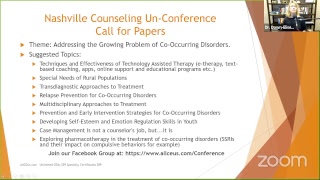
Nashville, February 2018
$99 in advance; $149 at the door
October 2017
Chapters
I'd like to welcome everybody to today's presentation on behavior modification, goal setting, and avoiding common traps. So we're going to go through some behavior modification because I found that over the years when I've worked with clinicians who've been in the field forever, as well as students who are just coming out of graduate school, many of them have never really been exposed to basic principles of behavior modification, which is one of your first traps, if you will, in not being able to help clients set really reliable goal plans or relapse prevention plans. So we're going to look at some of the basics. I mean, basic basics. We're not going to get into schedules of reinforcement and all that kind of stuff. Today we're really going to focus more on discriminative stimuli, reinforcers and punishers, which, you know, should sound pretty familiar. We're going to explore how behavior modification in general can be useful in practice and how we can help clients understand what triggers their behavior and how to create environments that are conducive to their new behaviors. How can we encourage them to trigger. And, you know, going back to last week's presentations on triggers, how can we encourage them to trigger or remember to use their current behaviors? So why do we care? Change means doing something different or modifying a response. Right now, what we're doing, we're pretty well conditioned to do. If you think about mindfulness or mindlessness, if you will, a lot of times we're operating on this basic principle, principle of we get up when we hear the alarm, or for me, the rooster crows, and start on our day without really thinking about what we're doing. Because each thing in the environment, sound, smell, time, whatever, triggers another behavior, and we don't stop to question. So that's one of the things we want to encourage clients to do, is to look at, why did you do that? Even the good things, we want them to think, you know, why did I get up this morning? Well, the rooster crowed, and I knew I had to get to work. And what. What else is going on? And how can we make as many of those triggers or stimuli, if you will, positive, that encourage excitement and happiness and all that stuff. The response can be a neurochemical one. So, you know, if you hear a car backfire, you may startle and have a neurochemical response that says, you know, yikes. Or it can be an overt behavioral one, like something triggers you to want to smoke. Behavior modification principles will help you understand why some of the reason why people act or react the way they do, and it'll help them understand it. You know, I'm a firm believer that when we create treatment plans, when we help people recover, get happy, whatever you want to call it, we're not doing it to them. We're engaging in a process with them to empower them to learn more about themselves and learn how to create these plans and achieve their goals in the future. You know, teach a man to fish and he can eat for a lifetime. So we want clients to not be dependent on us. Behavior modification does focus pretty much on the observable, measurable conditions to the exclusion of cognitive interpretation. So we want to kind of hedge that a little bit in when we approach treatment, because behaviorists are not going to talk about how somebody feels. We are. We're going to talk about what makes you feel happy. So we're kind of diverging here from strict behavior modification and moving more into goal setting and awareness and relapse prevention. In its truest form, behavior modification is concerned only with observable, measurable behaviors, stimuli and reinforcement and, or punishment. So when we ask a client what prompted you to do that, and when you do backwards chaining, you're going to ask them what triggered it, what was going on that made you think to do this or that? When we talk about behavior change, and this is one of the keys and this is one of the traps, we need to make sure that they're setting goals that are observable and measurable. That way, when they've achieved their goal, they, they can answer the question, I know I have achieved my goal because. Or we can put in the, in the conditional statement for the treatment plan. You will know when you have achieved this goal, as evidenced by, is what we used to put in our treatment plans where I came from. But it's something that any person on the street, any other clinician, any peer can look at and go, yeah, you've done these things. And it can be reduced crying episodes from every single day to two times a week, or reduce the intensity of crying episodes so you're just having some weepy moments instead of all out complete dysphoria. So we want to help clients identify anchor points, if you will, measurable anchor points, so they can see that they're making progress. They're not going to go from crying every single day and not wanting to get out of bed to being happy, quote, unquote, in a week or even in a month, probably. So we want to be able to say, what is one symptom or what is one thing that you can See, that says, I am depressed right now and how will it be different when you're not depressed? And so we'll stick with crying episodes. Right now I'm crying every single day, two, three, four times a day. And it just, it's overwhelming. It feels like I'm always crying. Okay, Always. We can't measure, but we can measure how many times the person cries each day and have them keep a log of that so they can see that over time, as they're starting to use their new skills, they're crying a little bit less. And, you know, when we're dealing with people who have grief and loss issues, crying is therapeutic. Crying can be very on point. But sometimes they'll feel like they're never going to get past it. So we can help them see, you know, over time, how they're starting to accept the loss, not forget the person, not forget whatever it is, but to accept it and create a new reality around life given that loss. So we can help them sort of start finding anchor points is the best word I have for it. Traditional behavior modification can be quite useful in simplifying a stimulus and reaction. So if somebody startles when they hear a door slam, that's perfectly normal. We can help people see how that's functional, how that's a survival based skill. And then we can go on to talk about, okay, now in your past, when you've heard a door slam, what did that mean to you and why did that cause the startle response and why is it currently causing the response? Because you've been conditioned to associate. I have one client who, well, several clients, but who grew up in environments that were very abusive and hostile. So when they hear doors slamming and cabinets slamming, it sets off this trigger. So they get really upset and they get really stressed out. Their heart, you know, starts to beat way into fire, fight or flight because it's triggering the memory of what happened when they were younger. And that's a survival reaction. The body goes, well, when I heard that before, it was really bad mojo. So, you know, I need to let you know that there could be a problem. And I find with my clients by helping them see how it makes sense, you know, from a certain point of view, they can step back and look at it and go, okay, it makes sense because back then that sound represented a threat. Right now, am I safe? Does it represent a threat? So it gives them the ability to understand their reaction and then to take cognitive charge of it, move on. Integrating the cognitive interpretations, Fear, anger, you know, those feeling labels we put on it can help people in identifying and addressing what's causing their distress. So we can ask them, what is it that makes you anxious? You know, behaviorists would say, you know, what is it that causes your heart rate to go up? And identify something, really? And most of our clients are going to look at us like, what are you talking about? But if we can say, what are five things that you think of from your past? What are five memories you have that you can think of that make you feel or made you feel really anxious? And then let's talk about in the present, when something reminds you or that you experience something similar to that situation, how is it impacting you? And then they can start to deal with those. Understanding what causes their feelings can give people a greater sense of empowerment because they can understand. All right, I felt scared for a second because my body was trying to protect me, or I felt angry for a second because I thought I might have to fight off a threat. However, I can use my new skills and overcome that, realize it's not a big deal. So let's talk about puppies. I love puppies, and I help people start to see how they learn from their environment based on in very primitive ways. So puppy, puppy number one tackles puppy number two, and there's a threat. You know, puppy number one's like, oh, no, you didn't. And if they're playing, you know, this is how they play. And how theoretically, in the wild, they would learn to fight and survive. Puppy number two responds by tackling puppy number one. There's a counter threat. Both puppies get a surge of adrenaline because this is all play and everything, but they're also mimicking what they're supposed to learn to survive. When they get older, the puppy that dominates receives a dopamine surge, which reinforces the prior behaviors. To do that again, the puppy that wins is like, oh, yeah, first one at the food dish. And that teaches the puppy that these behaviors are okay. However, if the mother dog, maybe puppy number one, decided to take on mama, and if you've ever been around puppies and mamas, you realize that mama will not take any crap from the little puppies. If they start getting too rough for playing too hard, mama will put them in their place, and they learn from that sound. Okay, what I just did, there was an immediate connection between playing too rough and either mama snapping at them or barking sternly at them. The puppy learns. So this is how, when we were infants, we started learning, and we associated pleasurable things that we would want to do again. So we want to have people figure out in their environment, what things have you learned that are threatening? What things have you learned are positive and reinforcing? We also learn things. So, for example, Sally goes to the pet store and a puppy comes out, sits in her lap, and puts its head on her leg. This is what my first dog out of college did. He came right out of the kennel, sat down, put his head on my leg. I was like, oh, I have to have that dog. This contact with an animal, and it can be with humans, too, causes the release of dopamine and oxytocin, which are both reward chemicals, makes you happy. So there was a surge of contentment or neurochemicals. But helping people understand where those feelings come from can help kind of take some of the mystery out of why they feel the way they feel. If they can look at it from a pure survival and bonding standpoint, you know, what is the benefit to me of this reaction? Now, if Sally had previously had a threatening experience with a dog, when she saw it and it started coming over to her, she may have backed away because the fight or flight reaction would have kicked in, and she would have. May have gotten afraid. So what are my points? The brain receives signals and, based on prior learning, responds with either fight or flight. No reaction or pleasure. Happy. Let's do it again. And I think there are all. Everybody has things that there's kind of no reaction. I look in the refrigerator, and I'm like, okay, I got to go to the grocery store. I'm not happy or sad about it. It's just something that's got to be done. If, you know, I look in the refrigerator and I see that there is something really good to eat, then that might trigger a positive reaction. It's important to remember that some people can label the same physiological responses. Increased heart rate, sweating, rapid breathing, as fear or exhilaration. So think about riding a roller coaster. I hate roller coasters. They terrify me. But some people take that same physiological response, and they're like, wow, what a rush. Helping clients understand when they start feeling that feeling, if they've always called it fear, then they may be erroneously labeling things so they can step back and go, all right, what's going on? I had worked with one client who, when he would start to get really happy and feel exhilaration, you know, his heart would start racing and all those things. And he always interpreted it as anxiety. He was like, okay, when is the other shoe going to drop? Because I'm feeling anxious right now. So we started Looking at how many times he felt that happy feeling and something bad didn't immediately happen. So he was able to start unhooking from that physiological response. And instead of automatically labeling it as anxiety that there was impending doom, he was able to start looking at it as tentatively, possibly maybe a good thing. People with anxiety, anger or depression may need to recondition that X, whatever X is, any is, is not actually a threat anymore. So when they hear cabinet door slam, they may need to recondition that. So they learn through systematic desensitization that that is not a threat anymore. And my clients that have negative stress responses to sound loud door slamming, I encourage them to always stop, take a breath and assess the situation. Get regrounded in the present so they can realize. And sometimes they do mindfulness activities, identifying four things they see, three things they hear, two things they smell in order to let that adrenaline rush past so they can focus. So we part of behavior change and lasting behavior change is to help people understand what things in their environment might be triggering or reminding them of things that are unpleasant or were unpleasant and figuring out what to do about it. Encourage them to relabel things. I already talked about excited versus terrified. Some people, when their blood sugar drops, they'll start to get shaky and jittery and they can actually kind of trigger a panic attack. And so if you're working with somebody who has panic attacks, you might want to encourage them to look and ask themselves, when was the last time I ate? What are three other explanations for why I might be feeling this way? In order to recondition that physiological sensation to be something that's more benign. Some people misconstrue stressed and hungry because whenever they were stressed, angry, anxious before they were given food or they ate to self soothe. We know that eating, especially some of our highly processed foods, goes kind of straight to our pleasure centers. So it is, you know, an understandable reaction for a lot of our clients who are emotional eaters or food addicts or whatever they want to call themselves. Helping them differentiate this and start learning to correctly label what they're feeling in terms of, you know, am I feeling stressed? Am I eating because I'm hungry? What does hungry feel like, and what does stressed feel like? Other people with eating disorders especially use the word fat as a feeling. And fat is not a feeling. Fat is an adjective, but it's not a feeling. So what does fat mean to you? Many times, if they're feeling helpless, anxious, worthless, depressed, all of those feelings may go into what they call fat. So we want to look at. In what way does fat represent those things to you? In the acceptance and commitment therapy approach, we encourage people to unhook their feelings from their descriptions so they can say X whatever it is. The door slamming is causing me to have the feeling that I'm getting ready to get in trouble or I'm in danger. That's easier to deal with than X is causing me to be scared. If I'm having the feeling that I'm scared, well, I can let feelings float away just like clouds go through the sky. Giving people different techniques to handle some of their stressors and some of their reactions to environmental triggers is important to helping them be successful at continuing to maintain motivation move forward in their treatment plan. In American culture, we often use non feeling words to describe emotional states. So not everybody's going to feel comfortable using words like happy, mad, sad, glad, angry, scared, that's fine. But encouraging them to understand how they're feeling. You know, if they say I feel like I got kicked in the gut, okay, what does that mean to you? You know, you can't breathe. Your tell me what the feeling, tell me what the physiological things are going on that makes you feel that way. What does it feel like to get kicked in the gut? Part of recovery is identifying those physiological responses and labeling it with some sort of a feeling word or a descriptive phrase so the people can say, somebody can say, you know, when I feel like I got kicked in the gut, I need to do this in order to, you know, keep moving forward in my recovery process. If you're dealing with people who have addictions, you know, they may respond to feelings, especially distressful feelings, by having the urge to use or self harm. So it's important for them to understand and have a word for what's going on so they can start describing it even if it's not one of our, like I said, traditional feeling words. But they can describe it to someone and say, I feel like I got kicked in the gut. And whoever they're describing it to knows that that's a danger place. Something that evokes an unconditioned or automatic response in an infant and an adult is an unconditioned stimulus. So we all have unconditioned stimuli. Loud noises. If a child has never been exposed to a loud noise before and they're exposed to a loud noise, they're going to startle. If an adult is sitting in a quiet library and a car backfires right outside the window, they're going to startle. That's part of our innate reaction and being able to just identify that and go, yep, that's, you know, unconditioned stimulus. That's something that I was trained to do, My body was kind of wired to do in order to protect me. No big deal. Go back to whatever you're doing. Pain is another one that you didn't need to be trained for. When you feel pain, your body has certain responses and reactions. So we want to encourage people to be more aware of how they're feeling, because we know that most people, when they are in pain, tend to be a little bit grumpier, maybe depressed, feel helpless and hopeless if the pain goes on long enough so you know that pain is going to negatively impact mood. We want to help people see. Why does pain do that? Well, because back in the primitive times, when we were in pain, it usually meant that we were sort of the weakest link in the herd. So if a hungry lion was coming towards us, we were probably the one that was going to get taken out. So pain increases our stress response. It puts us on higher alert, which can be exhausting. It can increase anxiety, and if it goes on for long enough, it can increase depression. Helping people see something as simple as pain may need to be addressed in order to prevent or help intervene in depression and anxiety. Excessive cold and heat. Think about a baby. You know, babies, when they get cold, they cry. When they get hot, they cry. And your body, even as an adult, when you get too hot or too cold, it adjusts. You either shiver or you sweat. But when you're too hot or too cold, think about how it impacts your mood. Again, it's a response that your body wants to maintain homeostasis, so it's going to make you uncomfortable, so you want to get to a place where you can be comfortable. And contact. Like we talked about earlier, human contact generally produces a release of oxytocin, so it's generally a pleasant response. Now, this can be reconditioned in people who are survivors of abuse. So don't assume that contact is always positive, but in some people, it can be. So, helping people understand why they respond certain ways, it may not have anything to do with, you know, prior experiences. It may be just the way they were wired. It's one of those unconditioned responses and stimuli. That's okay because then they can say, you know what? Loud noise, not a big deal, going about my business. Conditioned stimuli in general have no meaning to a person. But over learning, over time and learning experiences, people develop an understanding of them. Yellow lights to Me mean slow down because it's getting ready to turn red. Yellow lights to my mother, mean gun it because I don't want to sit at the red light. So a yellow light means something completely different to us. Conditioned stimuli and responses can be traced back again to that fight, flee, forget and repeat sort of scenario. Something triggers your fight or flee reaction. That means there's a threat, you either need to fight it or get away for survival. Forget it means, you know, it's just not even worth responding to. And repeat is the, let's do that again because that's good for survival, such as eating. So discriminative stimuli, all things being equal, is the stimulus which triggers the reaction. Discriminative stimuli think about when you go into different scenarios and you just know how to act when you go into church, you know how to act versus how to act when you go into a gym, versus how to act when you go to your grandmother's house. Because there are certain things in those environments that say, okay, this is a different environment. And when you're in an environment like this, this is how you behave. When I go into an old folks home, you know, it reminds me of my grandmother's house. So typically that's how I'm going to behave, react and feel. And because it, the stimuli in those environments are similar, they smell the same, they look the same, they're often the same sort of knickknacks and things hung on the walls. Think about going to work if you're having a good day, what things trigger a good day for you? You know, if you get up and the sun is shining and maybe you even woke up before your alarm, oh my gosh, you had a good night's sleep. What other things trigger, what other stimuli trigger a good day? Maybe you have a good breakfast or skip breakfast or whatever it is you do. But there are also things, if you're getting up and going to work that can trigger a bad day. You can't find your keys. I'm famous for that. You're running late, you spill coffee on yourself. That's another one of those I'm famous for. So there are a lot of things in the environment that can happen that can trigger a bad day. It can trigger a bad mood. So helping people understand that just because certain things happen doesn't mean you have to stay stuck there. Okay? You couldn't find your keys, you spilled coffee on yourself, you got into the car and you realized that you still needed to get gas on the way to work. It was just a Bad morning, a bad chain of events. But does it mean you have to continue with that chain of events? This is how you feel in the moment. Using some DBT sort of skills here, what can you do to improve the next moment? When you get to the office, you know, are there things in your environment that you see that make you forget that you had a bad day? Maybe you walk in and the receptionist greets you with a smile. What other things might trigger a change of mood? Try to encourage people to have positive triggers in their environment. So when they get to work, they're looking around going, this is a good place to work. I'm happy, you know, or at least this is a good job. And, you know, these are all the reasons I'm here. Whatever it is that helps them feel positive, encouraged, and motivated, if things go on for too long and people try to change it and try to change it and it doesn't seem to work, then people may give up. So it's important to help people understand why they're feeling the way they are and address all of the reasons. For example, with depression, somebody may start by trying to address their depression by going to counseling and taking antidepressants. And we know from experience and research and everything else that a large percentage of people will not respond positively or respond at all to certain antidepressants, or maybe not to any, you know, which is why there are multiple antidepressants out there. So if somebody has tried counseling, they've tried antidepressants, and nothing seems to work, then they may feel helpless and just be like, why am I even going to try anymore? It's up to us to say, okay, let's look at what else might be going on that might be triggering this depression. And we want to look, you know, broadly encourage them to get a physical exam to evaluate their vitamin D levels, their iron levels, their thyroid functioning. There's a lot of things that can cause depression. So we want to help people avoid learned helplessness. We want to have them have hope that something is going to work in order to do that. And one of the best ways to do that is to make sure that in their treatment plan, they have frequent rewards for small steps. So going from, you know, back to the person that cries multiple times a day every day, going from that to maybe crying twice a day every day and getting through the lion's share of the day without crying, that's a huge step. So we want to make sure that they get. They notice it, and they provide themselves some sort of reward or reinforcement. For what's gone on and how successful they've become. So encourage them to look back over and see the progress, even incremental, because baby steps are still steps and the smaller and more consistent the steps, the more likely they are to stick in the long run. So measurable responses, excitatory responses produce fight or flight. These are people's basic feelings of anger or fear. So we want to help them understand that when their body dumps these chemicals, that's they're going to feel one of those two things. Sometimes there's going to be no reaction and sometimes they may continue to dump excitatory chemicals enough where basically they run out. And that's overly simplified. But the balance of neurotransmitters get out of whack and they don't have the energy anymore. Their HPA axis is kind of shutting down, going, there's no sense fighting this anymore. We're not going to win. So I'm going to hold on to the excitatory neurochemicals. What happens? No excitatory neurochemicals, no excitement, no anger, no fear, but, well, not much. But also no happiness. So all those middle of the road feelings, happy, sad, glad, you know, the body's just not there. It doesn't have the energy to produce those right now. The only time it's going to respond is when there's an extreme threat. Think about clients you've worked with who've had clinical depression and just nothing seemed to do it. Nothing seemed to get them happy, Nothing seemed to get them really all that upset either. They were just like whatever this is that learned helplessness and where we don't want people to be. So encouraging them to see small steps, small successes, stimuli that present a threat of pain or death can trigger the excitatory fight or flight response. Through experiences, people learn what threats they can defeat through anger or will defeat them through anxiety. So when we're working with somebody who has anger or anxiety issues or both, we want to help them understand the fight or flight reaction and help them understand where does that come from? What does that, what is triggering you to feel threatened and in what way is getting angry helping you defeat this threat? And how else could you do it that might be more helpful to you? So help them identify the threat. Why it was labeled either a controllable threat or an uncontrollable threat. And oftentimes this goes back into the past, Looking at prior learning experiences and breaking down parts of the situation into controllable and uncontrollable. So your Boss came in and you had your annual review and it wasn't a good review. And you are really angry because you feel like you got shafted. Okay, so the threat was you got a bad review and you know, potentially your job's in jeopardy. So yeah, I can see why that would trigger a threat. So what parts of that are controllable, what can you do about it? If you feel like it was an unfair evaluation, what can you do about it? There are certain things that are uncontrollable, like your boss's opinion about certain behaviors and what led up to it. So, so how can you deal with the uncontrollable things? And what can you do to improve the next moment? You may not be able to improve your evaluation or you may be able to appeal to human resources. Either way, helping clients understand their feeling, unhook from it for a second and figure out what is the next best action to help me achieve my goal. Getting angry, screaming at them, throwing your evaluation at them, none of those are probably not going to do any good. They'll probably do more harm. So helping clients learn how to unhook when they feel, even when they feel stimulated to act out basic fears that tend to cause people to feel threatened, Loss of control of some sort. You know, somebody took away your control. Whether they cut you off in traffic or they gave you a bad evaluation, loss of control underscores a lot of of those fears. Fighting or fleeting fleeing provides you some control. So some people may, you know, get up in their face and try to fight it, appeal it to human resources, whatever. Other people may retreat, go look for a new job. But it gives the person a sense of control, isolation and rejection. We are meant to be kind of together in order for survival. Primitive reasons for this. The need for us to be together is to prevent or to help us prevent death and procreate, keep the species going on. So we're not supposed to be hermits living alone. Which is why we can feel very devastated when we perceive that we are being isolated or rejected. And we can help clients look at how big the situation is. You know, is it one person that doesn't like you or are you constantly isolated and rejected? You know, let's take a look at what is going on and is this worth getting upset about what parts are in your control and what parts are not? Some of these fears can be counter conditions. So we want to ask them, you know, it may feel devastating right now, but is it going to kill you? I mean, is it totally a life threatening situation? That this person rejected you? No. I mean, it may feel like your heart's being ripped out, but is it likely that it will actually kill you? No. Let's look at the exceptions. You know, you feel like you're being isolated and rejected. You may be by one person or a group of people. But are there exceptions? Are there people who accept you? And let's examine alternate explanations. Maybe they're acting rejecting towards you. Is it because of you, or is it because of something that's going on with them? Or, you know, working with families and hospitals, you may go in and try to offer support to them and see what they need, provide some case management. And sometimes they tell you to go away. And it can feel a little odd, but recognizing that, you know, they may not be rejecting you. They are caught up in their own stuff right now and they need time and space. So it may not be about you. Same thing is true for our clients. You know, we have to ask them, you know, did whoever was rejecting, rejecting you have other stuff going on? You know, maybe they just found out that their dog died or something and it wasn't the time to go out to lunch for them. So encouraging them to find. I always use the number three. What are three alternate explanations for why that person may have behaved in a manner that seemed Rejecting and the unknown. Most of us don't like ambivalence and the unknown, so we want to look at whatever situation you're approaching that is making you feel stressed out because you don't know what to expect. What's the probability it will end in death and pain? I don't like going to chamber of commerce mixers. I'm not good at it. I'm not good at walking into a room where I know no one and making small talk. So going to one of those things tends to cause a little bit of anxiety in me. And I can look at this and I can realize that, you know, I don't know if I'm going to know anybody there. I don't know what I'm going to say. And I'm one of those people who's kind of a control freak. So the unknown. Big deal for me. So asking myself, you know, what's the probability this is going to end badly? I can work myself up and create a situation where that will happen, or I can look at it and go, low probability. And how many other times have you confronted an unknown and the outcome was positive or at least neutral? So how many other times have you gone into a situation like this and it didn't turn out catastrophically. Encouraging people to look for exceptions so they're not constantly associating a certain stimulus, like going to a chamber of commerce mixer or going to a family reunion, as being negative. You want to have them try to find the exceptions to that so they can walk the middle path, feel a little bit more comfortable about what they're heading into and failure. None of us likes to fail. However, what's the probability that if somebody fails at something, it's going to result in death or extreme pain? Probably not huge. So we want to encourage clients when they start feeling anxious about either attempting change in treatment or attempting change in anything, whether it's trying to get a new job or whatever. If they start getting anxious about it, anxious about going into a job interview. Okay, what's the probability that if you completely bomb the interview, your life is going to fall apart? And have them look at realistically what might be going on. Encourage them to look at how many other times they've tried something similar, failed, and the outcome was at least neutral. And how can they make failure into a positive or at least neutral experience? Encouraging them to look at, you know, prior treatment failures instead of looking at them as failures, looking at them as learning experiences. What do they need to do this time? What do they need to do differently that they haven't done in the past? And I personally feel. And it's not. I'm not just doing it to do lip service to it, but I personally feel that if a client has relapsed, we need to look back because we both missed something. You know, part of our job as clinicians is to help people see their blind spots. And, you know, they may not have known, we may not have seen. You know, it may have been unfortunate, not preventable. But I look at it and I go, okay, what can we learn from there that we didn't see before? And how can we improve this? Helping them feel accepted, supported, valued, and look at failure as something, you know, a little bit less devastating. Mindlessness can cause people to fail to identify positive stimuli in their environment. How many times have you driven to and from work and not really noticed you were just off in la la land versus how many times have you driven to work and noticed the hawks on the power line or the bunnies on the side in the grass on the side of the road, or the deer that almost ran out in front of you? Yeah, I live out in the boondocks, but I digress. Sometimes driving to work and just noticing the sunrise can make you feel Happy. But if you're not paying attention, if you're being mindless, you won't get that positive chemical rush. If you will remind clients that they can't be miserable and happy at the same time. So that bath water again. So even if they're having a not so good to a neutral day, if they open themselves up to to positivity, it's going to increase their mood. You know, it may not take away all the sting of it. They may have had a really crappy morning, but it can take the edge off of it. And if you have enough experiences taking the edge off of it, then lo and behold, you may feel pretty good by the time you get to work. Negative stimuli produce adrenaline, which causes the fight or flight reaction. And, and little things can lead up and lead to a big reaction. So think about water and the dam. You know, every little drop not going to do much to a dam. But over time enough water builds up, it may cause the dam to collapse. So we need to encourage clients to also identify negative stimuli, stressors that happened and deal with them. Either choosing to identify them and go, you know what, not even worth my energy or to do, do something to change the situation or how they feel about the situation instead of just stuffing it back there. How many clients do we have that have talked to us about how they were biting their tongue, they were sucking it up, they had a stiff upper lip, whatever they wanted to say, and then all of a sudden the straw that broke the camel's back and out came a litany of of done me wrongs. We don't want people to get to that point. We want to encourage them to handle the stressors as they come up because it takes a lot of energy to hold back that dam of negativity, if you will. Negative stimuli, stimuli can be reconditioned as neutral. So find the positive of things. Maybe you get a bad evaluation. You know, that can be pretty devastating. What's the positive in that? Well, you still have your job and you know what you need to do to improve. So encourage them to, as Linehan would say, walk the middle path. If something is frustrating, you know, maybe you don't like a rainy day and it is gray and cloudy and just bleh outside. You can get upset about it and frustrated that it's like that, but it's not going to change the situation. Or as one of you pointed out this morning, you can be grateful that you have to be in the office today when it's like that outside and it's going to be beautiful during the long weekend. So choose not to exert your energy on it and or find, you know, explanation that can help you feel a little bit better about it. Add and notice positive stimuli. Notice I said notice it. Don't just put it there is vital. So when you're having a bad day, there are things that remind you to smile. And you know, when you're just having a day, there are things that remind you to smile. Positive stimuli in the environment can include smells, sights, sounds and feel. Encourage clients to use their memories, thinking about positive memories they've had in the past. What sights, smells, sounds and feels are associated with that, what makes them remember those times, because that's going to help them trigger happy memories. So encourage them to make collages, have, you know, things on their phone, videos queued up, whatever it is that they have available to them, and preferably that's just going to kind of pop up like their screensaver so they see it, it makes them smile and they move on. Now I find that for a lot of us, having stimuli that are not constant keeps us from habituating to them. I have a picture of my dog Brewster on, on my desktop right now and I've pretty much habituated to it. I look at it, I'm like, yeah, that's Boo Boo. And I go to work the first couple of weeks when I walked in, I could feel myself get a smile across my face when I would see it. So encourage them to use slideshows. We do that on the TV at home. We have family picture slideshow that just recirculates as a screensaver or whatever it's called called, when we're not actually watching TV and I regularly look up and I see a picture that makes me smile because it's not the same one and it reminds me of a good day putting it together. We want to have people understand what they experience when they're scared or angry and how they differentiate it. We want to help them figure out what they experience when they're happy. What does it feel like to be happy? And encourage them to meditate on that. You know, how does their body feel and what things make them happy. Encourage them to do guided imagery in order to get into that space. Use stimuli in the environment to increase your happy responses and increase a feeling of control and self efficacy. For our clients, when they graduated a certain phase of treatment, we would give them a certificate so they didn't have to get all the way through. They just had to reach certain stages to remind them. So they had A visual reminder of how much progress they'd made before and after. Pictures can always be helpful, you know, so they can feel like they're making progress. Put things in their environment that help increase their self esteem and remind them that they are accepted, that they are loved, that they are valuable, that they are all that in a bag of chips. Whether it's a journal that they keep in their desk somewhere or pictures of diplomas and their family and whatever else it is that makes them feel loved, accepted and respected and increased feelings of competence. So what can you put in your environment that makes you feel like, yeah, got life and this job and the world kind of by the tail right now. That's going to differ for each person. But we want them to feel empowered, hopeful and courageous. How can they use discriminative stimuli to decrease angry responses? So what can they put in their environment to remind them when they get angry? To take a breath? I keep my rosary on my desk and whenever I start feeling stressed, it's just an automatic response to reach out and grab it. Everybody can find their own cue, can find their own trigger, can find their own thing to put in their environment that helps them feel calmer. They've got those fidget spinner things right now that can help some people when they feel anxious or fearful. I know if I'm not grabbing on my rosary, unfortunately one of the things I do is bite my fingernails. So that's my response. Decrease learned helplessness. So encourage people to remember what they are capable of doing and focus on those things that they can. And in my office and at home, I have tapestries with the Serenity Prayer on it. That works for me. What's going to work for your client? To remind them that there are some things they can't change, but there are a lot of things they can change in their environment. And one of you offered that individuals with memory loss and dementia tend to benefit from reminders about their physical state in relation to their current mood. So reminding them that when they feel painful, it may cause them to feel crankier. People with dementia and memory loss also tend to get disoriented sometimes when they wake up in the middle of the night or even just during the day. So having stimuli in the environment, things in the environment that remind them of where they are and you know, the people that are important to them can be important to help them get grounded and not feel scared because they can't kind of get their bearings. My grandmother fell and broke her hip and was in the hospital and is now in A rehab facility which she really doesn't like. And she wants to go back to her, her home, which is, you know, assisted care center. But in order to remind her of what she's got coming up, we have, you know, pictures from the, the place where she actually lives, the assisted living community, and people are coming to visit her. She's getting phone calls. So there are a lot of things in her environment to remind her. Just stick it through for this next two weeks. Don't give up and you're going to get to go back to where you want. So it's empowering to her and it encourages her to do her PT because she knows the faster she gets it done and gets strong again, the faster she can get out of there. Stimuli can be reconditioned in order to change the biochemical response. So you don't always have to see a dog and have a terror response. If you were terrified as a child, it can be reconditioned. You don't always have to see a spider and freak the freak out. I love jumping spiders. There are some spiders I'm not too cool with, but jumping spiders are awesome. And you know, some people are just like, oh my gosh. And they want to get away from it. I'm running towards it, looking at it, going, aren't you cute? So we can teach ourselves to not be afraid of things by providing new information that educates us that this is not a threat. People with a logical or experimental mindset often respond well to behavior modification techniques. So you can help them do an AB trial. When this is in your environment or when you don't sleep well, how do you feel? And when you do sleep well, how do you feel? So you draw the conclusion. It's also empowering to them because it's not some magic that we're doing. We're helping them see that it is within themselves and it's developing self awareness of what triggers their moods that can help them keep moving forward. So one thing I do want to mention before we move on to questions. We are going to be doing a conference in Nashville and I'm not. I know some of you are on, you know, total opposite sides of the country in February of 2018. It's a grassroots conference designed by clinicians for clinicians. It's not going to be one of those fancy shindigs with a lot of sales booths and reps. That's what we're trying to get away from and focus more on getting students to do poster presentations and presentations on topics that are of interest to y', all instead of trying to push a particular agency or sponsor's agenda. We haven't decided where we're going to have it at. The planning committee's still kind of working on it. We are offering or there will be offered 20 CEUs, $99 in advance, $149 at the door. And that includes all of your CEUs, obviously doesn't include your lodging. People can come for one day. Registration will open in October of 2017. Just putting a bug in your ear in case you know of anybody or you work for an agency that might be willing to send you the theme is addressing the growing problem of co occurring disorders. We tried to keep it really broad because again, I want to know what you guys are interested in and I'm going to kind of judge that. And we're going to select presentations based on what you submit because that technically or theoretically is what you're interested in. Special needs of rural populations, Transdiagnostic approaches to treatment techniques and effectiveness of technology, assisted therapy, prevention and early intervention strategies for co occurring disorders. Now, I'm using real broad general terms. It can be prevention and early intervention for anxiety or, or bullying or, you know, I'm not necessarily prescribing certain specific topics. I'm just trying to throw out ideas for people. So if you've got a colleague who needs to present, if you want to present, if you know a student who has at least a master's, they don't have to be licensed yet who is interested in presenting, they can join our Facebook group@allce.com conference and that'll take you to the Facebook group instead of having to. Yeah, it's a short link anyway. Would love to hear from them. Would love for students to get involved so they can, you know, start participating in the professional development process. So now that that spiel's done, what questions do you have and how do you think you can use a fresher understanding or a more in depth understanding of discriminative stimuli in helping clients more effectively maintain their motivation and keep moving forward and maybe identify some of the reasons previous attempts at change have failed. And for those of you who are new to our webinars, if you have somewhere else to go, please feel free to go take the take the quiz. The Q and A portion at the end is completely optional. I know you may have a client coming up in a couple of minutes. And I think one of the best ways to learn how, and learn how important environmental stimuli are in maintaining motivation or corrupting your mood for Example is by doing what you said and applying it to ourselves. We can also help clients see when they walk into our office or when we're talking about it with them. You can point out things in your environment that are meaningful to you and that make you happy or help you maintain focus. Maybe you have a prayer statue or a Buddha statue or something that you look at when you need to kind of reground and. And you can help them see how putting those environment stimuli in their environment can be helpful. The other cool thing with behavior modification is it's very scientific, if you will. So if we step out of the emotion driven role and we say let's explore all the possibilities, this might be happening, you know, because sometimes clients don't want to see. Even though we see something is so brutally obvious, sometimes clients aren't ready to see that. So we can step back and start brainstorming all the different options, put them out on a piece of paper for them, have them take it home and think about it and obviously include the thing that we're trying to get them to see and talk about it the next day in order for them to kind of ponder on it. Because they may have some walls up, if you will, or resistances to seeing something. So sometimes letting them mull it over might help them feel a little bit less resistant or not unwilling to look at things. Okay, y' all have an amazing long weekend. It's. I don't even know what it's supposed to be like here, but, you know, I always look forward to a long weekend. If any of y' all need anything, have any questions, feel free to shoot me an email. Otherwise, I will see you next week and you know, hopefully hear from you sooner. Oh yeah, it's Tuesday, isn't it? Sorry. I guess I'll see you on Thursday then. Thanks.










