Burnout Prevention
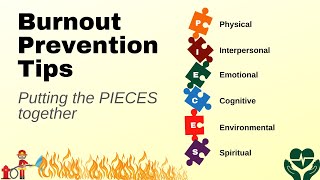
Dr. Dawn-Elise Snipes teaches human service professionals how to recognize burnout signs like exhaustion and cynicism, then prevent it through SMART goals, breathing practices, peer support, and setting boundaries. She covers both workplace causes (excessive workload, lack of resources) and personal ones (perfectionism, trauma triggers).
Chapters
This episode was pre recorded as part of a live continuing education webinar on demand. CEUs are still available for this presentation through all CEUs register@allceus.com counselortoolbox. Hey there everybody and welcome to today's presentation. We're going to be talking about burnout and self care in human service professions. Now I know this isn't our normal webinar day, but we have the Thanksgiving holiday coming up and I figured, hey, some people are going to be on long drives, maybe they'd like to have an extra couple of podcasts. So these are going to be a little bit more practical, I guess. I can't say that burnout is really light hearted and less heavy on theory, so hopefully they'll at least be a little bit more interesting. We're going to identify the signs and causes of burnout. And burnout happens in every profession, but we're really focusing on human services professions here. We're talking about teachers, nurses, doctors, counselors, social workers, law enforcement, pastors. Pretty much if you work with people, there's a possibility of burnout and we're going to explore techniques for burnout prevention. And like I said, there is a possibility of burnout in every profession. You can be a banker or an engineer or a scientist who works in a lab all day long and there can be burnout prone characteristics of your environment. So don't think that. I'm just saying that only human services people experience burnout because everyone does. But we're really going to focus on that for this particular podcast. Okay? So the signs of burnout, regardless of what kind of profession you work in, physical and emotional exhaustion, you're just done. You know, you don't have that get up and go for anything, let alone work right now. Insomnia, you wake up with nightmares, you wake up in the middle of the night, you can't go to sleep, you're dragging all day long. And you'll notice a lot of these symptoms sound a lot like clinical depression and or generalized anxiety disorder. So there is some overlap. You can go from stress to something a little bit more clinical to burnout. And burnout kind of falls in there in a kind of a weird place right along with diagnosable anxiety and or depression. So physical and emotional exhaustion, insomnia, impaired concentration or memory, you're having difficulty just getting your notes done, you're having difficulty teaching class, remembering what you were supposed to cover that day. Physical symptoms and these are reminiscent generally of anxiety related things like heart palpitations, high blood pressure, increased Risk for stroke in women, especially exacerbation or the development of type 2 diabetes. Other things can also include obesity and overeating, substance abuse. These are all signs. If your behavior is changing in a way that can be harmful to you, this is something you need to look at and ask yourself why appetite changes. It could be you just have no appetite. It could be you're craving comfort foods all the time. It could be you're just eating to stay awake because you're so tired. Increased illness. We know when we get stressed out and that HPA axis is revved, we are more vulnerable to illnesses. When you're burned out, you have been on high alert. That HPA axis, or your quote, threat response system has been activated for a long time. You're worn down, so you are more likely to get sick. Think about, you know, even on the holidays, people start getting worn down and they become more susceptible to illnesses, which is why we see a lot of people getting sicker or more frequently sick right after a Thanksgiving holiday vacation starts and everything. Increased depression or anxiety, Obviously that's a clue, an absence of positive emotions. You don't have to feel bad. You don't have to feel totally anxious. If you are feeling flat. Eeyore ish. If you remember Winnie the Pooh, if you're feeling kind of like Eeyore, then that could be a sign of impending burnout, cynicism and disillusionment with your job, with your clients. Sometimes you can hear people say things that are less than kind. Sometimes you can hear people say things that don't demonstrate that belief in the capacity for recovery or belief in the capacity to learn. And this is when burnout is probably starting to really rear its ugly head. Because if we are cynical and if we are disillusioned, then we communicate that even if we try not to, we're going to likely communicate that in some way to the people we work with. A lack of patience where everybody needs to do what they're supposed to do. And you get just really, really upset if things aren't done on time the way you want. A lack of resilience. Everything is a crisis. You know, your boss gives you another assignment or gives you one more person on your caseload, and it feels like the end of the world. If somebody calls in sick and you've got to cover their groups or cover their class for them, it feels like the end of the world. It's just, you can't take one more thing. And this isn't just true at home, when you're Burned out or. I'm sorry, at work, when you're burned out, you feel this way at home, too. If, like right now, we're working with my son's financial aid for next year, and there have been a couple of hiccups getting the financial aid form, whatever it's called, the FAFSA sent in, and it has been a little bit stressful, and it's just. It's kind of one more thing. And if I was feeling burned out, then that one more thing would be just more than I could take. It would send me from 0 to 10 instead of from 0 to 2, where it's a mild annoyance to have to deal with relationship deterioration. That can be at work with your colleagues, it can be at work with your clients, and it can be at home. You get home and you just kind of flop down on the couch and you're like, momma ain't got it in me. You know, y' all just order pizza and that's gonna be that. And nobody talk, Nobody make any loud noises. That's not the way that you really want to be around the house. We all have those days. Occasionally, don't get me wrong, every once in a while you're gonna come in and plop down on the couch and go, oh, let me tell you about the day I had today. That's normal. But when it's an everyday occurrence, then you start to see relationships deteriorate because you don't have the emotional, cognitive, or physical energy to invest in those relationships. And if we don't nurture relationships, just like if you don't water a plant, it withers up and dies. And foregoing important personal activities, if you are doing that thing where you're going to work and you're skipping the gym and you're skipping going out with friends and you're skipping going to your kid's soccer game and other things that are important to you because you've got so much to do, so much in your inbox, eventually that's probably going to catch up with you and you're going to start feeling resentful towards your job, maybe even towards the people that you work with, whether it's, you know, your students or your. Your clients or whatever the case may be. And you're going to be worn down because those personal activities are kind of what help keep us sharp. That helps add in the positive. So it's important to recognize if you're giving up stuff because you've just got too much to do. And there's that old adage when, when you die, there will always be stuff in your inbox. So part of burnout prevention, and I'm getting a little ahead of myself, is going to be about time management, recognizing the things that have to get done and getting them done. And I used to work with my staff on this a lot because working in a nonprofit, we had high caseloads. We had, you know, some unexpected things come up. We had regular audits that we had to prepare for in addition to doing our caseloads and our regular work. So there was a lot of stuff that would come up and I would tell my client, my staff, you know what, that's true. But what's the most important thing you got into this job? To provide high quality services to these people, to help them in recovery. That's what you got in here to do. Now that's where you need to focus your effort. Yes, you need to do your documentation, but you don't need to write a dissertation. You need to write the basics. And I usually would, and we'll talk about this when we talk about working smarter, not harder. I had a lot of tricks for making paperwork a lot less cumbersome so it could get done and it could get in the chart and people could move on. So we want to make sure that even if you don't have a supervisor that's working with you, you want to think in your head, what are the biggest things? What are the things that have to get done and to what level do they have to get done? Now, would you like to get them done to an A quality? Sure. However, if you get them done to a B quality, is that going to cause harm? Because you only have so much energy, so you need to think about how you're spending that time. And yeah, don't get me wrong, I'm not saying write crappy progress notes or whatever, but I am saying again, you don't need to make it a dissertation. You don't need to make it something that they're going to use when they teach progress noting 101 in college. You just need to make it so it meets the standards that it has to to pass audits, etc. Causes of burnout, excessive workload. That's kind of number one when you feel like there's just not enough hours in the day and you're never getting done. When we talk about increasing self efficacy, what's one of the things we always talk about? Setting smart goals. Specific, measurable, achievable, relative, and time limited. Well, when you feel like you can never Finish your work, then that diminishes your sense of self efficacy because you feel like you're always working against the tide. Emotionally draining work can cause burnout. Whether you have these bursts of adrenaline or it's just the steady state of emotional draining, it's exhausting. It takes a lot of emotional energy. So you've got to be able to recharge. You wouldn't run your car on exclusively battery power and then turn it off for half a second and then expect it to turn back on again. Well, that's kind of what you're doing to yourself if you are not recharging yourself. Normally when you recharge your battery or you jump it off, you've got to go drive around for a while so the battery charges up. Well, driving around for a while is akin to taking care of yourself and relaxing. You have to recharge your batteries. Lack of support from supervisors can be one. Lack of support from colleagues can be another. And lack of support at home. If you've got people at home going, I just don't understand why you can't just come home. I don't understand why you can't leave work at work. I don't understand why you have to answer emails at 10 o' clock at night, whatever the case may be. That can be extremely draining because you're getting emotionally drained there. There's that emotional tension. If you've got supervisors who are constantly pecking at you and second guessing you and why didn't you do it this way? And you should have done this, that or the other. It can get exhausting. You feel like you're not supported, like nobody has your back. One of my supervisors, excellent man, wonderful man, worked for him for almost 14 years. And you know, he. That was one thing that he would do. He had your back. I would go into his office after I made a mistake and he would say, I'd go in and tell him exactly what I did. I'm like, Richard, I really screwed up here. And he'd be like, okay, what are you gonna do to fix it? And you know, it was not a huge big deal. And he would support me through that process and say, all right, you know, you admitted your mistake. You're human. People make mistakes, so let's figure out how to fix it. And if I didn't know, obviously he would help me out with that. And he always advocated for our team with senior management, which made my job easier and made us feel a little bit more supported. A lack of resources. If you're trying to do things. Teachers, for example, are regularly buying supplies for their classrooms because they don't have the resources they need. That can get exhausting because you're trying to do what you need to do and don't have the tools to do it. It's like if you sent a mechanic out and instead of giving him a toolbox, you sent him with a multi tool set, a butter knife and duct tape and said, good luck, try to do your job. Yeah, he might be able to get it done because you can do a lot of good stuff with duct tape. But would it be to the same quality? Probably not. And would he probably run into problems and get stressed out? Probably. So know what resources you need. A lack of rewards. Yeah, we would like to think that everybody does what they do for altruistic purposes, yada, yada, yada. Yeah, you're getting a paycheck, you know, probably not as much as you would really like. Yes, those things exist. But we do need to provide rewards to people. And if you're not getting it from your supervisor, then you need to figure out how to reward yourself and maybe work with your colleagues to support one another and select, you know, an employee of the week among your. Among your team. For somebody who was maybe the most helpful last week, do something to highlight people's strengths and highlight what people are doing. Well, because management is often, not always, but often more than eager to point out what you're not doing. Right. It's important. Again, whether it's you're doing it for yourself or you're doing it as part of your team or your supervisor does it. I don't care where the rewards come from. You need to have rewards. You need to have somebody pat you on the back occasionally and go, good job. It doesn't have to be a big thing. A lack of control in what you're doing and a lack of a sense of say about what happens can be really stressful. I remember at a nonprofit, if funding gets cut at the state level, funding gets cut for us. And we often didn't have a say about what programs got cut. They would just start axing kind of mercilessly on these programs and it would be very stressful, not only because people started worrying about their jobs, but because programs that they cut were often integral to the way we were doing treatment. And it was almost like they were chopping off a limb and we were going, okay, now how are we going to do this without our right arm? So people feel a lot less or a lot more empowered if they're able to at least state their preferences, their rationale unclear or ever changing requirements can cause burnout. Whether it be what you're supposed to teach in the classroom, or recommendations for the current best practice for treating XYZ illness, or how you're supposed to document something in the chart, those are three things that seem to change all the time in those professions or for law enforcement, how you're supposed to handle certain situations. Because different case law comes down, it can be extremely exhausting. Severe consequences for mistakes can be another cause of burnout. If you admit a mistake and you get penalized in a big way. They found that people generally don't admit mistakes, which is why sentinel event reporting came out. And the move in health care has been to encourage reporting of mistakes. That way we can learn from them and and not have them happen again instead of covering them up for fear of reprisal. Work Life Imbalance causes burnout if you're spending 16 hours a day at work, five days a week, and you're not seeing your kids or your spouse or your dog, or working in your garden or whatever it is that makes you happy, you're probably going to start to get frustrated. Especially if that work is not just uber fulfilling. And it's probably not. So it's important to look at that. We want to have balance in our life. And even if that job is ultra fulfilling, and I know I can get this way when I take a new job. My husband laughs. He's like the first year we might as well just plan on not seeing you because you live, eat, sleep and breathe that job until you get into your groove. And I know he's right and I've tried to back off and be a little bit more moderate, but I'm not good at that. I will admit that is one of my weaknesses. However, once I get get my groove, then I start working in the balance. So I make sure I'm getting to the gym every day and I'm able to work in my garden and yada, yada yada, the things that are important to me. Ideally you want to try to keep that perfectionistic tendencies. If nothing is ever good enough, that will cause burnout. If you're constantly berating yourself because you should have done this or this audit should have gone better because you had a corrective action to do. It can cause burnout. And I had a great supervisor one time when I was doing my internship because people would get really freaked out about audits and he just said, you know what people auditors, their job is to Find problems. Their job is to help us improve. If they don't find any problems, then they're not doing their job. So they're going to find something. Just do it. Did you do your part? Did you provide the best service to clients that you could? Yes. Did you do your documentation? If you did, yes, then you did what you needed to do. If they want it worded a little bit different or they would have preferred a different approach or whatever, that's fine. We'll learn from it. But if you did what you did in the best interest of the client, then you did your job. So don't expect perfection. Expect that you're always going to grow. As a clinician, I was like, okay. And I held that with me as a line staffer as well as when I was a supervisor, because I didn't want my staff to get all freaked out about audits for no reason. If you have a pessimistic view of yourself in the world, it can cause burnout. If you see everybody as against you. If you see everything as a conspiracy, and obviously everybody and everything that's using those all or nothing words that we talk about in cognitive distortion, it causes burnout because you're not seeing the happiness anywhere. And when you start to get burned out, you start to get that tunnel vision where you're seeing negativity. You're missing out on the flowers that are blooming and the squirrels that are scampering. If you have a need to be in control and a reluctance to delegate to other people, it will likely cause burnout because you're doing everything for everybody instead of letting each person do their part. It's kind of like if your right hand had to do everything for the body, it had to pump the heart and it had to move you from place to place and it had to chew your food for you. Your hand couldn't do all that. You need to make sure that you have people on your team you can trust. But if you have that need to be in control all the time, you might want to check where that's coming from, because it could be something from your past that is driving those perfectionistic tendencies. If you're high achieving type A personality, again, this is another thing. You want to look at the rationale for where that's coming from and is that benefiting you now? And if it's a poor work person fit, and if you look at your temperament, you have a better idea about what environments work for you. For example, I would not be good in sales. I know that. And Doing cold calls turns my stomach. It just stresses me out so much that I literally get ill. That's not something that I can do. I don't like environments where it's very unpredictable. Counseling has a little bit of unpredictability, but not a whole lot. Those are the things that I like. I can deal with a little bit of wiggle room, but I am very structured. I like time limits, I like deadlines, I like regularity. Other people would be painfully bored. I have a friend who would rather do just about anything than sit in front of a computer all day or do counseling sessions all day long. He wants to be up doing things, doing physical things, because that's his personality. So if you feel constrained, if you feel unfulfilled in your environment, it can cause burnout because eventually you're just going to lose your enthusiasm unless you find rewards to balance it out. You know, maybe you're getting paid, you know, a really handsome salary for doing it. You might be able to convince yourself that it's okay. Okay, so let's talk about interventions. First thing is to set smart goals for work. And we started out the discussion talking about this. If you've got too much to do, which most of us usually do, you want to be able to set those smart goals. Figure out what needs to be done, prioritize it, figure out the must dos, and then set small goals so you can see the progress and you can feel a sense of achievement. I have a big whiteboard that has all of our goals for the entire month. And then I have my little whiteboard here. If I can get it out that I keep on my desk. And these are the things that I think of while I'm working that, oh, I got to remember to do that too. I jot those down. That way it's not going through my head all the time. And as I get things finished, I can either mark them off or erase them. But setting smart goals specific, measurable, achievable, and time limited. Make sure that you know what you need to get done. If you're working in an agency, there's probably 6,000 things that you need to get done. It's a matter of listing them out and just starting to knock them off one at a time and figuring out which ones you've got to give more priority to. Then we come down to brainstorm ways to work smarter, not harder. Because sometimes you've just got 16 hours of work that you're supposed to cram into an eight hour day and you're like, there's just no way. Okay, so how can you work smarter? One of the edicts that came down when I was in management in mental health was that in residential, we had to update the treatment plans for every single client every single week. Well, that's a big deal because they have to sign off on it and, you know, it's a lot of paperwork and yada, yada. So what we did was we created a treatment planning review group, and each clinician would meet with all of their clients on their caseload on Fridays, and each client would have a copy of the treatment plan, and they would have a treatment plan review worksheet that we created. And they would go over, what did you work on? What goals did you work on this week? What did you feel you accomplished? You did well. And they identify that they'd get support from the group and congratulations, and what did you try to do that didn't go so well, if anything. And if they did, the group would help brainstorm ways to modify it and what are you going to work on next week? And then they would make their plans. So it was a matter of reviewing what they went through for the entire week, addressing whether there were any changes that needed to happen in the treatment plan and setting their sights on the following week. The client would complete that worksheet, sign it, and hand it in. But in that group, they were able to get peer support for what they had done. They would be able to get peer support if things were going poorly. And people would say, yeah, I've been there, you know, I know some days it's really just so hard to get out of bed or, you know, I heard that you had a family member that died. I'm so sorry. Is there anything I can do? And it was a time for the peers to be able to reach out and help each other. But it also was a time instead of having to have eight individual sessions to go over the treatment plan, the clinician was able to do it in this group. And you're thinking, well, didn't have to do individuals anyway. Well, yeah. However, clinicians wanted to spend the individual sessions working on therapy, not working on paperwork. So it was a win win. The way we worked it, the clients didn't mind it. They rather liked the groups. It gave them a lot of positive reinforcement. Same thing with progress notes. I created a progress note template that I fill out at the end of the session where we go over what the client's homework was, what they got out of it, what issues that we talked about that particular week, what their Goals were for the following week, yada yada. I would go over all that. I would sign it, and then I would give them a copy before they left the session. That way they knew what they were supposed to be working on for the next week and they could see what they had accomplished. Gave them a sense of accomplishment. And my note was done by the time the client walked out of the room. So. Bada bing. So figuring out ways and get with your supervisors, get with your colleagues. How can we do this more efficiently and think outside the box? Another intervention that you can use, and I really recommend this, before group, before individual, before class. Whatever you do is something called a squeegee breath or a cleansing breath. But I like squeegee breath. Inhale for a count of four and feel positive energy coming in. It's that cleaning that's coming in. Hold it, let it do its work for a count of four and then exhale for the count of four and feel all the stress and negative energy just kind of flow out of you. Just do it once. You don't have to do it six times. Just do it once. Right before you walk into the counseling room or the classroom or the boardroom, wherever you're walking, take that breath. It will help you not only slow down your heart rate and your breathing anyway and help you feel calmer, but it can also help you get re centered and grounded. Take time every day to add in the positive. And this is so important. Find something. And I do it every day. It's one of the things that I do do religiously. Find something that makes you laugh. I don't care if it's a meme. I don't care if it's watching squirrels or playing with your dog. Finding old videos. Sometimes I'll go dig up old videos of my kids and I just laugh hysterically at how cute they were. Whatever it is that brings a smile to your heart, add it every day. It can be three minutes. It doesn't have to be anything long, but you need to add in the positive at the end of each day. Identify three things that went well. Instead of tell me about your day at the dinner table, we can say, tell me three things that went well for you today. Now, does that mean I don't want to hear about the bad stuff? No. We have plenty of time to talk. But when we're at the dinner table, it's sharing things that went well or things that we're thankful for so people are focused and in a positive frame of mind when they're Eating dinner. You can keep a scrapbook or a journal of your positive experiences. If you're medical, obviously, no Phi. To remind you of the things that you've done. Now, one of my favorites, but y' all know I'm a gardener, is a perennial garden. Now, perennial plants, if you don't know, are plants that come back year after year from the same root ball, which is awesome, because every year that root ball grows. And it's almost a metaphor for what we've done with the client. So if I plant an echinacea plant, initially, it's a very small seed, and then it becomes a little small plant, and then the next year, it's a bigger plant and bigger plant. And that's what I'm envisioning is happening, because when the client comes to see me, I plant some seeds, I give them some tools to use to help them live what they see as a rich and meaningful life. And then as they use those, they're working towards a more robust, rich, and meaningful life every single year, even if I'm not seeing them anymore, that happiness and that health and that client is continuing to grow and flourish. So if you have a perennial plant for each positive experience, you can have a really beautiful garden relatively quickly. But that's one. You have to be into gardening to really enjoy it. Other things you can do is create ornaments or wind chimes that. Even using the old. Golly, the Shrinky Dinks, if you. I'm. You know, back in the day, that was a big thing if we got Shrinky Dinks. But you can still buy them on Amazon or at Walmart or wherever. Or you can make any other kind of ornament that reminds you of a positive experience in your practice or in your work life, whether it's a stellar student or client that did really well or whatever it is. You can do the same thing with wind chimes if you really like wind chimes, but you're gonna get a bunch of them. And each dangly thing on a wind chime can represent a different positive experience. Nobody else understands what it means but you. But when you see that spoon there or when you see that whatever it is that you're using for the wind chime, you remember who or what it is attached to, and it brings back a positive memory. And every time it jingles, it reminds you of that positive memory. You can make stepping stones, and you can do it by pouring the cement and doing all that stuff, which can be kind of time consuming. Consuming. Or you can just get pavers and each Paver. You can carve or write something on it and that reminds you what it stands for. Obviously, no Phi. Again, if you work with kids, one fun thing to do is make a LEGO wall. And every positive experience you get, the giant Legos, not the little tiny ones. Every positive experience you have, you add to your LEGO wall. And you write a word that reminds you of what that block represents on your LEGO wall. So that doesn't look out of place in a play therapy or a classroom. If you are. Home repair. I can't think of the word I'm looking for. Inclined. You can also get the little backsplash tiles, get the long rectangular ones, and you can create a backsplash all the way up your wall. Or I guess you might call it a mosaic if it goes all the way up your wall. And each rectangular tile, again, represents a positive experience over time, that all of these things grow. Over time, you'll develop this huge collection of positive experiences. So when you're having a down day, you can look and go, all right, I've done some good things today. I don't feel like I've made any progress, but I actually have made a difference. And if you're not the artsy fartsy type or the gardening type, you can journal. Keep a journal of the positive experiences so you can flip back over them. Develop support coworkers. Now, sometimes co workers are part of your stress, but they can also be part of your support. So try to find supportive co workers that you can talk to. Now, you may not choose to go this route, but it can be helpful if there's at least one person there that you feel has your back, you may not want to fully commiserate with them. That's cool. Peers. And I say this in terms of not necessarily people who work at your organization, but for counselors. Finding other counselors in the community to have a consultation group for teachers, being able to get together with other teachers and share experiences and thoughts and problems and solutions. Pastors, you see where we're going. Finding people who share the same occupation, not necessarily the same company. You can find support and look to your supervisor. Sometimes supervisors aren't good at providing support because they don't know what you need. And most of us, when we became supervisors, were given no supervisory training at all. It was sort of, well, you went through the process. You know what needs to be done. So, bada bing, you're a supervisor, and you're sitting there going, I have no idea how to manage people. I will tell you, most supervisors have that experience. So if you need support, you may need to go to your supervisor and go, this is what I need. I need weekly supervision. I need to know that every Thursday at 2 o' clock we're going to meet so I can talk, talk over things with, you know, and ask for what you need in terms of resources. And I talked about that a little bit earlier. What is it that would help you do your job better Now? You can have a must have list and then you can have a wish list. So maybe on your must have list you have things like pens and paper and crayons and whatever. And then on your wish list you have published workbooks and things that are more expensive that you don't have to have. They would be really nice, but you don't have to have them. Make your supervisor aware of what resources you need for law enforcement. You know, sometimes they need resources that their supervisor doesn't know. They've started doing that little teddy bear program where they carry stuffed animals in their car. So when they work with a child who has been traumatized in some way, they can give them some sort of a stuffed animal that the child might find comforting and try to make it a less negative situation for teachers. If you need something in the classroom, keep a list. You know, parents may be able to help, your principal may be able to get donations. There are a lot of ways to think about it. You can also present your wish list to churches. A lot of times churches will try to help teachers fulfill their wish lists. Create work life balance. So much easier said than done. Develop and nurture your relationships, which means schedule it in if needed. If that means you've got to schedule in date night with your spouse. If you've got to schedule in dinner with your family every night, whatever it is, if it means you're going to keep it, schedule it on your calendar. Some people don't like to be that scheduled. I do. So I don't mind scheduling in dinner. And that's just like a meeting with my boss. I'm not going to miss that because it's on my calendar. Leave work at work, sorta. Some people believe in leaving work at work completely. That doesn't work for us, not in our family. So we have a time, we have a window of opportunity. That first hour after we're home from work where we can sort of de escalate and talk about what happened at the office. And then after that hour, you know, then we're going to set the boundaries and it's family time. But sometimes it's helpful to your spouse to understand, you know, what happened at the office today. And sometimes it's helpful for you to be able to sort of dump that stuff and go, let me tell you, and get a little bit of support and encouragement from your family. Take time for self care and relaxation. This work life balance isn't just about your relationship with other people. It's about figuring out how you're going to get everything done that's important to you in those 24 hours a day, seven days a week, including sleep. Eat healthfully, and that's part of self care, but it deserves its own line. But because our body makes the tools, the neurochemicals, it needs to feel happy from the food that we eat. We keep our immune system up from stuff the body makes from the food that we eat. So if you eat crap, you're going to, well, have problems. If you eat relatively healthy, I'm not talking about going crazy with it, but eat relatively healthfully, you're going to stay healthier and you're probably going to have improved mood. Check your need for perfectionism and control. If you've got it going on, figure out where it's coming from and what you can do about it. Take time to describe why you got into the field and visualize that intention. You know, when you were in college, you had this image of what it was going to be like to be a doctor or a teacher or a clinician or whatever it is. Visualize that. Remember why you got into the field. What was the motivating factor? You did it because you wanted to fill in the blank. And it could be because you thought you would make a lot of money, because you wanted to help people, because you liked the adrenaline rush. You were hoping for status and power, whatever it is, but that is sort of your motivating reason for getting into the job. So you've got to figure out, in order for you to get achieve that goal, what do you need to do? So if status and power, for example, is what you want and you got your degree in counseling, okay, maybe that means that you want to be the CEO of an organization. What do you need to do to get there? Does that mean you should be volunteering to take on other people's clients, that's probably not going to help you move up the ladder. So it's a matter of figuring out how to use your energy. When you're looking at that whole mess of to do lists. To figure out how you're going to use your energy to move towards your goal, use Psychological flexibility. Ask yourself or say to yourself, to me, a rich and meaningful life is full of. Or I would, in a rich and meaningful life, I would be. Describe it. What would you do? Who would be there? What are the activities? These are the things that are important to you. Have that vision in your mind, know what it is you're working towards, what's your destination? And then ask yourself on a regular basis, is what I am doing, thinking or feeling right now helping me move toward those things? And if you answer no, if what you're doing right now really isn't related to anything that's important to you at all, then you need to check why you're doing it. If you are not happy, if you are doing, thinking or feeling something that is not moving you towards those goals, then ask yourself, what can you do to improve the next moment? Sometimes things happen at work or things happen with a client that just cut you to the core and it's devastating. Well, feel the devastation. That's okay. Feelings are not bad. However, you've got to figure out, okay, what am I going to do with this now? I don't want to just sit in it forever. What do I want to do with it? To improve the next moment, and with that one, you might need to use some cognitive restructuring or something like that. Things that you can do to improve the next moment. Perspective taking. If you're having a disagreement with someone, try to take their perspective. If something's going wonky at work and senior management seems to have lost their ever loving mind, okay, take a breath, step back and try to take their perspective. Why is it that they decided to make that decision? That can be helpful. Practice coping and emotion regulation. Sometimes feelings are going to come in and they hurt. That's okay. Unfortunately, pain is part of life. So learning good coping and distress tolerance skills can help you improve the next moment. Recognizing that this hurts right now, however, this hurt will pass and I'll be able to pick up. I remember one time I came in and I had been on vacation for a week and I came in and there was a letter on my desk that one of my clients had passed away from stomach cancer. And I mean, it felt like I couldn't catch my breath and I was just devastated from that for a second and it hurt and I had to sit with that because, you know, I didn't get to finish his treatment. He didn't get to finish his treatment and he had so much potential and that was frustrating to me. However, you know, there was nothing I could do about that. So I had to sit with that for a minute and then restructure how I was thinking about it and remember that what he did have the last couple of months were better than what he had had leading up to that. You can do use relaxation strategies sometimes. Again, you can't just make the pain go away, but you can sit with it and then it will pass on its own. Other things that you can do in terms of psychological flexibility, and I have a lot of videos about this on the All CEU's channel on the acceptance and commitment therapy. Do things. Use your energy in a way that prevents vulnerabilities. Make sure that you're getting enough rest, because that'll help you be able to deal with life on life's terms. Make sure that you're getting social support, make sure that you're practicing your distress tolerance skills, and make sure that you're using a nurturing voice in your head. What can I tell myself? What positive thoughts can I have? What strengths can I pull on to deal with this? Yes, it's adversity, but what can I pull on instead of how can I run away from it? Regularly identify the strengths and resources you have, and they change. A lot of times, the strengths we have stick around. But for example, if you make a new friend, he or she becomes a new resource that you can turn to when in times of distress. A friend that I recently made, we've been friends for, I don't know, about eight months now, but she and her husband came over and helped me with a leak two days ago because our refrigerator was leaking on Sunday. And I was like, I don't know what to do. And of course a plumber wasn't available. Okay. Mental agility is the ability to look at situations from multiple perspectives and to think creatively and flexibly. So when you're in a situation, try to take everyone's perspective. It's one thing I do with my kids. If they're having difficulty seeing someone else's point of view, I'm like, okay, timeout. You're going to switch roles, and I want you to argue your sister's point of view. I want you to tell me, you know, what's going on from her point of view. Or if they're arguing politics, which they regularly do, I will make them switch sides. I'm like, okay, you know, you're arguing for conservative. I want you to argue for liberal and try to tell me what the valid points are on each side in order to use some mental agility and get some better perspective. Another approach comes up when you're solving problems, when you're doing work, when you're doing just about anything. That comes from a contractor friend of mine. He said there's three approaches to doing any job. I can do it the cheap way, I can do it the fast way, or I can do it the right way. Which way do you want it done? And I'm like, well, that gives you a little bit of perspective there. Because, yes, you can do things that are slightly subpar in order to get them done and off your plate, if that's what you need. Which, like I was talking about doing documentation earlier, there is doing notes to what I call a C standard. It's passable, but it's definitely not something that I would look at and go, oh, my gosh, this is the best documentation I've ever seen. That's passable. Did I do passable documentation Sometimes? Heck, yeah. That was the fast documentation. The right way. I would generally put more time into it, but it also depended on what else I was juggling at that point in time. So figuring out, is this something that I can do the fast way or do I need to put time into it, and how can I accomplish this same goal in different ways? Practice mindfulness is another intervention. Regularly check in with yourself. How do you feel emotionally and where's it coming from? So if I check in with myself and I go, I'm feeling pretty exhausted right now and just defeated, okay, where's that coming from? Why am I feeling that way? In order to address that emotion and figure out how to improve the next moment, I need to know what the source of it is. If I'm feeling elated, well, that's great. You know, I'm probably going to ask where that. Where's that coming from? So I can do more of it. But knowing where your emotions are coming from, sometimes you're going to feel sad and you're not going to know why. And it's important to check in with yourself and figure out what memory might be being triggered that is bringing up that emotion. Be curious. When you're feeling a feeling, you're not judging it. It's not a bad emotion, it just is. And ask yourself, you know, where's that coming from? And if it's a good emotion, then you want to do more of it. If it's an unpleasant emotion, you want to recognize it for what it is and then figure out what to do from there. Ask yourself the same thing about feeling physically. Some people block off their emotions, but they can tell you their stomach's tied up in knots or they've got a migraine or whatever. What does it mean when you've got a migraine? If that means that you've got too much stress? Let's think about where that's coming from. What are your current thoughts and where are they coming from? So if you're having negative self defeating thoughts, what's causing them? Is that the hecklers in the back of your mind that you know from 20 years ago, they're telling you, see, I told you you'd never make it in this field, or is it something a supervisor you once had or is it yourself, your own self doubt just creeping in, or where are those thoughts coming from and what can you do about them? Another thing we need to do to prevent burnout is to be aware of our trauma triggers. There are a lot of things, I don't care what field you're in, you're going to have past stressful experiences triggered. Whether you are responding to a domestic violence call, whether you've got a kid that is in your classroom that is not, their parents aren't meeting, there's child neglect going on, or you're talking to a client in session and they're telling you about something that triggers an event or a memory of an event that you went through. We all are going to experience trauma triggers. It's important to be aware of your trauma triggers. And these triggers can happen at work, but they can also happen if you had a particular instance that was traumatic. It can happen out there. And yes, on a day to day basis you probably deal with it just fine. But it's important to recognize when that trauma is being triggered, when you're dealing with it, that a certain amount of your energy is dedicated to that. So you're not 100%, you may be 80% because you got 20% over here dealing with this stuff and you may be dealing with it fine, but you're not operating at full power for everything else necessarily. My stepfather, I've shared with you guys before, had a traumatic event on Christmas Eve some years ago. And you know, this time of year is very hard for him and he has to be aware of that. He has to be aware that he is not as patient, he, he is not as jolly as he used to be during this period because part of him is still working on that trauma. Limit your contact with negative people. That's kind of a no brainer people. If you're hanging out with all the people at your job who just say this place sucks and we hate it and grumpity, grumpity, grumpy, then that's the mindset you're going to be in. So try to limit your contact with people who are extremely negative because that will, when you hang out with those people, it brings up the negative thoughts in you instead of bringing up the positive thoughts. Connect with a cause or a community group that's personally meaningful to you. It helps you feel connected, it helps you get outside of your own head, and it helps you get outside of work. Advocate for yourself and others, you know, your whole team with your supervisor or human resources about resources that you need. Let them know what your wish list is. Sometimes you don't have it because they just don't know. Sometimes they can't get it for you. But if you say, this is what we need and this is why we need it, this is how it benefits us or can help us provide more cost effective services or whatever the case may be. Make a case for it with them and then ask them for how they can help. If you need consistency in rules, in supervision, in staffing, let them know that if you need transparency, and this is a big one, when decisions are made, we need to know what's going on. If you decide to cut a whole program, does that mean that everybody's job is in jeopardy or what's going on? So every time in the nonprofit world, whenever the fiscal year comes around, people tend to be on pins and needles every year wondering how much did our funding get cut and who's losing their job. And, you know, we wished that senior management would have come out at the beginning and said, it doesn't matter how big the cuts are, everybody's got a job or it looks like the cuts are going to be pretty significant. So we're putting y' all on notice or whatever it is, but at least we would know and we wouldn't just be wondering. Advocate for the fact that everybody's human and they need the ability to admit mistakes so the company can be protected and so everybody can learn and you can prevent them in the future. Advocate for support throughout the company for people, for their activities, for their accomplishments and celebration of things that they do. Even if it's just getting a attaboy from a client. Well, make sure that the client knows that you got some positive or the staffer knows you got some positive feedback from them. You know, make sure that supervisors and human resources know how important it is and maybe how little you're getting so they can think about, all right, how can we bolster Morale in the company, advocate for boundaries. And a lot of companies are getting really bad about this. My husband works at a company right now that brags about their work life balance, yet he's getting his phone blows up until well after I go to bed at night and all weekend long. Every weekend his phone is blowing up. And so he has no ability to just shut it off. Well, he could, but the expectation is he won't shut it off. So a lot of stuff that we need to do as a family kind of gets pushed aside because he's answering emails. Even if he's physically there, emotionally and cognitively, he's at the office. And job control. People do like to feel like they've got some control over their job. They've got some control over whether they get promoted. They've got some control over the activities they do. Some places will just randomly transfer you. They're like, oh yeah, you were in residential, you're going to do outpatient now or whatever. And that can freak people out. So it's important that people feel like they've got a sense of say over what they do on a daily basis and finally develop resiliency. And I'm going to try to use the metaphor of an elephant on a ball. And I want you to imagine that you're this ball and everything else burnout is this elephant. So the first thing, if you're this ball, the first thing you're going to do is vulnerability prevention and mitigation. So if you're this ball, you're thinking, okay, I need to check for all my weak points points. So when the elephant gets on me, I don't bust. So you're looking to see if there's anywhere that needs to be patched emotionally, physically, mentally. And you're also going to pump yourself up as much as possible so when he stands on you, you don't just completely deflate. And that's what self care is about. It's about you, the Mr. Ball, pumping yourself up so you are as strong and as full as you can possibly be. This will provide you the resources or the reserve to handle this extra weight that's getting ready to come upon your head. Awareness of what you can and cannot control. Mr. Ball recognizes that he can't control gravity and he can't control this elephant. He can just control himself. So, you know, he recognizes that he's just going to kind of sit there and he can't roll away because he doesn't have feet or walk away. So he's there and he's Got to figure out, he's got to control his reaction to this situation. Okay, Distress tolerance. While the elephant gets on him and he's like, oh, Mr. Elephant, you are really freaking heavy. However, I can do this, I've got this. I'm going to think about something else while you're standing on top of my head so I don't focus on how painful it is that I've got a three ton elephant standing on me. I'm going to have optimism and hope that one of these days you are going to step off of the ball and I will be able to reinflate you as Mr. Ball. You'll be grateful that you remembered to do your vulnerability prevention check and patch everything and that you haven't popped. You know he's standing on you and you feel like you're about to, but you're not going to pop and you're grateful for that. You have an optimistic, explanatory style, the ability to notice and expect the positive, to focus on what you can control and take purposeful action. So as the elephant steps on you, your optimistic, explanatory style says, this is going to be really tough and it's going to hurt a little bit, but I got it. And character strengths. Use your top strengths to engage, authentically, overcome challenges and create a life aligned with your values. One of the greatest strengths of balls is that when you step off of them, they bounce back. If you've ever had a ball in the pool and you've pushed it down underwater, when you let go of it, what happens? Not only does it come out of the water, but it usually comes out 10 more feet. It's really kind of cool. So likely when this elephant gets off, Mr. Ball not only is going to bounce back to his original shape, but he's going to bounce around a little bit because he's going to feel so liberated that he doesn't have a 3 ton elephant on him anymore. So I really like that metaphor. It's a weird metaphor, I know, but think about resiliency as being that ball and think about burnout or anything else as being that big old elephant. And I mean, elephants are cute. You don't wish them any harm. You don't. You're not going to try to change the elephant because you can't. You're just going to have to deal with the fact that the elephant is there and approach it with a resilient attitude so when he does get off, you haven't sprung a leak and you can bounce right back. So burnout work environments are a reality, but burnout does not have to be. Burnout causes problems in health, mental health, relationships, work environment kills morale and hurts employee retention. So you got a lot of turnover. It also can hurt the ability to provide client services or services to the public, whomever you're serving. Because if you're detached and negative and cynical and all that stuff, you know, it's hard to do the same job that you would do if you were just enthralled with what you were doing. Therefore, it is definitely helpful and important to develop resilience and identify the sources and interventions for your burnout. Because not everything causes stress for everybody. Alrighty everybody, have a wonderful day and I will talk to you next week. If this podcast helps you help your clients or yourself, please support us by purchasing your ceus@allce.com or getting your agency to sponsor an episode. A direct link to the on demand CEUs for this podcast is@allce.com podcastce that's allce.com podcastce. To sponsor an episode of Counselor Toolbox and reach over 50,000 clinicians per week, go to allce. Com sponsor. Thank you.










