Cancer and Mental Health
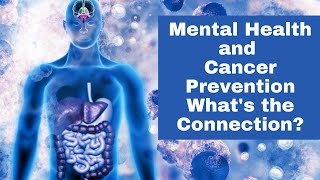
Dr. Dawn-Elise Snipes' recorded presentation "Cancer and Mental Health" explains bidirectional links between chronic stress/anxiety/depression and cancer: chronic HPA-axis activation leads to immune suppression, inflammation, oxidative stress and neurotoxicity, which can promote cancer initiation/progression, while cancer and its treatments can produce or worsen anxiety, depression, PTSD-like symptoms, cognitive impairment ("chemo brain"), sensory loss, dehydration and long-term inflammation. The talk reviews epidemiologic findings (e.g., associations of severe life events and work stress with cancer risk; ~40% of survivors report moderate–high anxiety, ~20% moderate–high depression) and provides integrative behavioral-health strategies across physical, affective, cognitive, environmental and relational domains (nutrition, antioxidants/vitamins, omega-3s, exercise, sleep/hydration, breathing, nature and aromatherapy, cognitive reserve, hardiness, psychological flexibility, social/support and caregiver respite). Hyperlinks to cited articles are included in the presentation PDF/additional resources.
Chapters
Foreign. I'd like to welcome everybody to today's presentation on cancer and mental health. I'm your host, Dr. Donnelly Snipes. In this presentation, we're going to explore the contribution of stress, anxiety and depression to cancer and the contribution of cancer to stress, anxiety and depression. And then we will finish up by identifying integrative behavioral health strategies to prevent mood issues. So we'll look at physical, affective, cognitive, environmental and relational strategies that we can use. Stress is one of the most preventable causes of cancer. And it's one of my soapboxes, I suppose, that I get on periodically because it is so interconnected. Stress, anxiety, depression is so interconnected with inflammation and oxidative stress and the development of all kinds of diseases and worsening of things, including autoimmune issues, pain and, but also cancer, chronic stress, whether it's physical, like from chronic pain or psychosocial, so environmental, cognitive, emotional, interpersonal, whatever the source of stress, whatever the source of chronic stress, it leads to HPA axis regulation and after a while, dysregulation. At a certain point, the system quickly quits responding or quits responding the same way. This leads to inflammation throughout the body, which we know is connected to cognitive dysfunction as well as depression and anxiety and pain. So inflammation, sleep disruption, which we know both inflammation and sleep disruption ramp up that HPA axis and increase in inflammation and other problems. Alterations in gut microbiota when we are under stress, when that HPA axis is activated for whatever reason, it alters the microbiome in our gut in order to respond to that need for fight orf flight. It also increases hypertension, glutamate induced neurotoxicity. So when that HPA axis is revved up, high levels of glutamate and when that persists for too long, we actually start killing brain cells. We it, it becomes neurotoxic immune suppression, which is a side effect of HPA axis regulation and a tendency to gravitate toward high glycemic comfort foods and away from foods that are high in antioxidants. We'll talk in a minute about why all of those things are a problem and how they can contribute to the development or worsening of cancer. There. In seven studies, severe life events, anxiety, depression, the perception of insufficient social support or avoidant coping strategies were significantly associated with cancer risk. Okay, we can't prevent all severe life events. We can't prevent trauma. However, we can as behavioral health professionals, help people cope with mitigate anxiety and depression, enhance their social supports and develop active instead of Avoidant coping strategies. So we can, as behavioral health professionals, help people address a lot of factors that are significantly associated with cancer risk. In another meta analysis that included 281,000 people, work stress was found to be an important factor for a variety of different types of cancers. This is just another way that we are underscoring the fact that stress, chronic stress, can contribute to a variety of cancers. Now, let's just back up for a second and take a devil's advocate position. Work stress, why does it contribute more to colorectal, lung, and esophageal cancers? Well, a lot of people, when they experience work stress, turn to tobacco products, nicotine products, and potentially alcohol. And alcohol and nicotine products are associated with these types of cancers. More so. So it may be the behaviors that people engage in as a result of work stress, or it could be the work stress itself, Especially if it is chronic work stress. If you go into work every single day and you absolutely detest your job, you know that can be draining after a while. There are certain types of stress that you might consider eustress. If you go in and you're excited about something or you feel challenged at work, that doesn't have the same negative h influence, and it doesn't contribute to the same level of activation of the HPA axis as if you are entering a situation in which you are feeling intimidated, threatened, or unsafe in some way. Chronic physical or psychosocial stress suppresses the immune system and is associated with increased inflammation. When our immune system goes down, we are more susceptible to things. We. When cortisol, our stress hormone, is released, it initially suppresses inflammation. But when that stress continues to go along, cortisol loses its effectiveness and there's actually a rebound inflammation. If you want to think about it that way, you'll understand why this is important in a minute. I'm getting there. Oxidative stress is what happens as a result of a lot of things, but it also happens as a result of depression, anxiety, and chronic stress. So what is oxidative stress? Well, free radicals. We've probably heard about those somewhere along the way. Free radicals are unstable molecules that are naturally produced in the body as a byproduct of breaking down nutrients for bodily processes. So you know how I preach all the time about how important it is to have good nutrition, to give our body the raw materials it needs to make the neurotransmitters and the hormones and to repair tissues and all that kind of stuff? Well, that's great, but in the process of creating those things, there is residual waste. There are byproducts that occur and those are called free radicals. The other way we can have expose ourselves to free radicals is exposing ourselves to toxic substances in the environment. So there are two things that we can do. So these endogenous free radicals, the ones that are formed inside the body from bodily processes, are generated from immune cell activation, inflammation, mental stress, excessive exercise. You know, exercising is good, but excessive exercise can be a problem. Ischemia, infection, cancer, and aging, there are a lot of things that are interrelated here. As mental stress goes up, inflammation goes up. As inflammation goes up, depression and anxiety also go up. So they actually potentiate each other. Immune cell activation occurs when, when there are, when, when the body becomes susceptible to bugaboogas and viruses and germs and those sorts of things. And part of natural functioning is going to result in the development of free radicals. The key is the free radicals developed or that occur need to be able to be used and cleared out effectively. Exogenous free radicals. So we have the ones that normally exist that we can't help. And actually in some cases, cases in limited circumstances, free radicals can minimally be helpful. But most of the time, you know, we really want to get rid of these unstable molecules. Exogenous free radicals are ones that result from our environment, from outside of us, from air and water, pollution, cigarette smoke, alcohol, heavy metals, certain drugs, including prescription drugs, industrial Solvents, cooking, radiation, etc. You can go online and do all kinds of research if you want to, on exogenous free radicals. We want to educate our clients about exogenous free radicals so they can do make choices about their lifestyle. For example, if they're going to go running, do they want to go running on a sidewalk in a busy, in a busy part of downtown where they're going to be inhaling a lot of pollution, or do they want to go to a local park? You know, we can educate them about some of those things so they are not taking on unnecessary free radicals. When free radicals are produced faster than they can be neutralized by antioxidants or cleared, it results in what's called oxidative stress. And a lot of us have heard oxidative stress. You may not be completely sure what it is. Disregulation of the hpa, sorry, HPA axis results in elevated oxidative stress that leads to neuroinflammation. You know, so HPA axis becomes dysfunctional, dysregulated. High levels of cortisol, high levels of glutamate results in neuroinflammation neurotoxicity. This inflammation is associated with the development of anxiety and depressive symptoms. So we can see how some of these things can are starting to relate. Oxidative stress has been implicated not only in depression and anxiety, but also in cancer development and worsening arthritis. Well, if you're going to cause inflammation, then arthritis is probably going to get worse. Aging. One of the things that contributes to our aging process and our body's difficulty renewing tissues and things is this oxidative stress. If it's so busy trying to hold off the invaders, so to speak, you know, it's not going to be doing as much for restoration and repair. Autoimmune disorders, cardiovascular and neurodegenerative diseases, including things like dementia and Alzheimer's. So oxidative stress is, you know, big bad mojo here that we want to pay attention to. Remembering free radicals are going to happen. Free radicals in and of themselves are not necessarily bad. It's when free radicals build up in the body, it starts causing oxidative stress, and that oxidative stress is bad. Cancer initiation and promotion are associated with chromosomal defects and oncogene activation induced by free radicals. So the free radicals themselves can impact the chromosomes and they can activate or turn on these cancer genes in the body. Approximately. So that's how mental health can contribute to cancer, or mental ill health can contribute to cancer when we're stressed, when we're under chronic stress, when we have depression, anxiety that is going to activate that HPA axis, contribute to neuroinflammation, contribute to excess free radicals, and contribute to oxidative stress, which is associated with cancer. And you can go on the American Cancer Society website and you can find. That's the one thing I think, don't think I linked to was you can find where they identify stress as a major modifiable factor in and in the prevention of cancer. So let's talk about the other way. How does cancer impact mental health? Now, this one is sort of easier for people to assume. Approximately 40% of the survivors of cancer reported moderate to high anxiety scores and approximately 20% reported moderate to high depression scores. These are survivors. These are not people who are in the middle of chemotherapy right now. These are not the people who don't have it yet. These are the people who have survived. So what is their mental health, mental illness about? Well, part of it could be due to residual inflammation. We know that that can be a problem that triggers sort of a cascade effect that contributes to the development of anxiety or depression. Depressive type symptoms. But there's also some cognitive affective stuff in there. People can be anxious that, you know, anytime they get a pain that that pain is a recurrence of the cancer. Sometimes they worry even without a pain that that cancer is going to come back. And that is an intrusive thought that keeps happening to them. And there were, there are some studies right now that are evaluating whether people develop, can develop PTSD when they are diagnosed with cancer. And there is a certain amount of reasoned argument that, you know, yeah, certainly people can develop PTSD symptoms after exposure to cancer because guess what? Cancer is life threatening. This can also happen in people who are loved ones. Significant others of a person with cancer, just like PTSD can occur to significant others of a person who was a victim of a trauma. The same thing is true with cancer. They may feel a sense of horror and helplessness when they get that diagnosis. Certainly they may start experiencing some of the symptoms. And remember, PTSD occurs, you know, down the road. First you have the diagnosis, then you have acute stress disorder. Then if there are residual symptoms, it may develop into ptsd. But it is worth noting that whether you want to code it as that or. And adjustment issues since it is directly related to the cancer, however you want to code it. People may experience very symptoms very similar to PTSD in the aftermath of a cancer diagnosis of themselves or of a loved one with anxiety. They may also have anxiety about rejection. If they, for example, had breast cancer and had a mastectomy, that may be huge in their mind. They may be fearful of rejection or if after this chemotherapy treatment and everything, yes, they recovered, but they're, they just don't feel like their old selves anymore. They may fear rejection because they don't have the energy they used to or you know, a variety of things. We want to help them explore what the anxiety is communicating anxiety is part of that fight or flight. It represents a reaction to a perceived threat. So what is this threat that they are perceiving? And then we need to explore it. Or we can explore it. If you're cognitive behavioral in terms of what are the facts for and against this belief that there's a threat occurring. And it can be a threat to personal safety, it can be a threat to relationships, it can be a threat to esteem. There are a lot of threats out there. There's also non grief related depression, possibly related to that inflammation or in the case of people who are undergoing treatment, the effects of treatment in the case. I know in general this study was talking about survivors, but I Did want to mention with anxiety, when people are undergoing treatment or when they're waiting to get their test results back, they may fear that the cancer is worsening and they may become hyper aware of every change, every symptom, every whatever. And it's important to help them figure out how to deal with that hyper awareness so it doesn't increase their anxiety and contribute to a sense of powerlessness. Grief is another feeling that people experience and it can be related to functional losses. If people lose, you know, the ability to do things that they used to before the cancer, that can certainly be a problem. And that grief can occur in the short term. You know, maybe like when my grandfather had one of his lungs removed, obviously his recovery period was kind of extensive. Or it could be related to, you know, other types of losses that may occur. People who have esophageal cancer may lose the ability to talk like they used to and they may have one of the stomas put in or something. So we do want to talk with them about grief that they may be experiencing the losses that they experienced as a result of the cancer. And another thing that they may have lost is a sense of trust. Maybe that's not the word I'm looking for, but before they had cancer, they believed that they were healthy. And many times after somebody has cancer, they are always scanning to find out what, what is wrong. And we need to help them, you know, develop a trust in their body again that their body is going to do its best to keep that cancer from coming back. And I did mention that post traumatic stress symptoms can occur after exposure to a loved one who was diagnosed with cancer or after having cancer oneself. And with. Let me just go back to PTSD with treatment with that. The same approaches that you're going to use with any kind of PTSD can be helpful, including things like emdr. So don't make sure you keep your toolbox open and your options open for helping people figure out how to deal with that. Cognitively, cancer can really impact people's mental abilities. Cancer related cognitive impairment or CRCI can include changes in memory, executive functioning, which is, you know, organizing, decision making, problem solving, impulse control, attention and processing speed. This occurs in 30% of patients prior to any treatment and up to 75% of patients during treatment. Chemo brain is real and it's important to recognize that cancer treatment itself, the chemo, the radiation and the chronic stress from the cancer can be neurotoxic, which can contribute to cancer related cognitive impairment, sometimes enduring. Some people even after they've completed their chemo and, you know, their treatment course don't feel like they ever fully get back cognitively to where they were beforehand. One of the things that we can do is help people develop cognitive reserve, and we'll talk about that more in a minute. Chemotherapy or radiation and even some medications that people take, including the anti emetics or the anti nausea medication, can contribute to hear tinnitus and hearing loss. One of the first signs of hearing loss is usually tinnitus or a ringing in the ears. Why am I bringing this up? Because they have found a correlation in people between the development of depression and dementia, depression and, or dementia and hearing loss. People who were, were hearing, you know, most of their life and then you, you know, during the course of this illness or this treatment start to lose their hearing, can feel very isolated. They may not recognize what's going on at first. So they may feel like people aren't communicating with them well or are being impatient because people are talking to them, they're not hearing, or they're not understanding completely. You know, there's lots of communication challenges that start causing problems in relationships. So there's a lot of ripple effects of hearing loss in, especially in people who prior to this were hearing. So we need to take that into consideration. And I am bringing up the fact that, you know, this is occurring mainly in people who were hearing because hearing loss itself doesn't necessarily cause problems. If somebody is born deaf, they have a very supportive community. And for many of those people, hearing loss is not something that contributes to or hearing. Not being able to hear is not something that contributes to significant distress. It's part of who they are. And many people who are deaf embrace that as part of their identity. But I digress. Cancer treatment can also cause dehydration. And even as little as 1% dehydration can start to impair problem solving, reaction time and cognitive abilities. Most people don't feel dehydrated until they're way past 1%. Dehydration can occur because of the nausea, because of the lack of appetite. Depending on the cancer, it may not even be the treatment. It may be the cancer itself. The person just doesn't want to eat or drink anything. So it's important to watch people's hydration levels. Obviously, most of us are not, you know, nurses, but if we have a client who comes in and they appear particularly drawn or they, you know, are acting like they're having more difficulty processing information, like cognitively, they're having more difficulty that day, we do want to ask about hydration levels. It's not necessarily, you know, an indication that something is metastasized to the brain or something catastrophic like that. It could be something very simple. But we know that impaired cognition has, causes people a lot of stress, which is not what we want. And it can also cause difficulty with their relationships and even potentially treatment compliance if they have difficulty understanding what the provider's saying because they're kind of foggy headed or because they've got hearing loss back to hearing loss just real quick with tinnitus, when it's caught early, a lot of times there are interventions that the physician can implement to slow the process or to stop it. So it is important that they speak up as quickly as possible. Cancer survivors unfortunately have been shown to have increased inflammation on average 20 years after treatment, which it can be associated with lower cognitive performance. Now they didn't really talk about in the article why the inflammation went on for 20 years after treatment, but they did indicate that in a lot of cancer survivors that does exist. So we do want to recognize that inflammation, increased inflammation is associated with increased HPA axis activation and potentially disregulation increases in anxiety and depression, partly because of that inflammation. So we do want to help them figure out ways to mitigate that and not enhance or not cause any more inflammation than necessary. What can we do? You know, this is the intervention part physically. Not that we're going to prescribe anything, but it is interesting to note that cbd, the non psychoactive component of cannabis, has been found to possess potent antioxidant and anti inflammatory activity. Now remember, antioxidants are the, are the substances that help get rid of oxidative stress. So CBD does have a lot of potential. Medical marijuana we know, is used sometimes for nausea and some things like that. But you know, in, in terms of non psychoactive intervention, CBD is something that's being looked at, vitamin E deficiency. Now this one was done in the mouse brain partly because, you know, they had to look at the mouse brain, so they had to terminate the mouse. But vitamin E deficiency in mice has been shown to significantly increase the levels of oxidative stress and anxiogenic behavior. Vitamin E is associated with cognitive functioning as well as anxiety reduction in humans as well. Vitamin C, vitamin, vitamin A are also associated with reduction of inflammation and improvement in mood. As mood improves, inflammation tends to go down. As inflammation improves, mood tends to go up. So this is, these are all good things. Vitamin A or beta carotene can be found in any of your orange foods. You can you know, your sweet potatoes, your carrots, those sorts of things. Lycopene is a substance that's typically in your red foods, and it's most abundant, for example, in the skins of tomatoes, but it's really prevalent in tomatoes. If you're looking for a good source of lycopene. Selenium is another mineral that is associated with improvement of mood and, and prevention of cancer. All of these are antioxidants as well as potential mood enhancing vitamins and minerals. Selenium is something that unless you take a multivitamin or eat really healthfully, you may not get enough of because a lot of our foods are grown in nutrient depleted soil. So the stuff that we normally assume that they're sucking up from the soil to make them really nutritious foods, they ain't getting that. So in this case or in those cases, it is helpful to pay attention to whether you're eating foods that are mass produced or are produced in more of an organic environment. Omega 3s. Now we've all heard about Omega 3s and they help reduce inflammation. I think we've all heard that too. That's good. Inflammation goes down, oxidative stress goes down, risk for cancer goes down, and mood goes up. All of Those are wonderful. Omega 6s tend to be more pro inflammatory, but we need them both. A healthy diet should consist of about 4 grams of omega 6s for every 1 gram of omega 3. Yes, that's right, you're going to have more omega sixes. American diets unfortunately provide about 20, 24 grams of omega 6s for every gram of omega 3s, which is partly an explanation for the rate, for the rising rate of inflammatory disorders in the American culture and with the American diet. So we're supposed to get four to one, and we actually get 24 to one. So it's a six times imbalance. You can see where that's not helping us out. Flavonoids are compounds present in most plants which have potent antioxidant activity. These include flavanols, isoflavones, and anthocyanins. There are other ones. There are seven different categories. The main natural sources of flavonoids include green tea, grapes, apple, dark cocoa, ginkgo, soybeans, berries, onions, garlic, broccoli, cumin, turmeric, tomatoes. A lot of foods that you eat, but they are not your highly processed foods. They are your fruits, your vegetables, and your spices and teas. Biochemical causes of depression, anxiety and cognitive disorders have been found to be metabolic disorders of monoamine neurotransmitters which is, you know, the peer reviewed journal way of saying that our mood disorders are caused because our neurotransmitters get out of whack and the HPA axis is impaired. Interestingly, many of your flavonoids, many of these chemicals that come from really colorful foods, you know how I always am, you know, saying we need to have three colors on our plate at every meal. Well, this is one of the reasons many of the flavonoids act on that monoamine system, on our neurotransmitter system and have antioxidant, anti inflammatory and antidepressant properties. So it's going to get rid of the free radicals, it's going to help reduce the inflammation and improve mood. Well, if no other reason than that, I'm all about eating some fresh fruits and vegetables. Another thing that people can do with the advice of their physician is eat a low glycemic index diet. Foods that are high glycemic index cause your blood sugar to spike when you eat them. These are your highly processed foods and those foods contribute to inflammation and inflammation contributes to oxidative stress and HPA axis dysregulation and ultimately potentially cancer. BMI management is another thing that we need to consider as a strategy for helping with mental health as well as the prevention of cancer. The body mass index is important because fat tissue contributes to inflammation. Fat tissue is associate. The more people have their over fat, the more inflammation they tend to have throughout their body and the more estrogen they tend to have throughout their body. So estrogen responsive cancers can proliferate more in an environment in which the person has too much adipose tissue or fat tissue because of the social stigma about weight. But more than that, because of the associated increase in estrogen, which we know has anxiolytic properties, and the increase in inflammation, which we know contributes to anxiety and depression. Obesity management is actually important for mental health. Exercise can also be a great strategy for, for mental health promotion as well as cancer recovery. Exercise helps with mood, it can help release endorphins. It also helps our body stay more fluid and get the blood moving around and getting the oxygen and nutrients to where it needs to be. Typically when people exercise, they drink more water, which helps flush out some of those toxins. And they're also breathing more, they're getting more good oxygen in there, which is energizing. Walking. Tai chi and qigong have all been associated with improved mental health, with reduced anxiety. So improved mental health with reductions in inflammation, with improvements in oxygenation and with improvements in immune system functioning, deep breathing to increase oxygenation and trigger downregulation of the HPA axis is also something people can do, and we've talked about that numerous times in these classes. Breathing in for four, hold for four and exhale for four. Doing that a couple of times triggers the rest and digest, which means the HPA axis has to downregulate. The body goes, okay, there's no threat because breathing is slowed. So we have double benefits. You're reducing the HPA axis activation, which helps to stop something that could be contributing to inflammation, reduces glutamate levels and neurotoxicity, and increases oxygenation. So it's, you know, wonderful. Sleep is also important. Sleep actually helps reduce oxidative stress. When people don't get enough sleep, HPA axis kicks off. You know, I'm not going to go through that again. We've said that enough times in this presentation. You know what happens when that HPA axis becomes hyperactive? When people are sleep deprived, they have. They end up producing more free radicals because they tend to be more easily distressed. Good quality sleep helps reduce oxidative stress. And hydration is important because mainly because it directly impacts mood and cognition. They've shown dehydration can contribute to irritability, fatigue and symptoms of depression, as well as problems with cognition. Hydration is challenging sometimes, especially in people who feel kind of nauseous. So it is important to help them figure out ways they can sip on fluids to stay hydrated. And, and that's a really important part of treatment. But even prior to, you know, as part of cancer prevention, all of these things are really helpful because if we keep our system from becoming overburdened with oxidative stress because of stress or inflammation or HPA axis activation or, you know, whatever the, the root cause was, if we pre present, prevent the system from becoming overburdened with oxidative stress, the person is going to improve their chances of preventing cancer and probably improve their affect and cognition and relationships as a result. Affectively, we want to help people practice radical acceptance of their feelings to prevent dirty discomfort. And if you go to the writings in Acceptance and Commitment Therapy he talks about dirty discomfort are all of the dysphoric feelings that happen when we try to fight against the reality of our feeling. So I may feel angry right now. That's clean discomfort. I acknowledge it, what I'm feeling. But if I, then I start telling myself, well, I shouldn't feel angry, then I may feel guilty about feeling angry. And then I start feeling Anxious because I'm worried that people are going to get mad at me because I'm angry. So now I have guilt and anxiety on top of anger. So those additional emotions that are created by me refusing to just acknowledge the anger and then say, all right, what can I do to improve the next moment? That's called dirty discomfort. And it just ramps up. It stokes the flames of that distress and turns on, you know, turns up the intensity of that HPA axis activation. Now here's an easy one. Happiness itself, but. And laughter both boost immunity. So who's going to argue with a prescription for doing something every day that helps them feel happy and doing something every day or watching something every day that helps them laugh? I don't think anybody's going to really argue with that. They may think that you're crazy, and you can show them the studies that I've highlighted here. But these things have actually been shown to help increase endorphins, reduce pain, and boost immunity. Developing a sense of awe and wonder has also been associated with reductions in systemic inflammation, reductions in pain, and improvements in mood. Awe and wonder. The triggers differ for different people, but it's important for. To explore that or to consider exploring that with a. With your clients. You know, what is it that you've experienced in the past that has produced a sense of awe and wonder? And, you know, if this is one of those concepts that you're like, I'm not really sure about that. On the YouTube channel, I just did a live show on developing awe and wonder and all of the health benefits that are associated with it. So these are things that we can do that are proactive, that can help us prevent distress, and we can also do them proactively and reactively if we're feeling distressed. These are things that we can do in order to counteract the negative effects of stress or illness. Distress tolerance skills also are super helpful for regulating the HPA axis. It's not always something that we can change. So sometimes we have to tolerate the distress, for example, of knowing that we've got cancer. All right, how do I. How do I tolerate that? How do I deal with that and have a rich and meaningful life? Again, distress tolerance, I've done multiple videos on that, or you can go to any of the writings by Marsha Linehan to learn more. Cognitively, one of the biggest factors that they found to help buffer against some of the cognitive impairment caused by cancer or cancer treatment is the amount of cognitive reserve people had going into it. So what is cognitive reserve? And, and I think I talked about. Talked about this in a recent presentation. I'm not sure if it was with you guys, but think of cognitive reserve as your knowledge pantry. When people have cognitive reserve, they have engaged in lots of learning activities. So they have a lot of extra neural networks back there that they have activated, you know, extra storage where they put stuff that has been, you know, brought into service. So they have. If you want to think about it this way, they have more resources to lose. When we don't have very many resources and we start to lose them, then we start getting down to the nitty gritty really fast. When we've got lots of surplus, then we've got a little bit more wiggle room. Not that anybody wants to start losing stuff, but the more people think and learn and engage in stimulating activities, the more cognitive reserve they have. This can even persist through cancer treatment, encouraging people to stay as much as they can cognitively active. When they're going through chemo and radiation, it is exhausting. And they have challenge, challenges with cognition a lot of times. So things that they used to do may not be reasonable to do right now to expect themselves to do, because it just increases their frustration if they're trying to do crossword puzzles or something. But puzzle puzzles, you know, piece puzzles, might be something that they could do, or reading or listening to books on tape. If they're having difficulty focusing their eyes, anything that can continue to stimulate their brain is going to be helpful. Working with them on hardiness is another great strategy. Commitment, control, and challenge, helping them recognize, all right, I have this cancer. I have these side effects going on potentially, what else is going on in my life that makes it rich and meaningful that I can seize on instead of focusing, you know, 247 on the cancer? What parts of my life are. Can I really focus on that make me happy? In prevention, hardiness is also useful. Whenever people experience distress, helping them radically accept that distress and say, okay, it is what it is. This is what's going on right now. And this aspect of my life may be, you know, in shambles, but what else or. And what else is going on in my life that makes it rich and meaningful? That's the commitment part. Control part is helping them identify what parts of their life they have control over, the parts that. Where they can nurture the things that are going well? Well, certainly they've got control over that. What parts of this distressful thing do they have control over? And, you know, what steps can they take that are effective uses of their energy? And then viewing their situation As a challenge. Hardiness usually comes up when there is some sort of distressful event. And viewing it as a challenge instead of some overwhelming insurmountable problem has been found to be super helpful. They've done a lot of studies and this, you know, goes back, let's see, I was in college, so it was in the early 1990s. They were still doing studies on hardiness and recovery from things like open heart surgery. And they found that hardiness is a trait that people can develop that is has significant impact on their ability to recover after a life altering physical event. Psychological flexibility helps reduce HPA axis activation and subsequent inflammation and depression and anxiety and oxidative stress. Remember, psychological flexibility in its most basic form is mindfulness. Mindful awareness of the current moment. Radical acceptance of the current moment as it is, your feelings, your thoughts, your wants and needs, and then using your, your strategies, distress tolerance, whatever you need to get into your wise mind so you can answer the question, what is the next best use of my energy to improve the next moment? That's really, you know, just boiling it way down. That's really where psychological flexibility comes in, trying to get outside of that box. Because a lot of times in our box we are reactive, we feel pain, we want to escape. So psychological flexibility is accepting the moment, accepting the box and then saying, okay, how can I use my energy to kind of get out of this box? And health literacy is also important in prevention of cancer, in prevention of autoimmune diseases, in prevention of mental illness. We want to help people understand what physical, affective, cognitive, environmental and relationship things can help them feel happy and stay healthy. And a lot of people, we assume they know that, but a lot of people don't. Environmentally, nature therapy has been found and this is, or forest bathing is some, another term that is used, enhances natural killer cells in the immune system and what they call arsenal enzymes. And it reduces cortisol. So it's when cortisol goes down, we know that HPA axis is downregulating a little bit. So nature therapy is very good. Some research suggests exposure to natural tree oils also helps, helps lift depression, lowers blood pressure and may also reduce anxiety. I didn't find a whole lot of research on whether that was just, you know, tree oils by in inhaling when you're out in the woods, or tree oils, whether essential oils would work or not. That's something that I wanted to investigate further later. But nature therapy is beneficial. It doesn't have to be a forest. If you live in the middle of New York city. You know, obviously you're probably not going to have a forest going out. Sitting in the park can be considered nature therapy where you're around plants and trees. You can have nature therapy inside with hydroponics and arboretums and you know, any, any place where you can be surrounded by live plants and live is important. You know, just being around, you know, fake plants isn't going to do the same thing. It'll help a little bit. They found just seeing it can help, but you get much more benefit if you're around actual live plants. Aromatherapy has been found to be effective for mood pain and inflammation. Again, I've got a couple of videos on the YouTube channel if you want to learn about what specific aromas are particularly helpful. They have done actual peer reviewed studies in emergency rooms, during labor and with people with chronic pain. And they have found that aromatherapy can help reduce blood pressure as well as cortisol and increase serotonin and dopamine levels in the body. Now, we don't know about how it's affecting the monoamines in the brain, but we do know that it can increase some of the positive neurotransmitters throughout the body. Ergonomics and assistive devices can be things that we help people with to make their life easier. If life is easier, they're going to be less stressed, less stress, less, less oxidative stress. When they're going through cancer treatment, they may have difficulty with getting out of chairs, with energy, with going up and down stairs or even standing in the shower. Anything we can do to facilitate them being as independent and self empowered as possible will help improve their mental health. And this is true whether it's they're having physical limitations because of cancer or because of something else. You know, when people feel safe and personally empowered, they tend to have better mental health. Logistical assistance can also be important. Transportation, shopping, and if they're on medications and making sure that they know what they're taking. For some people, especially people who are experiencing dementia, who have cognitive decline, who are older and taking a lot of medications, sometimes getting it prepackaged so you have, you know, the Monday packet and then the Monday evening packet can be really helpful because a, it helps them remember, they can go and look and if the Monday packet's gone, they know they took it. So they can remember whether they took it and they're getting the right medications in the right dosages. So that can be super helpful as medications go up or cognition goes down. We do want to monitor for hearing loss and tinnitus in order to refer them to their primary care as soon as possible. This is something that's probably going to become sort of obvious in our, our clients when we're talking with them. If they're having difficulty hearing us, if they are seeming to not pay attention, if they are getting confused more easily, we certainly want to consider hearing loss or, or tinnitus if they're undergoing cancer treatment. But also as they're aging, we also want to pay attention to that, because hearing loss is something that happens in, in people as they age. It can happen, and it is associated significantly with the development, even cancer. Cancer aside, it is. Hearing loss is associated with the development of cognitive impairment in the older population. Along with that, you know, we do want to have them be able to hear, but we also want to manage noxious noises. Noxious noises are going to add stress, and this can add stress, which contributes to the development of, or add stress. When somebody's trying to recover from cancer, Encouraging them to figure out how to make their environment as pleasant, as relaxing, and as safe as possible is going to be really important. Remember, there's white noise machines, there's noise canceling headphones, there's earplugs, if they'll go for that. You know, we've talked before about how I don't really like earplugs because then you can't hear anything. But noise canceling headphones are kind of the same way. Whatever helps that person feel relaxed and safe is what we need to focus on relationally. We want to make sure that people have social support to prevent distress, to aid in coping with unpleasant events when they happen, and to help prevent cognitive decline. They've shown in studies of the people who develop dementia, they tend to have less social support, tend to be more withdrawn, and that the perception of loneliness is associated more with the development of cognitive issues. In cancer, People are experiencing a lot of distress, A lot of thoughts, a lot of pain, a lot of this, a lot of that. So they definitely need social support during this time. It's important when we're talking about social support to recognize that the people who love the identified patient are probably struggling, too, and they're going to have a hard time providing that social support, potentially if they're having difficulty dealing with their own grief and trauma surrounding the diagnosis. So it's important to consider family therapy to make sure that referrals are provided for loved ones as needed. Social support can be really helpful from significant others. It's also really recommended that people who have cancer or have recovered from Cancer participate at least a little bit in support groups with other people who have also battled cancer or are battling it because sometimes it helps to associate with people who have been there. Now, from what I understand from patients and family, when people are getting chemo, a lot of times they are in open rooms with other people who are getting chemo. So it's not uncommon to, to form, forge friendships in the chemotherapy area. But not everybody gets chemo and not everybody is always on chemo. So presenting options, you know, not forcing people, but presenting options for the person with cancer. But again, support groups for the loved ones of the person with cancer because coping with this is, is very, very difficult. There's a whole grieving process that they have to go through too. And spiritual leaders are another source of social support. A lot of times questions about spirituality come up when there is a diagnosis. So that can be super helpful. Spiritual leaders can be helpful in preventing distress, period. Not everybody is comfortable with counselors, so spiritual leaders can also be a great source of social support. We want to help people develop self esteem, enhance their communication skills so they can ask for what is needed and maintain their boundaries when people are well. This, this is true regardless, you know, I keep going back to prevention as well as coping with cancer as it's important that people are able to ask for what they need and, and able to feel their feelings and think their thoughts without fear of repercussions, without somebody telling them how they should feel or what they should think. And we need to make sure that there is respite for caregivers in the event that this, the person that you're dealing with does have a caregiver. We want to make sure that that person has some downtime, has some relief so they can take care of their own physical and mental health so they can be effective social supports. Oops. Well, I guess I forgot to put the summary on this one. So when we're talking about mental health and cancer, what do we really want to do? We want to help people live healthy, healthfully healthy and happy. We can do this. You know, the same things that are going to help prevent depression and anxiety are going to help prevent cancer. Good nutrition, reducing inflammation, improving mood, getting so good social support. All of those things are going to be helpful at preventing distress, emotional and, and situational distress that can contribute to oxidative stress and the development of cancer. And they can help prevent the activation of the HPA axis, which contributes to anxiety and depression. So that mind body is really fascinating at how it works together. And really when you boil it down in terms of interventions and health related behaviors, it's really not that difficult. You know, there are things, you know, life will throw us challenges, but there are so many things that most of our clients could do could change to reduce HPA axis activation and reduce the oxidative stress which would reduce systemic inflammation and help with their neurotransmitter balance, sleep, nutrition, exercise, oxygenation. You know, it's fascinating when you start thinking about it and frustrating in many, in many ways to me at least that there are so many things that we could do that we could teach children to do to prevent problems, but we don't. So that is my current battle cry, I suppose. Everybody have a fabulous, fabulous, amazing day. Remember, the hyperlinks to the articles that I referenced in the presentation are active in the PDF. A lot of them are actually in the additional resources section of your class if you want to do some light reading. And I will see you tomorrow. Remember, this week because of the holidays we're meeting every single day, so I have a lot of stuff for you. Have a great day. If this podcast helps you help your clients or yourself, please support us by purchasing your ceus@allce.com or getting your agency to sponsor an episode. A direct link to the on demand CEUs for this podcast is@allce.com podcastceus that's allce.com podcast CEUs to sponsor an episode of Counselor Toolbox and reach over 50,000 clinicians per week. Go to allce.com Sponsor thank you.










