Child Abuse Awareness Types, Prevalence, Indicators and Impact
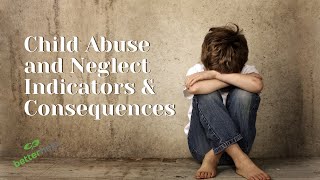
Dr. Dawn-Elise Snipes breaks down child abuse types: physical, sexual, emotional, and neglect. Neglect is the most common form and causes lasting developmental harm. The presentation covers warning signs in children and caregivers, risk factors, and why prevention and respite resources matter.
Questions this video answers
October 20–23, 2021 at Cumberland Mountain State Park (limited to 60 people).
Up to 21 CEUs.
1,840 children (rate 2.5 per 100,000).
1,780 children (noted as lower than 2019).
One in seven children.
Chapters
Foreign. The 2021 Wellness Retreat is an opportunity for clinicians and non clinicians to enjoy fall in Tennessee and maybe even a leaf change while you take a deep dive into learning about the mind, body connection and strategies for improving your overall well being. Up to 21 CEUs will be available for clinicians, but again, you don't need to be a clinician to attend. The retreat is being held October 20th through 23rd at Cumberland Mountain State park and is limited to 60 people to allow me to have plenty of time to interact with everyone. Go to allce.comwellness to see the detailed schedule and download the registration form. I look forward to seeing you there. I'd like to welcome everybody to today's presentation on child abuse awareness types, prevalence, indicators and impact. So we've got a lot to cover today in this presentation. I AM your host, Dr. Donnelly Snipes. Today we're going to talk about child abuse awareness. We're just going to leave it at that. The types of abuse that we're going to talk about just to kind of redefine them for a refresher. Physical abuse is the intentional use of physical force that can result in physical injury. Examples may include hitting, kicking, shaking, burning, or other shows of force against a child. Now remember Tuesday when we were talking about people who are neuro atypical? We may have parents who inadvertently force a child into a painful situation because they don't realize that the child perceives something, for example, as much hotter than what somebody who's neurotypical perceives it as. Sexual abuse involves pressuring or forcing a child to engage in sexual acts and includes behavior such as fondling, penetration and exposing a child to other sexual activities. Emotional abuse refers to behaviors that harm a child's self worth or emotional well being and can include name calling, shaming, rejection, withholding, love, and threatening. Now let's just kind of stop and think about that. I I think a lot of people experience some level of emotional abuse when they're growing up, especially especially a lot of people who later in life go on to develop self esteem, mental health or interpersonal issues. So emotional abuse is something that's probably pretty rampant. And one of the things that is important to remember when we're talking specific specifically about child abuse is that children, remember, tend to think much differently than adults. They are not little adults. They think more concretely, they think more dichotomously, all or nothing, and they think much more egocentrically, which means they rationalize or they understand things that are going on in their environment from Their perspective. And a lot of times they personalize it a lot more than is probably appropriate. If parents are arguing, they may think it's their fault. Parents get divorced, they may think it's their fault. So we do want to recognize that and also remember that people's internal critic and is often formed in early childhood. So those messages that they receive, even if they're just passing comments, sometimes can get lodged in that child's psyche and have a significant impact. Likewise, children's people's love maps are developed in, in childhood with their initial relationships through their attachments. And if those relationships are physically, sexually or emotionally abusive or neglectful, then that may set a expectation of that person for what relationships are supposed to be like because they haven't known any different. All of these are potential therapeutic target for later on when we end up seeing people in clinic as adults who may have been abused as children. Neglect is the failure to meet a child's basic physical and emotional needs. These can include housing, food, clothing, education and access to medical care. Now, there are a lot of challenges, for example, with when children are growing up, you don't necessarily always know how to handle certain things that come up. But when the caregivers ignore, refuse to address them, then you know, you might, depending on the issue, be bordering on neglect. So it is definitely a situational issue. Every, every situation can be different and we need to look at their totality of what's going on. I mean, some things are really clear cut, but a lot of things are very situational. So we need to explore what's going on in that family. And remember that abuse tends to be a family issue. Now it can come from external sources, we'll talk about that. But if it's happening within the family, that often indicates that there is a lot of tension or dysfunction in the family that may also need to be addressed. Children can't just up and leave their family. Children can't move out. They can't say, hey, you know what? I'm tired of the shenanigans here, I'm out. So it's important that we recognize that. It's also important that we recognize that if children set boundaries, if children speak up, they may be afraid that they are going to be punished for, for going against the abusive or neglectful parent. So who are the perpetrators? Well, we have parents and caregivers, relatives that may or may not be in a caregiving capacity. You can have, you know, relatives that show up at the family reunion who may end up being a perpetrator so they weren't technically caregiving. They just happen to be present and blood related. Babysitters, household staff. And this can include, you know, gardeners, housekeepers, anybody that's working in the household, clergy, school personnel, medical personnel, and, and we don't like to think of these things, but we do need to be cognizant that, you know, sometimes people in professions in which they have access to children chose those professions for a reason. Now that is the minority of people. There are really awesome, you know, people out there who are clergy, school professionals, medical professionals, babysitters, you know, etc. So we don't want to generalize in, in any sense of the, of of the term, but we do want to recognize that perpetrators can come basically in any shape, size, whatever. They can also be non related adults with no direct caregiving role. They're not, they don't have any reason to be interacting with the child, but they do. This can be a neighbor, a stranger, or someone the child met online. You can also have a non related child that is a perpetrator. So you can have child on child, not just adult on child. And this can include bullying at school, the kid next door, and that can go anywhere from, you know, any type of abuse can happen. And in dating violence. We want to remember that child abuse is child abuse. Even if the quote, child is 17 years old, if they are under the age of majority, it still qualifies as child abuse. And you know, my daughter is 17 now and she thinks she's grown, but technically, you know, in the eyes of the law, she is still a child. And we need to recognize and remember that. And it can also happen with foster siblings. Just prevalence, one in seven children. Just let that sink in for a second. Think about a kindergarten classroom that generally has at least 15 children in it. One in seven children have experienced child abuse or neglect in the past year. Just kind of let that sink in. That is heart wrenching. In 2019, a national estimate of 1840 children died from abuse and neglect at a rate of 2.5 per 100,000 children in the population, which is an increase from 2018, which in that year it was 1780 children. Now this is an interesting tidbit, I guess that I found doing this updated presentation that I didn't know. The mortality rate of children who are severely neglected is actually higher than the rate of severely physically abused children. And we can hypothesize why some of that might be because severely abused children often have signs of abuse that are more out there, they're more obvious, they have bruises, they have cuts, they have, you know, long absences from school. And then they show up and they've got, you know, wounds in different stages of healing. There are a lot of indicators of severe abuse that are likely to elicit the attention of mandatory reporters sooner than that of children who are severely neglected. And remember, neglect can mean not getting the child medical treatment they need. It can mean not providing adequate nutrition, shelter, you know, those sorts of things. More than one quarter of victims are in the range of birth through 2 years old. So 28% of child abuse and neglect victims are in the range of birth to two. Well, you know, birth to two, they're barely verbal at the end of that stage, so they can't speak up for themselves. A lot of times children in that age range are still at home with their caregivers or they're going to, you know, some of them go to daycare, preschool, whatever it's called in your area, and they may be subject to victimization there, but because they cannot communicate, then a lot of times it goes under reported. You know, if. If the, if the indicators, you know, if there aren't obvious signs of bruises or welts or something, then it's hard to know that abusive or neglectful was happening to the infant, for example, when they were in the care of somebody else. Percentages of child victims, and let me just go back to that for a second. Neglect is huge. And caregivers, I'll use that term very broadly to include daycare workers all the way through parents, grandparents, whatever, caregivers who, you know, take a child and, you know, put them in a crib and leave them there all day long. And maybe if the child's lucky, show up to give them a bottle every once in a while. You know, that's neglectful, but that's not going to leave, especially if they're showing up to feed the child so the child's not showing gross malnutrition. That's probably not going to show up very quickly in terms of, you know, someone that might call and make an abuse report, you know, because that needs to be. Somebody needs to see it. Somebody needs to know something is wrong. However, the impact that that has on the child's psyche is tremendous. The impact that has on the child's ability to trust. Think about Erickson's stages of psychosocial development. That trust mistrust can be obliterated. When that happens, if there's child neglect early on, even if it is neglect, like I just talked about, leaving the child, basically abandoning the child all day long and leaving them, you know, just giving them the bare, bare essentials of attention. So anyhow, I want us to really expand our awareness of neglect and the impact of neglect. The percentages of child victims are similar for both boys and girls. And most victims. Now I'm not exactly sure how they came up with this, this particular study, and this is from the cdc. Most victims are in one of three races or ethnicities. White, Hispanic or African American. Now they went on later to talk more about. Alaskan Natives and Native Americans. However, they did make the statement that most victims are in one of these three races, so, or ethnicities. So I'm not sure, you know, where to really sink my teeth into that one. But the important thing to point out or the, the thing I took away from it is that child abuse and neglect is pretty ubiquitous. It's not just one race or ethnicity, you know, quarter, quarter percent or a quarter percent. Gosh, a quarter here, a quarter there. You know, it really permeates every race and ethnicity. So let's look at some of the indicators. The caregiver shows little concern for the child, may offer conflicting, unconvincing or no explanation for children's injuries or status. And this can be why the child is filthy. It can be why the child is malnourished or underweight. It can be for why the child has bruises or injuries. The caregiver denies the existence of or blames the child for the child and or the family's problems. If the child is, quote, needy or hypersensitive. You know, there are a lot of terms that are thrown around to excuse neglectful or abusive behavior. And it's important to identify this sometimes parents a lot of times, and I hope parents may end up with a child who has, who is a high needs child, who is a highly sensitive child, who may be neuro atypical or may not be and may present some challenges in terms of bonding and caregiving. If the caregiver does not know how to deal with it, it can be very frustrating, it can be very exhausting and it can be sometimes aggravating. The parent may feel very angry at themselves for not knowing how to help the child or make the child stop crying and then start getting angry at the child. I remember when my son came home from the hospital, he was in the NICU for almost two months and during that time he had a nasogastric tube. And you know, so when he came out, you know, obviously he didn't have that tube anymore. But the sphincter that Closes from the esophagus to the stomach had gotten really weak during that time, and he developed gastric esophageal reflux disease, or gerd. And the child screamed nonstop, and we didn't know why. You know, we took him to the pediatrician, and the pediatrician at first was like, oh, he's just colicky, blah, blah, blah. And finally I went online and I started doing some research. Thank God for the Internet, and. And figured out that, you know, this was more than just a little bit of colickiness. And lo and behold, they diagnosed him with gerd, they started treating him, and his screaming went away. However, during those few weeks after he came home from the hospital, before we got a solid diagnosis and the pediatrician on board, he would literally cry at the top of his lungs for. For hours. And his father and I would take turns, you know, cradling him and comforting him and walking with him and just, you know, trying to get him comfortable enough that he could sleep. And, you know, as soon as we would think he was asleep, he'd wake up and he'd start screaming again. And, you know, he. My husband is very easygoing. You know, it's hard to ruffle him. So he was usually able to take longer shifts than I was because I would start to feel helpless and frustrated. Frustrated. But I can empathize with parents. You know, I had my husband to rely on, and we were able to do baby handoff and, you know, consult with each other and console each other. So we had support. But for caregivers who don't know what's going on, who don't have support and who have. Has a baby that is, for example, screaming, crying. And when I say screaming, I mean he would cry and literally until his face would turn like this red, purple color, and then you take a big breath in and he'd do it again. It was just heart wrenching. And, you know, I can understand how, you know, teenage parents, stressed out parents, parents without support, could get angry, could get aggravated, could get frustrated. So it's incumbent upon us to also notice these things when we have a client, for example, who has a new child, a new baby, or a toddler for that matter, it doesn't really matter. And ask how the child is doing. And if the patient or client says, oh, my gosh, you know, they're just, they're impossible. Well, tell me a little bit more about that, because we may be able to provide some education, some linkages, and connect them with resources that may be able to help them out even if it's just respite resources. But a lot of times, especially younger parents and first time parents may just have no clue what to do and may feel completely overwhelmed. So we do want to. If we hear the parent talking about the child in negative terms or blaming the child for their problems, for their depression, for their anxiety, for their whatever, then we really want to explore what that's about and see if we can offer, you know, again, linkages. And obviously we want to do an assessment to make sure the child is safe at that point in time. Another indicator is if the parent asks teachers or other caregivers to use harsh physical discipline, you know, just whack him with the belt. Oh my gosh, no. So that might be another indicator that abuse may be happening. We want to take it, you know, on a case by case basis if the caregiver refers to the child as entirely evil, worthless, burdensome, and they may not come out in those words and say it. But again, if we're talking with this person and they are referring to the child in negative terms like they're a handful, they're impossible, they never do this. They, you know, okay, they may be venting or they may be trying to communicate that they're overwhelmed and they don't have the tools to deal with what's going on. So we certainly need to probe that a little bit more. And I think we're going to see a little bit more of parents identifying some challenges as homeschooling and school and or schooling from home becomes more prevalent. Because I can tell you, after homeschooling two children for, you know, 18 years, there are days where they are very challenging and it can, you have a lot of respect for teachers at the end of the day if you didn't before. But we may see more of this as parents become frustrated not only with children being resistant to doing their work, but also to not being able to help them with the work that they have. You know, when again, thankfully, my husband and I are polar opposites. So when my kids had problems with math or physics or something like that, he was able to help them because that was so far out of my realm. But I can imagine how overwhelming it would be to a, a parent or a caregiver who is struggling to help their child, who needs help with, you know, and it may not be something like calculus, it could be basic reading. We have a really high level of illiteracy in this country. But I digress. The. If the parent or caregiver has unrealistic performance demands and this can also be coaches. Coaches can be very abusive in verbally especially, but sometimes even physically, if they submit the child to extreme consequences for failing to perform in a certain way, you know, go out and run 15 miles or. I, I remember with the, the wrestlers, it always used to cause me great distress to see them try to make weight. And if they didn't make weight, they would get in a lot of trouble. So they'd be running around doing very awful things to their bodies in order to try to drop enough water weight in order to wrestle that evening. So you. That may in some cases cross the line into abuse and, or neglect. We want to be aware of those things. If the caregiver looks primarily to the child for care, attention and satisfaction of emotional needs, if they have those really bad boundaries where the child is more like a companion or worse yet more like a spouse than or another parent, then, then it's definitely problematic. I've worked with a lot of families, unfortunately, working in substance abuse, in which the child took on the responsibilities of being a parent because the parent couldn't do it. You know, they would tuck their parent in at night and they would make sure that their siblings were ready for school in the morning and, you know, go through the motions that a parent would normally do. We do want to pay attention to those things, especially in children who are acting exceptionally grown for their age. There are some children, there are a lot of children who, you know, they're 16 going on 26, and that is just how they're wired. I know I was like that. Like I said, my daughter's like that. My son not so much. But the. So some people are wired and, and they want to be more independent. So we don't want to assume that just because a child is independent and responsible that it indicates there's bad things going on. But we do want to take that as part of the puzzle pieces that we're looking at. If the caregiver is unduly protective of the child or severely limits the child's contact with other children or other people, that can be an indicator as well, because they're afraid that the child's going to say something is basically what it comes down to. So we do want to be concerned about that. There are some caregivers who are abusive and rejecting, and then there are others who keep the child close and are very restrictive about what the child can and cannot do. If the caregiver is secretive and isolated, that may indicate a problem or is jealous or controlling with other family members. If they tend to act out and be extremely domineering. Not just authoritative, authoritative as a parent might be, but domineering and controlling with other family members, telling them, you know, you will do this. You have no say. Then we do want to consider that as a potential warning sign. All of these are warning signs. None of these in, in isolation can necessarily means that there's abuse or neglect, but these are definitely warning signs that we want to, you know, take notice of and then pursue further. You don't want to just say, okay, you know, maybe I'll keep an eye on that. You probably want to probe a little further to make sure that the child is not in imminent danger. Indicators in the child. If there are sudden changes in behavior or school performance, this could indicate abuse or neglect. It could also indicate some kind of dysfunction in the family. You know, maybe parents are getting divorced or grandma died or something else. There are a lot of reasons why children may have sudden changes in behavior or school performance, but we want to take note if they've not received help for physical or medical problems that were brought to the caregiver's attention. Now, that one's pretty obvious. We, if that's not happening, we want to follow up and, and try to figure out why, what's going on. Now there's, if you bring to the attention of the parent or the caregiver that maybe the child has depression or ADHD or something, in your opinion, and, and you're not a licensed clinician, you know, maybe you're a preschool teacher or a teacher, and the caregiver does not take them to a therapist immediately. You know, we need to weigh parentals, parental judgment and their ability to, you know, give them the, the latitude to parent their child as they see fit within the realms of safety for the child. However, you know, if the child has a broken bone that's going unset, then, you know, it's probably important to, you know, that's. That's a problem. You know, that's obviously a problem. Or if the child has lice and they get home, sent home from school and the lice isn't taken care of, it's another one of those places where intervention may be needed. If the child has learning problems or difficulty concentrating that cannot be attributed to specific physical or psychological causes. Now that's a big one. Ruling out all of those things is kind of overwhelming. But we want to rule out the biggies. If the child is having learning difficulties or difficulty concentrating, because they are, they have ADHD because they have vision problems, you know, maybe they need to get evaluated for glasses or they have dyslexia. You know, there are a lot of things that can contribute to learning problems that are not related to abuse or neglect in any way. However, a lot of times when children are in households in which there is abuse or neglect, they may not get adequate sleep or adequate nutrition, both of which will impair their ability to concentrate and learn when they're at school. Hypervigilance in the child is another one of those warning signs. You know, most children are not super hypervigilant except if they are neuro atypical. We talked Tuesday about the fact that a lot of people who are neuroatypical, including those people with ocd, adhd, fetal alcohol spectrum disorders, autism spectrum disorders, and, you know, potentially undiagnosed, you know, not yet. There. What's the word I'm looking for? They don't have schizophrenia yet because that's often not diagnosed until the 20s. But children who later go on to become adults, who later go on to get a diagnosis of schizophrenia probably had some neuro atypicality or way back when that just never got evaluated. So we do want to explore why the child is hypervigilant and pay attention to that. Again, not necessarily a sign of abuse or neglect. It could be a sign of sensory differences. They lack adult supervision. There are again degrees of this. But there is certainly cause for concern if young children are left unsupervised or left to roam. That being said, you know, I grew up in the 70s and 80s and you know, back then we used to go outside and play and just, you know, be at neighbors houses and whatever. So there's a difference between, you know, letting children play with others and have some freedom versus lacking adult supervision like leaving them alone for, you know, 24, 48 hours when they're very young or leaving them alone in their crib while you run up to the store or something. You know, that's more, much more problematic. The child may show extremes in behavior, such as over over compliance or demanding behavior, extreme passivity or aggression. And it for these children, it can go back and forth. Now what does this remind you of? This probably reminds you of the dichotomy that we end up seeing in people who develop borderline personality disorder. You may have children who are experiencing adverse childhood experiences who start developing this dichotomous and quickly alternating extremes in behavior. The child may come to school or other activities early, stay late and not want to go home. You know, that's one of those that's probably going to Tug at your heart, but it's important to explore. Why is it that you don't want to go home? Why is it that you are coming early right now? You know, there could be some sort of very legitimate, logical, you know, benign explanation, but we need to understand what's going on. You know, maybe they are afraid they're going to get in trouble because they didn't take the trash out or something. You know, once in a while, probably not a big deal. But if this is a pattern with a child, like, you know, every day they show up as soon as the doors open, and every night they're not leaving until they're pushed out is important. Demonstrates poor hygiene, inappropriate for age. I added that because it's important to remember that, you know, kids are going to be kids, and little kids may not see a need to wash their hands fastidiously. They go and they play in the mud and they enjoy it. I remember one day it was raining really hard where we were at, and my children found a place where there was a little bit of a hill and there was mud, and they decided that they were going to be seals. And they slid down the hill probably for 15 minutes and just getting themselves completely covered. And my daughter walks up to me, completely covered, and says, look at me, Mommy. I'm a mud monster. I was like, great. And. And she didn't care. You know, she was not worried about anybody seeing her. She. My son, remember I told you he didn't like to have his hair washed because of the ears? So, you know, he would fight about washing, washing his hair, you know, even up through his teenage years. Getting him to really get in there and wash that hair, especially around his ears, was a challenge because of that hypersensitivity. We do need to be cognizant when we're talking about hygiene and, well, anything about what's going on. And that's why I keep saying none of these things in isolation necessarily is indicative of abuse or neglect. We need to look at the big picture. We may have a family that has suddenly become homeless and they are living out of their car, and, you know, the caregivers are doing their best. You know, kids have full. Full bellies and, you know, maybe the caregivers don't, but the kids have full bellies. They're. They're dressed appropriately, et cetera. But that may be one of the reasons the kid comes early, stays late, and doesn't want to go home. Lack of air conditioning during the summer is another reason. You know, if it's really miserable to be at home because it's hot as blazes. They may want to stay at school where it's air conditioned. So we want to consider, you know, let's not jump to conclusions immediately, but let's be aware because we may be able to help intervene in order to mitigate some of these issues that are potentially causing problems for the child. And if the child is inappropriately adult or inappropriately infantile, and I already talked about the inappropriately adult, but if the child is inappropriately infantile, they are five or six years old and they are still only speaking in baby talk and sucking their thumb. That's an indicator. If a child suddenly regresses to doing this, that's a big indicator that something big has happened and the child is, you know, in their own way trying to call out for help. If the child has unexplained burns, bites, bruises, broken bones, especially in varying stages of healing, we want to be concerned. You know, they can, heaven forbid, get into a car accident and get a bunch of bumps and bruises or break a bone or, you know, kids will sometimes fall down and get hurt. That's true. You know, it's not just an excuse. But if you see that they've got a fresh one and then they've got one that's about two weeks old and then they've got one that's a little older and almost healed and you know, if you start seeing that, if you start seeing a pattern, then that's a problem. If there are frequent school, and again, back to that one, you know, I, I do want to be careful not to make parents seem, or caregivers seem like the bad people. There are some children who do have difficulties with, with balance, with proprioception. Again, some of that goes back to potential neuro atypicality. So we want to look at and use our good common sense and good judgment. Frequent school or work absences. Again, remember, children are children until the age of majority. So you may have someone who is 15 or 16 or 17 working somewhere and they have frequent absences because they' trying to hide those bruises and injuries. Same thing if they're going to school. If the person begs or steals food or money, that is often an indication that the child needs help in some way. If they run away, it can be an indication that there is abuse or neglect going on at home. Not always, but it can be. If the child seems frightened of the parents and protests or cries when it's time to go home, that's generally a good indicator that something's going on. That needs to be explored. If they shrink at the approach of adults, you know, every time an adult comes near, they really cower and they try to make themselves as small as possible, that's an indicator. If they report an injury by a parent or another adult caregiver, that's a clear indicator. If they suddenly refuse to change for gym or participate in physical activities, that's potentially an indicator. They may be hiding bruises, they may be hiding wounds. They may suddenly have gotten self conscious for some reason. You know, during puberty, there are a lot of changes that take place where peop and they happen at different rates. So sometimes children become more self conscious than others at different times. Likewise, if a child, for example, is diagnosed with diabetes and they have an insulin pump installed, a lot of people with type 1 diabetes end up getting an insulin pump. That can be embarrassing for them. And they may not want other people to see that they've got that insulin pump. So we want to ask questions, not assume. If the child has difficulty walking or sitting, that's a problem. You know, we want to understand why that happened. You know, are they on the gymnastics team and they had an extra hard workout in the weight room, or are they having difficulty walking or sitting for some other reason and that might indicate that they were beaten or sexually abused? If they report nightmares or bedwetting, this is also a clue that something may be going on with the child. A lot of times, spontaneous nightmares don't come from anywhere. And especially if they're reporting them, that often indicates that the child is experiencing some level of distress about something. Now, it could be that they watched a really scary movie that gave them nightmares. So. And you know, I remember there are a couple of movies that I watched when I was little that gave me nightmares for like days. But we want to take them seriously and not minimize what's going on. If they have been potty trained and suddenly start wetting the bed again, that's a sign that something is something is wrong and needs to be evaluated. Over 10,000 people come to BetterHelp every day looking for a counselor. BetterHelp makes it easy for you to move your practice online and focus on what you love Most, helping others. BetterHelp's easy to use platform takes care of referrals and billing and provides a secured platform to communicate with your clients. Join more than 18,000 therapists at better Help helping to improve people's mental health and lives in terms of impact on the individual. There can be traumatic brain injury and I say mechanical or chemical. I didn't Know what else to call it? Mechanical being. If the child has traumatic brain injury from getting hit or from getting pushed down and their, their brain bouncing around in their head from, you know, basically getting a concussion, any of those things can cause injury to the brain, literally. But then we also have what I call chemical, chemical traumatic brain injury. That is, that happens when the brain environment becomes excitotoxic and we actually start seeing the pairing back of neurons as a result of excess stress. And we know that that more strongly impacts the prefrontal cortex, especially in the developing brain, which later in life is going to impact executive functioning, impulse control and goal setting, motivation, those sorts of things. There's a development of stress related physical ailments, including autoimmune issues and later on, cardiovascular disease, impaired sleep, STDs, chronic pain from physical or sexual abuse. People with autoimmune issues will also often experience chronic pain because part of the autoimmune condition is inflammation. Suicide attempts, substance abuse and eating disorders. There is a lot of data out there that adverse childhood experiences, especially abuse and neglect, can increase the problems that people have both physically and emotionally later in life, affectively and cognitively. People who experience abuse and neglect are much more vulnerable to developing mood disorders. Well, that totally makes sense. They may have impaired impulse control and executive functioning because of the loss of white and gray matter from that excess stress, from that neurotoxic environment. They may have learning difficulties because of lack of sleep. They don't feel safe enough to go to go into a deep sleep, or they're not able to get to sleep. They may experience learning difficulties from traumatic brain injury, whether it's physic, whether it's mechanical or chemical, both of those can impair learning and they may experience learning difficulties from mood impairment. When you're depressed, when you're anxious, it's really hard to focus on learning. It's really hard to focus on math when you're scared or you're feeling hopeless and helpless environmentally. People who experience abuse and neglect are much more likely to run away and experience homelessness both as children and later in life. So they may be runaway children and, or they may end up being homeless later in life interpersonally. Abuse and attachment especially, or sorry, abuse and neglect especially as it relates to caregivers, can disrupt people's ability to form secure attachments or which may lead to problems with fear of abandonment, difficulty connecting with others and inability to securely connect to people later in life and low self esteem. I mean, think about it. If you're in a situation where you're getting abused or neglected, Part of that is going to be internalized, especially for children. They're not able to say, well, you know, mom has depression and alcoholism and is really struggling right now. It has nothing to do to do with me. She just has, you know, a lot of stuff going on. She. And I'm unfortunately, you know, just in the path. That's not how children think. Children take what's said personally. They take parents relapses very personally. They're like, why did my parent choose cocaine over me? You know, they, they were doing so well and then they decided that they would rather have that than be at home with me. And so children take that very personally and internalize it. In terms of the community, when we have people that are abused and neglected, there is a higher rate of incarceration, both from. Because we're incarcerating, hopefully the perpetrators, but we also have a high rate of people who were abused or neglected. They learn those behaviors and they. And they don't learn other behaviors. They don't learn other coping skills. They don't learn other strategies in order to deal with distress and frustration and threat. So they may end up becoming perpetrators and thus getting incarcerated. There's more expense for medical treatment for acute injuries, medical treatment for chronic mental health and physical illnesses. There may be delayed brain development resulting in lower educational attainment and limited employment opportunities and lower socioeconomic status for those adults who were abused as children and the risk of future violence. Victimization. People who were victimized once are actually at a risk, higher risk of being victimized again as well as being perpetrators. They estimate that these things cost communities on average each year, 428 billion with a B billion dollars. So that's a lot of money that's spent each year in this country as a result of, of, or as a consequence of child abuse and neglect. Risk factors in the caregiver, mental health or substance use disorders. People who have mental health issues may be unable to effectively connect, attach, attend to children. Not saying that people with mental health issues are dangerous in any way. I am not saying that the majority of people with mental health issues are not dangerous, but they may have difficulty forming that secure attachment and being attentive. So the risk of neglect may go up if somebody has a caregiver, for example, who is clinically depressed and just can't get out of bed. Same thing with a substance abuse disorder. People with substance abuse disorders may be too drunk or too high to attend to the child, not necessarily abusing the child, but neglect is A lot more likely when there is a, when the caregiver has a substance use disorder. If. And this can also cross over. I've seen some, not nearly to the extent that you see with chemical substance abuse, but I have seen some neglect in caregivers who have Internet gaming disorder where, you know, they have their pee bottles by them, they have a trash can, or they we adult diapers because they don't want to get up from their game. They're certainly not going to get up from the game to attend to a child. Inadequate housing is a risk factor, as is low ses. Domestic, domestic and domestic violence. All of these things increase stress on the caregiver. When the caregiver is already stressed, when they're already primed, it doesn't take much more to create a situation where they feel completely overwhelmed. A caregiver with a disability often may experience more stress than a caregiver without a disability. This doesn't mean that people with disabilities are going to abuse their children. I don't, I, I didn't even want to put that one here, but the CDC identifies it as a risk factor, so I felt like it was my obligation. But people with disabilities, as we discussed in a class a couple weeks ago, often have increased stress because of a world that is designed around people who are fully abled. So when someone has a disability, they encounter more obstacles that they've got to deal with, which can be stressful and frustrating. They may have more difficulty with transportation, they may have more difficulty or have have to spend a lot more to have modifications done. For example, if they're in a wheelchair to houses, so the countertops are at the right height and so they can easily transfer into the bathroom. So those things can contribute to financial stresses. Domestic violence and a history of being abused or abusing others are also risk factors in the caregiver. In terms of the child, children who are under 4 years old are at much greater risk, allegedly than children who are older than that. We see the majority of abuse happening in children who are under four. And when I say majority, that's, I don't know what the exact percentage is, but it's like just at least 50%. So we do know that, you know, there is a significant proportion of children who are abused who are older. So I don't want us to assume or focus only on children who are 4 and under. You know, it's 0 to 18. We really need to be cognizant. Children who have disabilities are at greater risk for being abused and being neglected. And those Disabilities can be physical disabilities, cognitive disabilities, or emotional disabilities. And children who identify as LGBTQ are also at much greater risk of neglect and abuse, both from other people that are non caregivers as well as caregivers, and that's a whole other class. But we do recognize that children who are LGBTQ do have special needs that need to be attended to in order for them to feel, you know, accepted. And in order to get their needs met, community risk factors include high rates of violence, crime, and substance use. Well, yeah, that makes sense. If you're in a community where this is happening, it's probably pretty dagum stressful. So if everybody in the community is already under stress, then it is not surprising when people get to the point where they feel overwhelmed and they have that meltdown or explosive episode or whatever you want to call it, not excusing it by any means, but recognizing that, you know, it would make sense that in communities where people are struggling, it's more likely that they are already going to be stressed and more vulnerable to an exaggerated response or an exaggerated reaction to something. High rates of poverty and limited educational and economic opportunities also contribute to stress among individuals and families. Low community attachment and involvement is another one. And I will add to that. I'll just jump down here. Few respite resources for parents. This is one of my battle cries. It has been for 20 years now. There are a lot of parents who are single parents, or even if they have other people in the household that are helping them, there are a lot of parents who sometimes need a break. And having respite resources available is so important. Whether it is a special section in the library where there are, you know, cushions and places where the kids can kind of lounge and read books and they don't have to be super quiet, but the parent can just sit there and go, okay, I can take a breath. That's important. And in Alacha County, Florida, we had those areas in every library, which was wonderful. But we need to make sure that caregivers, regardless of what kind of caregivers they are, caregivers have support. So when they start feeling overwhelmed or distressed or frustrated, they have support from other people who can help them during that time when there are a few community activities for young people. And as you pointed out, peop a lot of children who are now being schooled from home, and they're home all day, every day, 24, 7, 365, the children can start to get a little bit, you know, cab a little bit of cabin fever, which may cause them to be more agitated and irritable, act out a little bit more and the parents can also start getting a little bit of cabin fever. So it's important that we provide opportunities for both the caregivers to have respite and also for the children to get out some of that energy. Kids have energy and if you don't, you know, help them use it appropriately, it's going to come out one way or another. And it's important that we make sure that the communities are supportive of the caregivers as well as the child's needs and make sure that there is stable housing and ideally a community in which residents, you know, move in and they stay there. They're not moving every six months. And obviously if there is low crime, low violence and high levels of economic opportunity, people are less likely to, you know, be moving out. There are a variety of indicators of child abuse and neglect. Many of the causes of child abuse and neglect reflect emotional and behavioral discontrol in the caregivers as a result of high levels of stress. Excuse me, obviously in the non caregiver offenders there are other issues going on, but we want to help families minimize the stress that they are experiencing and maximize the communication between the parents and the children so there is less, so the children are less vulnerable to strangers as well as to, you know, known people. Child abuse and neglect has short and long term consequences for both the individual and the community. In the next presentation, which is coming up in a couple of weeks, we will explore prevention strategies in depth. Alrighty. Are there any questions? It will certainly be interesting over the next two years. As you know, it takes a long time for data to actually come out to see what impact Covid had on rates of abuse and neglect. We know at least. From anecdotally that there has been an increase in domestic violence and, and child abuse. But I haven't seen any actual quote research statistics that have summed up the numbers of cases. Alrighty everybody, have a fabulous weekend and I will see you on Tuesday.










