CTB Live Stream YouTube
Dr. Dawn-Elise Snipes explains how social connection fights depression: belonging, self-worth, and security all come from relationships. She walks through choosing friends who complement you, what healthy relationships need (honesty, trust, boundaries), and practical moves like clearing old relationship baggage and practicing assertive communication. Pets or fostering can help too.
Chapters
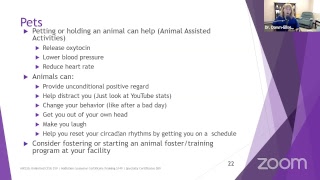
Alrighty, everybody. Welcome to today's edition of Happiness Isn't Brain Surgery with Doc Snipes practical tools to improve your mood and quality of life. And remember, this is released as a podcast. So if you're interested in learning more about how to be happy, you can subscribe to the Happiness podcast on any of your favorite podcast apps. So let's move on with it. Today we're going to be talking about social interventions, and this is a continuation of the series that we have been doing, based on my upcoming book, 100 Practical Tools to Defeat Depression. So we're going to talk about, you know, why social interventions are important. Why are relationships important? We'll explore the characteristics of healthy relationships. Identify ways to improve your relationships, discuss concepts of forgiveness and acceptance. Those are big ones and hard ones. And learn about how pets can provide an element of social support. I love my dogs. Y' all know that. And my cats, when they're being nice. But so what are the benefits of relationships? Well, they provide a sense of belonging. Spending time with people can help ward off loneliness. Now, some people need a whole lot more interaction. Extroverts really thrive in environments in which they are interacting with people on a real regular basis. And, you know, I'm an extrovert. I like being around people. I draw energy from them. My daughter, on the other hand, is an introvert, and she enjoys being around people, but only one or two at a time. And for short periods, she needs quiet time each day. It's really exhausting to be around other people and having to pay attention to all of that extra input. So it's important to understand how much social support you need and what way you prefer getting it. Some people are overwhelmed by too many people in the room, but they can text. So what makes you happy, whether it's other new parents, dog lovers, fishing buddies, or siblings, just knowing you're not alone can go a long way toward coping with stress. Somebody that you can call and I know when I was a new mom, there were a lot of days that I called other new moms or people who'd been moms for a while, and I was just like, am I doing this right or did I just do something really, really bad? And, you know, it provided me a sense of comfort and connection. Social support also provides increased self worth. Having people who call you a friend reinforces the idea that you're a good person to be around. And I want you to rem that you're a good person regardless of whether you make mistakes, because we all make mistakes. We all screw up, do inappropriate or bad things, whatever you want to call it. But that doesn't mean you're not a good person. And when people are friends, you know, there are occasions when, you know, friends will make mistakes and hurt their friends feelings or, you know, whatever. That doesn't make you a bad person. It just means, you know, you may have something to apologize for. And social support also provides feelings of security. Your social support network gives you access to information, advice, guidance and other types of assistance should you need it. You know, if I have a problem that requires a truck, I've got a friend who's got a truck. I know that's out there. If I have a problem and you know, I can't get somewhere, I can't get home to pick up my kids, to take them somewhere for something. I know that I've got neighbors that are willing to help out and my best friend who was also willing to pick them up. So those are things that help me out. They are my plan B's. If I can't get something done, I know that I've got people that I can fall back on in an emergency. So I want you to think of healthy relationships like cookies. And this is an activity that I do in group. And it can be really fun or it can be really gross. But let's stay with fun. So think about how many different variations there are for sugar cookies. You know, there are. You can make just about anything from sugar cookies, but cookies, sugar cookies by themselves are really, really awesome. You don't need to put anything in a sugar cookie to make it awesome. And then I want you to think about different types of standalone cookies foods you could put in a sugar cookie to make it even better. So chocolate chips are always at the top of my list. I can eat those plain or I can put them in sugar cookies and make something that's like uber delicious. Caramels, candy corn. Oh, that's good. Dates and raisins. A little healthier. Peanut butter, walnuts. Now this one may make you cringe a little bit, but zucchini, if you like zucchini bread, zucchini cookies are really good too. Rice Krispies, oatmeal. There's a lot of stuff that you could eat by itself as a dessert or you could put in sugar cookies, which again by themselves are good alone. Then I want you to think about standalone foods that you probably wouldn't add to a sugar cookie because not everything complements everything else. Just like not everybody compliments you as you know, or brings out the best in you. So, you know, and not everybody agrees on what characteristics they look for in a friend. For example, and we'll stay with the food analogy for right now. A lot of people love chocolate covered fruit, chocolate covered bananas, chocolate covered strawberries, chocolate, whatever. I don't. I just don't see the point of putting perfectly good chocolate on fruit. I like them independently, but I don't like them together. They don't do it for me. Other things that you wouldn't put in a sugar sardines. You know, some people like sardines alone, that's fine, but they probably don't complement a sugar cookie. Sardines are salty. So think about people in your life who are kind of salty, as they say, kind of gruff and abrasive, you know, Is that something that enhances you? Probably not. Think about people in your life who have anger issues. And that would be like putting hot pepper flakes in a sugar cookie because they're spicy. They're not bringing out the best in you. They're kind of dampening some of the sweetness. Black licorice, you probably wouldn't put in sugar cookies because it's just funky. Obviously I'm not a fan of black licorice, but again, some people might say, oh my gosh, that is the best thing in the world and it would complement them. So I want you to think about yourself as a sugar cookie. What types of additions would be good to enhance you? They're not completing you because you're as a sugar cookie. You're complete. You don't need anything else. But if you have other things added, how does it enhance you? So think about making a recipe for a good person. You know, what types of things. Just like you have vanilla and sugar and flour and eggs in a sugar cookie, what types of things go into a good person? And then think about a recipe for a friend that would bring out the best in the good person. So again, if you're thinking about food, which is one of my favorite things to think about, you can talk about different ways to bring out the best in things. For example, my grandmother always taught me whenever I bake to put half the amount of lemon extract in that I put to vanilla extract. Because the lemon extract enhances the flavor of the vanilla extract. Who knew? Well, obviously she did. So you want to think about what types of things would go together. You know, if you want to think about making a pizza, you know, that's another thing. What complements the things that are going on your pizza? Identify characteristics of people that would not combine well with your good person. So you made this recipe for a good person. They're loyal, they're kind, they're giving, they're this, they're that great. Okay, you've got this awesome person here. Now, what types of people wouldn't bring out the best in them? We all have those types. You know, I don't do well around micromanaging types. I get very antsy if somebody's, like, always crawling down my back wanting to know, you know, when I sneezed the last time. So that's one of those characteristics that I wouldn't be okay with. The characteristics you're going to think about are your pet peeves and your deal breakers. The characteristics and people that you just go, yeah, no, you know, they may be a really nice person, but we are not going to mesh at all. So once you figure out who in your life complements you or the types of characteristics you look for in a person that complements you, then you want to start building these relationships. And healthy relationships are built on honesty. Well, that's true. You want to be honest with the other person about who you are and what you want and all that kind of stuff. But you also want to be honest with yourself. Is this a good fit? Do I feel loved, appreciated and accepted? Faith. We also want to look at the characteristics of faith and trust in yourself and your own intuition as well as in that person. Can you trust that person? If you can't trust them, that is probably not a good, healthy relationship. Now, mind you, trust doesn't happen overnight. Trust builds, and depending on the person, trust may take a really long time to build. I have one friend who we met, and it wasn't long at all before we were kind of thick as thieves and we were able to easily build trust. I have another friend who, you know, it took about three, four years before we started having really good trust. Just because that person, you know, had some issues that prevented them from being able to trust others. Compassion again, for yourself as well as for others. Everything you do for a relationship, everything you do for others, you have to do for yourself first. If you don't have compassion for yourself, then why in the world is somebody going to expect you have compassion for them? So you need to have compassion for yourself. And that means when you're having a bad day, be able to say, you know what? It's okay. Not everybody has an a day. You need to have compassion for yourself. When you're sick or when you're tired, you may say, you know what? I Wanted to get a lot more done today, but it just. It ain't going to happen. And be okay with it, because you can only do your best. And if you hold yourself to a standard of doing more than your best, 130%, you're going to burn out. So you want to be a good friend to yourself as well as to your other friends. Be compassionate with them. If they make a mistake, okay, they made a mistake. Let's figure out how to fix it if they aren't doing things exactly the way you want. You know, maybe talk with them and see if there's a miscommunication of some sort. But be compassionate towards what they might be going through. You know, if your friend has canceled plans with you for three weeks in a row, you might start getting your feelings hurt. But if you jump into that compassionate frame of mind and go, what is going on with Sally right now that suddenly she's canceling? You know, every Friday that we used to go out? You know, it could be something's going on between the two of you. But more than likely, Sally may be struggling with something in her own life. And being compassionate allows you to get outside of that egocentric place where it's all about you and go, I wonder what's going on with Sally. Healthy relationships are based on respect. You have to respect each other. You don't have to agree with each other. You have to respect each other. And one of the most interesting things that I've observed is my son, who is now 18. But, you know, even when he was 16, he and his best friend have been, you know, thick as thieves for a couple years now. And they would come over and I always tried to tell him, you know, when you're first getting to know somebody, you know, don't delve into debates about politics and religion, because that's. Those are hot button issues for a lot of people. Well, what does he do? He delves into conversations about politics and religion, and he and his best friend don't see eye to eye on a lot of things. And they'll be up in the media room and, you know, I'll be able to hear them downstairs. And neither one of them gets upset or derogatory towards the other person. They respect that. Each one has valid opinions. They just differ. Which is really cool, especially to see among teenage boys where they're. Or teenagers at all, or they're able to go, you know what? That's okay. Here's my point of view. I don't agree with yours. You don't agree with mine. But we respect each other and we can move on from there. And they respect the fact that they're both good human beings. They may have different opinions, but they're both good human beings and worthy of love and respect. Boundaries are another characteristic of healthy relationships. And this kind of goes along with respect. Mental boundaries are having those boundaries set so you don't feel like if somebody believes one thing, you have to believe the same thing. Mental boundaries mean you can have your opinion even if it's different than your friends. And that's okay. You know, you are validated in having your own opinions. Emotional boundaries, same thing if you are in a room with somebody. If your best friend is angry and you're not, that's okay. You know, maybe something happened and your best friend got all tied up in knots over it, and it's just furious. And you don't see the big deal. You're just like, okay, it sucks, but, you know, I don't see the big deal. Okay, you don't want to invalidate them by going, what in the world are you making a big deal about? You want to be empathetic, but it doesn't mean you have to get all worked up. You can hear that person. You can validate their feelings and say, I can see that you are just enraged over this right now. What can we do to handle it? Or what do you think the next step should be? Talk to them about it. Validate their feelings. It doesn't mean you have to share their feelings. Openness and willingness. Well, when you are around other people, guess what? You are not carbon copies of one another. You are going to have different things, thoughts, feelings, ideas, wants, desires, all that stuff. So you need to be open to possibilities. You need to be open to, you know, other preferences. I have one friend who shares a lot of different hobbies than I do. And, you know, I was open to the idea of rock climbing. You know, that's. I'm afraid of heights. So rock climbing is a big step for me. And so I was willing to try that. You know, I was open to the idea of rock climbing indoors, you know, with lots of padding, but. And I was willing to do it. So, you know, that was something that I got to experience and that was something that, you know, we can share and we can talk about now. Whereas if I would have been closed off and gone. Nope, no, no, no, no, no. You know, that wouldn't have led us having something else. We could talk about mutual support. You know, that goes without saying. You know, you want to be there for your friends, you know, help them out when they need help. But it needs to go both ways. You don't always want to be the giver or the taker. You know, you want to have it be some sort of a balance. And it's kind of like a teeter totter. You know, sometimes your friend's going to be in crisis and whatever that looks like for them, and they are going to require a lot of energy. They are going to need emotional support, maybe help with activities or something. They may need a lot of time and energy and whatever that is. Okay, because you are willing to give that. Because you know, when you hit a crisis point, they're going to pour the same amount of energy into you and they're going to be there for you. So it's important that you have this teeter totter. You don't expect it to stay level all the time. There's going to be little hiccups here and there or changes in the balance, but also understanding that sometimes it's going to bottom out, and that's okay as long as if the need arises, it flips back the other direction and unconditional positive regard. And this is one of those Rogerian terms that you may have heard or may not have heard, but basically it just means that accepting that person as lovable for who they are, not what they do, but that they're a good person. They are, you know, honest, trustworthy, caring, creative, you know, that's not what they do for you. That's just who they are. And it's not based on their actions as much as it is their values and their. And their heart. So one of the things that you can do if you're trying to learn about healthy relationships is define each characteristic up here. Honesty, faith, trust, compassion. What does it mean to be compassionate? And identify examples of ways that you have been, for example, compassionate in relationships. Or you could be more compassionate in your relationships, then move down to respect. What does that mean? How do you know when somebody's respecting you? And in what ways can you show respect to other people? Too often we carry baggage from one relationship to another one and make the new person carry the old baggage. So think about checking into an airport or something, and you start out and you've got a carry on. Well, in that relationship with that person, you go on vacation and you get another bag full of stuff. So then you end that relationship. So now you've got to carry on in a bag. All right? The next relationship, you go on vacation again, you've got a carry on in a bag and you get a third bag, you see how this kind of adds up. And you're expecting that other person to carry all this extra baggage, even the stuff that you got from, you know, your first trip. So it's important to understand what you feel, why you feel that way, who triggered that feeling, and to decide you want to continue that, if you want to continue to carry that baggage with you, because I don't know about you, but anymore I don't want to carry baggage because those fees are expensive. So think about it. When something happens and you're triggered, is it the person in front of you that triggered you, or are you being triggered by a memory of what somebody else did? If it's a memory of what somebody else did, is it fair to hold this person accountable for it? Thinking about that? Because think about, for example, a relationship where you had a relationship and the person was cheating on you, was, you know, sneaking around behind your back, was lying to you, doing all this kind of stuff. And there were certain things that that person did, like not return text messages in a timely fashion. They would say they were going somewhere, and then, you know, you would find out later that they weren't actually at that place, but that was their excuse to not return return text messages. And then you get into another relationship, and this person has a life outside of you, too, and they say, you know, I'm going to work. I can't text you when I'm at work. You know the rules. And you start getting anxious because you start wondering, well, is this person really at work, or are they doing the same thing that Jim Bob did? Well, if you're wondering if they did the same thing that Jim Bob did, then guess what. Jim Bob is the one triggering you, your memory of what Jim Bob did, not what this person is doing. So. So we need to check it out and then decide if you want to carry that baggage with you, is it worth being suspicious of every single move in this particular case, or is it going to just completely suck the life out of something that could be a good relationship? So, baggage claim. One of the first ways to identify what's triggering you is to figure out what your baggage is. Inventory the stuff. So list the influential people in your life. Your parents, your friends, your past loves, your current ones, and maybe even your bosses. Identify what each person has taught you about relationships, good and bad. And when we talk about relationships, we're talking about those qualities of good relationships. Remember the honesty, faith, trust, compassion, respect, boundaries, openness, Mutual support and unconditional positive regardless. So if you had somebody who taught you that, you know, love was conditional, well, that's something that you learned about relationships from that person. If you had somebody teach you that it's not safe to trust, okay, then that's what you learned from that person. So we want to be more specific and then think about, you know, is it not safe to trust anyone or is it not safe to trust that person? You know, there's a big difference. Once you figure out what you've learned from each person, for better or for worse, then you want to decide what baggage you have from each relationship that you're going to carry and what you're going to learn from and let go. You know, like I said, you may learn that you don't want to trust that person again, but you may choose to let the rest of it go so you don't have to be suspicious and untrusting of other people. Then comes identifying what skills you need to work on to deal with it. Because it's hard to start trusting people. It's hard to, you know, necessarily practice showing respect sometimes. So you need to figure out what skills you need to work on in order to create a positive relationship and to deal with those triggers that you've got inside of you when. What skills do you need to work on to deal with the anger and resentment that you hold? What skills do you need to work on to effectively communicate with your current relationships? To make sure that you're being honest and there's understanding? Because you can't expect them to read your mind and know what you need. You got to tell them and then focus on improving one area each week. Don't expect to change everything overnight. Improve one thing each week. Another aspect of social support is assertive communication. And like I said, you can't expect people to read your mind. So being assertive means that you express yourself effectively, you stand up for your point of view, but also respect the rights and beliefs of others. And there are four main communication styles. Passive, where you just. It's what anybody else wants. You're kind of a doormat. Aggressive, where you tell people without telling them so much. You communicate the idea that their opinions are not valid, only yours is valid. Passive aggressive is when you kind of act like you're letting people have their own opinion, but you're talking bad about them behind their back or sabotaging them. Assertive behavior is when you said, you know what, your opinions are important and valid. My opinions are important and valid. They don't have to agree, and we're going to respect one another's opinions. So one thing that you can do is think about how you would interact with a roommate who you're having an disagreement with. You know, and this will give you an idea about whether you tend to be more passive, passive aggressive aggressive, or even assertive. You know, an assertive person would tell their roommate, you know what, we need to talk, and then sit down, express their point of view and their hope for resolution, and then hear the roommate out. Other areas where assertive communication is really helpful includes disagreement with somebody on social media because you can get into flaming wars and it can get ugly or you can get your feelings hurt. So what do you do, if anything, being on the phone with the cable company or any other organization. But I think most of us have had cable company issues. So how can you be assertive instead of aggressive with those people even after you've been on hold for two hours talking to the doctor? Some people are very passive, and whatever the doctor says, they're just like, huh, okay, no problem. Other people tend to be more aggressive, and they're like, this is what's wrong. This is what you're going to diagnose me with, Blah, blah, blah. And the doctor's like, no, when did you go to medical school? And then the assertive person states their symptoms, hears the doctor out, asks questions, and if they feel that the doctor is not understanding or being sympathetic, they then they continue to assert their point. And finally, assertive communication is really helpful when interacting with a particularly difficult family member. So what do you do? You've learned what types of people you want to be in relationships with. You've learned about what triggers your insecurities and stuff in your relationships, what your baggage is. You've started identifying how to address your baggage, your guilt, your shame, your anger, whatever that you're carrying. So you don't make other people carry it for you or hold them hostage for other people's bad deeds. That's great. We've talked about assertive communication. So your current relationships understand what you want and need and your opinions and all that wonderful stuff. Now, how do you nurture these relationships? Well, I want you to think about these things and ask yourself, how can I do this for myself first? Because remember, I said to have good relationships, you first have to have a good relationship with yourself, because what you do for you communicates out or radiates out to everybody else. So you want to have. And then ask yourself, how can I do this for my friends? So first, how do I do it for myself? Then how do I do it for my friends? So the first one is kind, constant, and honest communication. Well, in counseling, we call this mindfulness. Being compassionate with yourself, being aware of yourself in the moment, and being honest with yourself about what you need, what you want, and what's going on. That's mindfulness. So, you know, that is one of the first things that you need to do because you. If you're not aware of what's going on with you, it's going to be really hard to be aware of what's going on with other people. And then again, how can you do that for your friend? How can you have kind, relatively constant and honest communication? And constant is one of those things that depends on the person. You may have a friend that you can talk today and then not talk for six months. And then when you talk six months from now, it's like you pick up right where you left off. Well, you know, that's okay if that works for you. Other people need a little bit more, and it doesn't mean necessarily every day. It may mean once a week or once every two weeks that you're reaching out to this person. So not a whole lot of time goes by the willingness to work through difficulties and disagreements because they happen in all relationships. So if you've got this kind, constant or relatively constant honest communication, you're going to know when things happen, and you're going to be able to tell that person if they do something to irritate you. And when there's a difficulty or disagreement. Both of you need to be willing to talk it out and work through it. A sense of humor is necessary to nurture relationships because you know what? We all need to have some fun in life. So it's important to make each other laugh or put yourself in positions where you can laugh, even if it means sharing memes or whatever. Share your life lessons with your friends. This is a great way to nurture relationships. When you share, you know, ooh, I learned this the hard way. Let me tell you what. Or you suggest, you know, if they're having a problem and it's similar to something you went through. You might say, you know, I don't know if it would work for you. What worked for me was, blah, blah, blah. Provide emotional support to your friends. And that means validation of who they are as good people. And compliments, you know, in the five love languages. You know, validation is really important for some people. Quality time is something else that's important for some. It's physical touch. For some it's gifts. And the fifth one is escaping me right now, but I'll remember it. You want to provide compassion, acceptance and forgiveness again to yourself as well as to other people. How can you do this? You know, I am so not one of those people who, you know, sends out cards and letters. And I have a hard enough time remembering my own birthday, let alone remembering everybody else's. Thankfully, Google reminds me. But it's important to communicate to people in their love language. If they need to have validation and they need you to reach out and go, you know what? You're awesome, then you need to do that. Even if that's not your love language, it's important to do that and being able to admit mistakes and talk about them. How do you admit mistakes to yourself? Yeah, you're probably thinking to yourself, you know, I really beat myself up a lot when I make a mistake. Well, you probably need to look at that. If you're expecting to admit mistakes in relationships or be compassionate and accepting of other people's mistakes, you need to be able to be compassionate and accepting of your own mistakes. Another aspect of relationships and ways you can nurture it is to create an environment that's most in line with your preferences. So that reduces your stress. But a lot of your friends are not going to be the same temperament as you are, and that's okay. By understanding other people's preferences, you can improve how you interact and communicate with them. So again, my daughter, love her to death. She's a teenager now and she's an introvert and I'm an extrovert. So she's gotten to that age where she doesn't want to be sitting down in the living room and watching TV and hanging out with the family all evening. You know, it's just she needs her downtime. She likes her quiet time. She'll spend time with the family. She's more than happy to come down for dinner and hang out for a little while. And understanding that it is not a rejection of us when she goes up to her room, it's just she's had enough, as she puts it, extroverting. She wants to go up and read for a while. That's cool. So understanding people's preferences and temperaments, you know, I am very structured, which is considered a judger according to mbti, which is great. You know, there's nothing wrong with being structured, but I am in relationships with people who, you know, friendships who are perceivers, which means they're more spontaneous and they find my Structure kind of oppressive. So I need to be able to be willing to compromise and be a little bit flexible with them and they are more attuned or more respectful, if you will, of the fact that I need a little bit of advance notice. They can't just call me up at the last minute and go, hey, you want to go out to lunch or show up on my doorstep and expect me to be willing to, you know, drop everything and go out. And then. Love and compassion. Thinking about what you know about love. And love isn't always romantic love. You can love your friends, you can love your kids, you can love your dog for that matter. So think about what you know, I said, what? Because pets and stuff are in there and some people love money, you know, whatever. What and who do you love and how do you know that you love it or them? You know, what kind of feelings do you have? How you know, what tells you, I love this person or I love this thing so you know that you love it and it's not something that's just like, eh, whatever. Think about the different types of love and what each one looks like. You know, the love you have for your dog is going to be different than the love you have for your children. And the love you have for your children is probably going to be a little different than the love you have for your parents and your grandparents. You know, it's different. So what does it look like? And how do you know that it's still love? Think about if you've ever thought that you love someone just because you are afraid of being alone. You know, that's one of those. And Reba McEntire has a song called Fear of Being Alone that talks to just this. But it's important to recognize what true love feels like versus what fear of being alone feels like. And they're very different. You just have to pay attention and think about how love sometimes keeps you in unhealthy relationships. Sometimes it's great, but sometimes if you love someone and they are not, you know, they're your sardines to your sugar cookie, it may keep you in a relationship for too long because you keep hoping they're going to turn into a chocolate chip and it ain't going to happen. You know, there are some things you love about them, but some things that just don't bring out the best in you and vice versa. So sometimes you've got to recognize that you love things about the person. But maybe it's not the greatest relationship. One way you can think about this or Help yourself come to a better understanding of love and compassion is by writing a story about loving something or make a list or a collage of all the things you love. You know, this is awesome too, because when we're talking about defeating depression, if you have this collage up on your wall of all the things you love, you can look at it and it'll make you smile. If you love the things there, it's going to make you smile. So that's a good thing. It doesn't mean you're just going to all of a sudden your depression is going to go away, but it reminds you there are good things in life. Compassion is defined as caring and concern for the suffering and misfortune of others. And a lot of times when something happens as Americans and we often respond with a very self centered response. Instead of, for example, seeing the cashier as someone who is just doing her best and having a bad day or just maybe doing the best that she can possibly do. A lot of times people think about it personally and think of this person as, you know, being too slow and holding us up instead of being compassionate and going, you know what, yeah, this person is slow, but they are doing the best they can and you know, good for them for, you know, giving it all they have. So it is helpful to deal with a lot of, a lot of people when they are depressed, have a lot of pent up anxiety and anger and they get irritable really easily. And I get it, you know, I get it. But that drains your energy and it keeps you from having energy to be happy. So one of the things that you can do to help shore up some of your energy is to start developing compassion for yourself and for others. So for the next week, you know, pick a week and when you start to get irritated at someone or feel guilty for not doing something, try to be compassionate with yourself. Ask yourself, am I or is this person doing the best that they can? If so, then it's not reasonable to expect anything else. Okay, so if that's it, that's it. That's all you got. Follow that up with is there something I can do to help or make it better? So let's go back to the cashier. Maybe this person is just really, really struggling and to get things done and you know, whatever to keep the line moving. Maybe one of the things that you could do is do your own bagging, you know, to help this person out. Do you have to? No. But if there's a line six people deep and you see this person struggling and there is just no way they can speed up. Then helping them out would be a compassionate thing to do. When you feel yourself getting irritated, another thing you can ask yourself are what are three other possible explanations for why this might be happening? Or you know, what are three alternatives to getting angry right now? And I told you we were going to hit on forgiveness and acceptance. Because that's part of having healthy relationships is being able to work through problems and being willing to. I want you to remember that forgiveness is a power play. It allows you to accept something that someone did and stop stewing on it. You know, it happened. There is no sense focusing on it anymore. It's kind of like turning off a burner. You know, something happened, that burner got hot and you go, okay, you know, that was unpleasant. Burned all the food in the pan. But there's no sense stewing on it. It's done, it's over. In any relationship, there's going to be times you need to forgive yourself or the other person or both. So figuring out what to do now, forgiveness does not mean saying it's okay. It means saying it happened. It is what it is. I'm going to learn from it and try to keep it from happening again. That's forgiveness and acceptance. Forgiveness again does not mean saying, you know what, it's okay, you know, it means saying, that was unfortunate, but let's move on. Think about the impact of resentments. If you're not forgiving people, think about the impact of resentments on your health. You know, resentments are kind of like that heartburn that never goes away and it wears you down, it keeps you from sleeping, it keeps you from forming good relationships with other people. Because if you're holding on to resentment, you're probably being cranky with other people. So it can impact your health, your relationships, your mood if you're resentful. I've known people who've held a lot of resentment and they're pretty unhappy. And holding resentment, holding anger against somebody, what purpose does that serve? How does that help now? Again, forgiveness doesn't mean saying it's okay. It means accepting it happened and learning from it so you can keep it from happening again. But holding on to resentment is just holding on to that anger and stewing on it and it doesn't do any good. Okay? Anger tells you that you need to do something, not that you need to stay angry. When you refuse to forgive yourself, you damage your self esteem, waste a lot of energy, and you can feel hopeless, helpless and unlovable, which leads to Depression. So think about all the things that you feel guilty for that you refuse to forgive yourself for. And what kind of a toll is that taking? Again, guilt is anger towards yourself. And if you're holding on to guilt, all you're doing is tying up a bunch of energy in that self anger. Don't you have other things you could use that energy for? So how can you learn from what happened or figure out how to make peace with it and move on? So instead of having all this energy stuck back here, kind of like having a. If you've ever run and had a bungee cord tied to your back that's attached to a sled, it drains your energy. You know, you want to let that go, let all that energy that's tied up back there go. You don't need to pull the sled anymore. You want to use that energy to propel yourself forward to start being the person you want to be, learn from your mistakes and become a better person. When you refuse to forgive other people, you exert a ton of energy and isolate yourself from the people who could help you feel loved and supported. So that we all have people in our life that have done things that really made us angry for one reason or another, and it happens. But if you sit there and refuse to forgive them, what good does that do? A lot of times, you know, not always, but a lot of times, whatever they did, they're not sorry for. And you being angry is not going to change the fact. So it's important to recognize, you know, if it's a relationship worth working on, then that person's probably going to feel sorry. But if it's a relationship that is not worth working on, then that person's not going to feel sorry about it. And you staying angry at them because they're not sorry about what they did doesn't do any good. If they're not sorry, they're not sorry. So figuring out how you can accept what happened and move on there so you forgive friends. When you want to work on something, you forgive friends. You go, okay, it happened. Let's not let it happen again. Let's learn from it and move on. You accept. Sometimes when people do bad things and they're not sorry for it and you know, you're not learning from it and moving forward and everybody's happy and singing Kumbaya, you're accepting that that is something that happened. You can't change it. You can't change. So one thing you can do is make a list of all the things you're holding onto and beating yourself up for. Then figure out how to forgive yourself or let it go if you get stuck, ask yourself, you know, what if my child or my best friend did this? How would I deal with it? And then do it. So again, you're doing for yourself what you would do for other people. And finally, when you're in healthy relationships and getting social support is so important at helping you deal with your stress when you are depressed, you are not getting a lot of joy out of much of anything. Well, people can bring joy, so that is good if you can bring them into your life. When you are depressed, you don't have much energy and it is hard for you to get off the couch sometimes or take a bath sometimes. So, you know, sometimes having friends around and social support when you are feeling depressed is really helpful because they can help you do the things that for whatever reason, for right now, you're having difficulty doing for yourself or by yourself. Sometimes if somebody comes over, it's a whole lot easier to do something, even if they don't do it for you, if they're just there to kind of talk you through it, cheer you on, whatever, it makes it easier. So it's easy to get exhausted and overwhelmed and stuck when you insist on not only carrying all your burdens by yourself, but also carrying everyone else's. This is when people start to feel overwhelmed and depressed. So sometimes you got to learn to say no. It's okay. It really is okay to say no and say, you know what, I really wish I could help you move this weekend, but I've got these other things going on. That's okay. You can set boundaries before you say yes or no to anything, Especially in your early recovery from depression, do. Your energy is very, very precious. So think to yourself, will this help me be more the person I want to be? And is this something I can afford to spend energy on right now? There may be a lot of things that come your way, but again, your energy is very, very precious at this point. So you need to really think how you're going to spend it. Sometimes when you get depressed, you also get stuck in the no trap. Somebody asks you to do something, you're like, no, I know I do. You just. You don't want to do anything. So part of being mindful is asking yourself, is there a reason I can't do this right now? And if you have time and can possibly muster the energy or somebody can pry you out of your seat, at least consider trying it. And I am this way, when I get depressed I don't want to go out and work in my garden. I don't want to go on a walk. I don't want to do anything. I just want to sit down. And that's not helpful. It's not productive. It gets my circadian rhythms all out of whack. It doesn't expose me to the things that make me happy, like birds and bunny rabbits. And it also keeps me from getting vitamin D, you know, because I'm inside. And vitamin D is very important in addressing depression. So, you know, I need to remember to try it. You know, if I hate it. You know, y' all have heard me talk about, try 15, try whatever it is for 15 minutes. If I hate it, if I can't stand it, then I can go back to the couch. Develop a schedule for the next two weeks and identify where other people can help you. Where can you delegate things so you can conserve your energy and maybe work on nurturing yourself and getting your health and happiness back? And finally, I told you we would talk about pets. Pets are really awesome, especially dogs. But even horses. Horses are very intuitive. Cats, it depends on your cat. But there are a lot of what we call animal assisted activities. That means just being around an animal. Petting the animal can release oxytocin, which is your bonding hormone. And it also makes you happy, lower your blood pressure and reduce your heart rate. All of those things happen when your body secretes gaba, which is your calming neurochemical. It's your, ah, neurochemical, if you will. It's your Calgon neurochemical. And if you don't remember the Calgon commercial, you know, forgive me. Animals provide unconditional positive regard. They don't care if you're having a bad hair day, if you've got a zit right in the middle of your face, if you stink because you haven't taken a bath for, you know, three days. Actually, if you haven't taken a bath for three days, they may think that's pretty cool. But I digress. They can also help distract you, even if it's not your animal. You can go on YouTube and watch funny animal videos. But I know my animals distract me. My dog, I found the spot this morning, whatever the spot is, and he was just doing his air licking while I was scratching his back. It was so cute. Animals can change your behavior. Like, after you've had a bad day, if you come home and Fido meets you at the door, all of a sudden, you're probably not going to remember your day. You're Going to be like, you know, even if he's being annoying because he has to go outside for a moment, you get out of your own head and you're like, all right, Fido, let's go outside. You need to go poop, whatever you need to do. And you're in a different place mentally. But better than that sometimes is when you come home and you've had a bad day and your dog greets you and his butt's wagging because he's so excited. And you just. The stresses of the day kind of go away for a little while while you're thinking about your time with your little four legged friend. They can make you laugh because they do do silly things. My dog knows that pumpkins well, all the squash, any squash, he will go harvest. If I'm not giving him enough attention out. When I'm out working on the farm, he will go harvest for himself a squash and he will bring it to me and he's like, no, mom, you need to play a little bit now. All work and no play makes Jack a dull boy. Well, same thing goes for you. And he will bring me a squash and he'll play keep away, which is not a good behavior to reward. But it does kind of make me laugh because I'm just like, all right, you know, whatever. Animals can also help you reset your circadian rhythms by getting you on a schedule. They have to go out first thing in the morning, they have to go out last thing in the evening. So it keeps you up a little bit longer so you're not sleeping all day long. It's helping your body know when it's supposed to be awake because it's kind of punctuated by potty times. It's knowing when you should eat, if you're feeding the dog at regular schedules as opposed to free feeding. So there are a lot of ways that animals, especially dogs. But you know, like I said, other animals too can help you out. If you can't own a pet, you know, not everybody can afford it or they're not always in a place where they can have one. Consider fostering animals. You can go on petfinder.com or there are others out there, but Petfinder is the biggest one. And find out what the rescues are in your area and reach out to them. Generally, rescues cover all the vet bills. A lot of times they'll cover all the food. All you have to do is provide a loving environment for that particular animal. If you can't foster a dog or a cat because you live in an apartment for some reason you can also foster a rabbit. I fostered rabbits for a long time and I love little critters. They are not necessarily snuggly buglies because they are by definition prey animals, but a lot of rabbits do like to be pet. You just can't pick them up and carry them around like you can with a dog or a cat. And they're funny. Oh my gosh. When they get happy they jump around and do these things called binkies and they're just very, very cute to watch. Rabbits are another thing you can consider fostering if you can't have a dog or a cat. So social support can come from humans or animals and it helps increase your sense of belonging, self worth, and security. Explore the characteristics of healthy relationships for yourself to identify how you communicate and how you demonstrate honesty, compassion, mutual support, and willingness. Consider what your baggage is and figure out ways to deal with the aftermath of that baggage so you can unpack some of it and leave it back there. You're not carrying around this resentment or guilt or whatever it is. Really ponder the concepts of forgiveness and acceptance and identify those things, especially resentments and guilt that you're holding on to that are just keeping you stuck and keeping you feeling helpless and depressed and start looking for ways that you can address those. And last but not least, do remember that pets can brighten your day and they can be great sources of emotional support. All right, thanks for joining me today and I will see you next week.










