Essential Steps to Happiness & Connectedness
Dr. Dawn-Elise Snipes explores connectedness as a spiritual step to mental health. She covers how friends, neighbors, technology, culture, and environment shape happiness, then offers practical actions like daily small acts, gratitude, volunteering, and a ripple-effect activity to foster positive community impact.
Chapters
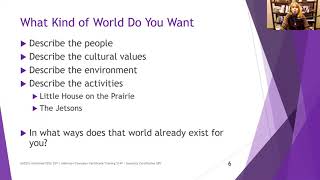
Welcome to Happiness Isn't Brain Surgery with Doc Snipes. This podcast was created to provide you the information and tools Doc Snipes gives her clients so that you too can start living happier. Our website, Docsnipes.com has even more resources, videos and handouts, and even interactive sessions with Doc Snipes to help you apply what you learn. Go to Docsnipes.com to learn more. Hi, everybody, and welcome to Happiness Isn't Brain Surgery with Doc Snipes practical tools to improve your mood and quality of life. Today we're going to be starting a series on spiritual steps to mental health. We're going to start with some of the basics, and today we're talking about connectedness. Now, connectedness really means reflecting on how you impact others and how you kind of create your environment and how your environment impacts you and kind of creates who you are. And we're going to talk about how to use that in order to improve your happiness. Spirituality, though, is much broader. Spirituality can be thought of intangible concepts and the ability to have this sense of wonder about how things happen. Love and compassion and empathy and awe and fascination. There's a lot of stuff that goes into spirituality. We're going to be talking about connectedness today. We're going to be talking about courage, discipline, integrity, and some of those other things in coming presentations. So spirituality helps us try and understand the world and life and understand that we can't know or understand everything. You know, when you look at a little tiny tomato seed and. Or at least I do, I look at this little seed and I'm like, there is no way it can become this big old plant. But every season it does. Onion seeds are even, you know, tinier. And every season, you know, this little tiny speck becomes a great big two pound onion. How do we form from two cells? And not only that, you know, okay, so they divide, great. But how do they know how to differentiate? How do they know which ones are supposed to become skin and hair and eyeballs and nerves and all that kind of stuff? You know, it's just kind of miraculous. What's beyond the universe? That one's always bugged me because, you know, things are in containers and I like things in containers. And so beyond the clouds is the sky, and then beyond the atmosphere is space. And then beyond space is, you know, what's beyond that? What's, you know, what is everything sitting inside? And then what is that sitting inside? I never did well in philosophy classes, but I digress. Another question that comes up is If God made everything, then who made him? You know, where did he come from? And if the Big Bang created everything, where did all this stuff come from that made the Big Bang? Where did that primordial soup come from? Somebody had to make the soup or something. So those are all the questions that you can start pondering to realize that we have only scratched the surface of knowing. And spirituality means coming to an understanding and appreciation of what we do know, but also all that we don't know and the wonders that are out there in the world. Connectedness and interdependence means we're impacted by, well, everything. Our friends, our neighbors, technology, culture, media, environment, health, attitude, mood, and even our past. So let's talk about those real quickly. Our friends impact us. Our friends help us. When we need help. We tend to form our opinions based on sometimes what our friends think. Our friends may impact our mood. If they're being particularly generous and loving, or if they're being particularly snarky and hateful. That's going to impact us. If you have a fight with your best friend, then it's going to impact your mood, probably. And it may impact how you interact with other people for the rest of the day, which may impact how they interact with other people for the rest of the day. And you can kind of see the spiral effect. Our neighbors impact us. You know, our neighbors kind of put a little pressure on you, I guess, to keep your lawn straight and to behave in a certain way and yada yada. Our neighbors tend to set the tone for what the community is going to be like. And if you don't like the tone of your community, then you can try to reset it, especially if you're trying to up it. If you decide that you don't like the homeowners association and you're just going to let your lawn grow to, you know, a foot and a half, that's a little bit of a different story. But that is going to impact them and then they are going to reciprocally impact you. Technology impacts us. We can't turn it off. Well, we can. We choose not to turn it off anymore. So we're constantly getting input and stimulus and information and trying to sort through stuff. We are so over bombarded with stuff now that sometimes we can't catch up and see the forest for the trees. Technology is great though, because it also allows us to learn so much more. You know, if I want to learn a new recipe instead of having to wait to buy the cookbook or go to the library, I can look it up on the Internet. If I want to learn about a disease or a disorder or how to get a stain out of something, those are things that I can look up. And people are sharing their information online. Not always accurate information, but they are sharing information. So technology makes it easier to access and learn and connect with other people and find other people who may not be in your local area, but who exist, who share similar thoughts, feelings, preferences, hobbies, etc. I'm in a group for angora rabbit owners right now, and there are people in the Netherlands that are in this group. And we just share our tips and tricks for maintaining our angora rabbits and for breeding our angora rabbits. Our culture affects us. We're impacted by that because it tells us how we're supposed to act. What we're supposed to do. Now, whether you do it or not is kind of up to you. But our culture does have an impact. You know, when the fashion trends come out that impacts what people wear. And even if you're not one of those people who's watching the fashion magazines, it affects what's available in the store. Right now, they're going through this kind of blue green phase. And I look horrible in blue green. And everything I look at has these really gray, blue, green undertones. I'm like, I'm going to look like death warmed over wearing any of this. But it impacts us. So you want to look at, you know, what is it in your culture? What are your cultural, your culture's beliefs and how do they impact you and do you believe them? You know, you don't have to ascribe to every belief of your culture. You may go, yeah, not feeling it. The media impacts us. What we see, whether it's the news or on, you know, primetime tv, it impacts us. It impacts what we think we should look like. It impacts how we think we should act, what we think think, how we define success. It has a lot of implications for us. Our environment impacts us. If you're in a kind of sketchy environment, you're probably going to be stressed out and not feeling so great. If you're in a safe, warm, loving environment, then you're probably going to be feel nurtured and safe and more willing to take risks and interact with other people. Same thing with your health. When you feel crappy, you don't want to be around other people. You don't want to be interdependent. You want people to leave you alone or maybe to bring you chicken soup, I don't know. But if you're in pain or if you're sick or if you're depressed, it's going to impact how you interact with other people, which will influence how they interact with you. If you're really depressed all the time and just a negative Nelly, that's going to show through in your interactions. And then people may back off a little bit because they just don't want to be around the negativity. Whereas if you are more positive, they may interact with you more. And likewise, if you're generally positive and then all of a sudden you're negative, then people are going to take notice and go, hey, what's going on? Because you had an impact on them, they noticed that something changed your attitude about things, kind of going back to being a negative Nelly. If you always look for the worst, you wait for the other shoe to drop, you're always catastrophizing, then people are going to tend to maybe not give as much stock to what you have to say or may not ask your opinion because they don't want to hear all the negativity. Your mood and your past. Your past has shaped who you are. You've learned who's trustworthy, who's not trustworthy, what's safe to do, what's not safe to do, what's fun, what's not so fun by your past experiences. So now you know that's going to impact what you choose to do. For example, artichokes. I had artichokes when I was, I don't know, in middle school at some age, and it was really disgusting. I haven't tried an artichoke since. It impacted me and it affects what I choose to eat. You know, I'll eat asparagus and I just haven't ventured back into artichokes because it hasn't. Hasn't had an appeal to me. Your past is going to affect what appeals to you. It's going probably to affect your career choices. Because what you think is fun, what you think is rewarding, what you've been good at, is probably where you're going to go. So you want to pay attention to all these things when you're trying to create an environment around you that brings out the best in you. And that's what we're talking about with connection and interdependence. You impact your environment and your environment impacts you. So if you are having a positive impact on the environment, it'll probably have a positive impact on you. Likewise, you know, it may need to start with the environment. You get into an environment that's positive and nurturing and it's going to bring out the best in you and you will grow from there. So what kind of world do you want? You need to sit back and think. And this isn't just a 10 minute question, you know, this is something, as my son would say, that you need to ponder. Describe the people in the kind of world you want. And it doesn't have to be just your family in the kind of world you want. If everything were happy and there weren't distress and terrible things happening, what would the people be like? What would their attitudes be like? What would the cultural values be like? What would the environment be like? You know, some people are really all about the city and, you know, mass transportation and yada yada. Me, I'm a farm girl, you know, I would much rather be on a 10 acre lot or larger with lots of trees and, you know, place for a garden and a pond, that kind of stuff. That's what I would like the environment to be like. I organically garden because I want earthworms. I love earthworms. They're like, you know, gold. When you're digging, if you see earthworms, you know you have healthy soil. So those are the things that I want in my world. It makes me so happy when I find earthworms when I'm planting. Describe the activities that go on in the kind of world that you want. Do you want a world? And this is going to date me some like Little House on the Prairie. You know, back in the 1800s before there was electricity when everybody was farming, but they all were in small communities and banded together. If somebody's barn burned down, then the community helped them build it back up. But it was hard work, it was rewarding and it was very family centric. The Jetsons, on the other hand, everything is digital. It's obviously up in the sky. There isn't the focus on the environment and those sorts of things. The work is much, much different. Lots of button pushing and technology. They don't seem to really have a whole lot in the way of hobbies. There is a little bit of golf in there still. And shopping, lots of shopping. So trying to figure out what kind of world you want and what kind of environment you want. I mean, obviously the whole world is not going to become a forest or the Jetsons, but you can put yourself in a place that is similar to a place where you'd be happy. So for me, I live about 30 miles out of Nashville because the big city is great. It has tons of opportunities but that's not the kind of environment that makes me happy, that helps me flourish. So look at once you just do all those things. Look at the ways that the world that you want already exists for you. So going to the people, you know, all of the people in the world are not going to fit your ideal. But who in your life right now does fit the ideal? Who are those people that are reflect the values and help you feel like you're in the kind of world that you want to be in? For me, my animal rescue peeps are the peeps that I hang around with, and they make me feel like it's a good world because we're taking care of the innocent and the forgotten. Describe the cultural values. Looking around at where you spend your time, your houses of worship, your recreational activities, your friends, the values that all of those people and places, you know, kind of put on you or put out there. If you agree with them, great. You know, what kind of values do you want? And how are you seeing that in your community? If you think that we should be helping one another, then how do you see that in your community? How does it already exist? You don't have to reinvent the wheel, but looking around, you'll be surprised at the resources that are out there that you can volunteer or you can help with in order to feel more connected, in order to feel more fulfilled, like you're helping. What's the environment like? If you want a, you know, if you want to live on a farm that's covered in trees and has an organic garden, then make it so, you know, you may need to work at it a little bit. If you want to live in the city, you may need to look at, can you get to the city, or what ways does it already exist for you? So I live in the country. If I wanted to live in the city, but obviously it's not practical to sell my house. How can I spend more time in the city? So I'm in an environment that gives me energy and makes me feel nurtured. And what kinds of activities do you already do that you think are worthwhile and important? The ripple effect is kind of where we're going from here, because like I said, you can't change the world, but you can change yourself. You can change your family. Well, you can influence your family, you can influence your neighborhood, you can influence your community, and your community will influence other communities. So, you know, it's a slow process. Think about when you throw a rock into the water, the rock goes into the water and you See the ripples come out. That's what we're talking about with you. Your family, your neighborhood, your community. But also, as that rock goes down, what happens? It disrupts the water underneath. It hits the ground, and then it disrupts the sand or the silt at the bottom. So there are a lot of unseen effects, not just the seen effects, but unseen effects. So everything you do has seen effects and unseen effects. So you want to think about the consequences. Like, I read a story one time about somebody who was feeling really depressed and he was, you know, kind of on the verge of being borderline suicidal. And he was walking through the downtown and somebody smiled at him and said, good morning. And that for whatever reason, made all the difference to that person that day because somebody acknowledged his existence. And he's like, you know, it made me think that, you know, maybe there are some good people in the world. So, you know, he's still here today. He's sharing that story. But if you smile at somebody and it brightens their morning a little bit, then they may be more likely to hold the door for somebody which is going to brighten their morning a little bit, and they may be more likely to smile at somebody else. We're not talking about doing huge earth moving things. We're talking about a smile here. But it can make a huge difference. And it makes a difference for you when you smile at people. When you carry yourself tall, you tend to feel happier than if you carry yourself hunched over and you have this frowny face on and you're looking at your digital device the whole time. So look up, look around. Interconnectedness and connectedness means being aware of your environment. If you are in your iPad the whole time, you don't know what's going on around you. The world is going on around you and you just don't even notice. So connectedness means being aware. When I'm driving home from work, I try to pay attention as I'm driving to the birds that are on the power lines or in the trees and whatever other things I see. I'm a big one for birds and clouds, so I look at those more than anything. My husband tends to look for airplanes, but whatever works for you. But being aware of your present environment and what it looks like and you know, it can make you happy. If you help somebody at work, that may ease up their stress level and improve their day so they're more productive and, you know, that makes the boss happy. And they may, because they're less stressed, they may tend to be in a better Mood, which improves morale, which helps everybody's day. So little things you do are going to have reciprocal effects. So I want you to think of little things that you can do each day. You know, just one, just one little thing you can do each day. Try doing it and you can change. It doesn't have to be the same thing every day, but try to do one positive thing each day and see what the ripple effect is from that. A last example I'll give you is if you choose to let go of a grudge, so you're not even helping anybody else, you're helping yourself. When we hold on to grudges, it tends to make us irritable, resentful, angry, suspicious, less trusting. All those things that inhibit relationships and inhibit us from wanting to get into relationships. And it drains our energy. At a certain point, if you let go of this grudge for yourself because you decide, you know what? This is not worth my energy. You free up so much energy to exercise, to smile, to do things with your family that you enjoy because you're not constantly being drained by that negativity. So there are a lot of things that you can do. Start small, one small thing each day. And when you do that small thing at the end of the day, reflect on, I did that. How might that have had a ripple effect? You're not going to smile at somebody, then follow, follow them around for the rest of the day to see what happens. That's stalking. But you may smile at somebody and go, you know, this is what happened. Or if somebody smiles at you, you can track how it affects you and what you do henceforth for the rest of the day, if it changes your mood or encourages you to be nicer. Alright, so a negative example on the ripple effect. If you read less than objective news. And we know this is a big thing that's out there right now, and this is an example I'm using. It's not true. Nobody panic. I just wanted to make a point here. If, for example, you opened your tablet and read that the President decided to cut funding for Medicaid in half and millions of people are going to lose their health insurance, you might start panicking. Now, what the article didn't say was that the President was also creating an alternative voucher program to better meet the needs of recipients so they wouldn't have to find a doctor who just accepted Medicaid. They could take this voucher to any doctor. But newspapers and media outlets are designed around getting you to read their stories, so they want to shock you, they want to make you go, oh, I need to read that, I need to share that. So they may give you slightly slanted or really slanted information. And it goes both ways. I'm not saying it doesn't, it goes both ways. But you want to ask yourself, whenever you read something, what could be not being said? So what do you do about it? Well, in this example, you read it, you get freaked out, you spread it, you start sharing it on Facebook and Twitter and freaking out about it. Other people read it, do the same thing. They're just like, oh my gosh, I can't believe this is happening. They spread the news. People start to form opinions and attitudes based on that less than objective news. So they're going, oh, this is going to be the worst thing in the world. I'm going to be without health insurance, the sky is going to fall. I'm not going to be able to, you know, my kids aren't going to be able to get health care, yada, yada yada. They start to get panicky, which starts to impact relationships, work productivity, health and mental health because they start freaking out. And then there are probably other people who they're friends with that disagree. So that causes tension. But when they get stressed, they don't have time to devote healthy energy to healthy relationships. They're focused on this crisis right now. Their work productivity goes down because they're stressed out. They're focused on this crisis, they're worried about it. They may be sharing information and just talking about it constantly at work instead of doing their work, which can impact their mental health because their anxiety's up, their stress levels up, their cortisol's up, their sleep down, they're not getting quality sleep now because they're stressed out, which is going to start impacting their mood, their libido and their immunity. So I mean, just something as simple as to coin a term or to use a term, fake news can really get people all in a tizzy. And instead of positively rippling, it's a negative ripple and it starts tearing things apart. We don't want to tear things apart in spirituality, we want to bring them together. Another example is the current flu outbreak. And if you remember back, you know, a few years ago when there was the threat of Ebola coming to the States, you know, people can get freaked out. I've been reading the stories and I see these repeated stories of healthy people, you know, no pre existing conditions dying from the flu. And I'm like, oh my gosh, I don't want my kids to Go out anywhere. But then you start reading it and you realize that hundreds of thousands of people have gotten sick with the flu. And you know, these 10 examples of healthy people that died are extraordinarily tragic and unfortunate, but it is less than 1/10 of 1%, so it's not wiping out legions of healthy people. These 10 people or so happen to be particularly unlucky. But we read those repeated stories and it spreads fear. And people start staying home, which can hurt businesses that rely on them, like restaurants and shops and even grocery stores. You don't want to be out in public anywhere, so you may start ordering stuff in from Amazon or whatever. People start getting panicked the minute they start to feel sick. So, oh, I've got a scratchy throat, I'm getting the flu, I'm going to die. So they start calling in sick to work and going to the hospital where they're exposed to people who actually do have the flu and kind of may create a self fulfilling prophecy. Schools and businesses, at least this year the school system has shut down a couple of times because of illness. Too many teachers and students have been out to hold school and they shut it down for an entire week. So it has an impact. When schools shut down, that means the parents of those children have to call in sick or find some kind of childcare arrangements. You see how it all, you know, it can start to impact the economy, the culture, the world at large. And hourly employees may lose wages if their business shuts down because it's just not profitable to be open interventions. So how do we deal with this stuff so we can have a positive ripple instead of a negative ripple? Always try to see the other side. Ask yourself what other information is there that this source left out? I read an article this morning where it said people who eat processed food have like a 10% higher risk of getting cancer. And I'm like, okay, let me read the story. But finally at the end they said, well, remember this is just a correlation, which means we see people who eat processed foods have a higher rate of cancer. We don't know that the processed foods caused it. Because the same people who eat a lot of processed foods also tend to have high stress, smoke more, tend to be overweight, not exercise and drink more, and take hormone replacement therapy. That was the other thing. And I'm like, okay, those are a lot of factors that could impact cancer risk, aside from just whether you eat white flour or not. So you want to get the whole story and look for those what I call confounding variables. Other Things that weren't measured or talked about that could also be causing the problem. Can I find the original document to see it for myself? If it's a scientific study, find the journal article. If it's a bill from Congress, find the original bill. It's public record. We generally don't like change. But step back and ask yourself, realistically, could this work? You know, if we decided to implement a sweeping gun control policy, realistically, could this work to reduce gun violence? And think about it, because some people are like, oh, we can't control guns. And other people are like, oh, we must control guns. But what's realistically going to work to stop the violence? Because it's the people, not the guns. You've probably already read either the best possible scenario or the worst. It either got you fired up for the positive or you're freaked out to death. So what's the middle ground? What's more likely to occur? You know, it's more likely that, you know this is going to happen. You know, it's more likely, like with the flu, it's more likely that, yes, I stand a high chance of catching it if I keep going out in public, but it's not very likely that I'm going to die from it. What can you do to constructively address the situation? You know, if it's gun violence, think about that. If it is a bill in Congress, writing your congressperson, you know, other than that, there's not a lot you can do except for elect somebody different the next time. But you can take proactive steps. If you're trying to protect yourself and your family from the flu, get the flu shot and stay out of public areas. You know, as much as possible. You may have to go to school and go to work, but my kids are in martial arts and we're skipping judo because judo, they're all like right up face to face and rolling around on the ground together. And you know, that is more likely to spread disease. So we're gonna avoid that until their flu shot is completely kicked in. And finally, even when you do read this news before you share it or come to this revelation, whatever it is, before you share it with other people, because it can freak other people out and make other people angry or whatever. Think about these questions. Is it true? Do I have the whole truth? If so, okay. Is it necessary to share this information? Do people really need it? Is it helpful and or kind if it is true, but it is not kind. You know, some things are true, but they're just really nasty things. But they're not necessary to be said. You know, saying them out loud doesn't help or help anything and it just hurts people. So is it true, Necessary, helpful and kind? The Bible says, let anyone who is thirsty come to me and drink whoever believes in me. As scripture has said, rivers of living water will flow from within them. Rivers carry fresh life giving water because it flows out. Rivers are constantly moving and they're moving towards larger bodies of water so they kind of grow. Swamps are stagnant and life devouring. When water gets goes into a swamp, it kind of stays there and then it kind of can become putrefied and nasty. If you've ever been in a swampy area, you know, it's growing stuff and it kind, it's sometimes smells kind of bad and it has a lot of tannins in it. So it just kind of sucks things into it and it's not life giving. You know, animals are generally not going to go drink from the water of a swamp because it's contaminated. So be like the river, don't accumulate too much. So everything's being stagnant before you allow some to flow through. The more you let flow through, the more you nourish others, the more nourishment will come back to you. And this can be for a higher power or for wisdom if you know, depending on what your belief system is. So this knowledge, if you have wisdom, whoever has wisdom, living water will flow from within them. Knowledge and help and positive things will flow from within them. They've got wisdom. And wisdom is taking knowledge and kind of common sense and putting them together and going, okay, I've got this book learned and what do I do with it now? So you can think of it that way. If you're not a religious person, another intervention is to have an attitude of gratitude. Focus each day on identifying blessings and those responsible for your blessings, wherever you think they come from or whatever. But you know, people are a blessing. People that help you out are a blessing. The farmers that grow your food are a blessing. So thinking about those people and things that are blessings in your life that help you have the kind of life that you want to have. There may be areas of your life that kind of suck right now, and you know it happens. But there are probably also larger areas or more areas of your life that really are going pretty good. We tend to focus on the negative. So turn your attention and look at all the things that you can commit to that are going well. And this other thing, yeah, you got to work on it, but don't forget all of that amazing stuff that you already have going on in your life, those amazing people that are there to support you and that you want to support. So you want to make sure that you're happy and healthy so you can be there to support them just like they're there to support you. Find deeper meanings in your experiences by asking yourself, how can I use this as an opportunity to grow and improve the world around me? Something happens, you know, you lose your job, for example. It is unpleasant, you can get angry about it, you can get, you know, negative, and all kinds of stuff that doesn't do any good. So how can you use this as an opportunity to grow? Maybe figure out a different career path and get some more education, maybe try a different place, maybe go to a different company and, you know, take all the knowledge that you've learned to make that company thrive and improve the world around you. Use your knowledge and your experiences to help things flourish instead of to try to tear things down. You know, trying to get back at your old company, not going to probably be effective or do much good. But if you can help someone else or another company flourish, so find deeper meanings in your experiences. How can you use this, this tragedy, whatever it is, to help my children? My son especially, was a micro preemie, and that was hard. We spent six weeks in the neonatal intensive care unit. But that experience taught me so much, and I've been able to take that experience and help other parents who have children who have to be in the neonatal intensive care unit figure out how to live. Because it's a whole different world in there with all the buzzers and wires and everything that are attached to your child, and it can be really scary. So, yes. Would I have chosen to have a micro preemie? No. However, I did, and I can use that knowledge and experience now to support other people and to spread hope and courage and faith that everything's going to be okay. So the ripple effect activity is I did. And whatever you did, I smiled at somebody. It impacted me emotionally by making me feel happier, mentally, by knowing I did something to improve somebody's day. Physically, when you're happier, you tend to have less pain and feel better physically, socially. When you smile at people, it improves your interactions, improves your relationships. Environmentally, if you're smiling, you're creating a warm, nurturing environment. So it's probably going to rub off on other people. You know, if you're around somebody who's smiling all the time, you may not reach their level of giddiness. But it's going to tend to take the edge off a little bit. You know, I know when I've had a bad day, if I go into a meeting with some of my co workers and we start cutting up, you know, it's just you start smiling, you start laughing and it's like, you know what? Whatever I was worried about before I came in here, it'll work out. And spiritually, how did smiling at somebody and doing something that you knew was going to help somebody else out and maybe brighten their day, how did that affect your sense of hope that, you know, people are overall good and the world can be improved? Your faith in your fellow man, your sense of connectedness? When you smiled at them, did they smile back? You know, that was a direct reaction to something that you did. And how did that impact your courage? Smiling, for example, can be kind of threatening. If you smile at people and they scowl back at you, it's like, oh, sorry. But you got to be there. You got to be courageous and smile at them. And if they don't smile back, that's on them. You tried and you kind of put it out there. But by smiling at other people, for example, or saying hi, you're making yourself a little bit vulnerable. You're having to be courageous. All of this, when you smiled at somebody, it had the following effects on other people that you contacted that day. So you're feeling better about yourself, you're feeling all that in a bag of chips. Physically, you're a little bit less stressed. You know, you're in a good mental space, you're in a good bubble. So how did that impact you the rest of the day? You know, you can think about it in the negative of, you know, if you're having a bad day and you woke up late, how does it impact you? And then how does it impact how you influence your environment, the people around you and your work the whole rest of the day? It's usually ugly, but let's do happy. You know, if you get up and you are just roll out of bed and you are Susie Sunshine, how does it ripple through the day? And the people that you contact, how do you think it impacts them? If you are in a good mood and positive and helpful and all that kind of stuff. So meditation at the end of the day, think about what was your impact on the world today? How did you impact other people? How did you impact the environment? And how did you impact knowledge? Did you share or impart knowledge to somebody? How did the world impact you today? How did it Affect your mood, your attitude, your sense of purpose and belonging, your sense of pride and self control, your ability, you know, your can do attitude. And what can you do to make the world around you more like the world that you want? What's one thing that you can do? So you want to think about that because each day as you start doing more positive things, hopefully your world is going to become a little more positive. So that's great. You know, maybe in your environment you decided to put. Get flowers and put them around your house, you know, so it looked more festive or spring like or whatever. That's a direct positive impact on your environment, which can impact your mood and the mood of the people that are in your house. So, you know, thinking about small things that you can do to make yourself happier and make the people around you happier and healthier. Other things you can do compassion, kindness and brotherly love. If you want to emphasize those values. You can donate stuff. You don't necessarily have to do anything. You can go through and find some of the, you know, nice sweaters and stuff you have and donate them to a homeless shelter. You can help, you know, help your neighbor clean up the sticks that fell down during the storm, or help your kids clean up their room if it's gotten to be a real disaster. You can volunteer. There's always volunteer activities. Some are, you know, two or three hours one time. Some are a repeating every month thing. But you can volunteer and find people who share similar ideas and ideals. And you can advocate, you know, advocate for mental health, advocate for child abuse prevention. You can go out there and, you know, let people know about a cause, safety. You know, this is another thing, because a lot of you want to live in a safe environment. So if you see something, say something, it may not be anything. You may see something and go, ooh, looks like that's dangerous, or that person doesn't look like they should be here. So you call the cops and ask them to do an increased patrol. Okay, maybe it was a new landscaper or something, I don't know. And it wasn't a big deal, but at least you tried to protect. And in our neighborhoods, we try to do that. I mean, I know in our neighborhoods that we've always lived in, everybody knows what cars are supposed to be there and when there's a strange car that's there, you know, we take notice and we watch out for our neighbors, assist others in house repairs. You're not going to feel safe if your door doesn't lock or if your window's Broken. So if a neighbor has something happen where something like that happens, you know, helping them fix their house so their house is a safe place and offer a friend a ride. If somebody, you know, normally has to walk to work or ride their bike to work, especially if it's in the dark or wee hours in the morning and you're able to provide them a ride instead of having them be out there all by themselves, you know, that's helpful because it helps them be safe and get to work. Faith in others, you know, that's another trait I hope that people have in my world. So demonstrate that people can be honest and trustworthy by being honest and trustworthy. That's pretty good there. And then if somebody lets you down, you know, think about what are some other explanations for why this happened, as opposed to they didn't care or they were trying to let me down. And look at the good things people do. We all make mistakes, you know, we all have oopsies here and there. But instead of focusing on one mistake and going, see, nobody's trustworthy, look at the greater picture of what they've done and the mistake as an isolated incident. And finally, if you're like me and you want a healthy earth, recycle, you know, that's easy. So if you throw, you know, recyclable stuff in the, in the garbage, think about how that builds up. If every single person mindlessly throws recyclable stuff in the garbage, then our landfills grow up, grow up really quickly. So recycle whenever possible. Pick up litter. You know, you don't want little squirrels crawling into plastic bags and suffocating to death, and it just looks nasty. So pick up litter. Keep sanitary wipes in your, in your car or in your purse so you don't have to touch something or keep plastic gloves or rubber gloves in there if you want to. So you can pick up things and not get freaked out about it and go organic. A lot of the fertilizers that they use have a lot of salt in them. The salt drives away the worms. And so the only way to get the nutrients that they need in the soil is to put on more chemical fertilizers. So they're kind of destroying the whole process. If you go organic, you know, yes, it takes a little bit more doing, but you're not using the salt and you're not using the chemicals, and you're supporting the earthworms and you're supporting that whole food chain, from the earthworms to the birds to the carnivores. To everything else. As a final note, Mother Teresa advised, spread love everywhere you go. First of all, in your own house. Let no one ever come to you without leaving happier and better be the living expression of God's kindness with kindness in your face, kindness in your eyes, kindness in your smile, and kindness in your warm greeting. If you like this podcast, please subscribe on your favorite podcast app. You can join our facebook group@docsnipes.com facebook or you can join our community and access additional resources@docsnipes.com.










